
Deer-resistant flowers
Every annual, perennial, biennial and bulb in the encyclopedia, grouped by how often deer damaged it in the Rutgers trials. The top tier is the flowers deer walk past. The bottom tier is the ones that need a fence. Most of what a garden center sells is somewhere in between, and that band is where the choices are.
264 plants · page 5 of 5
What "deer resistant" means for a flower
Nothing on this page is deer-proof, and the source of every rating on it says so first. The tiers come from Rutgers NJAES E271, a list of landscape plants scored by how often deer damaged them in northern New Jersey gardens, and the top tier is called Rarely Damaged rather than Never for a reason. The University of New Hampshire's Infoline, answering a reader who wanted a list like this one, opened with the line every extension service uses: "No plant is entirely deer-proof."
What the tiers do tell you is where to spend the money. The encyclopedia holds 264 annuals, perennials, biennials and bulbs. Eighty-two are Rarely Damaged, 131 Seldom Severely Damaged, 45 Occasionally Severely Damaged and six Frequently Severely Damaged. So roughly four flowers in five are ones a deer will usually walk past, and the garden centers are full of the other fifth, because the other fifth is what sells. Tulips, impatiens, pansies, petunias, dahlias, daylilies. All in the bottom two tiers.
The grid below groups every flower by its tier. A few foliage plants are in it because they are perennials and this page is built from plant type rather than from bloom: hosta most obviously, which is here because it is the plant this question is usually about, and because its tier is the one that answers it.
Flowers deer won't eat
The top tier is not a random list. Almost everything in it is poisonous, aromatic, or furred, and a flower with none of those three usually sits a tier down.
The poisonous ones are the most reliable, and the spring bulbs lead: daffodil, snowdrops, winter aconite, Siberian squill, crown imperial, allium. Daffodils carry lycorine and deer and rodents both refuse them, which is why a bed of daffodils comes up every April in a garden where the tulips lasted one season. Among the perennials, monkshood, foxglove, hellebore, bleeding heart and peony are all Rarely Damaged, and all on the ASPCA's lists as well, which is the same chemistry working on a different animal. The callout on each plant's page carries the species it is listed for.
The aromatic ones are the mint family and its neighbors: catmint, lavender, Russian sage, anise hyssop, bearded iris for its rhizome. The furred ones are lamb's ear and dusty miller. And then a handful that are none of the three and still rated A, which is a reminder that the tiers are observations and not a theory: false indigo, threadleaf coreopsis, lungwort.
Under heavy pressure, meaning a lot behind woodland or a February with snow on the ground, deer have been recorded testing plants they walked past all summer. The tier says how often that happened. It does not say never.
Deer-resistant perennial flowers
The perennials are where a deer-resistant bed gets built, because a plant that survives its first winter of browsing keeps paying off, and the perennials page covers them at length. The short version, by job.
For the middle of a sunny border: catmint, lavender, Russian sage, perennial salvia, yarrow, purple coneflower, bee balm, gaura. The first three are Rarely Damaged; the rest are Seldom Severely Damaged, the second tier, and in a bad year the coneflower buds go. For late color: blazing star, black-eyed Susan, pincushion flower, goldenrod, Japanese anemone, toad lily for shade.
The ones searchers ask about most sit one tier lower than they hope. Daylily is Occasionally Severely Damaged, and NC State's entry is blunter than Rutgers: "they are frequently damaged by deer." The plant survives; the buds do not. Phlox, Shasta daisy, garden mums, sedum, hollyhock and blanket flower are all in the third tier with it.
Perennials that bloom from summer into fall, on the encyclopedia's own bloom data: Russian sage, perennial salvia, gaura, bee balm, black-eyed Susan, blazing star, pincushion flower, sneezeweed, swamp milkweed, verbena where it is hardy. That data is thinner than the ratings, 247 of the 264 flowers carry a bloom season, so a plant missing from that list may only be missing a field.
Deer-resistant annual flowers
Annuals are where the warm colors live, and where the losses are cheapest. A bad choice costs a season. The annuals page has the long version.
Rarely Damaged: snapdragon, ageratum, larkspur, poppy, spider flower, flowering tobacco, heliotrope, sweet alyssum, annual vinca, pot marigold, strawflower. Seldom Severely Damaged: marigold, zinnia, annual salvia, lantana, celosia, nasturtium. Marigold is the most planted deer-resistant annual in the country and it is in the second tier, not the first; the scent does most of the work and the buds are still taken under pressure.
The bedding plants that fill the tables at every big-box store in May are the third tier: impatiens, petunia, pansy, annual geranium, begonia, dahlia, cosmos, sunflower. On a lot with light pressure a bed of impatiens can go all summer untouched. Backing onto woodland it is eaten to stems in a night. The tier is the average of both.
Bulbs are the easy swap
Bulbs give the cleanest substitution in deer gardening and get their own page. Tulip is Frequently Severely Damaged, the bottom tier, and a tulip bed in deer country is a salad bar with a schedule. Daffodil, allium, snowdrops, crown imperial and winter aconite are all Rarely Damaged. Same planting depth, same season, same effort. Swap one for the other and the problem goes away, which is more than can be said for anything else on this page.
Crocus, hyacinth, grape hyacinth, gladiolus, calla lily and canna are Seldom Severely Damaged. Garden lily, the true lily, is a tier lower and its buds are taken the way daylily buds are.
Flowers for shade
Shade is where the classic answers fail, because lavender and catmint die under a maple. The flowers that are both Rarely Damaged and happy in four hours of sun or less: hellebore, bleeding heart, lungwort, foxglove, monkshood, snowdrops, daffodil, corydalis, Siberian bugloss, and among the annuals ageratum, flowering tobacco, heliotrope and wood forget-me-not. Second tier: astilbe, coral bells, columbine, bigroot geranium, cardinal flower, toad lily. The shade page has the full cut, the shrubs, and the answer to the impatiens question, which is that impatiens and begonias are both third tier and there is no shade annual in the first tier that looks like them.
Flowers for pots and hanging baskets
A pot on a deck is not out of reach; a deer stands at a railing and eats what is in front of its nose. The plants flagged as container-suitable in the encyclopedia that also sit in the top two tiers: lavender, catmint, salvia, verbena, gaura, lantana, zinnia, marigold, celosia, lamb's ear, coral bells, astilbe, hellebore, daffodil, allium. Lantana and verbena trail, and the scent on lantana is the reason it is on the list. Nothing here has been measured in a basket rather than in the ground; the tiers were collected from landscape plantings, and a hanging basket is a different exposure.
Deer and rabbit resistant flowers
The two animals do not share a list. NC State's Plant Toolbox records both separately, and among the flowers checked for this site, columbine, sedum, calla lily and butterfly bush are listed as resisting rabbits as well as deer, while dianthus "is resistant to damage by deer but will be eaten by rabbits." The low, soft mat that a deer ignores sits at exactly the height a rabbit works. A plant eaten to the crown inside a deer fence is rabbit damage, and the fix is a two-foot ring of wire, not a taller fence.
The flowers deer eat first
Sometimes the useful list is the other one. Tulip and hosta are the two flowers in the bottom tier that people actually plant. One tier up, Occasionally Severely Damaged, and still a real risk under pressure: daylily, impatiens, pansy, petunia, dahlia, sunflower, cosmos, annual geranium, begonia, phlox, Shasta daisy, mums, sedum, hollyhock, garden lily, balloon flower. Roses and hydrangeas belong to the same tier but are shrubs and live on the flowering shrubs page.
If one of those is the plant you want, the answer is the same as for hostas. A fence: in the VerCauteren trials a 1.5 meter fence stopped none of the deer, 2.1 meters stopped 85 percent and 2.4 meters, about 8 feet, all of them. Or a spray on a schedule: Colorado State rates a 20 percent whole-egg spray High, reapplied about every thirty days, and the USDA's trial of twenty repellents found sprays on the plant beat anything hung near it. Minnesota Extension's benchmark for a spray program is a 50 percent reduction in browse as very successful and 30 percent as the likelier result. On a plant whose whole value is the flower, decide in advance whether losing half the buds is acceptable.
How to use the list below
Every flower is grouped by rating, best first, with hardiness zones, sun and mature size on the card. Filter by your site before you filter by rating: a Rarely Damaged sun perennial in a shaded bed dies of the shade, and the deer get the credit. The perennials, annuals and bulbs pages carry the same plants by type, with more on each, and every zone from 3 to 9 has its own cut.
Occasionally Severely Damaged18
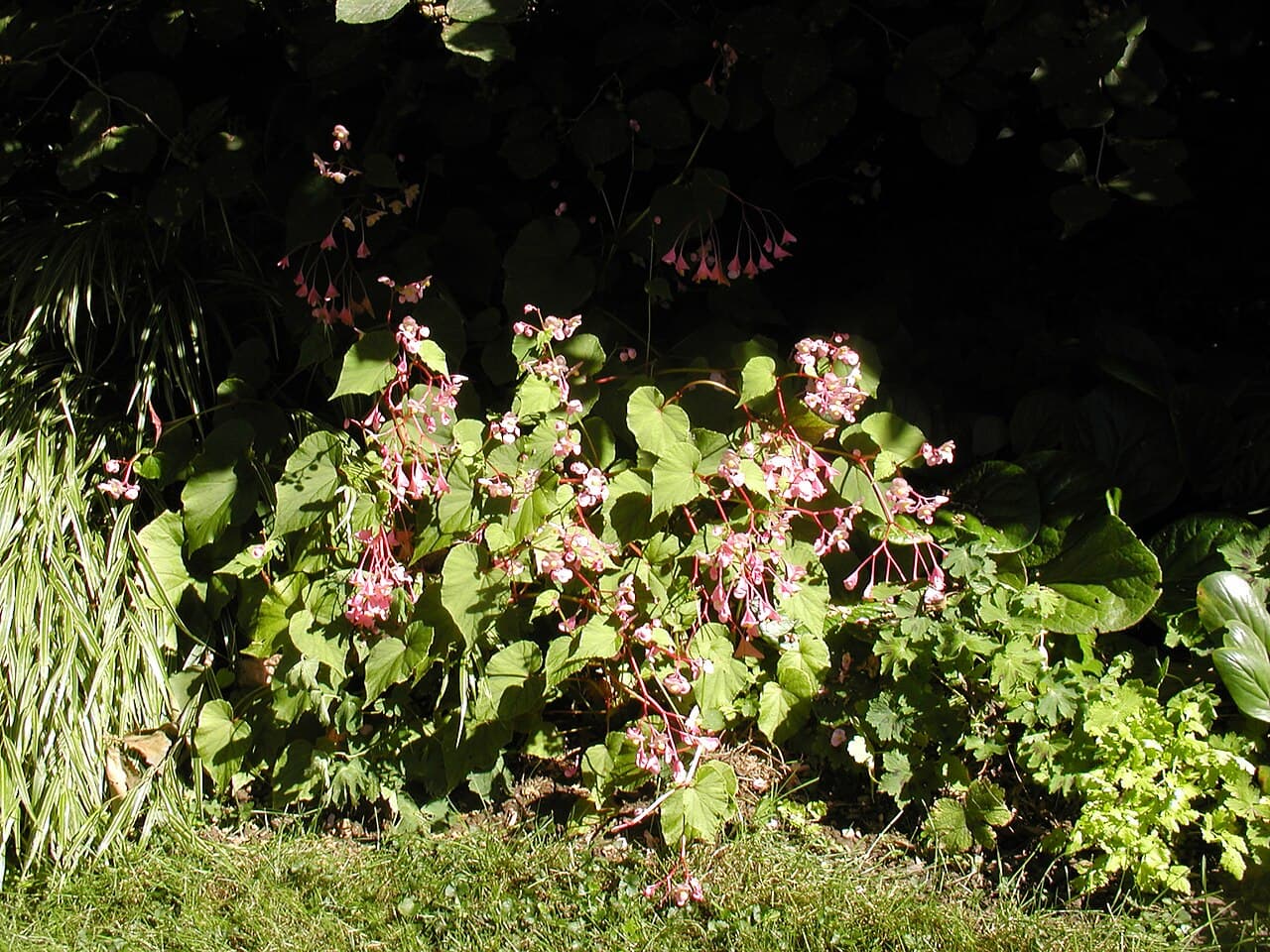
Hardy Begonia
Occasionally damagedBegonia grandis
- Type
- Perennial
- Hardiness
- Zones 6–9
- Height
- 18–36 in
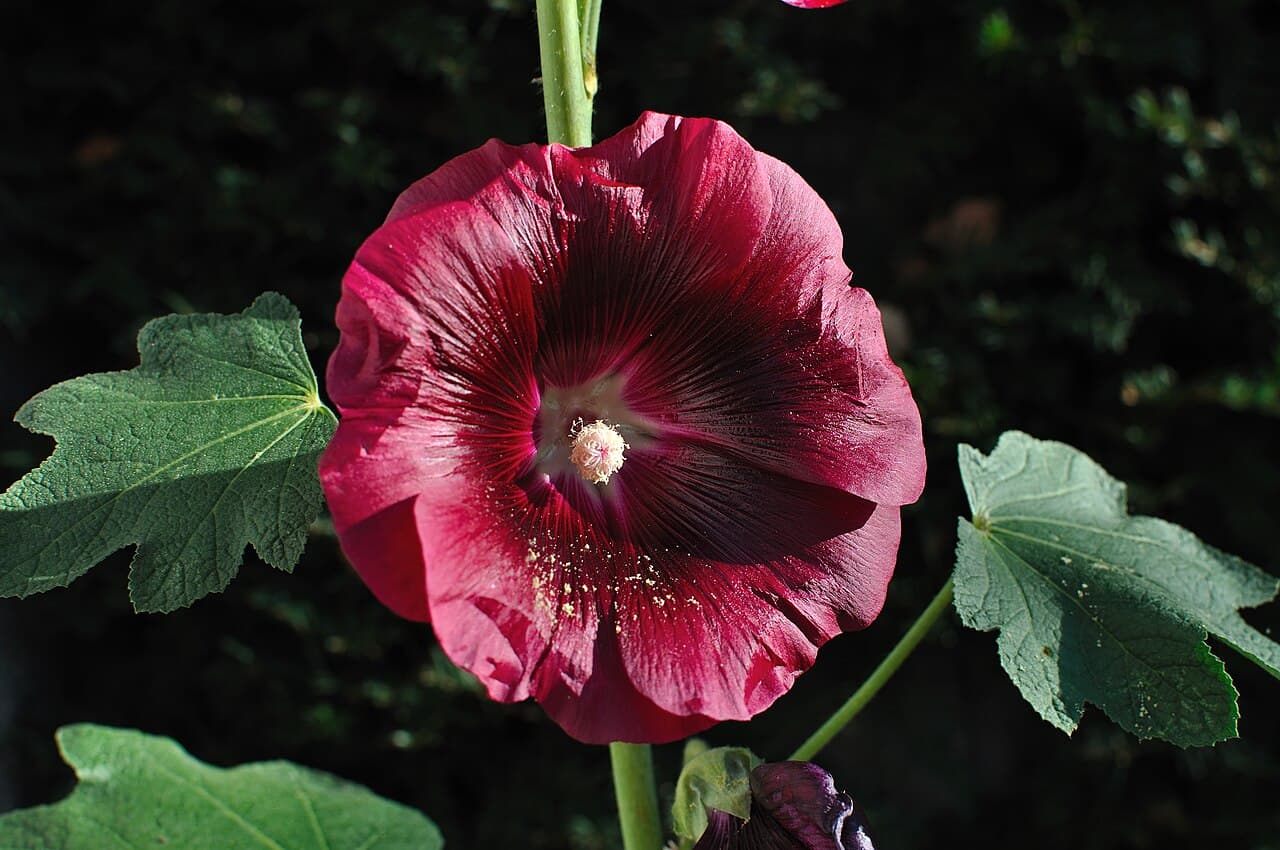
Hollyhock
Occasionally damagedAlcea sp.
- Type
- Perennial
- Hardiness
- Zones 3–8, genus range
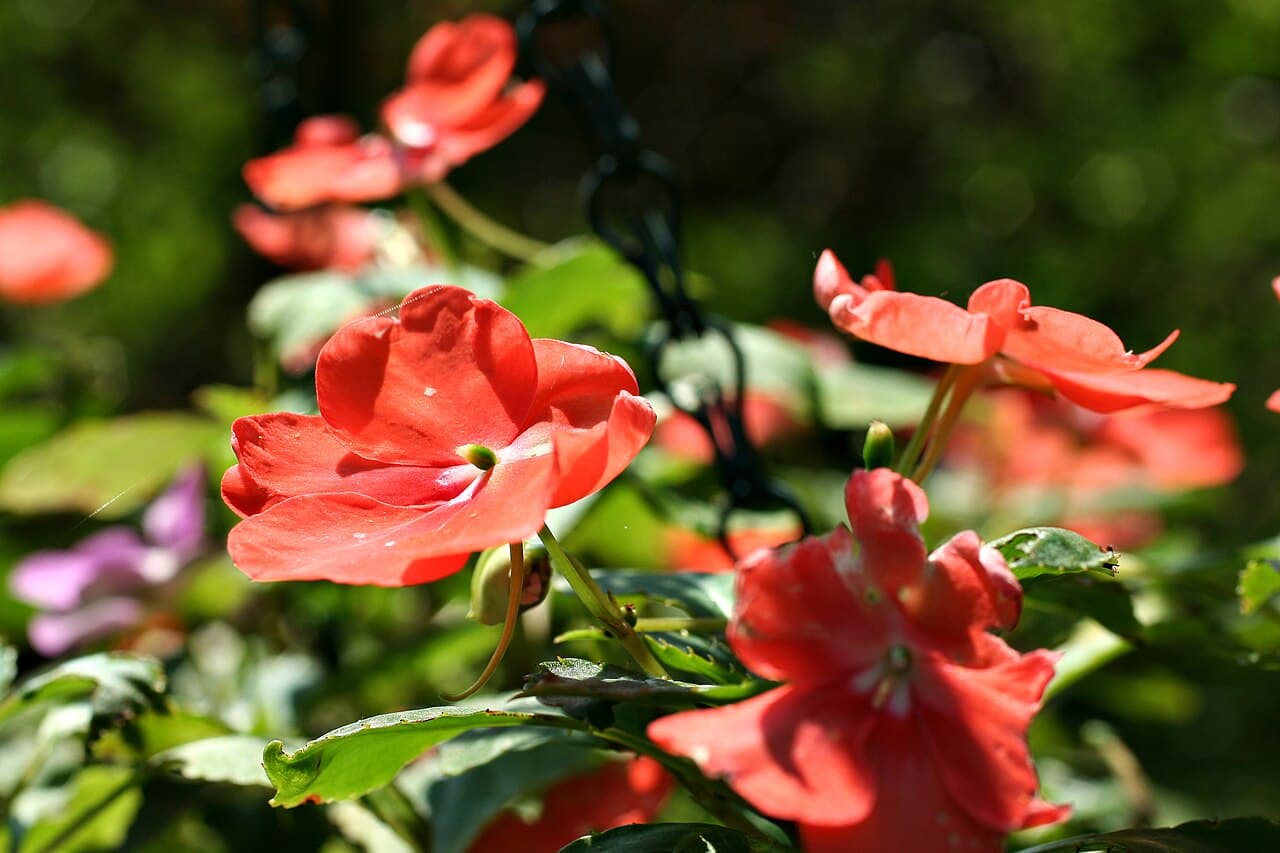
Impatiens
Occasionally damagedImpatiens walleriana
- Type
- Annual
- Hardiness
- Grown as an annual, any zone
- Height
- 6–24 in
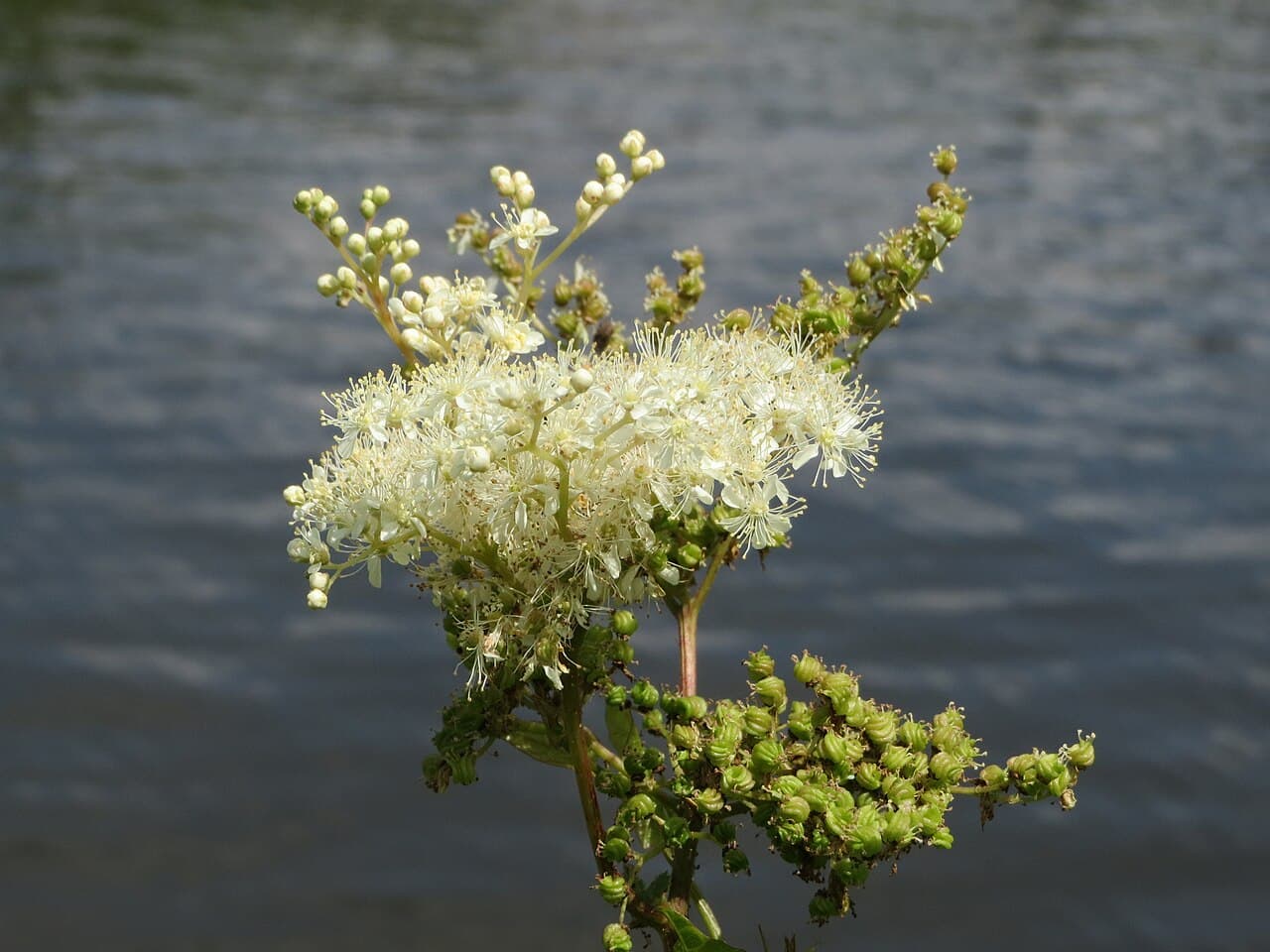
Meadowsweet
Occasionally damagedFilipendula sp.
- Type
- Perennial
- Hardiness
- Zones 3–8, genus range
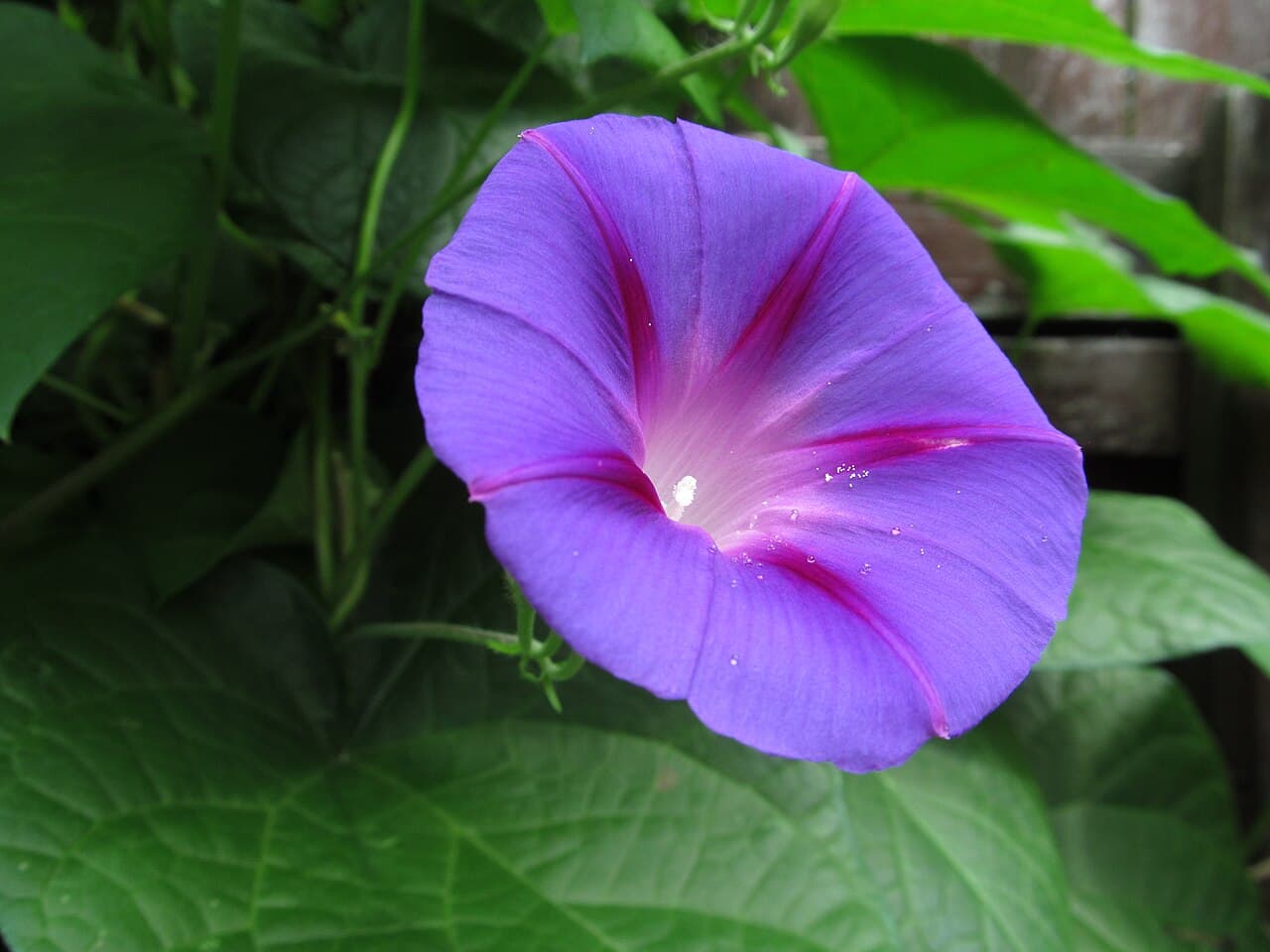
Morning Glory
Occasionally damagedIpomoea sp.
- Type
- Annual
- Hardiness
- Grown as an annual, any zone
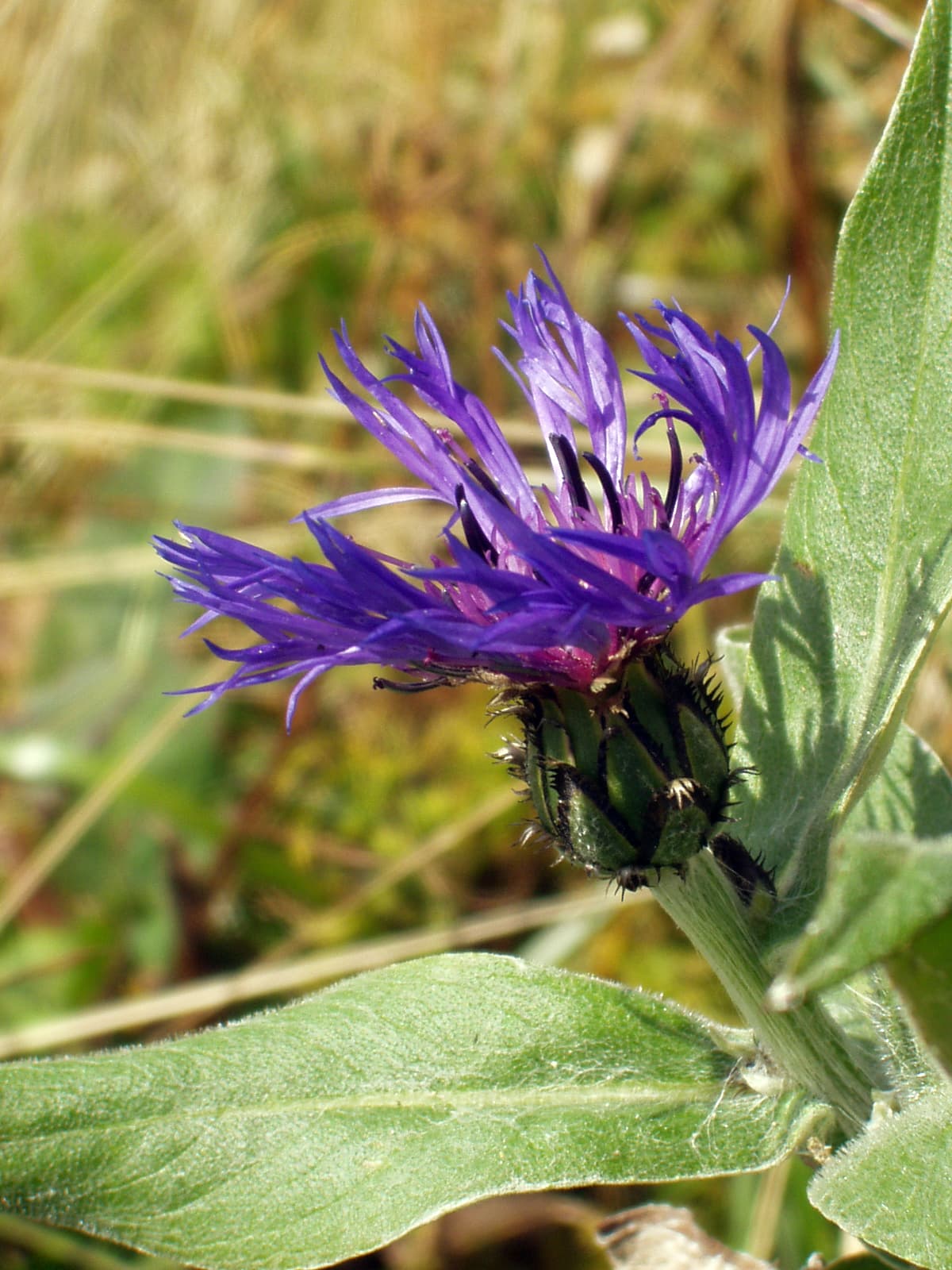
Mountain Bluet
Occasionally damagedCentaurea montana
- Type
- Perennial
- Hardiness
- Zones 3–8
- Height
- 12–24 in
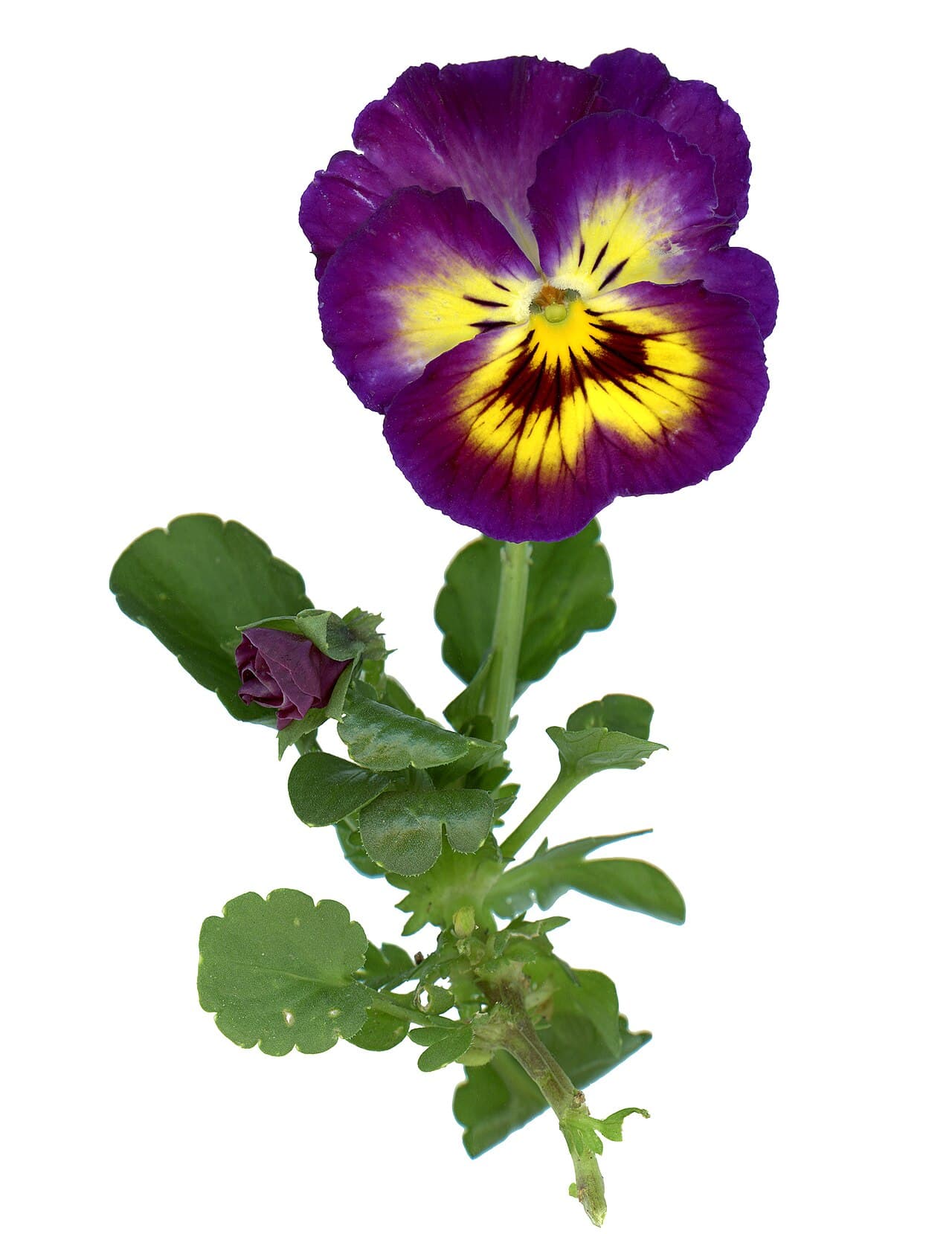
Pansy
Occasionally damagedViola x wittrockiana
- Type
- Annual
- Hardiness
- Grown as an annual, any zone
- Height
- 6–10 in
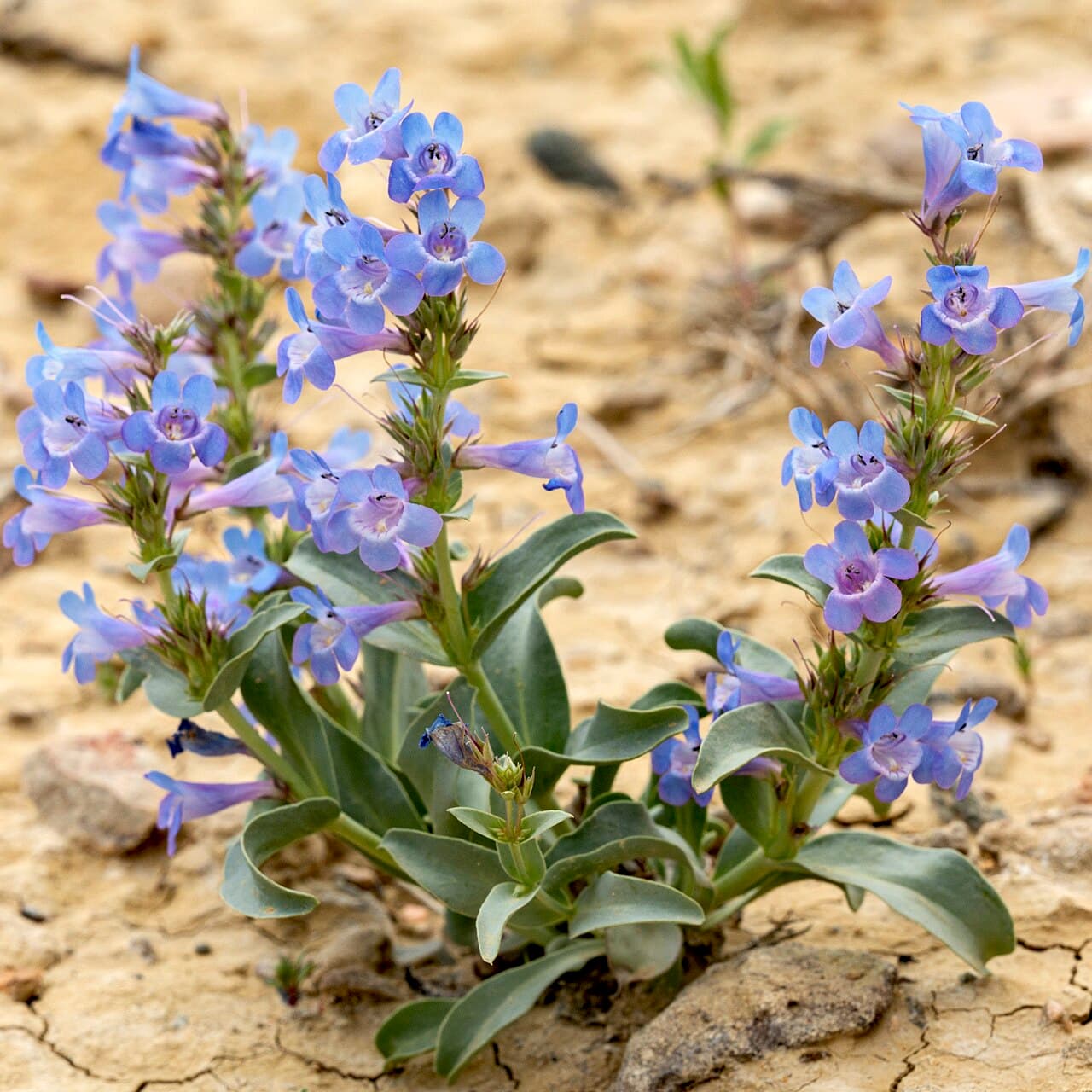
Penstemon
Occasionally damagedPenstemon sp.
- Type
- Perennial
- Hardiness
- Zones 3–9, genus range
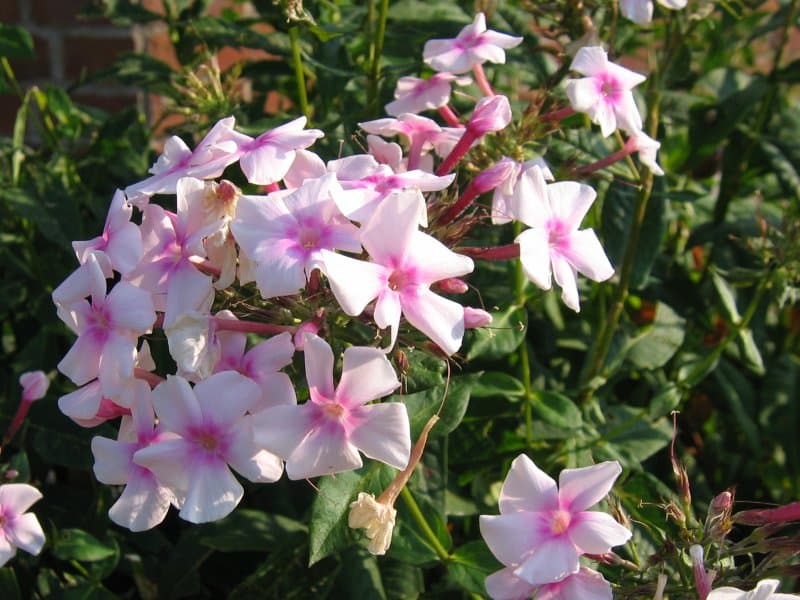
Phlox
Occasionally damagedPhlox sp.
- Type
- Perennial
- Hardiness
- Zones 4–8, genus range
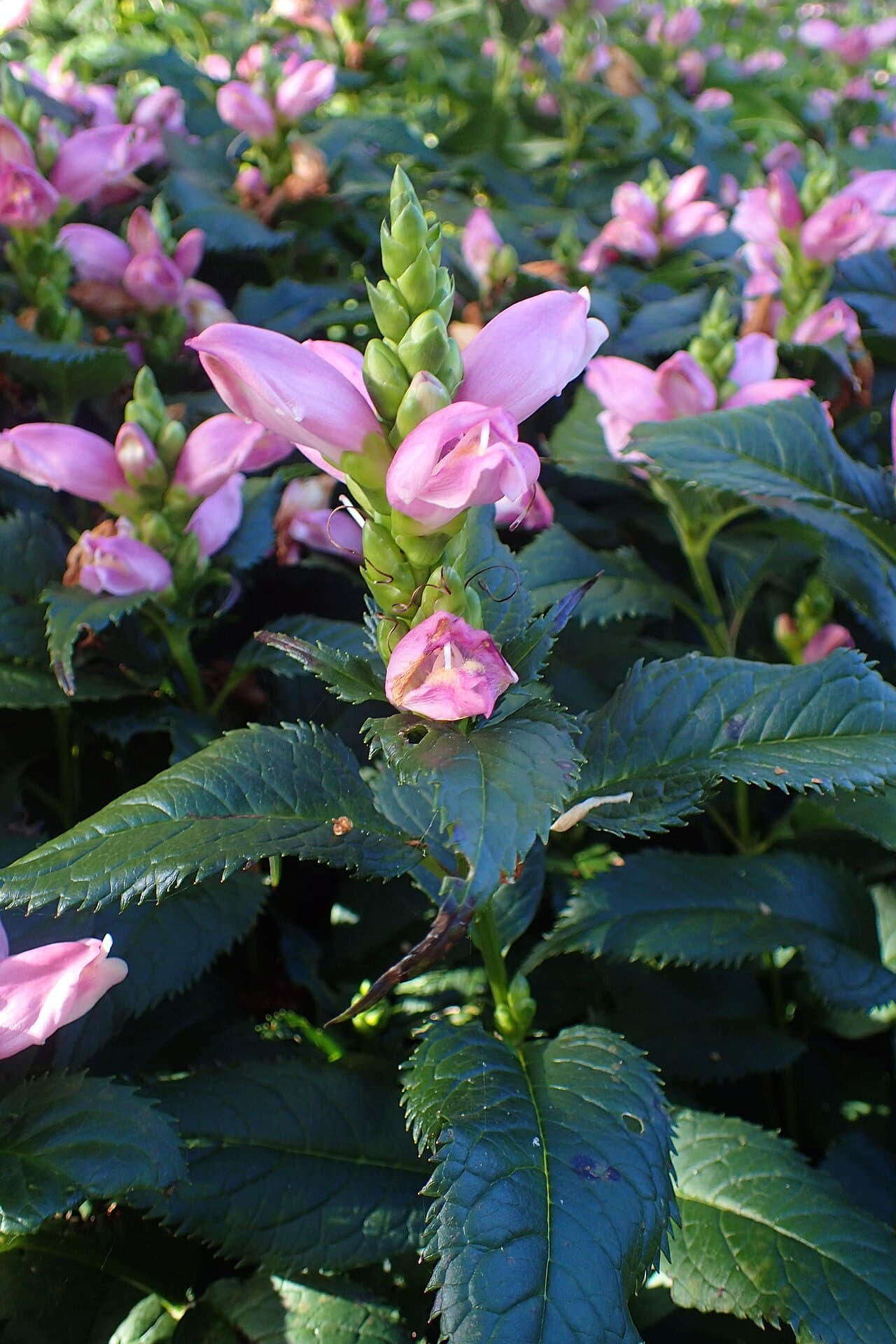
Pink Turtlehead
Occasionally damagedChelone sp.
- Type
- Perennial
- Hardiness
- Zones 3–8, genus range
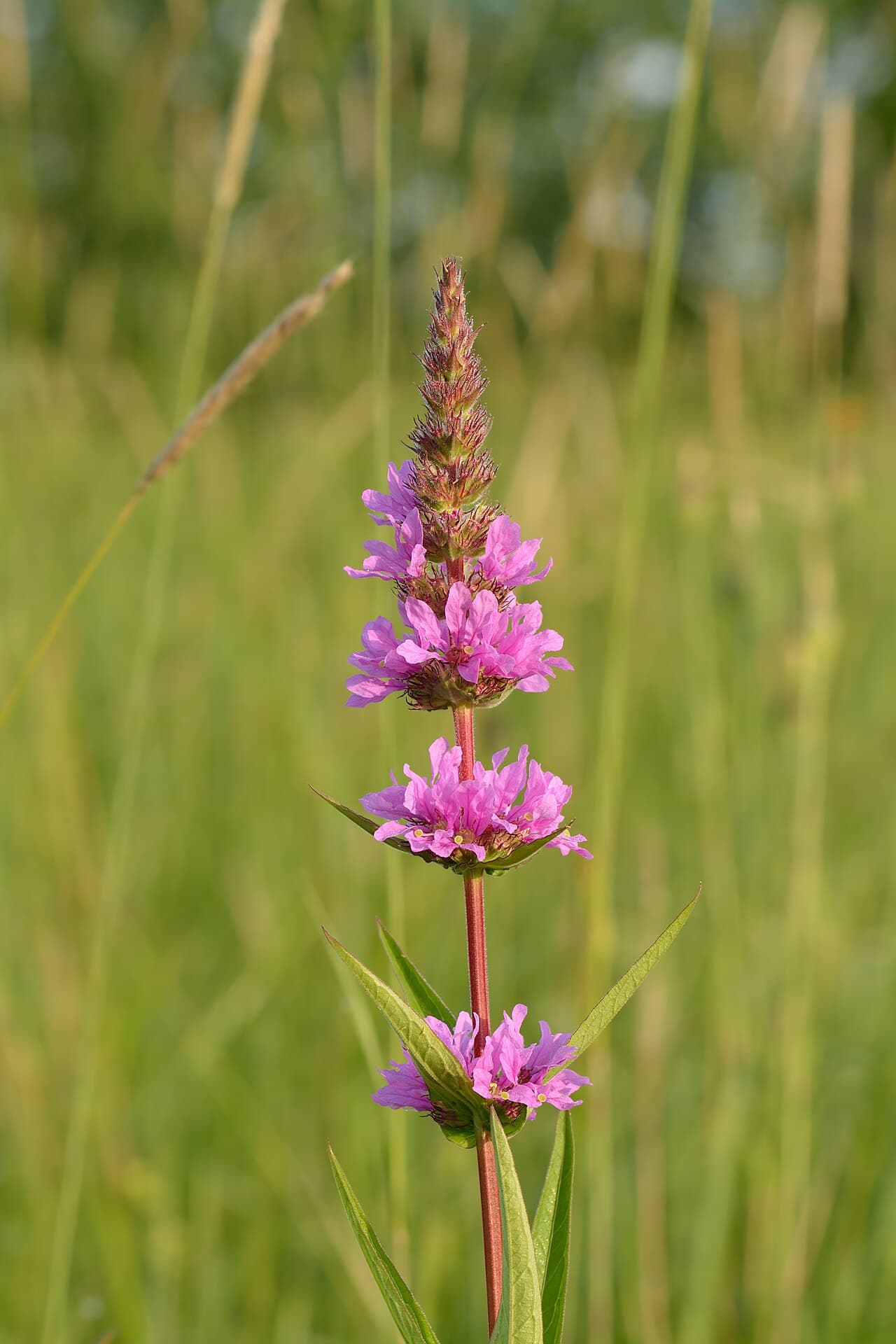
Purple Loosestrife
Occasionally damagedLythrum sp.
- Type
- Perennial
- Hardiness
- Zones 3–9, genus range
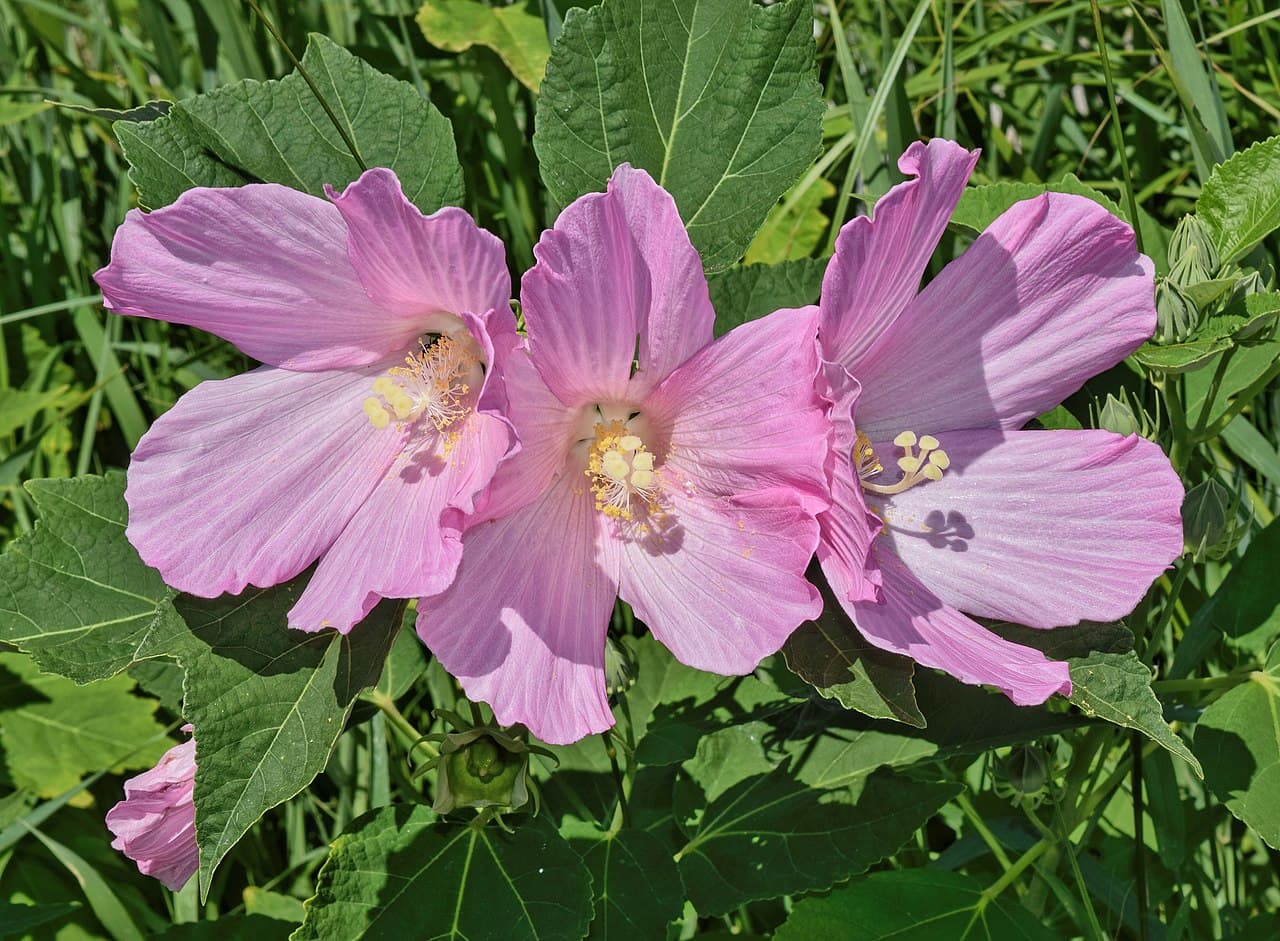
Rose Mallow
Occasionally damagedHibiscus moscheutos
- Type
- Perennial
- Hardiness
- Zones 4–9
- Height
- 24–72 in
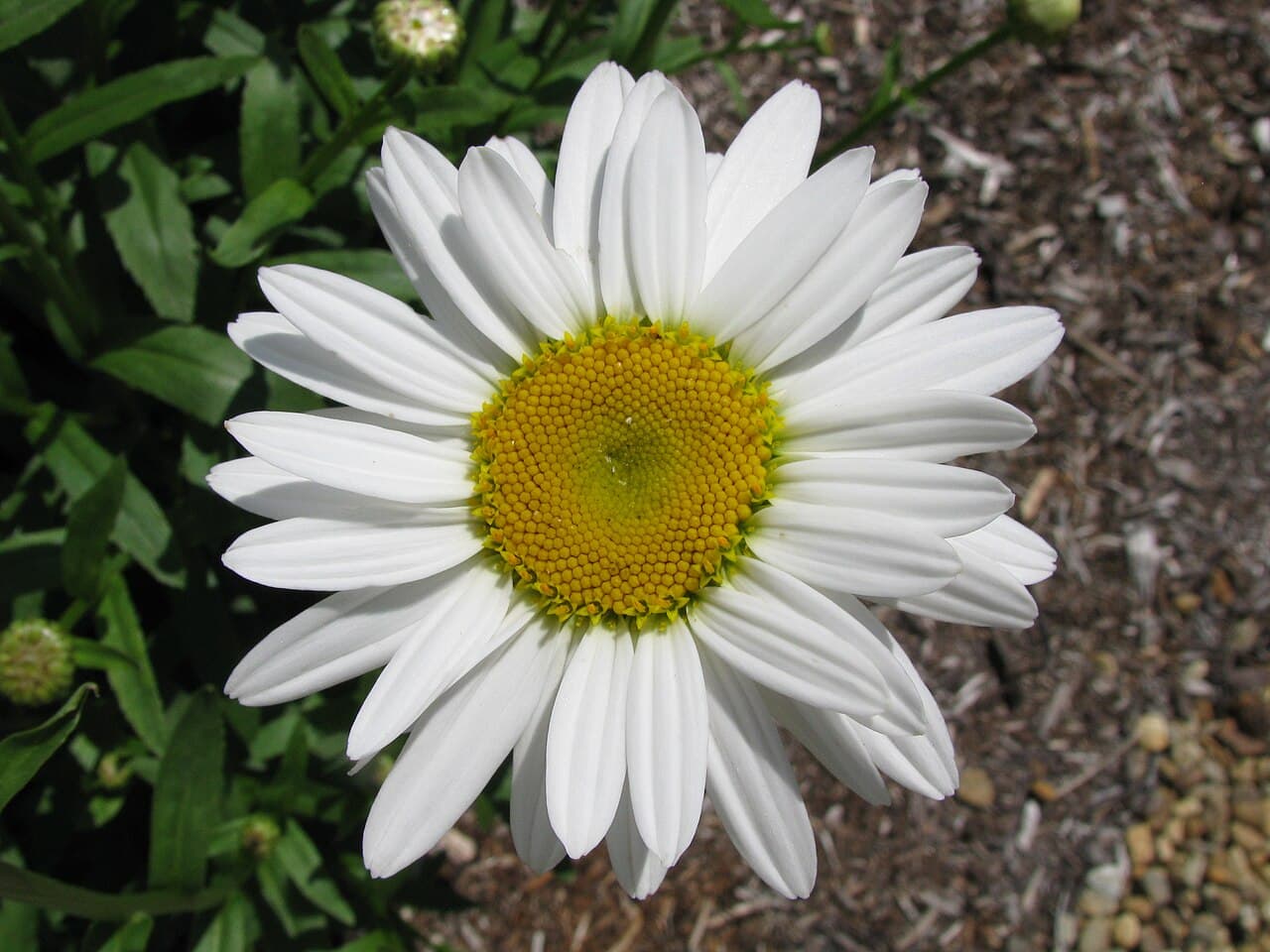
Shasta Daisy
Occasionally damagedLeucanthemum x superbum
- Type
- Perennial
- Hardiness
- Zones 5–9
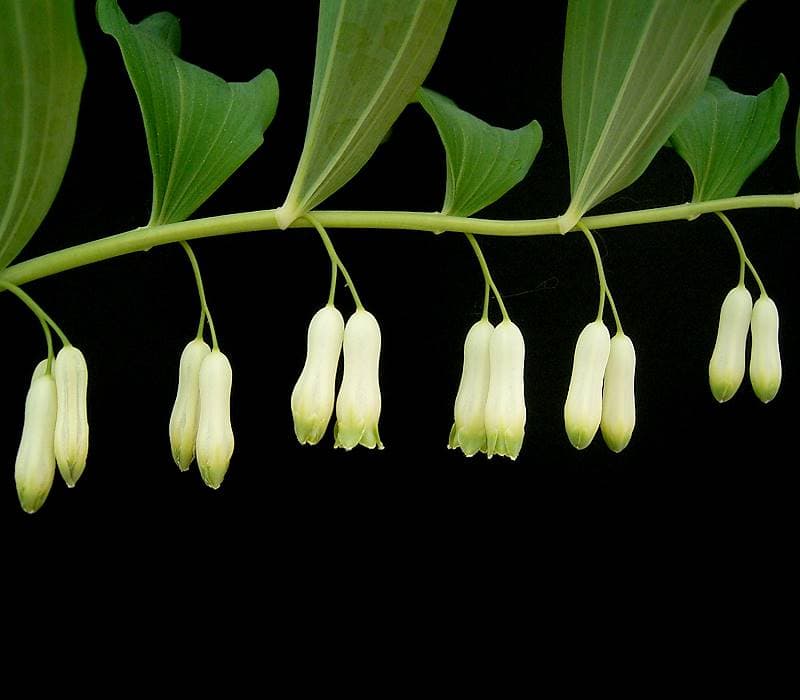
Solomon's Seal
Occasionally damagedPolygonatum sp.
- Type
- Perennial
- Hardiness
- Zones 3–8, genus range
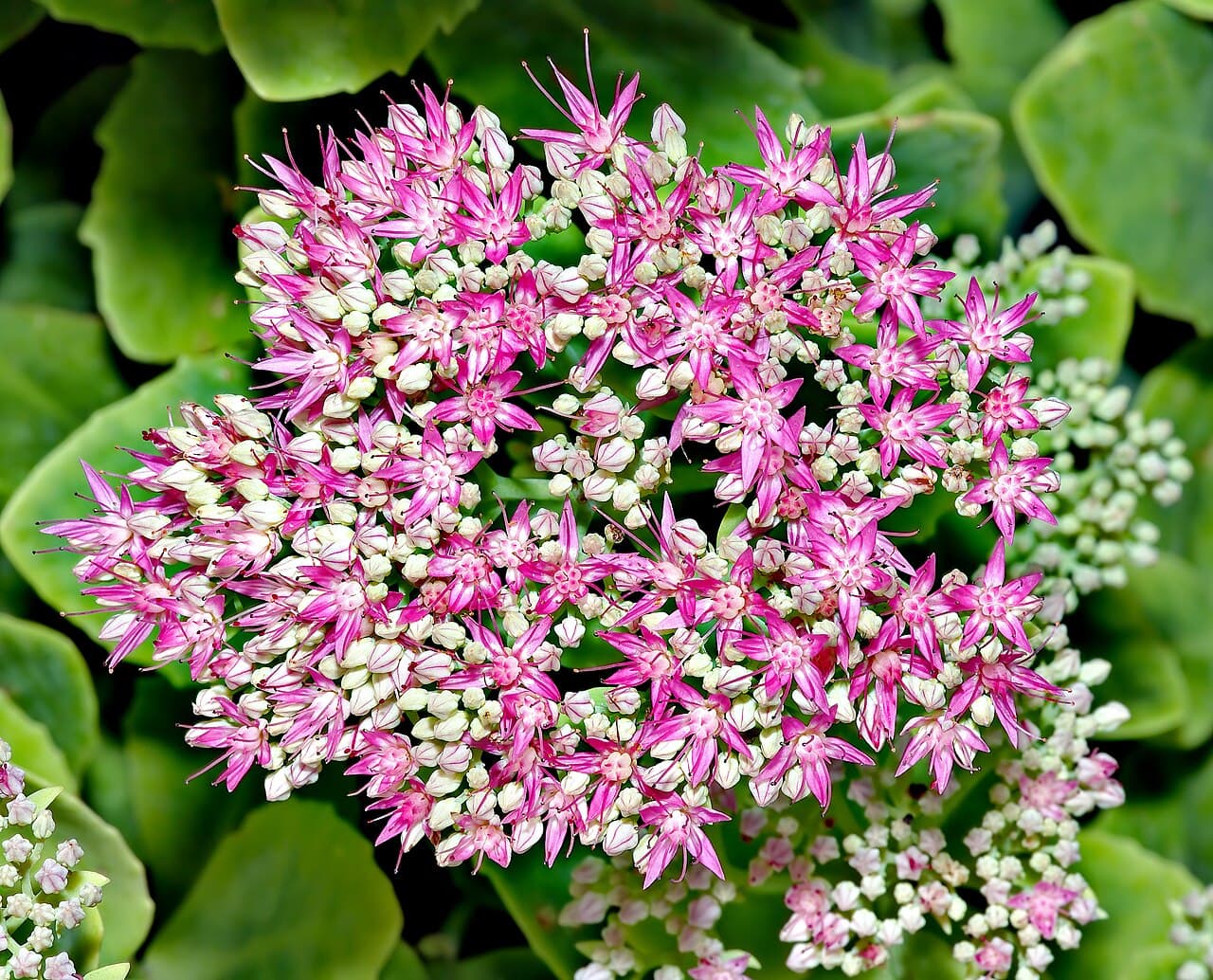
Stonecrop
Occasionally damagedHylotelephium spectabile
- Type
- Perennial
- Hardiness
- Zones 4–9
- Height
- 12–24 in
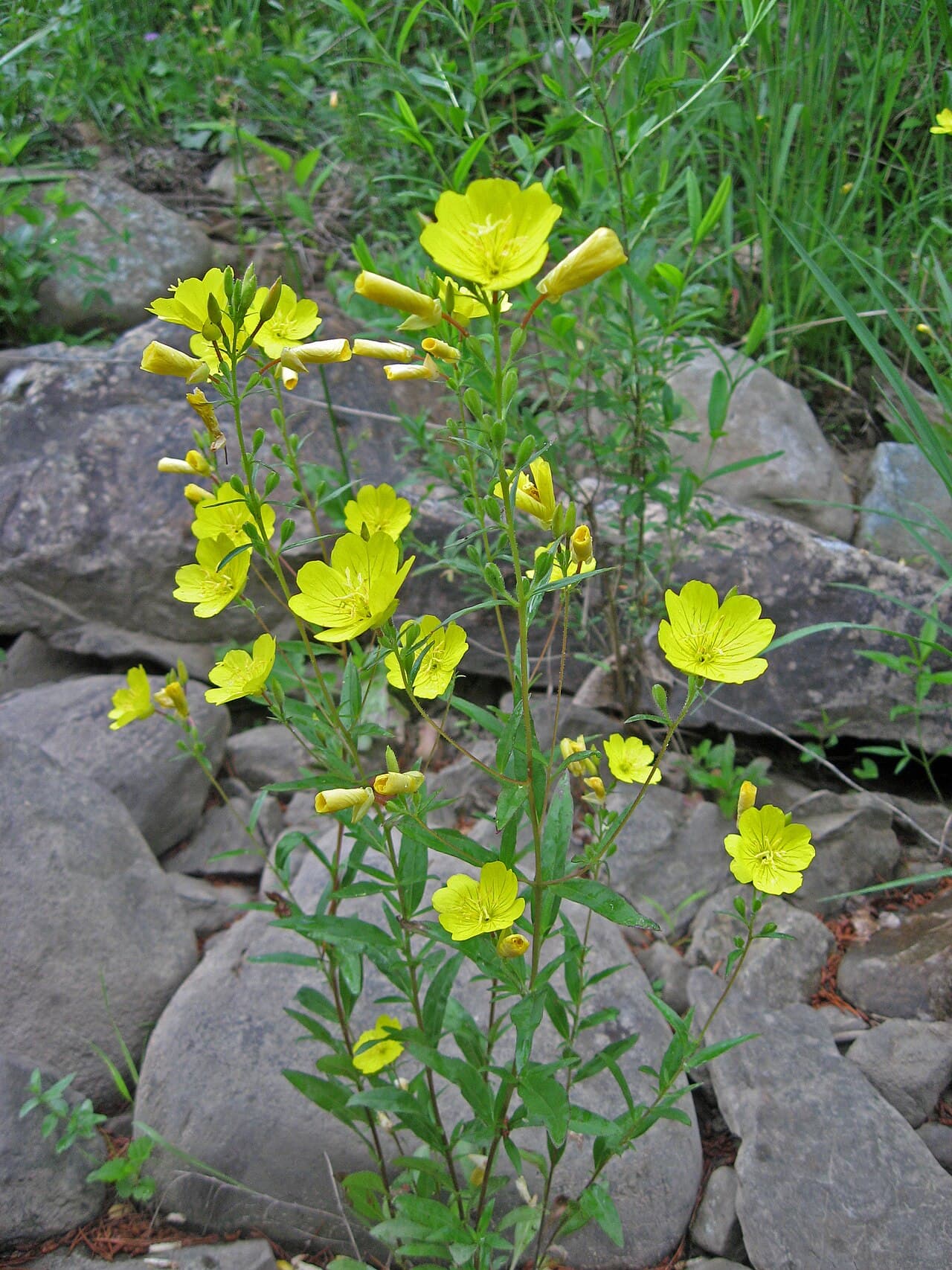
Sundrops
Occasionally damagedOenothera sp.
- Type
- Perennial
- Hardiness
- Zones 4–9, genus range
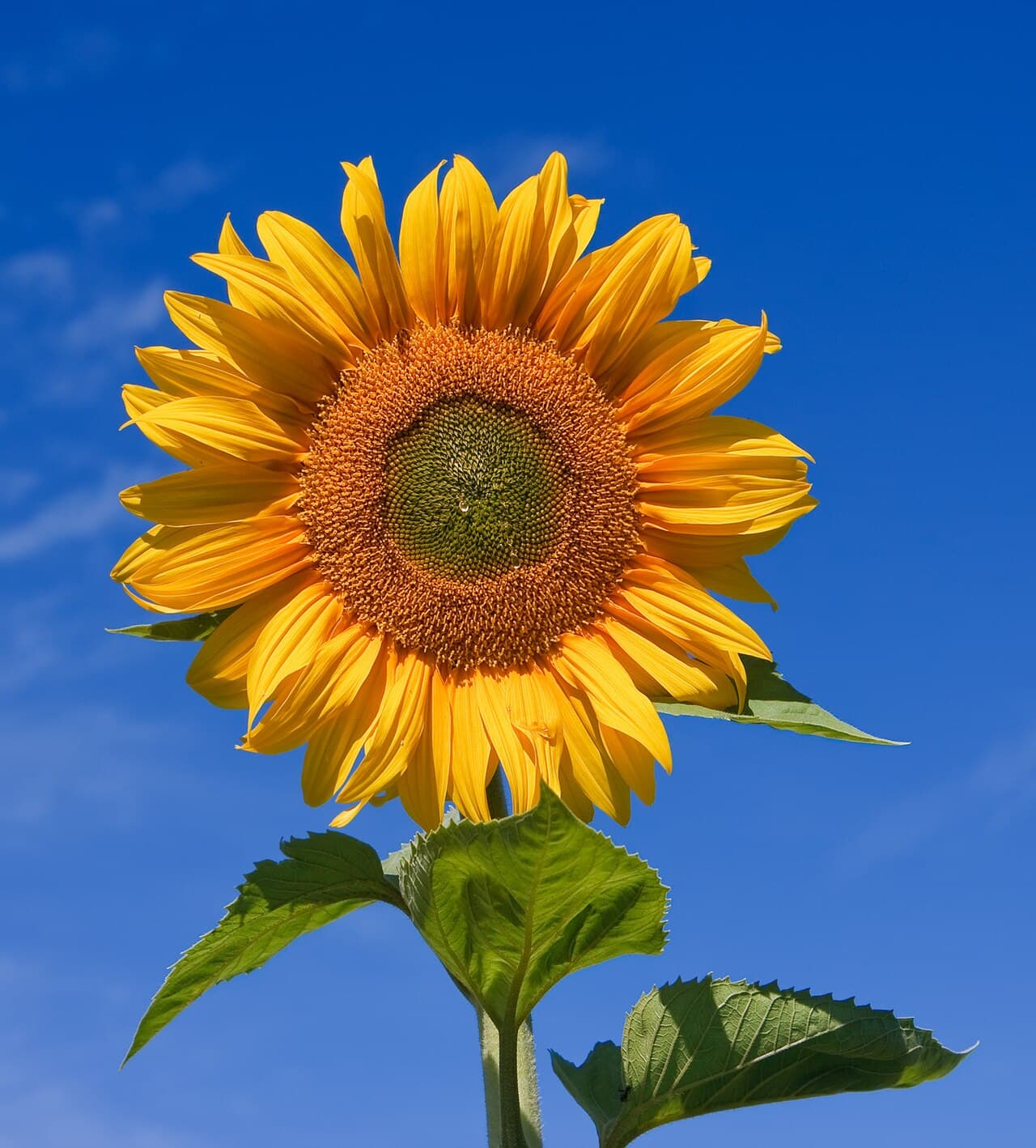
Sunflower
Occasionally damagedHelianthus sp.
- Type
- Annual
- Hardiness
- Grown as an annual, any zone
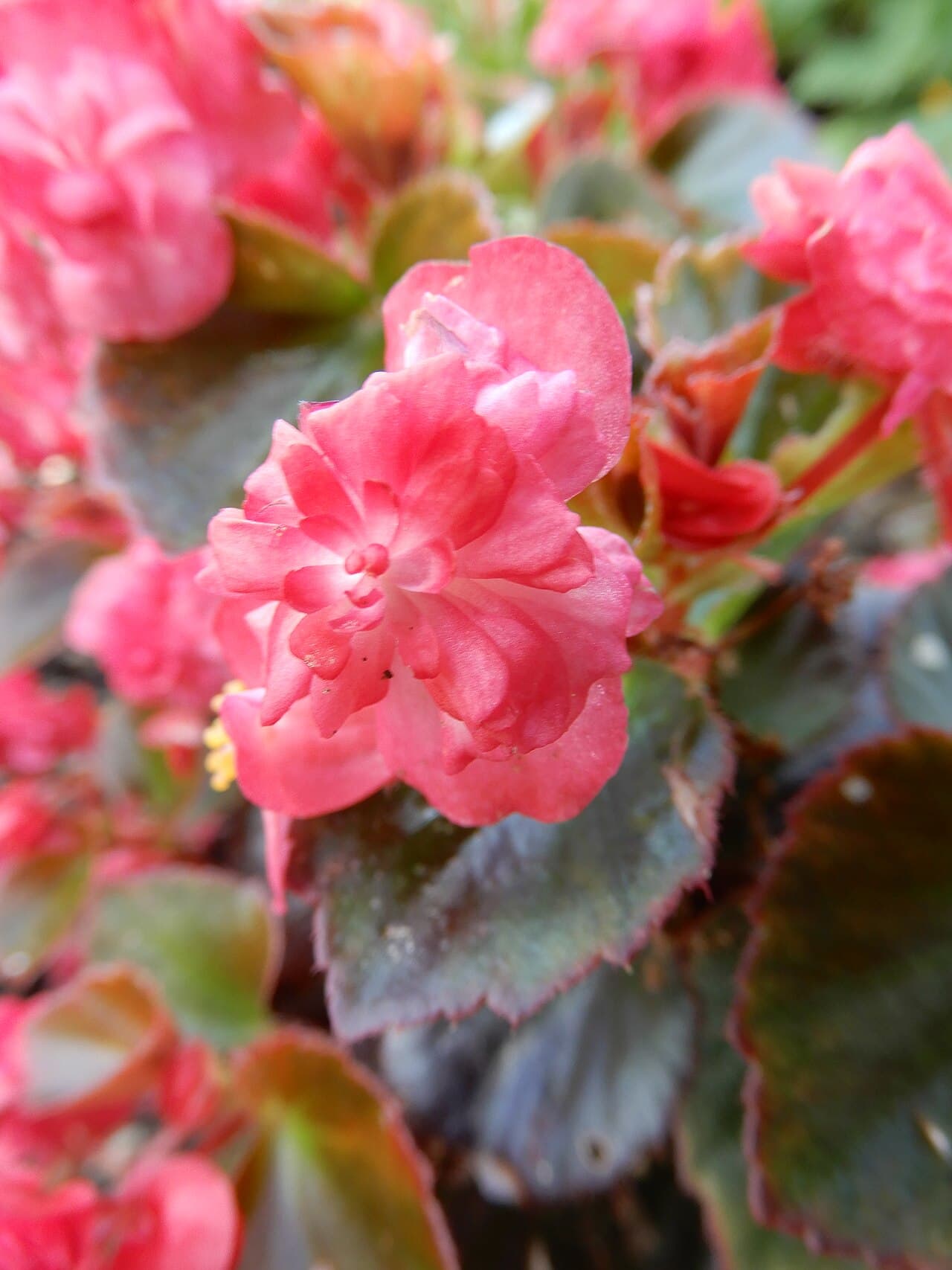
Wax Begonia
Occasionally damagedBegonia semperflorens
- Type
- Annual
- Hardiness
- Grown as an annual, any zone
- Height
- 6–12 in
Frequently Severely Damaged6
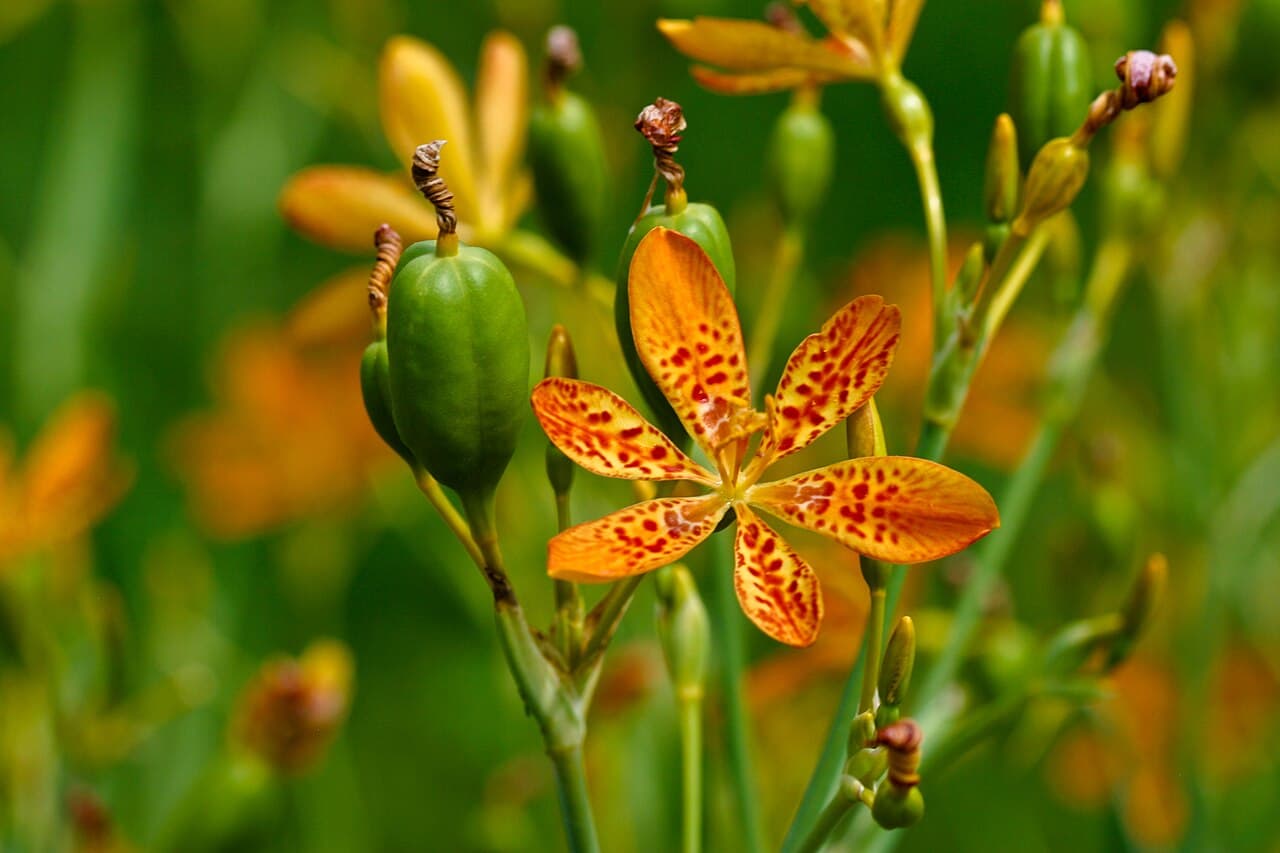
Candy Lily
Frequently damagedPardancanda x norrisii
- Type
- Perennial
- Hardiness
- Zones 5–10
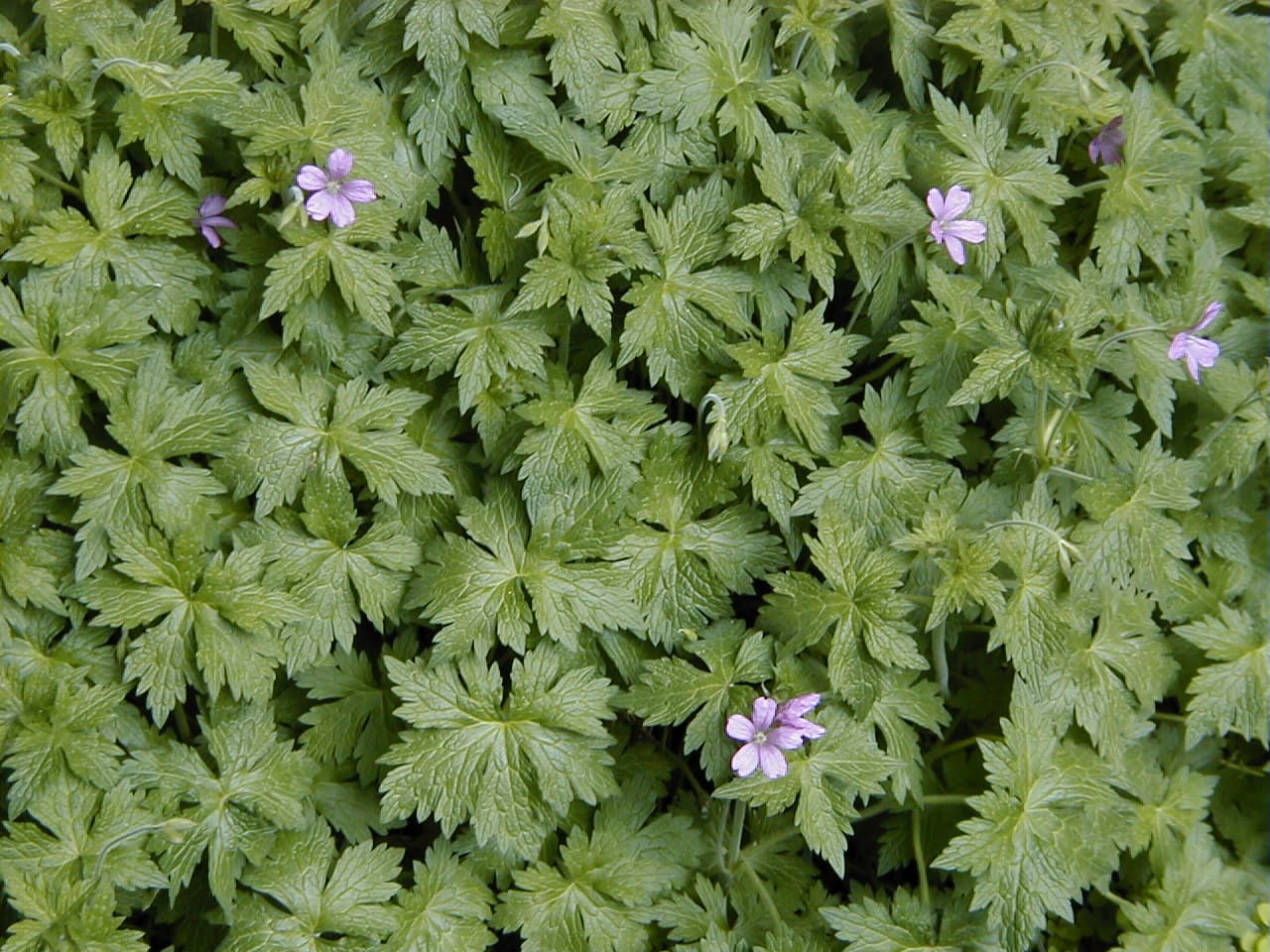
Endres Cranesbill
Frequently damagedGeranium endressii
- Type
- Perennial
- Hardiness
- Zones 4–8
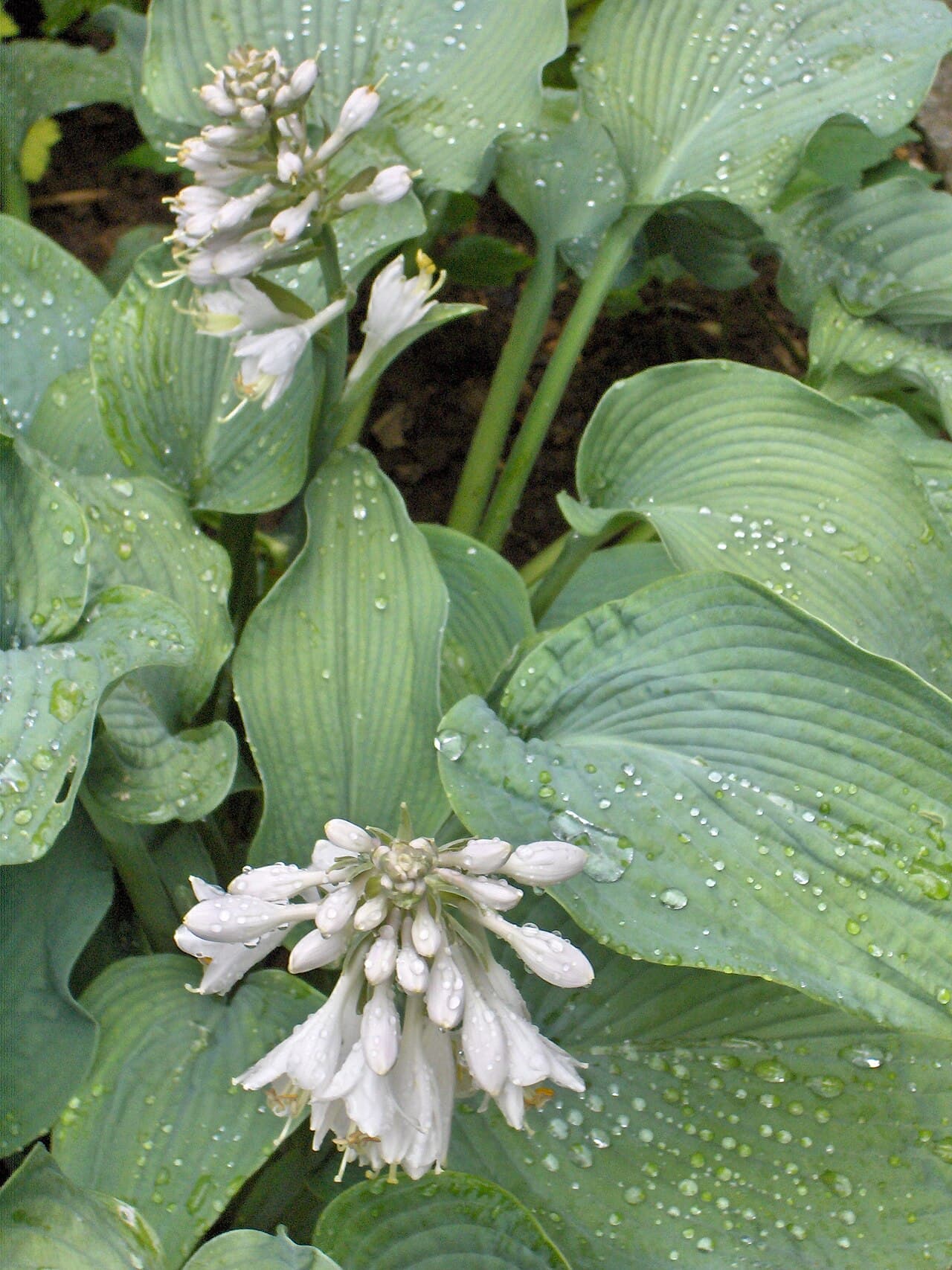
Hosta
Frequently damagedHosta spp.
- Type
- Perennial
- Hardiness
- Zones 3–9, genus range
- Height
- 8–35 in
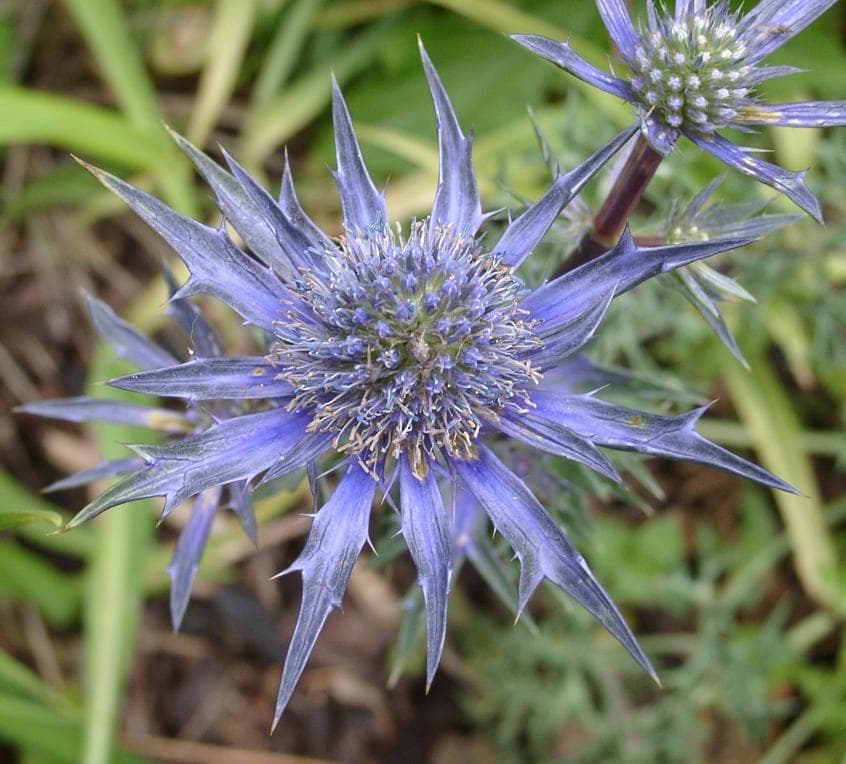
Sea Holly
Frequently damagedEryngium sp.
- Type
- Perennial
- Hardiness
- Zones 4–9, genus range
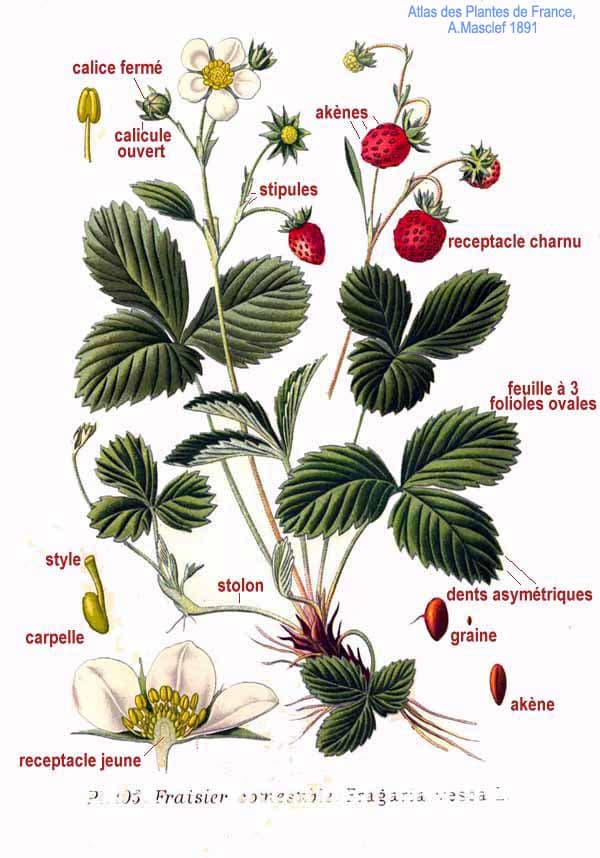
Strawberry
Frequently damagedFragaria sp.
- Type
- Perennial
- Hardiness
- Zones 3–9, genus range
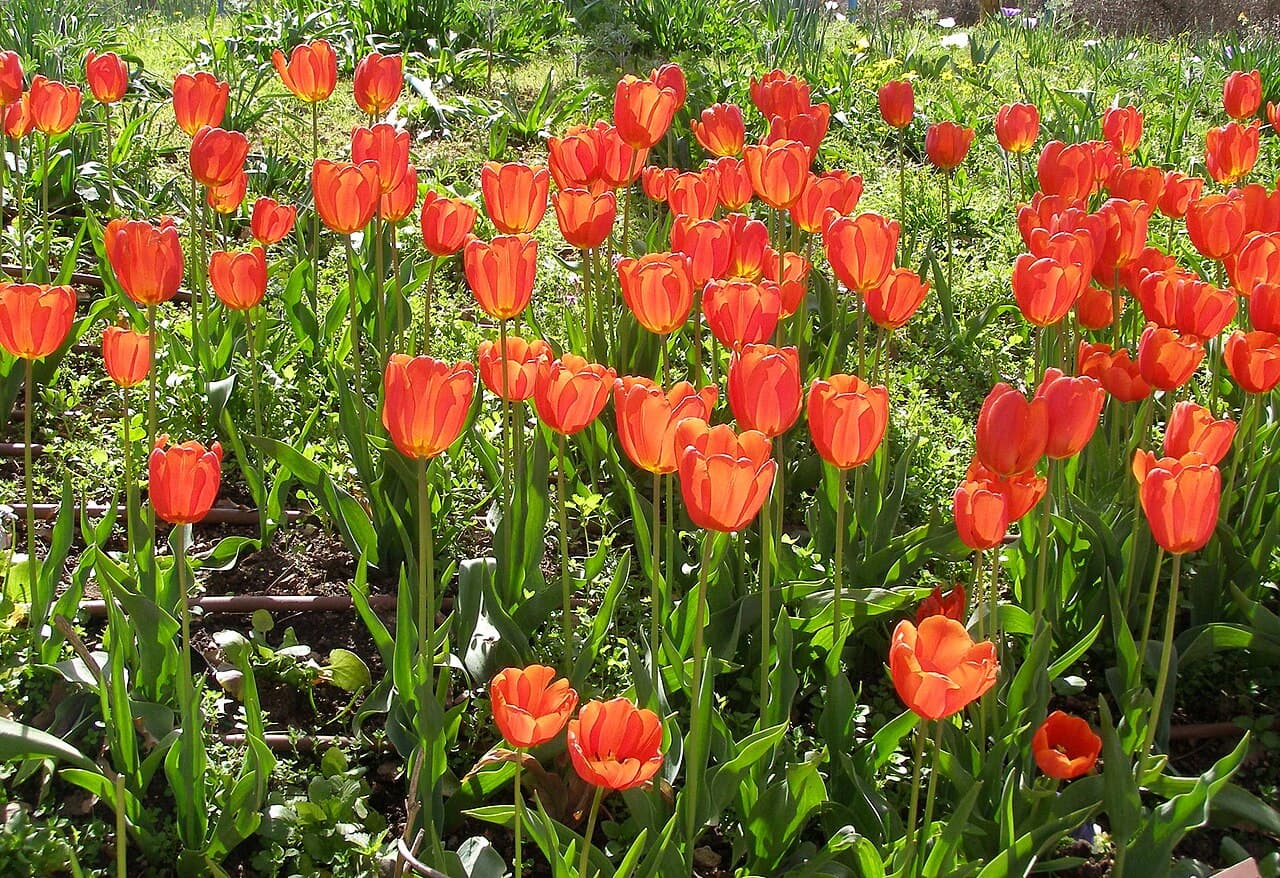
Tulip
Frequently damagedTulipa spp.
- Type
- Bulb
- Hardiness
- Zones 3–8, genus range
- Height
- 10–24 in