
Plant record · Perennial · Verbenaceae
Is Verbena deer resistant?
Verbena bonariensis
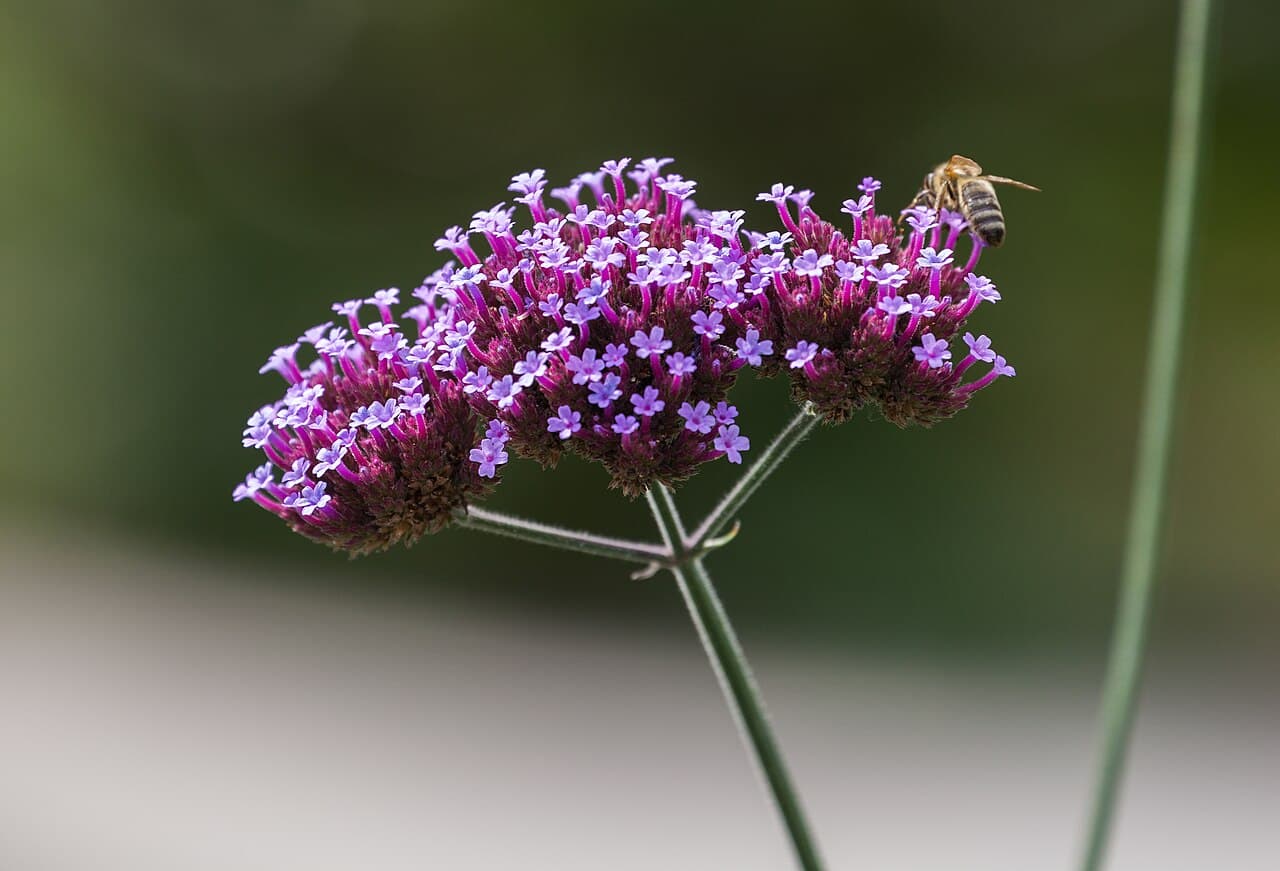
Mostly. Light browsing at worst; rarely ruined.
- Type
- Perennial
- Hardiness
- Zones 7–11
- Light
- Full sun
- Height
- 24–60 in
- Bloom
- June–October
- Maintenance
- Low
- Family
- Verbenaceae
Damage steps follow a published university field scale. How plants are rated.
About Verbena
Rough stems and leaves that deer leave alone, on a plant that is mostly stem: tall, see-through, and useful for putting height at the front of a bed without hiding what is behind it.
Hardy to about zone 7. North of that it behaves as an annual, but it self-sows so freely that a planting often persists for years anyway, moving around the bed as it goes.
That freedom is a real caution in mild climates. It is listed as invasive in parts of the west and in warm regions generally, seeding well beyond where it was planted. Where it is hardy, deadhead before seed sets if there is wild land nearby.
Do deer eat verbena?
Seldom. Rutgers rates verbena Seldom Severely Damaged, B, and NC State tags tall verbena, Verbena bonariensis, deer and rabbit resistant, with drought, dry soil and poor soil on the same list. The stems are rough and there is almost no leaf to take; a deer under pressure nips the flower heads and leaves the rest standing.
Where it grows
NC State: zones 7a to 11b, 2 to 5 feet, full sun or partial shade, flowering summer into fall. The warning is the plant's own success: "It is a weed that spreads by volunteer seedlings," "Some sources have labeled it 'invasive,'" and "Do not allow this species to spread into natural areas and become a problem." Where it is hardy and wild land is near, deadhead before the seed sets. The bedding verbena, annual verbena, is a different plant with the same rating.
Protecting verbena
Nothing, in most gardens. Where heads are being taken, one application of the 20 percent egg spray Colorado State rates High covers a month of bloom on a plant that flowers for four.
If it is browsed
It branches below the bite and flowers again within weeks, and the seedlings around it are the next plants regardless. North of zone 7 it is an annual either way.
Soil and care
- Soil pH
- 6 to 7.5
- Drainage
- Well drained
- Water
- Low
- Fertility
- Low
- Spacing
- 18 to 24 in apart
- Growth rate
- Fast
- Maintenance
- Low
Tolerances and uses
- Drought
- High
- Salt
- Moderate
- Pollinators
- High
Containers
Similar to Verbena
Other perennials with the same deer rating.
- African LilyAgapanthus sp.Zones 8–11, genus rangeSeldom damaged
- AsparagusAsparagus officinalisZones 2–9Seldom damaged
- AsterAster sp.Zones 3–8, genus rangeSeldom damaged
- AstilbeAstilbe x arendsiiZones 3–8Seldom damaged
- Baby's BreathGypsophila sp.Zones 3–9, genus rangeSeldom damaged
- BastardsageEriogonum wrightiiZones 5–10Seldom damaged
Where Verbena grows
Hardy across 36 states on zone range alone. Mountain and coastal areas sit outside the ranges used here, so check your own zone before ordering. Select any state, including one it will not grow in, for what is resistant there.
Choose a state from the listeasier on a phone
- Pennsylvania
- New Jersey
- New York
- Connecticut
- Massachusetts
- Virginia
- Maryland
- Michigan
- Wisconsin
- Ohio
- Indiana
- Illinois
- Minnesota
- Missouri
- North Carolina
- Tennessee
- Georgia
- Texas
- Colorado
- California
- Oregon
- Washington
- New Hampshire
- Vermont
- Maine
- Rhode Island
- Delaware
- West Virginia
- Kentucky
- South Carolina
- Florida
- Alabama
- Mississippi
- Louisiana
- Arkansas
- Oklahoma
- Kansas
- Nebraska
- Iowa
- North Dakota
- South Dakota
- Montana
- Wyoming
- Idaho
- Utah
- Nevada
- Arizona
- New Mexico
- Alaska
- District of Columbia
- Hawaii
Common questions about Verbena
- Is Verbena deer resistant?
- Verbena (Verbena bonariensis) is rated Seldom Severely Damaged, step 2 of 4 on the damage scale this site uses. Light browsing at worst; rarely ruined.
- What hardiness zones does Verbena grow in?
- Verbena is hardy in USDA zones 7 to 11. Outside that range it will either not survive winter or will struggle with summer heat.
- Does Verbena grow in shade?
- No. Verbena wants full sun and will grow thin and flop in shade.
- How big does Verbena get?
- Mature height is roughly 24–60 in. Growth rate is fast.
- When does Verbena bloom?
- Verbena flowers from June–October.
Browse from here
Every list Verbena belongs to.
All perennials·Seldom damaged·Full sun plants