
Plant record · Perennial
Is Aster deer resistant?
Aster sp.
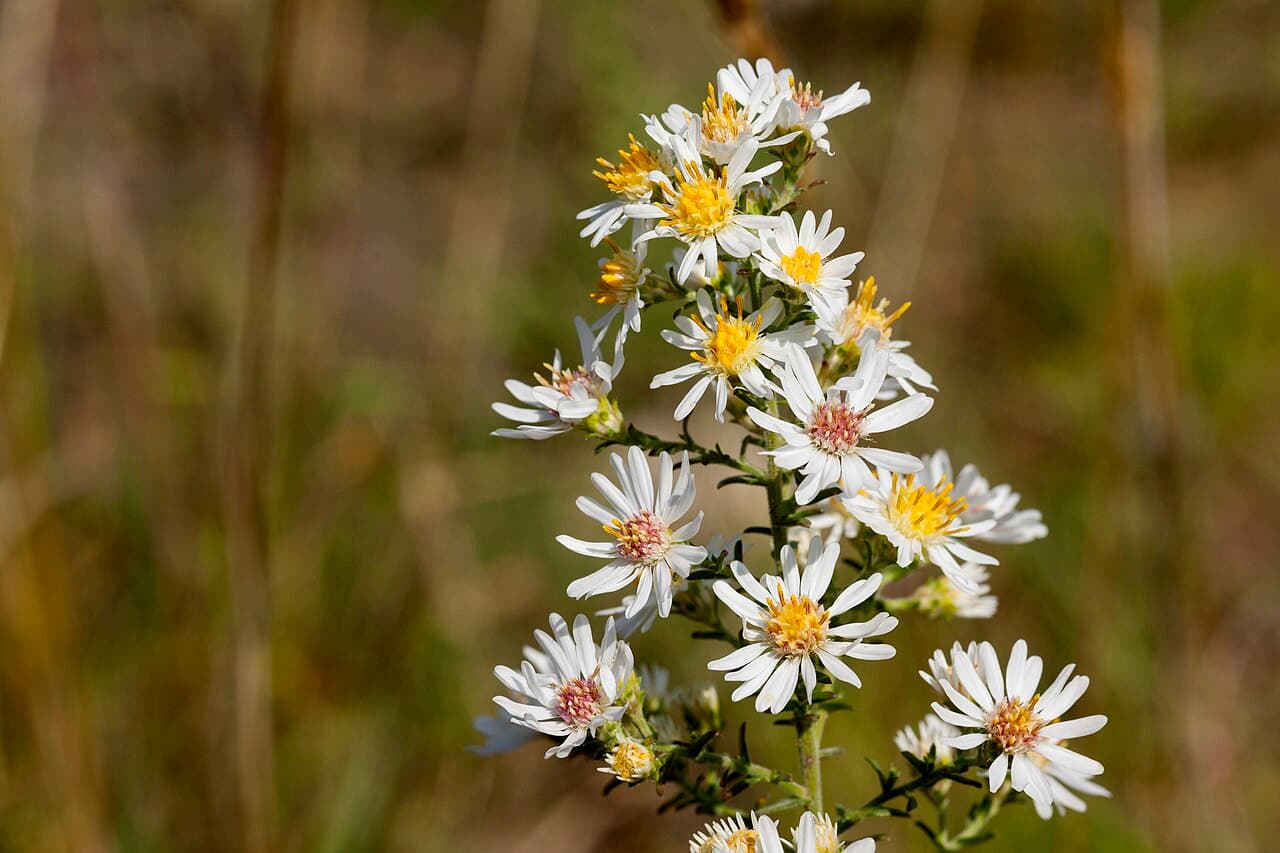
Mostly. Light browsing at worst; rarely ruined.
- Type
- Perennial
- Hardiness
- Zones 3–8, genus range
- Light
- Full sun
- Bloom
- Summer and Fall
- Maintenance
- Moderate
Damage steps follow a published university field scale. How plants are rated.
About Aster
Carries a bed from September to frost when little else is left. Pinch the stems back in June and you get a shorter, denser plant that does not need staking.
Do deer eat asters?
Sometimes. Rutgers rates the genus Seldom Severely Damaged, B, and Iowa State lists asters in the same second tier. NC State's entry is plainer about what that tier means: "Deer and rabbits may browse the plants and eat the foliage." The leaf is rough and the stems are hairy, which is the defense, and it is a weaker one than scent; what gets taken is the soft top growth in early summer and the buds as they color in September. The New England aster, the tall native with the clasping hairy leaves, is the one most often walked past.
Where it grows
NC State: zones 4a to 8b, 6 inches to 8 feet depending on the species, full sun to partial shade, flowering summer into fall. The problem list is long and none of it is deer: lace bugs, mites, aphids, Japanese beetles, rusts, powdery and downy mildew, leaf spot, verticillium wilt. Mildewed lower leaves on a tall aster in August are the ordinary condition of the plant in still air, and pinching in June, which shortens it, also opens it up.
Protecting asters
Where buds are being taken in September, one application of the 20 percent egg spray Colorado State rates High covers the month of bloom. Rabbits take the spring growth at ground level, and a plant eaten to a stub in April inside a deer fence is theirs.
If it is browsed
A browsed aster branches below the bite and flowers on the side shoots, later and shorter, which is what the June pinch does on purpose. It regrows from the crown every spring regardless, and a clump divided every few years outlives the animals that browse it.
Soil and care
- Soil pH
- 5.5 to 7.5
- Drainage
- Well drained
- Water
- Moderate
- Spacing
- 18 to 24 in apart
- Growth rate
- Moderate
- Maintenance
- Moderate
Similar to Aster
Other perennials with the same deer rating.
- African LilyAgapanthus sp.Zones 8–11, genus rangeSeldom damaged
- AsparagusAsparagus officinalisZones 2–9Seldom damaged
- AstilbeAstilbe x arendsiiZones 3–8Seldom damaged
- Baby's BreathGypsophila sp.Zones 3–9, genus rangeSeldom damaged
- BastardsageEriogonum wrightiiZones 5–10Seldom damaged
- Beardlip PenstemonPenstemon barbatusSeldom damaged
Where Aster grows
Hardy across 50 states on zone range alone. Mountain and coastal areas sit outside the ranges used here, so check your own zone before ordering. Select any state, including one it will not grow in, for what is resistant there.
Choose a state from the listeasier on a phone
- Pennsylvania
- New Jersey
- New York
- Connecticut
- Massachusetts
- Virginia
- Maryland
- Michigan
- Wisconsin
- Ohio
- Indiana
- Illinois
- Minnesota
- Missouri
- North Carolina
- Tennessee
- Georgia
- Texas
- Colorado
- California
- Oregon
- Washington
- New Hampshire
- Vermont
- Maine
- Rhode Island
- Delaware
- West Virginia
- Kentucky
- South Carolina
- Florida
- Alabama
- Mississippi
- Louisiana
- Arkansas
- Oklahoma
- Kansas
- Nebraska
- Iowa
- North Dakota
- South Dakota
- Montana
- Wyoming
- Idaho
- Utah
- Nevada
- Arizona
- New Mexico
- Alaska
- District of Columbia
- Hawaii
Common questions about Aster
- Is Aster deer resistant?
- Aster (Aster sp.) is rated Seldom Severely Damaged, step 2 of 4 on the damage scale this site uses. Light browsing at worst; rarely ruined.
- What hardiness zones does Aster grow in?
- Aster is hardy in USDA zones 3 to 8. Outside that range it will either not survive winter or will struggle with summer heat. That is the range across the genus, so a named species or cultivar may be narrower.
- Does Aster grow in shade?
- No. Aster wants full sun and will grow thin and flop in shade.
Browse from here
Every list Aster belongs to.
All perennials·Seldom damaged·Full sun plants