
Deer-resistant annuals
Annuals are where you get color that the resistant perennial palette struggles to provide, particularly reds and hot pinks. The trade-off is that you replant every year, so a bad choice costs you a season rather than a decade.
47 plants
Annuals change the calculation
The encyclopedia holds 48 annuals. Seventeen are rarely damaged, 19 are seldom severely damaged, and 12 are occasionally severely damaged. Nothing here is rated frequently severely damaged, which makes annuals the only category on the site without a worst tier.
That is partly a quirk of what gets grown as an annual and partly real. But the more useful difference is economic. A browsed annual costs you a tray of plants and a few weeks. A browsed shrub can cost you ten years, and a tree can cost you thirty.
So annuals are the one place in the garden where experimenting is cheap and sensible. If you want to find out what your local deer actually do, find out here, where being wrong costs very little.
What annuals are actually for in a garden with deer
Two jobs, and they are worth separating.
Color the resistant palette cannot provide. The reliable deer-resistant perennials skew heavily toward blue, purple, silver and white, because that is what the aromatic mint-family plants offer. Hot pink, scarlet, orange and clear yellow are genuinely hard to get from that group. Annuals fill the gap.
Covering the gap while a bed establishes. A new perennial bed takes two or three seasons to look like anything. Annuals in the spaces buy you a garden in the meantime, and by the time the perennials fill in you stop needing them.
There is a third job worth naming, because most people do it accidentally rather than deliberately. Annuals are how you survey your own deer. A tray of mixed plants set out in spring tells you within a month which defenses work in your garden, which parts of the bed get visited, and whether your pressure is light enough to risk the middle tier elsewhere. That is information you would otherwise buy at the price of a shrub. Plant a few of the occasionally damaged annuals somewhere you do not mind losing, and read the result.
None of these jobs requires the annuals to be bulletproof. They require them to survive one season, which is a much easier standard.
The bedding plants deer will find
The 12 occasionally severely damaged annuals are almost a complete list of what supermarkets and garden centers sell in spring:
Impatiens, garden petunia, pansy, coleus, wax begonia, dahlia, cosmos, annual geranium, gerbera daisy, sunflower, morning glory and garden balsam.
That is not a coincidence. Bedding annuals have been bred for fast, soft, lush growth and continuous flower, which is exactly the profile of good browse. They are also sold in full growth from a fed and irrigated nursery, so they arrive at their most palatable and go straight into the ground at the most exposed moment of their lives.
Impatiens in particular is worth calling out, because it fills the same role in shade that hosta does and gets eaten for the same reasons: soft, watery, no scent, no defense at all.
Occasionally severely damaged does not mean never plant these. It means do not build the display around them, and do not plant a hundred of them in an unfenced bed in a garden where deer already visit.
What actually holds up
The resistant annuals rely on the same two defenses as everything else on this site: strong scent, or unpleasant texture and sap.
- Marigold, ageratum, sweet alyssum. Pungent foliage, and marigold in particular is the most widely planted deer-resistant annual there is.
- Snapdragon, larkspur, annual poppy. Bitter or milky sap. Larkspur and poppy are both genuinely toxic, which does not always deter deer but does here.
- Dusty miller, licorice plant. Felted, silver, woolly leaves. The same texture defense that makes lamb's ear reliable.
- Zinnia and salvia. Rough, slightly bristly foliage on zinnia, and annual salvia carries the mint-family aromatics.
- Wax-leaf and strongly scented herbs used as bedding: basil, sage, rosemary. These earn their place twice.
| Job | Plant | Rating | Note |
|---|---|---|---|
| Long season color, sun | Marigold | Rarely damaged | The default, and it works |
| Edging, fragrance | Sweet alyssum | Rarely damaged | Self-sows, low, spreads |
| Height and spires | Snapdragon | Rarely damaged | Cool-season, fades in high summer |
| Silver foliage | Dusty miller | Rarely damaged | Pairs with almost anything |
| Cut flower | Zinnia | Seldom damaged | Sow direct, keeps producing if picked |
| Shade color | Annual salvia | Seldom damaged | The realistic impatiens substitute |
Shade annuals are the hard case, again
The pattern that runs through this whole site repeats here. Scent-based defenses belong to sun plants, so a shaded bed loses access to the most reliable protection available, and the conventional shade annuals are impatiens, coleus and wax begonia, all three of which are in the occasionally damaged tier.
The workable substitutions are annual salvia, which tolerates part shade and carries mint-family aromatics, and browallia. Beyond that, a shaded bed under real deer pressure is usually better with no annuals in it at all, and resistant perennials instead, because the shade-tolerant perennial palette is considerably deeper than the shade-tolerant annual one.
Getting a season out of them
Annuals are planted at their single most vulnerable moment: full-grown, soft, nursery-fed, and dropped into a garden where deer are already patrolling. A few things make the difference between a display and a disappointment.
Plant them among the aromatics rather than in their own bed. A block of petunias on its own is an obvious target. The same petunias threaded through catmint and salvia are approached through a wall of scent, and the difference is real.
Harden them off properly. Two weeks of gradual exposure produces tougher, less sappy growth that is both more weather-resistant and less appealing.
Spray the first three weeks. The egg-based homemade repellent reproduces the active ingredient in the sprays that win university trials, and three weeks of applications from planting covers the window when the plants are softest and the deer have not yet decided whether the bed is worth revisiting.
Do not replant the same thing twice. If a bed of pansies disappears in April, replacing them in May teaches the deer that the bed is reliable. Change the plant or protect the bed.
Containers help more than they should. Raising a display onto a porch, a wall or a table puts it above comfortable feeding height, and deer are noticeably reluctant to reach into a confined space. A pot of impatiens on a raised deck often survives where the same plants in the ground do not.
Sow direct where you can, because it produces a tougher plant
The difference between an annual you sowed where it grows and one you bought in a tray is larger than it looks, and it works in your favor on exactly the axis this page cares about.
A direct-sown plant has never been fed on a schedule, never been watered twice a day, and never grown under the still, humid air of a polytunnel. It germinates in your soil, at your fertility, in your light, and puts down an undisturbed taproot. What it produces is smaller, harder growth with thicker cuticles and a higher concentration of whatever the species uses to defend itself. A direct-sown marigold smells noticeably stronger than a bedding marigold from a tray, and the smell is the defense.
It also removes the worst moment in an annual's life. A bought plant goes into the ground full-grown, soft and conspicuous, in a single afternoon. A sown one is tiny and unremarkable for weeks and toughens as it goes, which means it is never simultaneously large, soft and new.
The annuals that reward direct sowing most are zinnia, cosmos, larkspur, annual poppy, sunflower, sweet alyssum, calendula and nasturtium. Most of them resent transplanting anyway, and larkspur and poppy actively require sowing in place. The ones genuinely worth buying as plants are the slow starters that need a head start on the season: snapdragon, dusty miller and annual salvia.
There is a cost. Direct sowing is three or four weeks slower to flower, and it asks you to keep a seedbed damp during that time. In a dry spring that is real work. But for a bed you plant every year anyway, it is cheaper, tougher and less attractive to deer, which is an unusually one-sided trade.
The self-sowers, which get easier every year
A handful of annuals will drop seed and come back on their own, and in a deer garden this is worth more than it first appears.
A self-sown seedling germinates where and when the conditions suit it, which is usually earlier than you would dare plant and better placed than you would choose. Over three or four seasons a population also drifts toward whatever survives your particular garden, including your particular deer. Nobody is selecting deliberately, but the plants that got eaten did not set seed and the ones that were passed over did.
The reliable self-sowers among the resistant annuals are sweet alyssum, calendula, larkspur, annual poppy, nigella, cosmos and verbena bonariensis. All of them will establish a standing population in an undisturbed bed.
Two practical notes. You have to leave the seed heads on rather than deadheading everything, which means accepting a slightly untidier late summer. And you have to learn the seedlings, because a self-sown drift is indistinguishable from a weed problem in April to anyone who has not seen it before.
The trade-off against bedding plants is control. Self-sowers appear where they like, in drifts rather than blocks, and if you want a symmetrical scheme they will frustrate you. If you want a bed that increasingly looks after itself and increasingly suits your conditions, they are the cheapest route to it.
Planning a season rather than a planting
Annuals are the one part of the garden where the calendar does most of the work, and deer pressure is not constant across it.
Early spring is the hardest window. Deer are at their thinnest, the landscape offers least, and anything soft and green is worth investigating. This is the wrong moment to put out a tray of pansies in an unprotected bed, and it is the best moment for the cool-season resistant plants: snapdragon, calendula and sweet alyssum all tolerate cold and none are a first choice for browsing.
By midsummer, pressure normally drops. There is abundant wild browse, fawns are mobile, and a garden is one option among many. This is when the middle-tier annuals become a reasonable bet, and when a bed of zinnias or cosmos sown in May starts paying.
Late summer into fall brings the rut and the return of interest, though by then the annual display is mature, tougher and less appealing than it was in May.
The practical shape of a season, then: sow the tough things direct in spring, plant the softer bought things after the early-spring pressure eases, spray for the first three weeks in both cases, and let the self-sowers do whatever they are going to do.
How to use the list below
Annuals are grouped by rating, best first, with sun requirement, mature size and bloom season on each entry. Hardiness zone matters less here than it does elsewhere, for the obvious reason.
Choose for the site and the job first. Then, because the downside is one season rather than one decade, be willing to try the middle tier and find out what your own deer do with it.
Rarely Damaged17
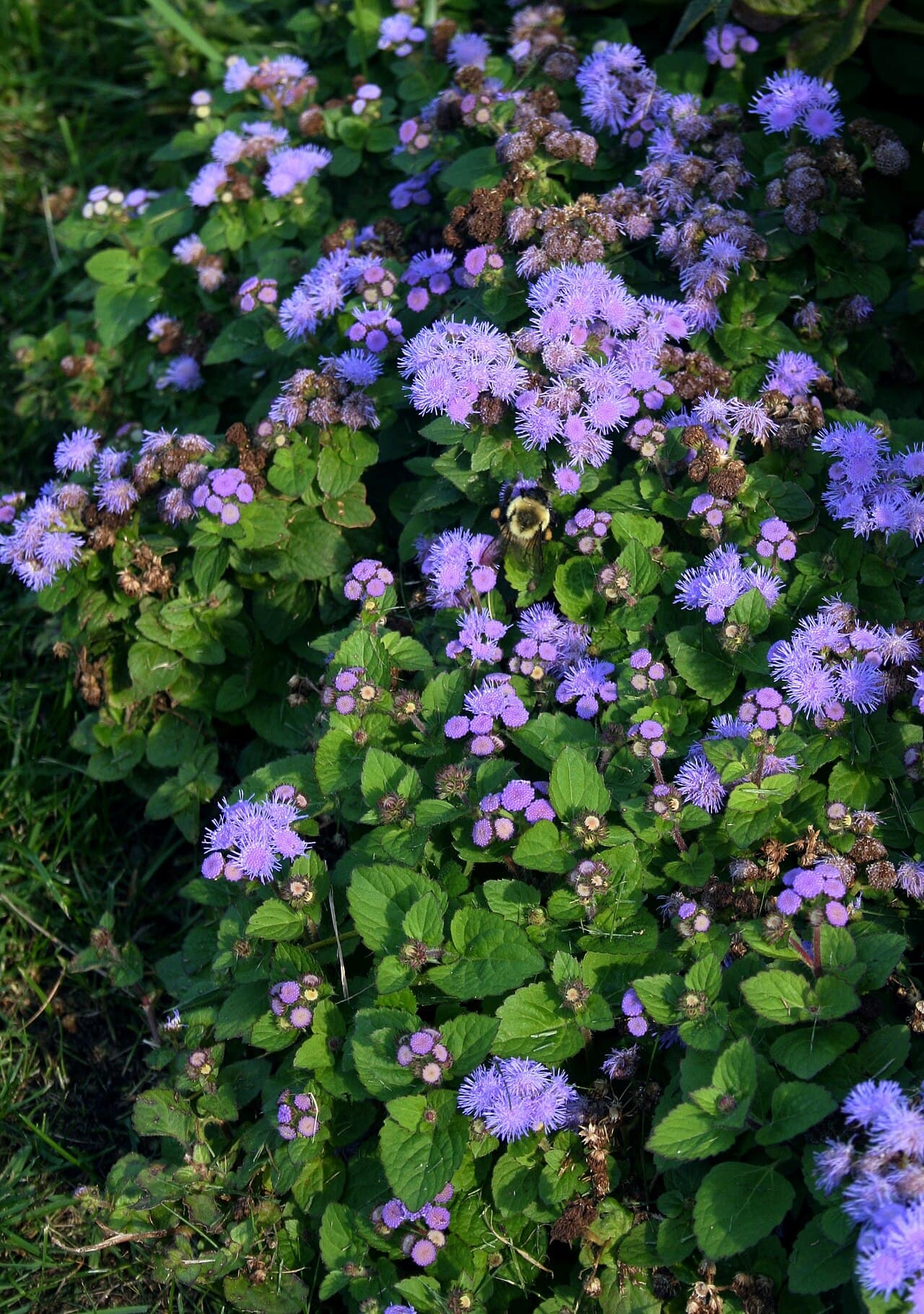
Ageratum
Rarely damagedAgeratum houstonianum
- Type
- Annual
- Hardiness
- Grown as an annual, any zone
- Height
- 6–12 in
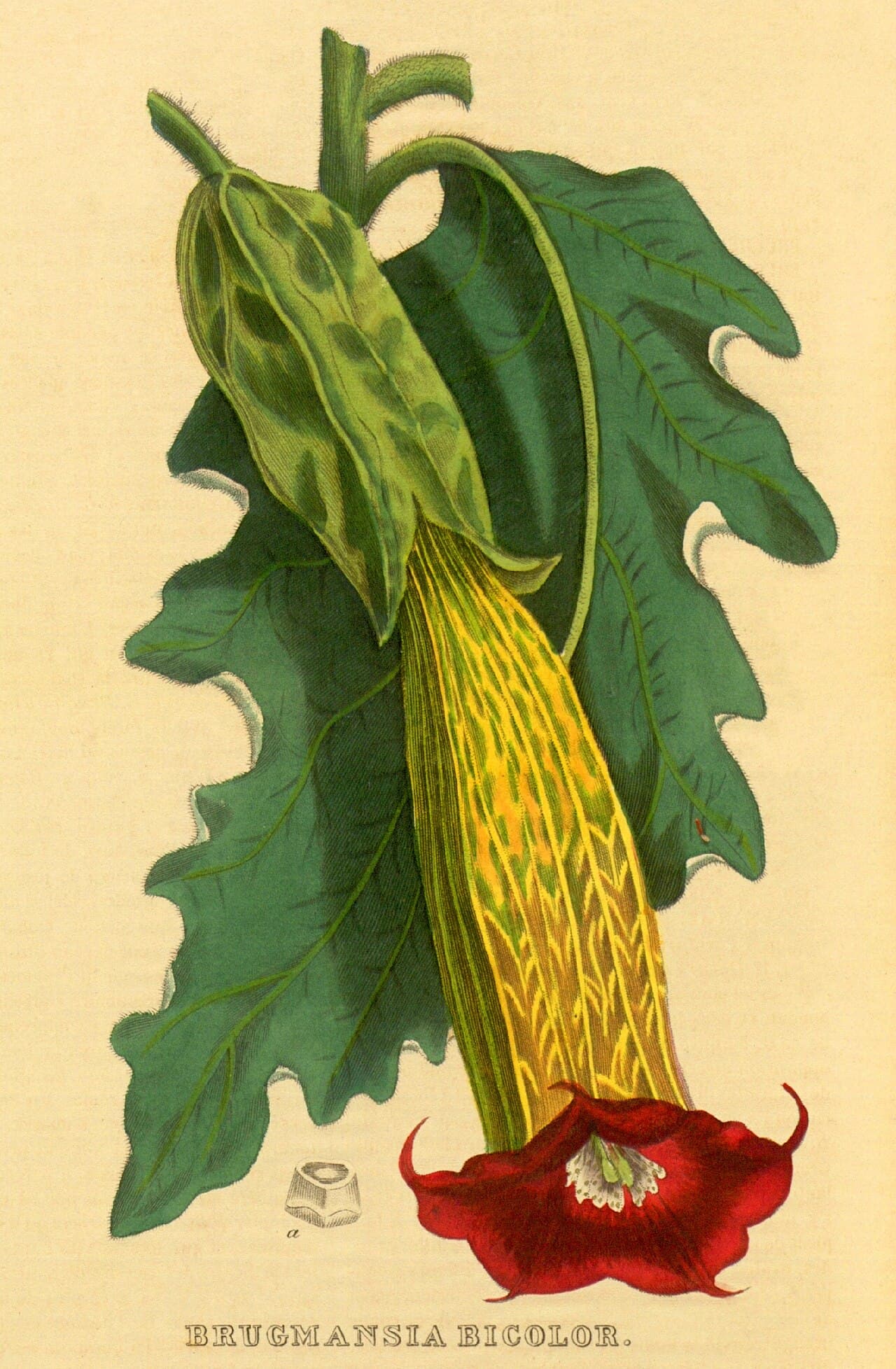
Angel's Trumpet
Rarely damagedBrugmansia sp.
- Type
- Annual
- Hardiness
- Grown as an annual, any zone
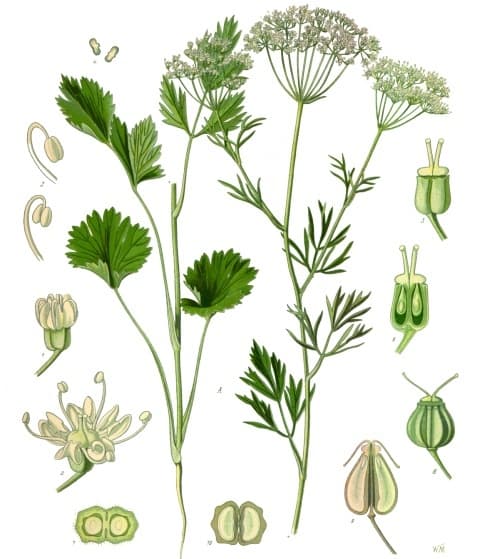
Anise
Rarely damagedPimpinella anisum
- Type
- Annual
- Hardiness
- Grown as an annual, any zone
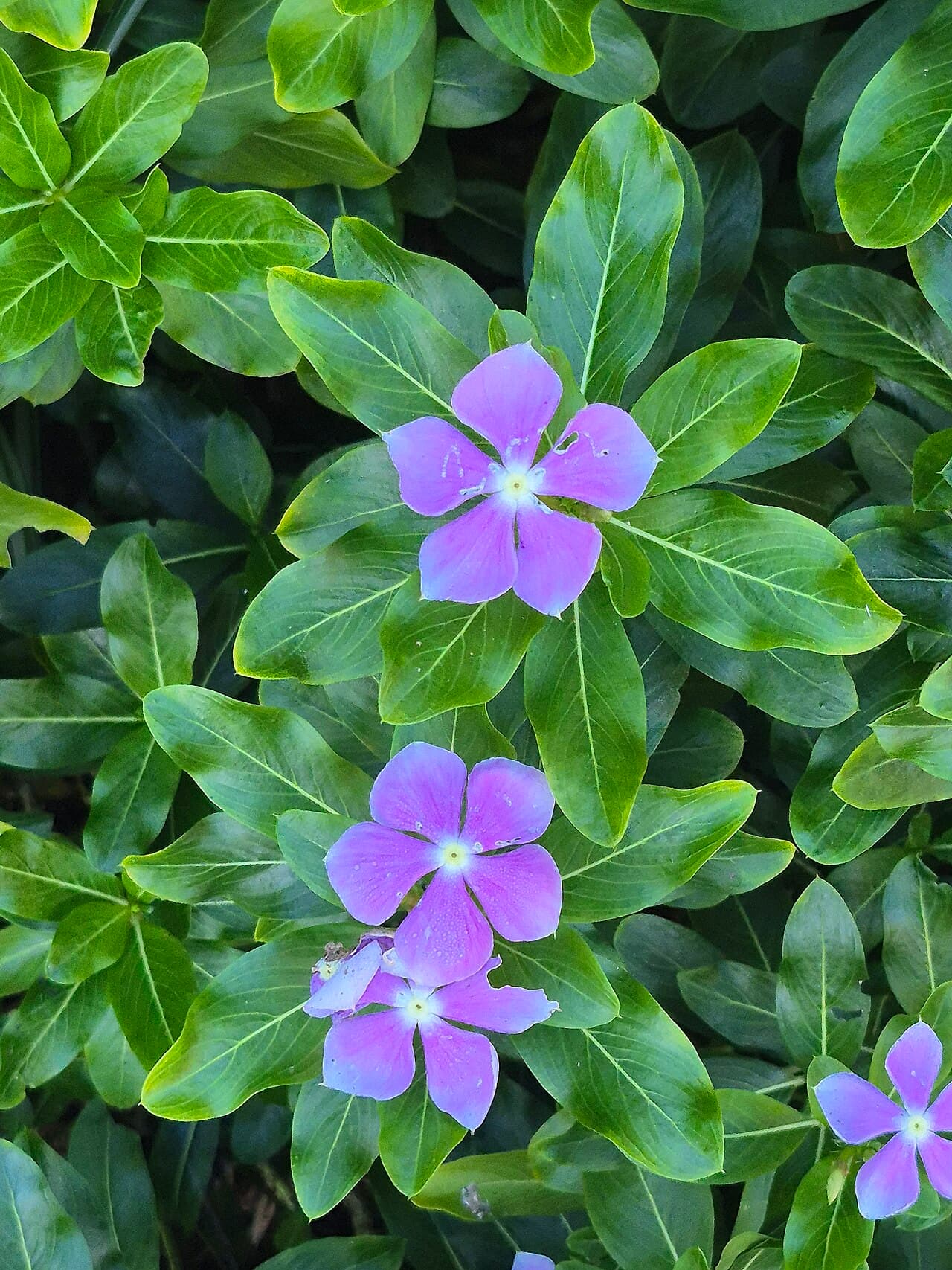
Annual Vinca
Rarely damagedCatharanthus roseus
- Type
- Annual
- Hardiness
- Grown as an annual, any zone
- Height
- 6–18 in
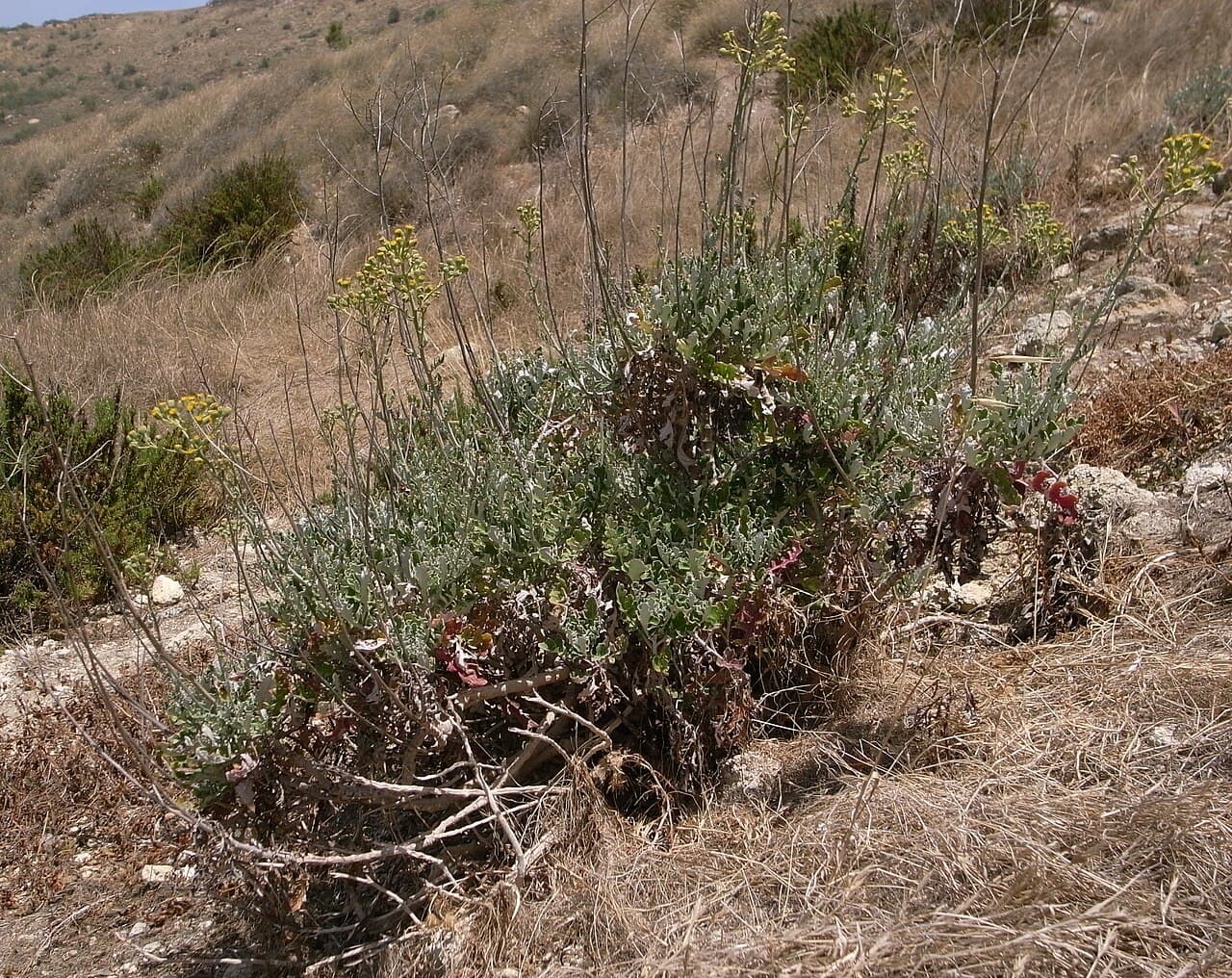
Dusty Miller
Rarely damagedCentaurea cineraria
- Type
- Annual
- Hardiness
- Grown as an annual, any zone
- Height
- 6–24 in
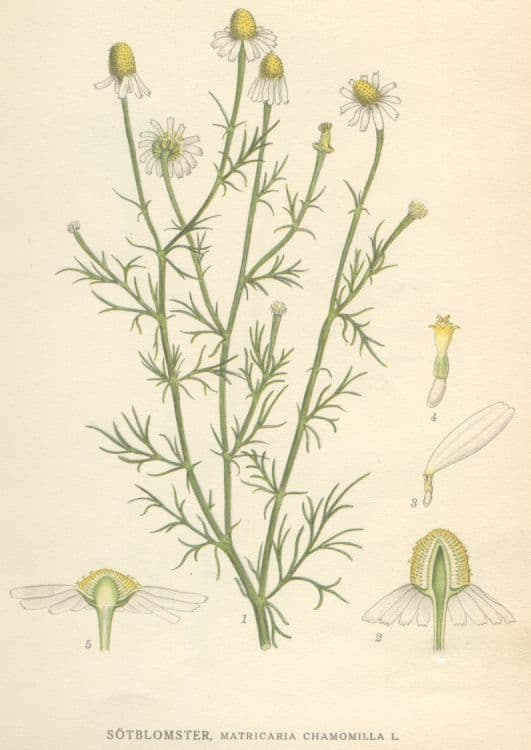
False Camomile
Rarely damagedMatricaria sp.
- Type
- Annual
- Hardiness
- Grown as an annual, any zone
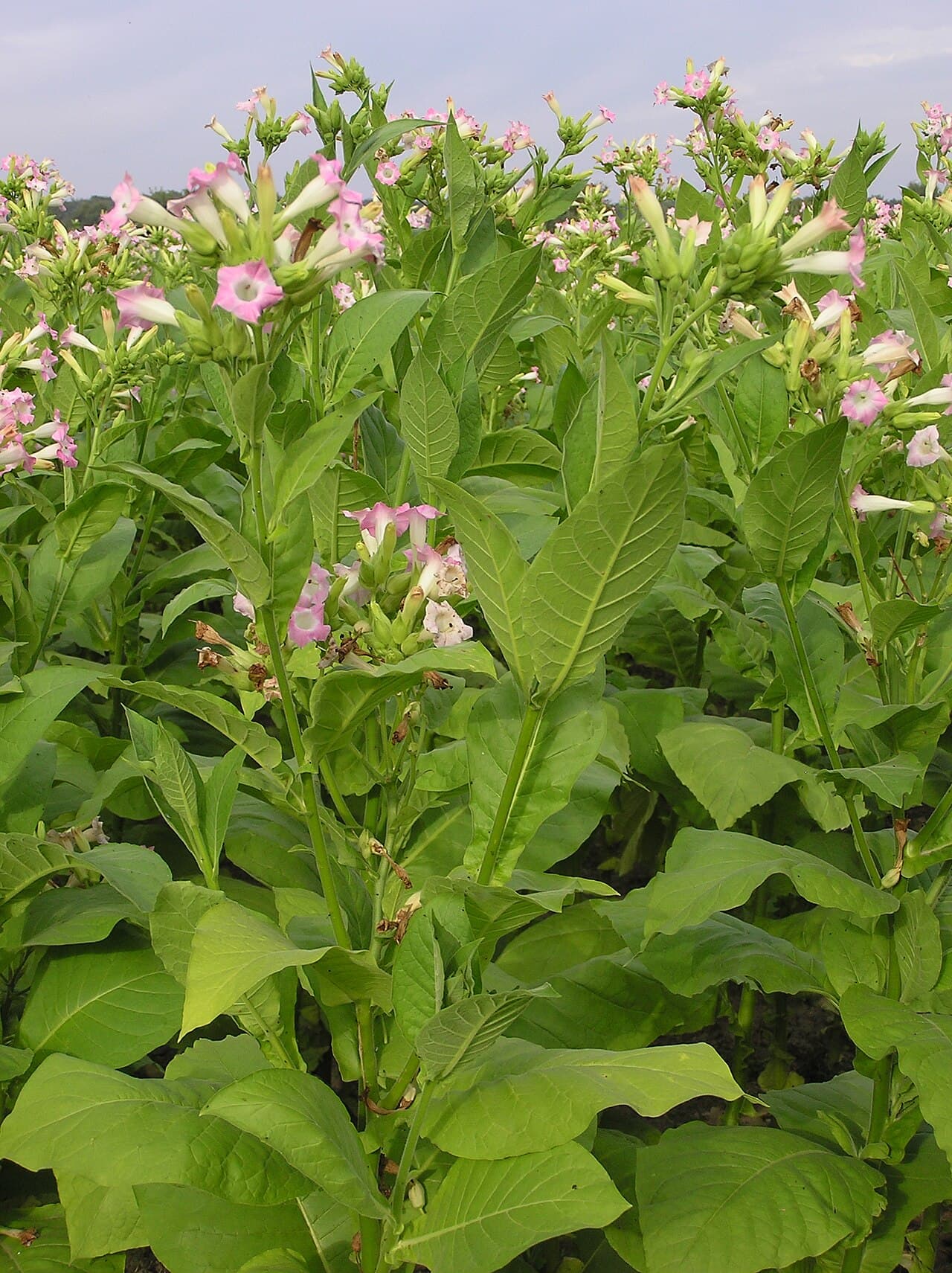
Flowering Tobacco
Rarely damagedNicotiana sp.
- Type
- Annual
- Hardiness
- Grown as an annual, any zone
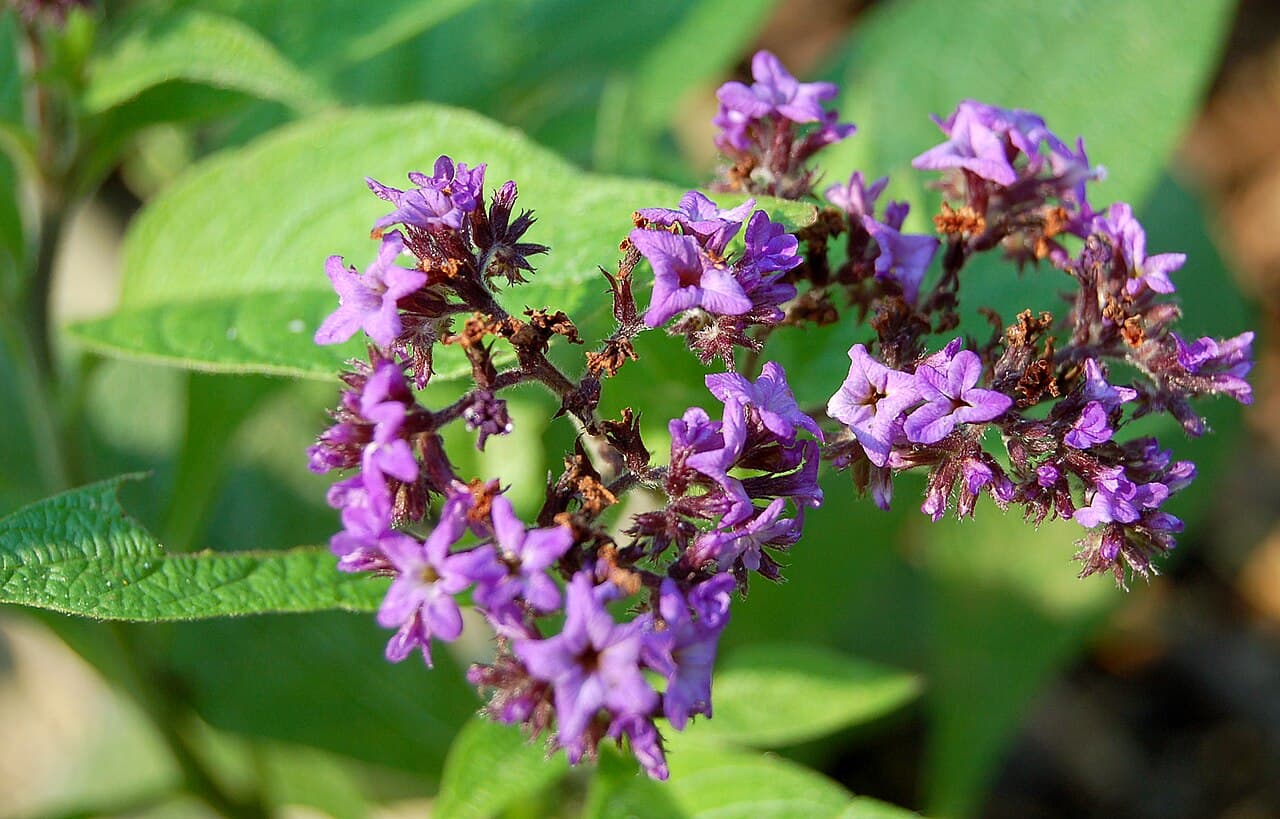
Heliotrope
Rarely damagedHeliotropium arborescens
- Type
- Annual
- Hardiness
- Grown as an annual, any zone
- Height
- 12–30 in
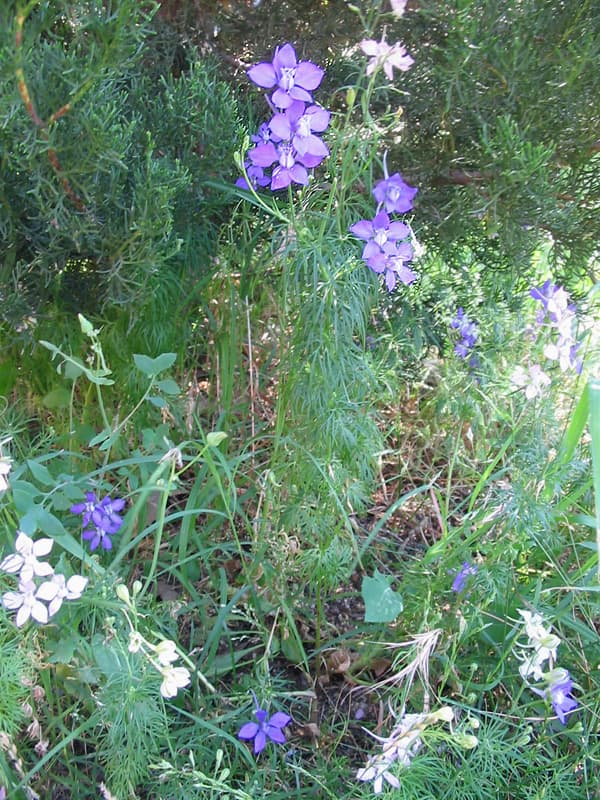
Larkspur
Rarely damagedConsolida ambigua
- Type
- Annual
- Hardiness
- Grown as an annual, any zone
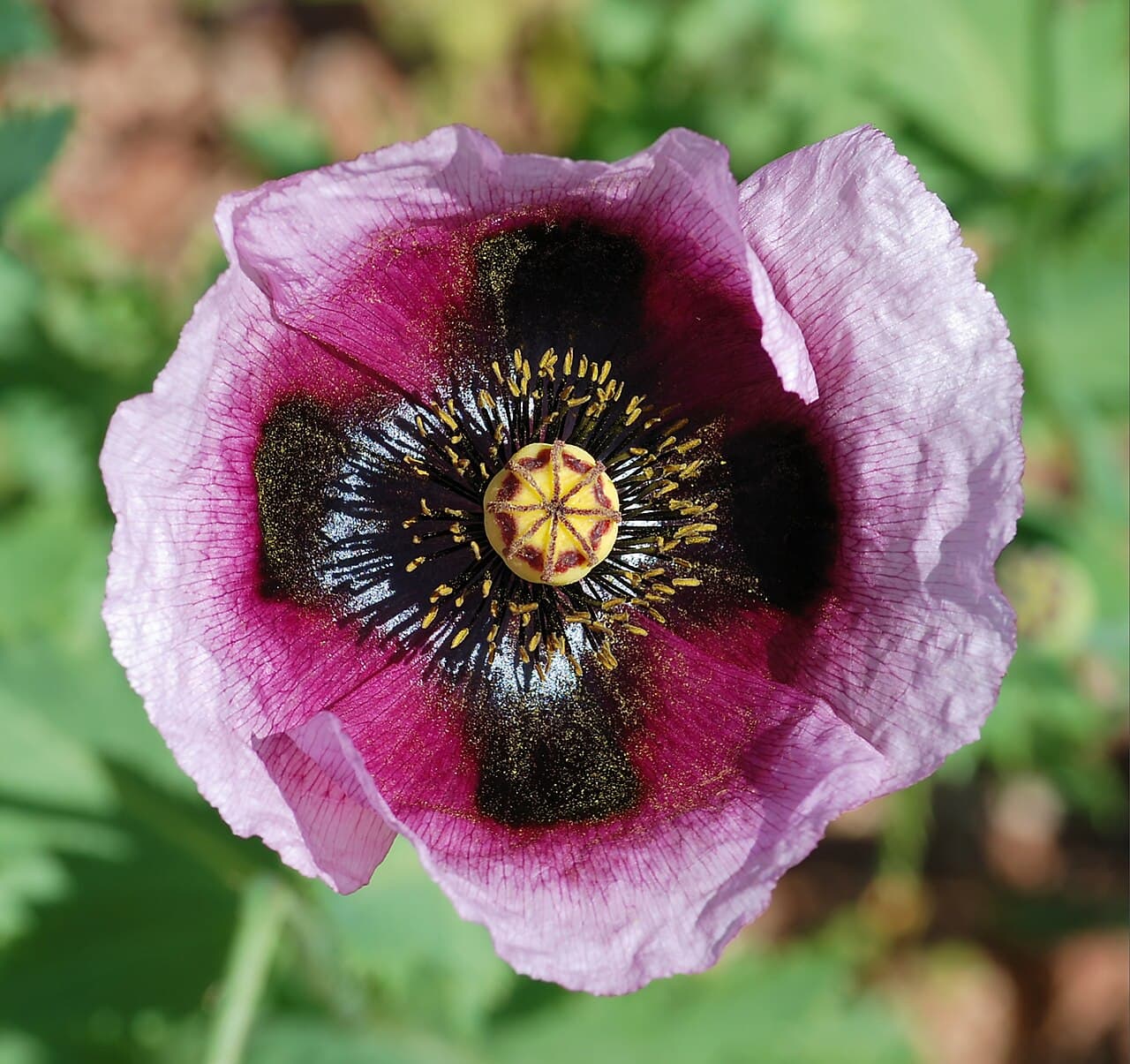
Poppy
Rarely damagedPapaver sp.
- Type
- Annual
- Hardiness
- Grown as an annual, any zone
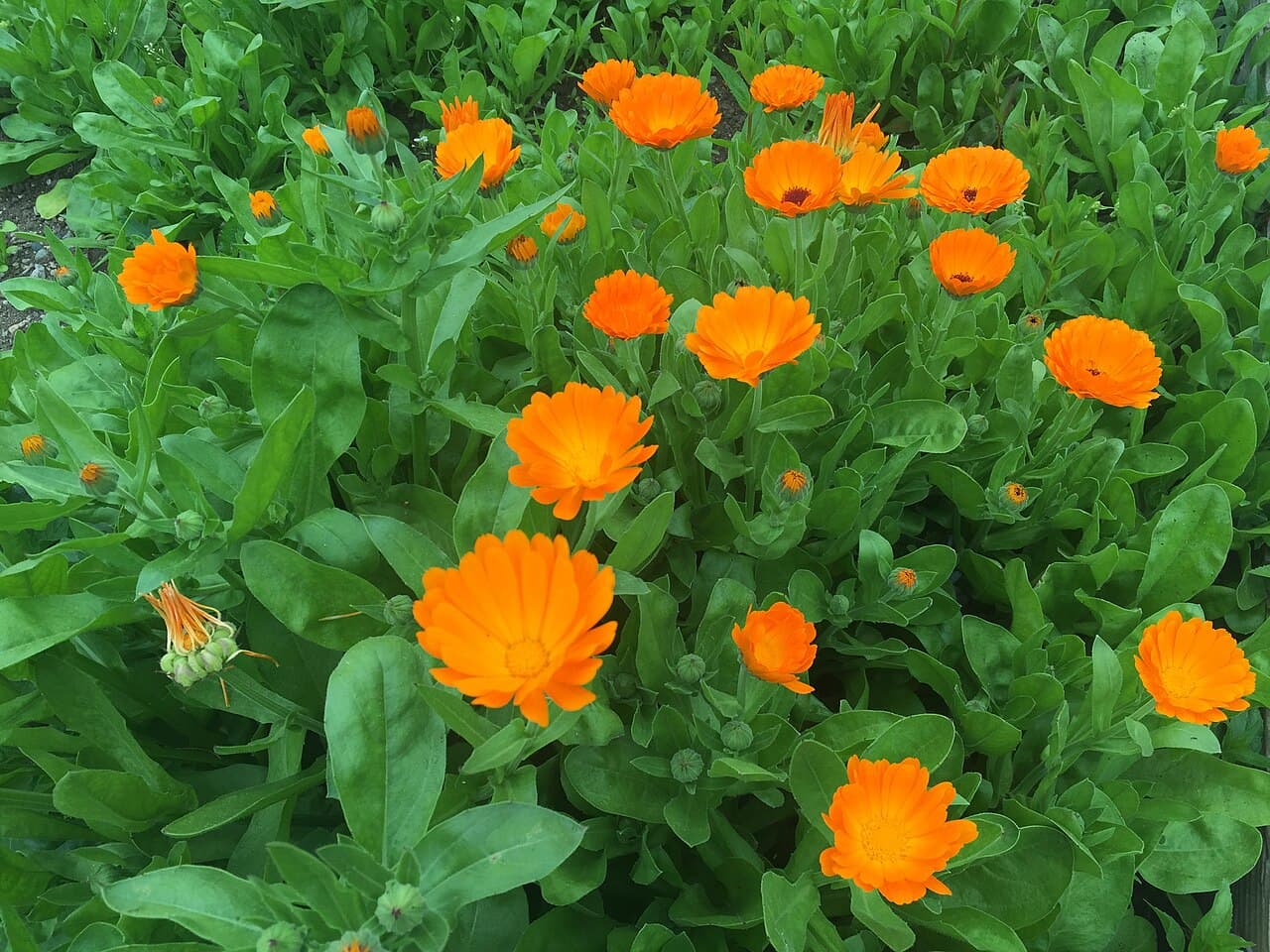
Pot Marigold
Rarely damagedCalendula sp.
- Type
- Annual
- Hardiness
- Grown as an annual, any zone
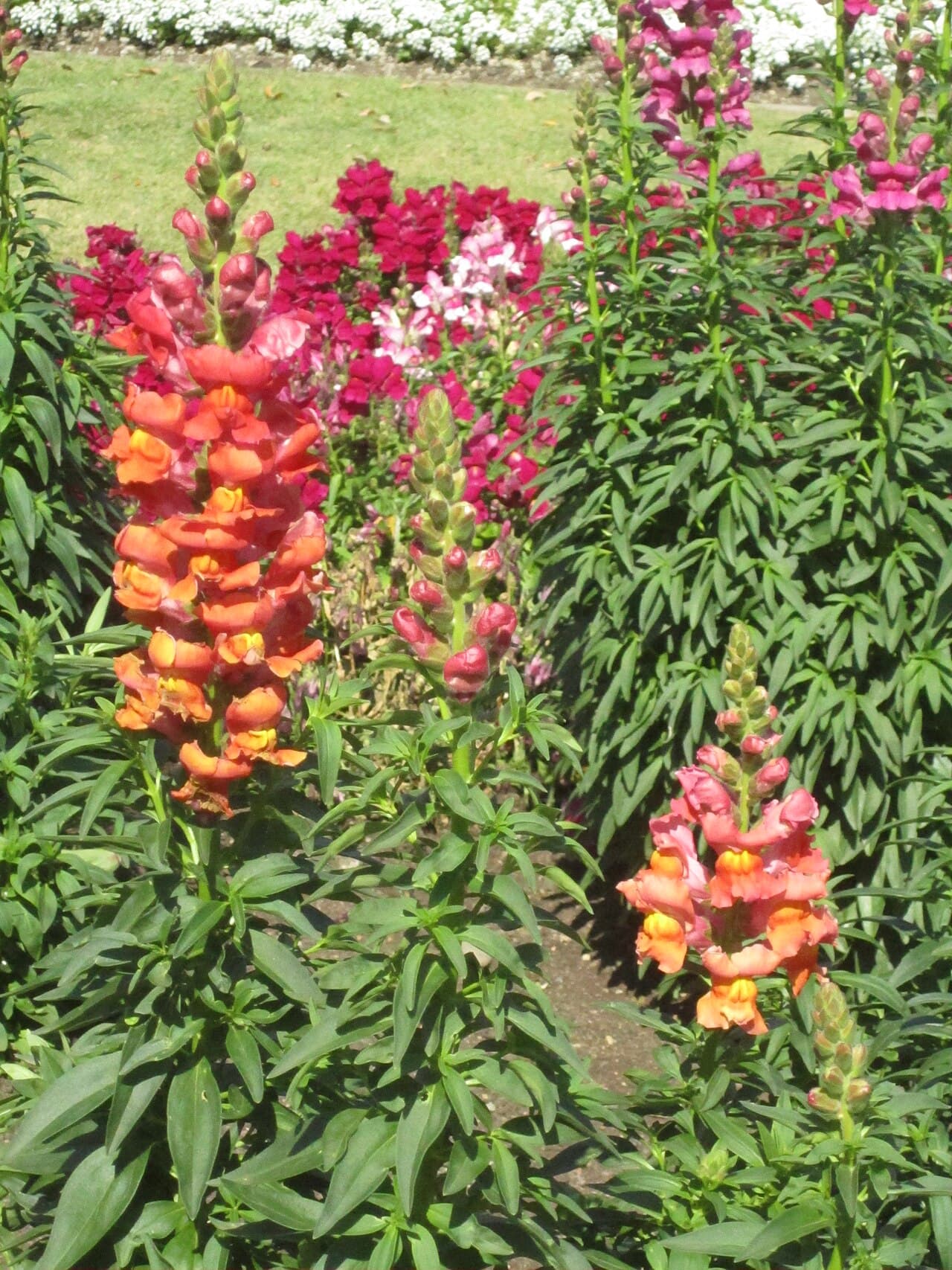
Snapdragon
Rarely damagedAntirrhinum majus
- Type
- Annual
- Hardiness
- Grown as an annual, any zone
- Height
- 6–36 in
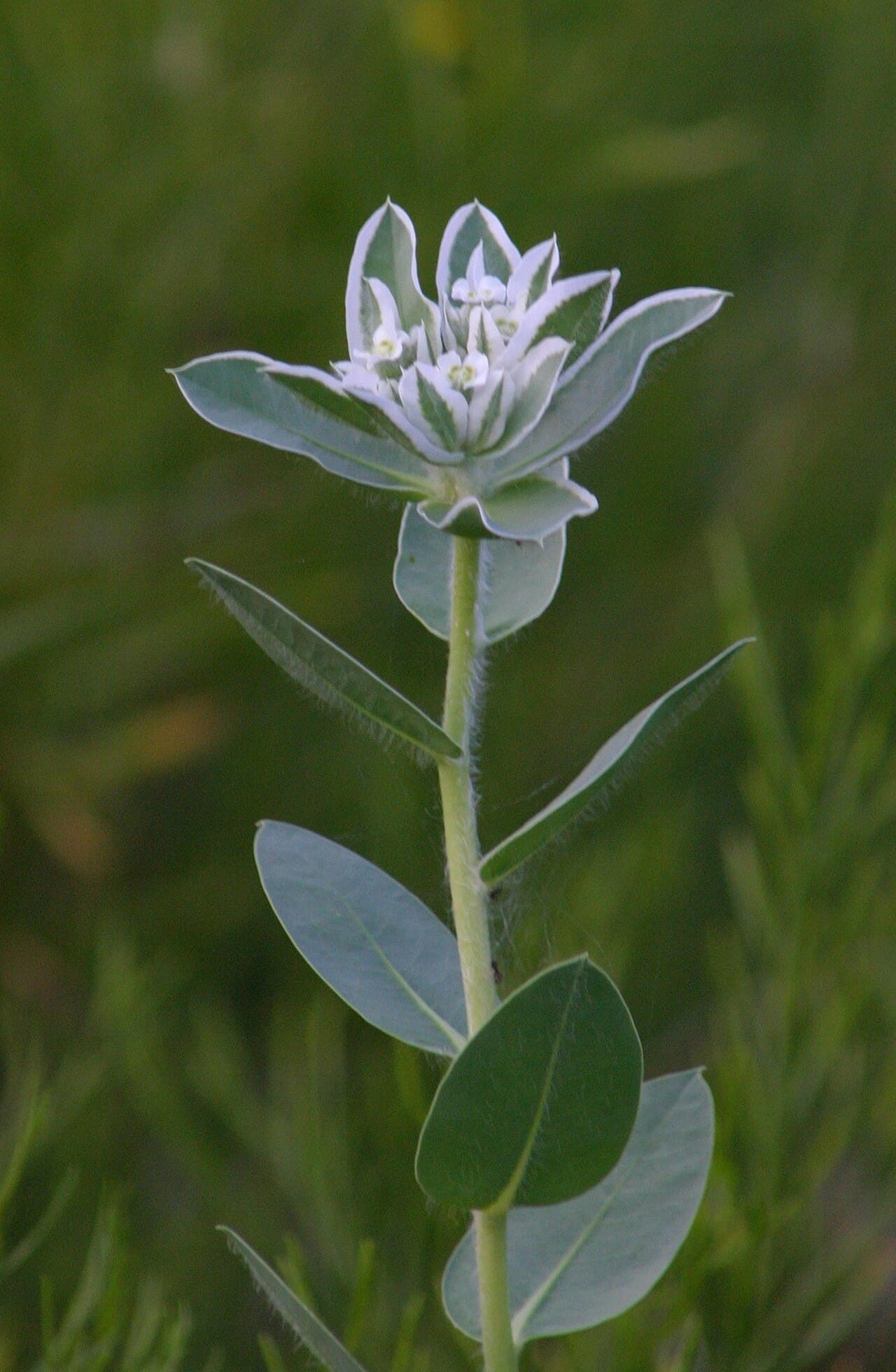
Snow-on-the-Mountain
Rarely damagedEuphorbia marginata
- Type
- Annual
- Hardiness
- Grown as an annual, any zone
- Height
- 12–36 in
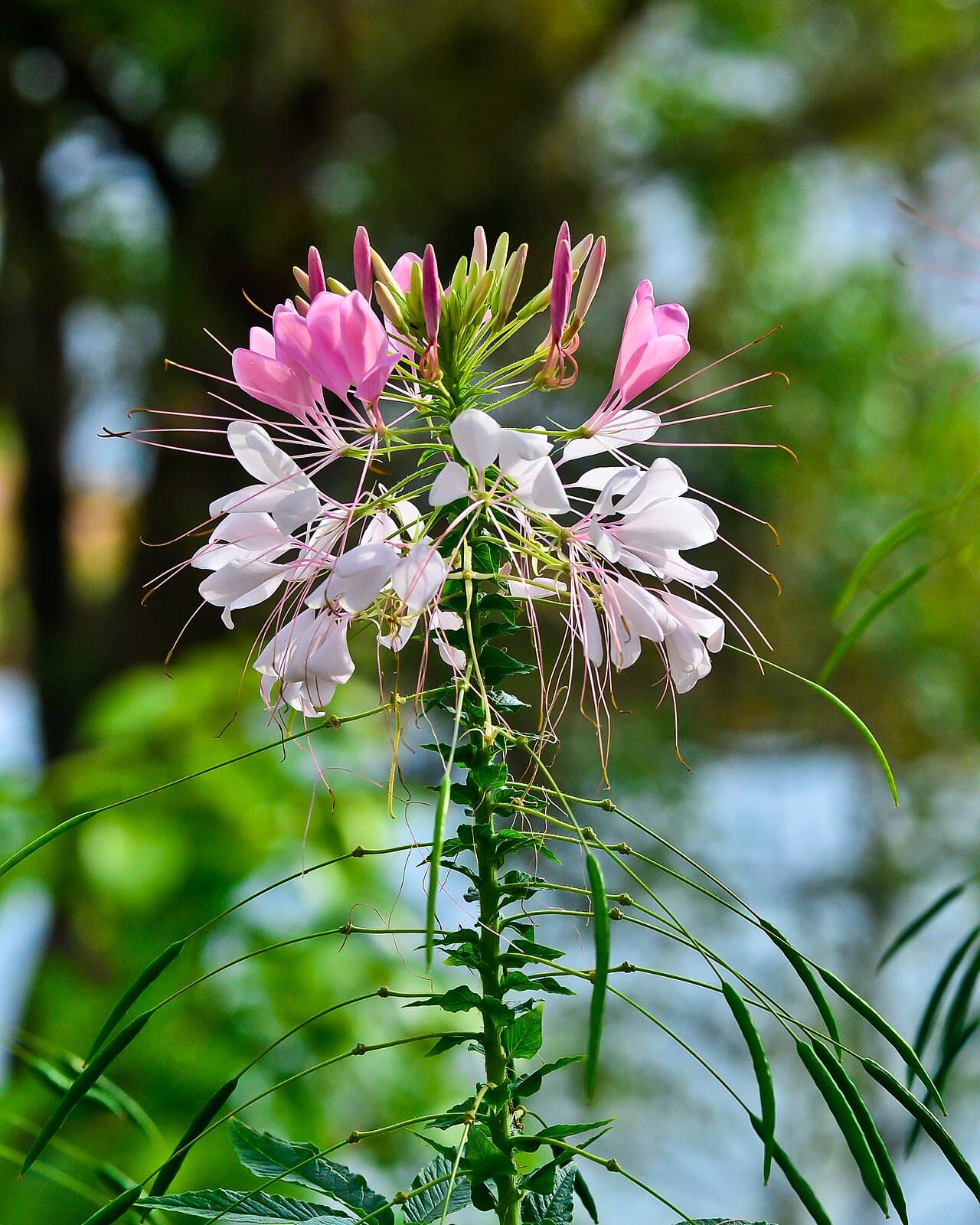
Spider Flower
Rarely damagedCleome sp.
- Type
- Annual
- Hardiness
- Grown as an annual, any zone
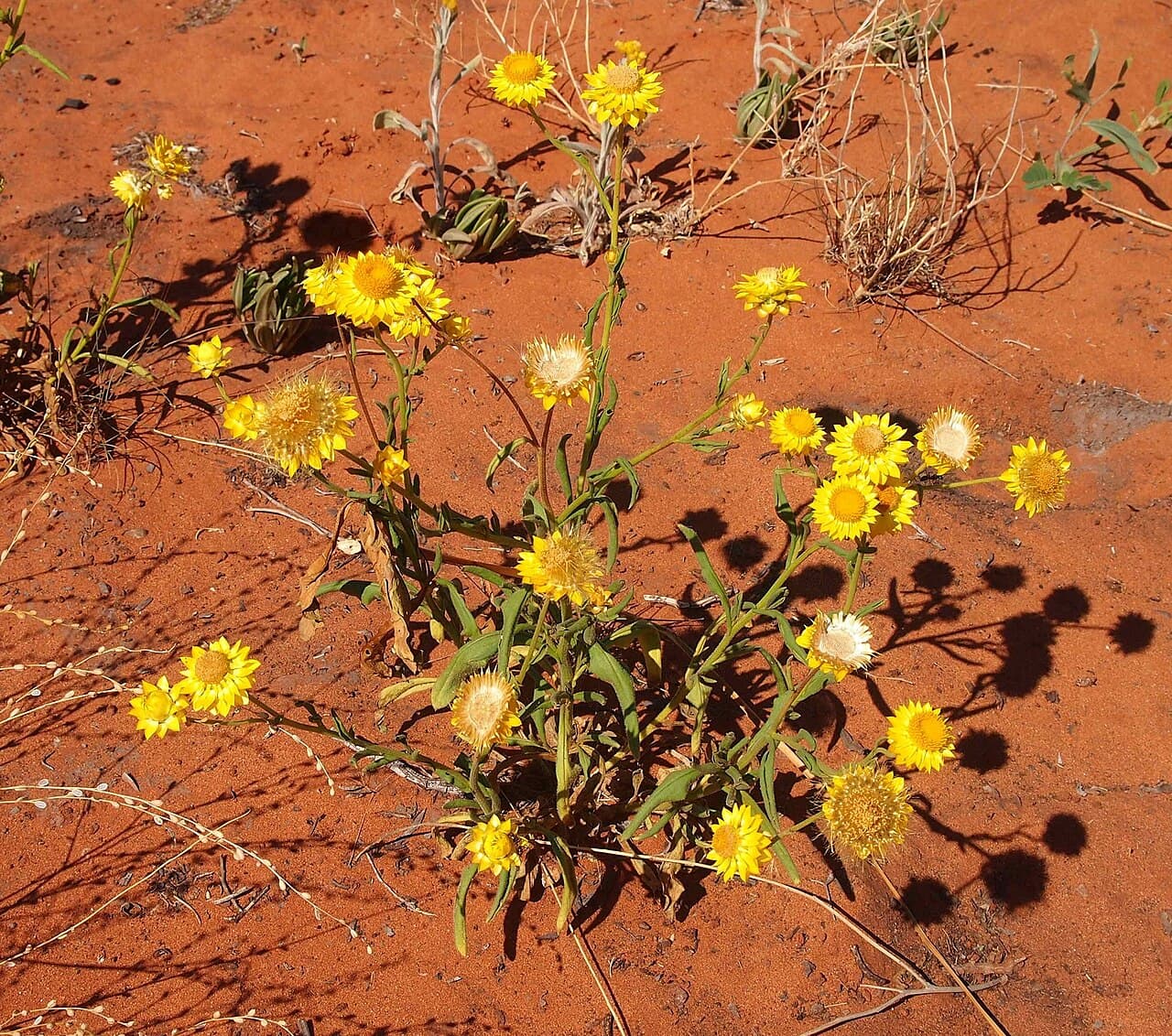
Strawflower
Rarely damagedHelichrysum sp.
- Type
- Annual
- Hardiness
- Grown as an annual, any zone
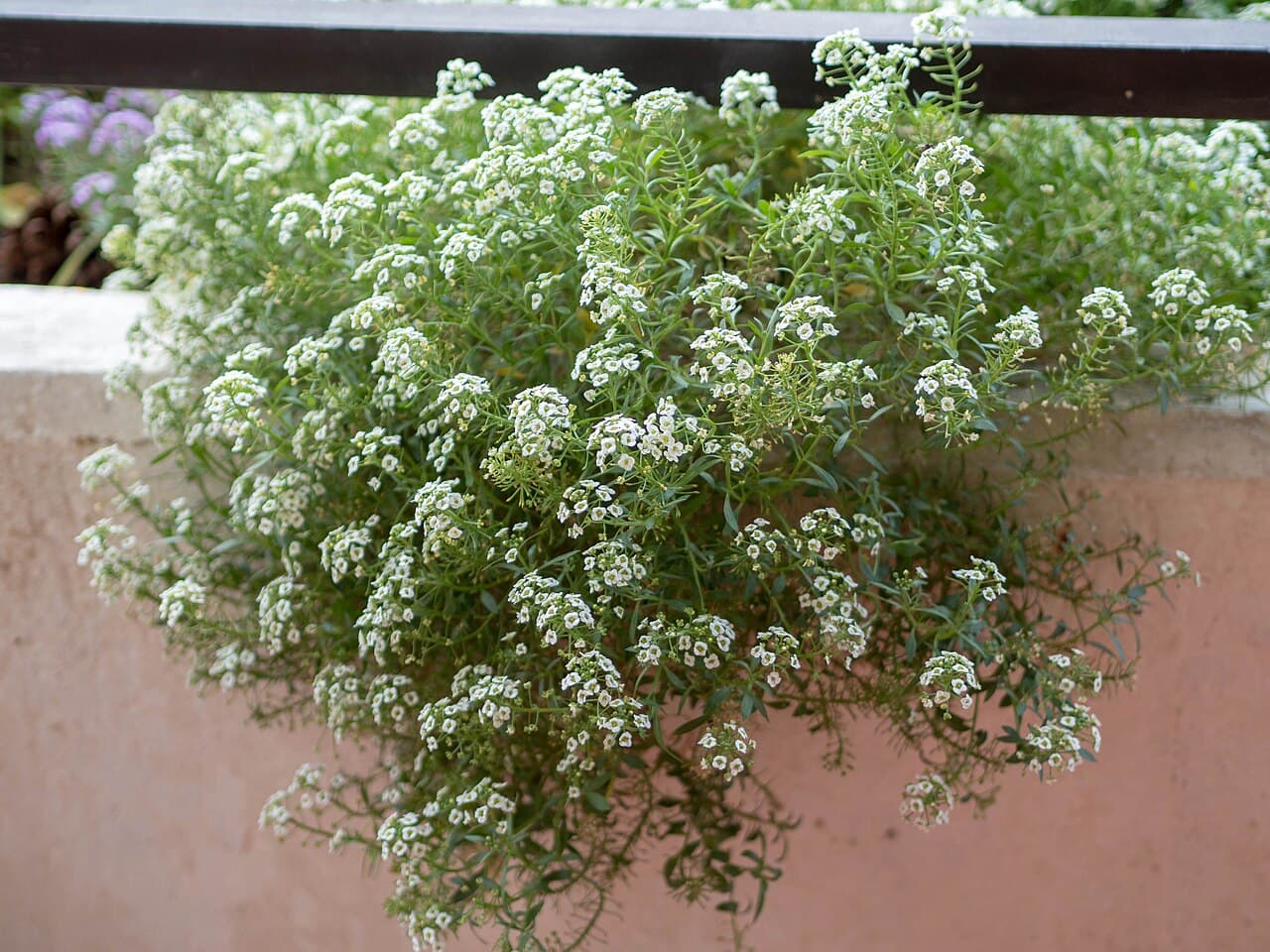
Sweet Alyssum
Rarely damagedLobularia maritima
- Type
- Annual
- Hardiness
- Grown as an annual, any zone
- Height
- 3–10 in
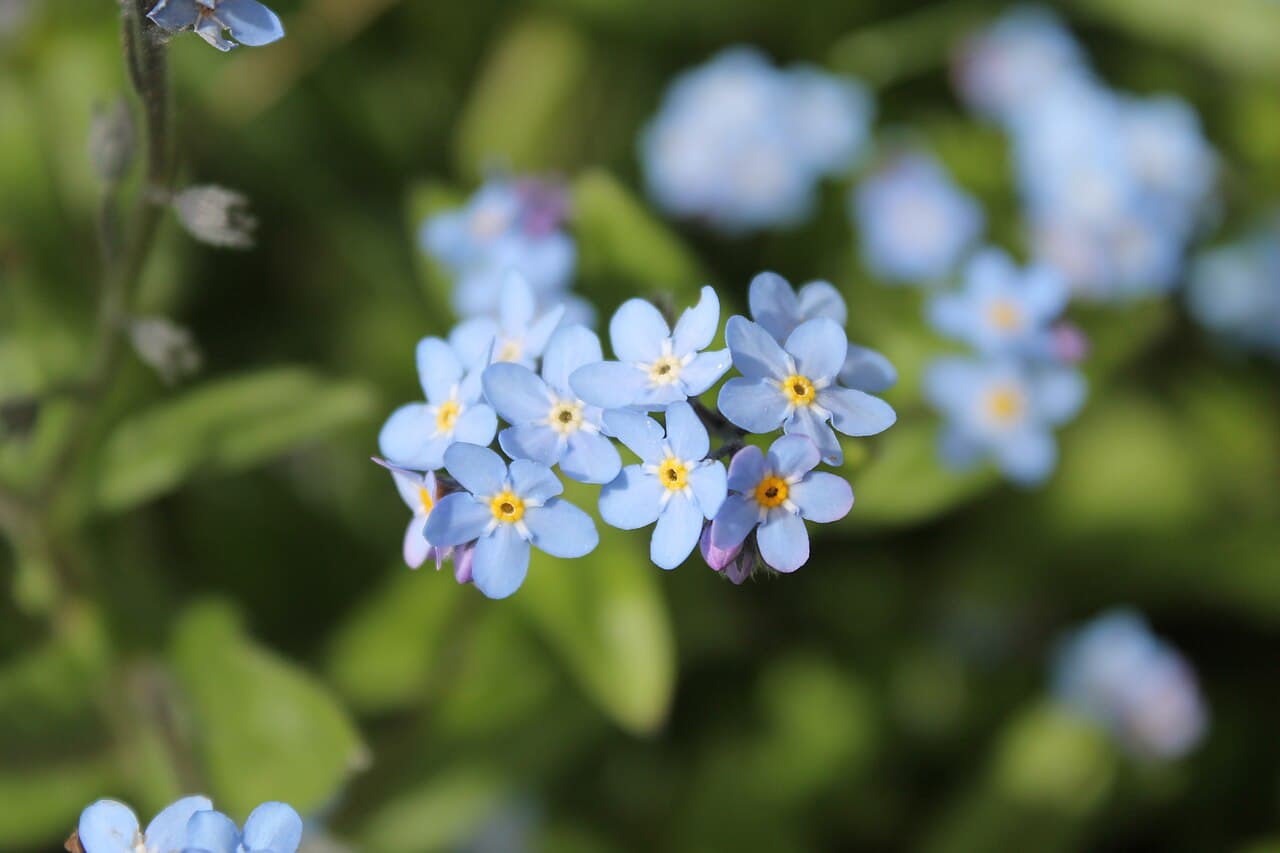
Wood Forget-Me-Not
Rarely damagedMyosotis sylvatica
- Type
- Annual
- Hardiness
- Grown as an annual, any zone
- Height
- 6–12 in
Seldom Severely Damaged18
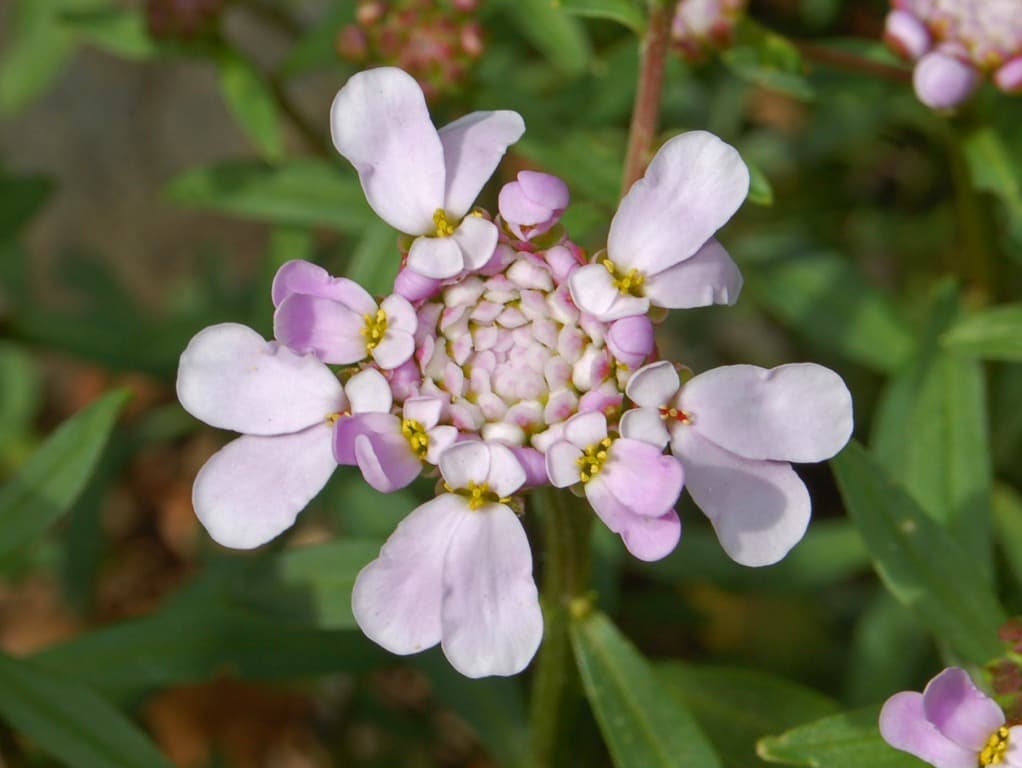
Annual Candytuft
Seldom damagedIberis umbellata
- Type
- Annual
- Hardiness
- Grown as an annual, any zone
- Height
- 12–18 in
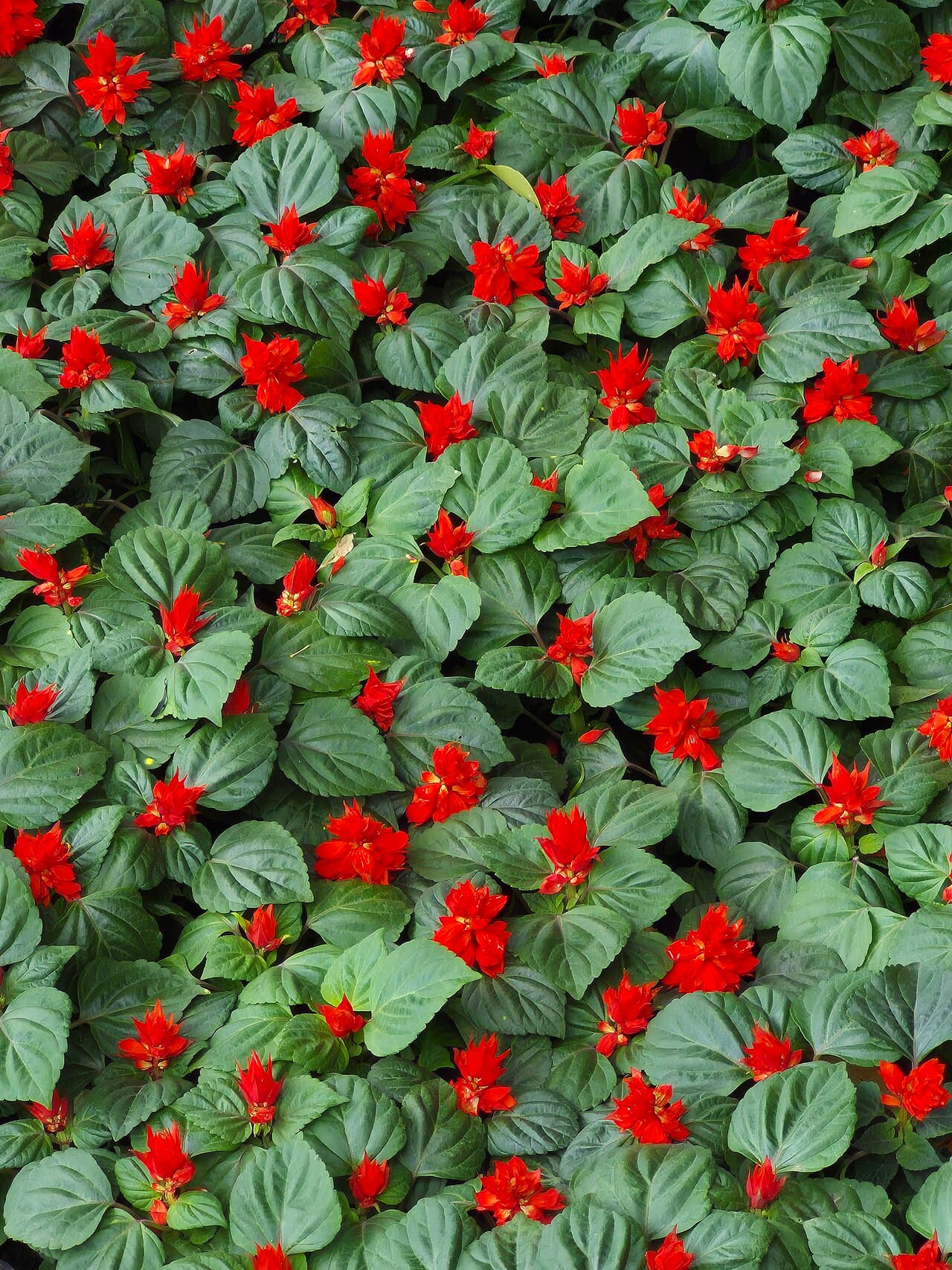
Annual Salvia
Seldom damagedSalvia splendens
- Type
- Annual
- Hardiness
- Grown as an annual, any zone
- Height
- 12–36 in
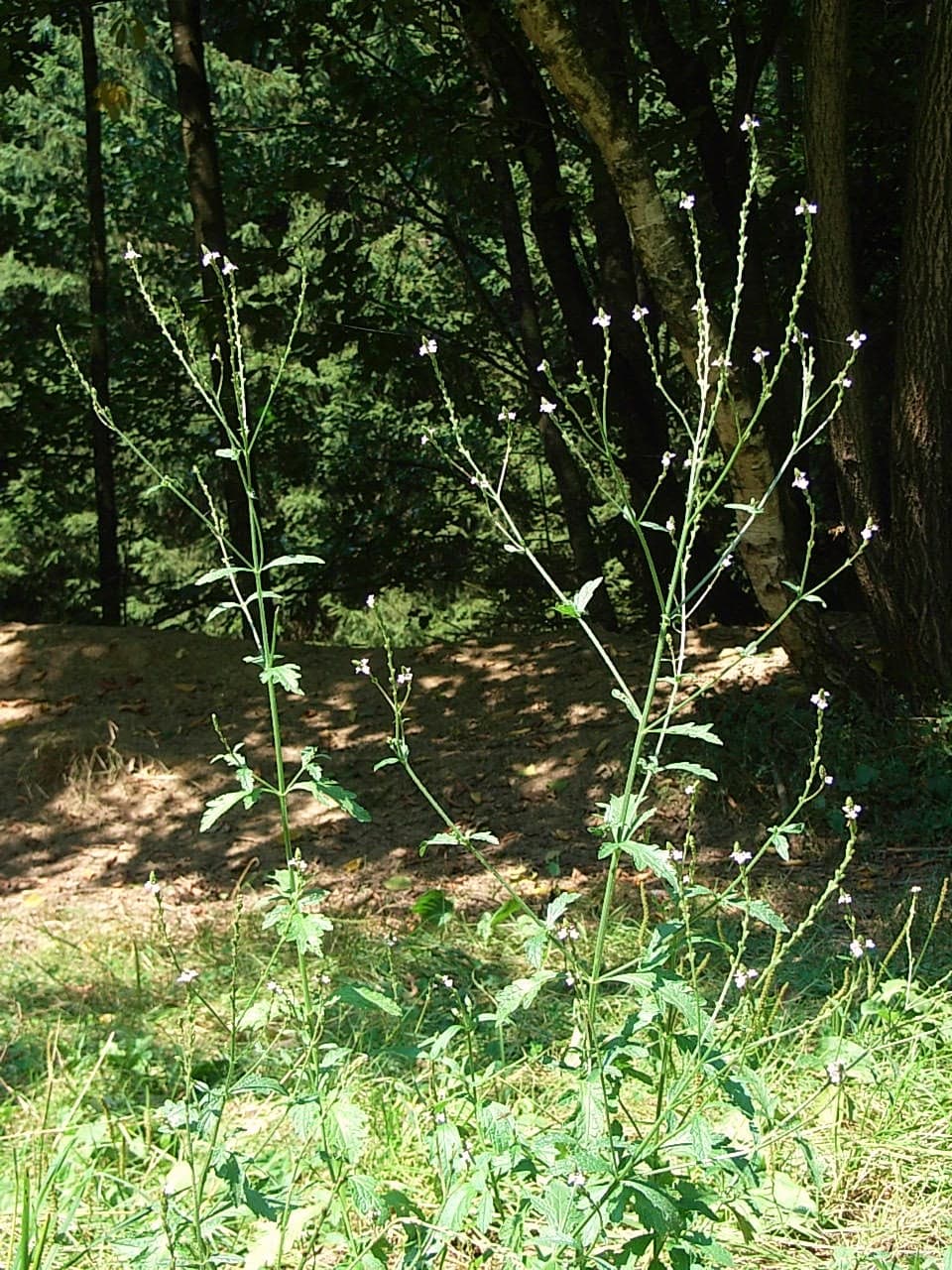
Annual Verbena
Seldom damagedVerbena x hybrida
- Type
- Annual
- Hardiness
- Grown as an annual, any zone
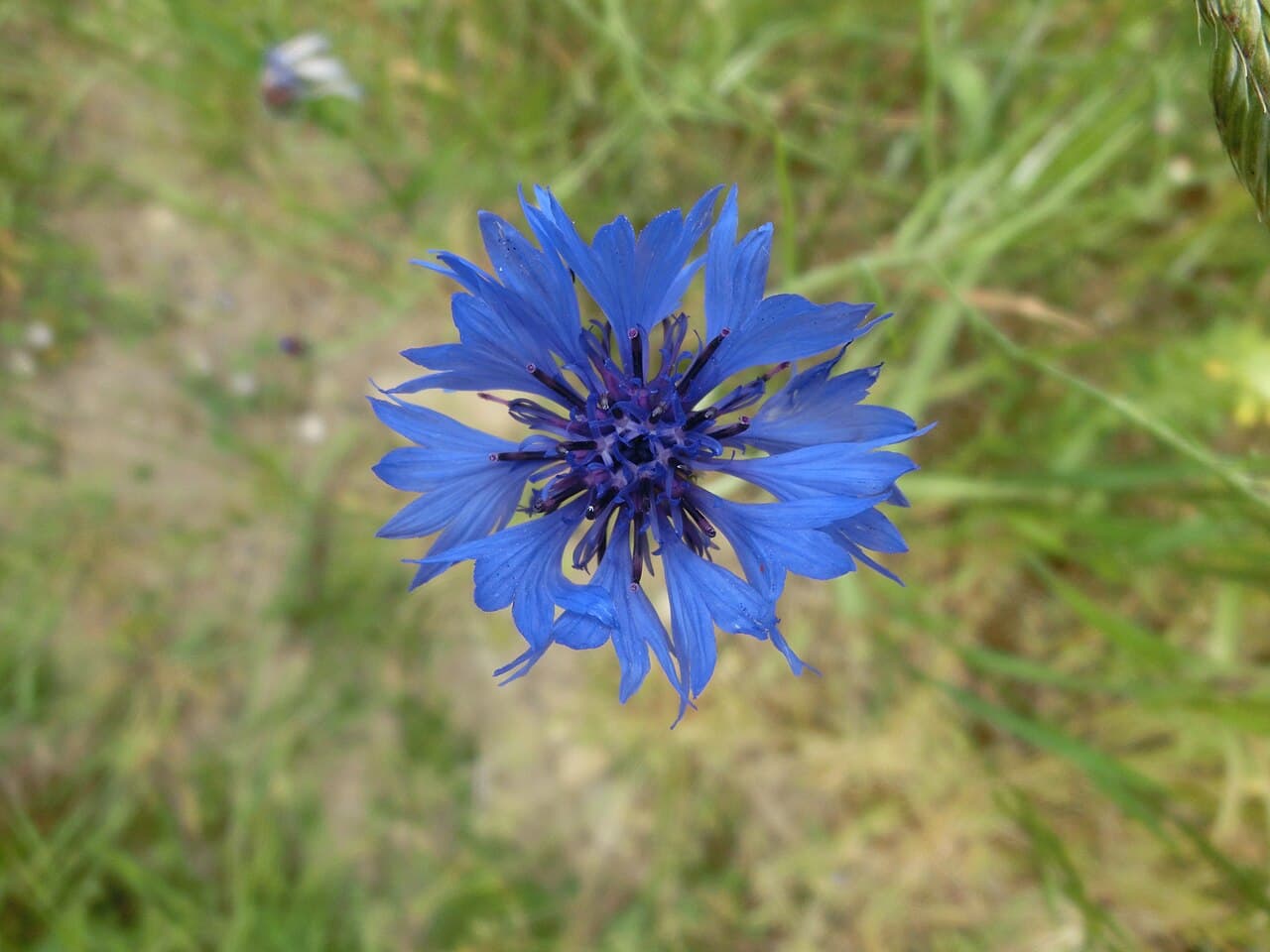
Bachelor's Buttons
Seldom damagedCentaurea cyanus
- Type
- Annual
- Hardiness
- Grown as an annual, any zone
- Height
- 12–36 in
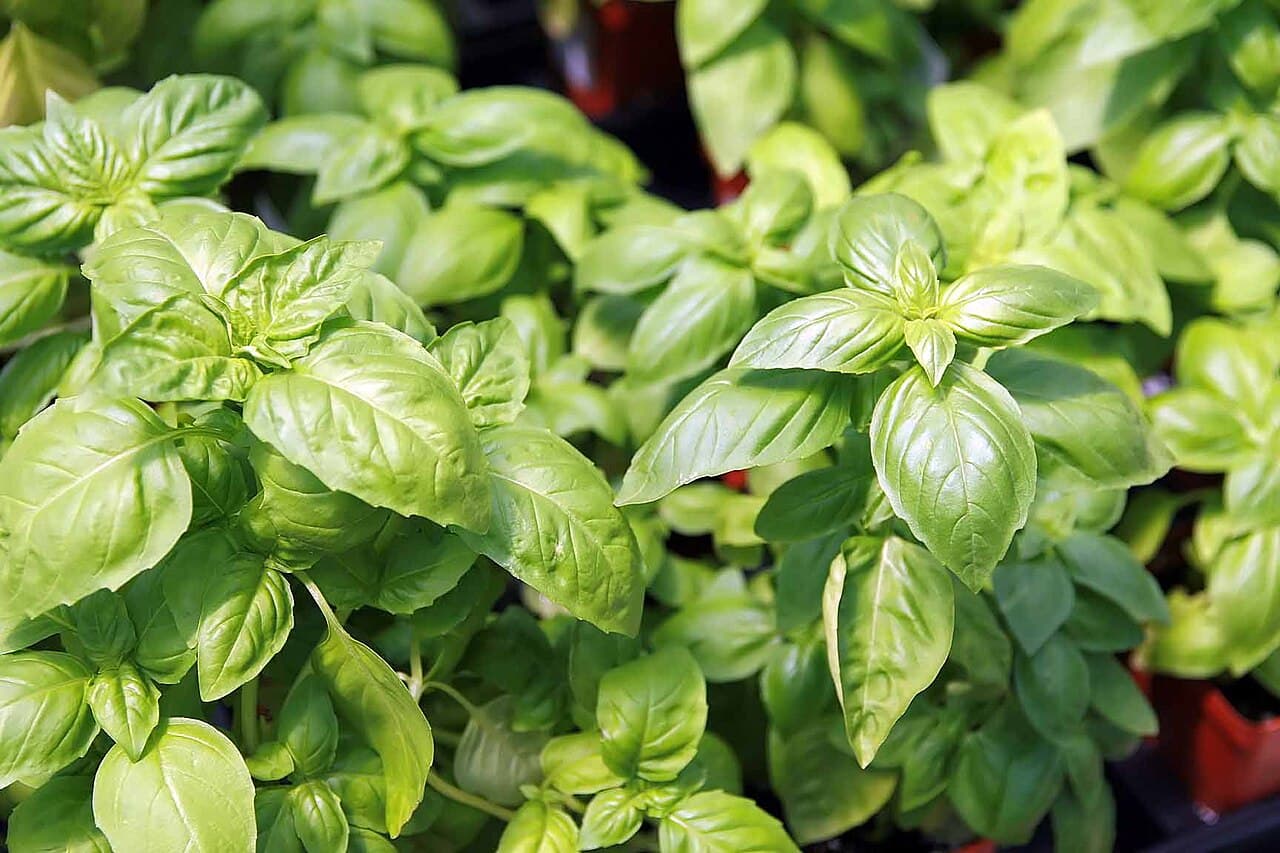
Basil
Seldom damagedOcimum basilicum
- Type
- Annual
- Hardiness
- Grown as an annual, any zone
- Height
- 4–36 in
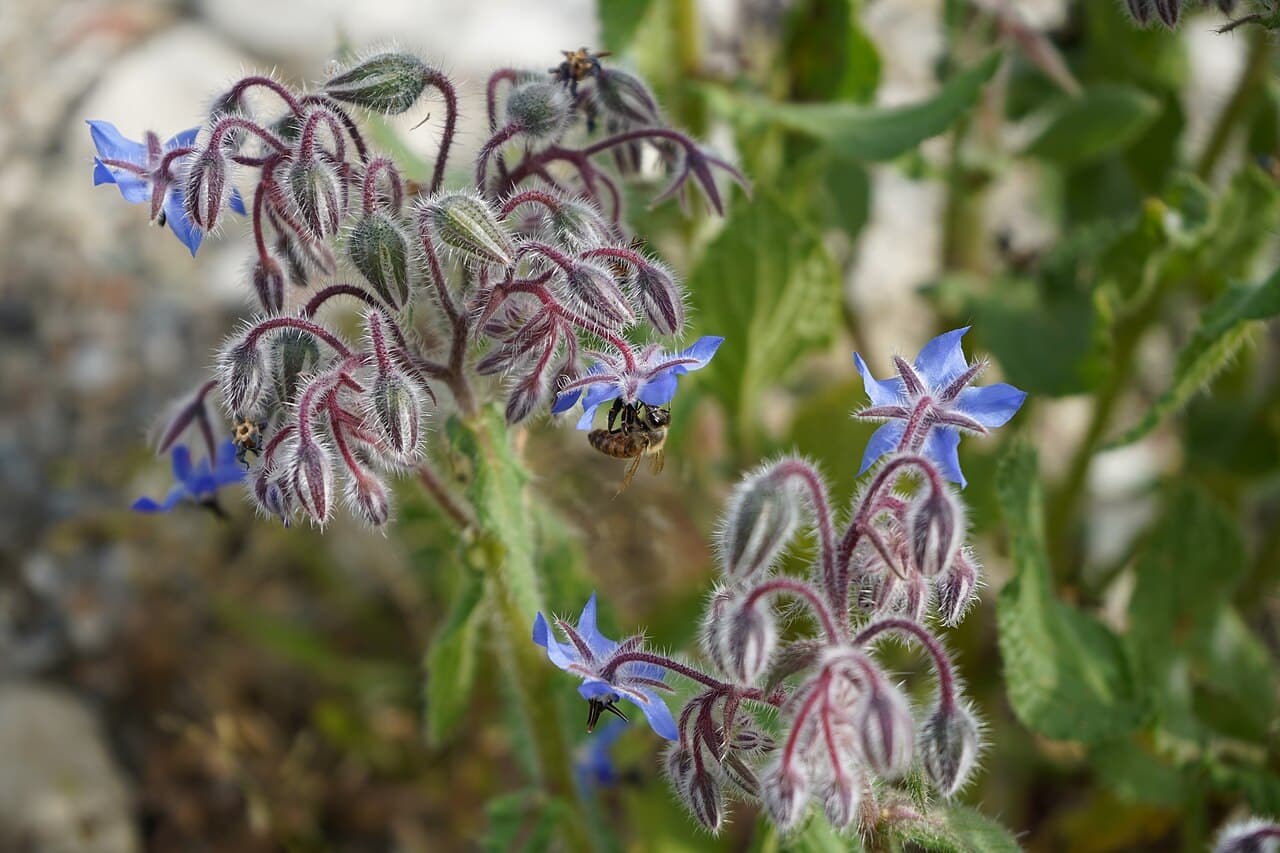
Borage
Seldom damagedBorago officinalis
- Type
- Annual
- Hardiness
- Grown as an annual, any zone
- Height
- 19–38 in
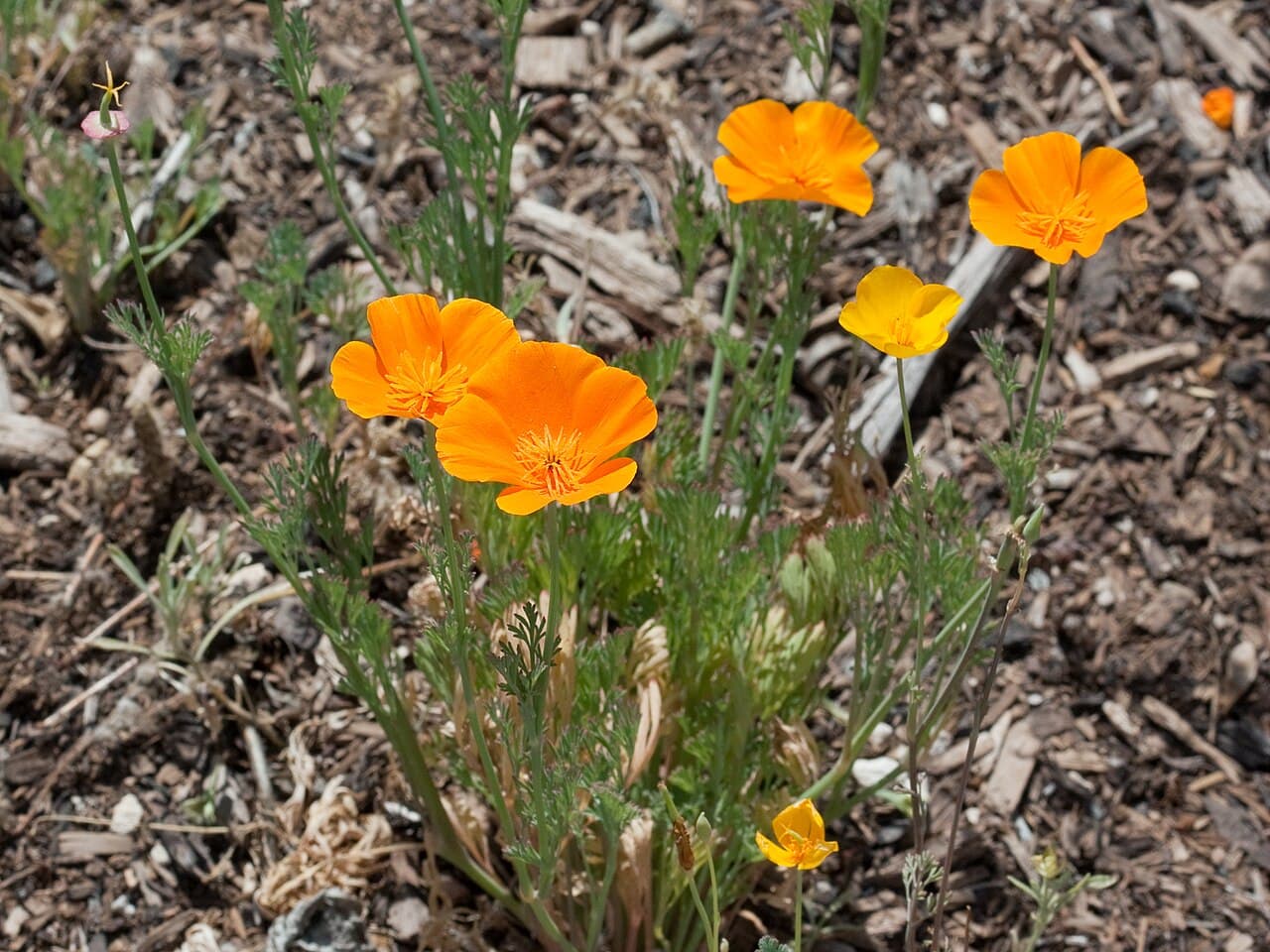
California Poppy
Seldom damagedEschscholzia californica
- Type
- Annual
- Hardiness
- Grown as an annual, any zone
- Height
- 12–24 in
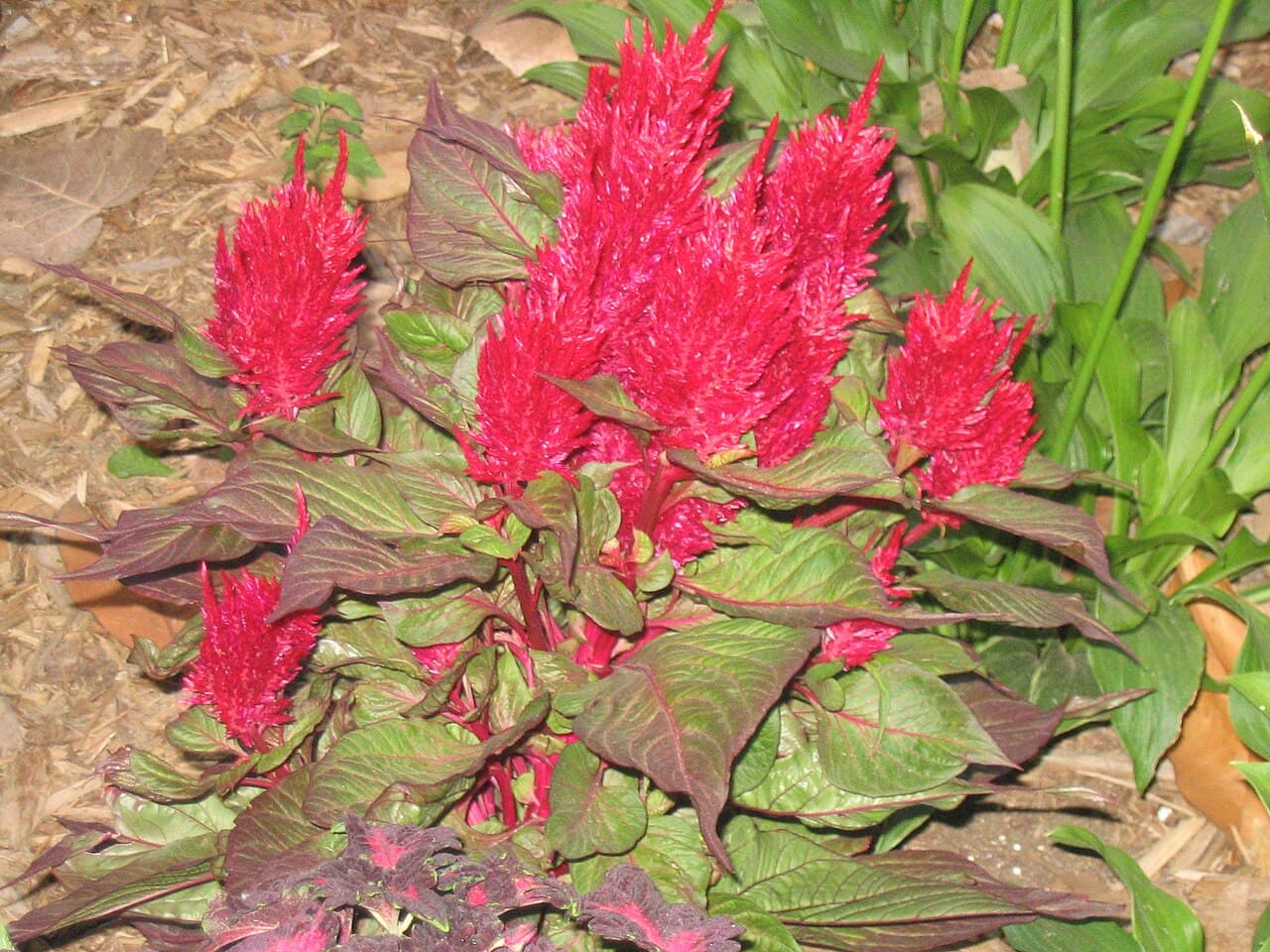
Celosia
Seldom damagedCelosia argentea
- Type
- Annual
- Hardiness
- Grown as an annual, any zone
- Height
- 9–18 in
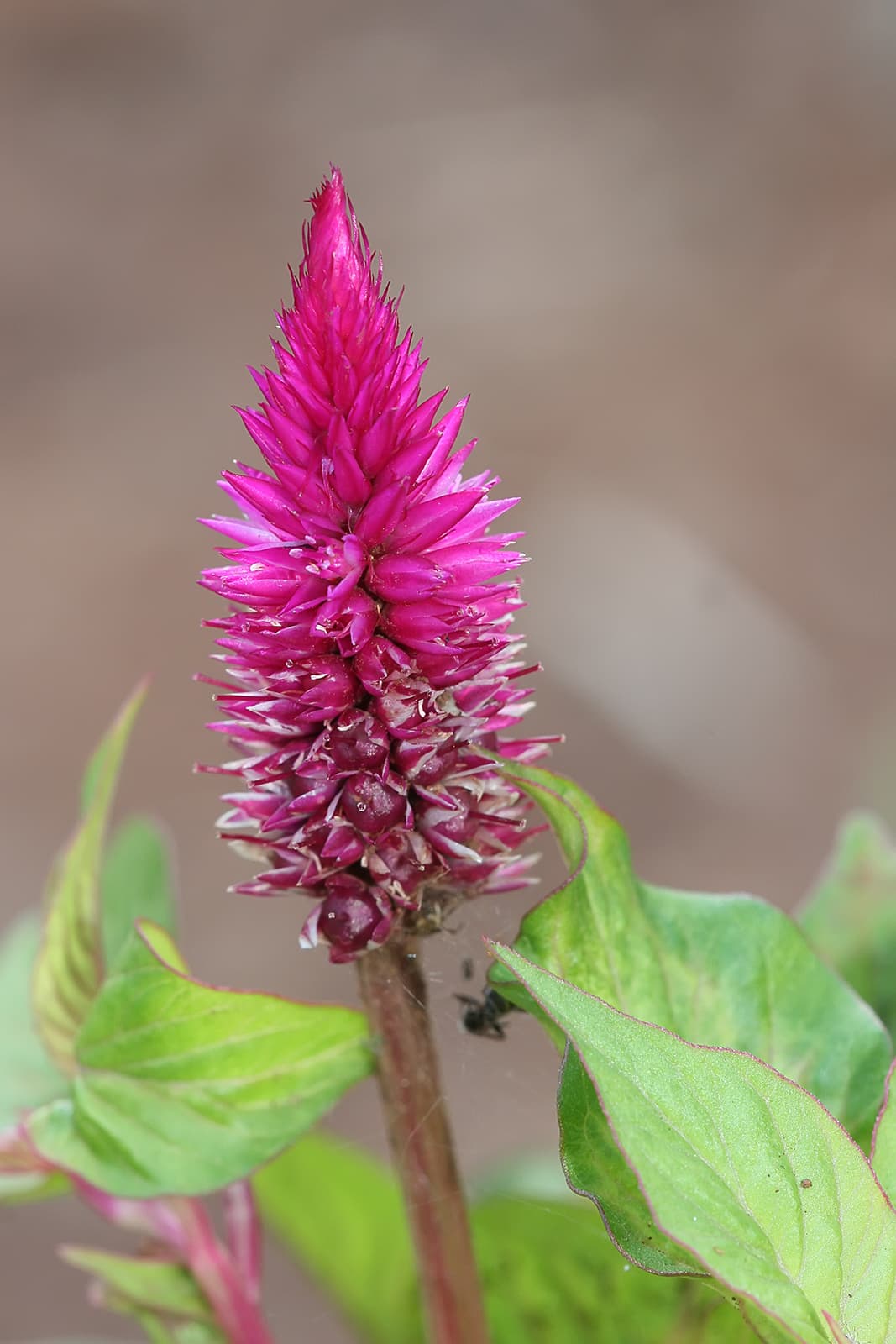
Cock's Comb
Seldom damagedCelosia sp.
- Type
- Annual
- Hardiness
- Grown as an annual, any zone
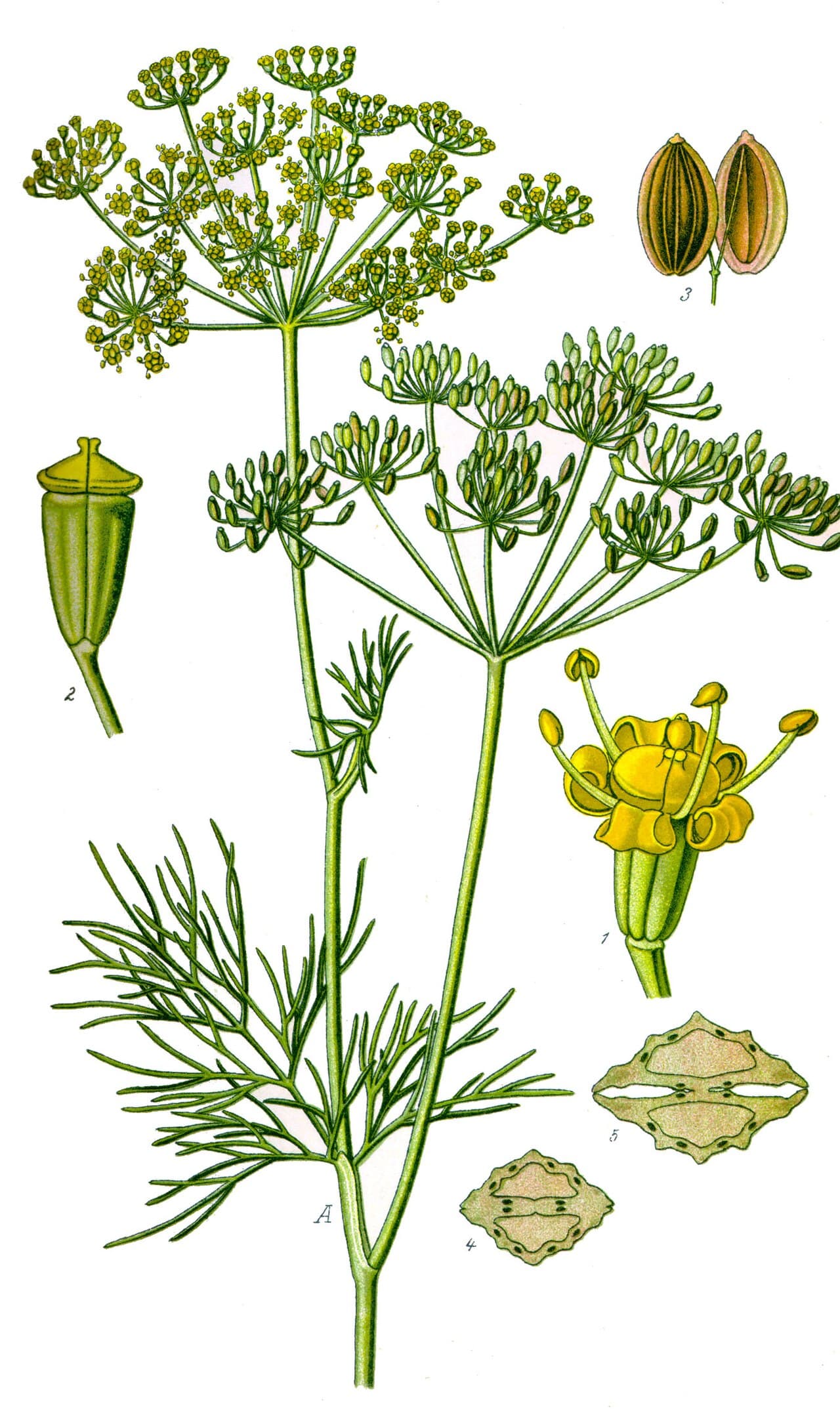
Dill
Seldom damagedAnethum graveolens
- Type
- Annual
- Hardiness
- Grown as an annual, any zone
- Height
- 30–60 in
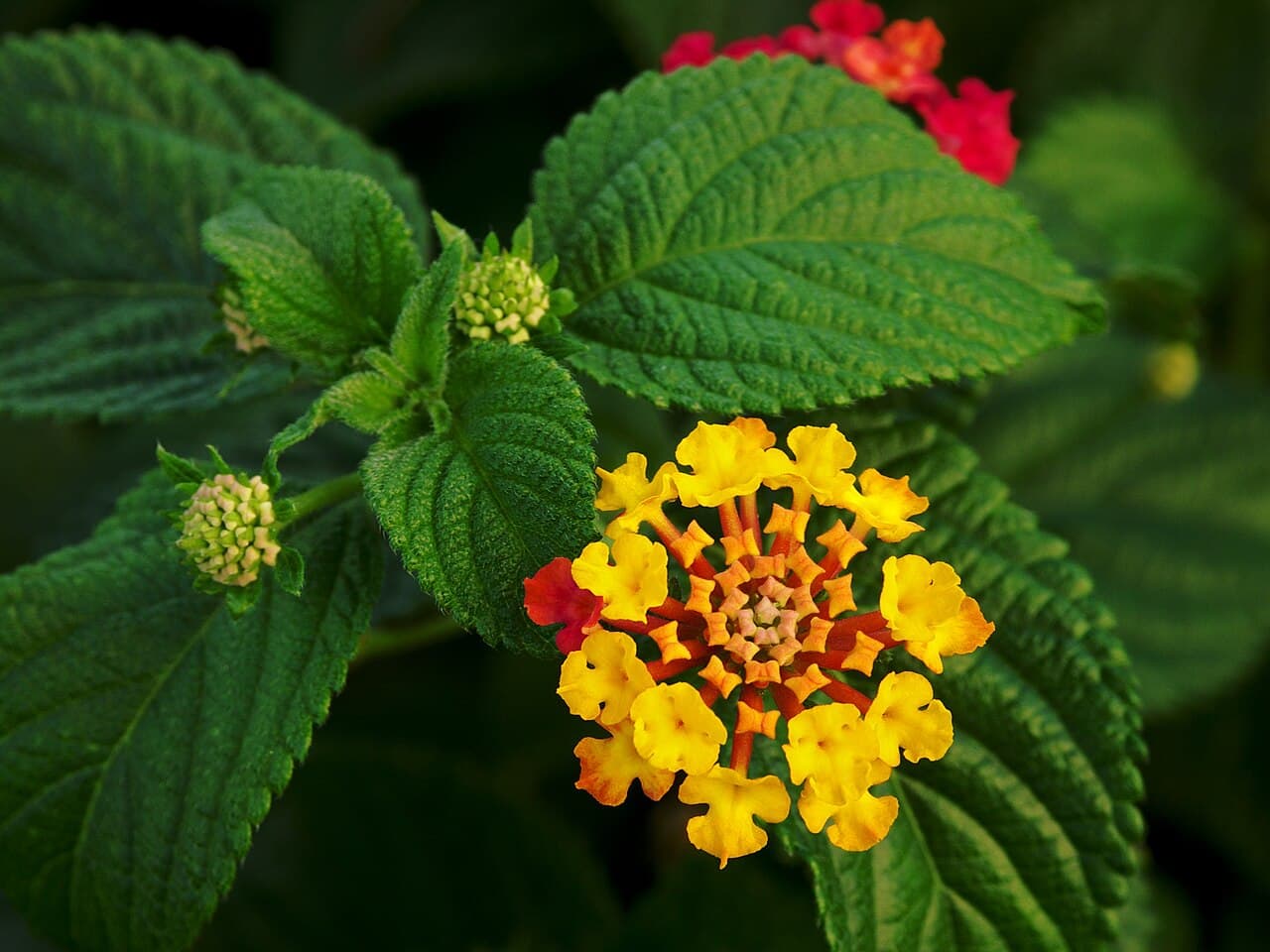
Lantana
Seldom damagedLantana camara
- Type
- Annual
- Hardiness
- Grown as an annual, any zone
- Height
- 12–72 in
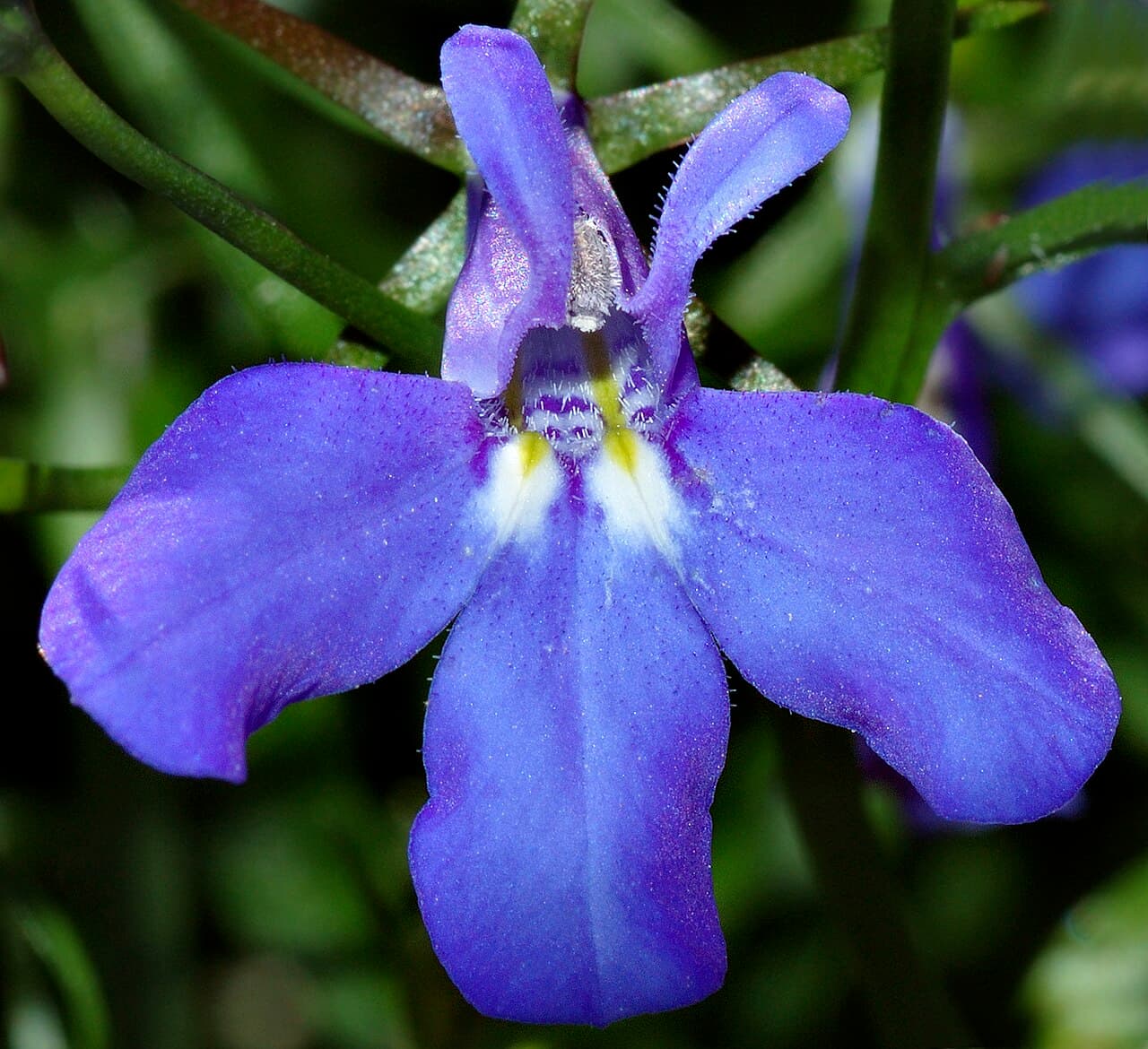
Lobelia
Seldom damagedLobelia erinus
- Type
- Annual
- Hardiness
- Grown as an annual, any zone
- Height
- 6–9 in
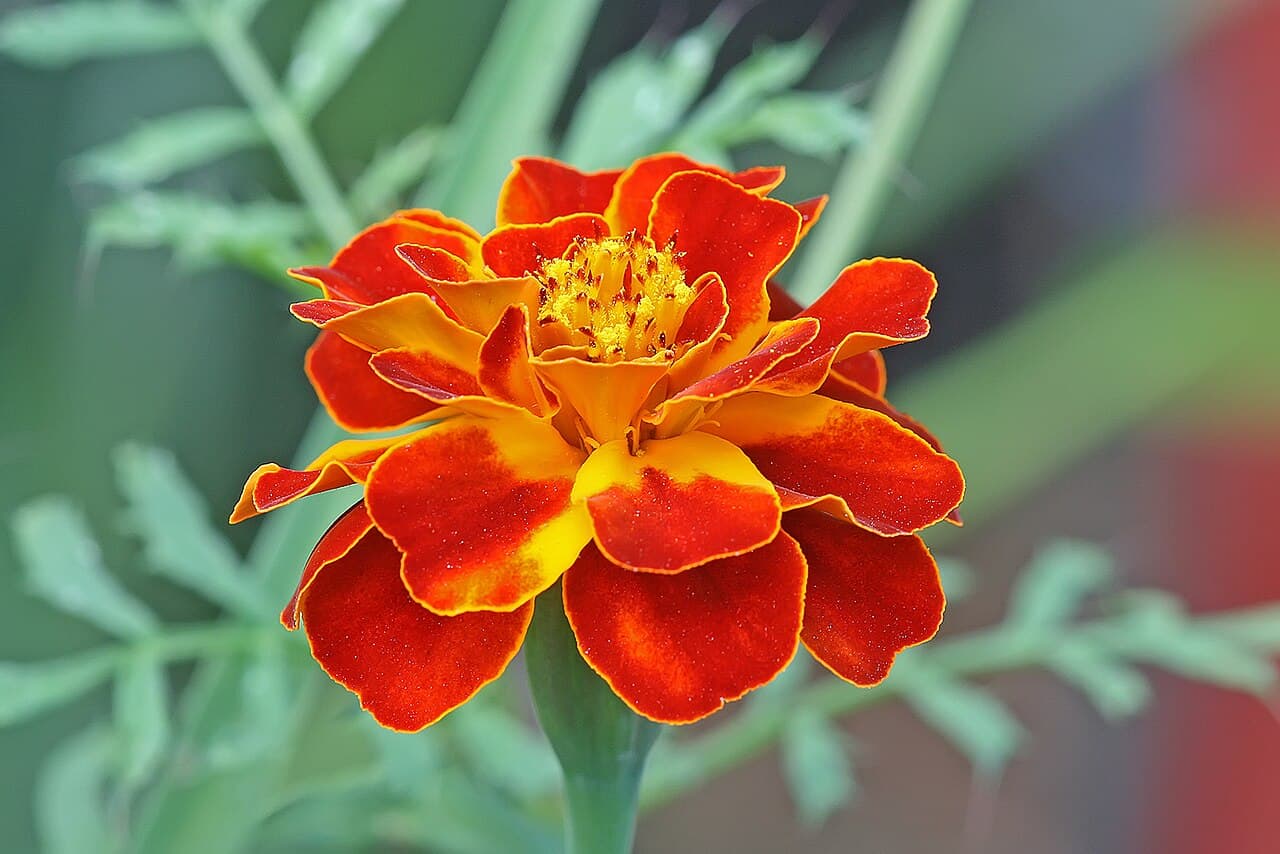
Marigold
Seldom damagedTagetes patula
- Type
- Annual
- Hardiness
- Grown as an annual, any zone
- Height
- 6–12 in
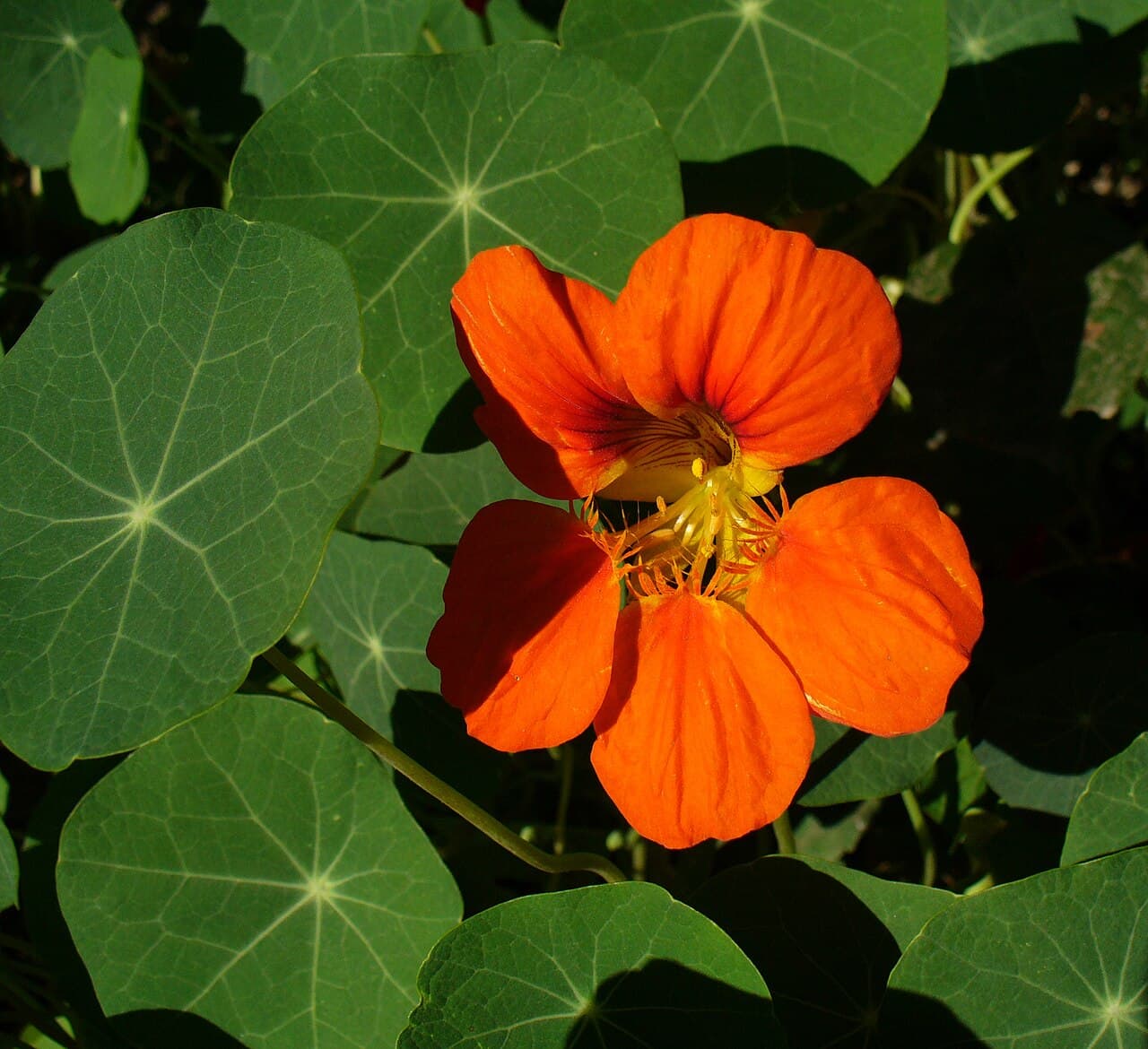
Nasturtium
Seldom damagedTropaeolum majus
- Type
- Annual
- Hardiness
- Grown as an annual, any zone
- Height
- 12–120 in
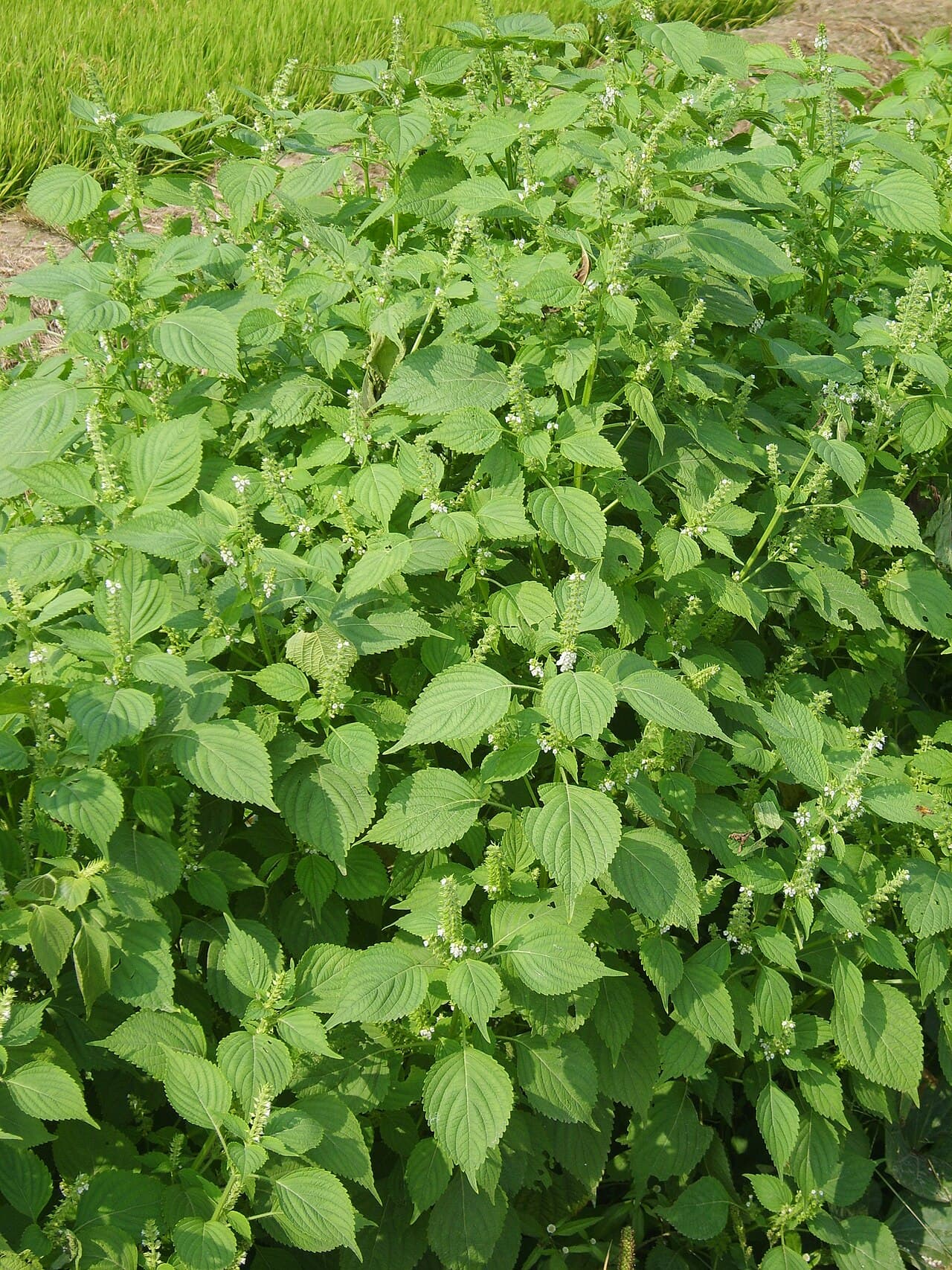
Shiso
Seldom damagedPerilla frutescens
- Type
- Annual
- Hardiness
- Grown as an annual, any zone
- Height
- 12–36 in
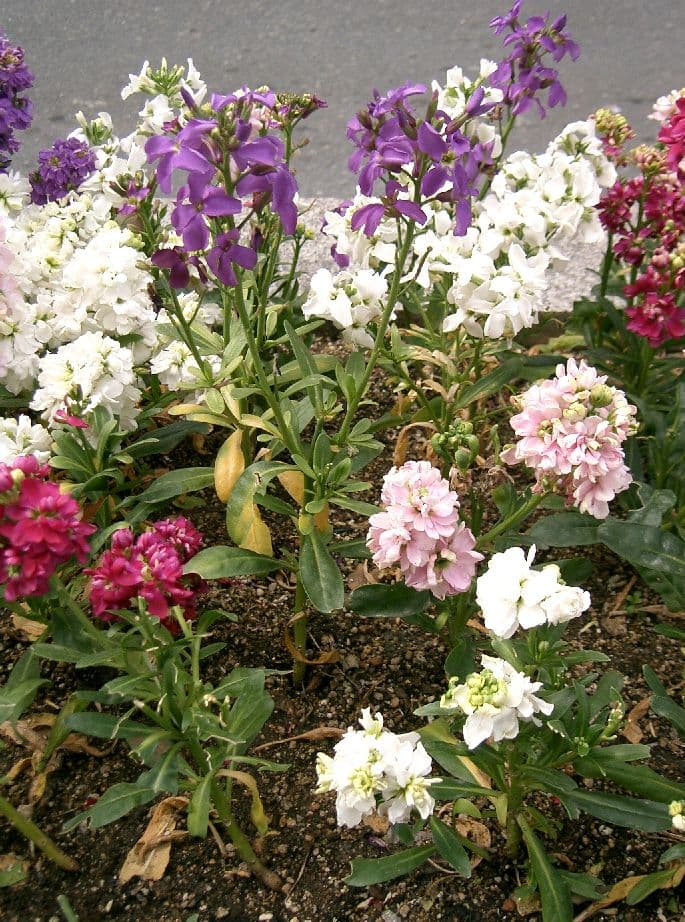
Stocks
Seldom damagedMatthiola sp.
- Type
- Annual
- Hardiness
- Grown as an annual, any zone
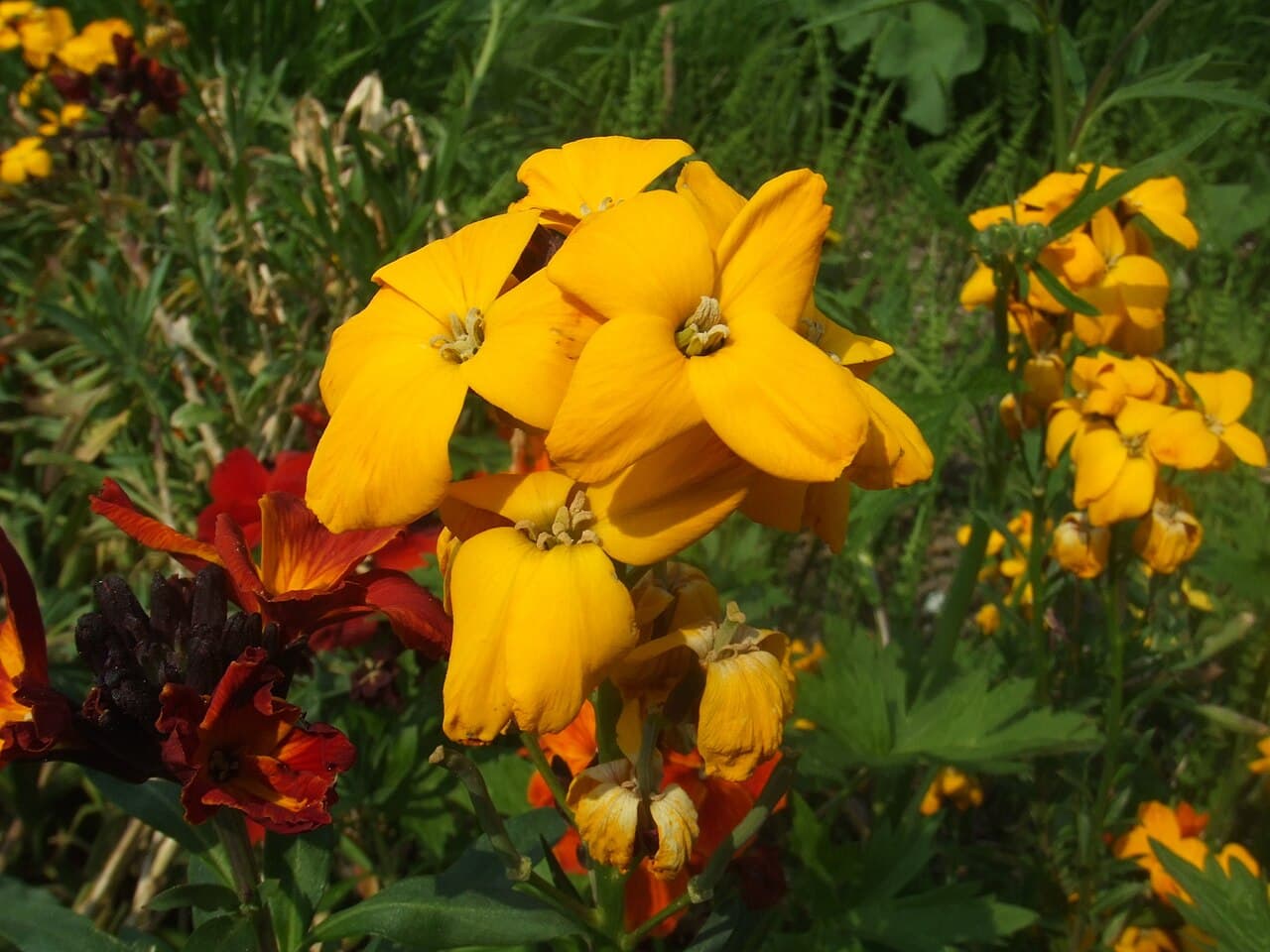
Wallflower
Seldom damagedErysimum sp.
- Type
- Annual
- Hardiness
- Grown as an annual, any zone
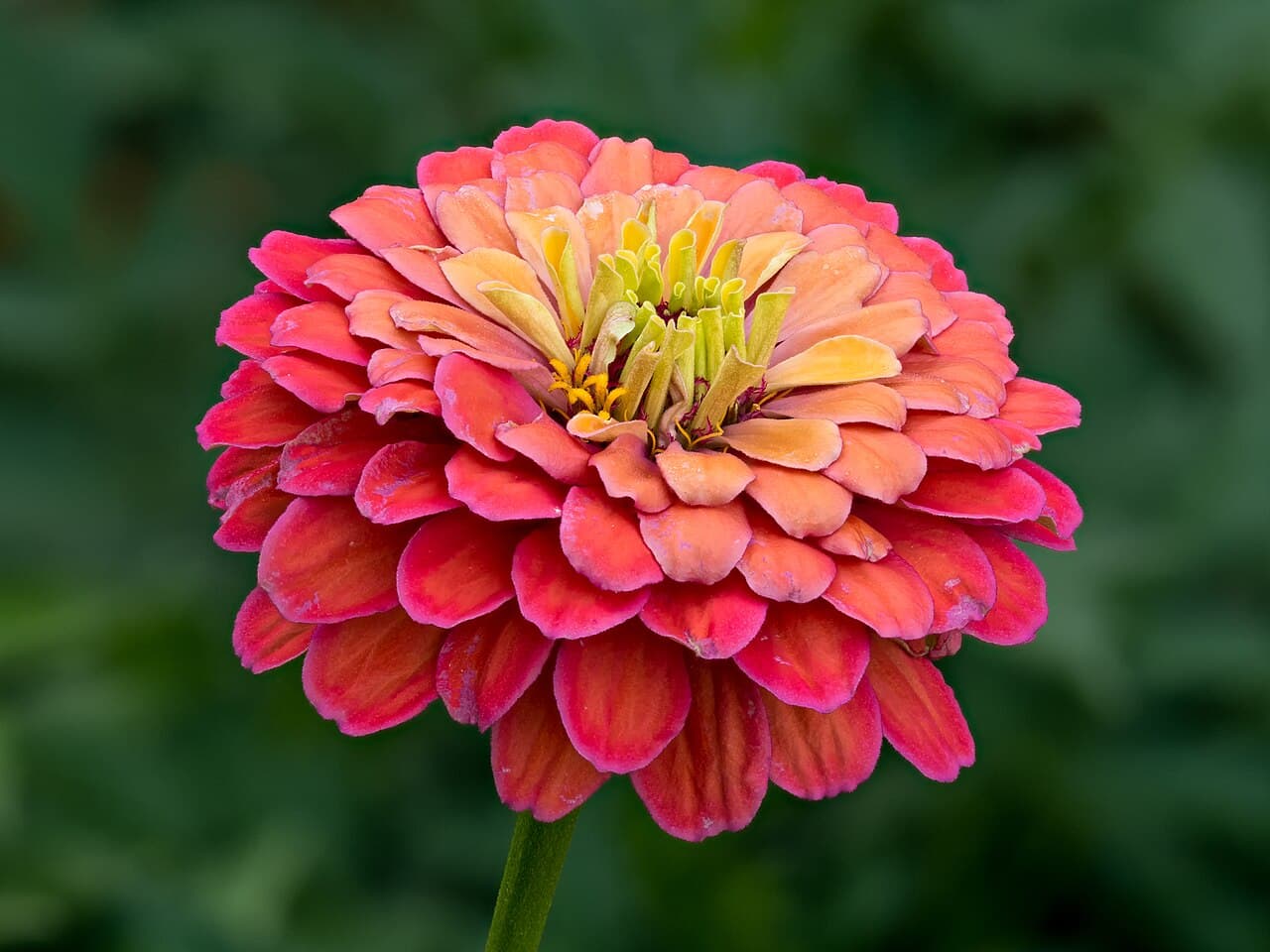
Zinnia
Seldom damagedZinnia elegans
- Type
- Annual
- Hardiness
- Grown as an annual, any zone
- Height
- 6–36 in
Occasionally Severely Damaged12
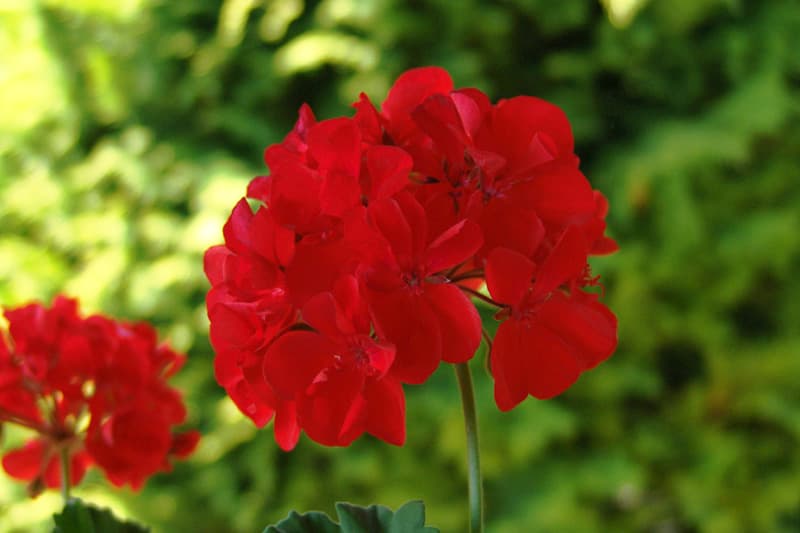
Annual Geranium
Occasionally damagedPelargonium x hortorum
- Type
- Annual
- Hardiness
- Grown as an annual, any zone
- Height
- 12–24 in
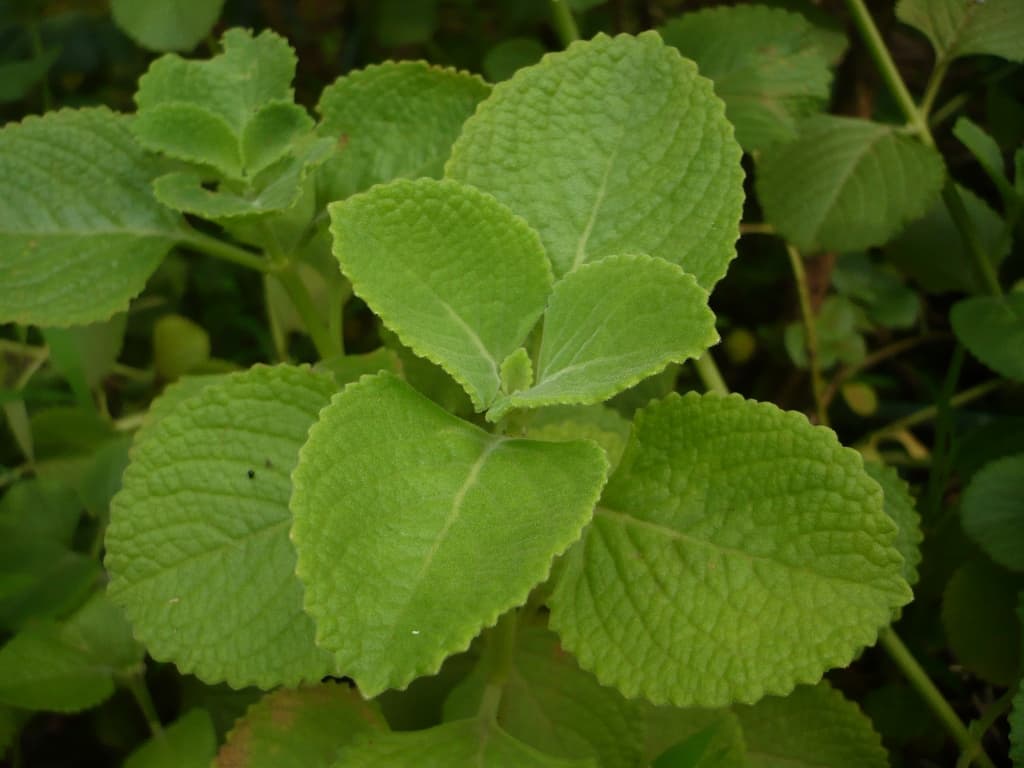
Coleus
Occasionally damagedColeus sp.
- Type
- Annual
- Hardiness
- Grown as an annual, any zone
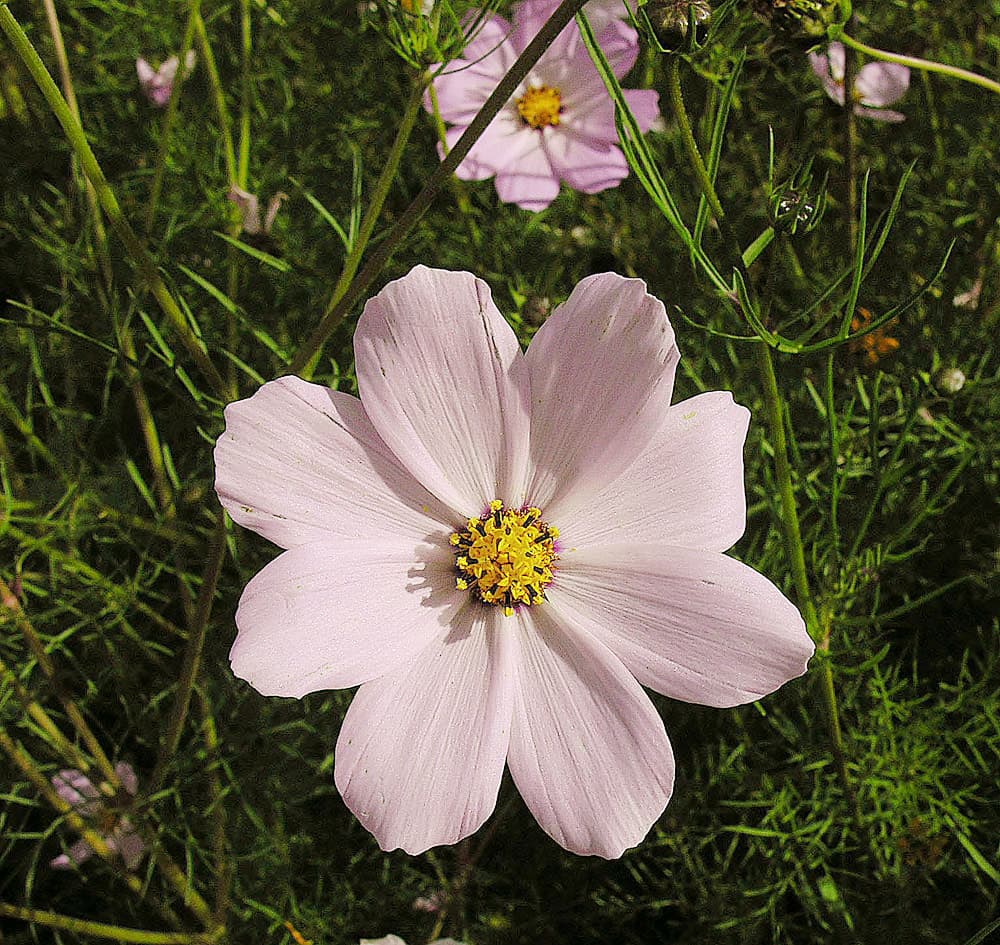
Cosmos
Occasionally damagedCosmos sp.
- Type
- Annual
- Hardiness
- Grown as an annual, any zone
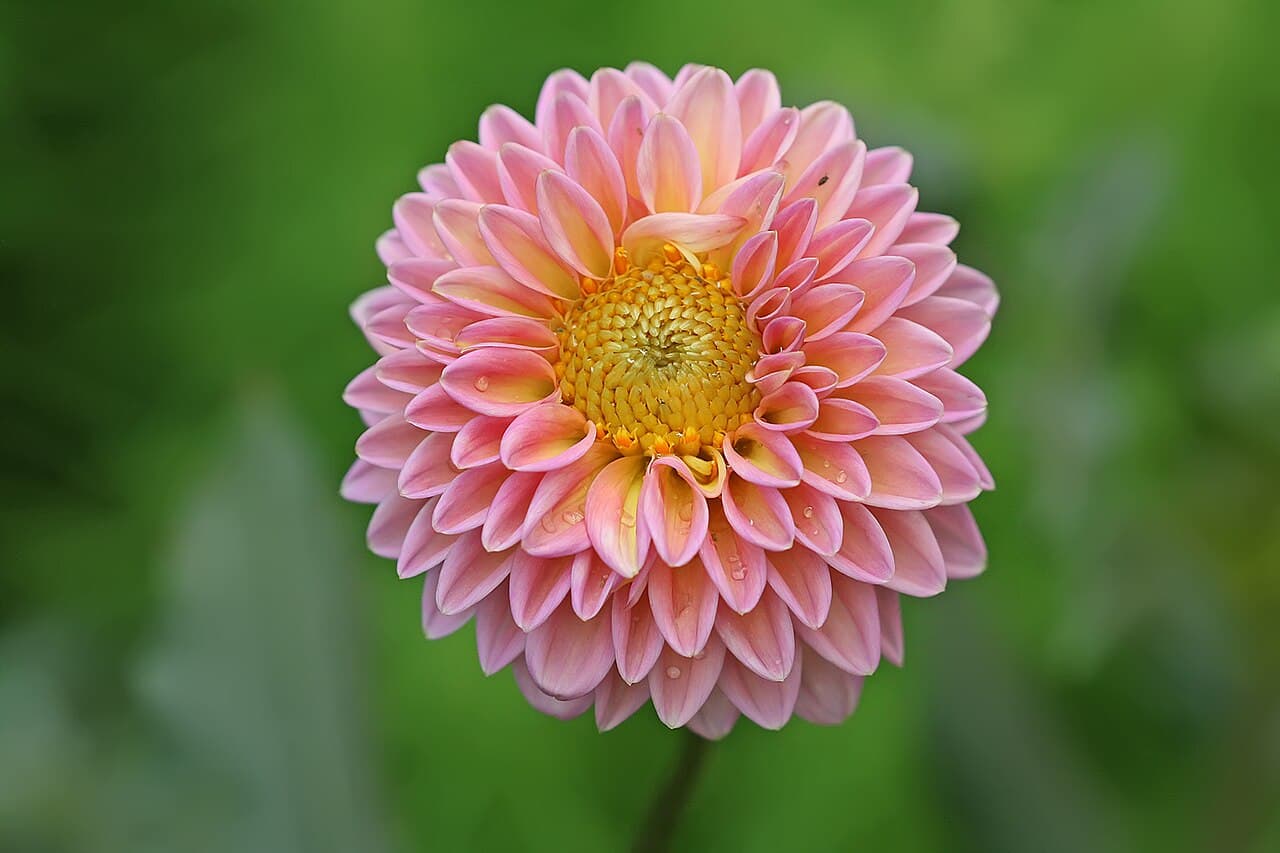
Dahlia
Occasionally damagedDahlia sp.
- Type
- Annual
- Hardiness
- Grown as an annual, any zone
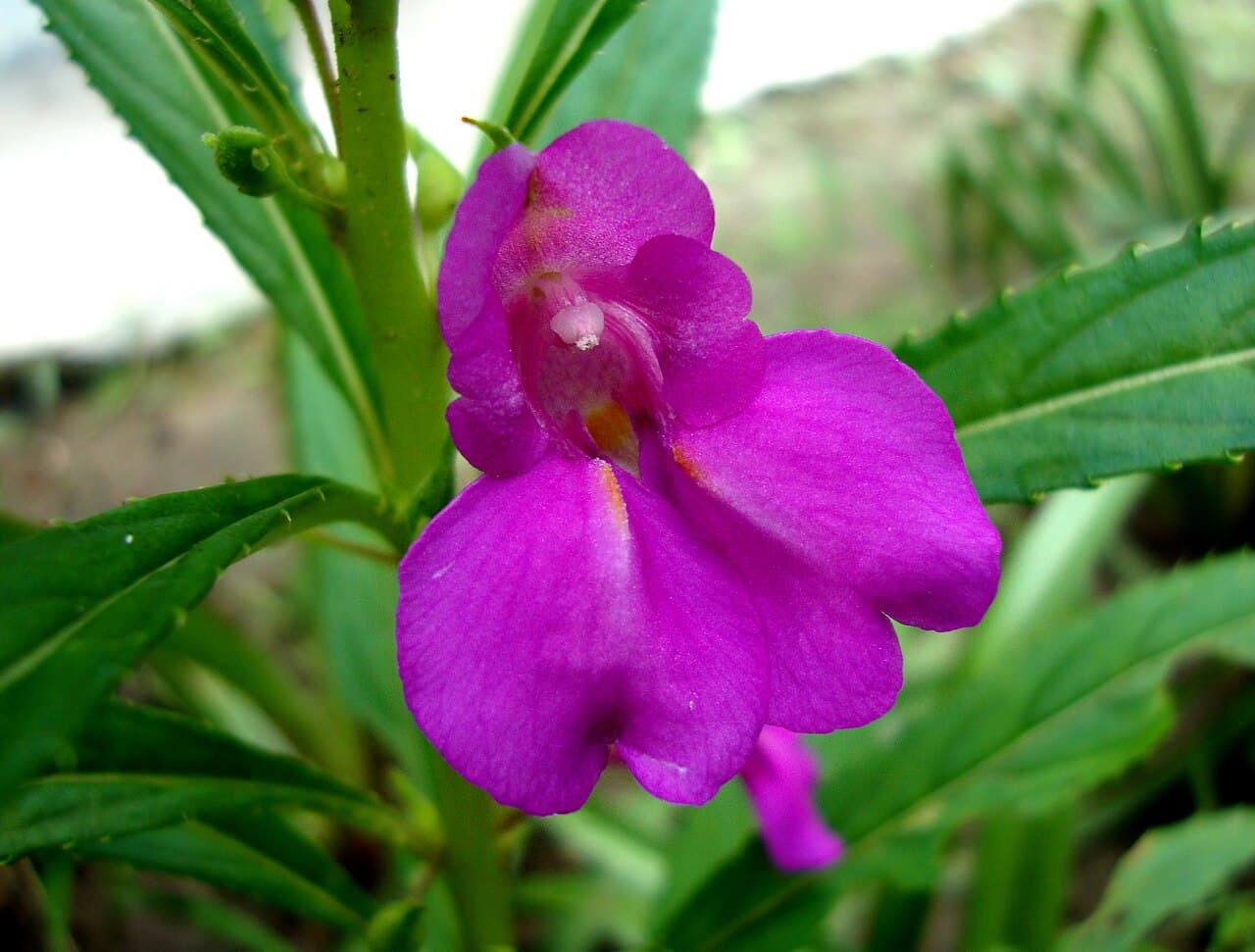
Garden Balsam
Occasionally damagedImpatiens balsamina
- Type
- Annual
- Hardiness
- Grown as an annual, any zone
- Height
- 6–30 in
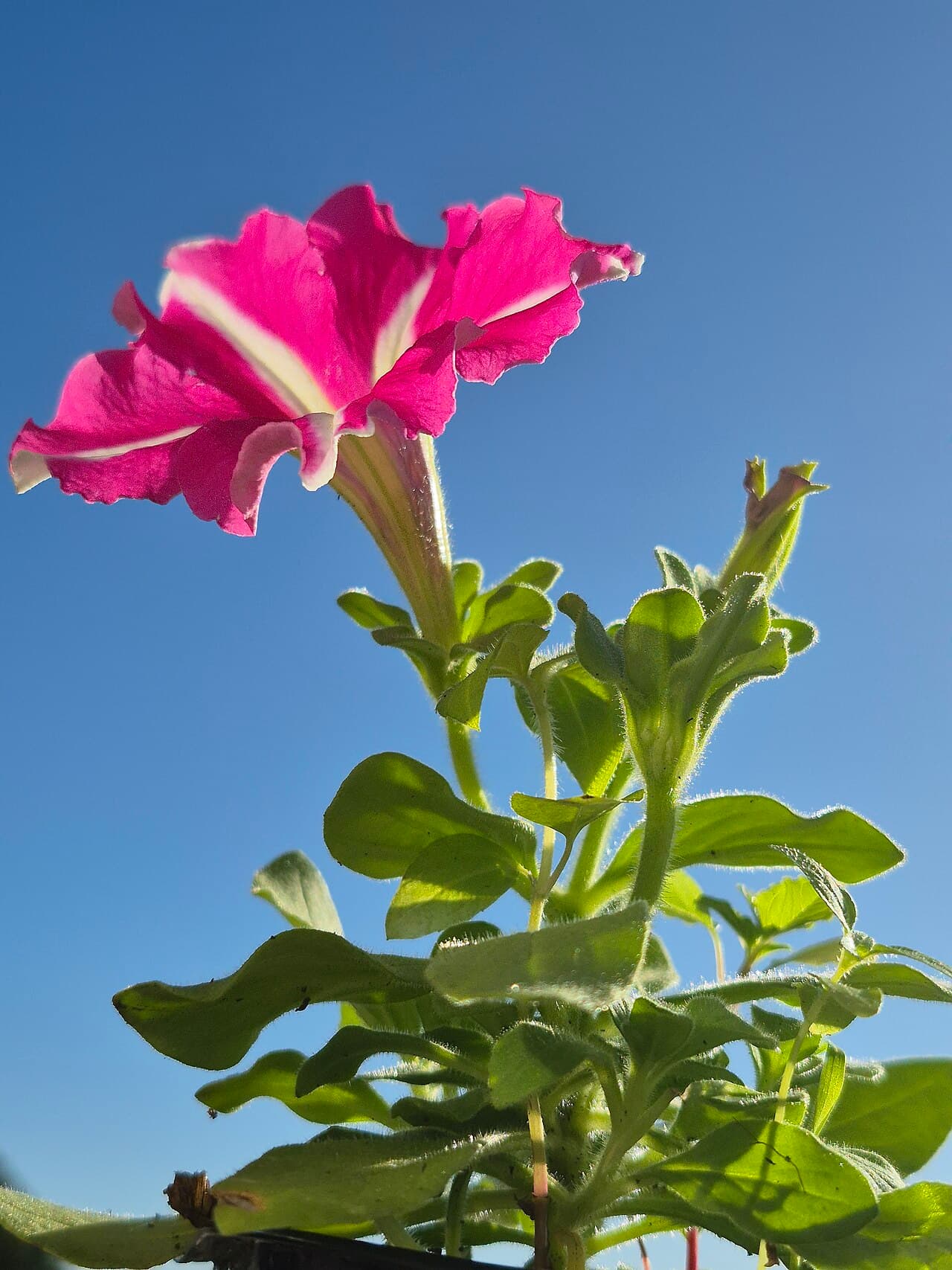
Garden Petunia
Occasionally damagedPetunia sp.
- Type
- Annual
- Hardiness
- Grown as an annual, any zone
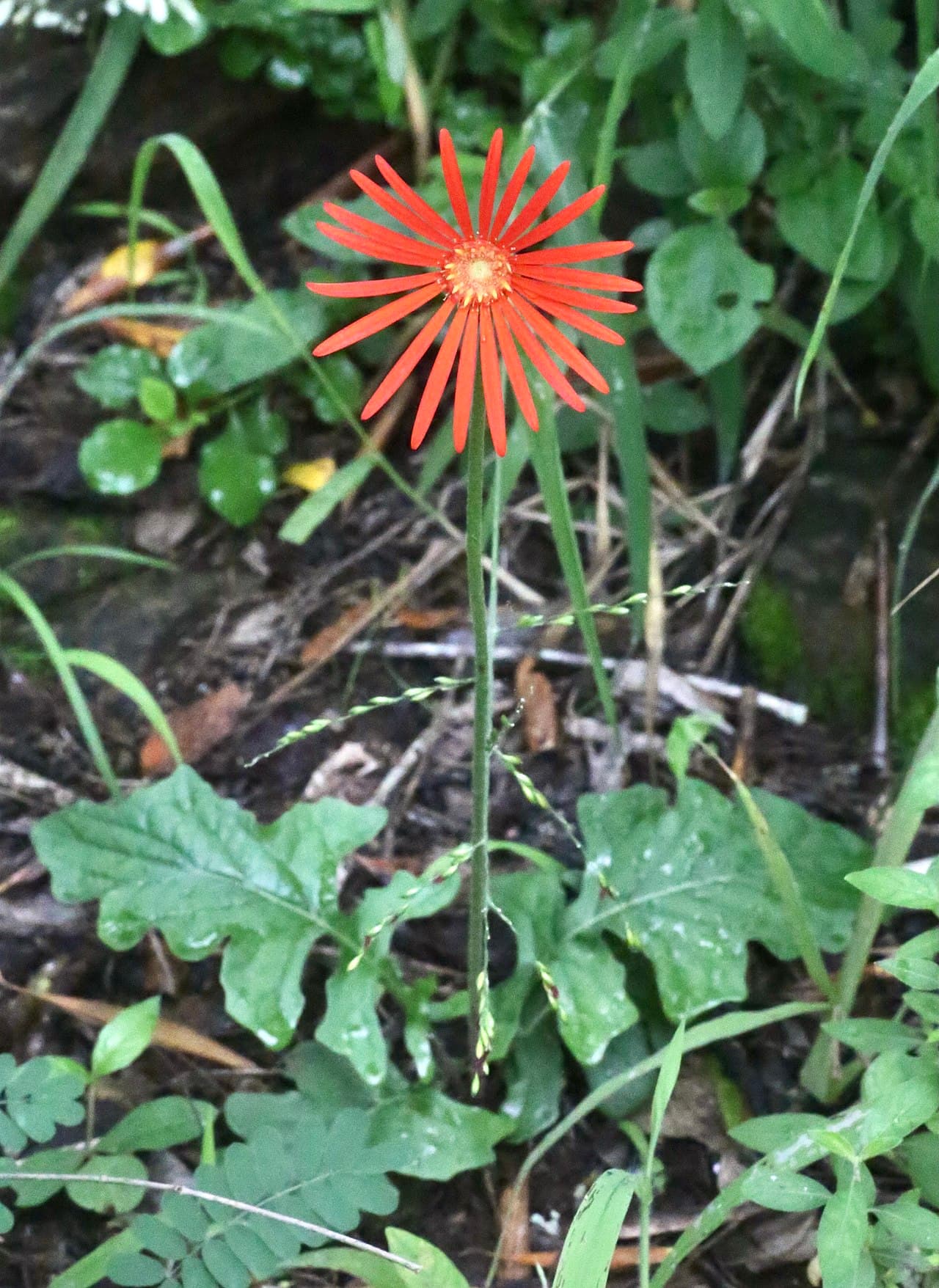
Gerbera Daisy
Occasionally damagedGerbera jamesonii
- Type
- Annual
- Hardiness
- Grown as an annual, any zone
- Height
- 12–18 in
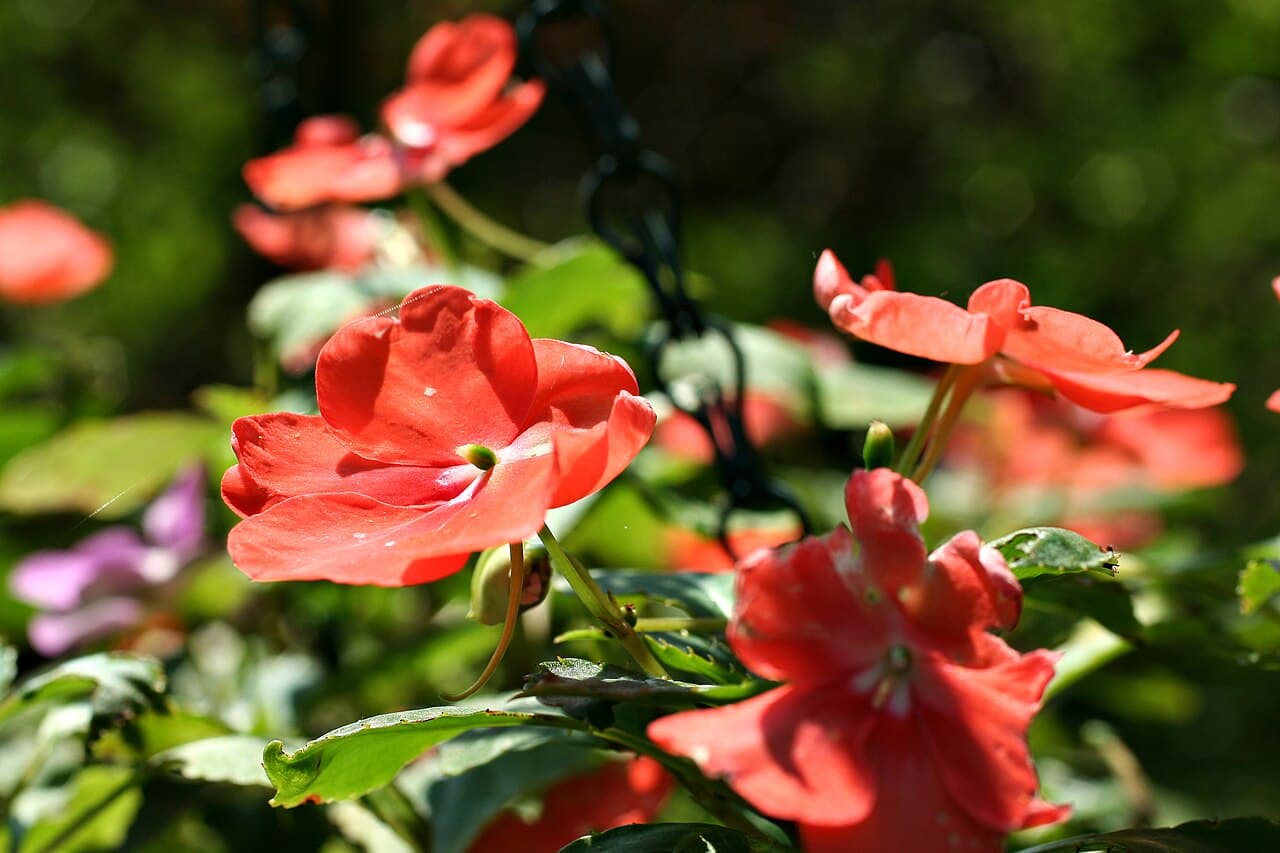
Impatiens
Occasionally damagedImpatiens walleriana
- Type
- Annual
- Hardiness
- Grown as an annual, any zone
- Height
- 6–24 in
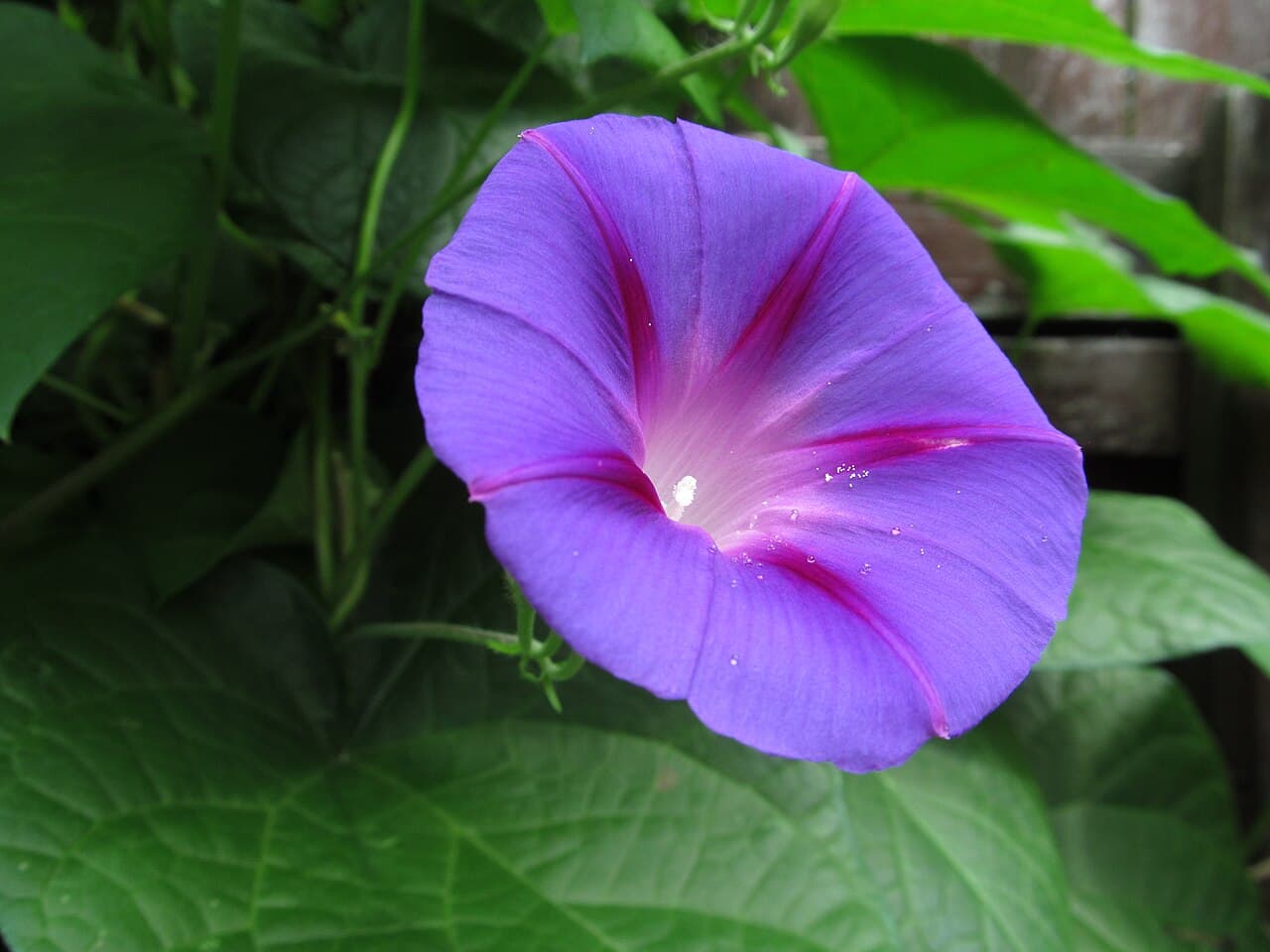
Morning Glory
Occasionally damagedIpomoea sp.
- Type
- Annual
- Hardiness
- Grown as an annual, any zone
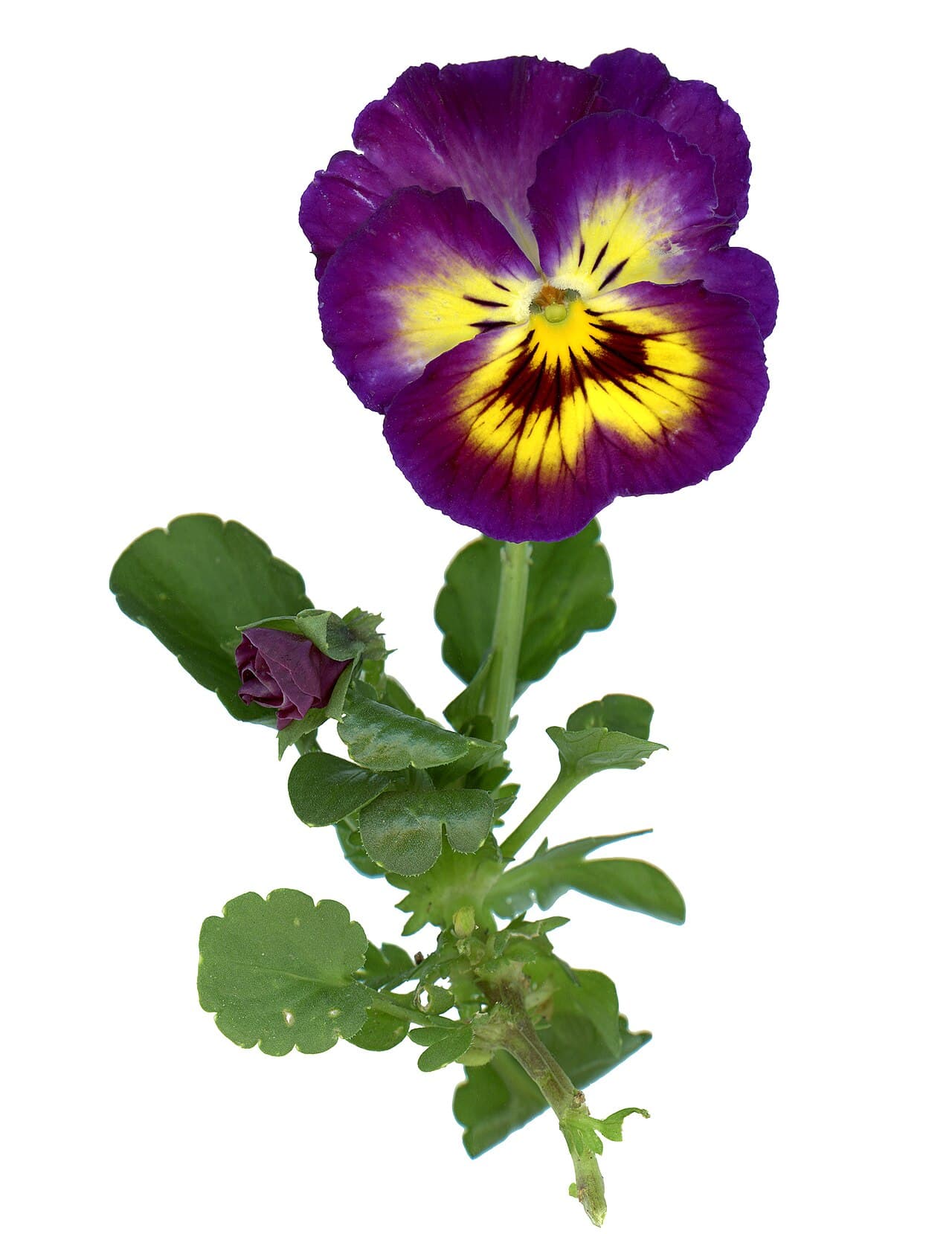
Pansy
Occasionally damagedViola x wittrockiana
- Type
- Annual
- Hardiness
- Grown as an annual, any zone
- Height
- 6–10 in
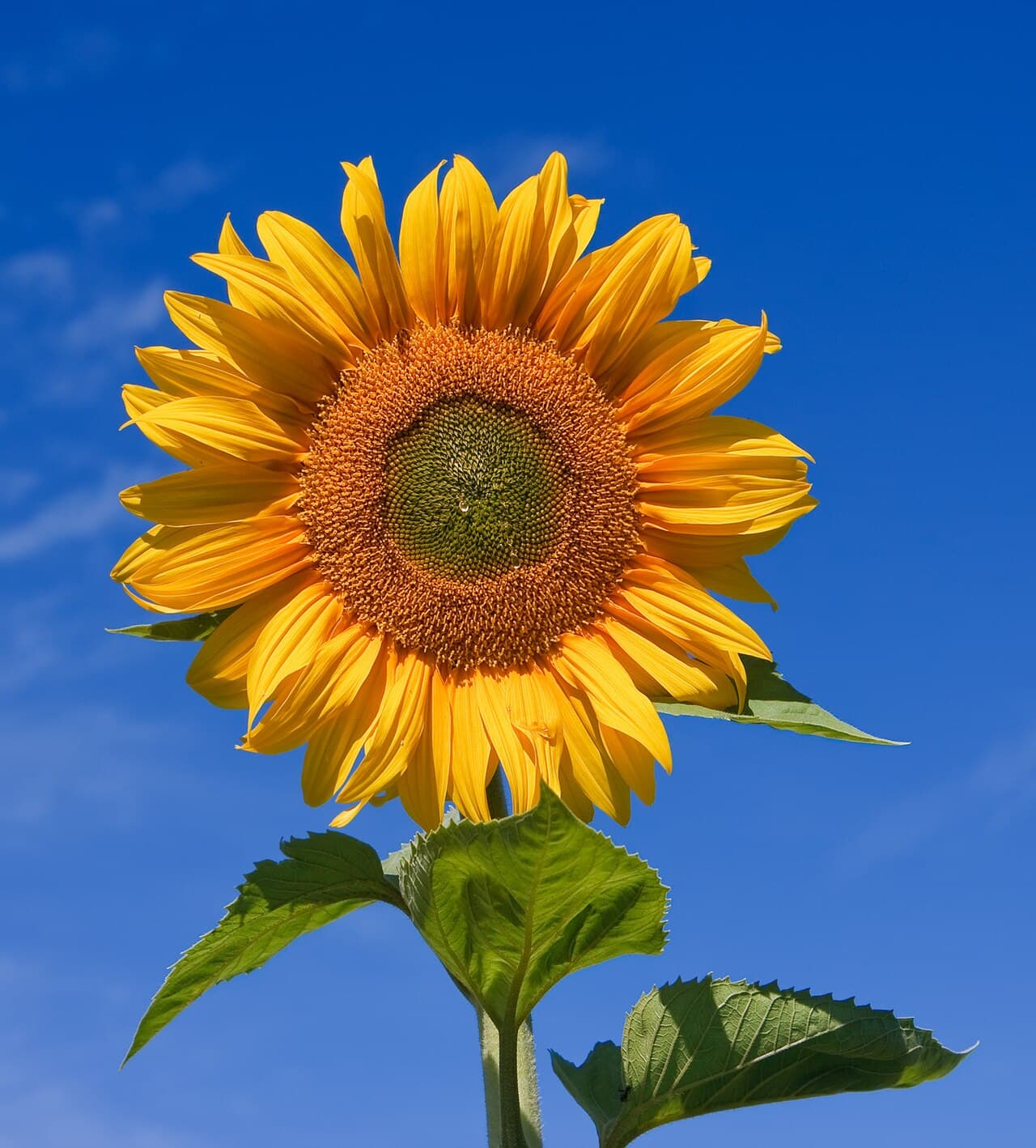
Sunflower
Occasionally damagedHelianthus sp.
- Type
- Annual
- Hardiness
- Grown as an annual, any zone
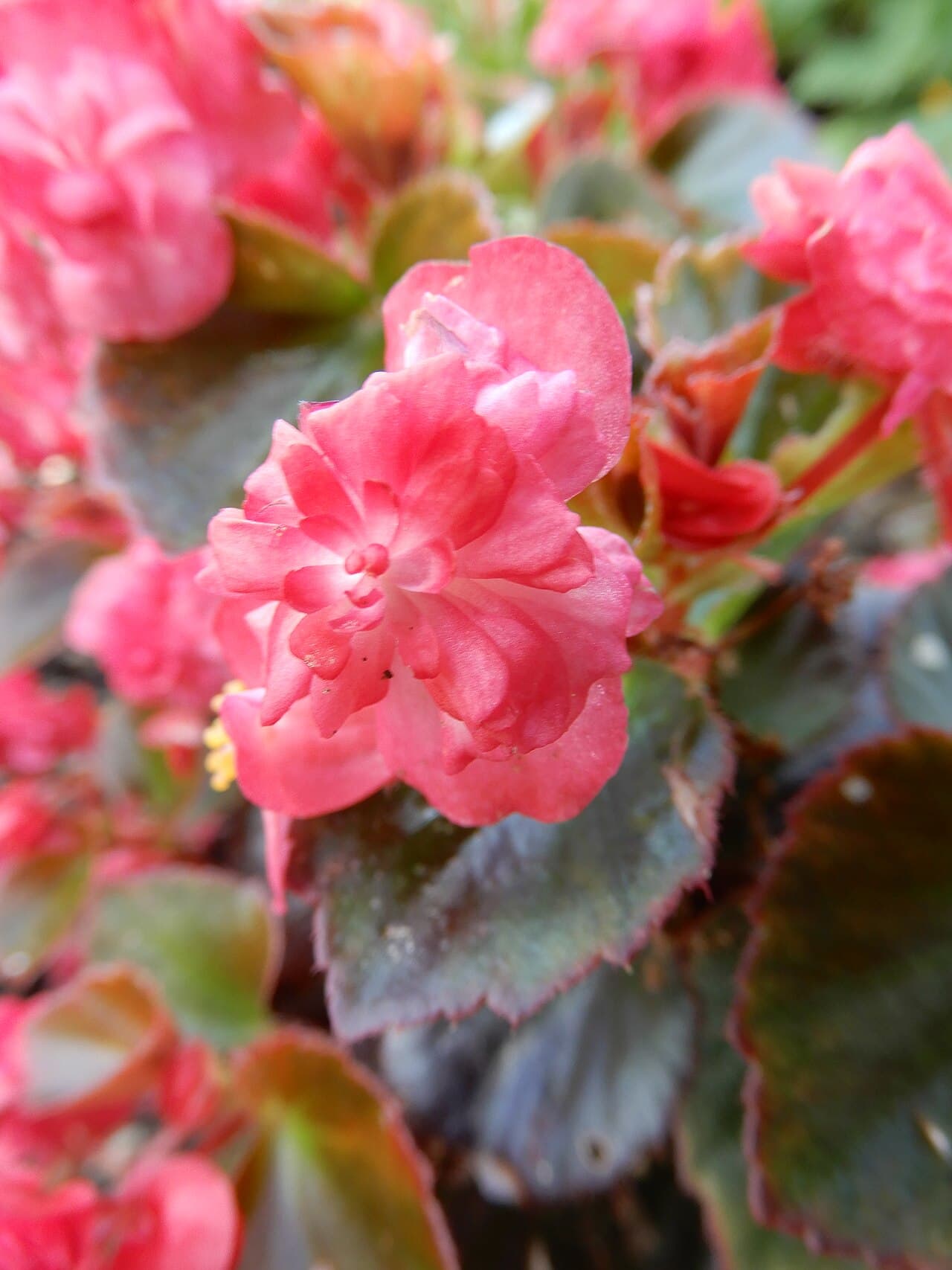
Wax Begonia
Occasionally damagedBegonia semperflorens
- Type
- Annual
- Hardiness
- Grown as an annual, any zone
- Height
- 6–12 in