
Plant record · Annual
Is Snapdragon deer resistant?
Antirrhinum majus
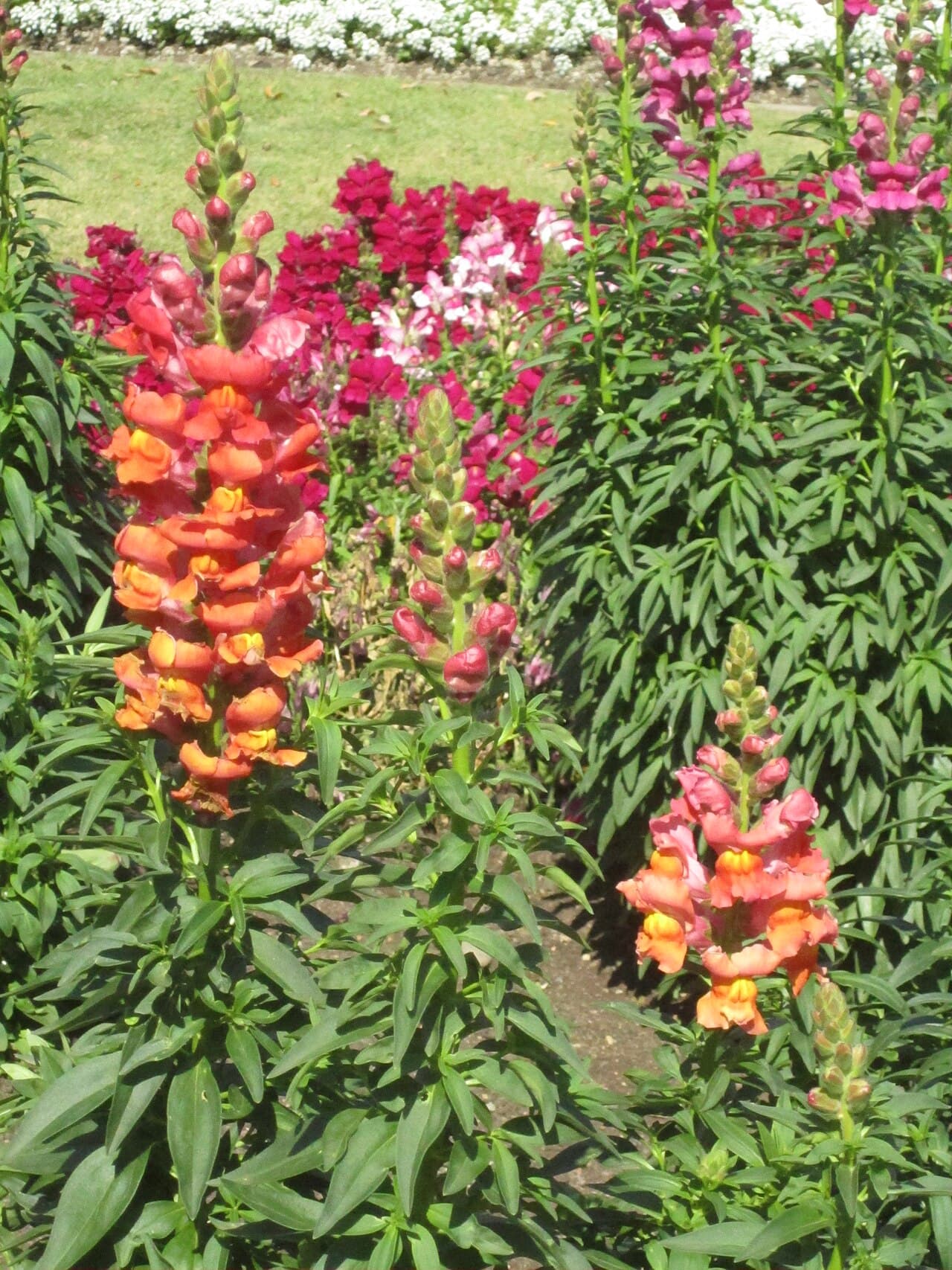
Yes. Deer almost always leave this alone.
- Type
- Annual
- Hardiness
- Grown as an annual, any zone
- Light
- Full sun
- Height
- 6–36 in
- Maintenance
- Moderate
Damage steps follow a published university field scale. How plants are rated.
About Snapdragon
Cool-season annual that flowers hardest in spring and again in fall, sulking through midsummer heat. Cut the first spike out to force branching.
Do deer eat snapdragons?
Rarely. Rutgers rates snapdragon Rarely Damaged, the top tier, and NC State's entry for Antirrhinum majus says "this plant is seldom damaged by deer." It is one of the few bedding annuals with that rating and earns a place in a deer garden for that reason alone. Rarely is not never; under real pressure the flower spikes are what go, because they are the soft part.
Where it fails
In heat, not to deer. NC State: "low drought tolerance, languishes in the summer heat," which is the sulking above. Plant it for spring and fall, at 6 inches to 3 feet by cultivar, and cut the first spike to force the branching that carries the second season.
If one is browsed
Cut the spike out as if it had been pinched and the plant branches below it; a snapdragon browsed in May is flowering again by June, on a plant that has been forced to do exactly what the grower would have done anyway.
Soil and care
- Soil pH
- 6 to 7
- Drainage
- Well drained
- Water
- Moderate
- Spacing
- 8 to 12 in apart
- Growth rate
- Moderate
- Maintenance
- Moderate
Similar to Snapdragon
Other annuals with the same deer rating.
- AgeratumAgeratum houstonianumGrown as an annual, any zoneRarely damaged
- Angel's TrumpetBrugmansia sp.Grown as an annual, any zoneRarely damaged
- AnisePimpinella anisumGrown as an annual, any zoneRarely damaged
- Annual VincaCatharanthus roseusGrown as an annual, any zoneRarely damaged
- Dusty MillerCentaurea cinerariaGrown as an annual, any zoneRarely damaged
- False CamomileMatricaria sp.Grown as an annual, any zoneRarely damaged
Where Snapdragon grows
Hardy across every state on zone range alone. Mountain and coastal areas sit outside the ranges used here, so check your own zone before ordering. Select any state, including one it will not grow in, for what is resistant there.
Choose a state from the listeasier on a phone
- Pennsylvania
- New Jersey
- New York
- Connecticut
- Massachusetts
- Virginia
- Maryland
- Michigan
- Wisconsin
- Ohio
- Indiana
- Illinois
- Minnesota
- Missouri
- North Carolina
- Tennessee
- Georgia
- Texas
- Colorado
- California
- Oregon
- Washington
- New Hampshire
- Vermont
- Maine
- Rhode Island
- Delaware
- West Virginia
- Kentucky
- South Carolina
- Florida
- Alabama
- Mississippi
- Louisiana
- Arkansas
- Oklahoma
- Kansas
- Nebraska
- Iowa
- North Dakota
- South Dakota
- Montana
- Wyoming
- Idaho
- Utah
- Nevada
- Arizona
- New Mexico
- Alaska
- District of Columbia
- Hawaii
Common questions about Snapdragon
- Is Snapdragon deer resistant?
- Snapdragon (Antirrhinum majus) is rated Rarely Damaged, step 1 of 4 on the damage scale this site uses. Deer almost always leave this alone.
- What hardiness zones does Snapdragon grow in?
- Snapdragon is hardy in USDA zones 2 to 11. Outside that range it will either not survive winter or will struggle with summer heat.
- Does Snapdragon grow in shade?
- No. Snapdragon wants full sun and will grow thin and flop in shade.
- How big does Snapdragon get?
- Mature height is roughly 6–36 in. Growth rate is moderate.
Browse from here
Every list Snapdragon belongs to.
All annuals·Rarely damaged·Full sun plants