
Deer-resistant perennials
Perennials do the heavy lifting in a garden where deer live. They come back every year, so a plant that survives its first winter of browsing will keep paying off. The mint family dominates this list for a reason: aromatic oils are a defense deer never learned to get past.
190 plants · page 1 of 4
The shape of the problem
The encyclopedia holds 160 perennials. Fifty-six are rarely damaged and 69 are seldom severely damaged, so 125 of them are plants deer will normally leave alone. Thirty are occasionally severely damaged. Five are frequently severely damaged.
Perennials are a more forgiving problem than shrubs. A browsed perennial usually regrows from the crown, so a bad year costs you a season of flower rather than the plant. A shrub eaten back to bare wood often never recovers its shape at all. That difference should change how much you are willing to gamble: it is reasonable to try a borderline perennial and see what happens, and it is not reasonable to do that with a hedge.
The other difference is that a perennial bed is a system rather than a set of individual purchases. What you plant next to a vulnerable plant changes whether it gets found, which is a lever you do not have with a specimen shrub.
Hosta is the single most searched deer question, and the answer is bad
More people ask whether hosta is deer resistant than about any other plant on this site, and the answer is that it is one of only five perennials here rated frequently severely damaged.
Hosta is close to ideal deer food. It is soft, it holds a lot of water, it has no scent worth avoiding, no spines, and it emerges in spring exactly when deer are hungriest and most of the landscape is still bare. A hosta bed in a garden with deer is a salad bar with a sign on it.
If you have deer and you want the hosta look, the honest options are to fence that bed, to accept that you are running a repellent program from March to frost, or to plant something else. The something else is usually the right answer, and shade ferns, epimedium, brunnera and hellebore all give you a broad leaf in shade without the browsing.
The other four in that tier are candy lily, Endres cranesbill, sea holly and strawberry.
The plants that carry a deer-resistant bed
Most of the reliable structure in a resistant bed comes from a small number of aromatic groups. These are the plants worth building around, because they hold up in most years and in most places:
- Catmint, salvia, Russian sage, lavender, bee balm. All in the mint family, all releasing strong volatile oils when brushed, all long-flowering. Between them they can fill a sunny bed on their own.
- Yarrow, artemisia, tansy. Aromatic foliage with a bitter, medicinal quality, and silver or ferny texture that reads as intentional.
- Lamb's ear, lychnis, stachys. Densely felted leaves. Deer feed with their lips and a mouthful of wool is not a rewarding bite.
- Daffodil and allium, which are bulbs rather than perennials but belong in this conversation, because both are genuinely ignored and both fill the early gap when browsing pressure peaks.
Two of these defenses are worth understanding separately, because knowing which one a plant relies on tells you when it will fail.
Perennials that bloom all summer
The question behind most of the traffic to this page is not which perennials deer avoid but which of those flower for more than three weeks. The aromatic frame above answers most of it. On the encyclopedia's bloom data, the top-tier perennials recorded flowering from summer into fall include Russian sage, zones 5 to 9, and a run of herbs, hyssop, horehound, lemon balm, mint and rue, that flower for months and, in the case of lemon balm and mint, run everywhere. One tier down, Seldom Severely Damaged, the list gets long: aster, goldenrod, obedient plant, speedwell, perennial salvia, which reblooms if the first spikes are cut, gaura, bee balm, black-eyed Susan, blanketflower, pincushion flower, dense and dotted blazing star, sneezeweed, swamp milkweed, white boltonia, fernleaf yarrow and wild bergamot, both recorded from spring through fall, and verbena where it is hardy, from zone 7. For shade, toad lily and cardinal flower carry the same summer-to-fall record; Japanese anemone does too, on NC State's timing, and takes part shade.
Two things about that list. Catmint is not on it, and NC State records Nepeta flowering spring and summer, with the scent that "deters deer"; a sheared catmint flowers again in August, which the field does not capture. The encyclopedia holds a bloom season for 176 of its 190 perennials, so the list is what the data says and not the whole answer. And "bloom all summer" for a perennial usually means rebloom after a cut: catmint sheared by half in June, salvia deadheaded to the next set of buds, gaura cut back in July. Nothing here flowers continuously without help except the plants that behave like weeds.
Deer-resistant perennials for full sun
Full sun is the easy case, because it is where the aromatic defense lives. The Rarely Damaged perennials that want six hours or more: catmint, lavender, Russian sage, anise hyssop, false indigo, threadleaf coreopsis, peony, bearded iris, lamb's ear, lavender cotton, silver mound, garden sage, germander, rose campion, small globe thistle. Second tier, and the ones people are usually after: purple coneflower, black-eyed Susan, yarrow, bee balm, gaura, salvia, blazing star, blanketflower. A bed built from the first group and edged with the second is the arrangement further down this page.
Scent works before the bite, texture works after
A deer decides whether to eat something mostly by smell, at a distance, before committing. Aromatic plants exploit that: the animal never seriously considers them. This is the strongest and most reliable defense, and it is why the mint family dominates every credible deer-resistant list.
Texture defenses work later, after the plant has already been sampled. Felted, leathery or bristly leaves make a plant unrewarding rather than unattractive, so a deer will take a bite, dislike it, and move on. The plant survives, but it often survives with a chewed leaf or two.
This matters practically. Under heavy pressure, texture defenses degrade first, because a hungry animal will accept an unrewarding mouthful. Scent defenses hold longer. If your pressure is severe, weight the planting toward the aromatics rather than the fuzzy-leaved plants.
Shade is where the advice usually runs out
Shade is the most common thing people search for and the hardest case, for a structural reason: aromatic oils are largely a defense of dry, sunny, exposed habitats. Lavender, Russian sage, catmint and artemisia all want sun. In a shaded bed, the single most effective defense in the list above is simply not available.
Of the 155 resistant perennials here, 63 tolerate four hours of sun or fewer. That is a real palette rather than a token one, and it leans on texture, toxicity and unpalatable sap instead of scent: ferns, hellebore, epimedium, brunnera, pulmonaria, bleeding heart, foamflower.
The trap in shade is the same one that catches people with shrubs. The obvious shade plants are hosta and daylily, which are among the worst-rated things on this site. A conventionally planted shaded bed is close to an optimal deer feeding station, and that is why so many people arrive here after losing one.
There is a shade-specific list if that is the whole of your problem.
The middle tier is where the judgement is
Thirty perennials here are occasionally severely damaged, and this group is more useful than it looks. It includes daylily, phlox, garden mum, shasta daisy, stonecrop, penstemon and balloon flower, which is to say a great deal of what people actually want in a bed.
Occasionally severely damaged does not mean avoid. It means the outcome depends on your local pressure, and that is genuinely worth testing rather than assuming. Three ways to use this tier sensibly:
Plant it late and small. A nursery-grown plant is soft, fed and irrigated, and it is more palatable than the same plant after two years in your ground. The first season is the risky one.
Put it behind something aromatic. A drift of catmint or salvia in front of a stand of phlox does measurable work, because the deer meets the scent before it reaches the phlox. Interplanting is the cheapest protection available and costs nothing but arrangement.
Buy three, not thirty. Treat the first year as the experiment. If they are untouched by the second fall, plant properly.
One plant in this tier should not be planted at any pressure. Purple loosestrife is listed invasive in eighteen states, and it is on this page only because the Rutgers scale rates palatability to deer and says nothing at all about ecological impact. It is a wetland-wrecking plant with a pretty flower, and it is illegal to sell in much of the country. Check your own state before buying anything, because these listings change yearly and vary by county.
A bed that survives, by role
A starting arrangement for a sunny bed, with everything drawn from the rarely and seldom damaged tiers:
| Role | Plant | Rating | Why it earns the space |
|---|---|---|---|
| Front edge | Catmint | Rarely damaged | Long bloom, aromatic, softens an edge |
| Front edge | Lamb's ear | Rarely damaged | Silver texture, felted leaves, evergreen in mild winters |
| Middle | Perennial salvia | Seldom damaged | Vertical flower, rebloom if cut back |
| Middle | Yarrow | Seldom damaged | Flat flower heads, contrasts with spikes |
| Back | Russian sage | Rarely damaged | Height and haze, holds structure into winter |
| Back | Bee balm | Seldom damaged | Late color, pollinators, aromatic foliage |
That is six plants doing four jobs, and none of them are a gamble; the two in the second tier lose buds in a bad year and nothing more. Add the middle-tier plants you actually want once the frame is in place, rather than building the bed out of them and hoping.
Planting so the first year survives
Almost every report of a deer-resistant perennial being eaten is a report about a first-year plant, and that is not a coincidence.
A plant arrives from a nursery having been grown under irrigation, fed regularly and kept in a polytunnel or under shade cloth. The result is soft, lush growth with a higher water content and a lower concentration of the defensive compounds the species would normally produce. A lavender grown hard in your dry bed smells far stronger than the same lavender did in its pot, and it is the smell doing the work.
Three things follow from that.
Plant in fall where your winters allow it. A fall-planted perennial spends the dormant season putting down root and emerges in spring already established, already growing in your soil, and already producing its own chemistry. Spring planting means the softest possible growth arriving in the hungriest possible week.
Do not overfeed a resistant bed. Rich soil and regular nitrogen produce exactly the soft, sappy growth that undoes an aromatic plant's defense. Most of the mint-family plants above want lean, sharply drained ground and will be both tougher and longer-lived on it. This is the rare case where the low-maintenance answer and the deer-resistant answer are the same.
Protect the first winter, not forever. A repellent program or some temporary netting through the first fall and winter is often the whole of what a bed needs. By the second year the plants are established, tougher and producing their own defenses, and most people find they can stop.
If you have replaced the same plant three times, you are repeatedly introducing soft nursery growth into a garden where deer already know to look. Either protect it properly or change the plant.
What changes the answer in your garden
Spring emergence is the vulnerable moment. New growth on almost anything is softer, sweeter and lower in the defensive compounds the mature plant will have. A perennial that is ignored in July can be browsed to the ground in April.
Late winter is the other one, for the opposite reason: nothing else is available.
Local herds learn locally. A plant reliably ignored in one county is browsed in the next. What survives in gardens near you is better evidence than any list, including this one.
Density compresses the whole scale. Where the herd is large relative to available browse, deer eat things no rating predicts.
If something is being eaten
Deer have no upper incisors, so they tear and leave a ragged, stripped stub, while a clean 45-degree cut is rabbits and ragged holes in leaves are usually slugs. Identifying the damage takes two minutes and regularly redirects the whole response.
For a perennial bed, repellents are a more reasonable answer than they are for most things, because the plants are low, reachable and grouped. The egg-based homemade repellent reproduces the active ingredient in the sprays that win university trials, and applied from spring emergence it covers the window that matters most.
If the same bed is stripped every year regardless, that is a fencing problem rather than a planting one, and what a deer fence costs depends far more on perimeter length than on area, which usually argues for enclosing one bed rather than the property.
How to use the list below
Perennials are grouped by rating, best first, and every entry carries hardiness zone, sun requirement and mature size. Hardiness ranges have been checked against the NC State Extension plant toolbox rather than taken on trust.
Filter by your site before you filter by rating. A rarely damaged plant that wants full sun will not survive a shaded bed, and the deer will not be what killed it.
Rarely Damaged56
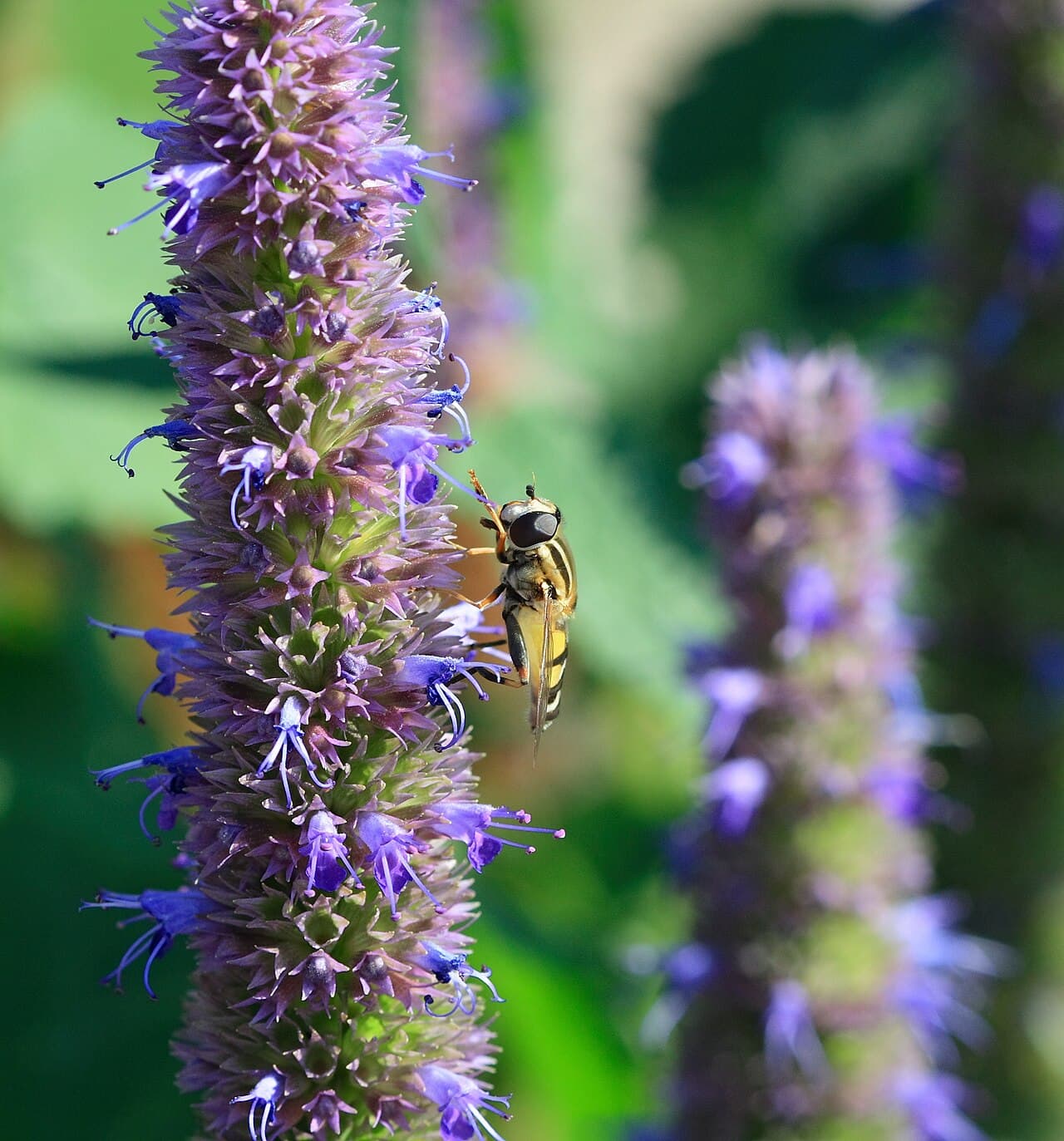
Anise Hyssop
Rarely damagedAgastache sp.
- Type
- Perennial
- Hardiness
- Zones 4–9, genus range
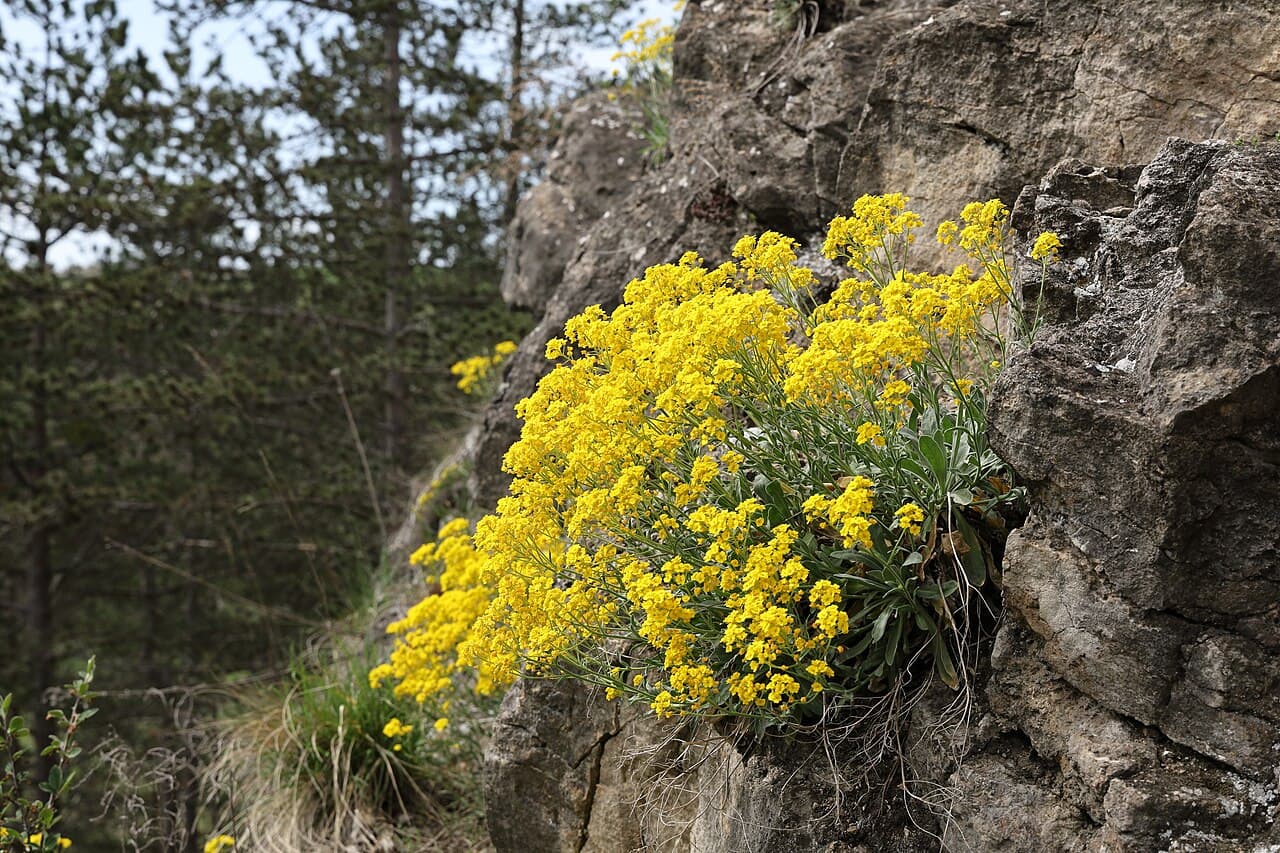
Basket of Gold
Rarely damagedAurinia saxatilis
- Type
- Perennial
- Hardiness
- Zones 3–7
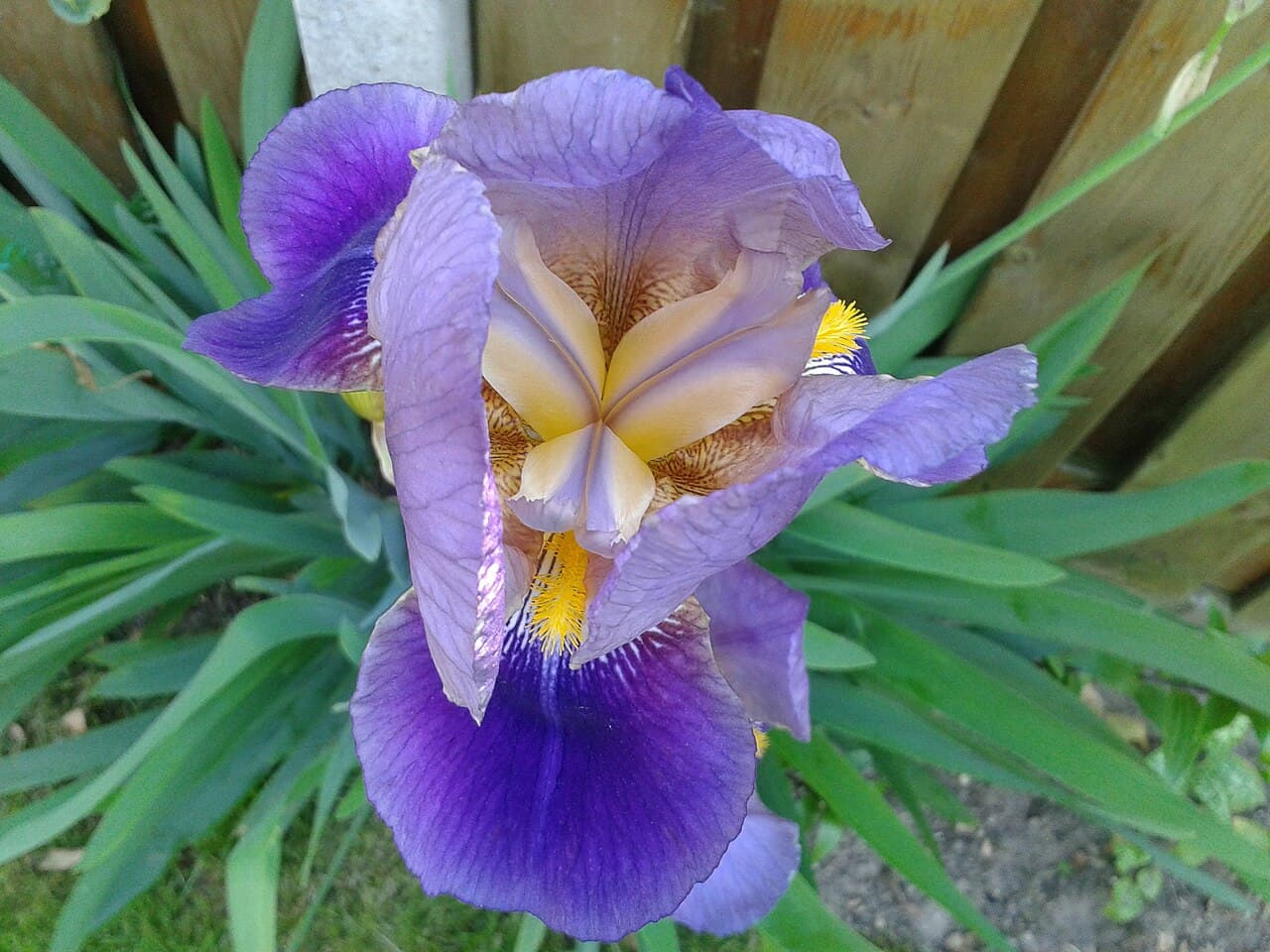
Bearded Iris
Rarely damagedIris germanica
- Type
- Perennial
- Hardiness
- Zones 3–9
- Height
- 12–48 in
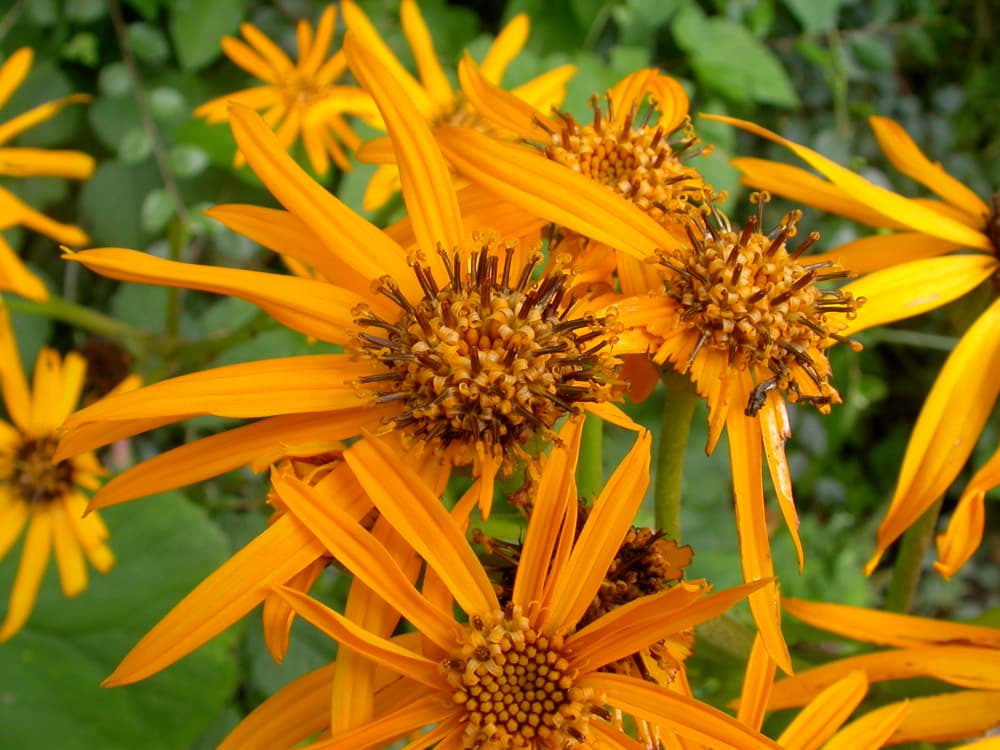
Bigleaf Goldenray
Rarely damagedLigularia dentata
- Type
- Perennial
- Hardiness
- Zones 4–8
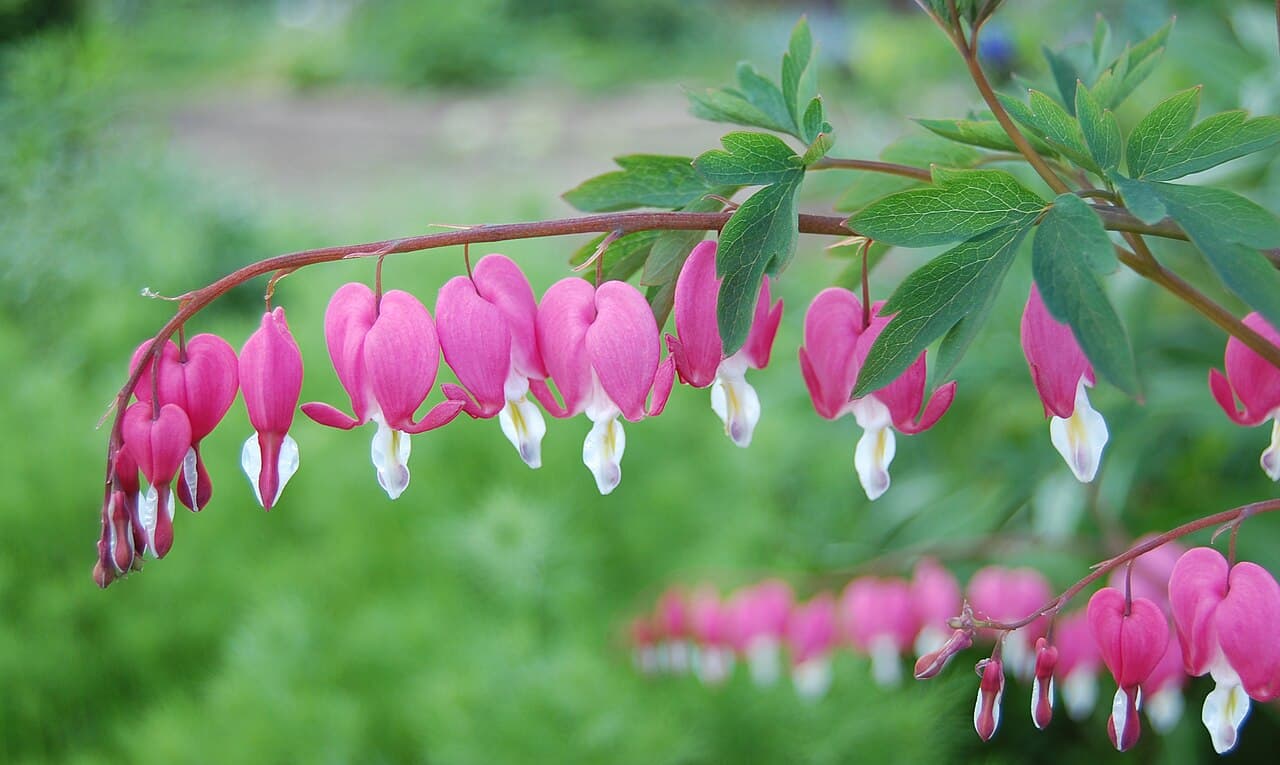
Bleeding Heart
Rarely damagedLamprocapnos spectabilis
- Type
- Perennial
- Hardiness
- Zones 3–9
- Height
- 24–36 in
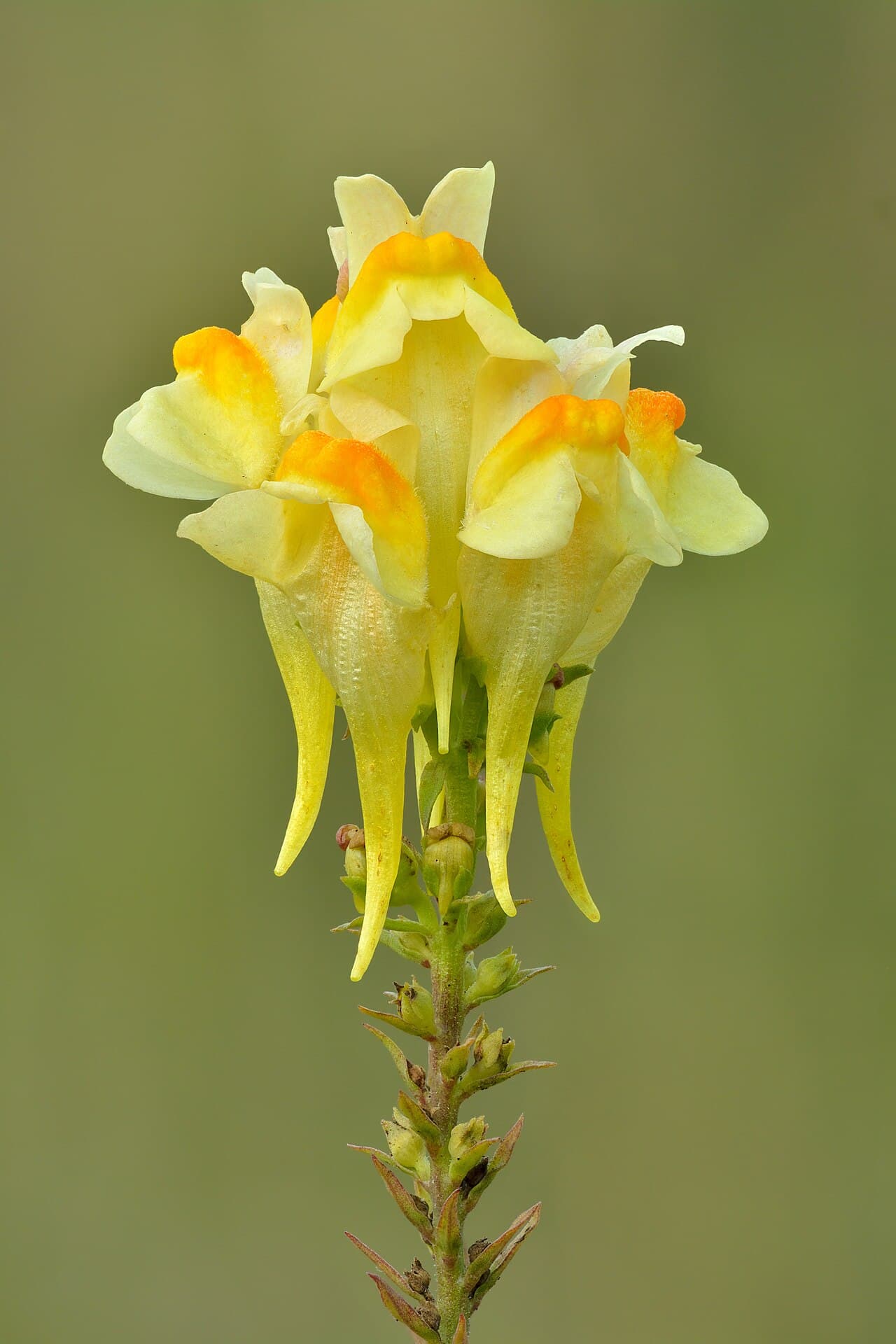
Butter and Eggs
Rarely damagedLinaria vulgaris
- Type
- Perennial
- Hardiness
- Zones 3–9
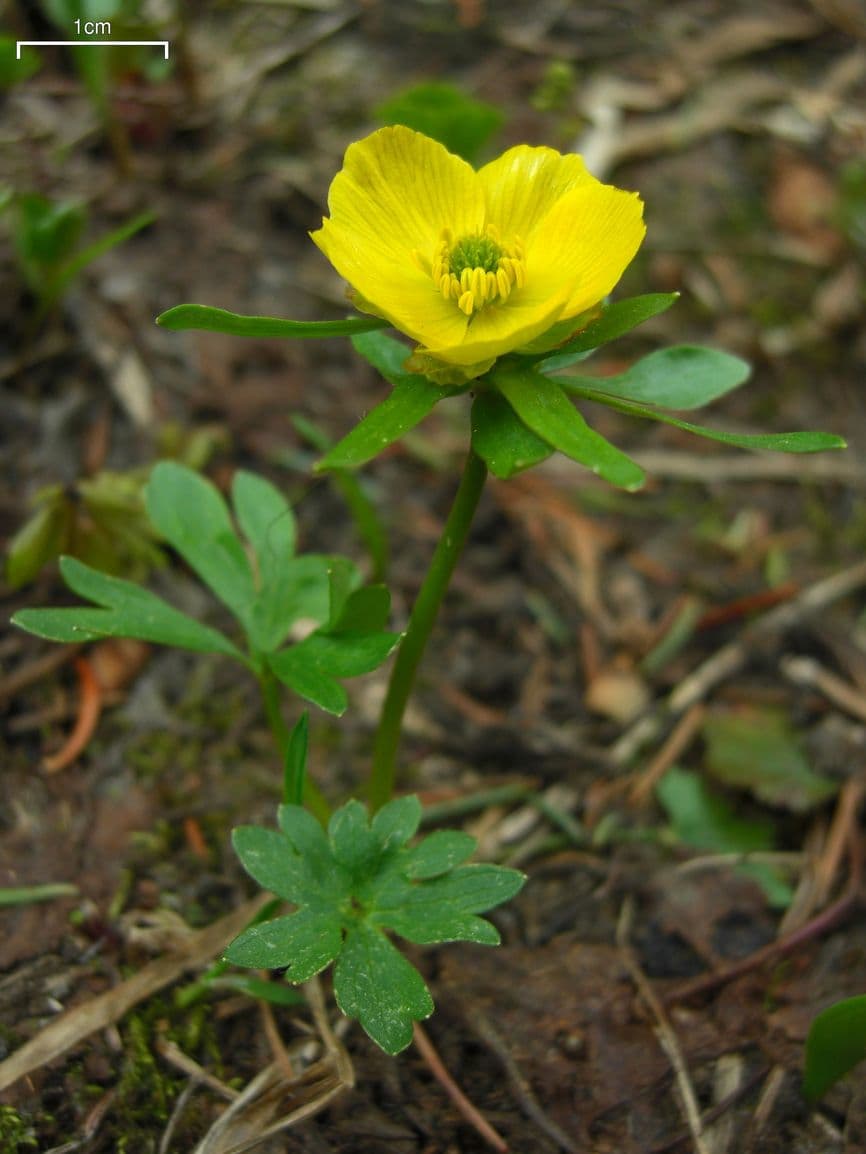
Buttercup
Rarely damagedRanunculus sp.
- Type
- Perennial
- Hardiness
- Zones 3–8, genus range
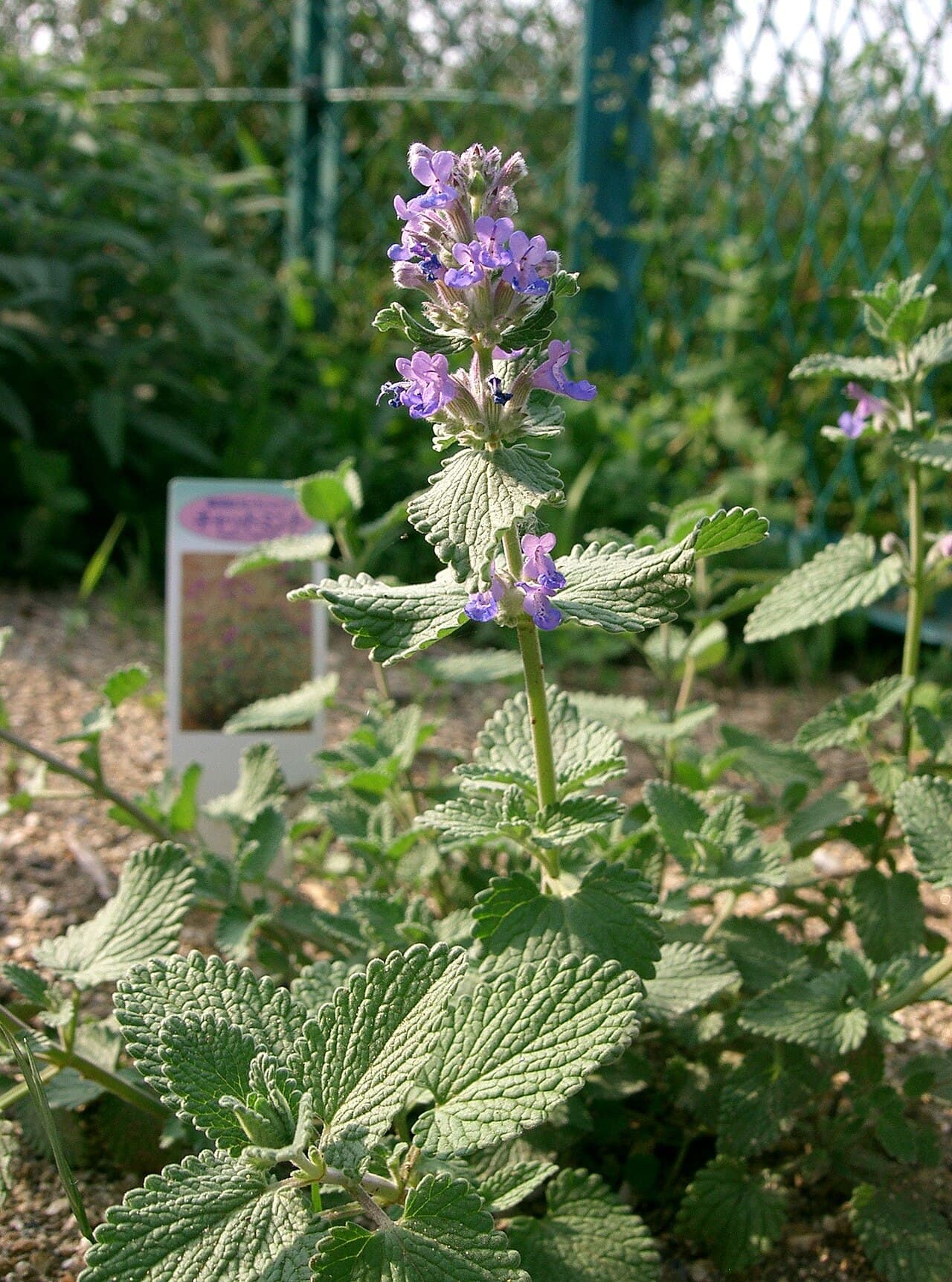
Catmint
Rarely damagedNepeta x faassenii
- Type
- Perennial
- Hardiness
- Zones 3–8
- Height
- 12–24 in
Chives
Rarely damagedAllium schoenoprasum
- Type
- Perennial
- Hardiness
- Zones 4–8
- Height
- 12–18 in
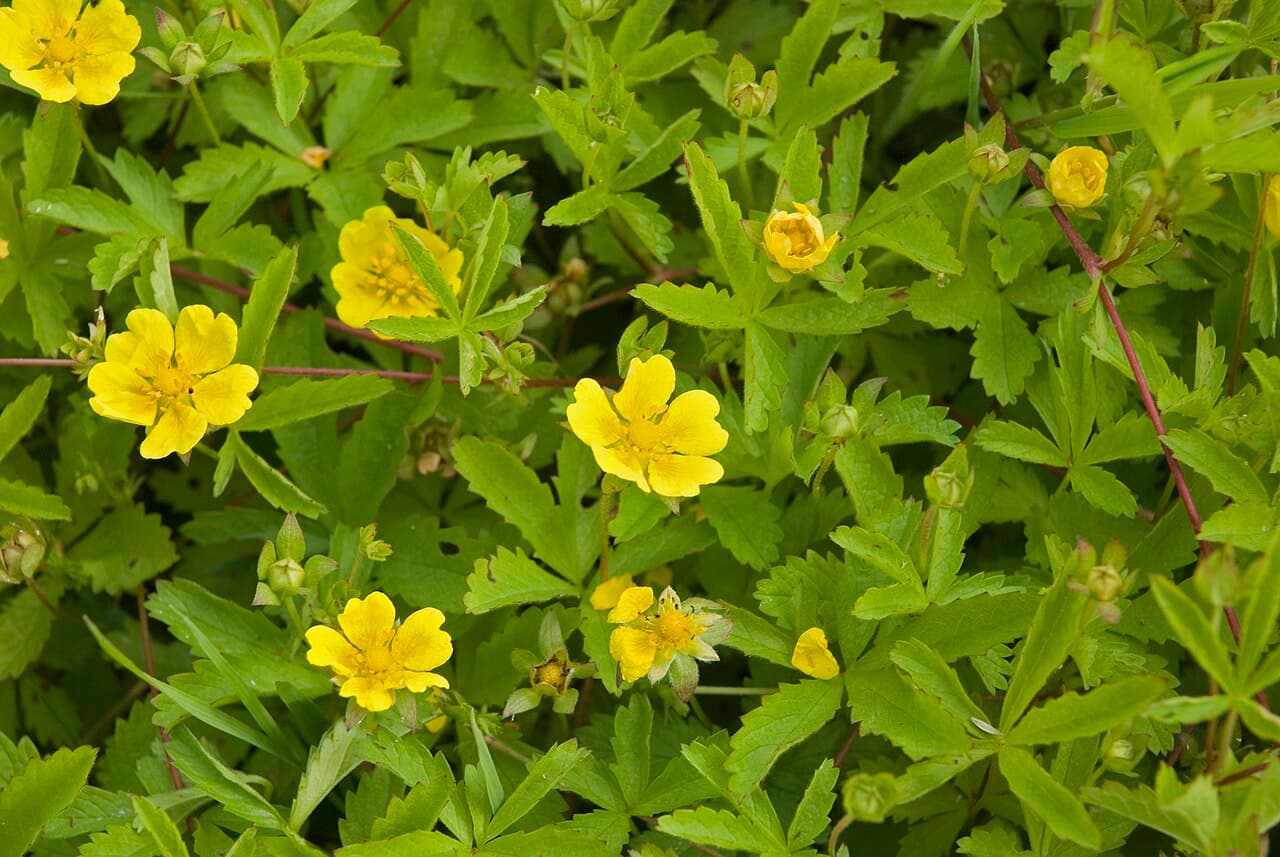
Cinquefoil
Rarely damagedPotentilla sp.
- Type
- Perennial
- Hardiness
- Zones 3–8, genus range
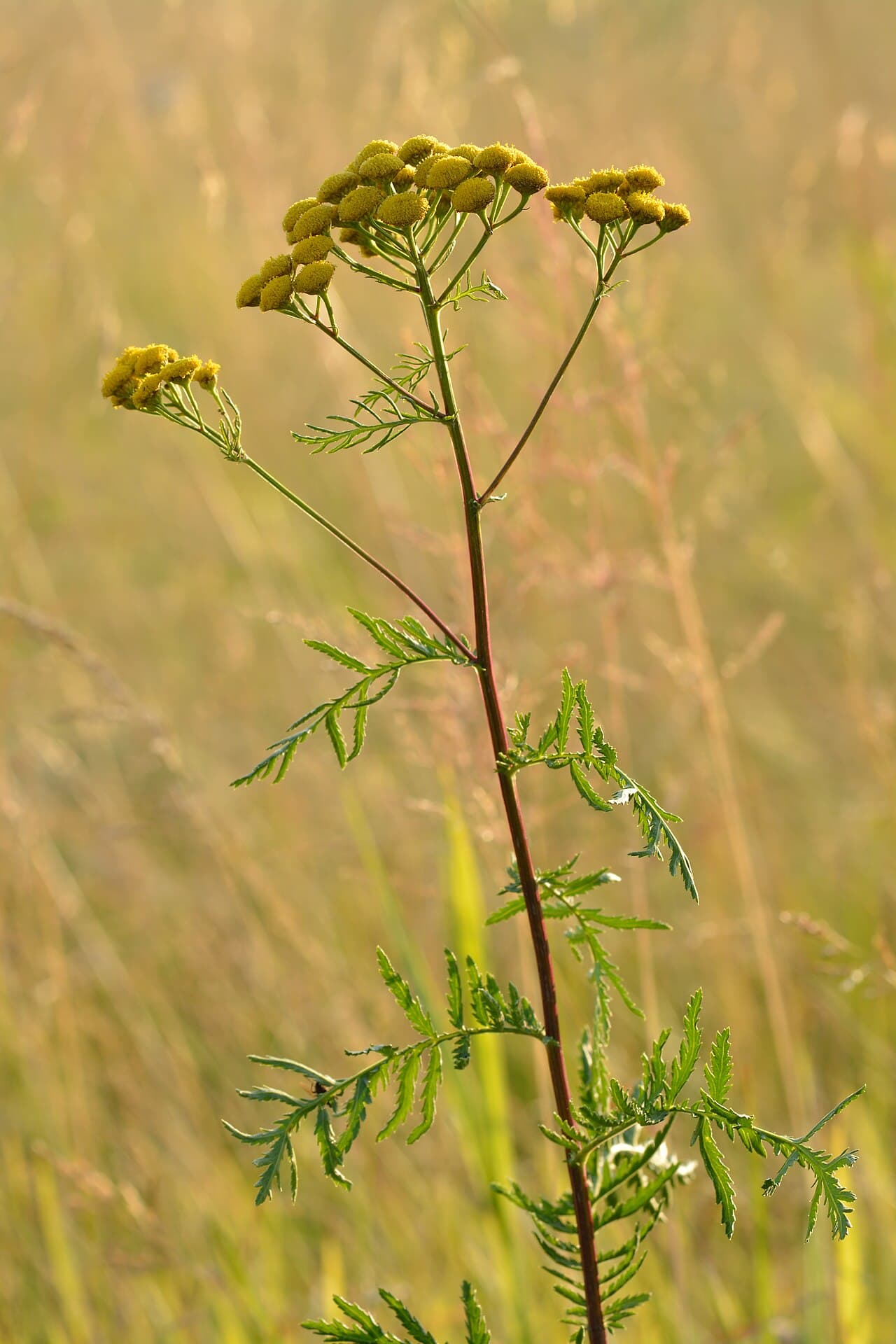
Common Tansy
Rarely damagedTanacetum vulgare
- Type
- Perennial
- Hardiness
- Zones 3–8
- Height
- 12–60 in
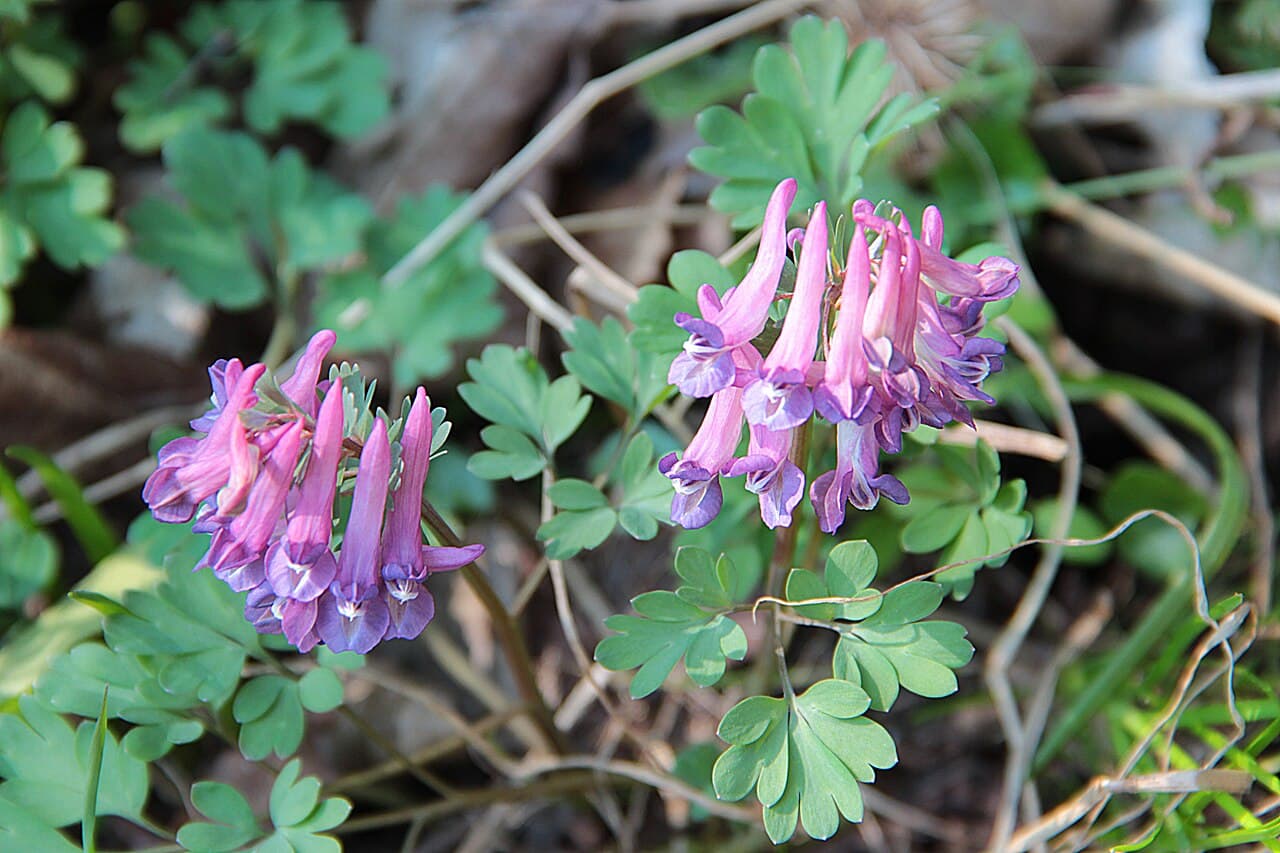
Corydalis
Rarely damagedCorydalis sp.
- Type
- Perennial
- Hardiness
- Zones 5–8, genus range
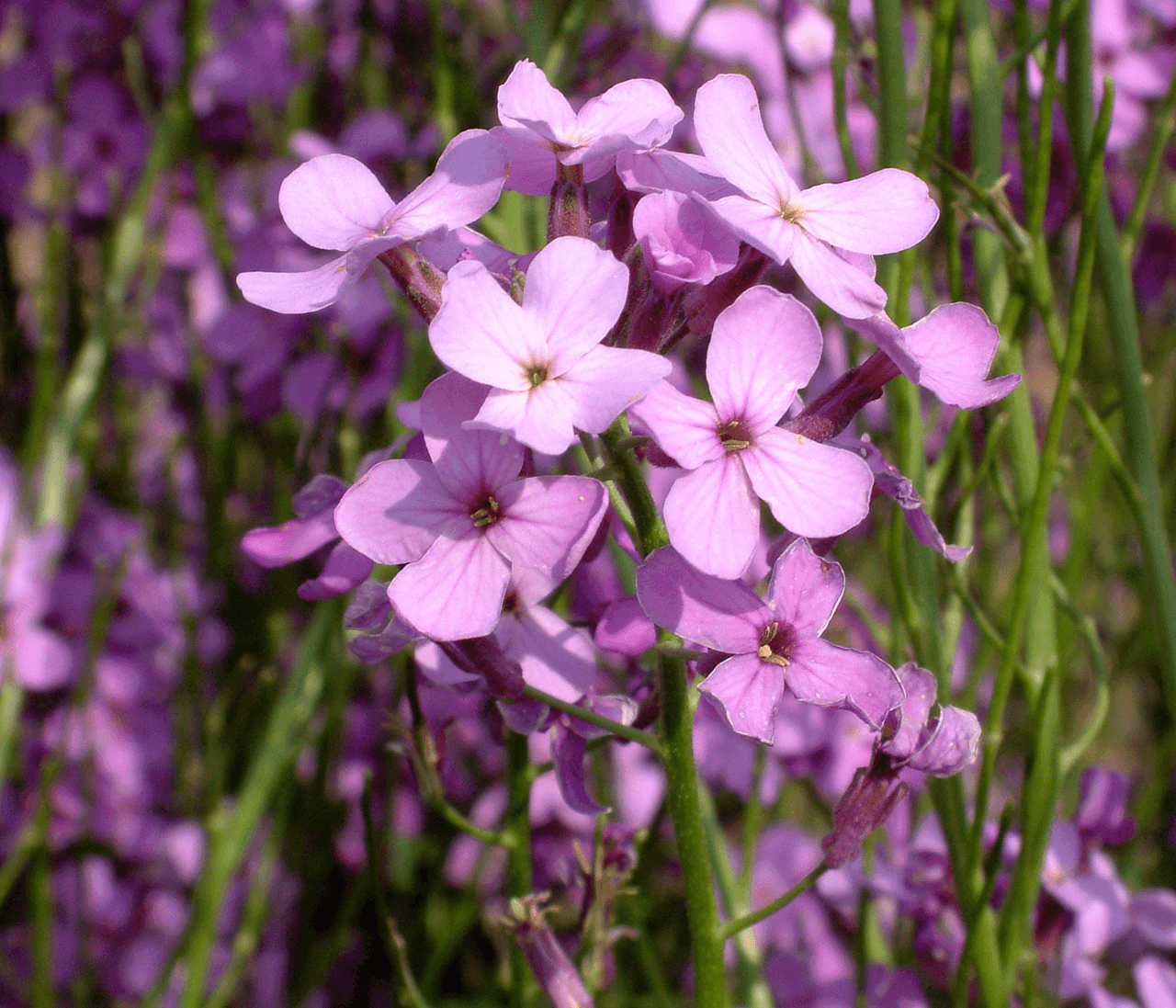
Dame's Rocket
Rarely damagedHesperis matronalis
- Type
- Perennial
- Hardiness
- Zones 3–8
- Height
- 12–36 in
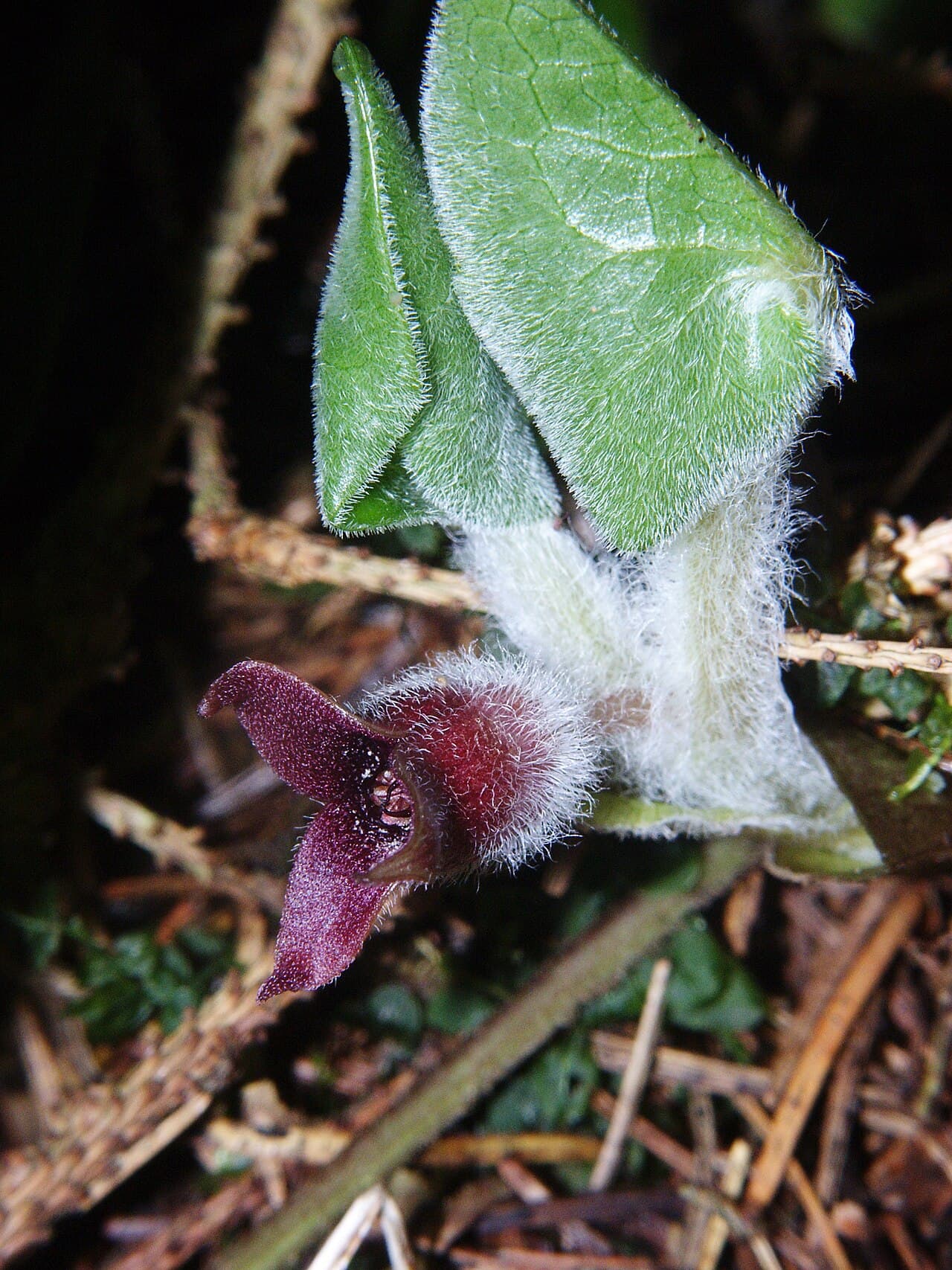
European Ginger
Rarely damagedAsarum europaeum
- Type
- Perennial
- Hardiness
- Zones 4–8
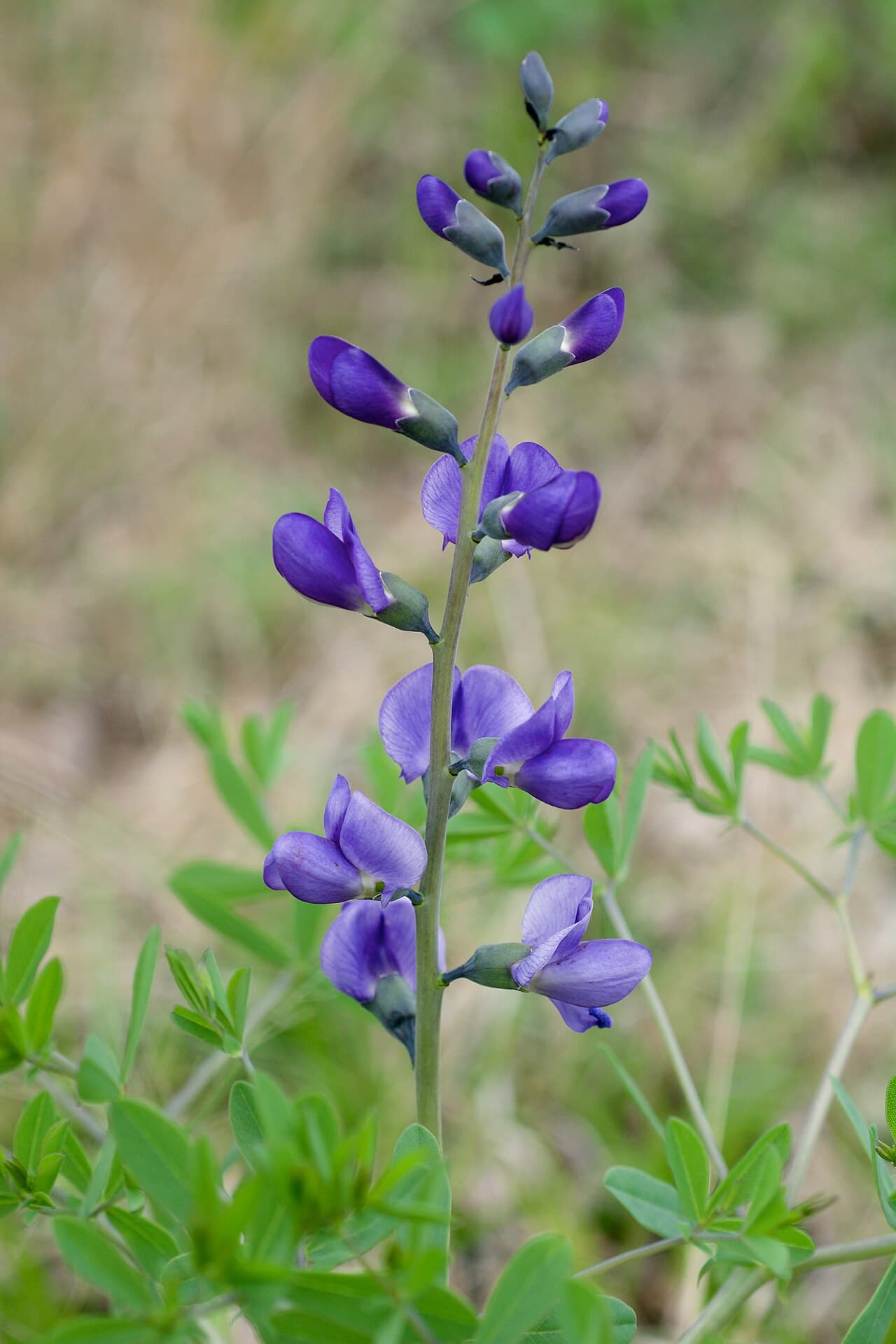
False Indigo
Rarely damagedBaptisia australis
- Type
- Perennial
- Hardiness
- Zones 3–9
- Height
- 36–48 in
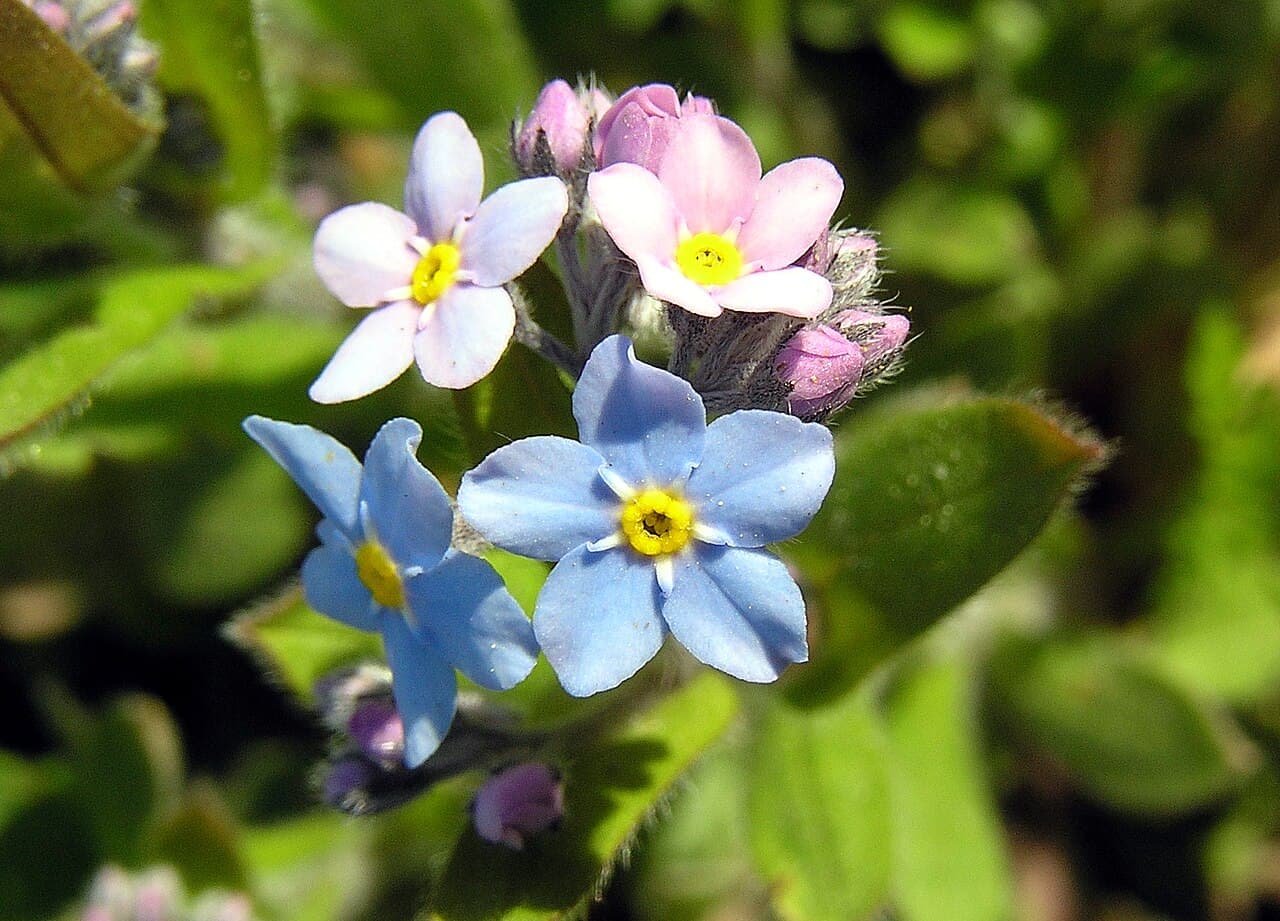
Forget-Me-Not
Rarely damagedMyosotis sp.
- Type
- Perennial
- Hardiness
- Zones 3–8, genus range
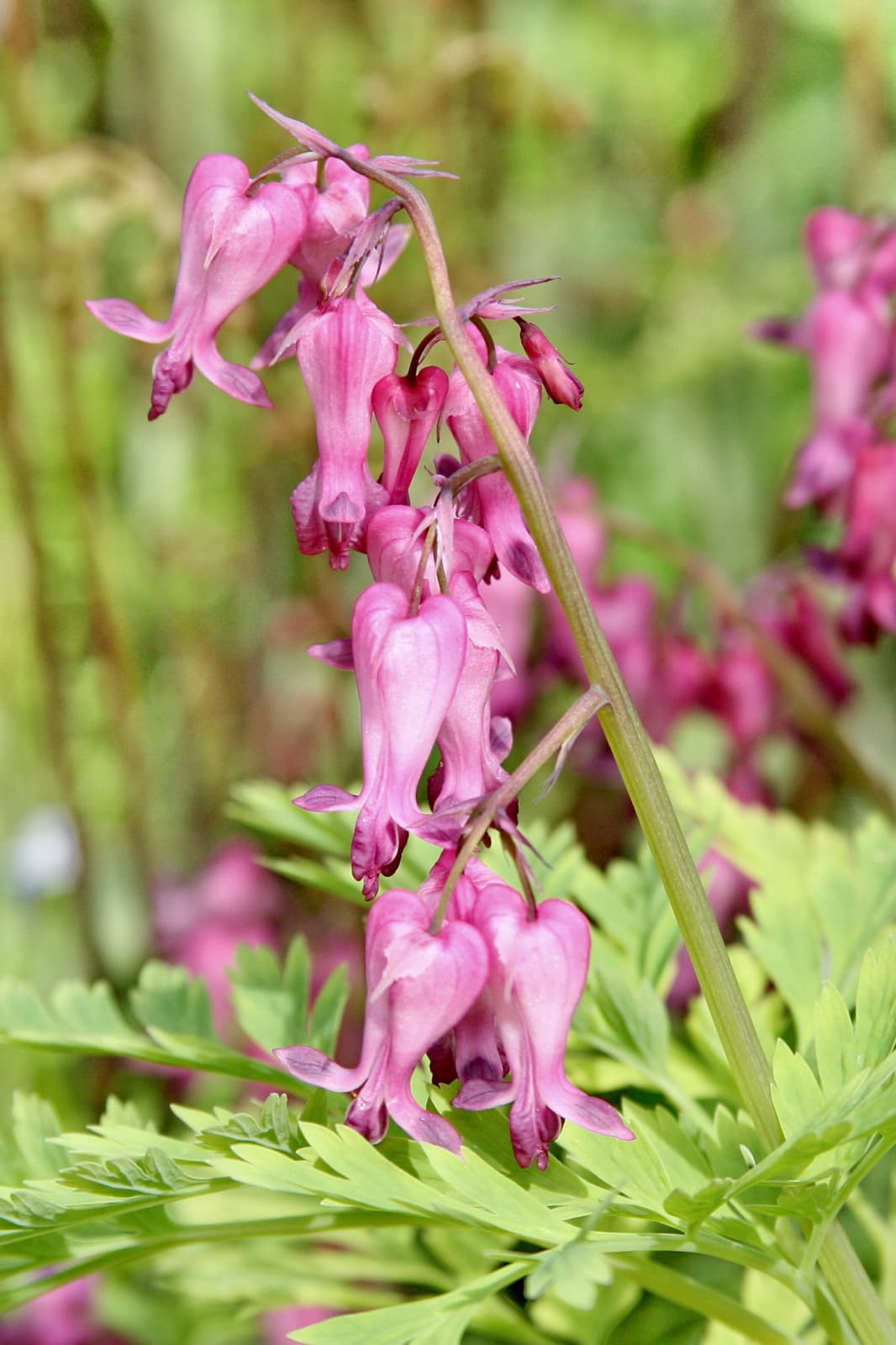
Fringed Bleeding Heart
Rarely damagedDicentra eximia
- Type
- Perennial
- Hardiness
- Zones 3–9
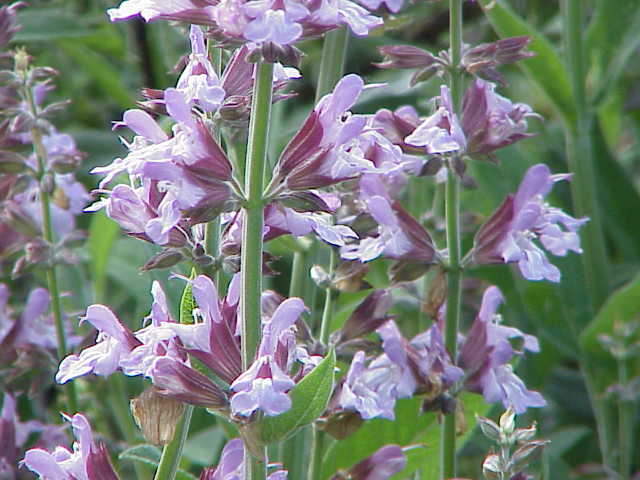
Garden Sage
Rarely damagedSalvia officinalis
- Type
- Perennial
- Hardiness
- Zones 4–8
- Height
- 12–24 in
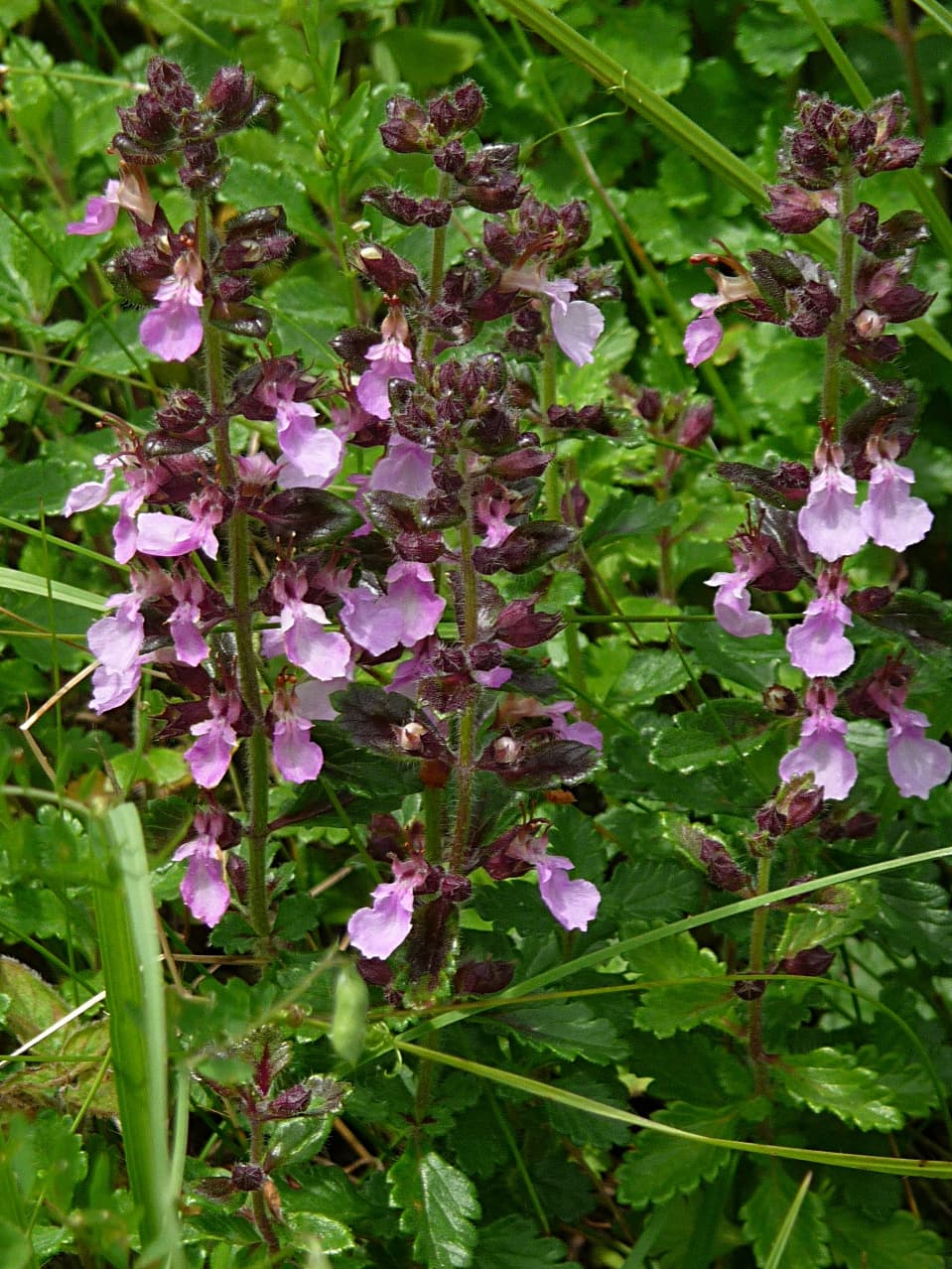
Germander
Rarely damagedTeucrium chamaedrys
- Type
- Perennial
- Hardiness
- Zones 5–9
- Height
- 6–18 in
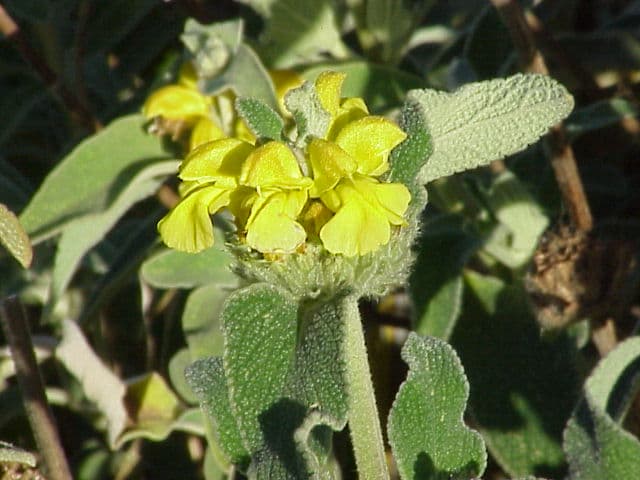
Greek Jerusalem Sage
Rarely damagedPhlomis sp.
- Type
- Perennial
- Hardiness
- Zones 5–9, genus range
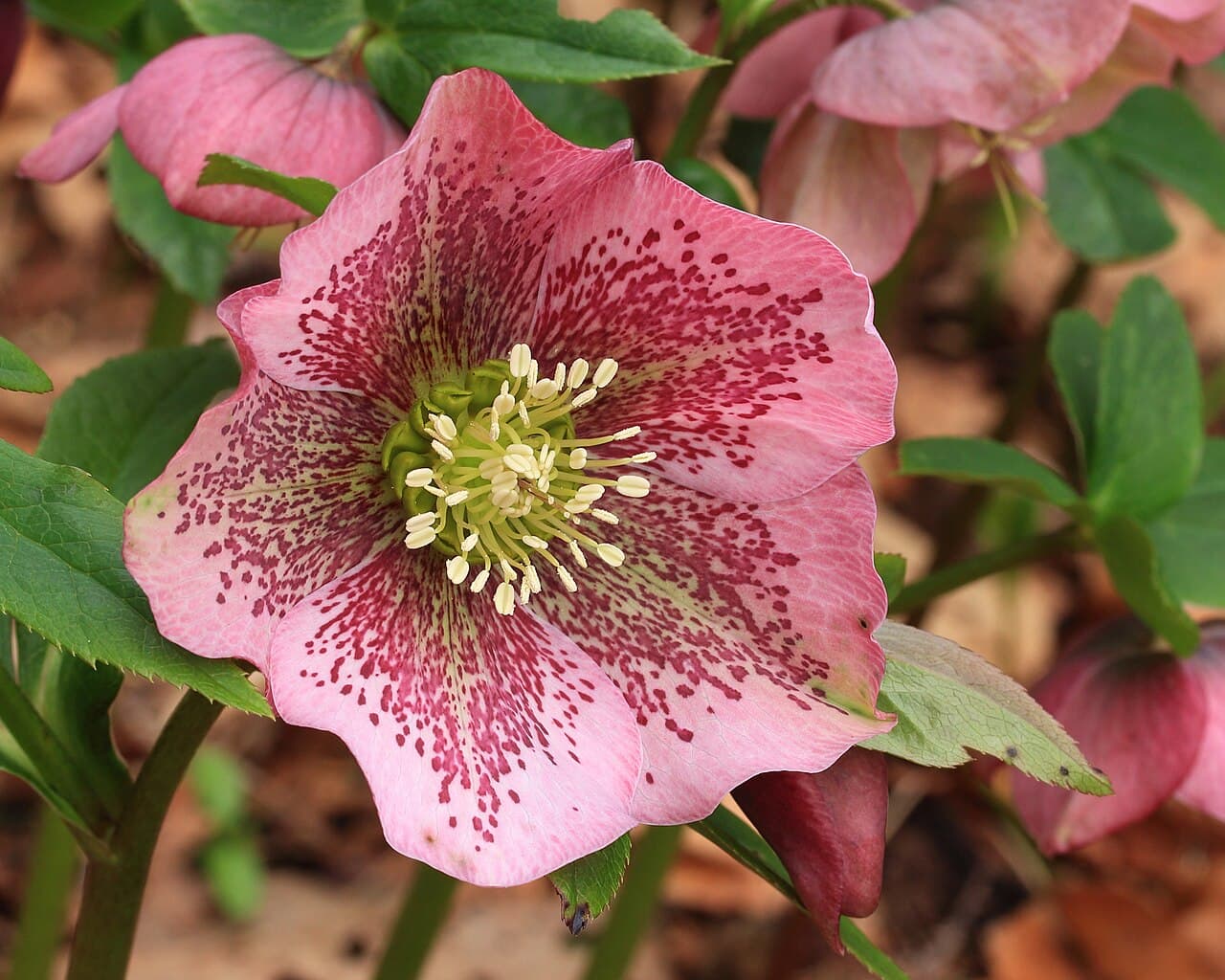
Hellebore
Rarely damagedHelleborus orientalis
- Type
- Perennial
- Hardiness
- Zones 4–9
- Height
- 12–18 in
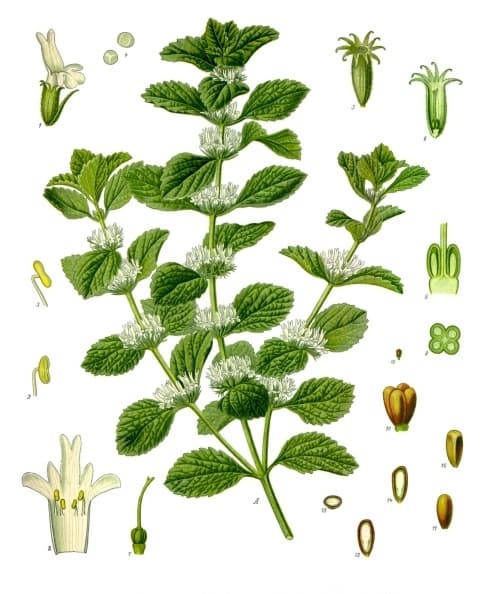
Horehound
Rarely damagedMarrubium vulgare
- Type
- Perennial
- Hardiness
- Zones 3–9
- Height
- 12–24 in
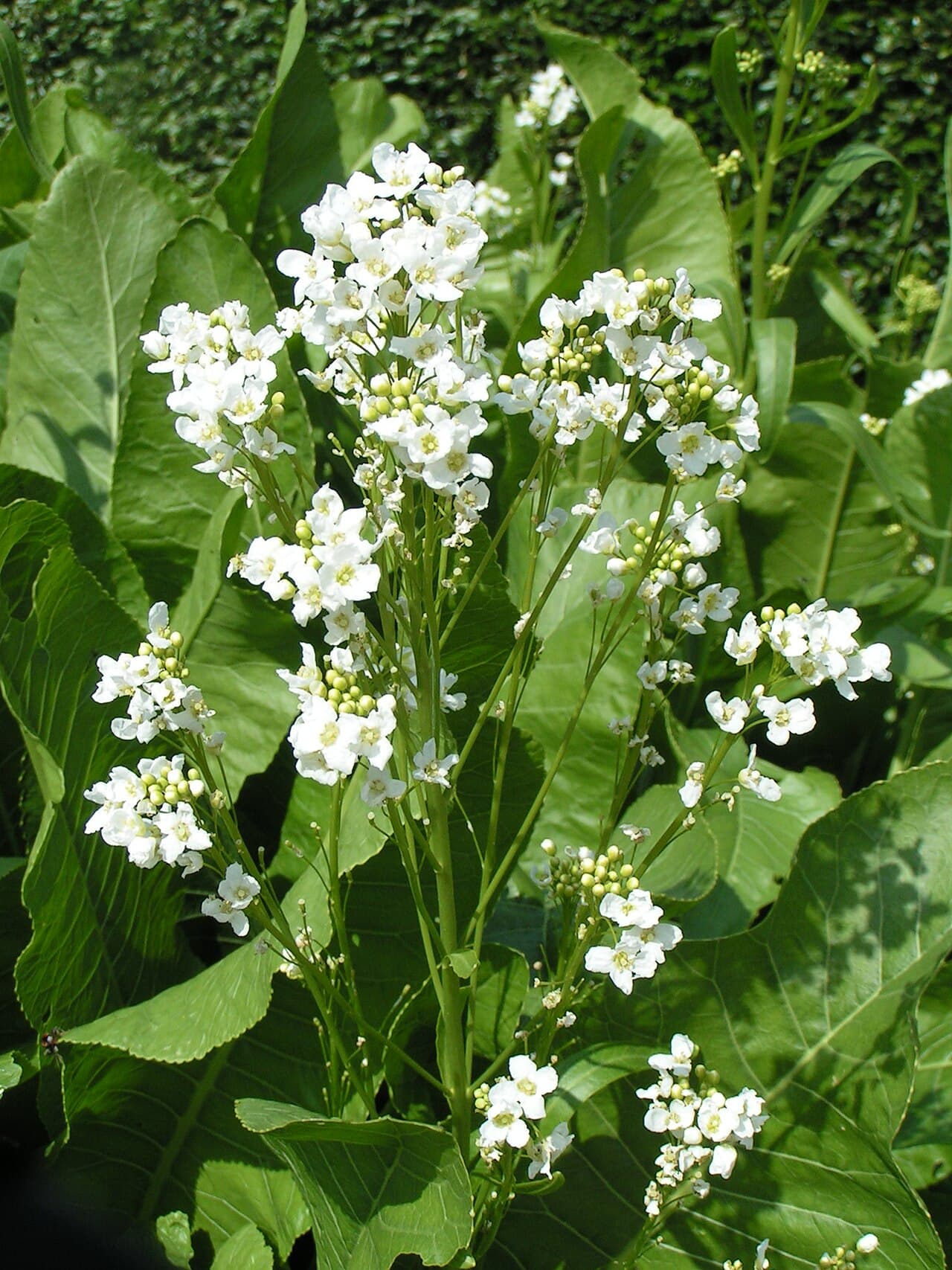
Horseradish
Rarely damagedArmoracia rusticana
- Type
- Perennial
- Hardiness
- Zones 4–9
- Height
- 24–60 in
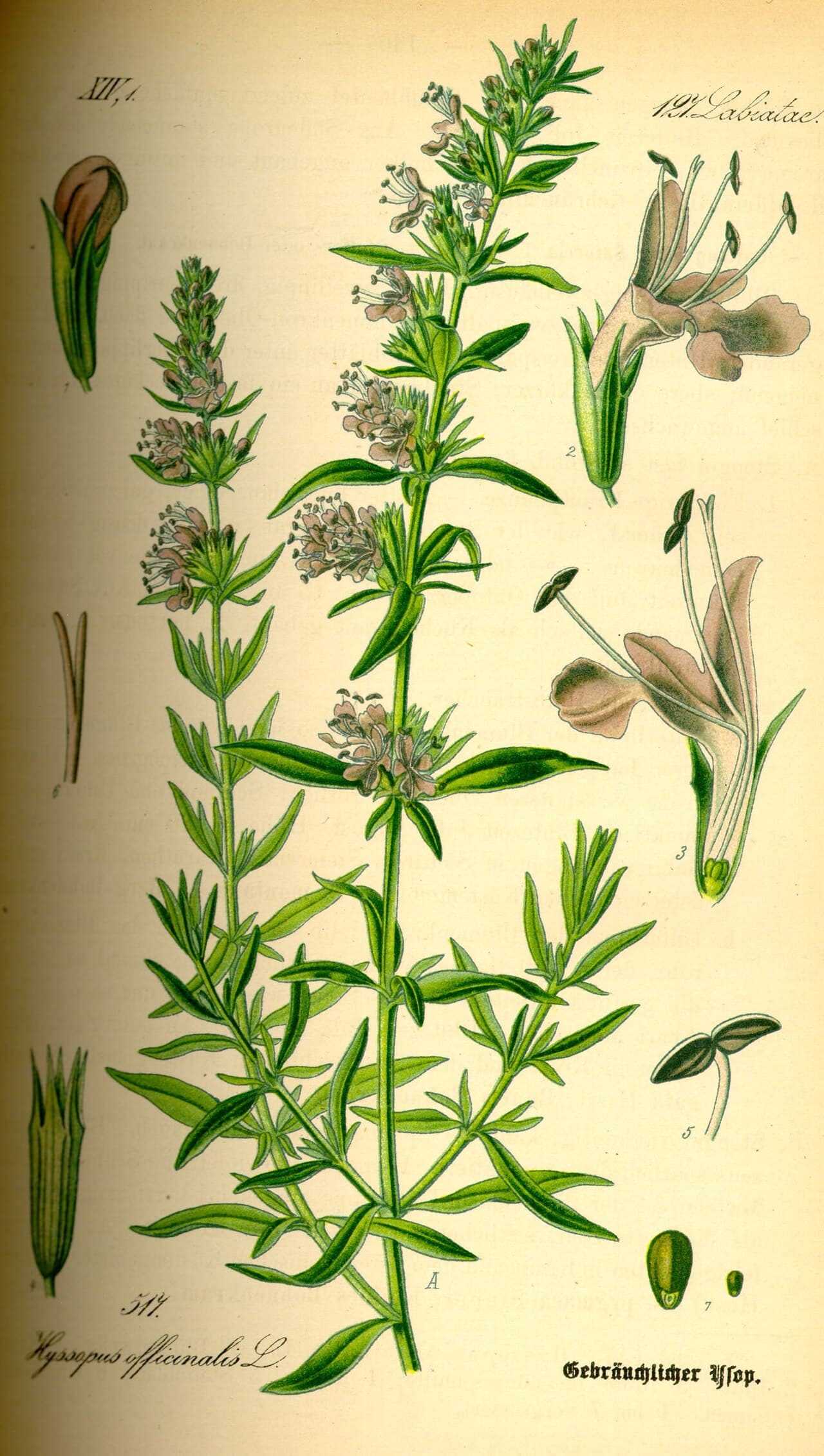
Hyssop
Rarely damagedHyssopus officinalis
- Type
- Perennial
- Hardiness
- Zones 4–9
- Height
- 18–24 in
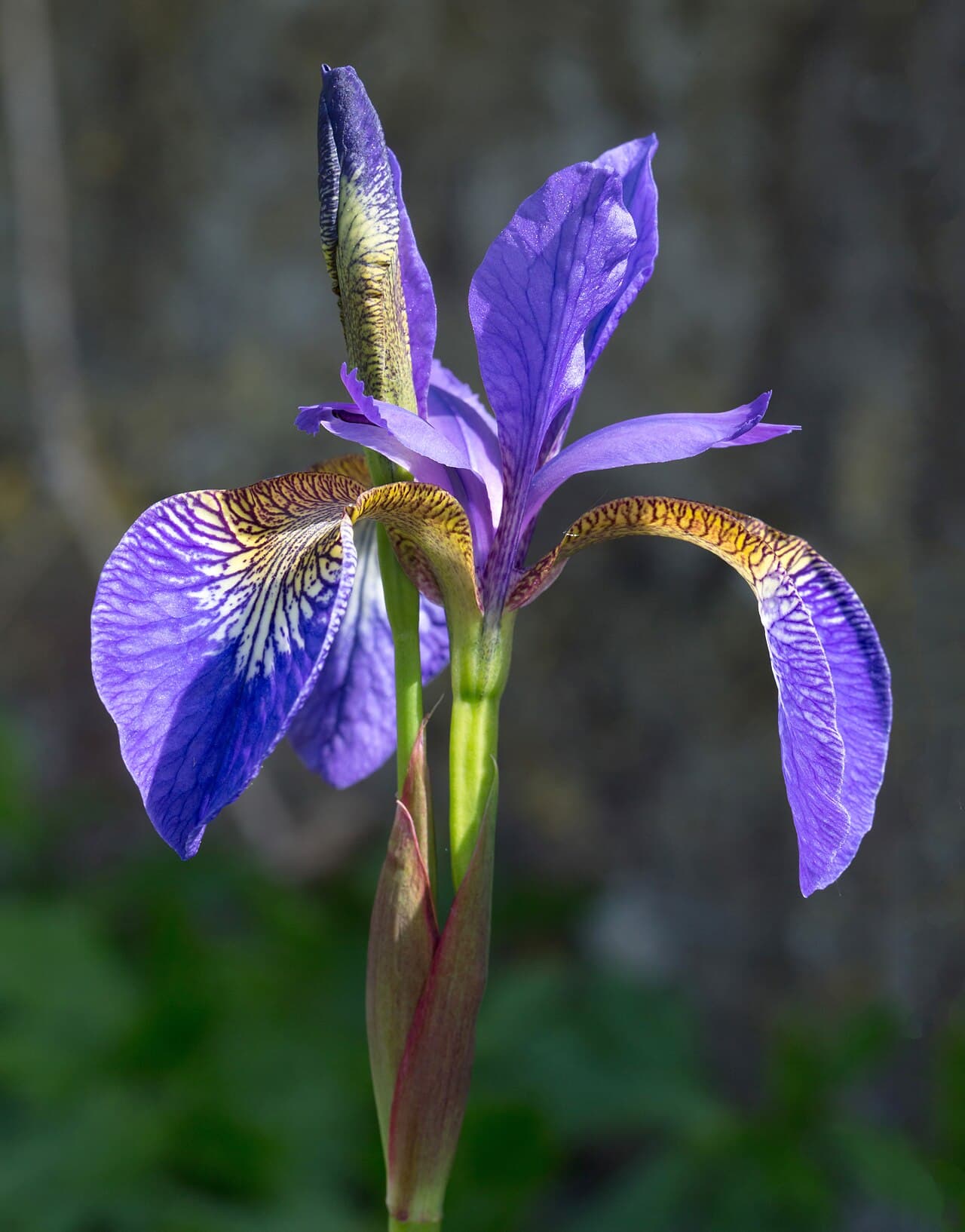
Iris
Rarely damagedIris sp.
- Type
- Perennial
- Hardiness
- Zones 3–9, genus range
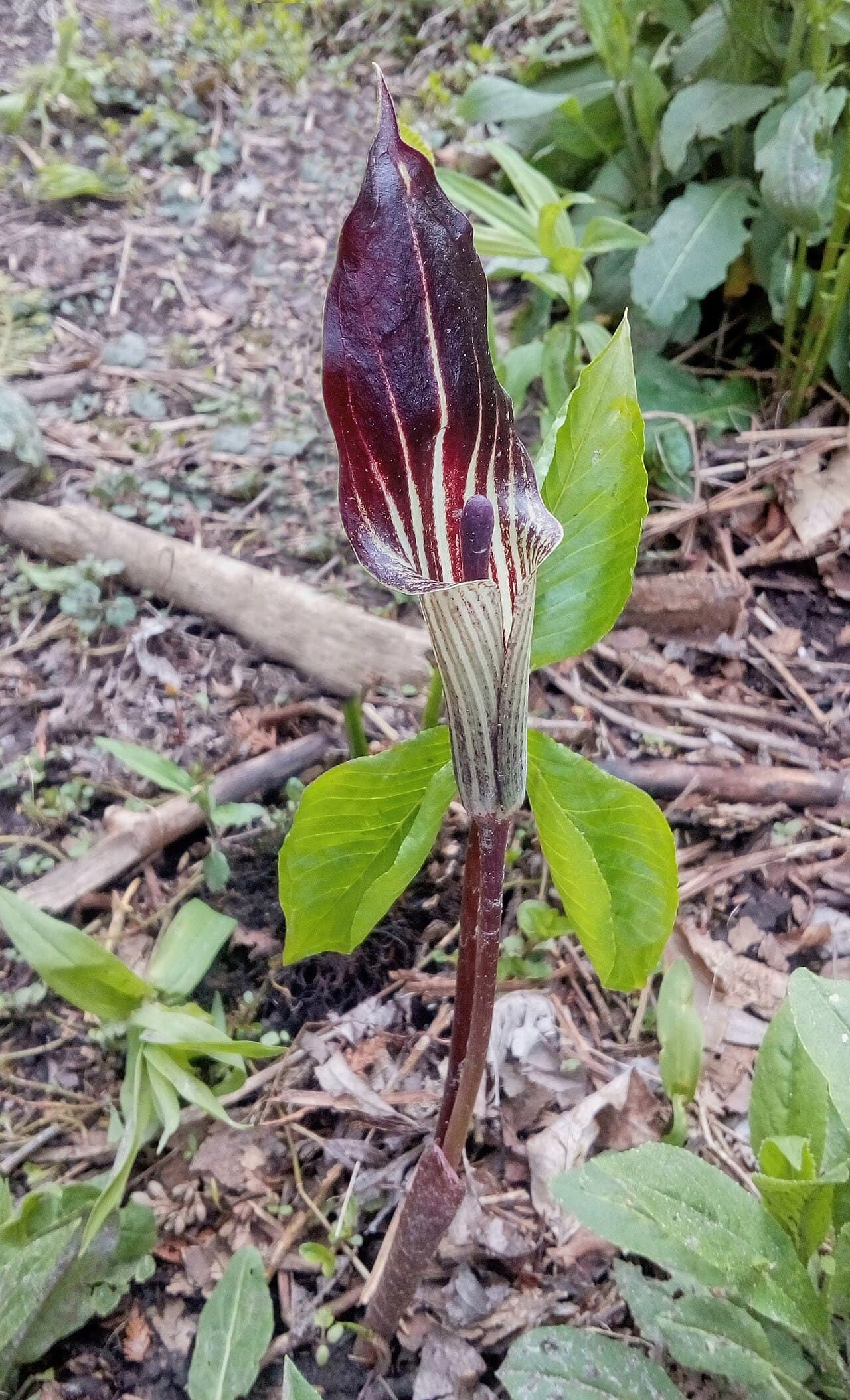
Jack-in-the-Pulpit
Rarely damagedArisaema triphyllum
- Type
- Perennial
- Hardiness
- Zones 4–9
- Height
- 12–30 in
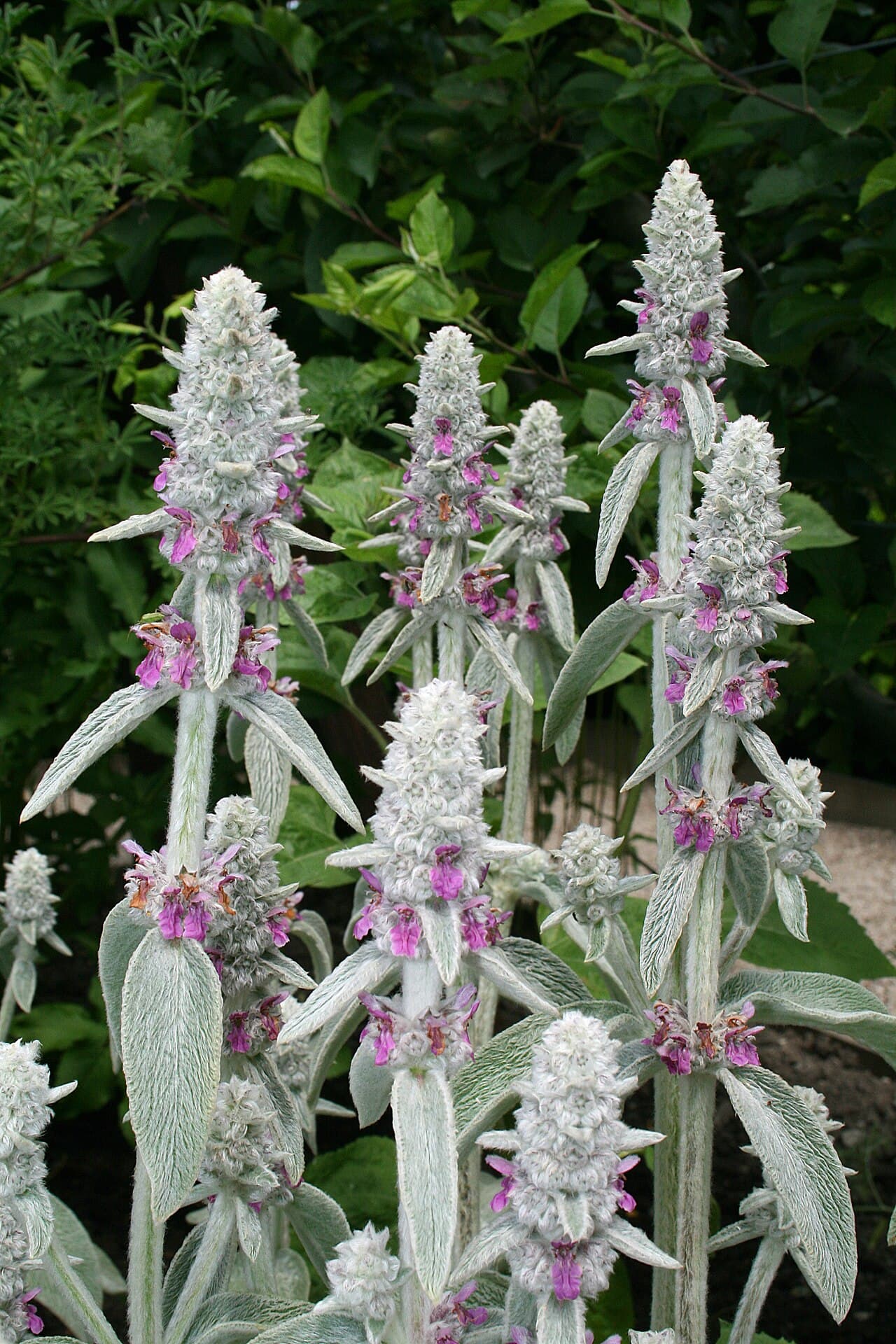
Lambs Ear
Rarely damagedStachys byzantina
- Type
- Perennial
- Hardiness
- Zones 4–9
- Height
- 12–18 in
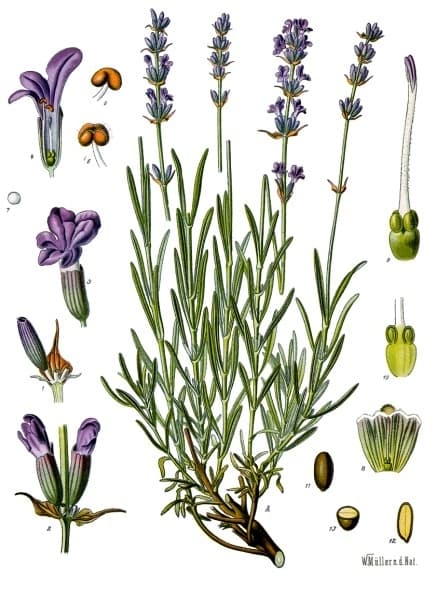
Lavender
Rarely damagedLavandula angustifolia
- Type
- Perennial
- Hardiness
- Zones 5–9
- Height
- 12–24 in
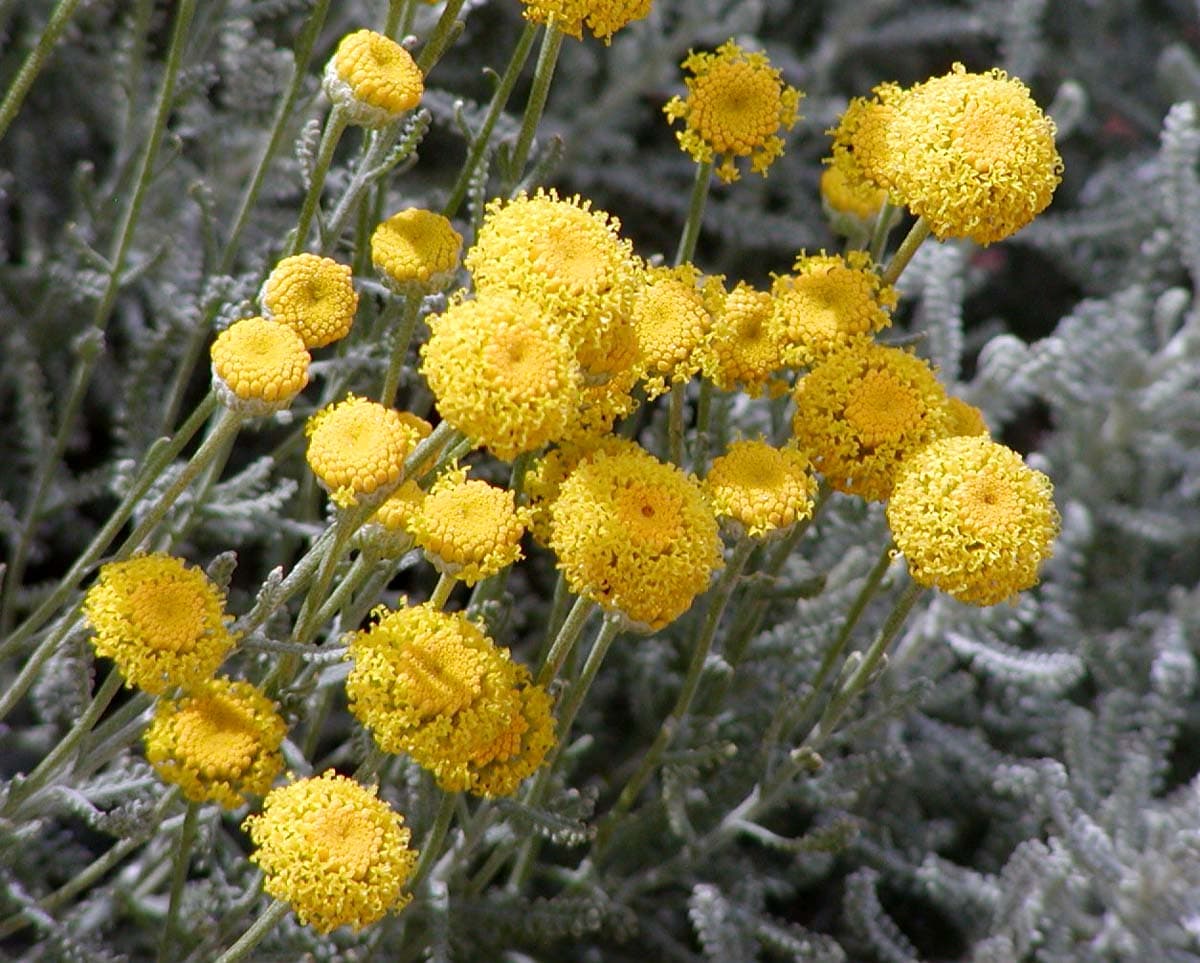
Lavender-Cotton
Rarely damagedSantolina chamaecyparissus
- Type
- Perennial
- Hardiness
- Zones 6–9
- Height
- 12–24 in
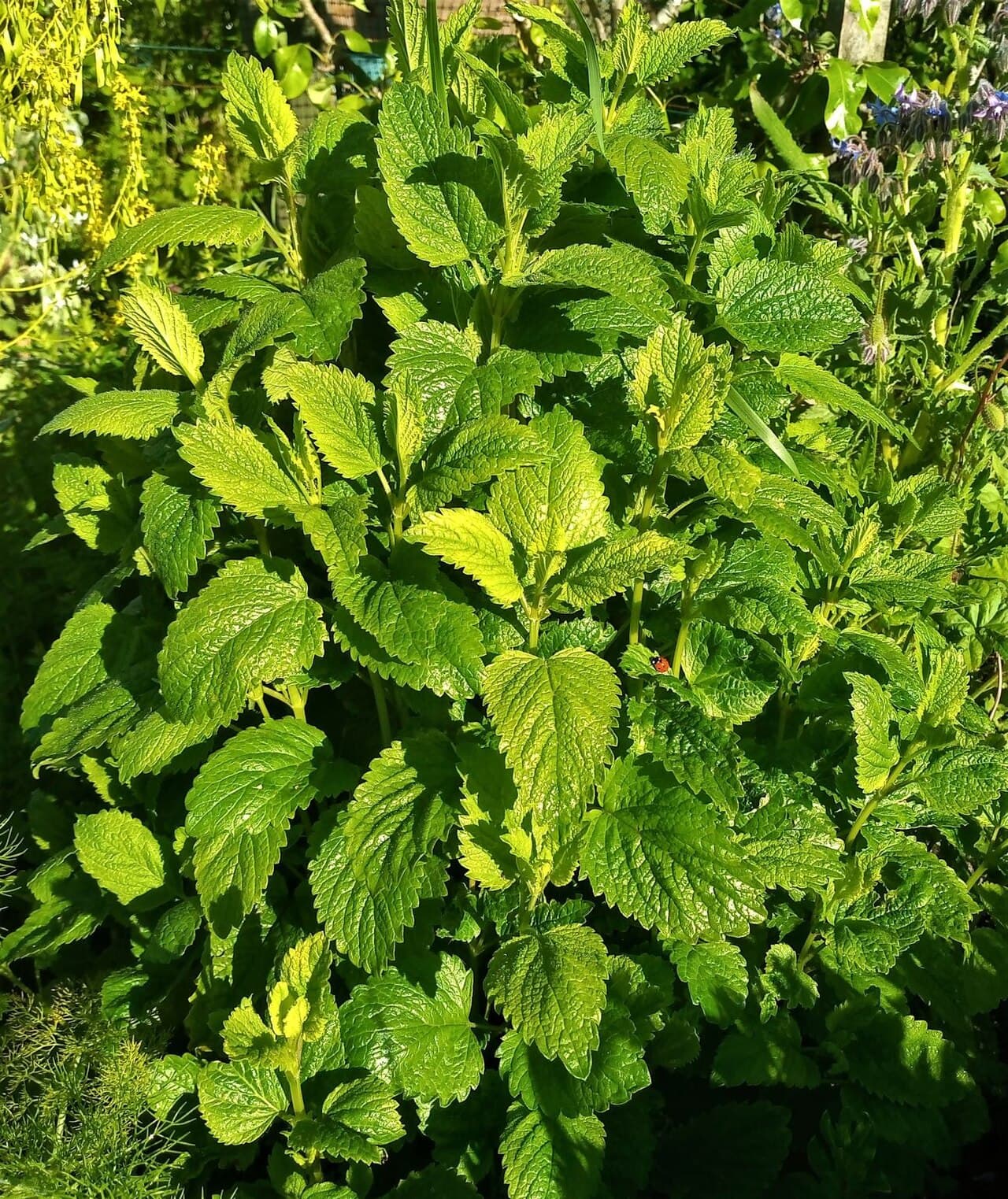
Lemon Balm
Rarely damagedMelissa officinalis
- Type
- Perennial
- Hardiness
- Zones 3–7
- Height
- 24–36 in
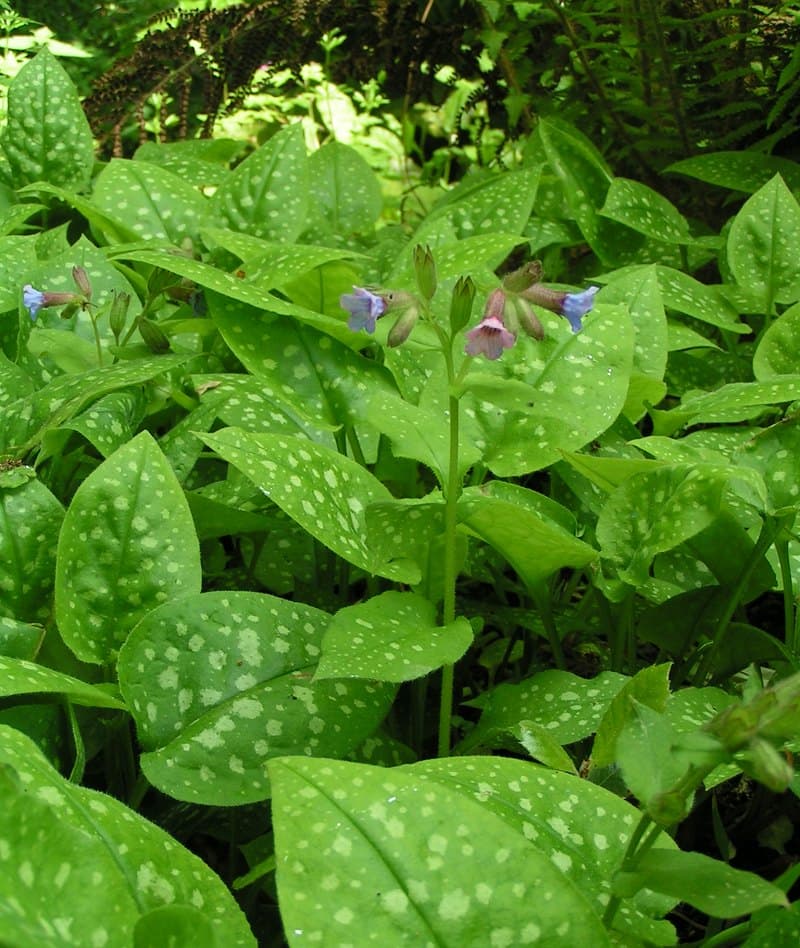
Lungwort
Rarely damagedPulmonaria officinalis
- Type
- Perennial
- Hardiness
- Zones 3–8
- Height
- 6–12 in
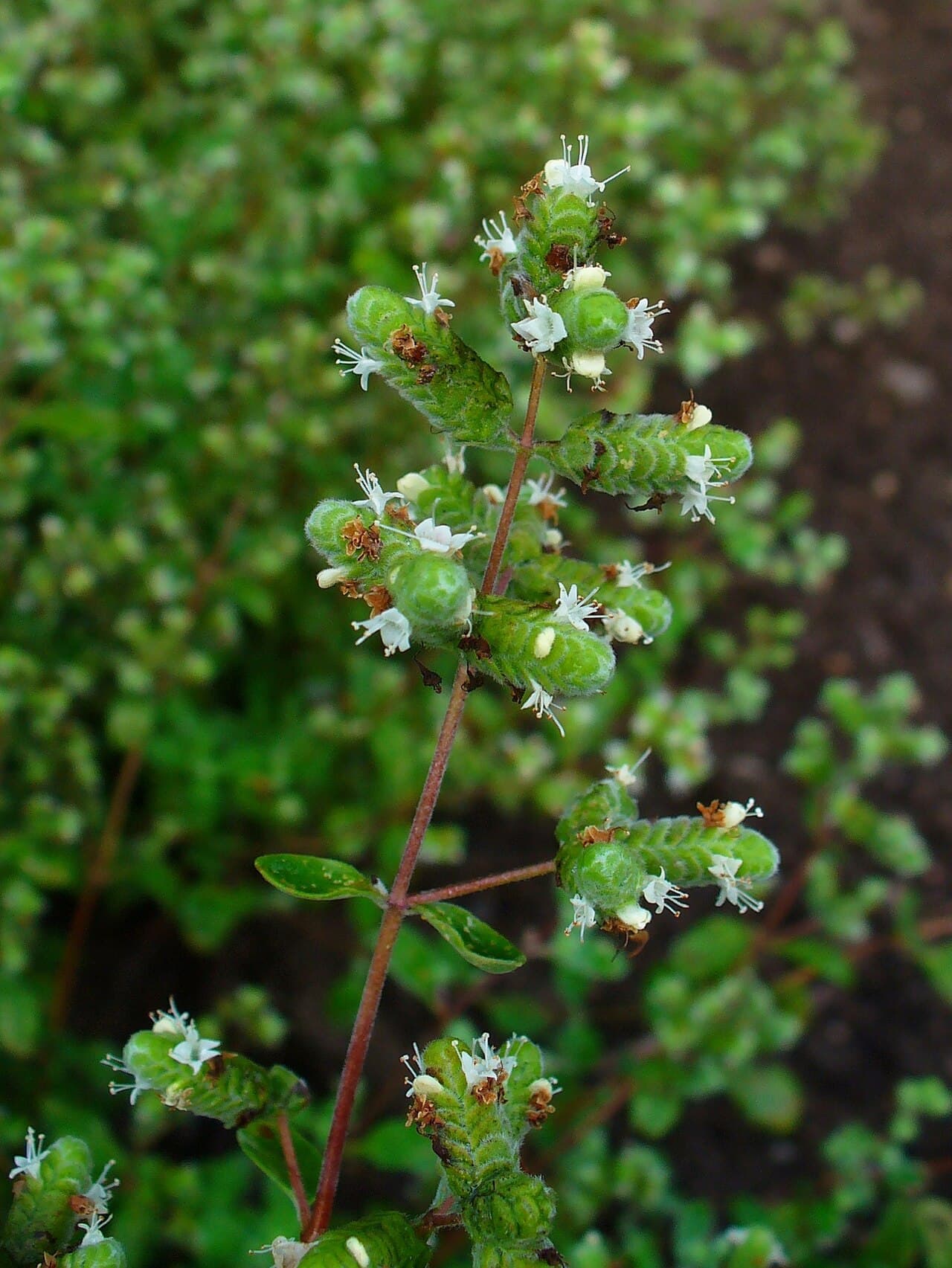
Marjoram
Rarely damagedOriganum majorana
- Type
- Perennial
- Hardiness
- Zones 9–10
- Height
- 12–24 in
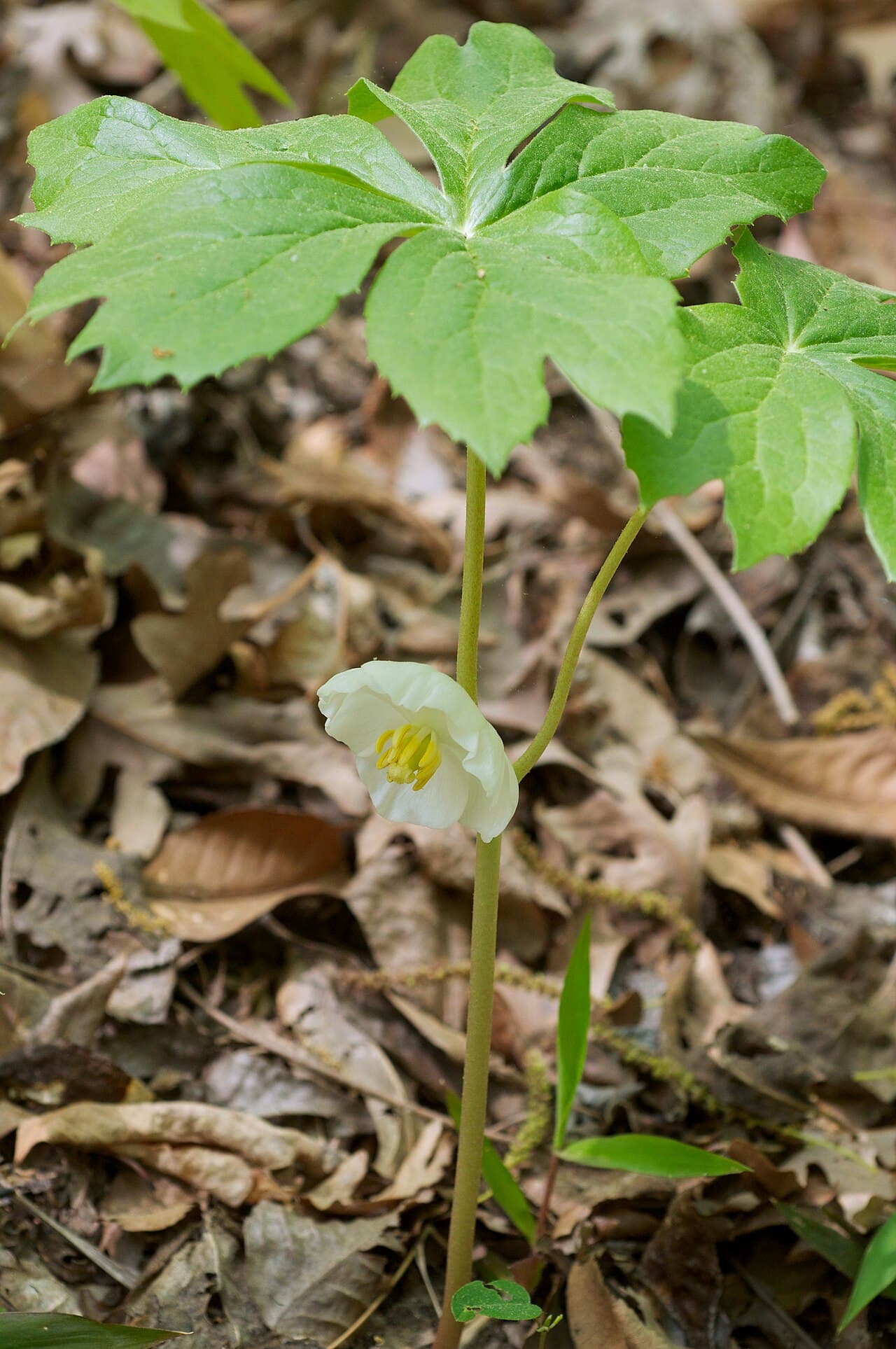
May Apple
Rarely damagedPodophyllum peltatum
- Type
- Perennial
- Hardiness
- Zones 3–8
- Height
- 12–18 in
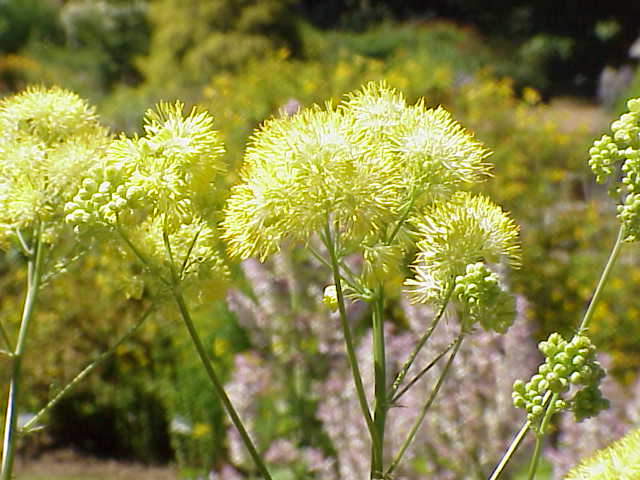
Meadow Rue
Rarely damagedThalictrum sp.
- Type
- Perennial
- Hardiness
- Zones 3–8, genus range
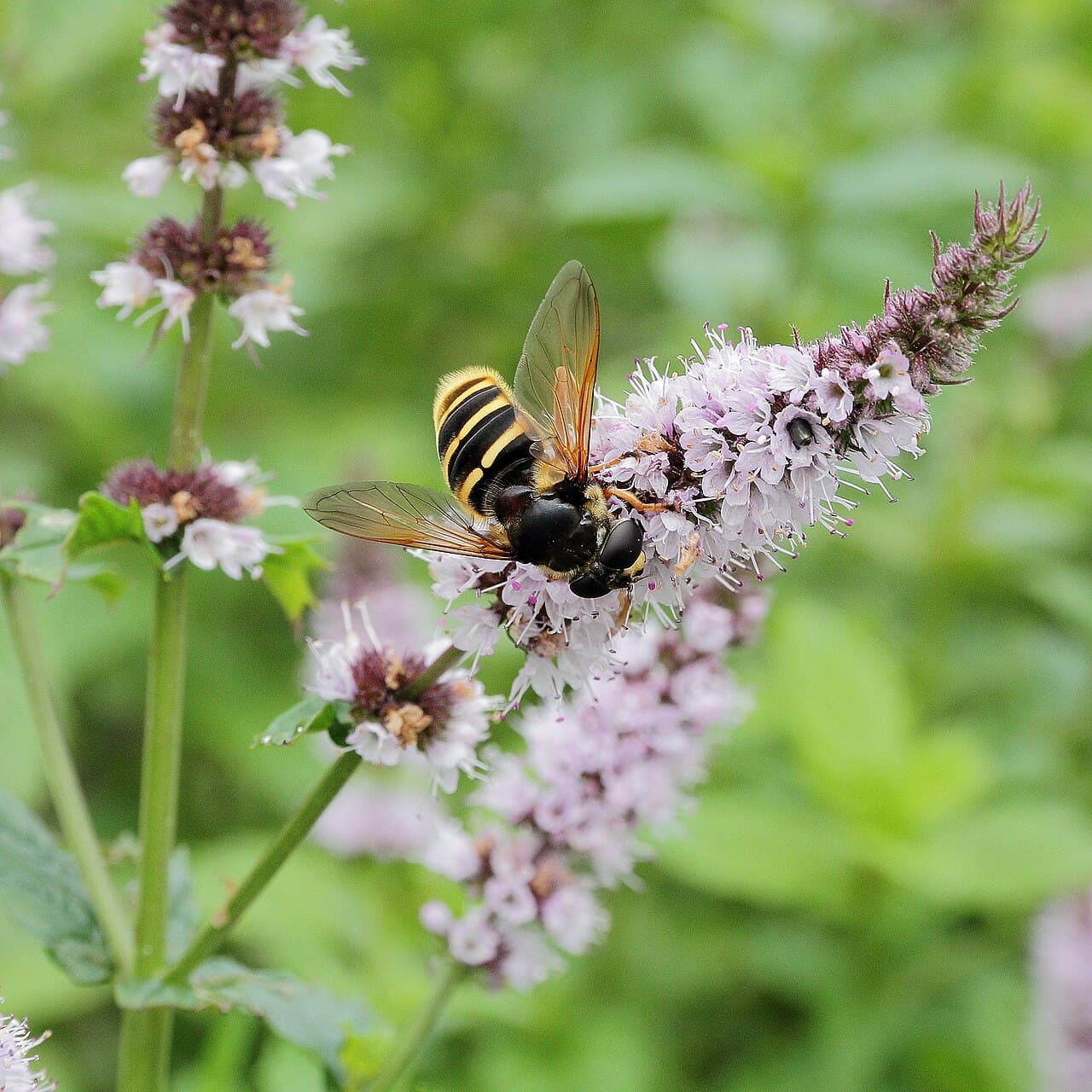
Mint
Rarely damagedMentha sp.
- Type
- Perennial
- Hardiness
- Zones 3–9, genus range
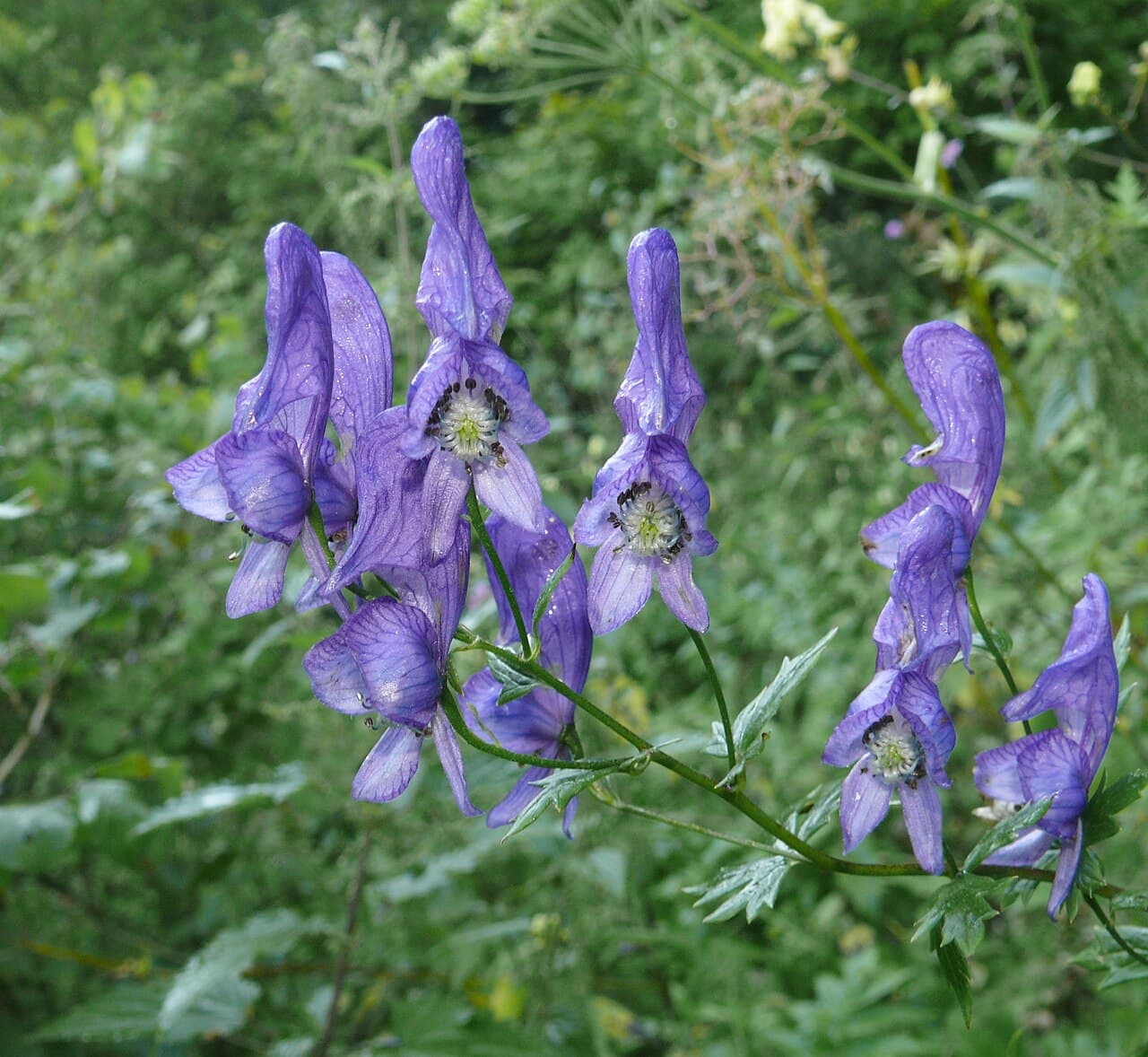
Monkshood
Rarely damagedAconitum sp.
- Type
- Perennial
- Hardiness
- Zones 3–7, genus range
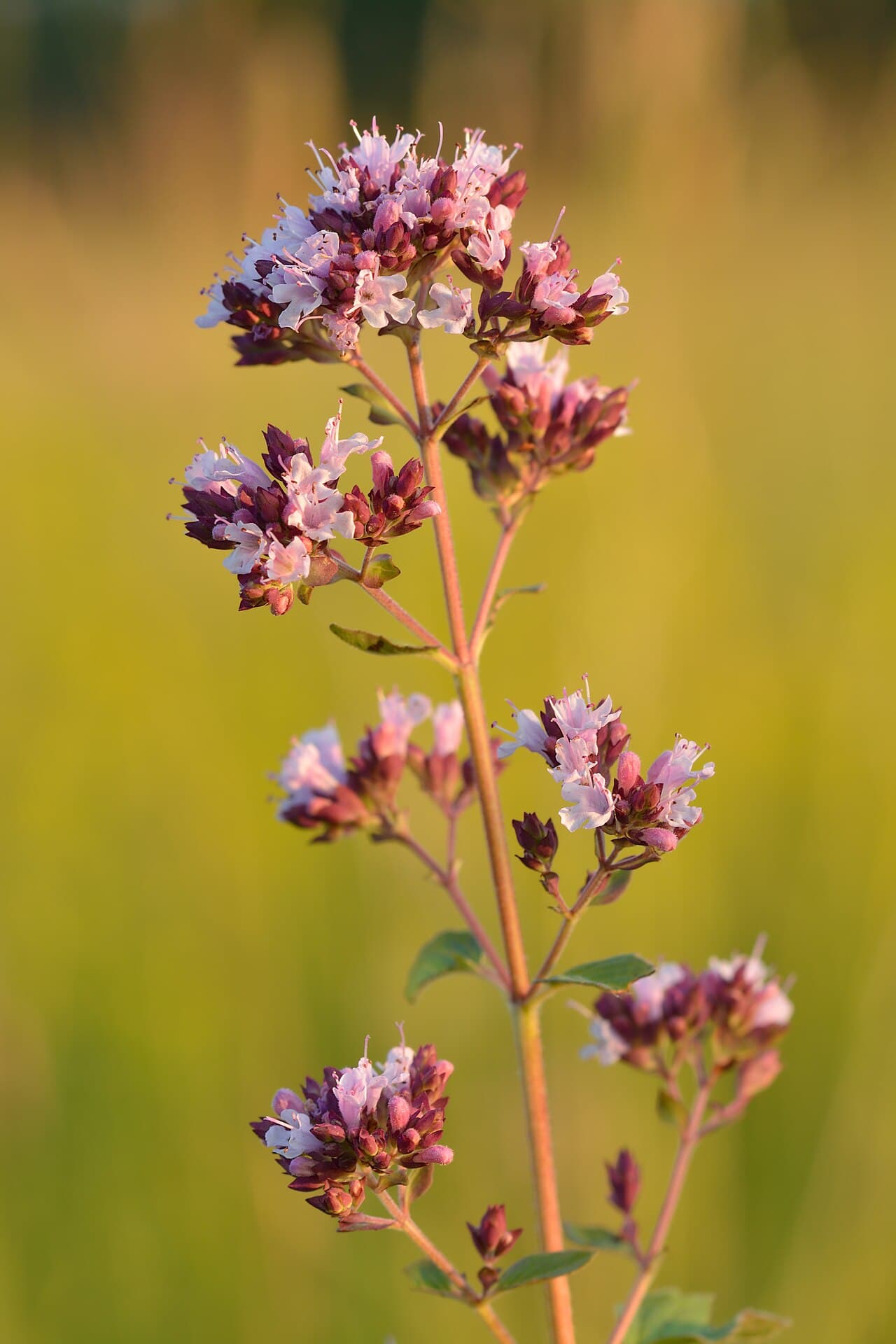
Oregano
Rarely damagedOriganum sp.
- Type
- Perennial
- Hardiness
- Zones 4–9, genus range
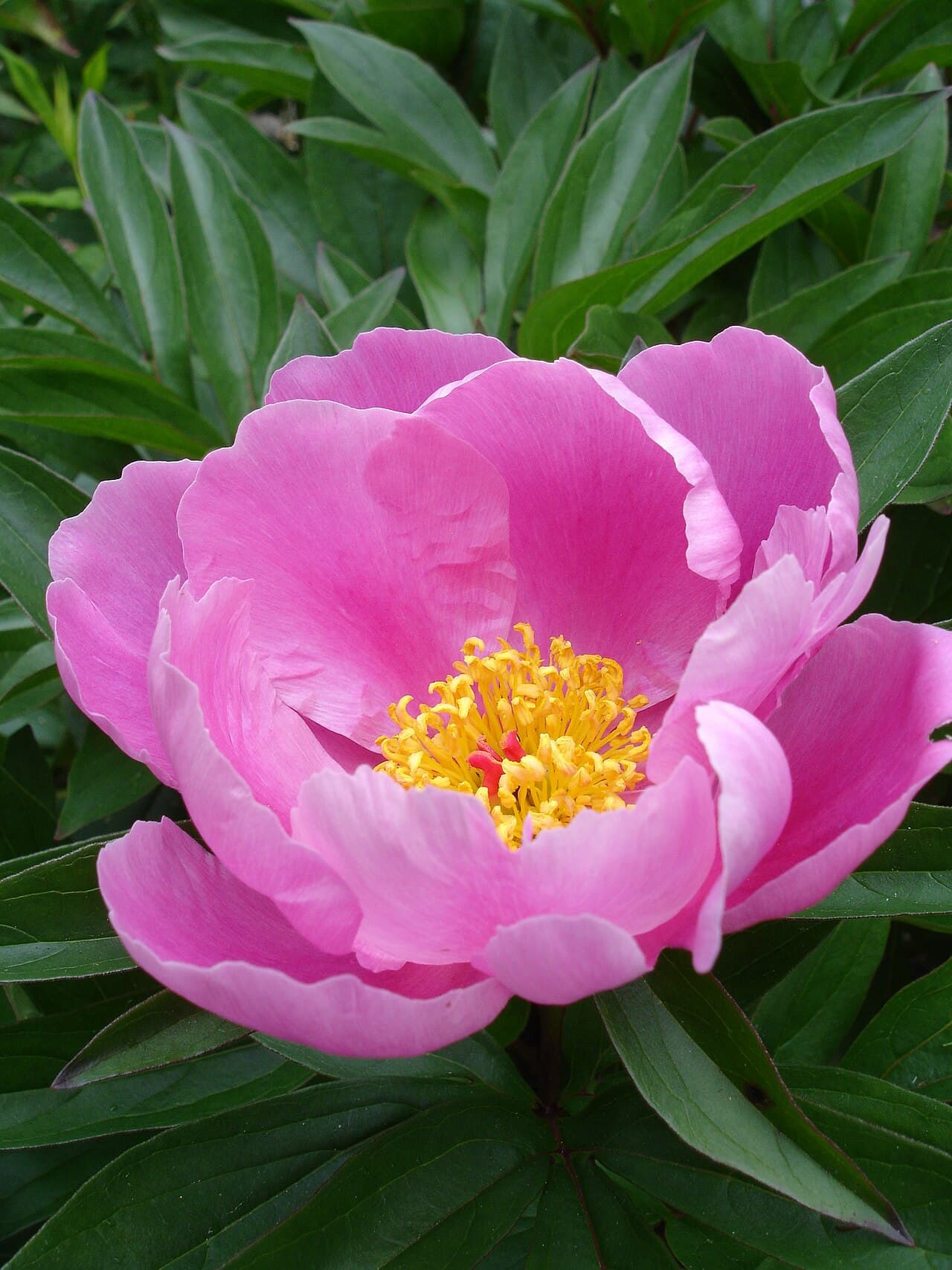
Peony
Rarely damagedPaeonia lactiflora
- Type
- Perennial
- Hardiness
- Zones 3–8
- Height
- 24–35 in
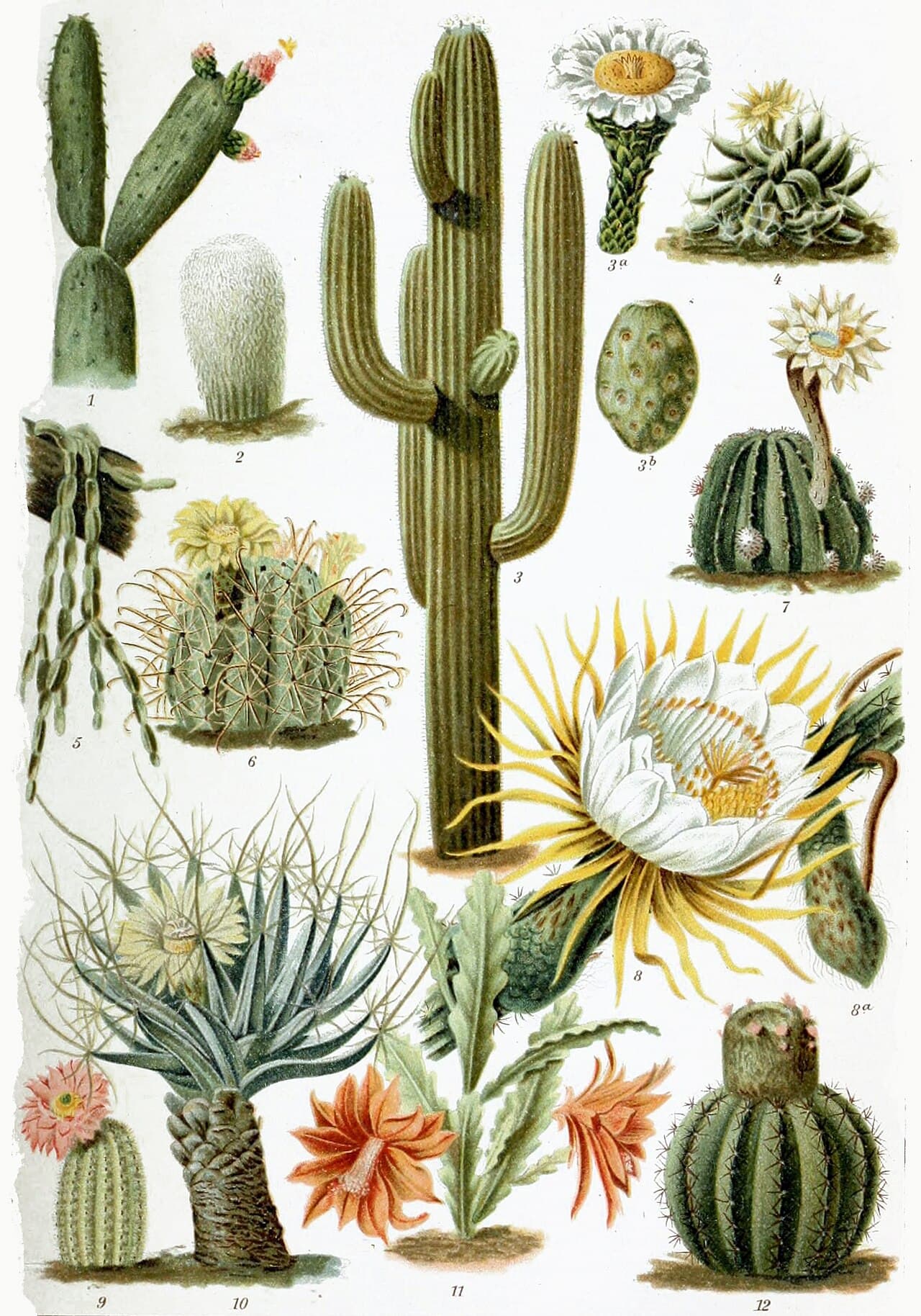
Prickly Pear Cactus
Rarely damagedOpuntia humifusa
- Type
- Perennial
- Hardiness
- Zones 4–9
- Height
- 6–12 in
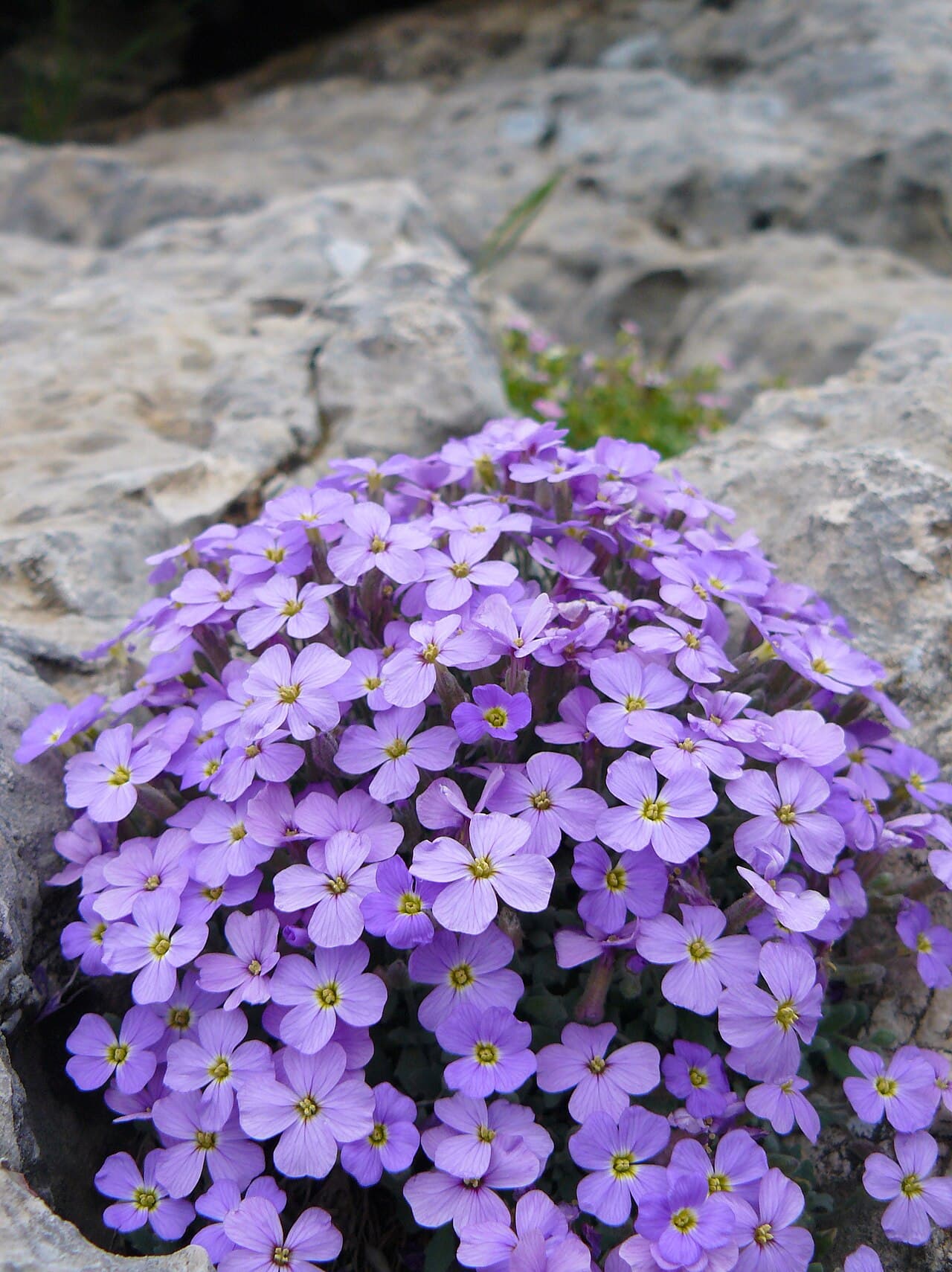
Purple Rock-Cress
Rarely damagedAubrieta deltoidea
- Type
- Perennial
- Hardiness
- Zones 4–8
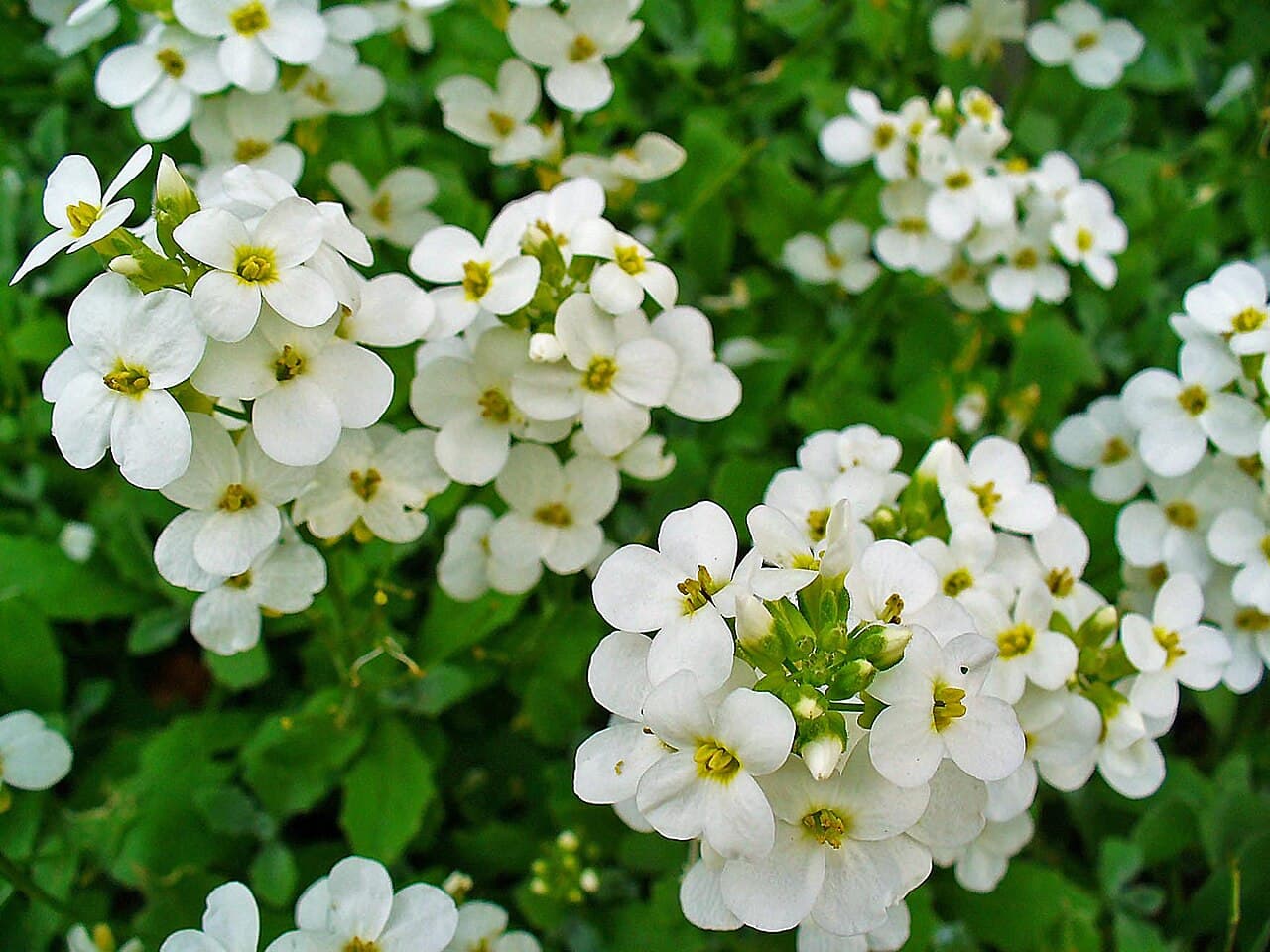
Rock-Cress
Rarely damagedArabis caucasica
- Type
- Perennial
- Hardiness
- Zones 4–7
- Height
- 6–12 in
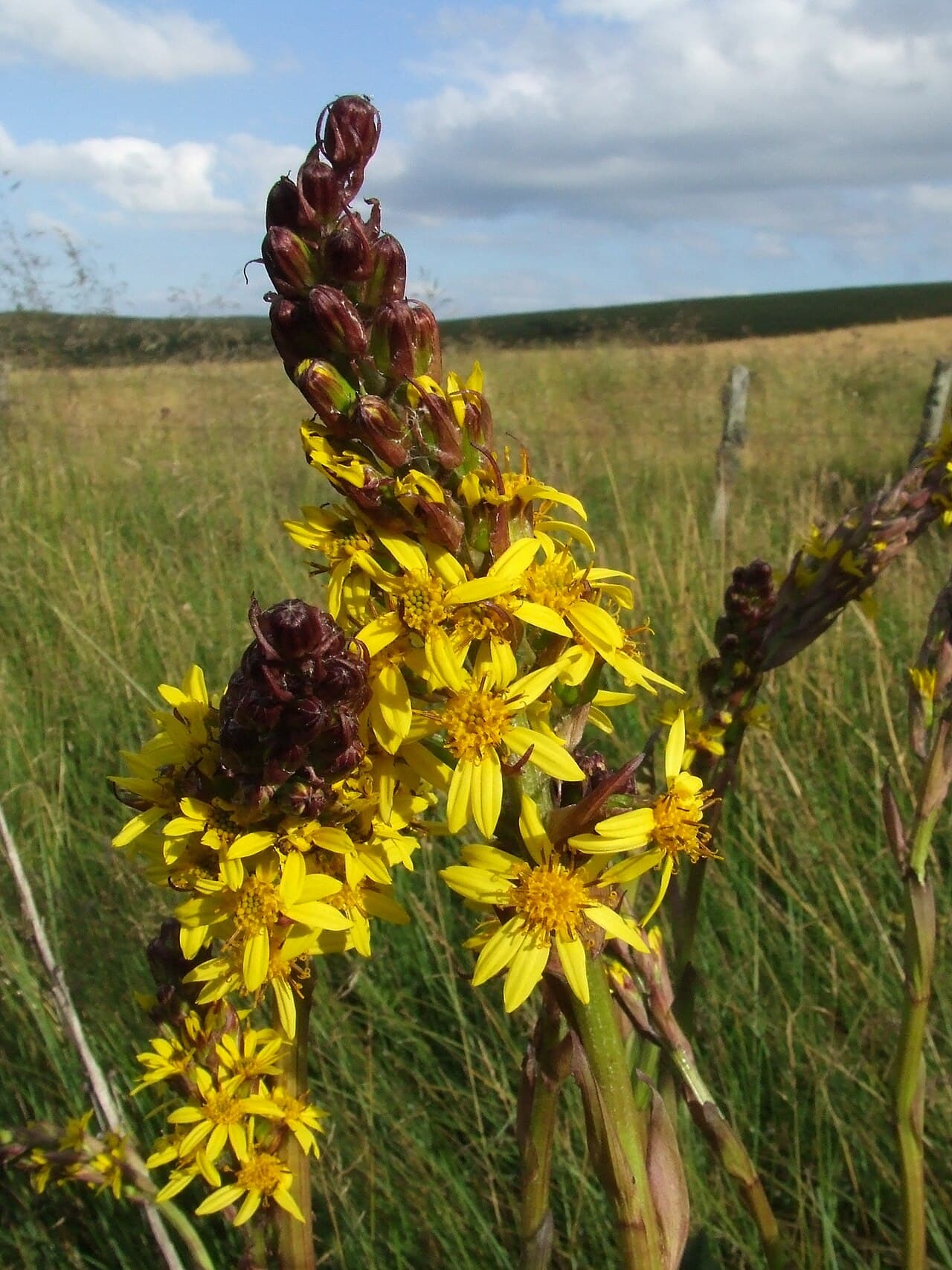
Rocket Ligularia
Rarely damagedLigularia 'The Rocket'
- Type
- Perennial
- Hardiness
- Zones 4–8
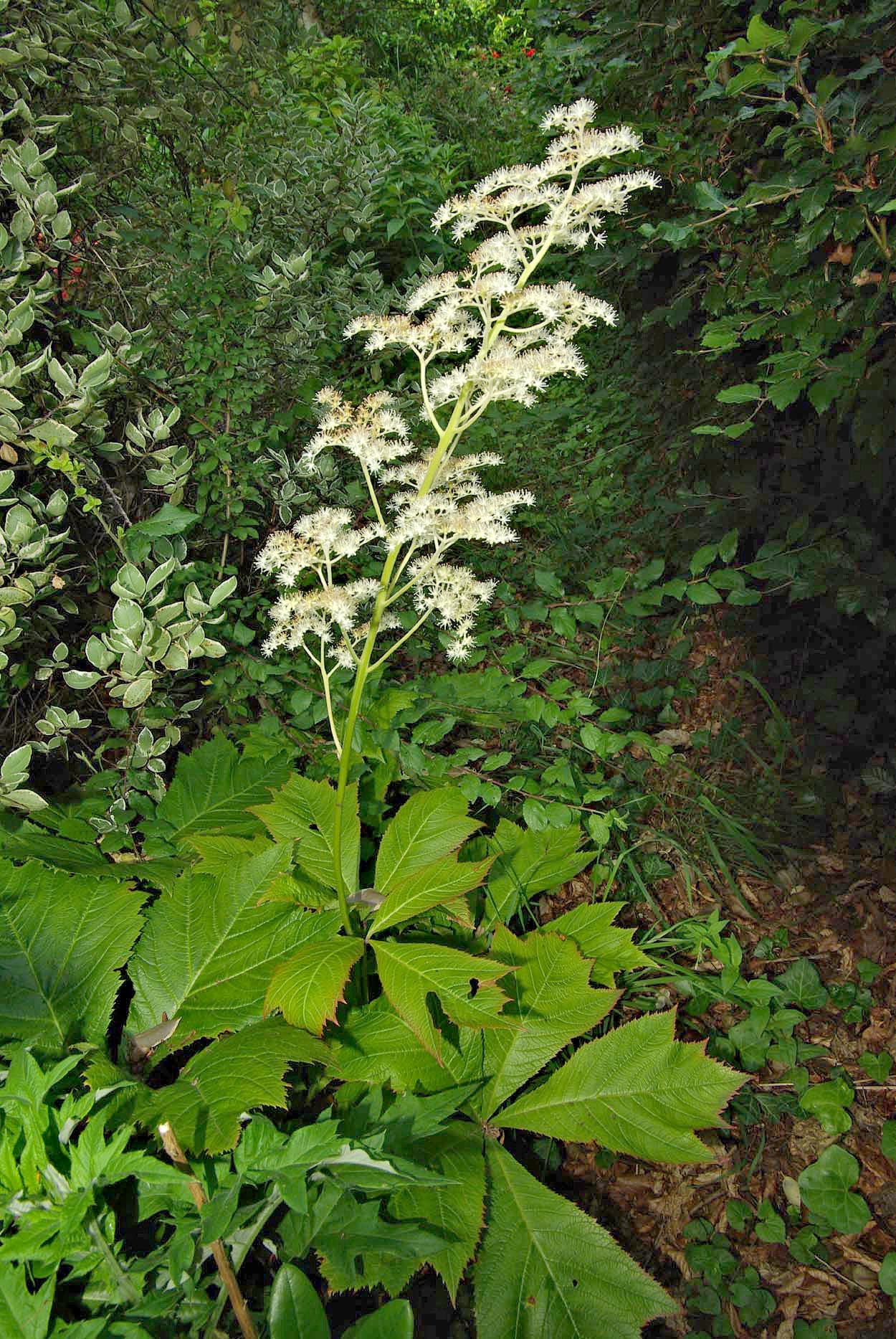
Rodgers Flower
Rarely damagedRodgersia sp.
- Type
- Perennial
- Hardiness
- Zones 5–8, genus range
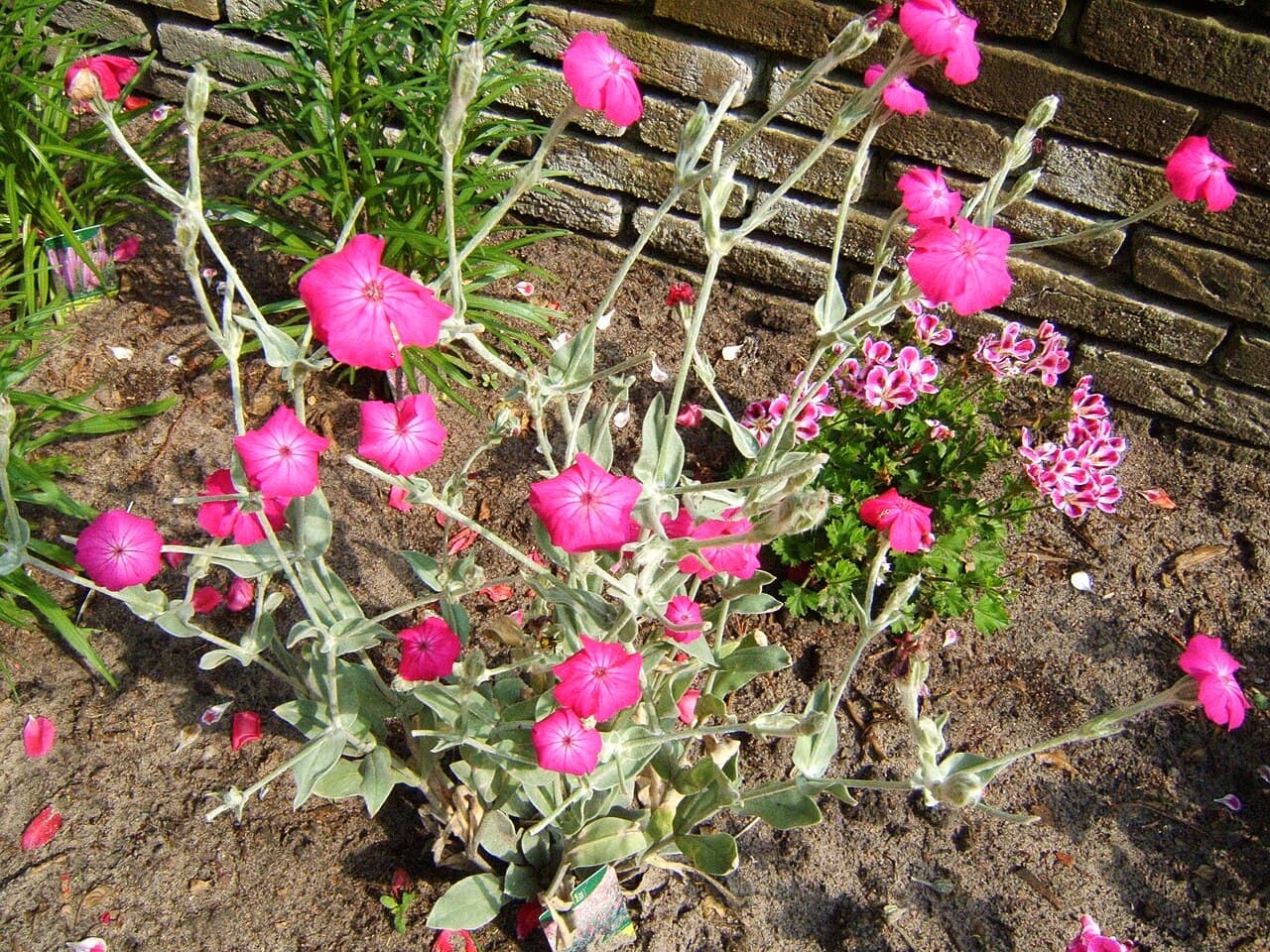
Rose Campion
Rarely damagedLychnis coronaria
- Type
- Perennial
- Hardiness
- Zones 4–10
- Height
- 24–36 in
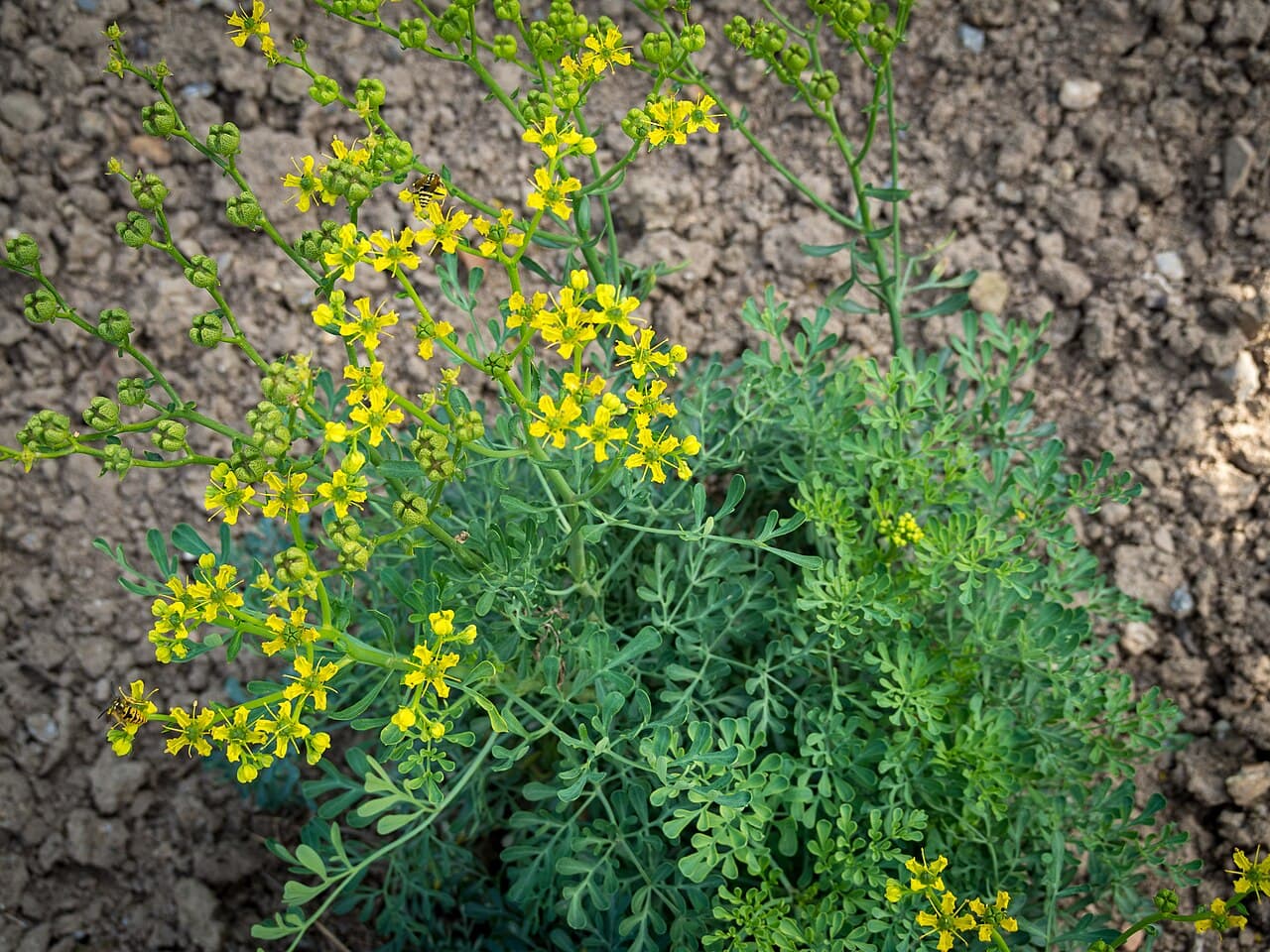
Rue
Rarely damagedRuta sp.
- Type
- Perennial
- Hardiness
- Zones 4–9, genus range
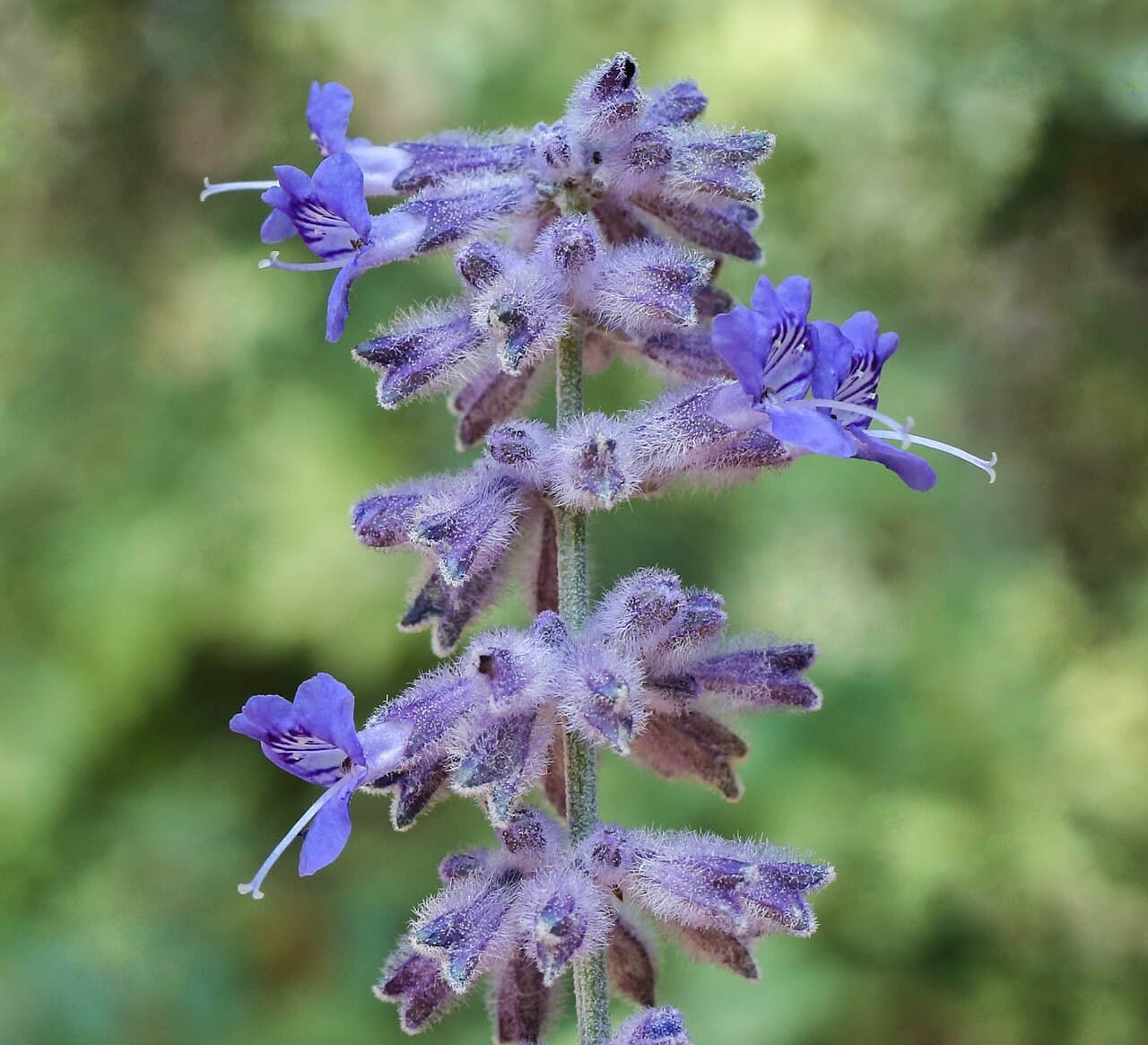
Russian Sage
Rarely damagedSalvia yangii
- Type
- Perennial
- Hardiness
- Zones 5–9
- Height
- 24–48 in
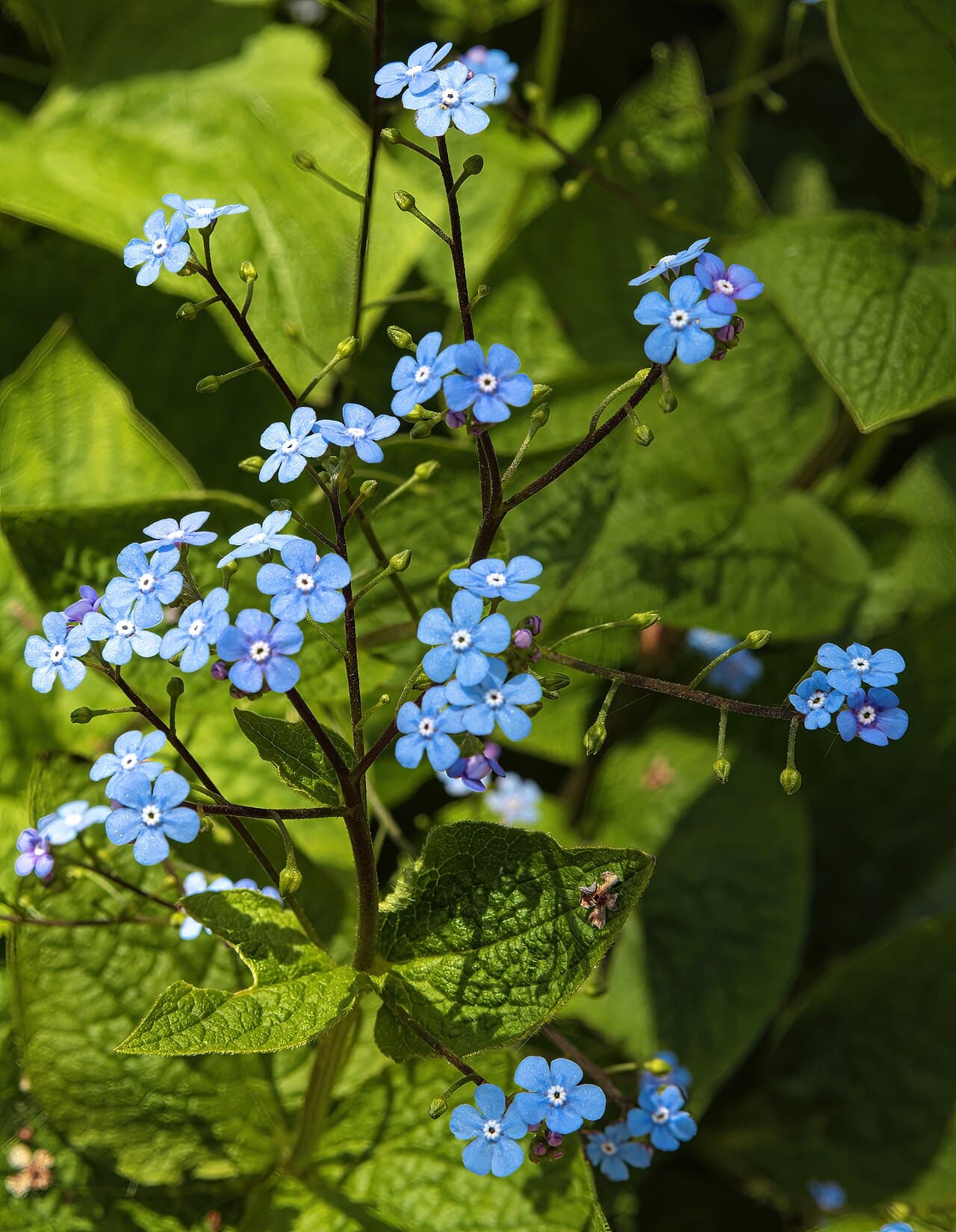
Siberian Bugloss
Rarely damagedBrunnera macrophylla
- Type
- Perennial
- Hardiness
- Zones 3–8
- Height
- 12–18 in
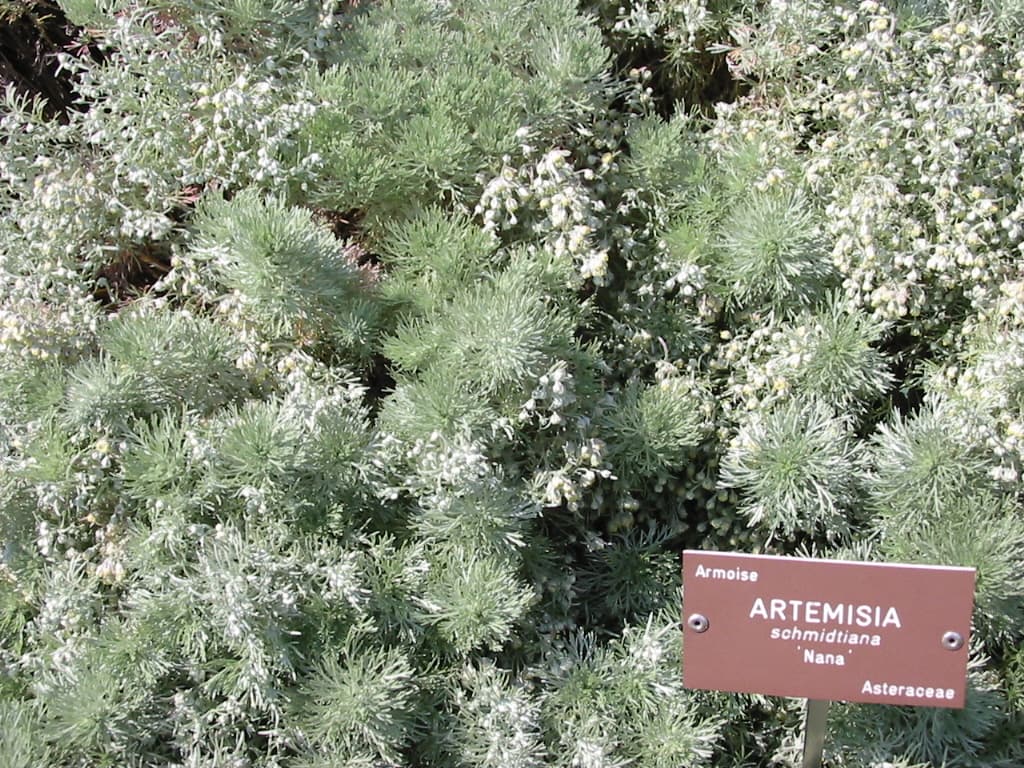
Silver Mound
Rarely damagedArtemisia sp.
- Type
- Perennial
- Hardiness
- Zones 3–8, genus range
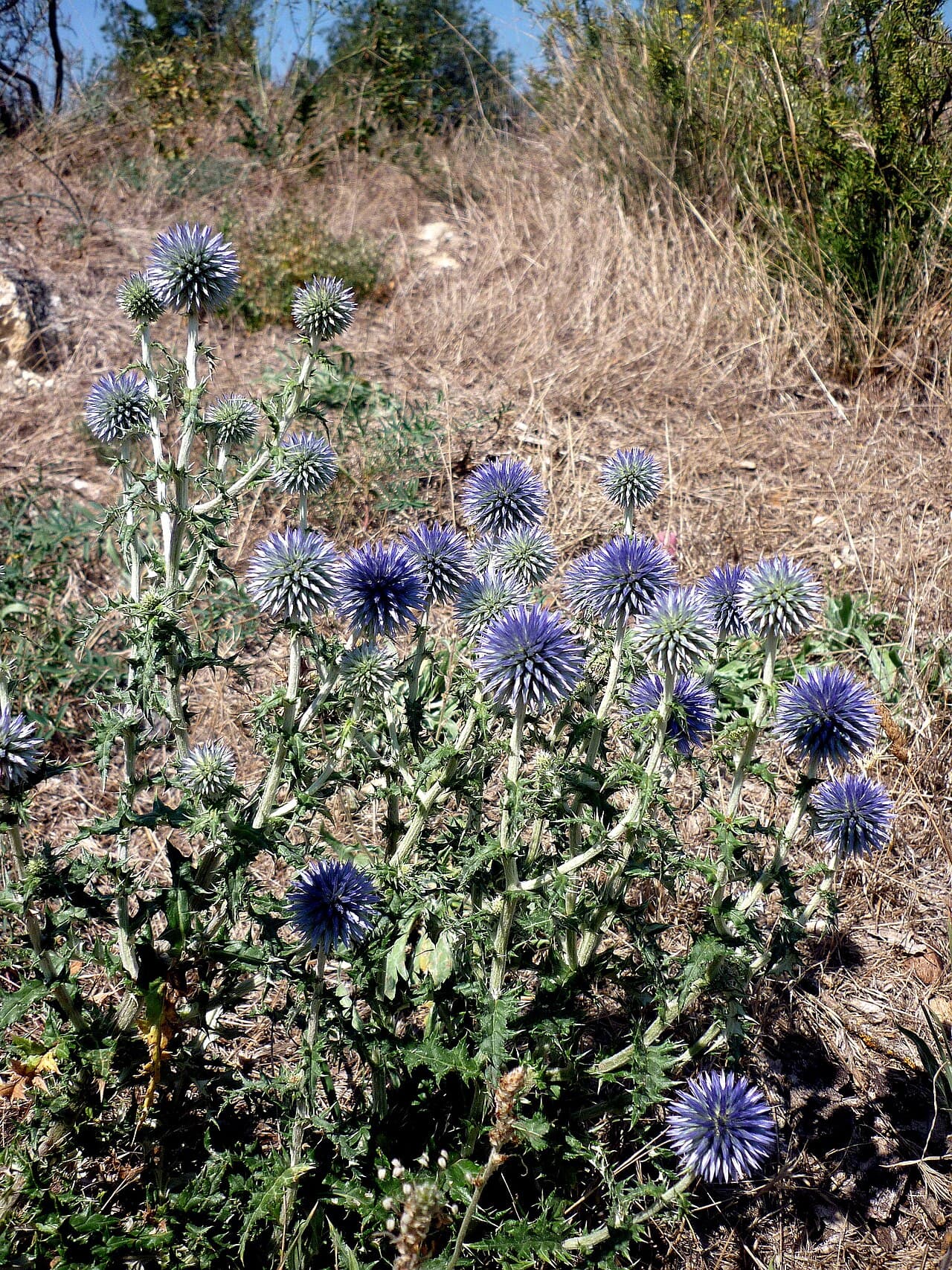
Small Globe Thistle
Rarely damagedEchinops ritro
- Type
- Perennial
- Hardiness
- Zones 3–8
- Height
- 36–48 in
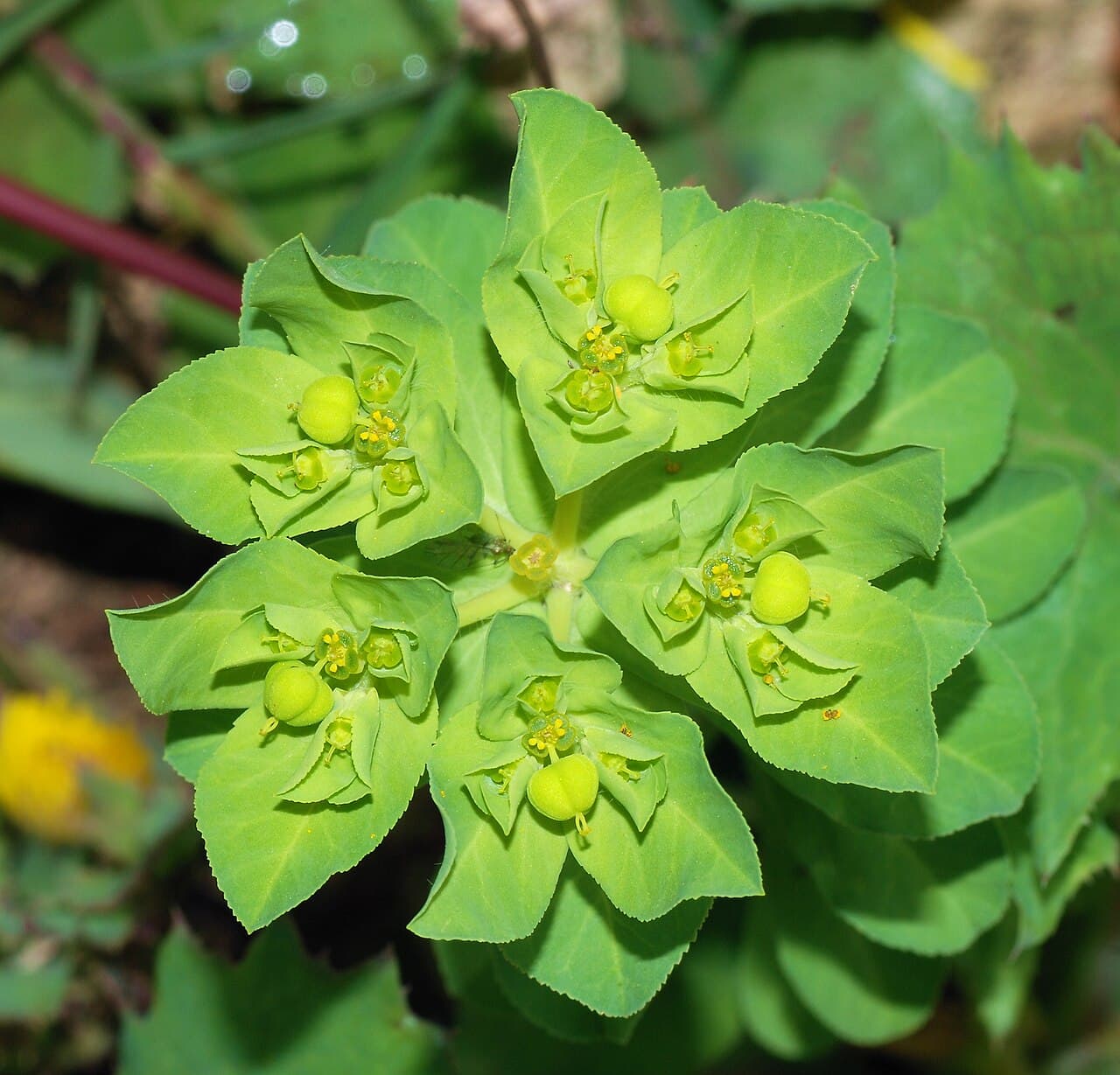
Spurge
Rarely damagedEuphorbia sp.
- Type
- Perennial
- Hardiness
- Zones 4–9, genus range
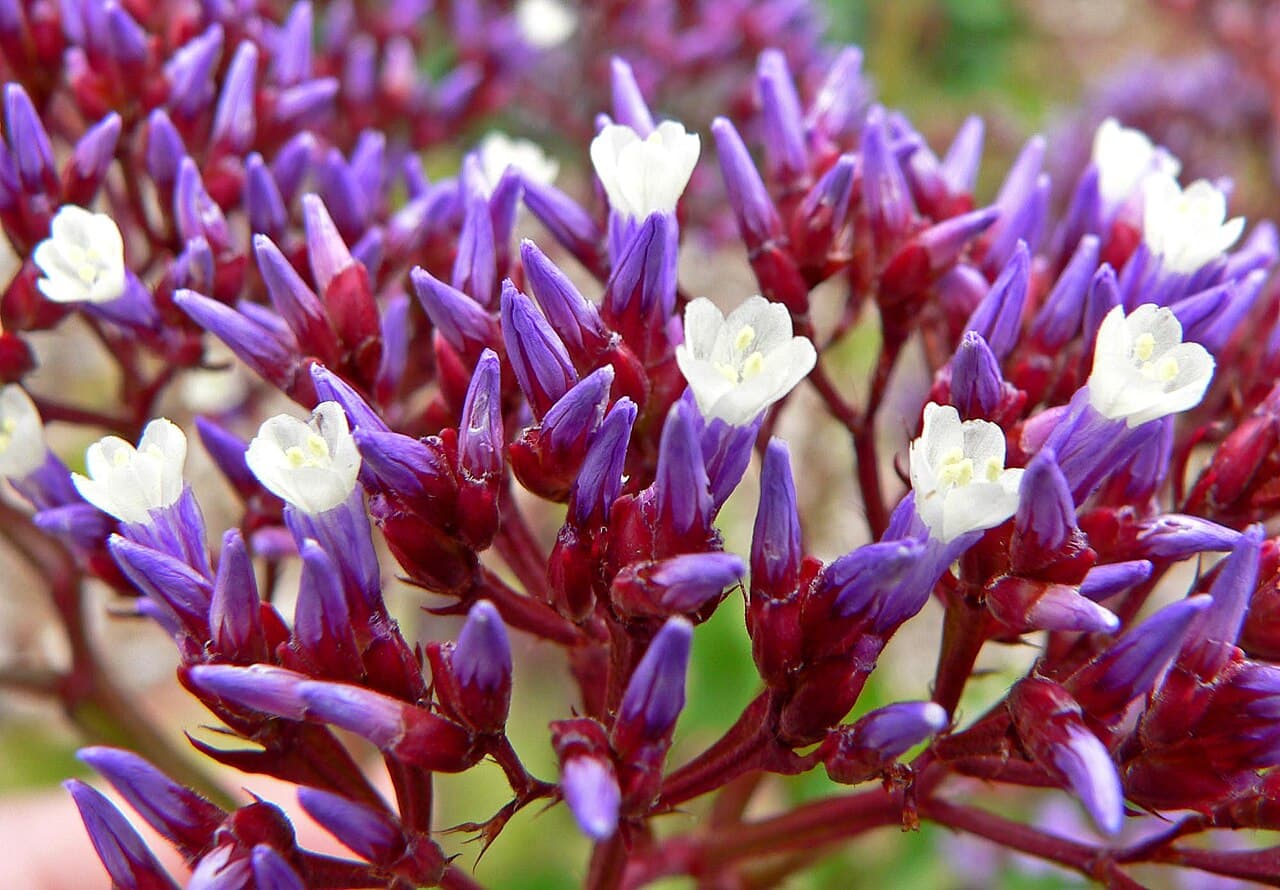
Statice
Rarely damagedLimonium latifolium
- Type
- Perennial
- Hardiness
- Zones 4–10
- Height
- 12–18 in
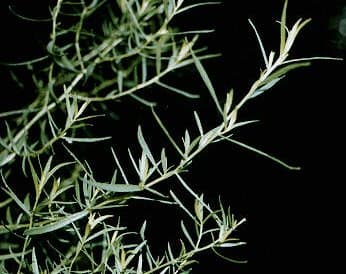
Tarragon
Rarely damagedArtemisia dracunculus
- Type
- Perennial
- Hardiness
- Zones 3–8
- Height
- 12–36 in
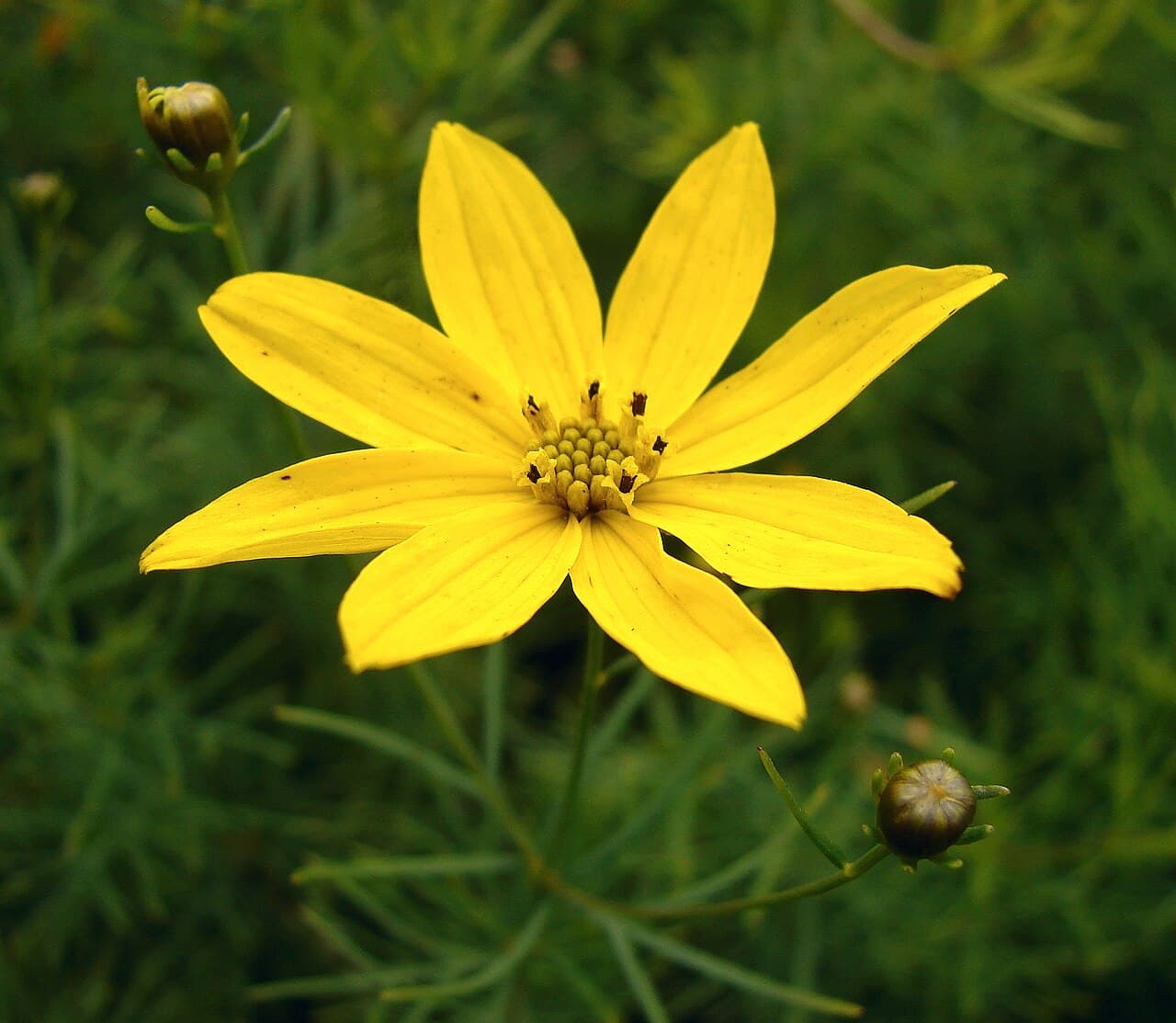
Threadleaf Coreopsis
Rarely damagedCoreopsis verticillata
- Type
- Perennial
- Hardiness
- Zones 3–9
- Height
- 30–36 in
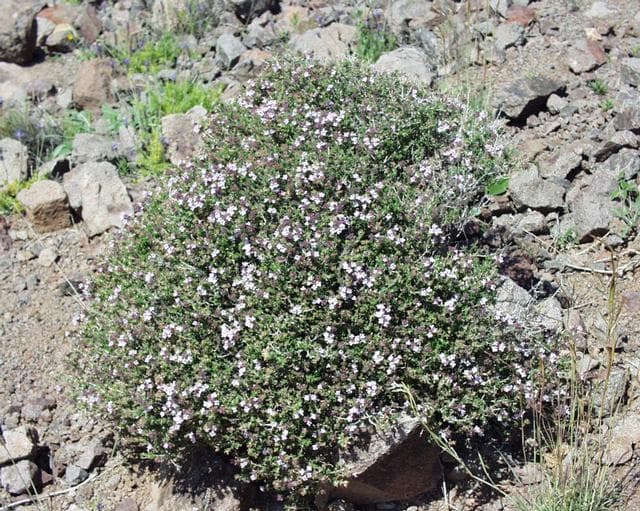
Thyme
Rarely damagedThymus sp.
- Type
- Perennial
- Hardiness
- Zones 4–9, genus range
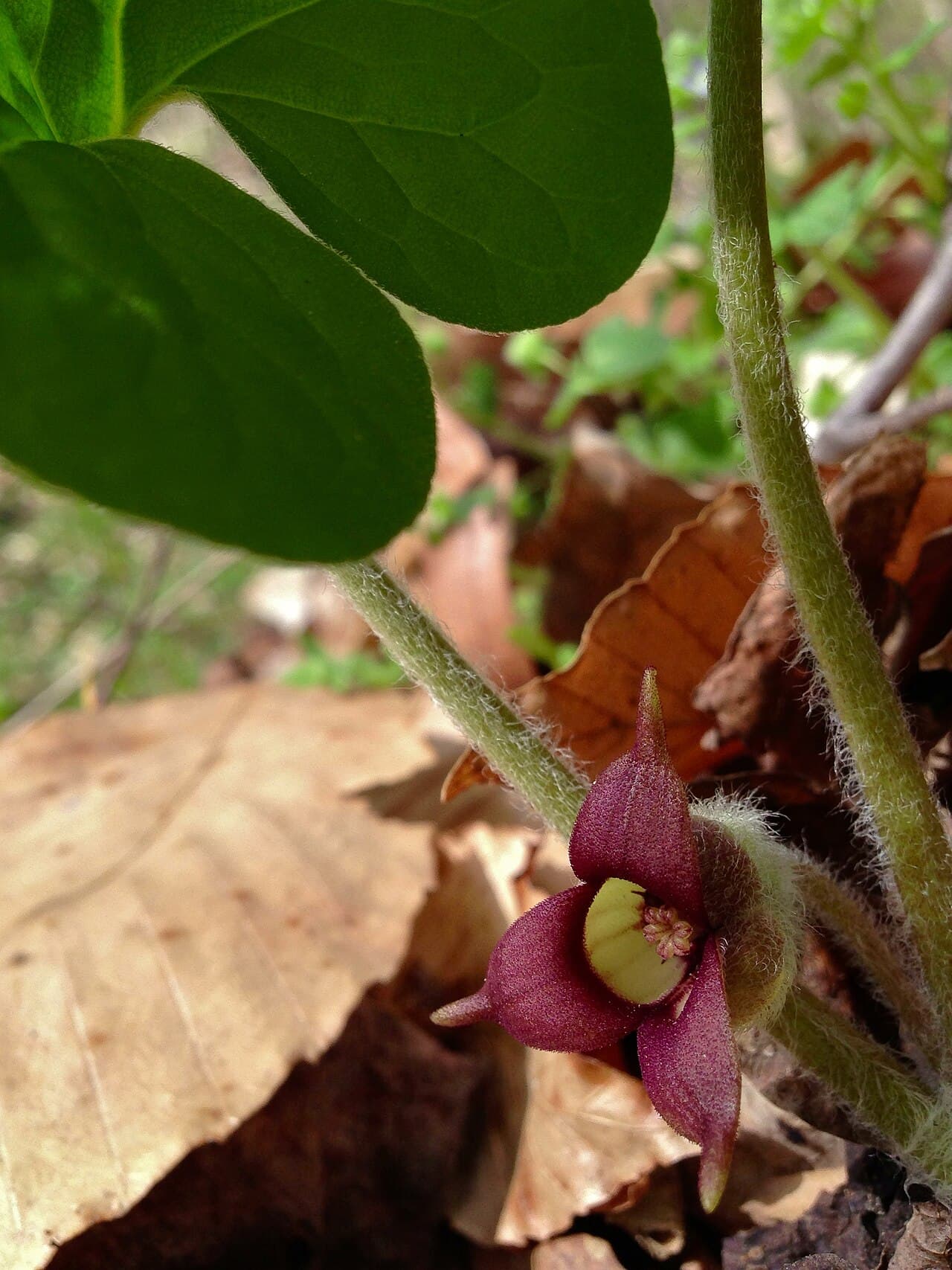
Wild Ginger
Rarely damagedAsarum canadense
- Type
- Perennial
- Hardiness
- Zones 4–6
- Height
- 6–12 in
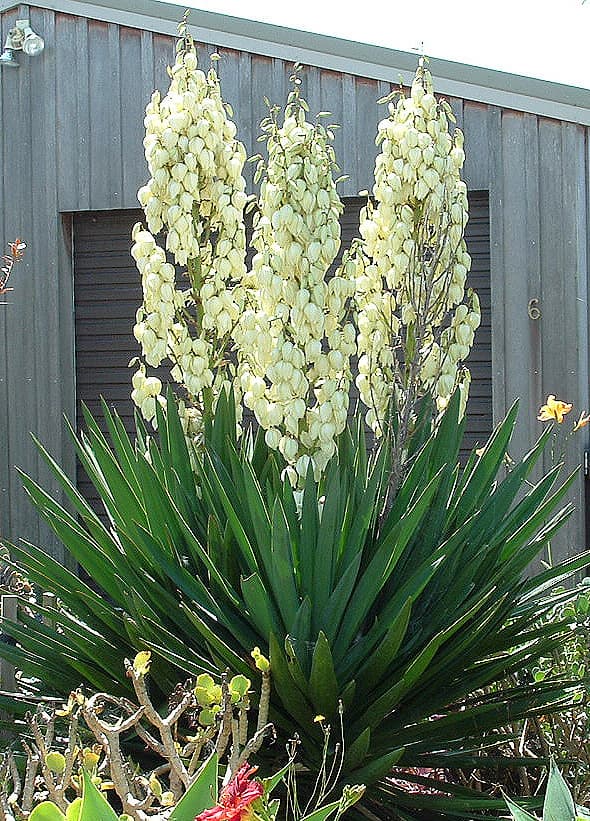
Yucca
Rarely damagedYucca filamentosa
- Type
- Perennial
- Hardiness
- Zones 4–10
- Height
- 36–96 in
Seldom Severely Damaged4
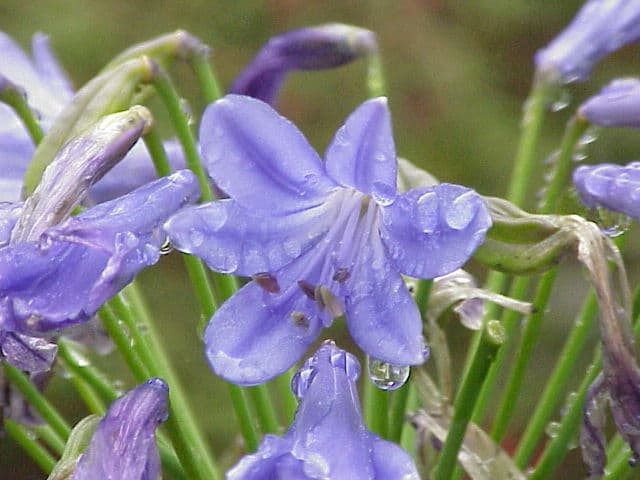
African Lily
Seldom damagedAgapanthus sp.
- Type
- Perennial
- Hardiness
- Zones 8–11, genus range
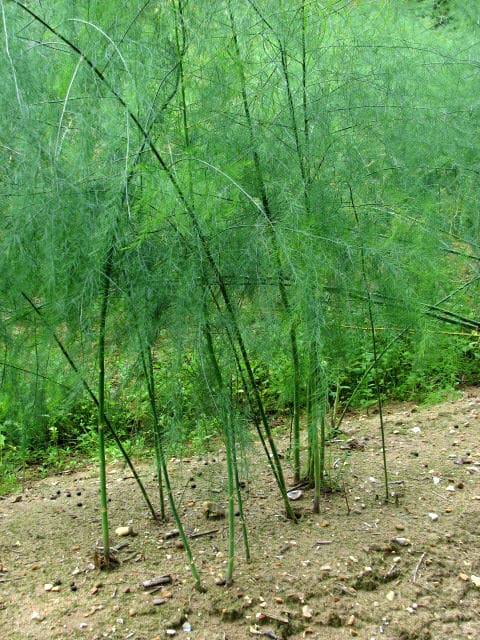
Asparagus
Seldom damagedAsparagus officinalis
- Type
- Perennial
- Hardiness
- Zones 2–9
- Height
- 36–60 in
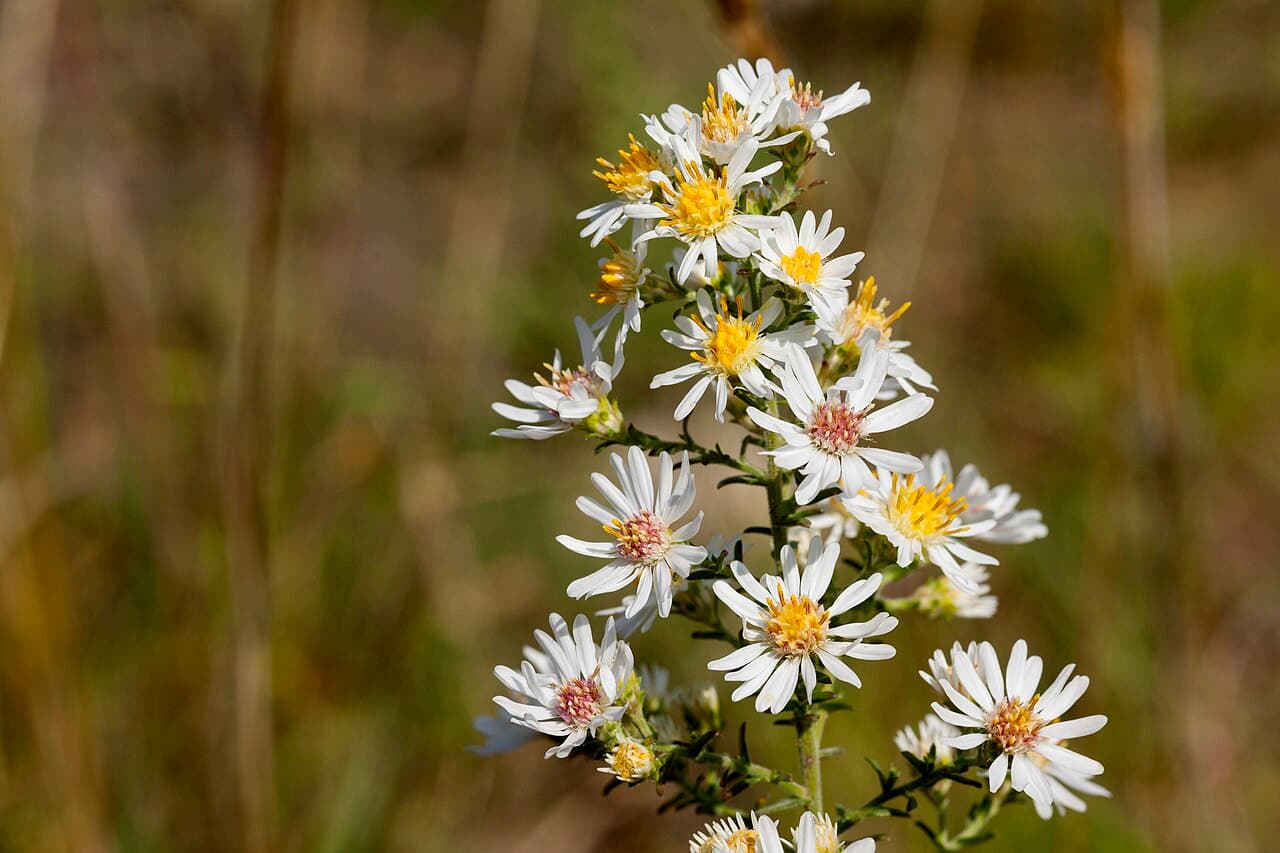
Aster
Seldom damagedAster sp.
- Type
- Perennial
- Hardiness
- Zones 3–8, genus range
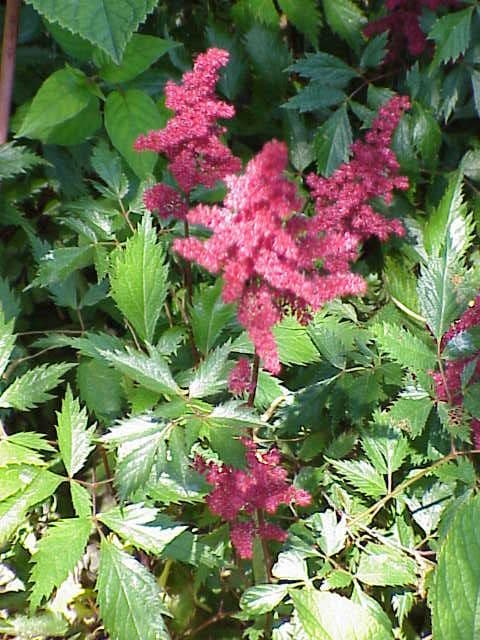
Astilbe
Seldom damagedAstilbe x arendsii
- Type
- Perennial
- Hardiness
- Zones 3–8
- Height
- 18–35 in