
Plant record · Perennial
Is Prickly Pear Cactus deer resistant?
Opuntia humifusa
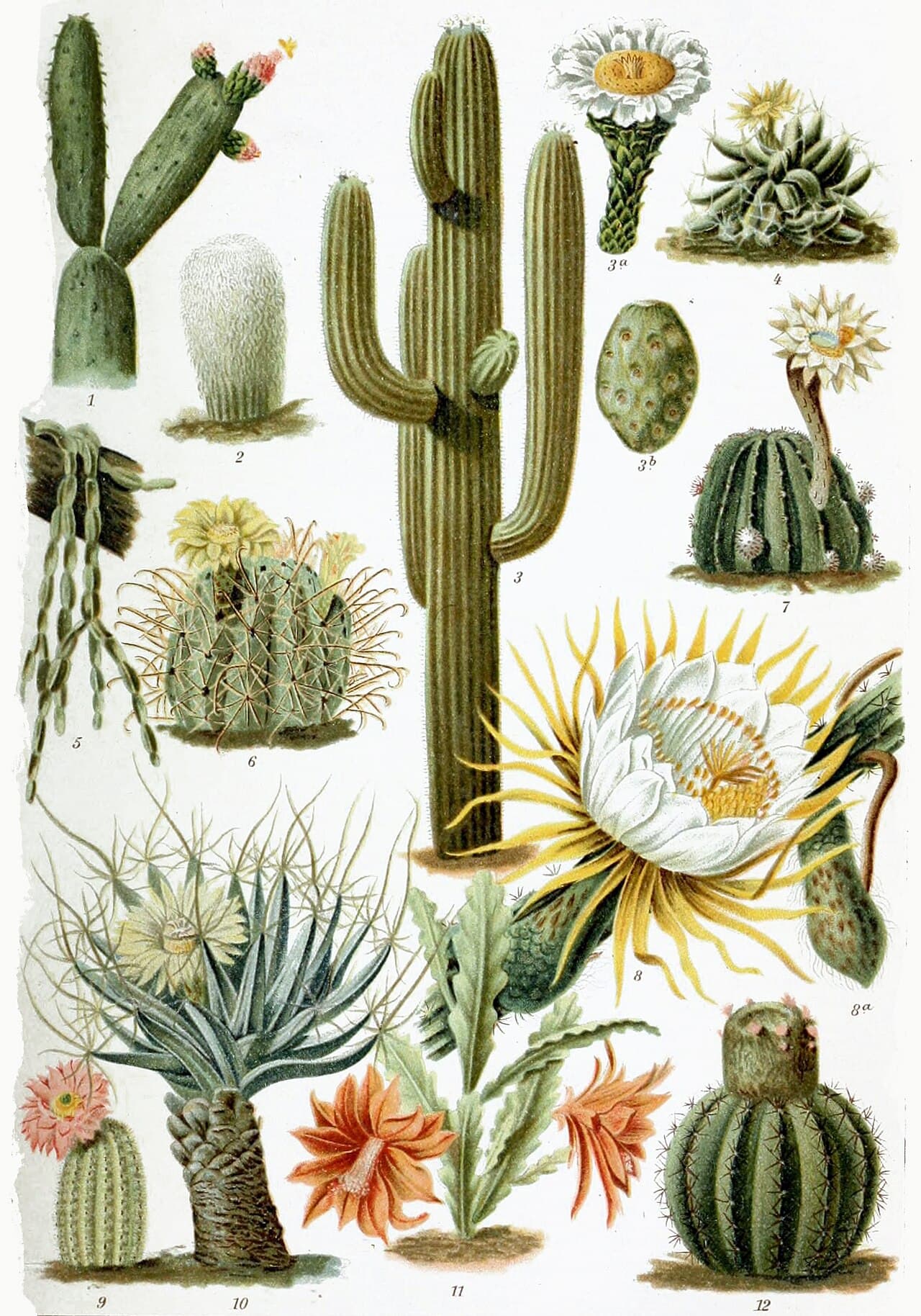
About Prickly Pear Cactus
The one cactus that genuinely works in the northeast, and it is native here: eastern prickly pear grows wild on Cape Cod, Martha's Vineyard and the sandy coastal plain. Deer leave it alone for obvious reasons, and the spines are the least of it. The real defense is the glochids, the hair-fine barbed bristles at each spine cluster, which are worse to deal with than the spines themselves. Wear leather gloves and long sleeves when planting.
Cold is not what kills it. Winter wet is. It will take minus 25 in sharp, gritty, sand-heavy soil and rot in a season in ordinary garden loam. Site it on a slope, a raised bed, or a gravel scree facing south. Do not amend with compost and do not mulch it.
Expect it to look dead from December to March. The pads dehydrate deliberately, shrivelling and flopping flat to the ground so ice cannot form in the tissue. They plump back up in spring. Every year someone digs one up in February assuming they lost it.
Note that the Rutgers rating covers cacti generally, at family level. Do not read it as applying to the tender desert species sold as houseplants: those are zone 9 and warmer and will not survive a New England winter outdoors.
Soil and care
- Soil pH
- 6 to 7.5
- Drainage
- Sharp, gritty. Will rot in wet soil
- Water
- Low
- Spacing
- 18 to 35 in apart
- Growth rate
- Slow
- Maintenance
- Low
Tolerances and uses
- Drought
- High
Similar to Prickly Pear Cactus
Other perennials with the same deer rating.
- Anise HyssopAgastache sp.Zones 4–9, genus rangeRarely damaged
- Basket of GoldAurinia saxatilisZones 3–7Rarely damaged
- Bearded IrisIris germanicaZones 3–9Rarely damaged
- Bigleaf GoldenrayLigularia dentataZones 4–8Rarely damaged
- Bleeding HeartLamprocapnos spectabilisZones 3–9Rarely damaged
- Butter and EggsLinaria vulgarisZones 3–9Rarely damaged
Where Prickly Pear Cactus grows
Hardy across every state on zone range alone, and native to 36 of them. Mountain and coastal areas sit outside the ranges used here, so check your own zone before ordering. Select any state, including one it will not grow in, for what is resistant there.
Choose a state from the listeasier on a phone
- Pennsylvania
- New Jersey
- New York
- Connecticut
- Massachusetts
- Virginia
- Maryland
- Michigan
- Wisconsin
- Ohio
- Indiana
- Illinois
- Minnesota
- Missouri
- North Carolina
- Tennessee
- Georgia
- Texas
- Colorado
- California
- Oregon
- Washington
- New Hampshire
- Vermont
- Maine
- Rhode Island
- Delaware
- West Virginia
- Kentucky
- South Carolina
- Florida
- Alabama
- Mississippi
- Louisiana
- Arkansas
- Oklahoma
- Kansas
- Nebraska
- Iowa
- North Dakota
- South Dakota
- Montana
- Wyoming
- Idaho
- Utah
- Nevada
- Arizona
- New Mexico
- Alaska
- District of Columbia
- Hawaii
Common questions about Prickly Pear Cactus
- Is Prickly Pear Cactus deer resistant?
- Prickly Pear Cactus (Opuntia humifusa) is rated Rarely Damaged, step 1 of 4 on the damage scale this site uses. Deer almost always leave this alone.
- What hardiness zones does Prickly Pear Cactus grow in?
- Prickly Pear Cactus is hardy in USDA zones 4 to 9. Outside that range it will either not survive winter or will struggle with summer heat.
- Does Prickly Pear Cactus grow in shade?
- No. Prickly Pear Cactus wants full sun and will grow thin and flop in shade.
- How big does Prickly Pear Cactus get?
- Mature height is roughly 6–12 in. Growth rate is slow.
Browse from here
Every list Prickly Pear Cactus belongs to.
All perennials·Rarely damaged·Full sun plants