
Deer-resistant plants for shade
Shade and deer together are the hardest problem in gardening. Most of the reliably deer-proof plants (lavender, catmint, Russian sage) are sun-lovers, and the classic shade plants are the ones deer happen to like best. Everything here tolerates four hours of sun or fewer and is rated Rarely or Seldom damaged.
204 plants · page 1 of 4
Why shade and deer arrive together
The plants that made deer resistance famous are sun plants. Lavender, catmint, Russian sage, yarrow, salvia: aromatic, gray-leaved, and dead in a year under a maple. The plants that made shade gardening famous are hostas, azaleas, rhododendrons and impatiens, and on the Rutgers scale those sit in the bottom two tiers. So a shaded bed in deer country starts with the classic answers to one problem being the classic causes of the other.
The encyclopedia holds 597 plants rated on Rutgers NJAES E271, the four-tier scale collected from landscape observations in northern New Jersey. Filter it to plants that tolerate four hours of sun or fewer and 204 of them sit in the top two tiers, Rarely Damaged or Seldom Severely Damaged. That is the list on this page. It is not short.
What those 204 have in common is texture and chemistry rather than family. The University of New Hampshire's Yard and Garden Infoline, answering exactly this question on May 14, 2019, put it plant by plant: "The leathery, glossy leaves of European wild ginger and the fuzzy leaves of wild ginger keep deer away," bergenia's "leathery, glossy, dark green leaves deter deer," and "Ferns are almost always safe from deer browse regardless of species." Leathery, hairy, or poisonous. Hellebores are all three.
The same post opens with the line every extension service uses: "No plant is entirely deer-proof." Rutgers' tiers are a record of how often a plant was damaged, not a guarantee, and a deer in February with nothing else to eat has been recorded testing plants it walked past all summer.
What actually grows in the dark, by tier
Rarely Damaged, 79 plants. Twenty perennials, and the ones that carry a shade garden are among them: hellebore, evergreen and flowering in March; bleeding heart and its fringed cousin; lungwort; Siberian bugloss; European ginger and wild ginger; corydalis; Jack-in-the-pulpit and mayapple for a woodland floor; the two big-leaved ligularias, bigleaf goldenray and rocket ligularia, where the soil stays wet. New Hampshire on ligularia: "Deer typically ignore this perennial." On barrenwort, which is a groundcover here: "one of the most deer tolerant plants for shady gardens."
Ten ferns, all Rarely Damaged. Christmas fern is evergreen to zone 3; Japanese painted fern is the silver one; ostrich fern will colonize a damp corner and keep going. Nine groundcovers: barrenwort, pachysandra, Allegheny spurge, sweet woodruff, bugleweed, spotted deadnettle, lily of the valley. Eight grasses and sedges led by Japanese forest grass. Six bulbs: daffodil, snowdrops, Siberian squill, winter aconite, bluebell, autumn crocus, every one of them poisonous, which is the reason they are on this list.
Seldom Severely Damaged, 125 plants. Deer will browse these and rarely ruin them, and a shrub in this band can lose its lowest branches to a browse line and stand for twenty more years. Astilbe, coral bells, foam flower, heartleaf bergenia, lady's mantle, Solomon's seal is one tier lower, Virginia bluebells, columbine, Japanese anemone, toad lily, trillium for the patient. Forty-six shrubs and sixteen trees in this band, covered below.
The other 66. Fifty-eight shade plants are rated Occasionally Severely Damaged and eight Frequently. They are in the encyclopedia and not on this page, and the second group is the one to know by name before buying.
Deer-resistant shade shrubs
Eighteen shrubs are Rarely Damaged and tolerate low light. The evergreens do the structural work: boxwood, zones 5 to 8; Japanese pieris, 4 to 8, and its smaller native relative mountain pieris; drooping leucothoe; sweet box, which flowers in February and smells of it; Japanese plum yew, the yew-shaped plant deer leave alone, zones 6 to 9; leatherleaf mahonia and Oregon grape holly, both spined; Japanese skimmia in zones 7 and 8. Among the deciduous: daphne, arrowwood viburnum, fragrant sumac, red elderberry.
The Seldom Severely Damaged shrubs add inkberry, evergreen and hardy to zone 4; cherry laurel; fothergilla; spicebush; Virginia sweetspire; sweet pepperbush; winterberry holly; common witchhazel; Japanese kerria; the Koreanspice, Judd and leatherleaf viburnums.
Two substitutions cover most of what people are trying to replace. For the evergreen mass of an azalea or a rhododendron: pieris, leucothoe, plum yew, inkberry, mahonia. For the flowering shrub under trees: fothergilla, sweetspire, pepperbush, kerria, witchhazel. Neither list contains a plant that was ever rated Frequently Damaged.
Shade perennials for zone 7, and the other zones
Zone 7 is the easy case, because almost everything on this page is hardy there. Of the twenty Rarely Damaged shade perennials, seventeen carry a range that includes zone 7: hellebore (4 to 9), bleeding heart (3 to 9), lungwort (3 to 8), European ginger (4 to 8), Siberian bugloss (3 to 8), corydalis (5 to 8), Jack-in-the-pulpit (4 to 9), mayapple (3 to 8), meadow rue (3 to 8), Rodgers flower (5 to 8), fringed bleeding heart (3 to 9). Every one of the ten ferns. Barrenwort, pachysandra, Allegheny spurge and sweet woodruff among the groundcovers. Japanese forest grass and Japanese sedge, 5 to 9.
The hard end is zone 3 and 4, where the evergreen shrubs thin out: boxwood and plum yew stop at 5 and 6, and what is left for winter structure is Christmas fern, mountain pieris, drooping leucothoe to zone 4, and inkberry. Zones 9 and 10 lose the cold-dependent bulbs and hellebores start to sulk, and holly fern, dwarf mondo grass and lilyturf take over. Each zone page holds the full cut: zone 3 through zone 9.
The ranges here are the ones in the encyclopedia, which were assembled from extension hardiness listings rather than trialed. Twenty plants in the database carry no zone range at all and are not on this page for that reason.
Deer-resistant flowers for shade
The complaint about a shade bed built from the top tier is that it is green, and the tiers do not care about that. What flowers, by season, on the encyclopedia's bloom data and NC State's:
Late winter and spring carry most of it. Hellebore from February, snowdrops and winter aconite with it, then Siberian squill, lungwort, Siberian bugloss, bleeding heart, Virginia bluebells, foam flower, Jack-in-the-pulpit and mayapple, Rarely or Seldom Damaged and done by June. Foxglove, a biennial, bridges spring into summer; coral bells is recorded spring and summer, and columbine "mid-spring into summer" on NC State's timing.
Summer into fall is the thin end, and the plants that carry it are few enough to name. Toad lily and cardinal flower are both recorded summer through fall, Japanese anemone the same on NC State's entry, which also lists deer among what it resists; rocket ligularia and bigleaf goldenray where the ground stays wet; monkshood, recorded for summer, and astilbe, spring through fall on NC State's entry for the Arendsii hybrids. Among annuals, ageratum and heliotrope are Rarely Damaged, recorded summer to fall, and take four hours of sun or less; the impatiens question, below, covers the rest of the shade annuals.
Every plant named here is in the grid with its tier, and the flowers page holds the sun side of the same list.
Do deer eat impatiens or begonias?
Both. Rutgers rates impatiens and wax begonia Occasionally Severely Damaged, the third tier of four, and they sit there with coleus, annual geranium and pansy. In a suburb with light pressure a bed of impatiens may go all summer untouched. On a lot backing woodland the same bed is eaten to stems in a night, and it is the tender, watery growth of a shade annual that makes it attractive.
The shade annuals that rate Rarely Damaged are a short list: ageratum, flowering tobacco, heliotrope, wood forget-me-not. Lobelia and shiso are Seldom Severely Damaged. Where a bed of impatiens is the point, the answer is the same as for hostas: fence it, or spray it on a schedule and expect to lose some.
Will human hair keep deer away?
Hair is a scent sachet, and the largest trial of repellents on record is not kind to sachets. The USDA National Wildlife Research Center tested twenty commercial repellents on captive black-tailed deer over an eighteen-week winter, and scent sachets reduced browsing only when they hung close enough to the terminal buds that material could drip onto the foliage; on stakes at half the plant's height they failed. Across that trial, repellents applied to the plant beat repellents distributed through the air around it.
Colorado State Extension, in fact sheet 6.520, files hair bags with soap bars as home remedies that need replacing monthly and warns that "materials that work in one area or for one person may not work at all in an area more highly frequented by deer." The same sheet rates a spray of 20 percent whole egg and 80 percent water High, the top band, reapplied in about thirty days. So the hair may do something for a few feet for a few weeks. The egg spray is the same effort and it is the one that scored. The recipe and the soap verdict are on their own pages.
The plants to keep out of a shaded bed
Eight shade-tolerant plants are rated Frequently Severely Damaged: hosta, Japanese yew, American arborvitae, evergreen azalea, pinxterbloom azalea, rhododendron, Endres cranesbill, and ladino clover, which is a food plot crop and belongs to the other half of this site. Four of those eight are the plants a nursery sells for shade.
One tier up, Occasionally Severely Damaged and still a real risk under pressure: bigleaf hydrangea and the oakleaf, panicle and smooth hydrangeas; mountain laurel; Japanese holly; winged euonymus; the deciduous and Carolina, Catawba and rosebay rhododendrons; Solomon's seal; bellflower; English ivy and Virginia creeper.
Hostas get their own entry and their own callout on this page because they are the plant this question is usually about. Rutgers rates them Frequently Severely Damaged. A Delaware extension volunteer's version is blunter and has held up: in a deer-infested area they will be eaten to the ground without protection.
What nobody here has measured
Whether shade itself changes how a deer browses. Every rating on this page was collected by watching plants in New Jersey landscapes, and none of the sources consulted separates the light a plant grew in from the plant. A hellebore under an oak and a hellebore in the open carry the same tier because nobody scored them apart. The fern that is "almost always safe" in New Hampshire's experience may be safe because of its texture, or because deer in a wood have other things to eat, and the extension literature read for this page does not say which.
Rarely Damaged60
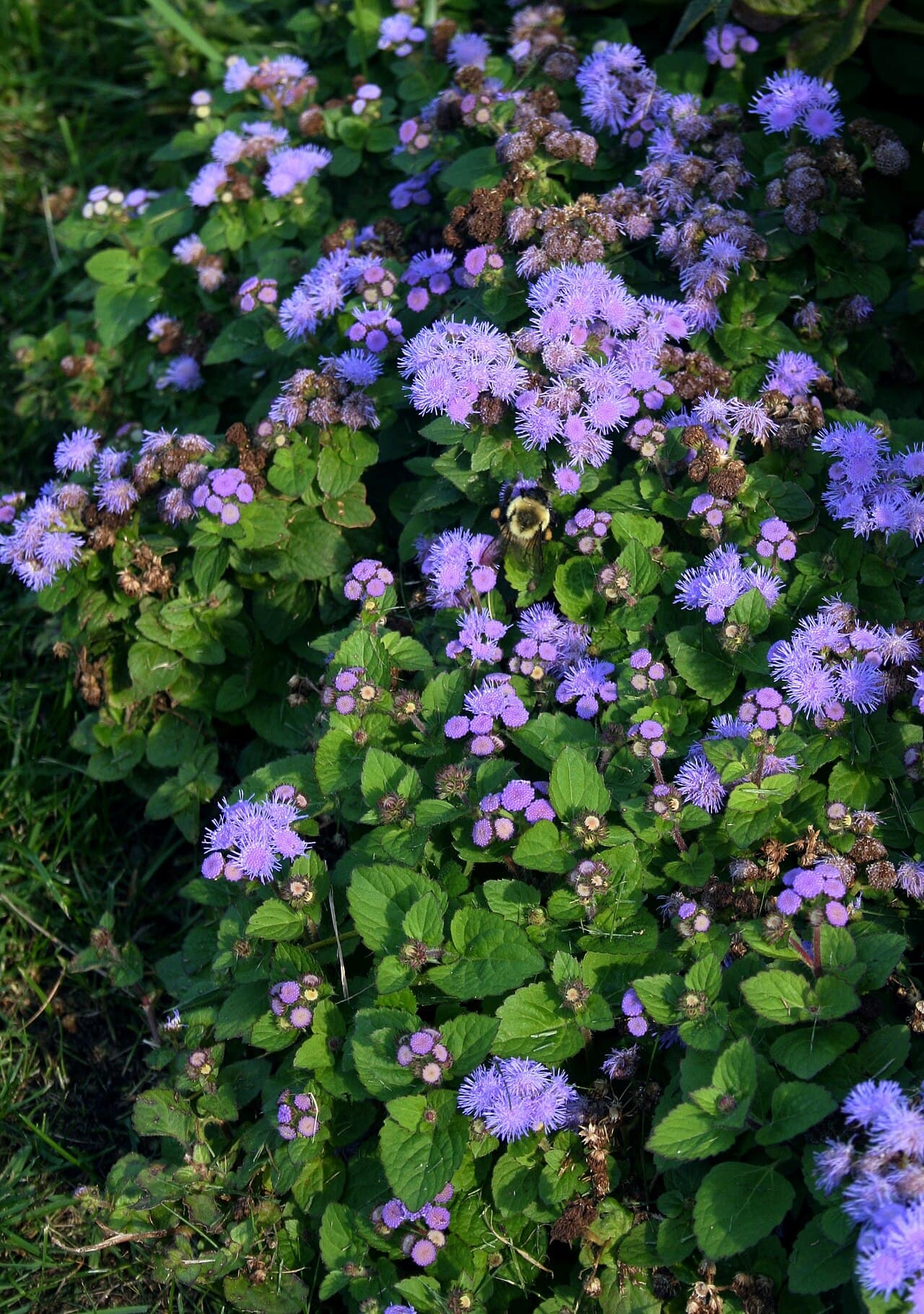
Ageratum
Rarely damagedAgeratum houstonianum
- Type
- Annual
- Hardiness
- Grown as an annual, any zone
- Height
- 6–12 in
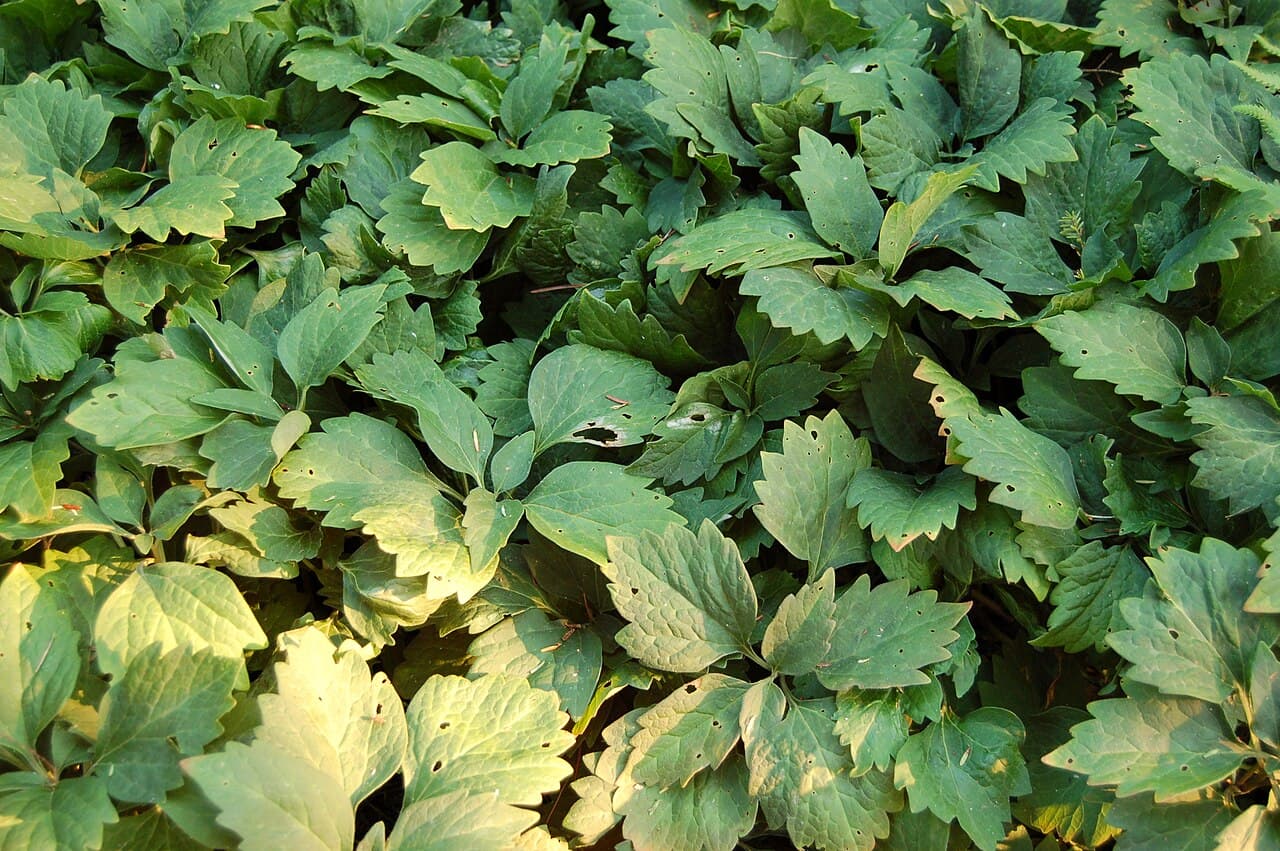
Allegheny Spurge
Rarely damagedPachysandra procumbens
- Type
- Groundcover
- Hardiness
- Zones 5–9
- Height
- 6–12 in
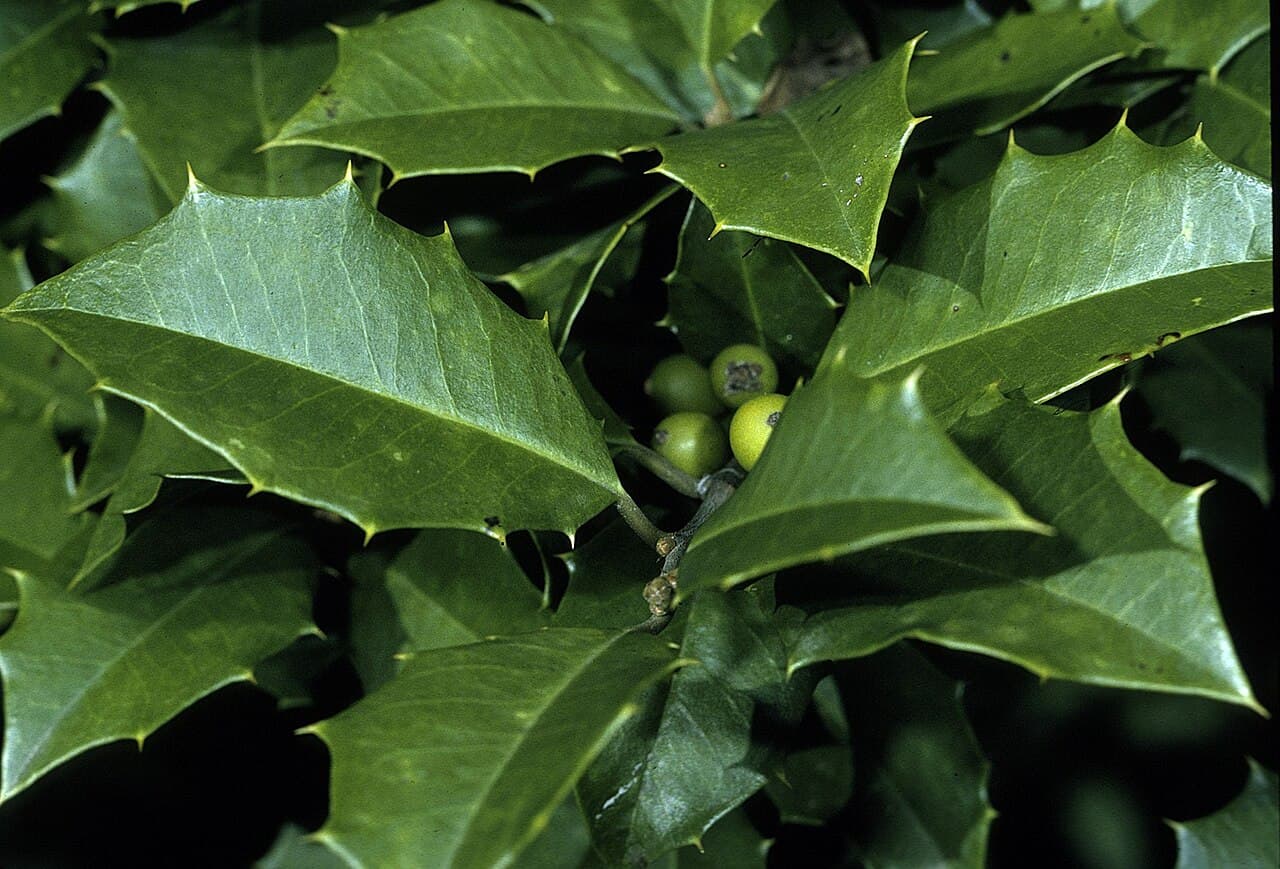
American Holly
Rarely damagedIlex opaca
- Type
- Tree
- Hardiness
- Zones 5–9
- Height
- 480–720 in
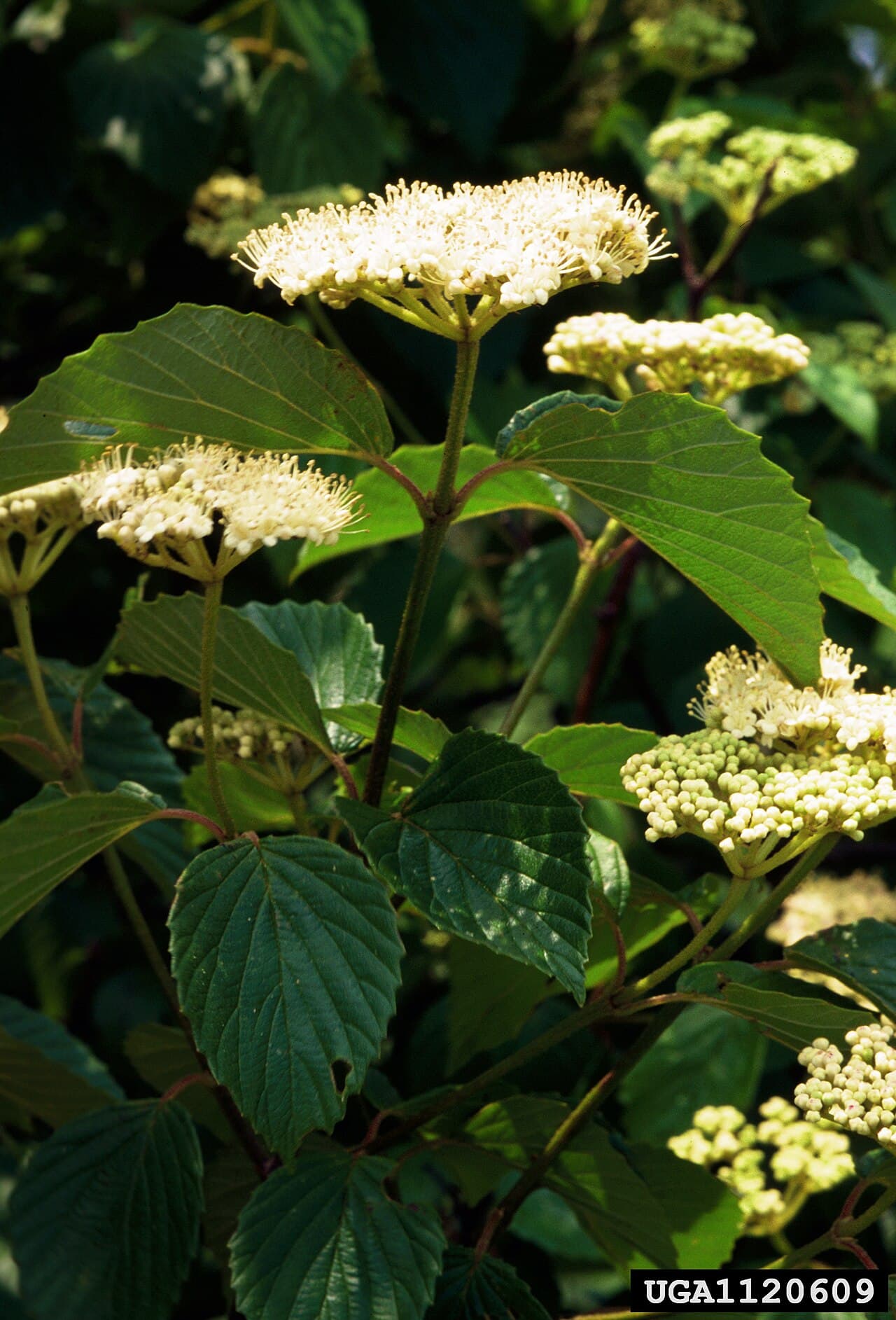
Arrowwood Viburnum
Rarely damagedViburnum dentatum
- Type
- Shrub
- Hardiness
- Zones 2–8
- Height
- 60–120 in
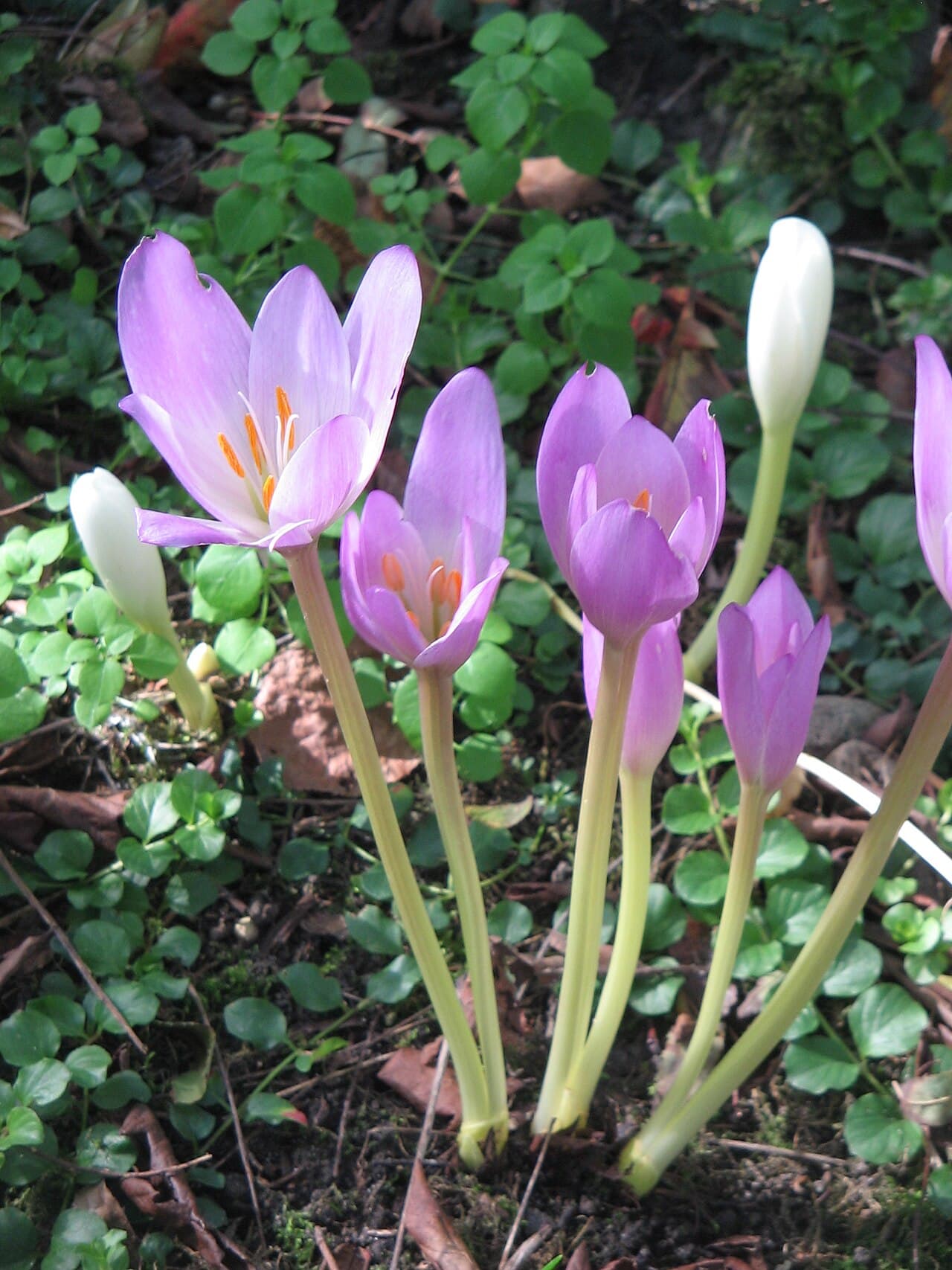
Autumn Crocus
Rarely damagedColchicum sp.
- Type
- Bulb
- Hardiness
- Zones 4–8, genus range
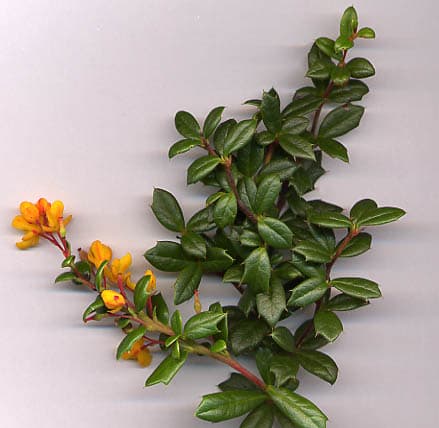
Barberry
Rarely damagedBerberis sp.
- Type
- Shrub
- Hardiness
- Zones 4–8, genus range
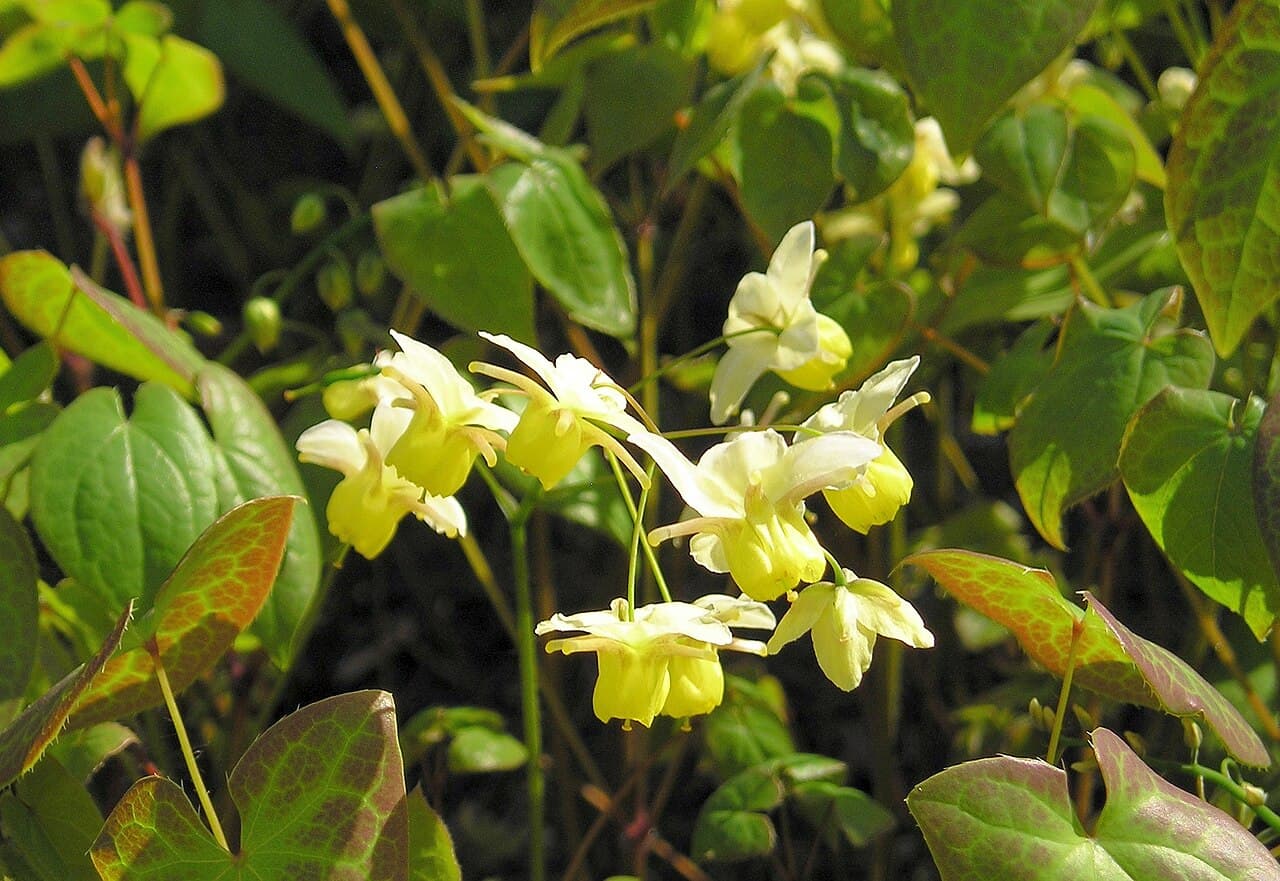
Barrenwort
Rarely damagedEpimedium sp.
- Type
- Groundcover
- Hardiness
- Zones 4–8, genus range
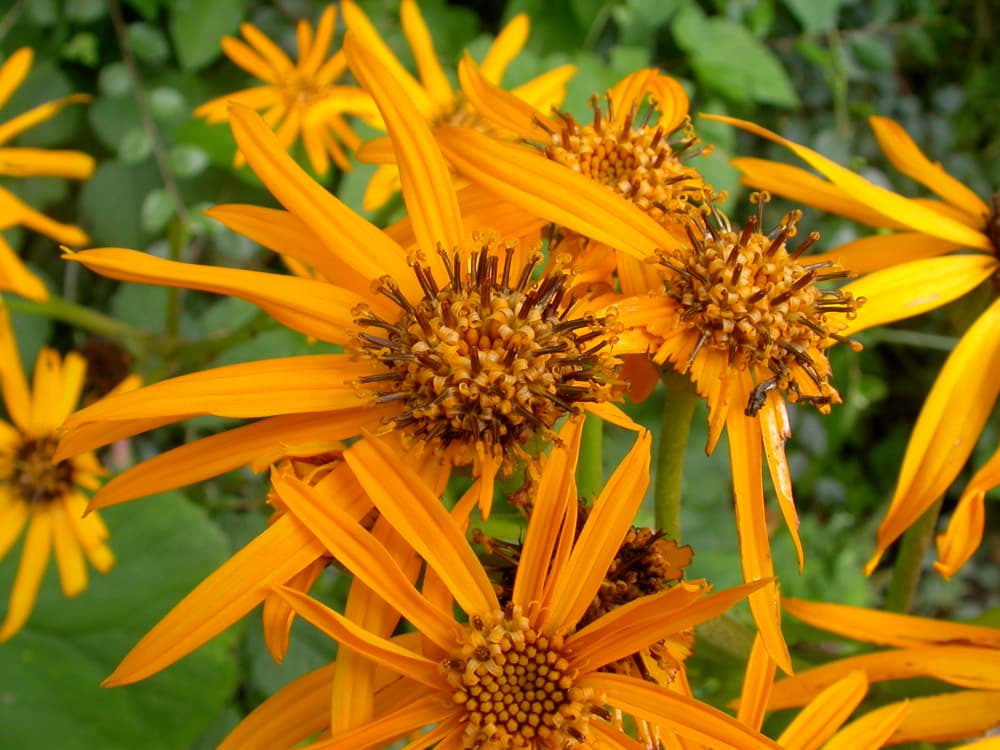
Bigleaf Goldenray
Rarely damagedLigularia dentata
- Type
- Perennial
- Hardiness
- Zones 4–8
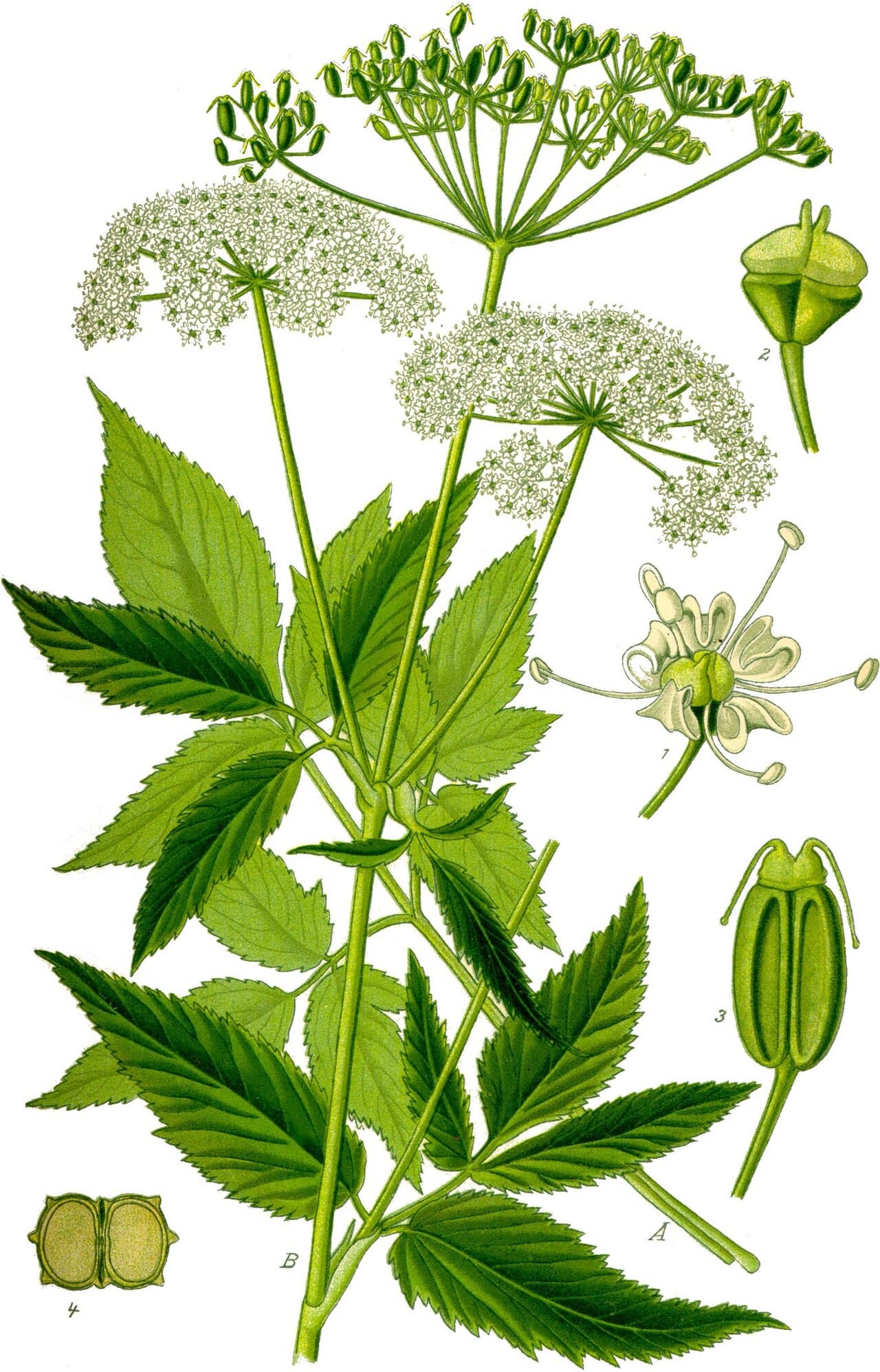
Bishop's Weed
Rarely damagedAegopodium podagraria
- Type
- Groundcover
- Hardiness
- Zones 3–10
- Height
- 6–36 in
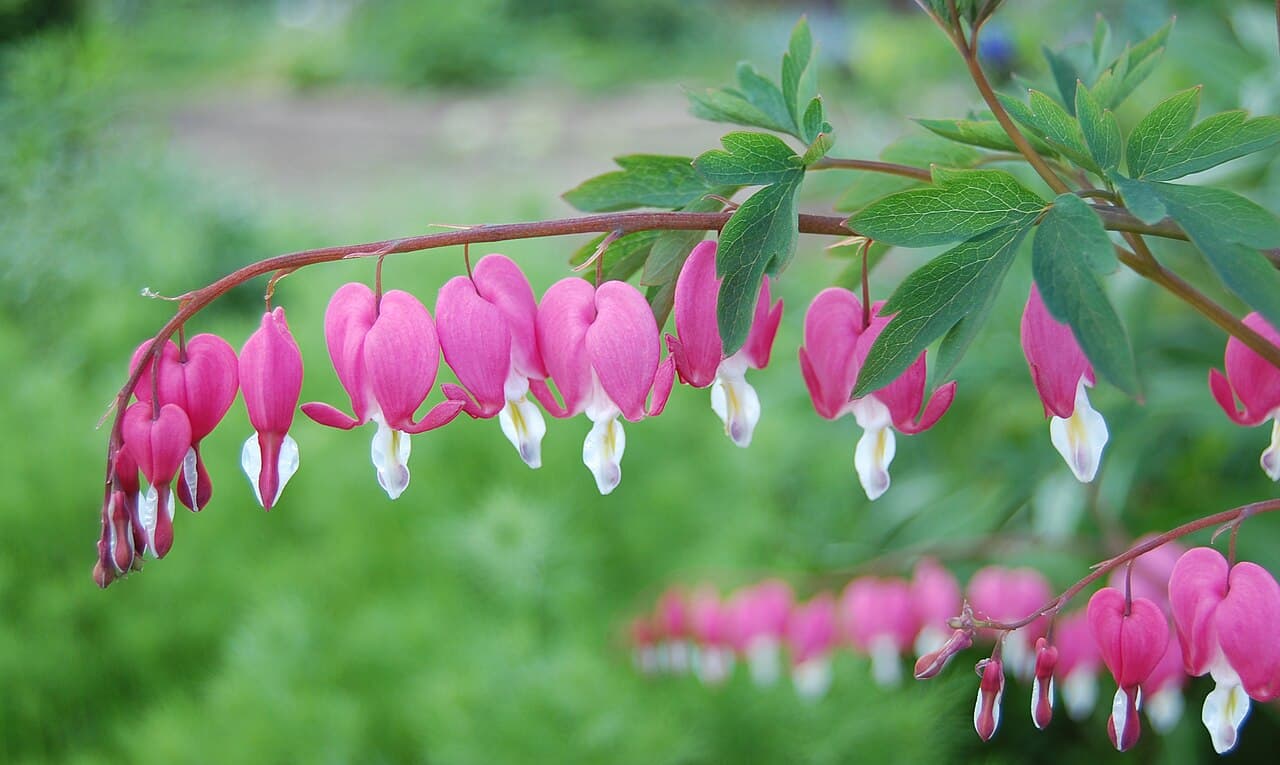
Bleeding Heart
Rarely damagedLamprocapnos spectabilis
- Type
- Perennial
- Hardiness
- Zones 3–9
- Height
- 24–36 in
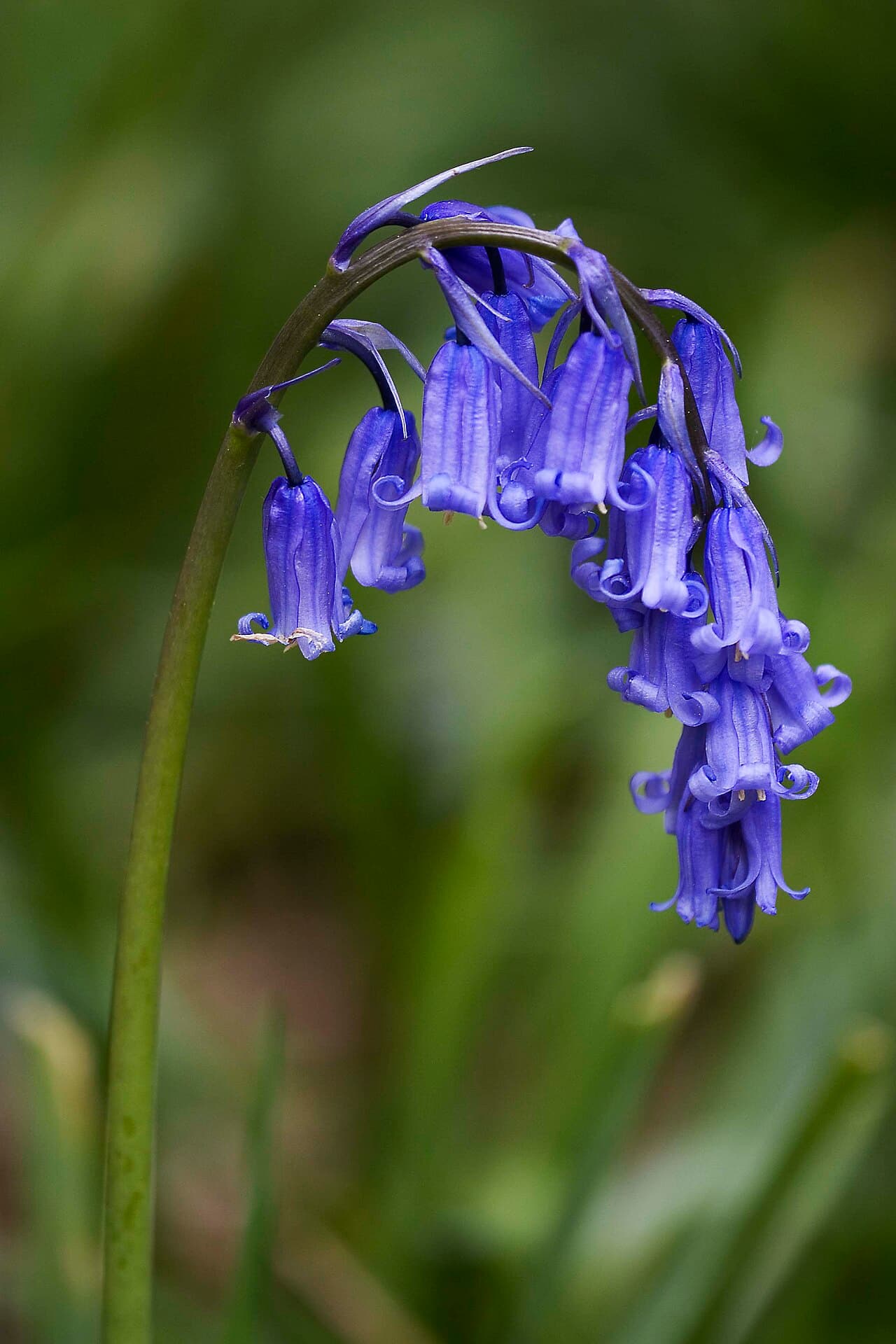
Bluebell
Rarely damagedEndymion sp.
- Type
- Bulb
- Hardiness
- Zones 4–8, genus range
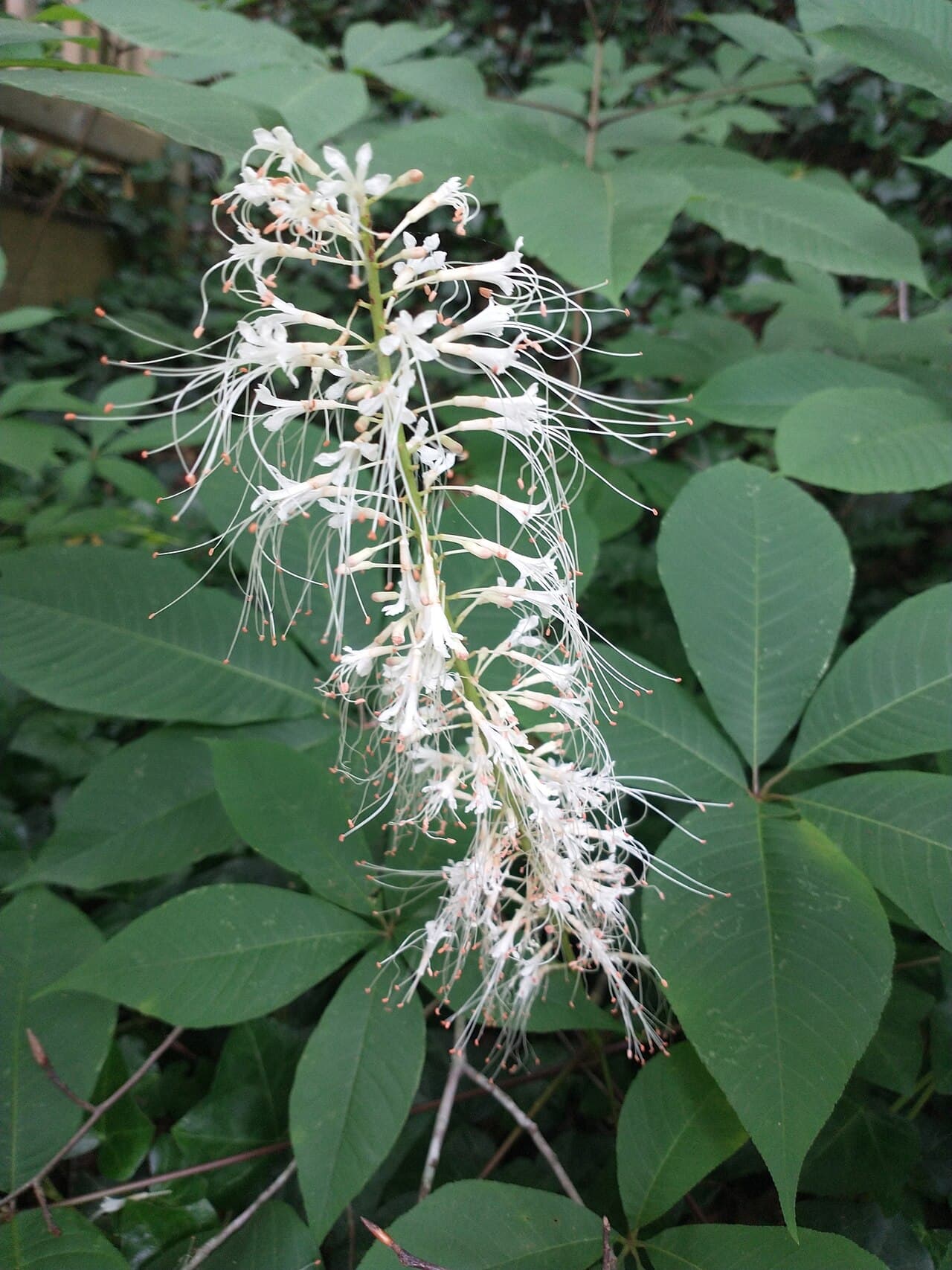
Bottlebrush Buckeye
Rarely damagedAesculus parviflora
- Type
- Tree
- Hardiness
- Zones 5–9
- Height
- 96–144 in
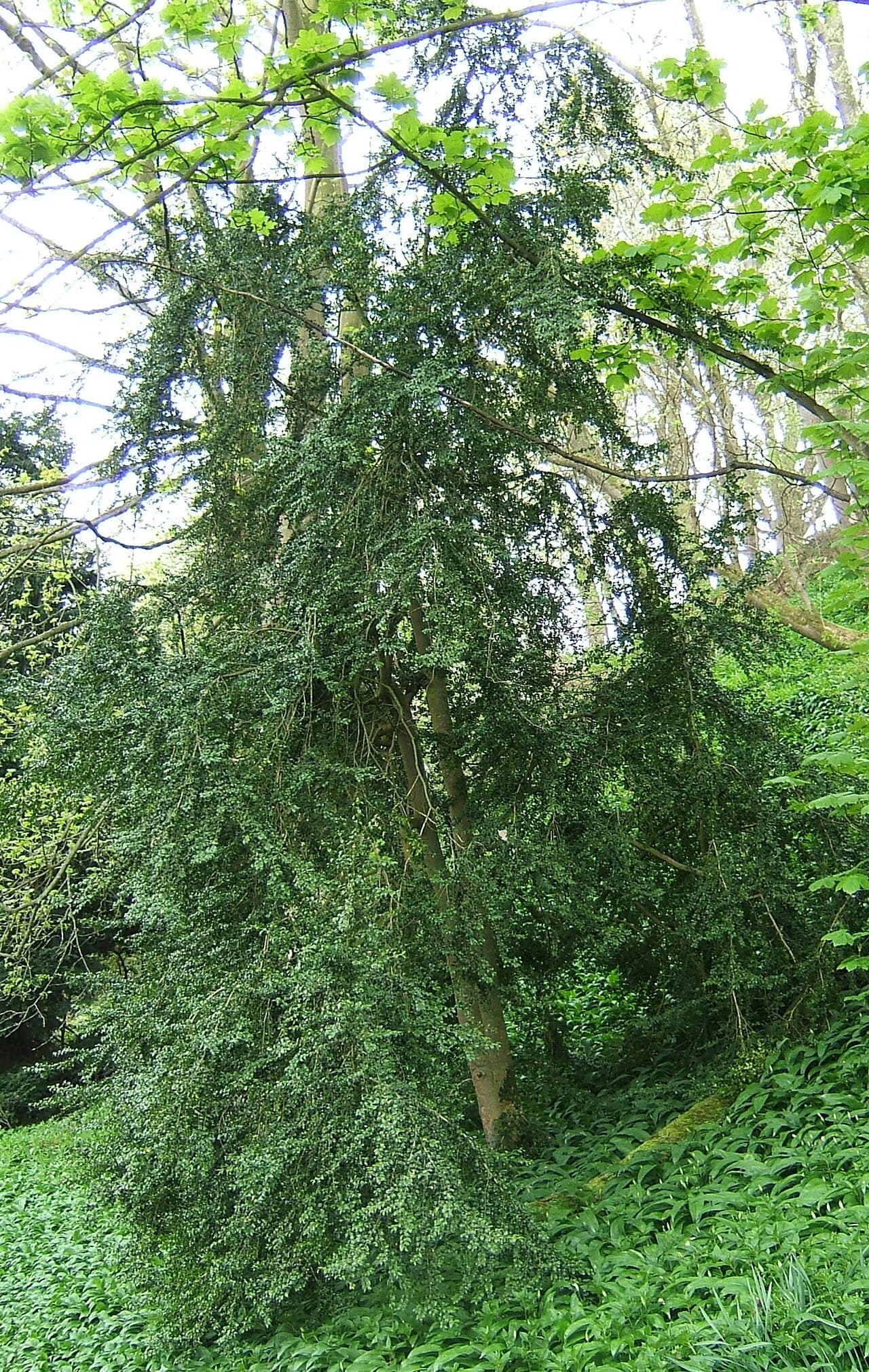
Boxwood
Rarely damagedBuxus sempervirens
- Type
- Shrub
- Hardiness
- Zones 5–8
- Height
- 60–240 in
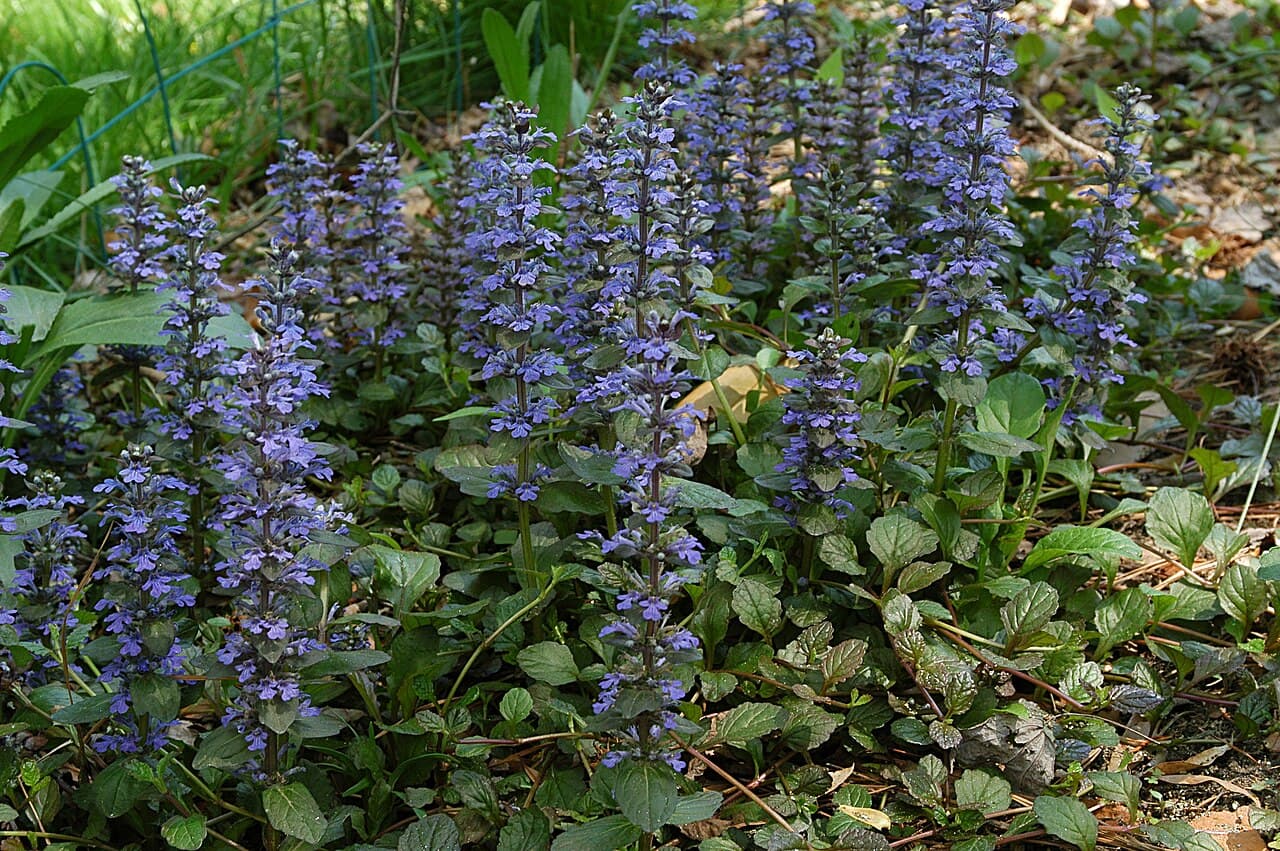
Bugleweed
Rarely damagedAjuga reptans
- Type
- Groundcover
- Hardiness
- Zones 3–10
- Height
- 6–12 in
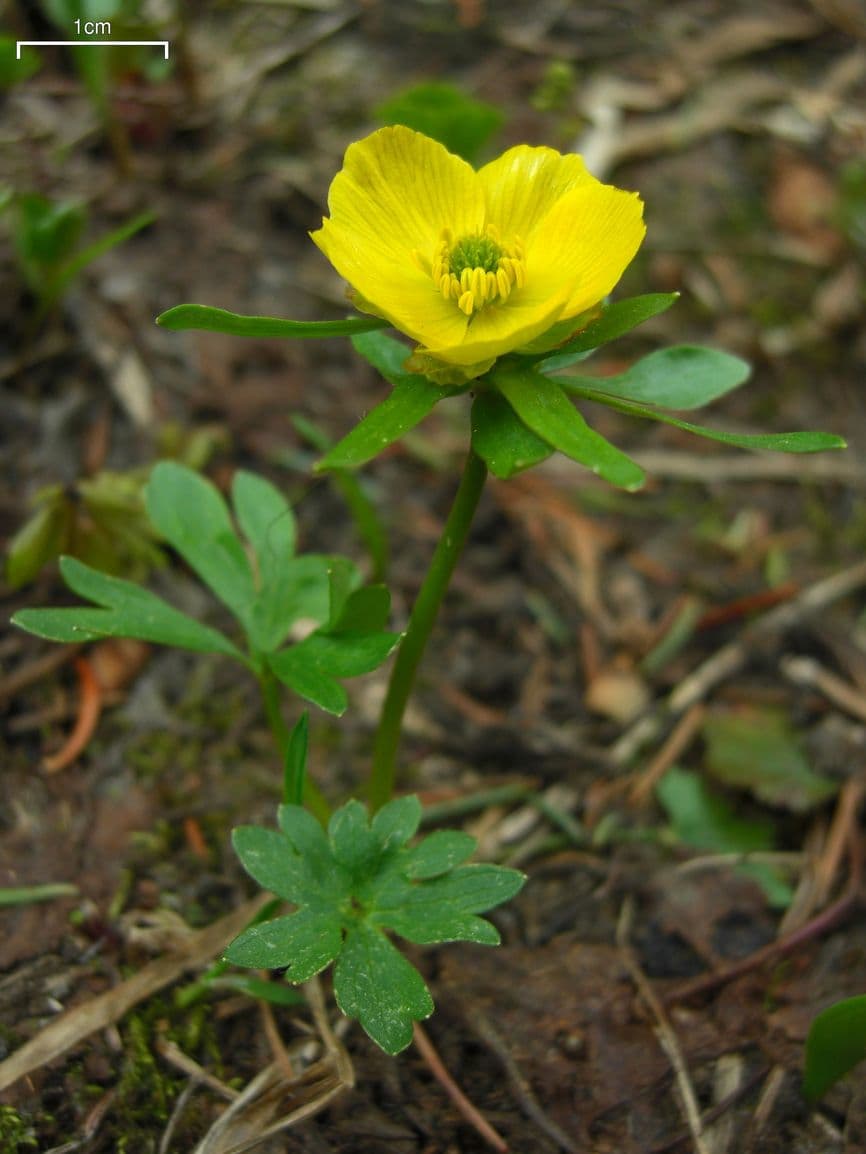
Buttercup
Rarely damagedRanunculus sp.
- Type
- Perennial
- Hardiness
- Zones 3–8, genus range
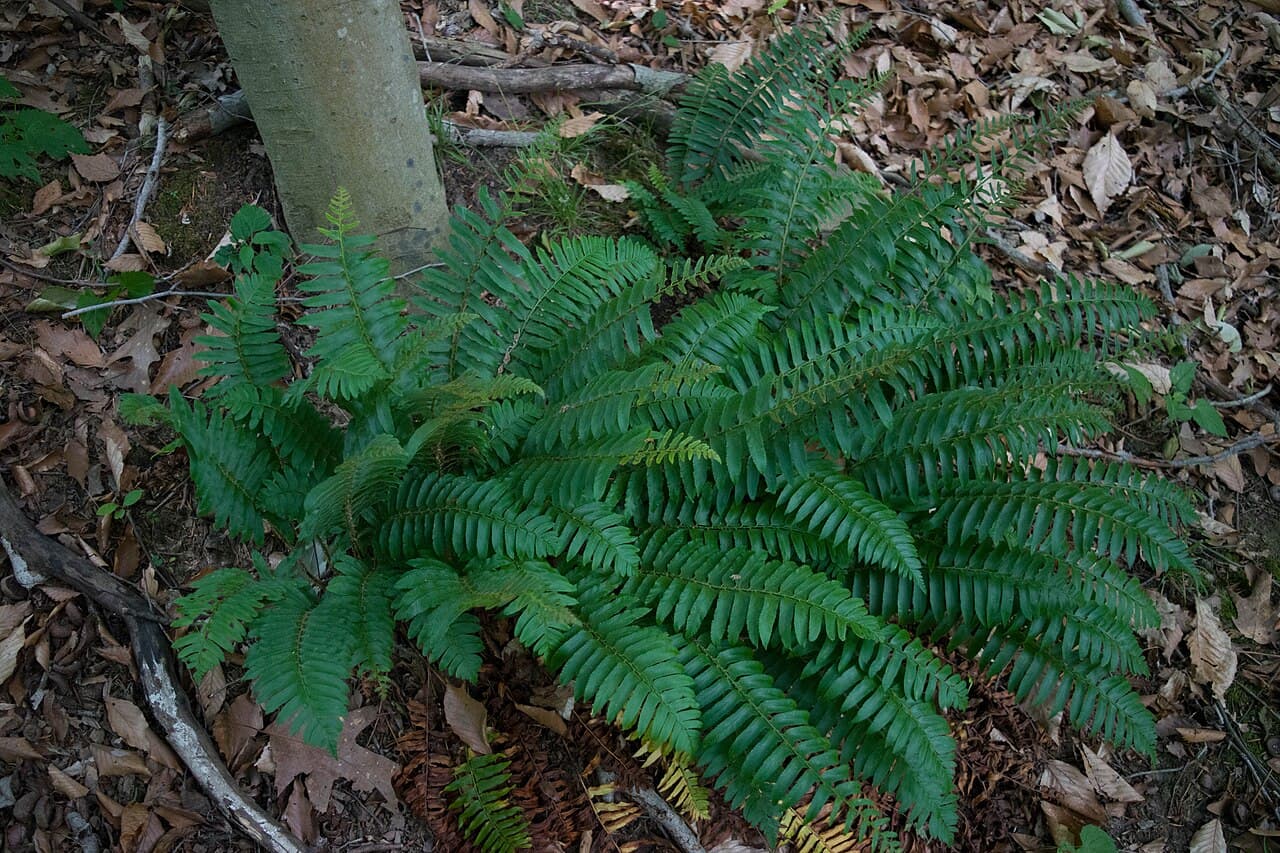
Christmas Fern
Rarely damagedPolystichum acrostichoides
- Type
- Fern
- Hardiness
- Zones 3–9
- Height
- 12–36 in
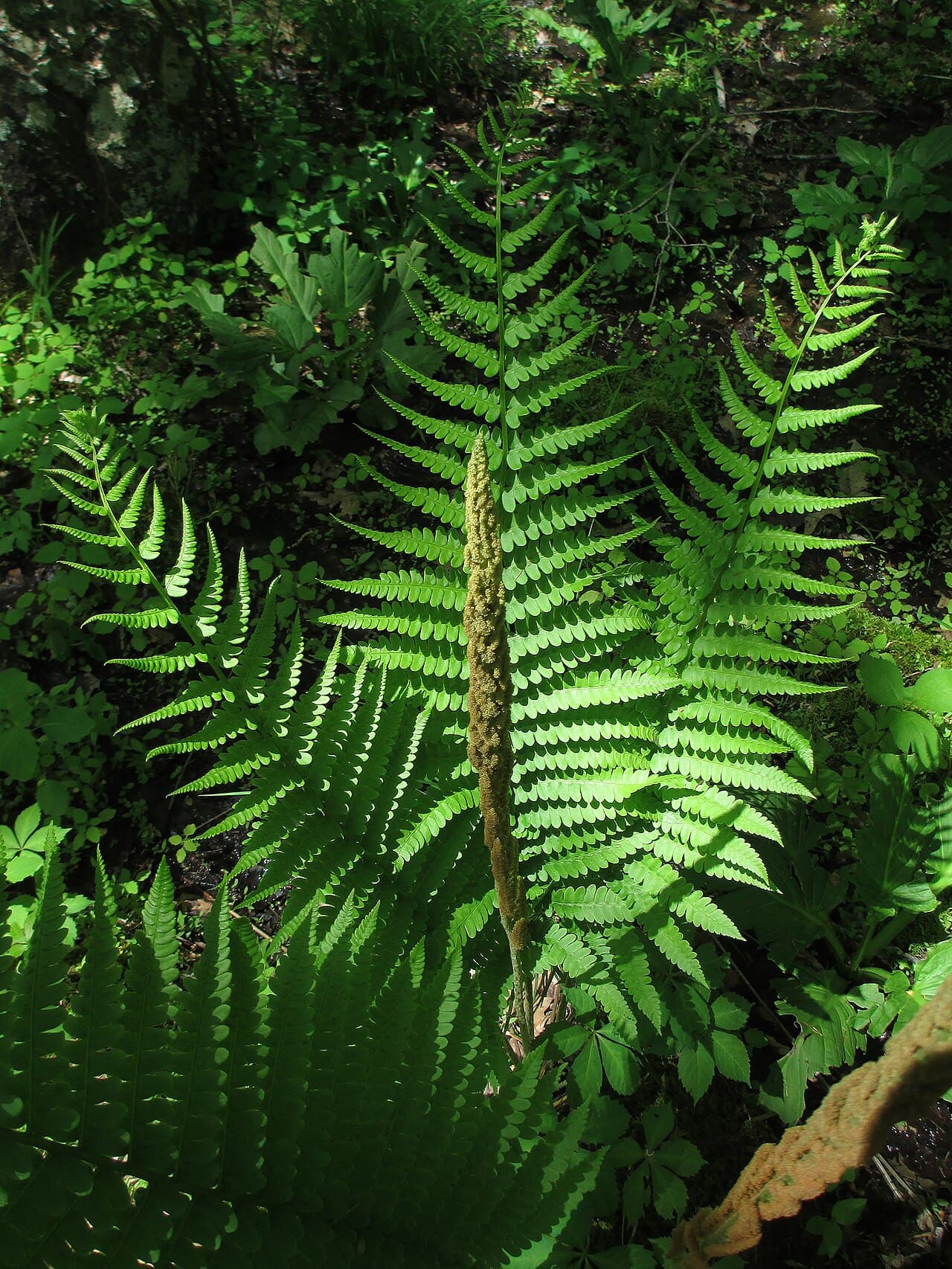
Cinnamon Fern
Rarely damagedOsmunda cinnamomea
- Type
- Fern
- Hardiness
- Zones 4–9
- Height
- 24–72 in
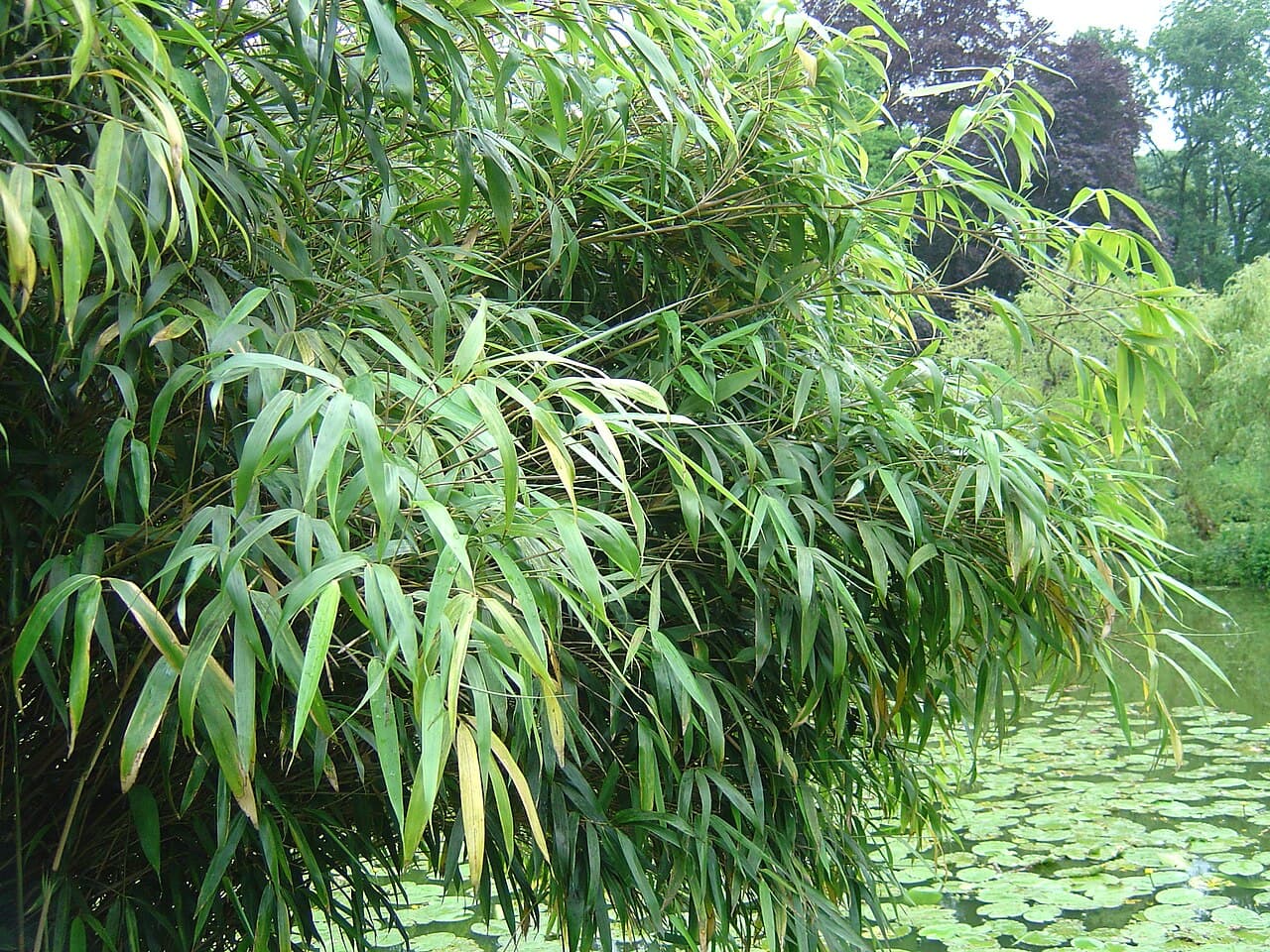
Clump Bamboo
Rarely damagedFargesia sp.
- Type
- Ornamental grass
- Hardiness
- Zones 5–9, genus range
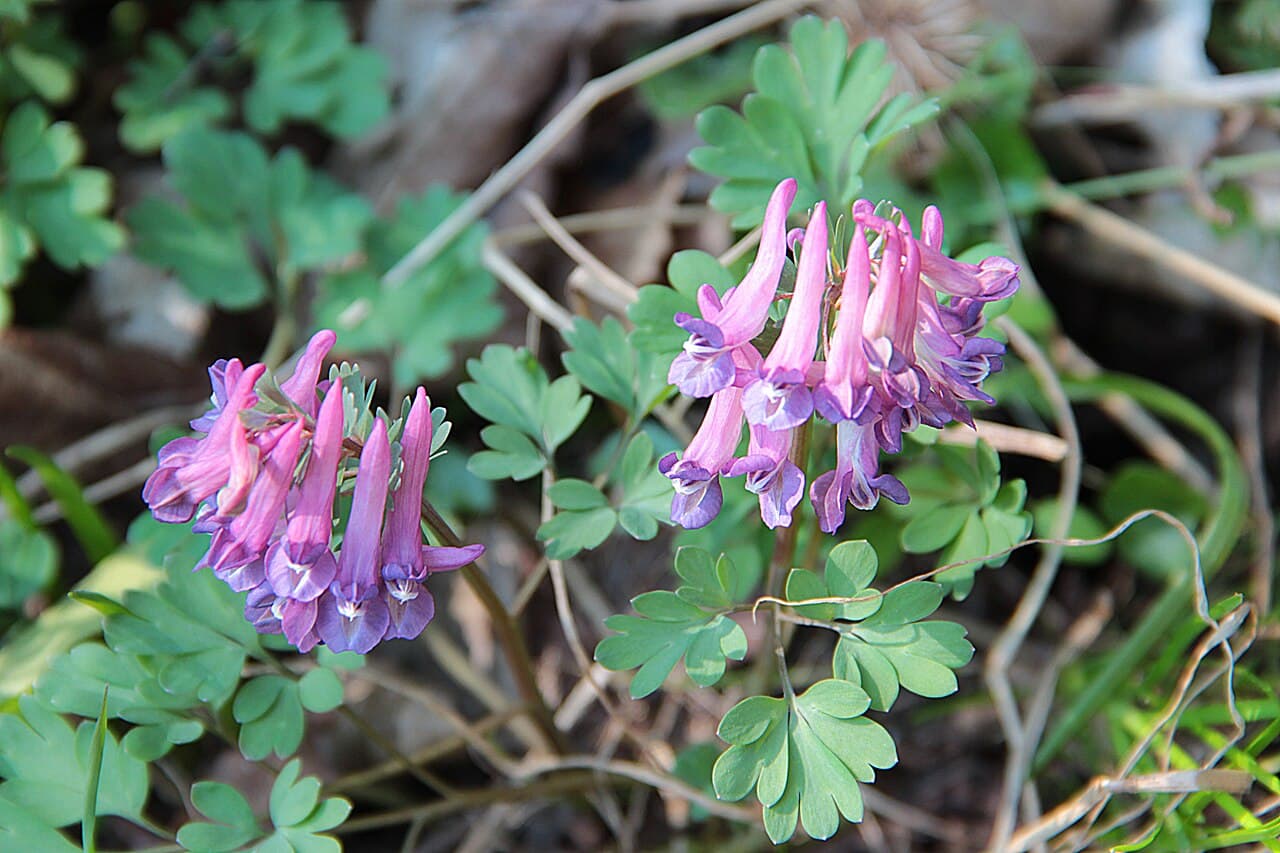
Corydalis
Rarely damagedCorydalis sp.
- Type
- Perennial
- Hardiness
- Zones 5–8, genus range
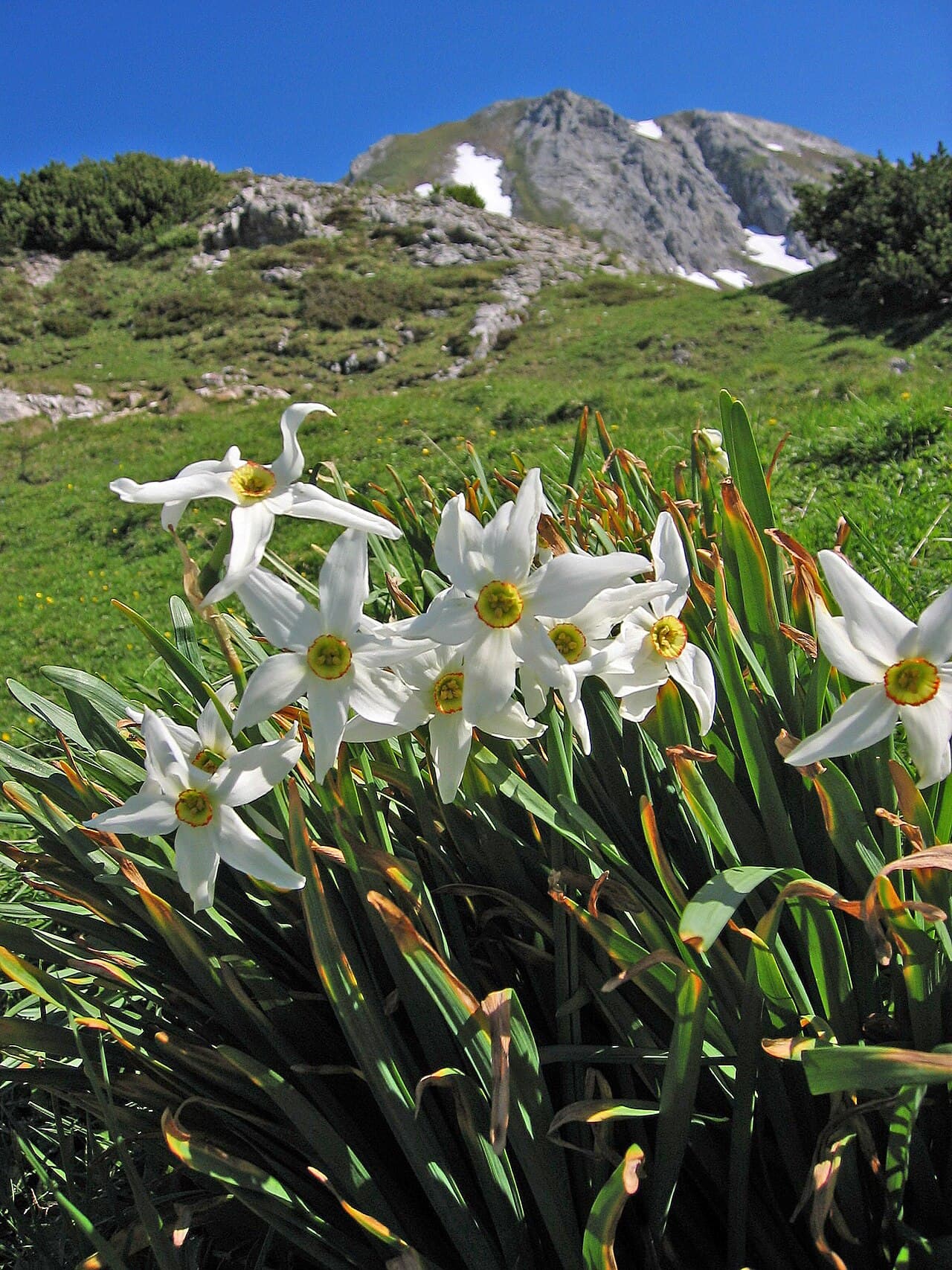
Daffodil
Rarely damagedNarcissus spp.
- Type
- Bulb
- Hardiness
- Zones 3–8, genus range
- Height
- 8–18 in
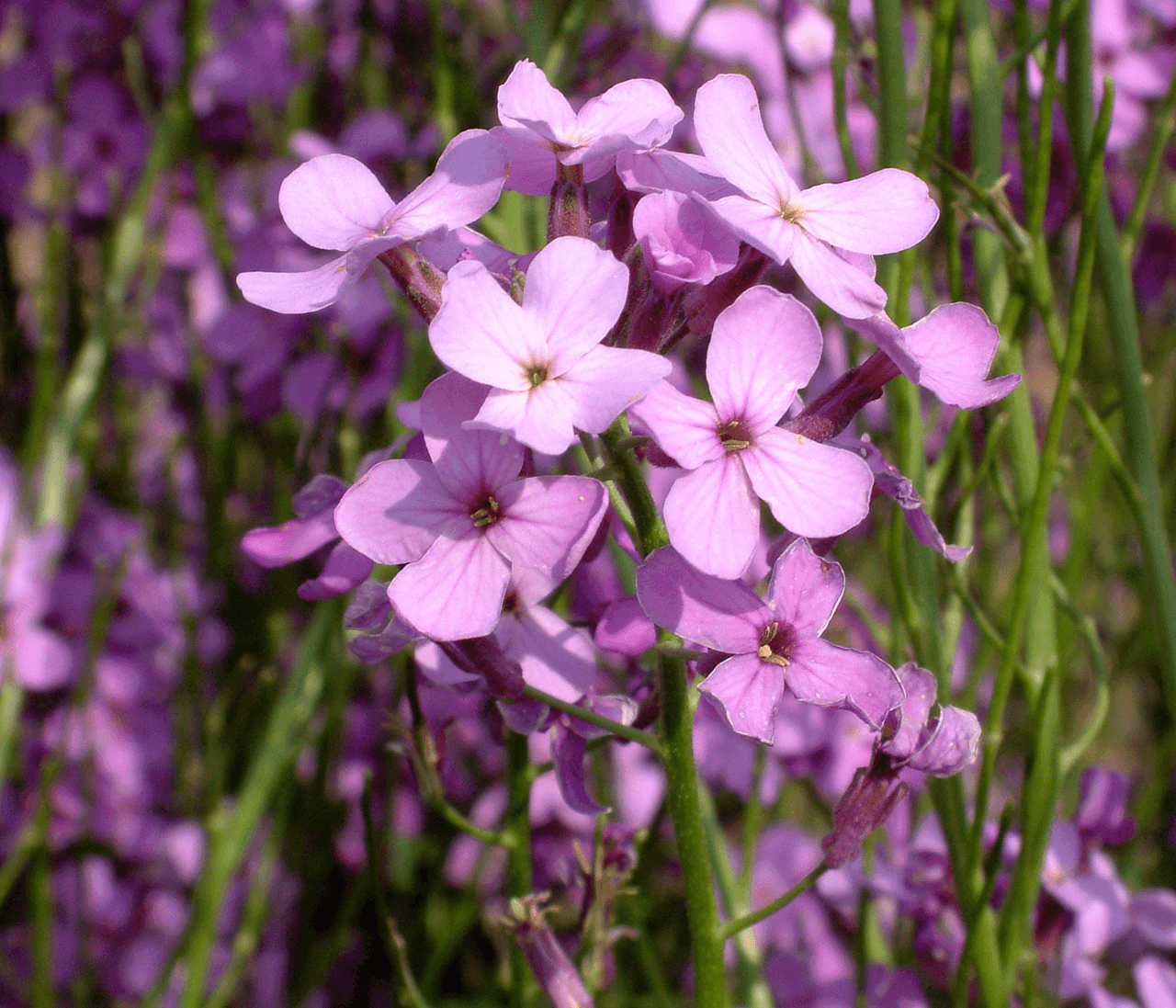
Dame's Rocket
Rarely damagedHesperis matronalis
- Type
- Perennial
- Hardiness
- Zones 3–8
- Height
- 12–36 in
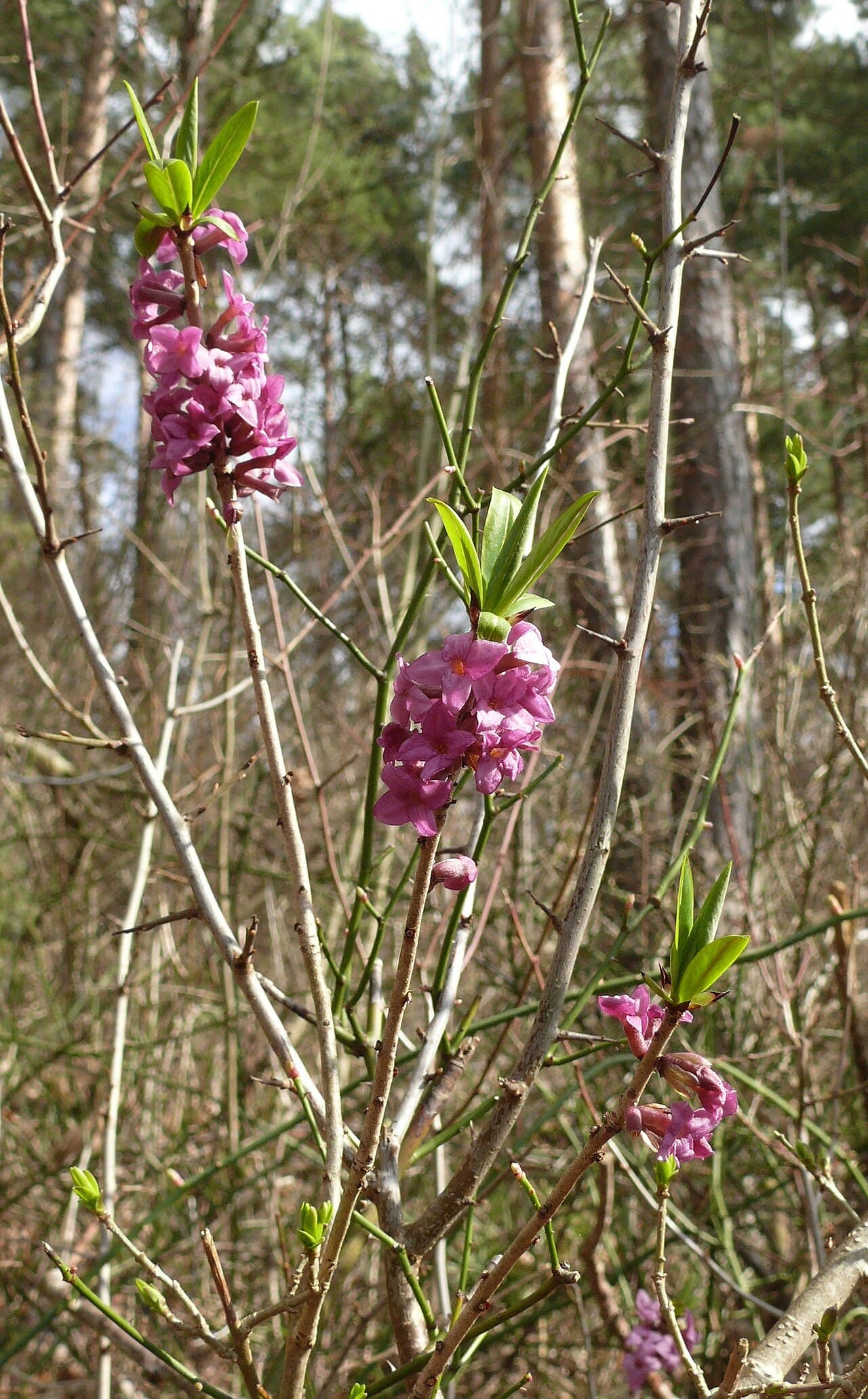
Daphne
Rarely damagedDaphne sp.
- Type
- Shrub
- Hardiness
- Zones 4–8, genus range
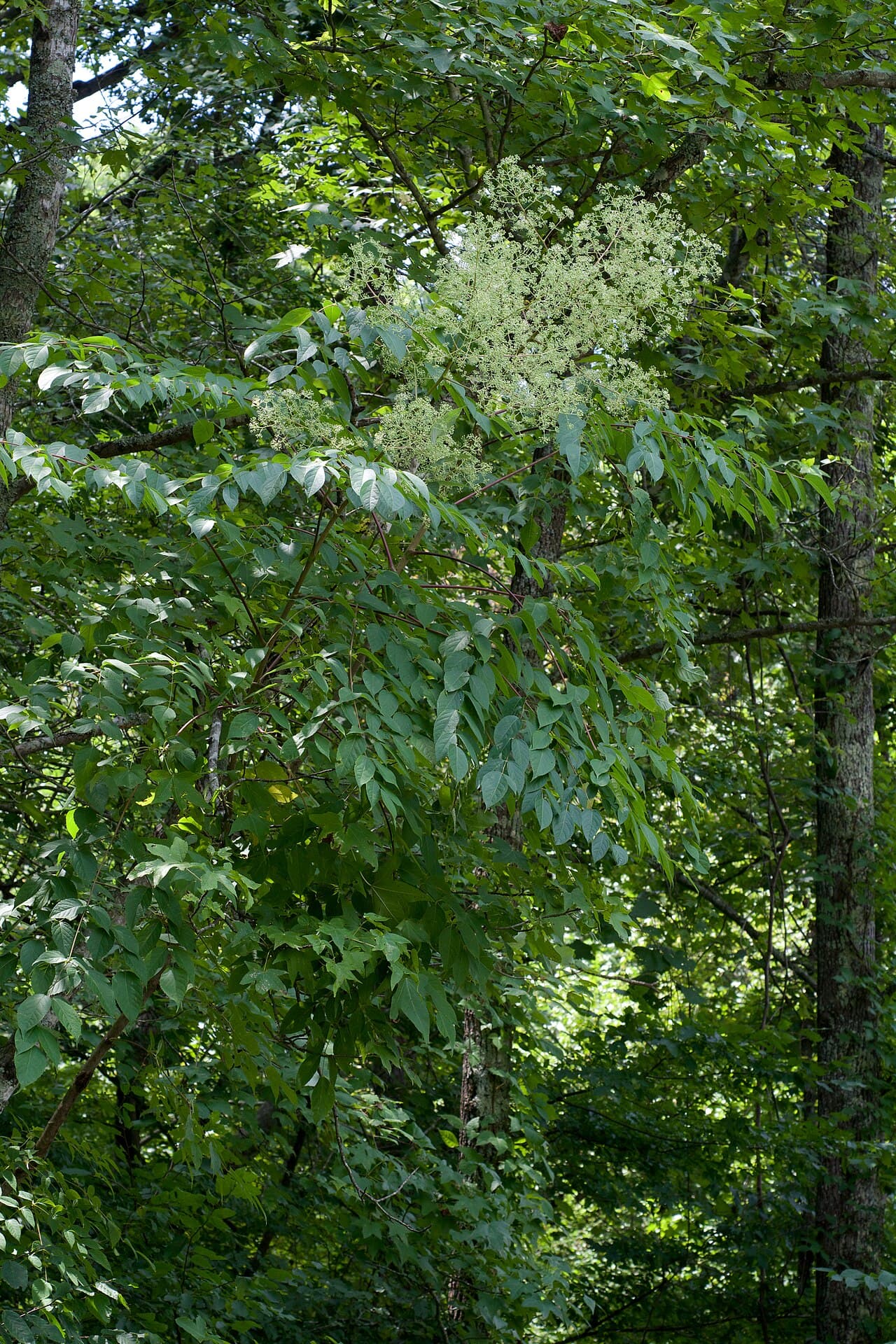
Devil's Walking Stick
Rarely damagedAralia spinosa
- Type
- Shrub
- Hardiness
- Zones 4–9
- Height
- 120–420 in
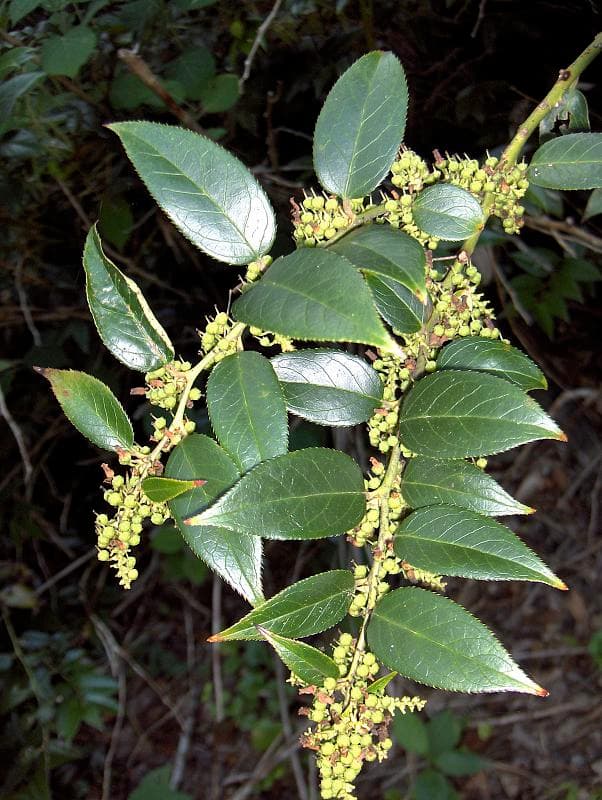
Drooping Leucothoe
Rarely damagedLeucothoe fontanesiana
- Type
- Shrub
- Hardiness
- Zones 4–6
- Height
- 24–72 in
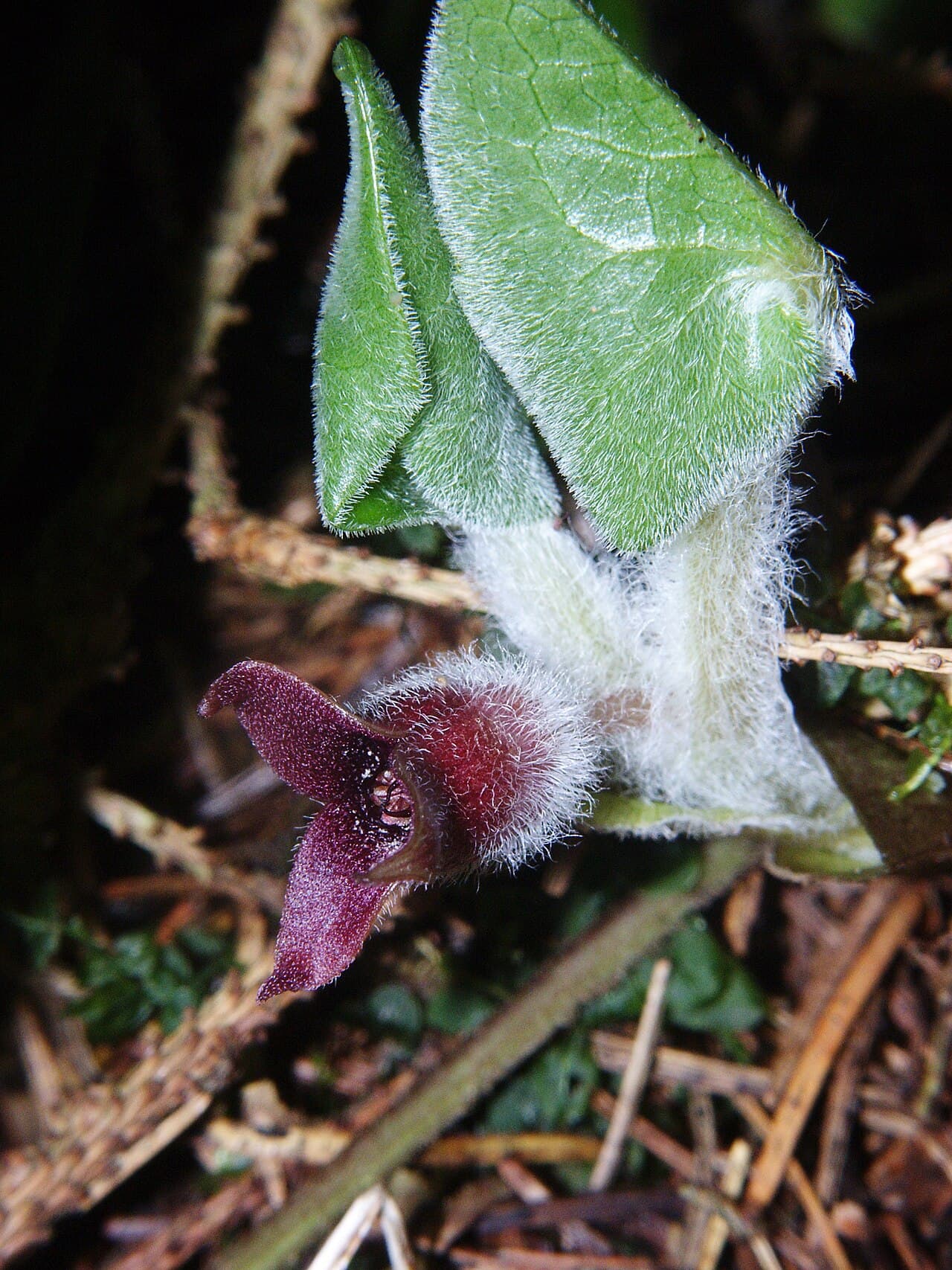
European Ginger
Rarely damagedAsarum europaeum
- Type
- Perennial
- Hardiness
- Zones 4–8
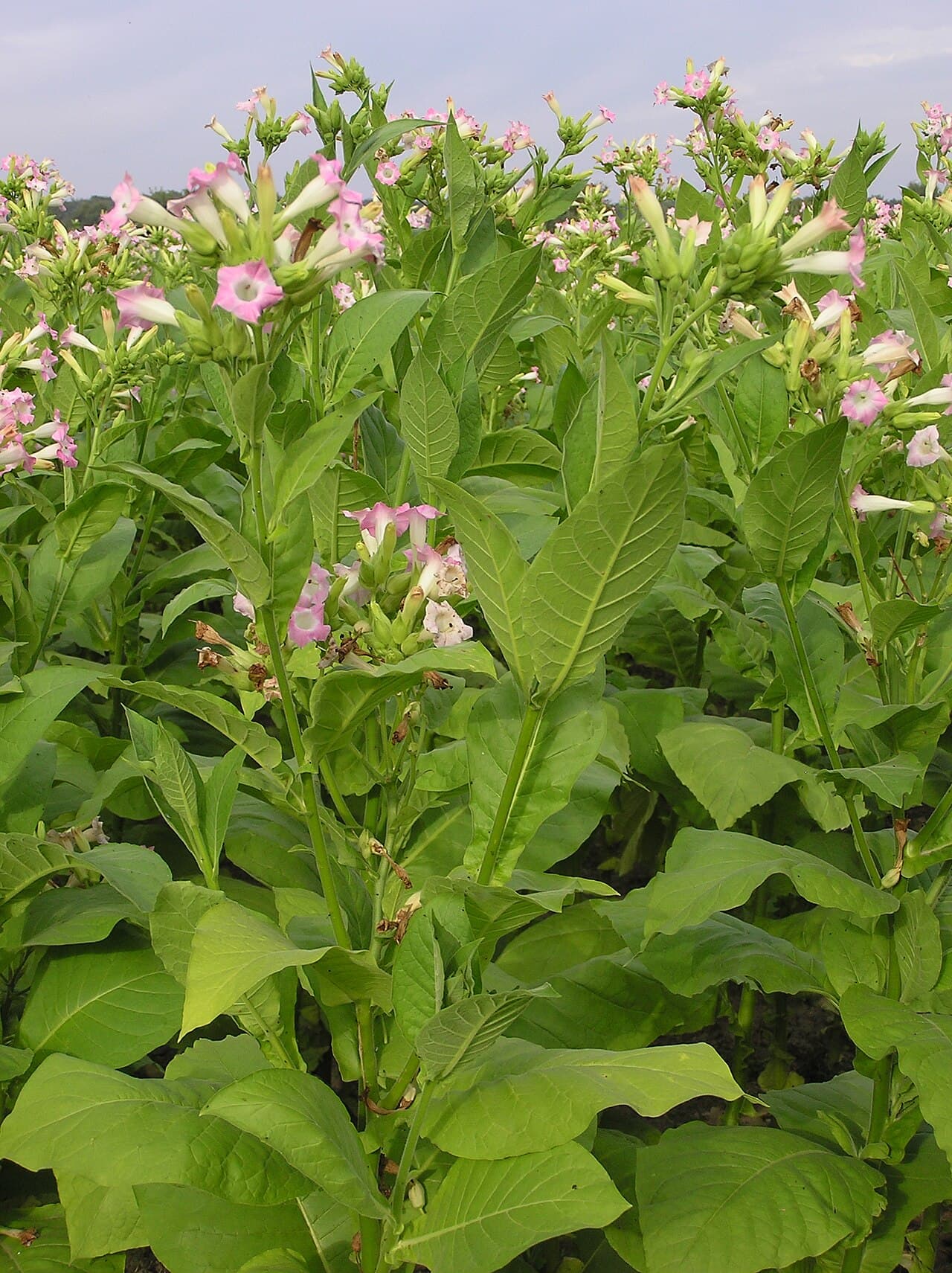
Flowering Tobacco
Rarely damagedNicotiana sp.
- Type
- Annual
- Hardiness
- Grown as an annual, any zone
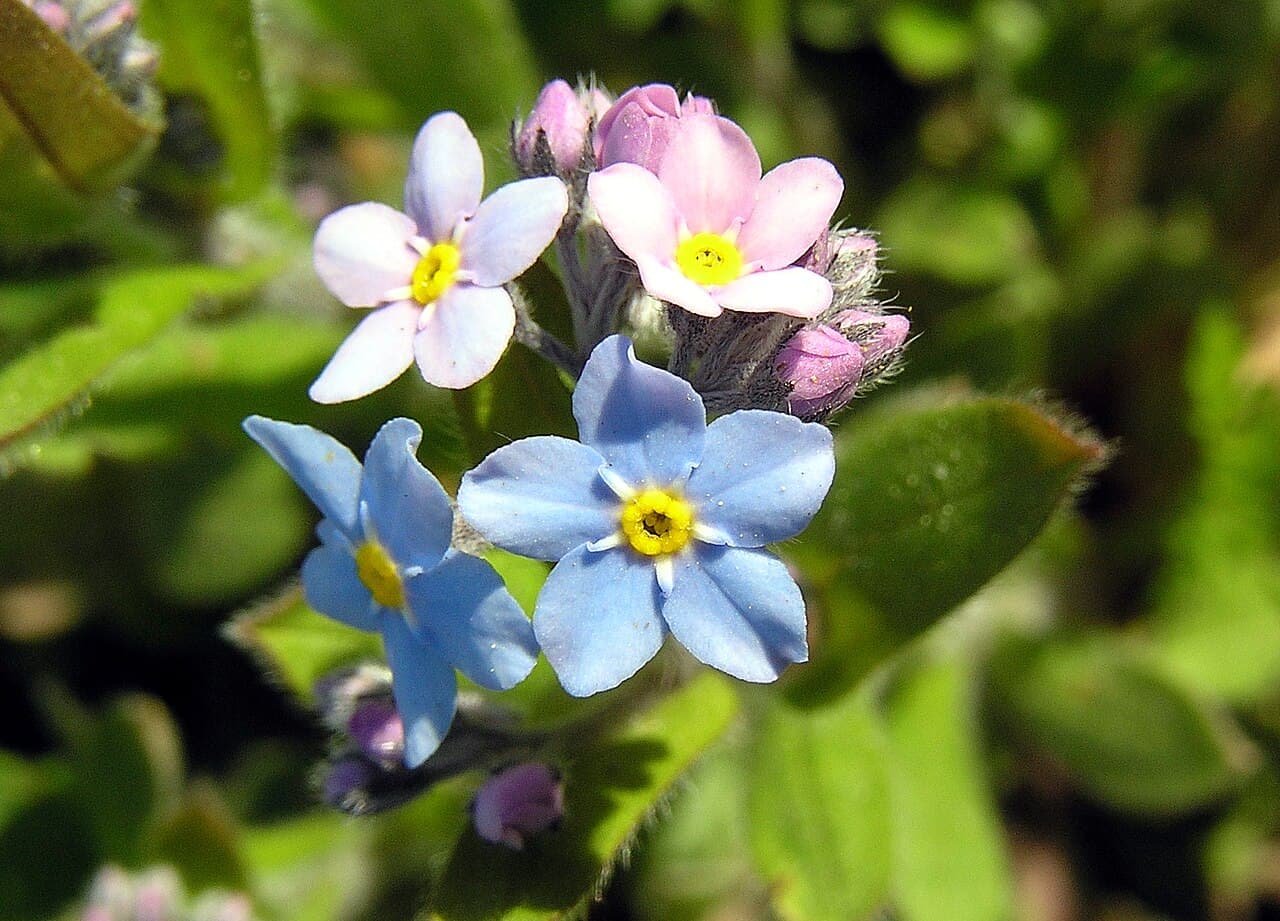
Forget-Me-Not
Rarely damagedMyosotis sp.
- Type
- Perennial
- Hardiness
- Zones 3–8, genus range
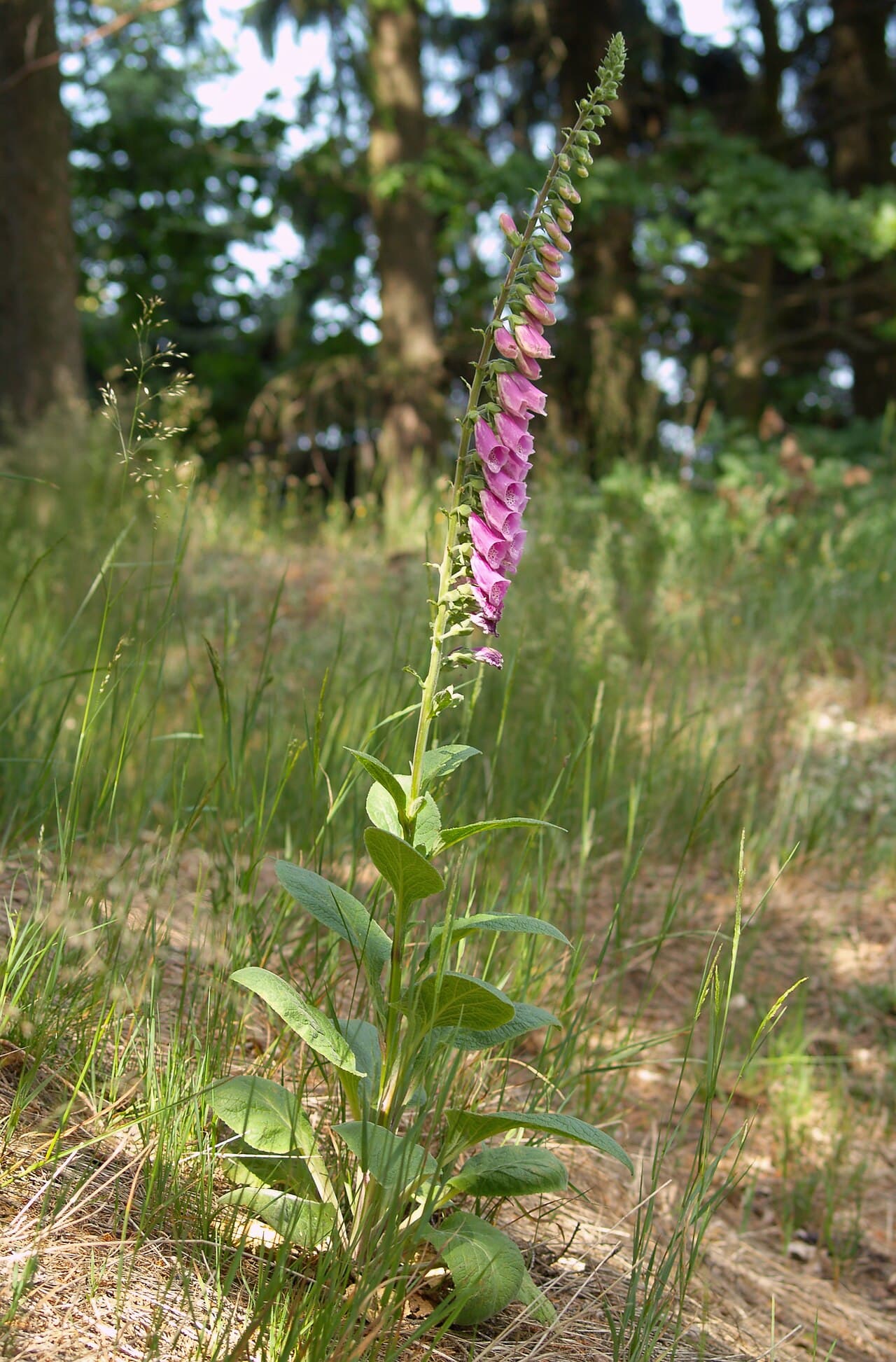
Foxglove
Rarely damagedDigitalis purpurea
- Type
- Biennial
- Hardiness
- Zones 4–9
- Height
- 24–60 in
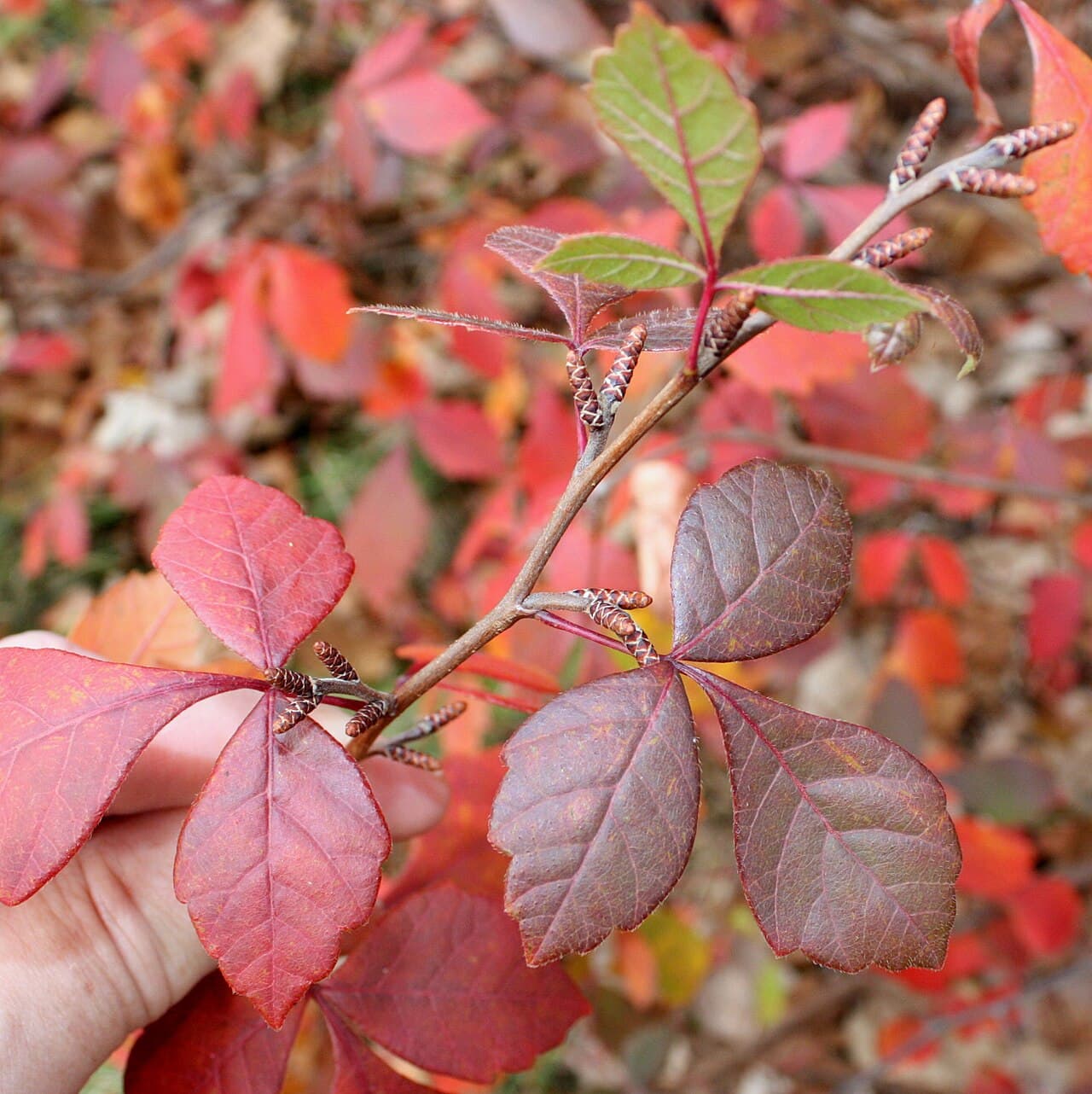
Fragrant Sumac
Rarely damagedRhus aromatica
- Type
- Shrub
- Hardiness
- Zones 3–9
- Height
- 24–72 in
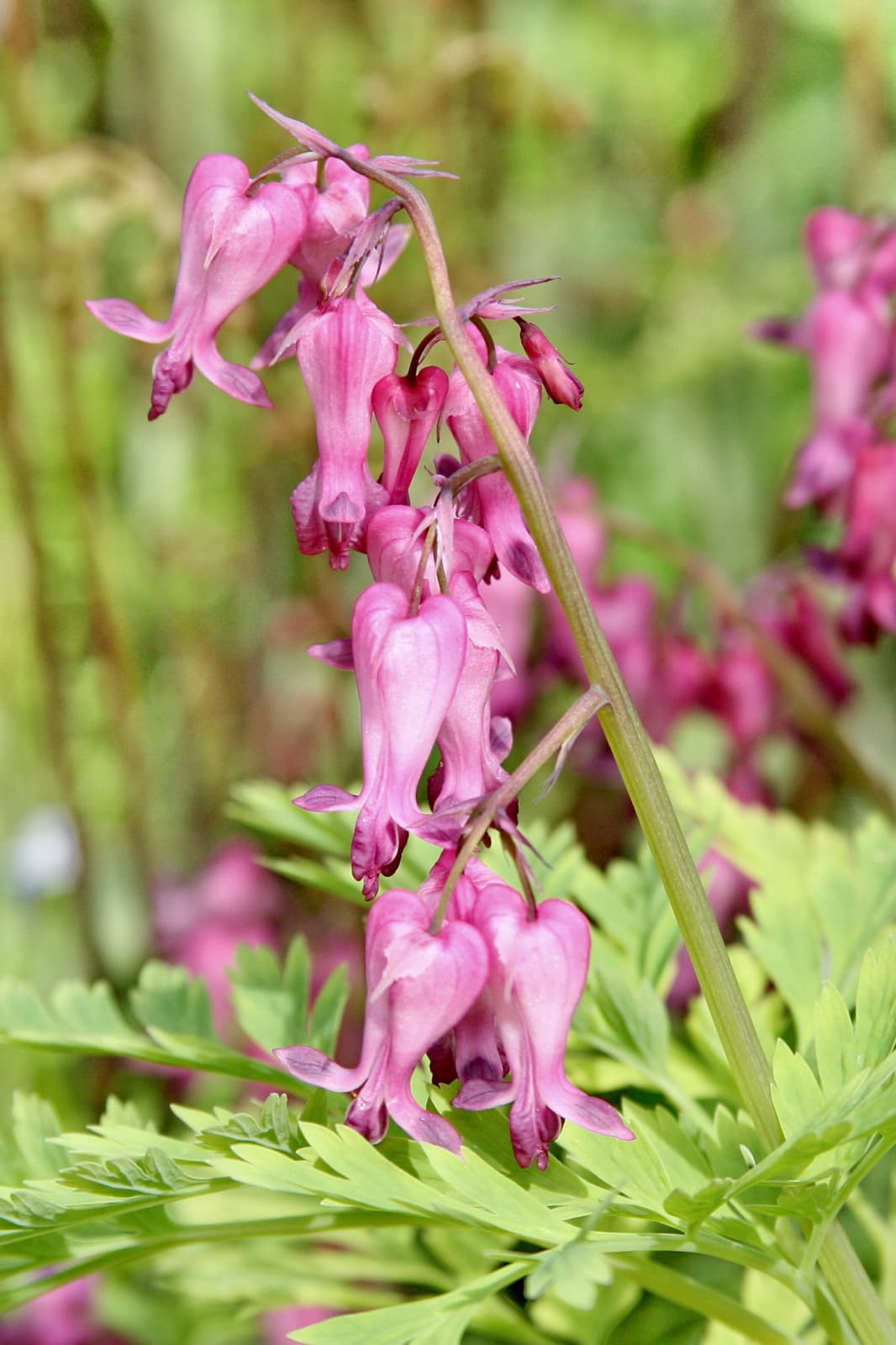
Fringed Bleeding Heart
Rarely damagedDicentra eximia
- Type
- Perennial
- Hardiness
- Zones 3–9
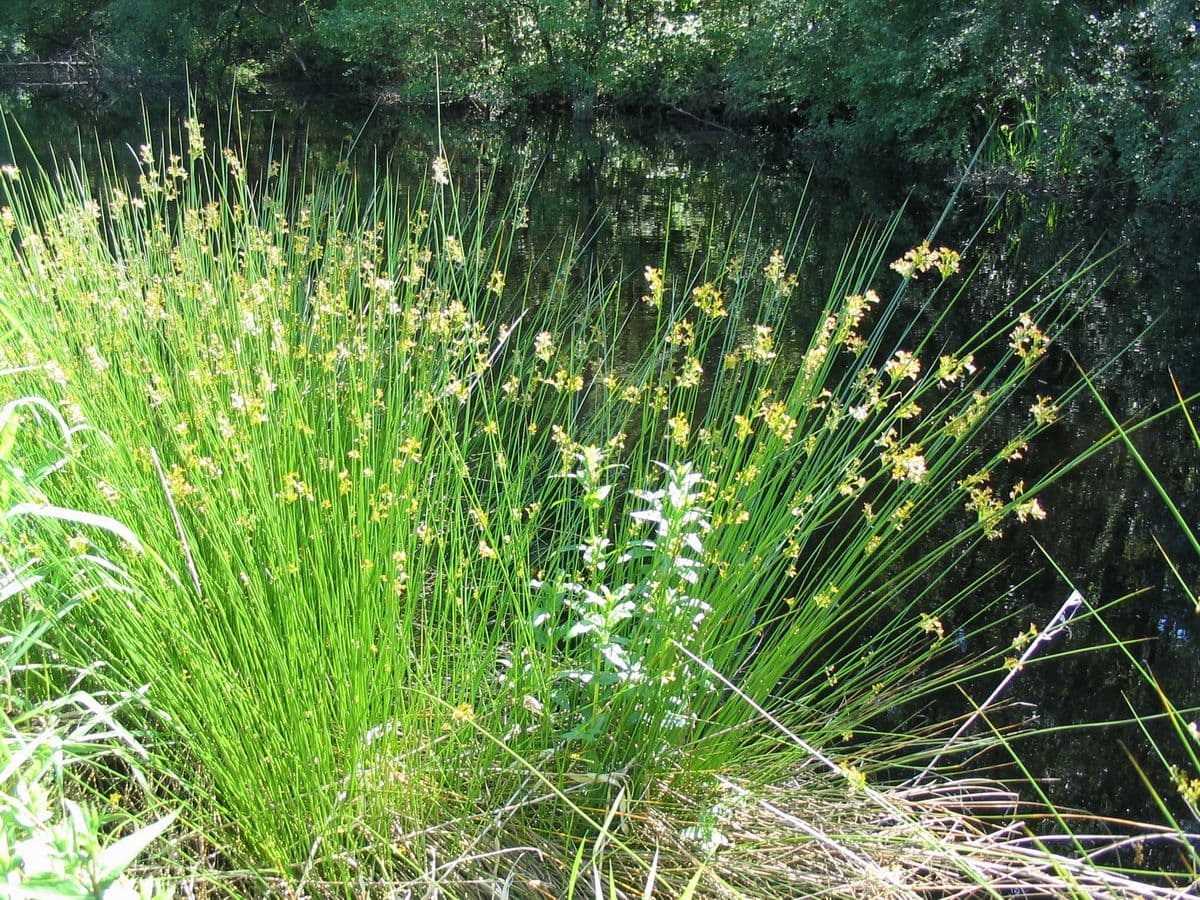
Hard Rush
Rarely damagedJuncus effusus
- Type
- Ornamental grass
- Hardiness
- Zones 4–9
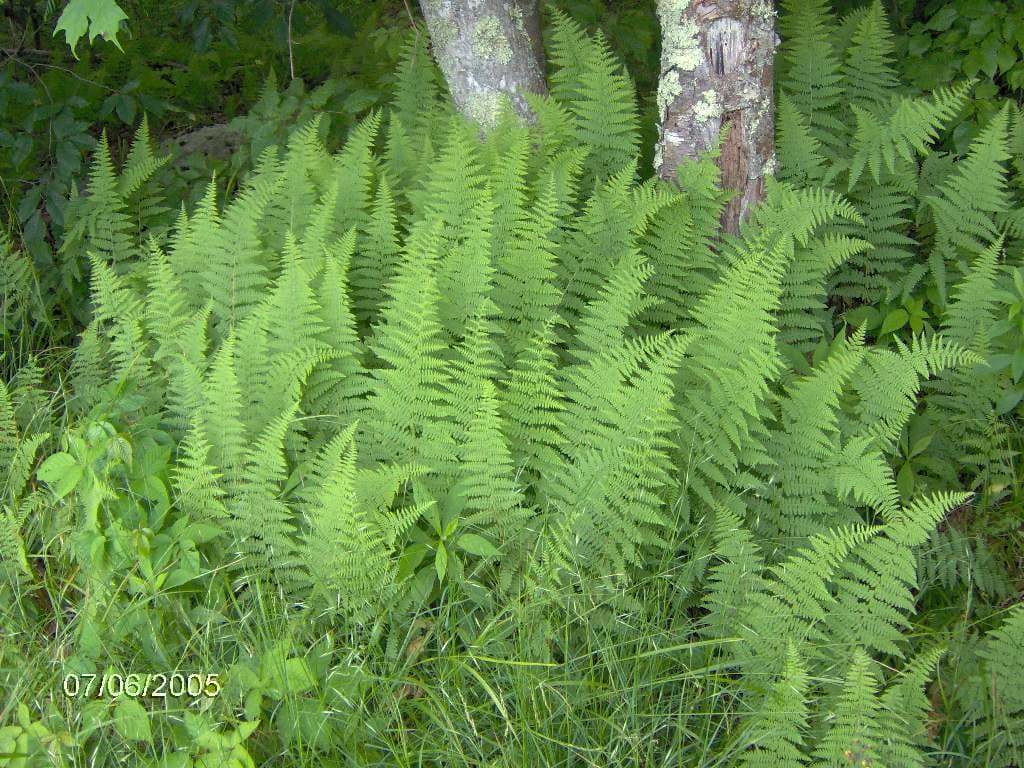
Hayscented Fern
Rarely damagedDennstaedtia punctilobula
- Type
- Fern
- Hardiness
- Zones 3–8
- Height
- 12–24 in
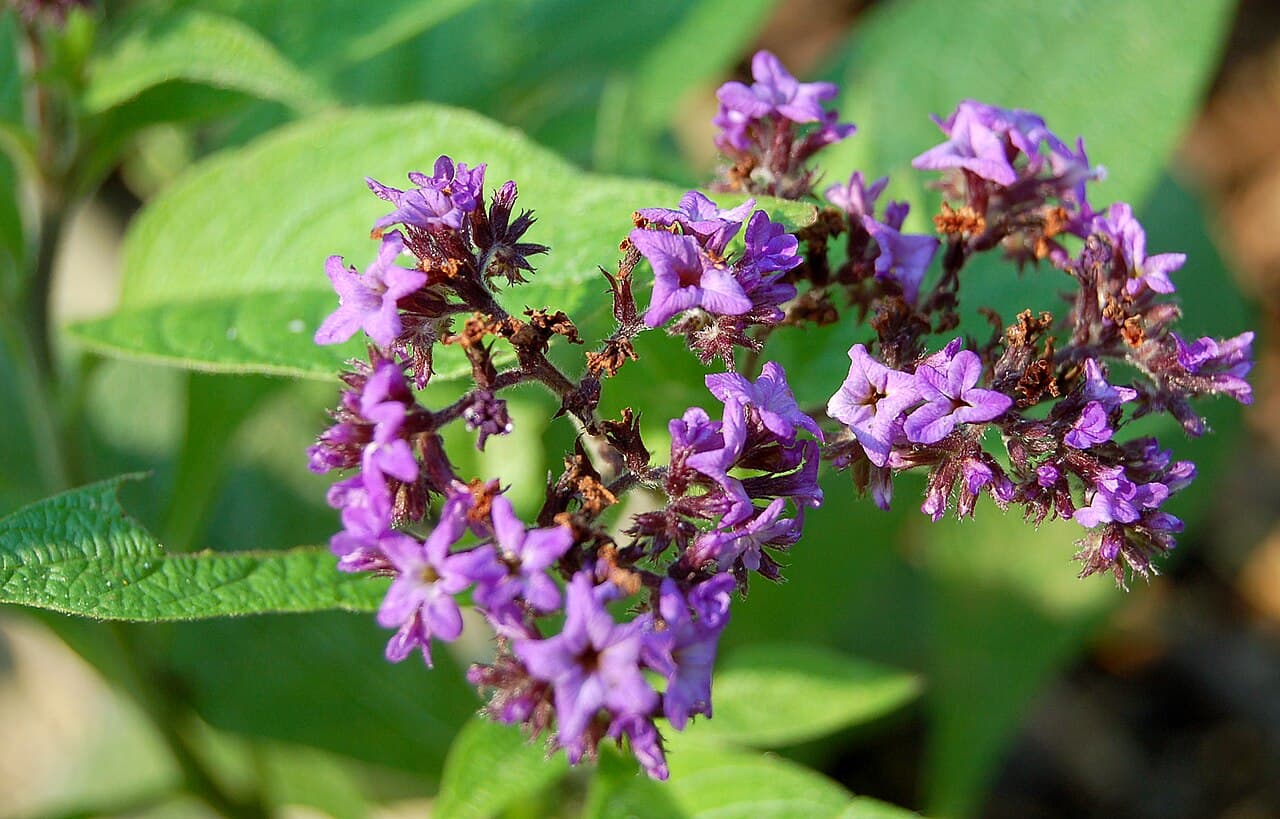
Heliotrope
Rarely damagedHeliotropium arborescens
- Type
- Annual
- Hardiness
- Grown as an annual, any zone
- Height
- 12–30 in
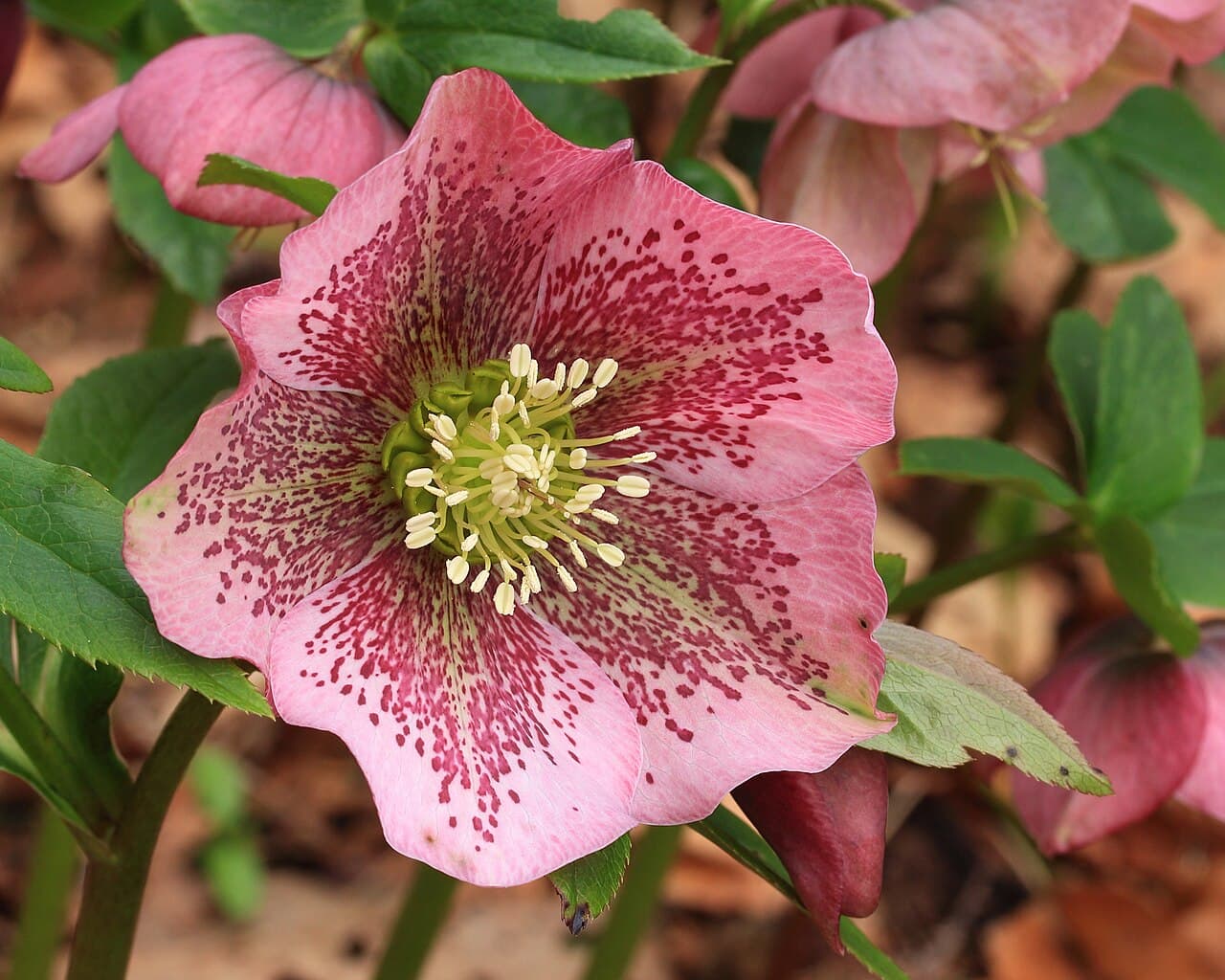
Hellebore
Rarely damagedHelleborus orientalis
- Type
- Perennial
- Hardiness
- Zones 4–9
- Height
- 12–18 in
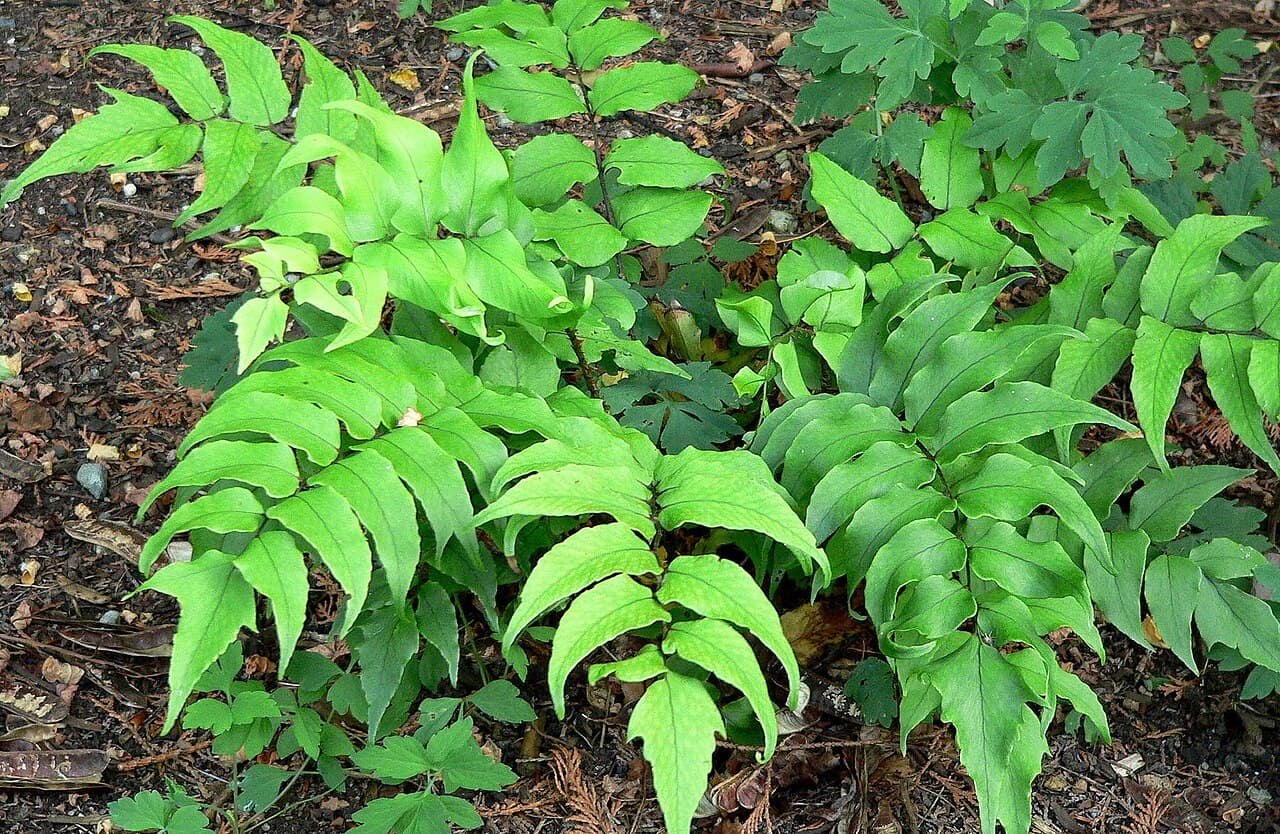
Holly Fern
Rarely damagedCyrtomium falcatum
- Type
- Fern
- Hardiness
- Zones 7–10
- Height
- 17–24 in
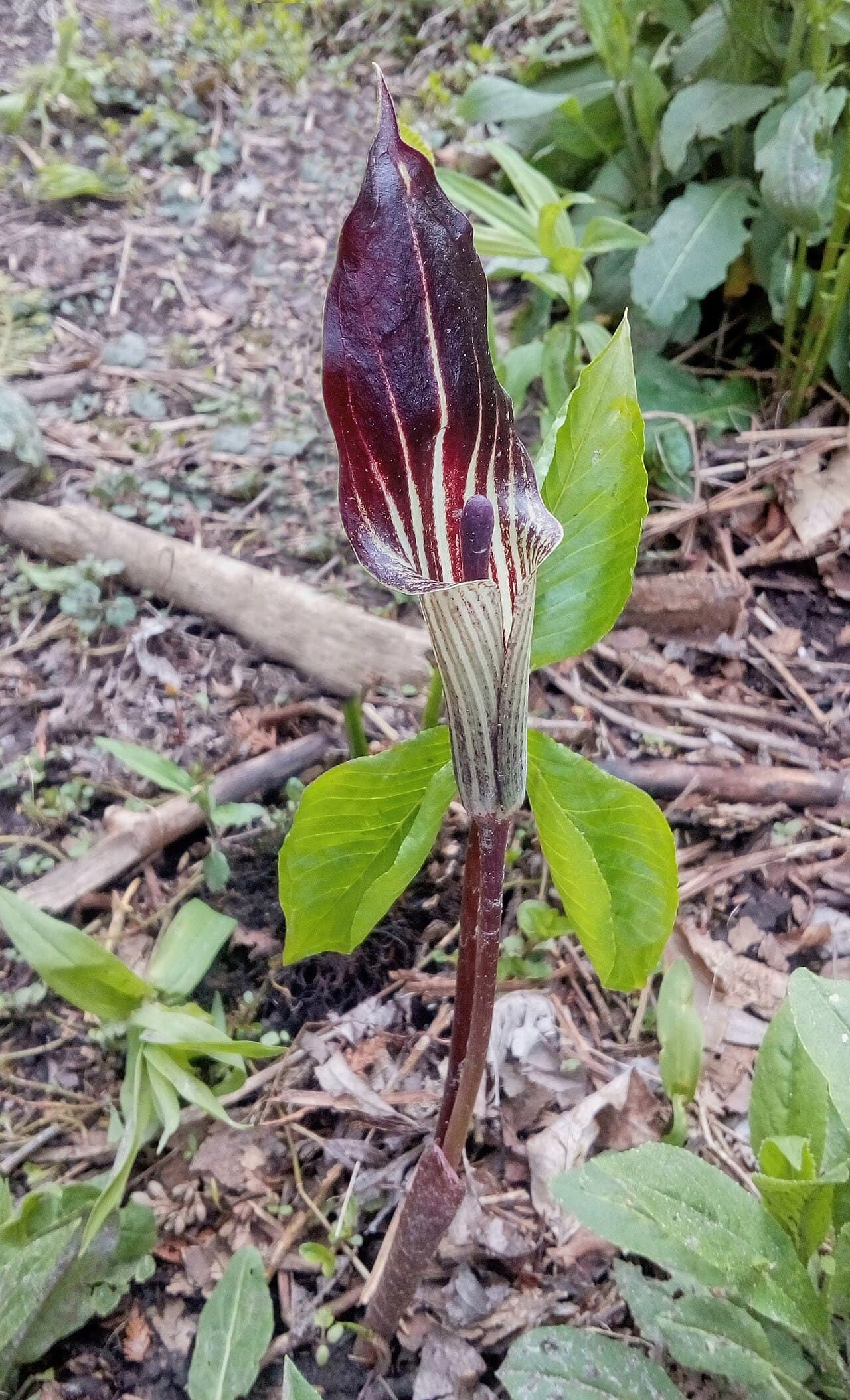
Jack-in-the-Pulpit
Rarely damagedArisaema triphyllum
- Type
- Perennial
- Hardiness
- Zones 4–9
- Height
- 12–30 in
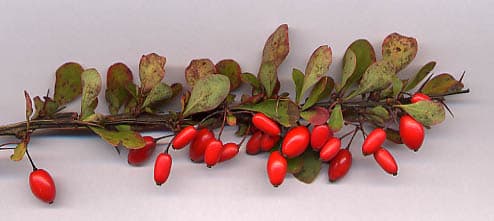
Japanese Barberry
Rarely damagedBerberis thunbergii
- Type
- Shrub
- Hardiness
- Zones 4–8
- Height
- 36–72 in
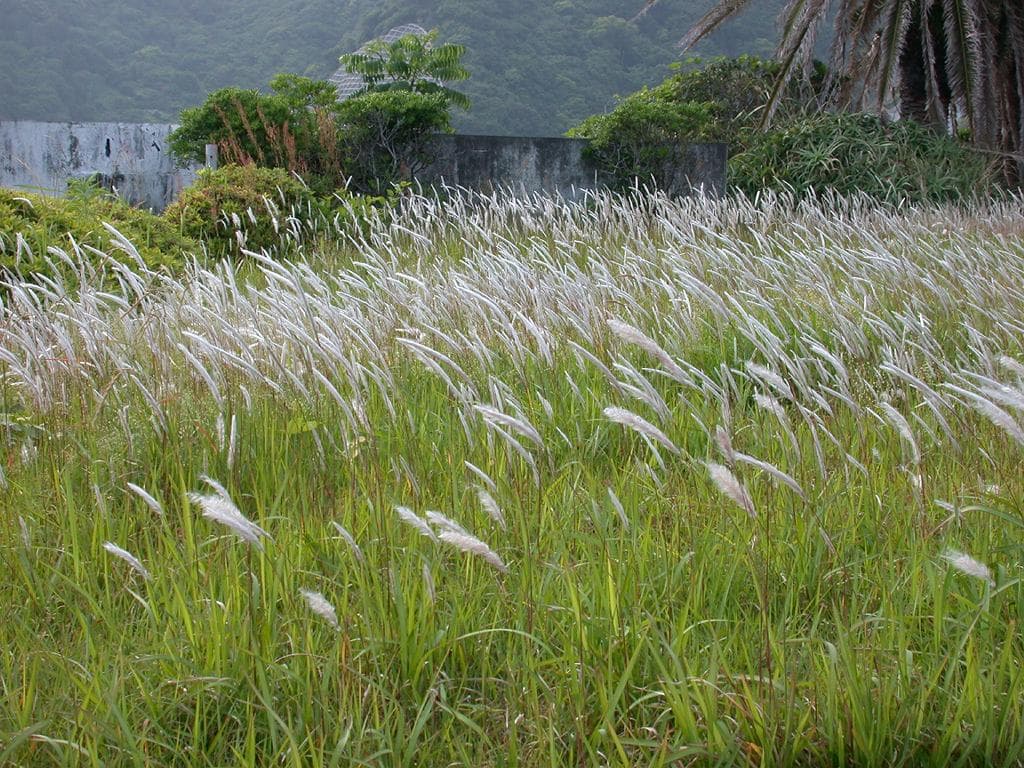
Japanese Blood Grass
Rarely damagedImperata cylindrica
- Type
- Ornamental grass
- Hardiness
- Zones 5–9
- Height
- 24–48 in
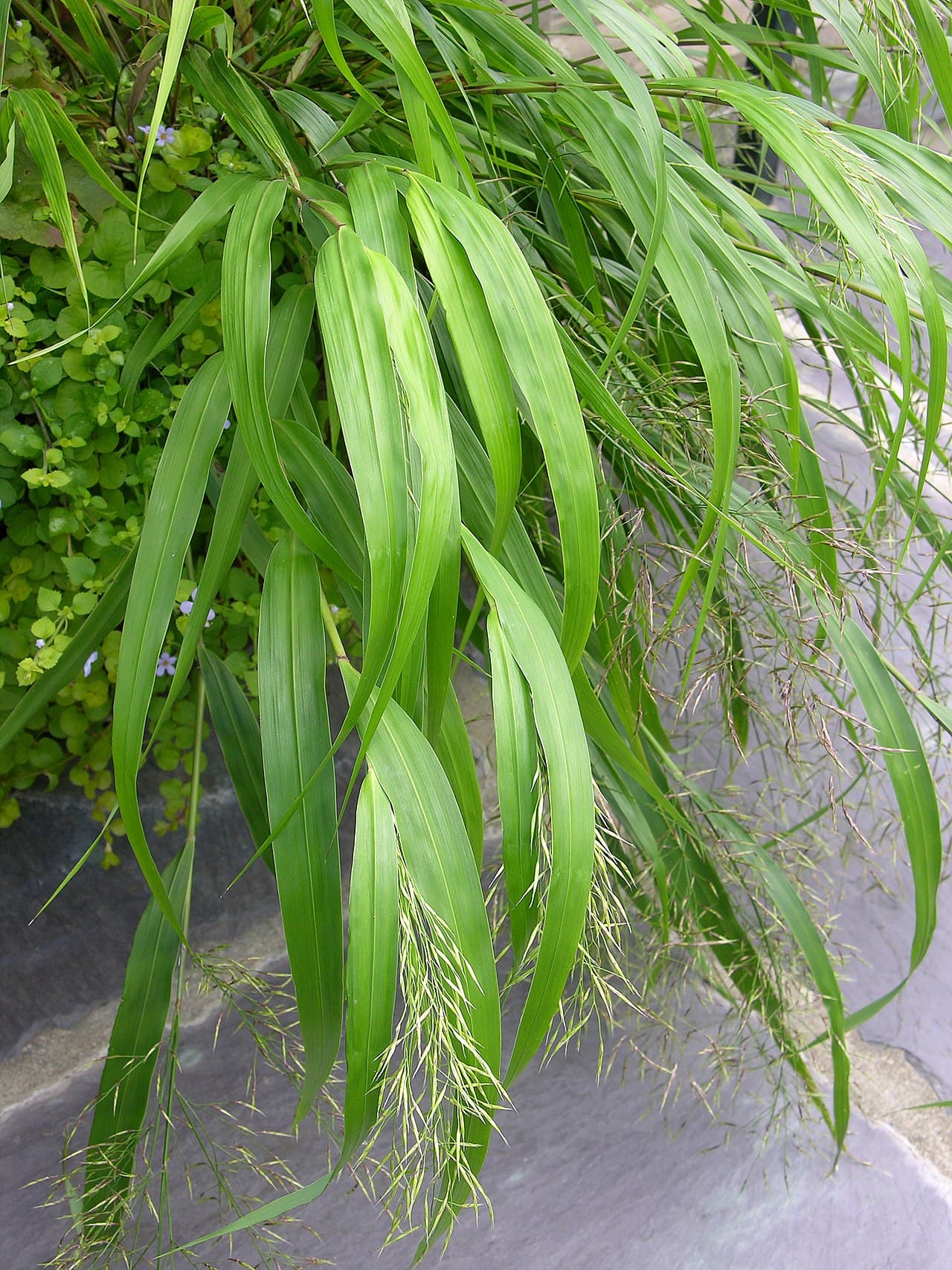
Japanese Forest Grass
Rarely damagedHakonechloa macra
- Type
- Ornamental grass
- Hardiness
- Zones 5–9
- Height
- 12–18 in
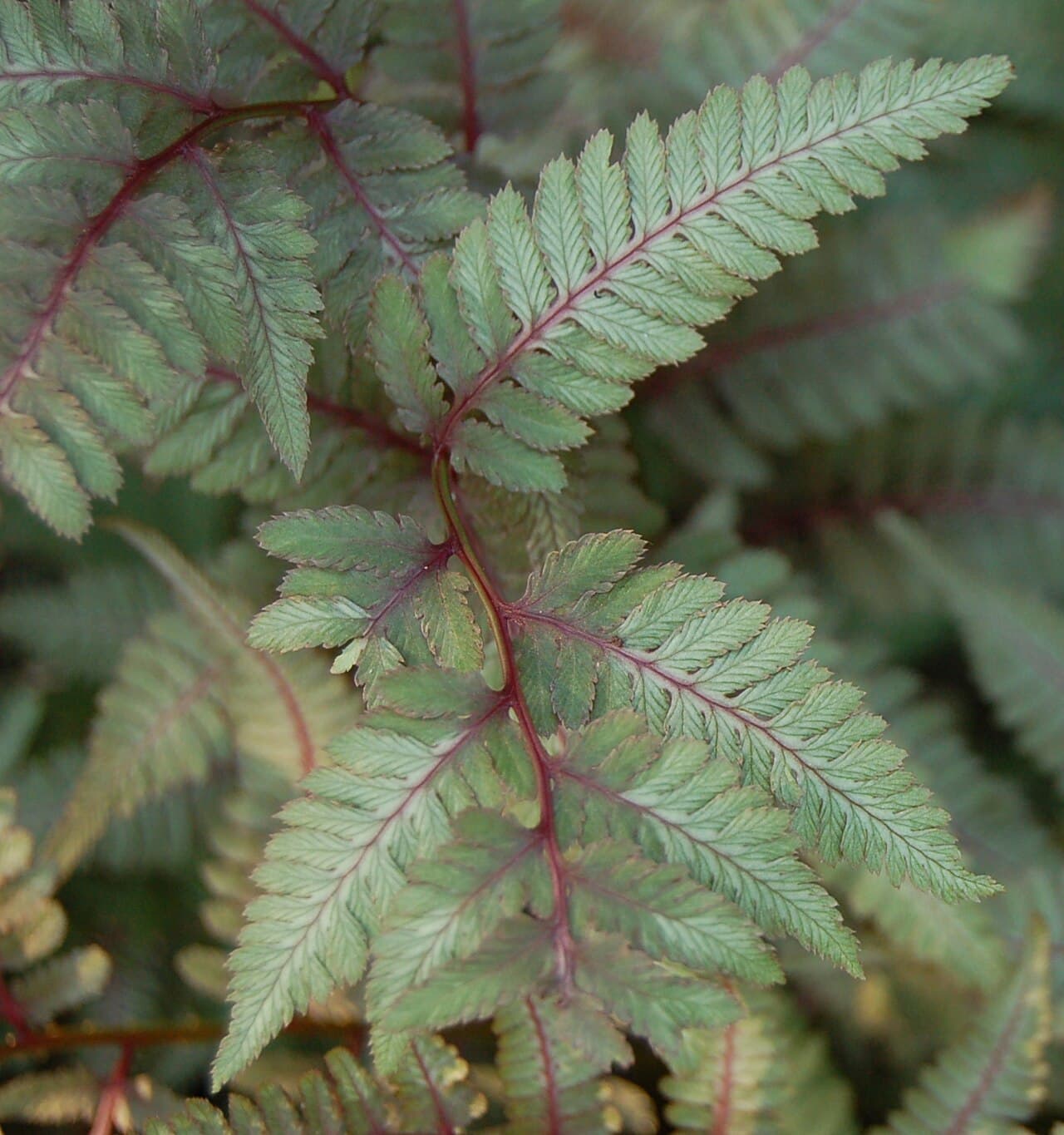
Japanese Painted Fern
Rarely damagedAthyrium niponicum
- Type
- Fern
- Hardiness
- Zones 4–9
- Height
- 18–24 in
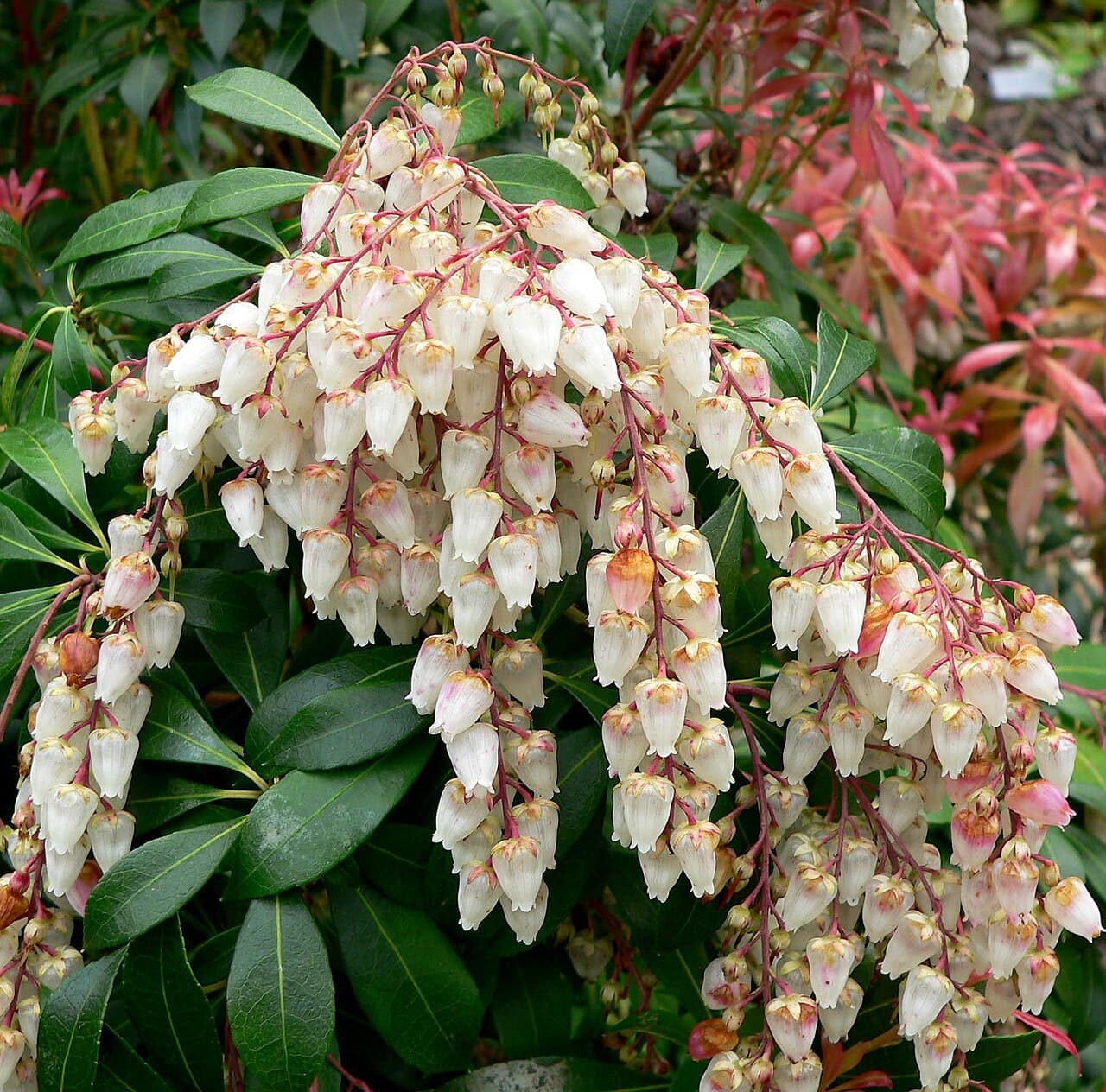
Japanese Pieris
Rarely damagedPieris japonica
- Type
- Shrub
- Hardiness
- Zones 4–8
- Height
- 96–120 in
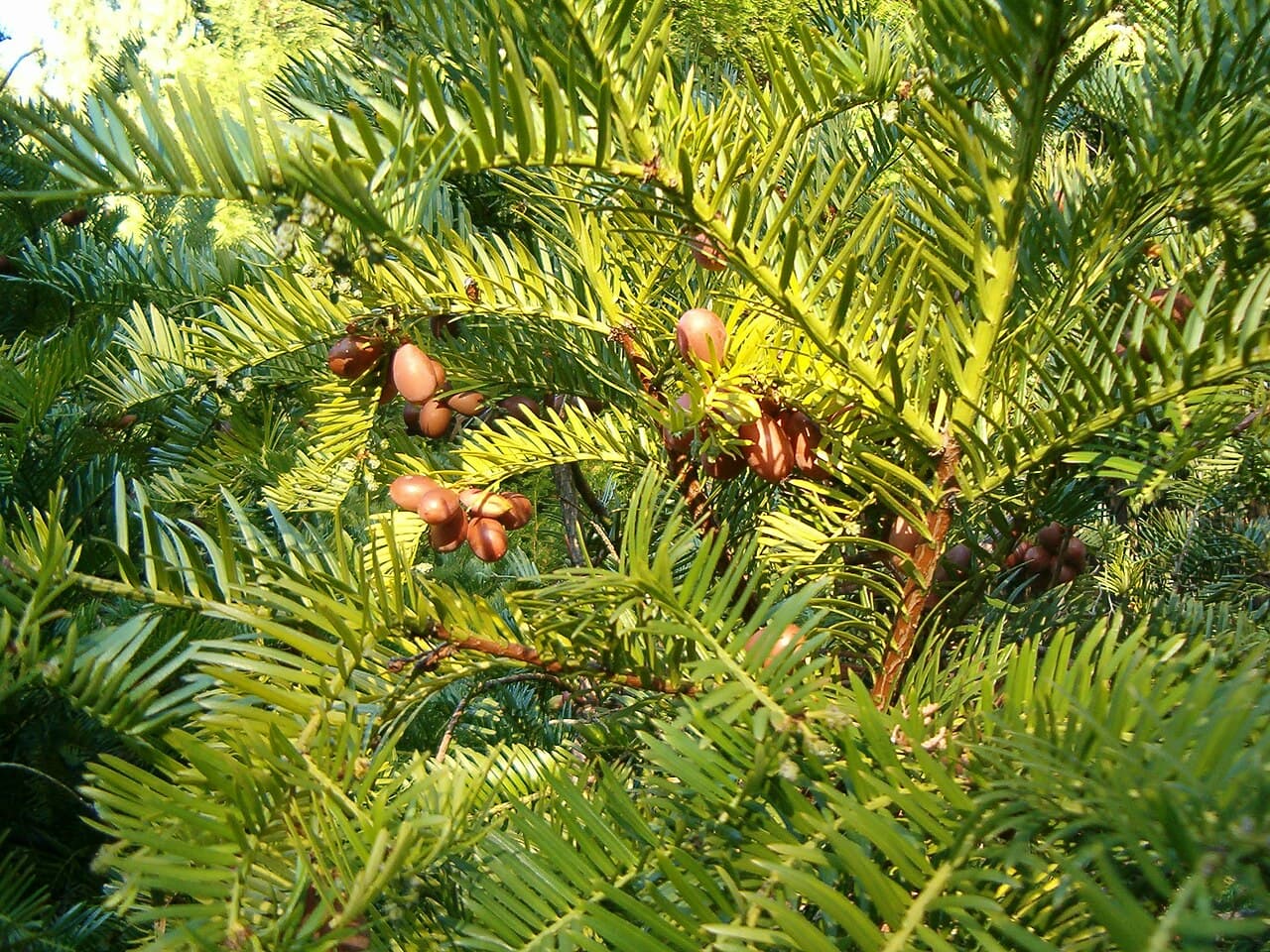
Japanese Plum Yew
Rarely damagedCephalotaxus harringtonia
- Type
- Shrub
- Hardiness
- Zones 6–9
- Height
- 60–120 in
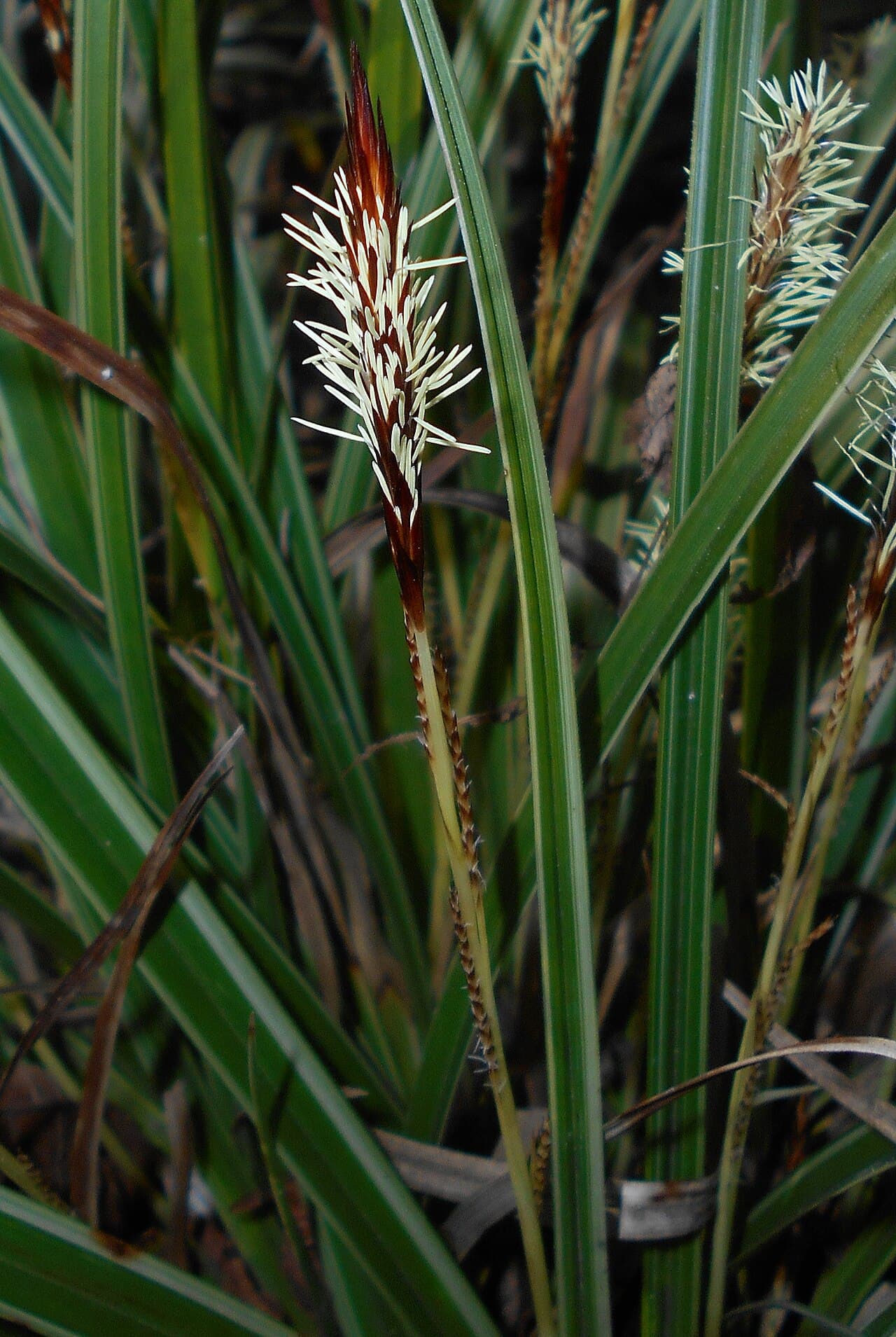
Japanese Sedge
Rarely damagedCarex sp.
- Type
- Ornamental grass
- Hardiness
- Zones 5–9, genus range
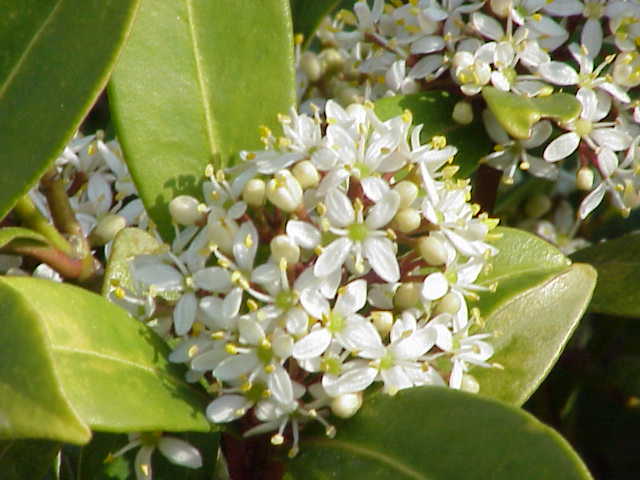
Japanese Skimmia
Rarely damagedSkimmia japonica
- Type
- Shrub
- Hardiness
- Zones 7–8
- Height
- 24–84 in
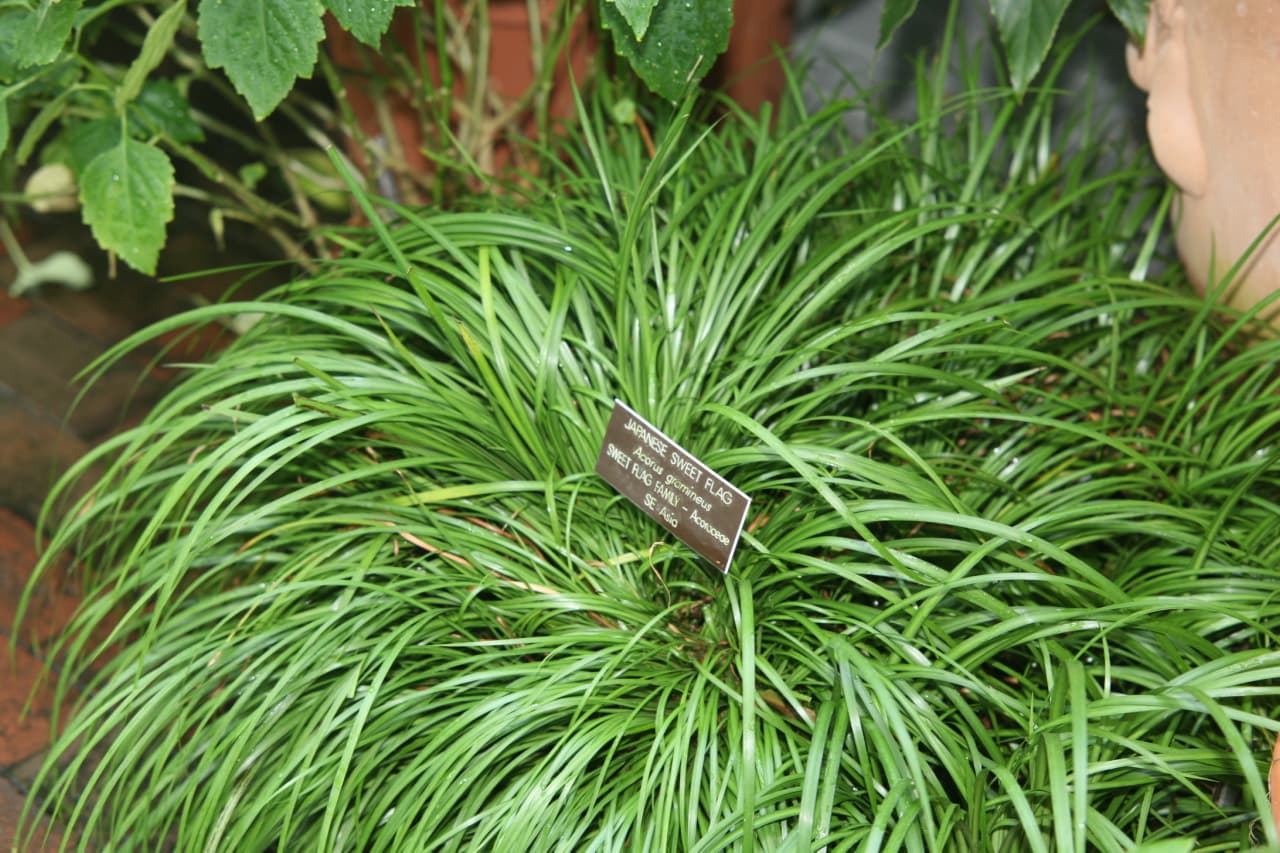
Japanese Sweet Flag
Rarely damagedAcorus sp.
- Type
- Ornamental grass
- Hardiness
- Zones 5–9, genus range
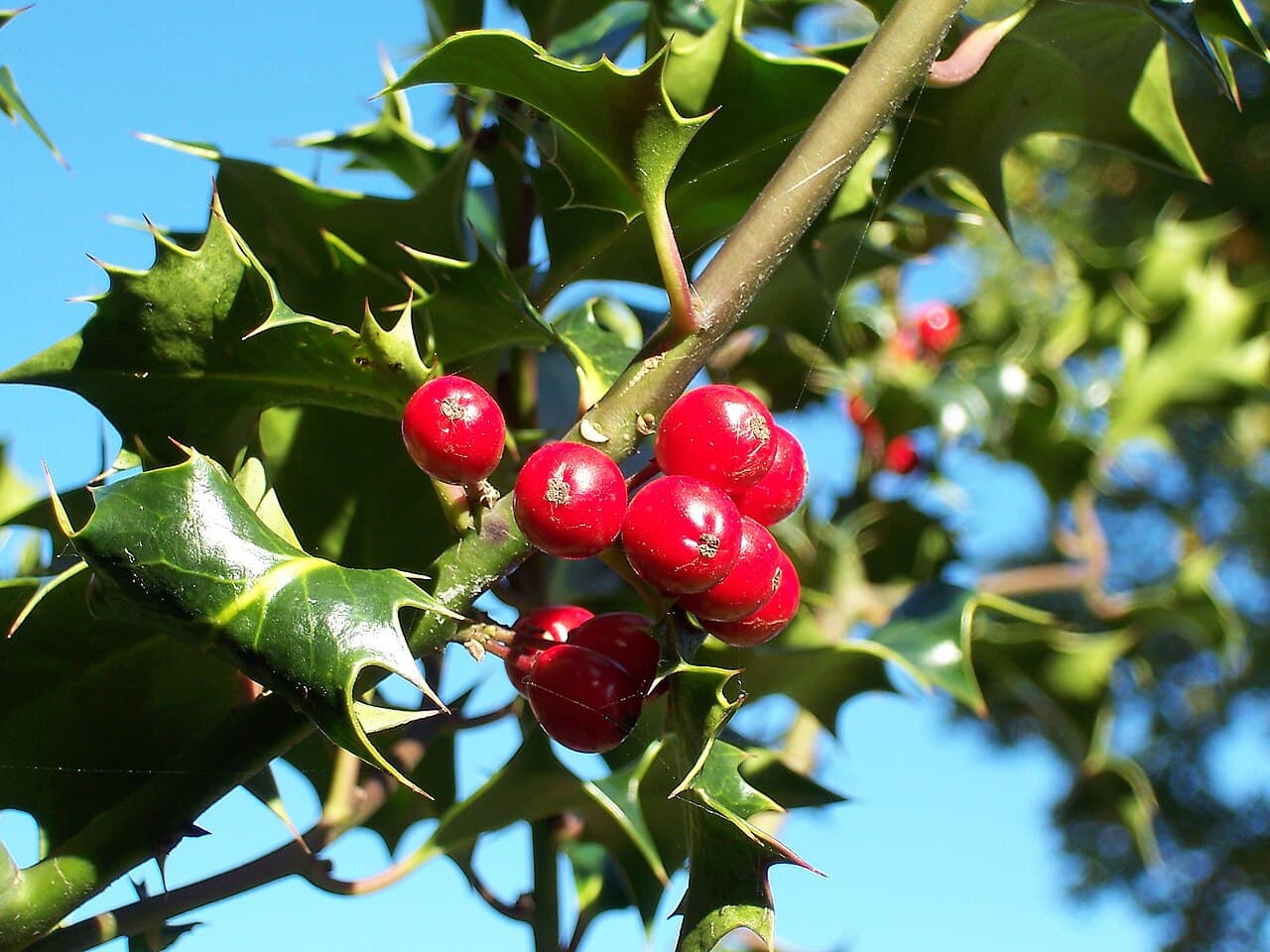
John T. Morris Holly
Rarely damagedIlex x 'John T. Morris'
- Type
- Shrub
- Hardiness
- Zones 6–9
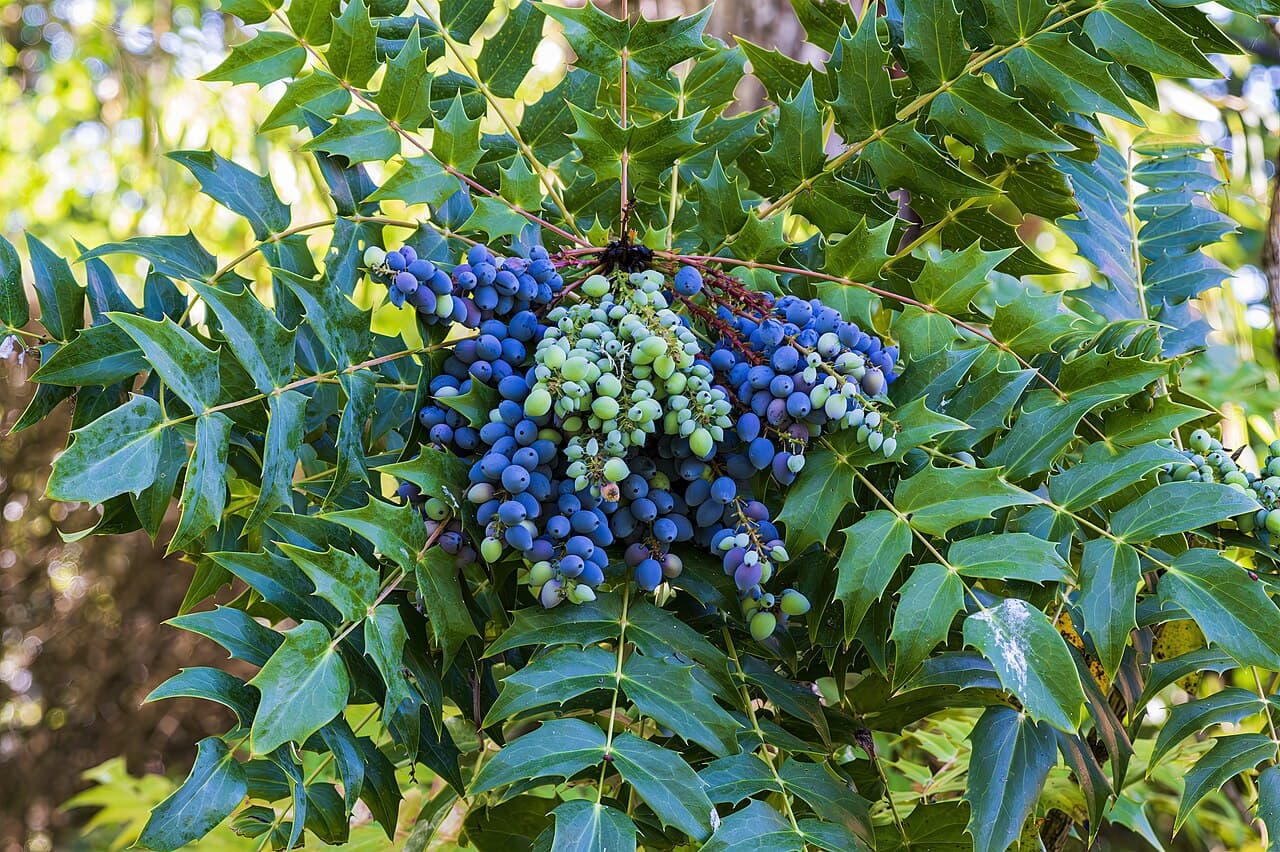
Leatherleaf Mahonia
Rarely damagedMahonia bealei
- Type
- Shrub
- Hardiness
- Zones 7–9
- Height
- 48–120 in
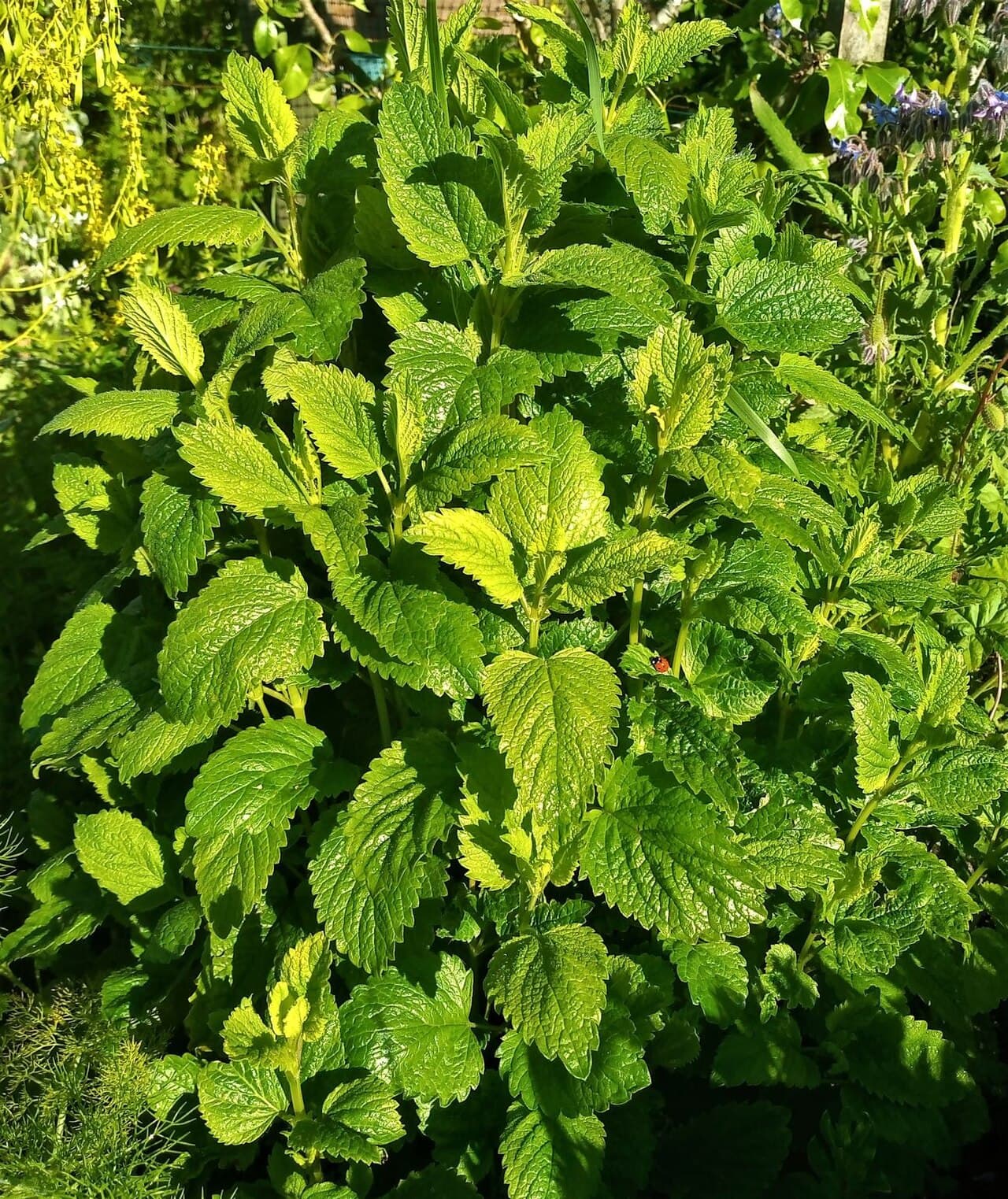
Lemon Balm
Rarely damagedMelissa officinalis
- Type
- Perennial
- Hardiness
- Zones 3–7
- Height
- 24–36 in
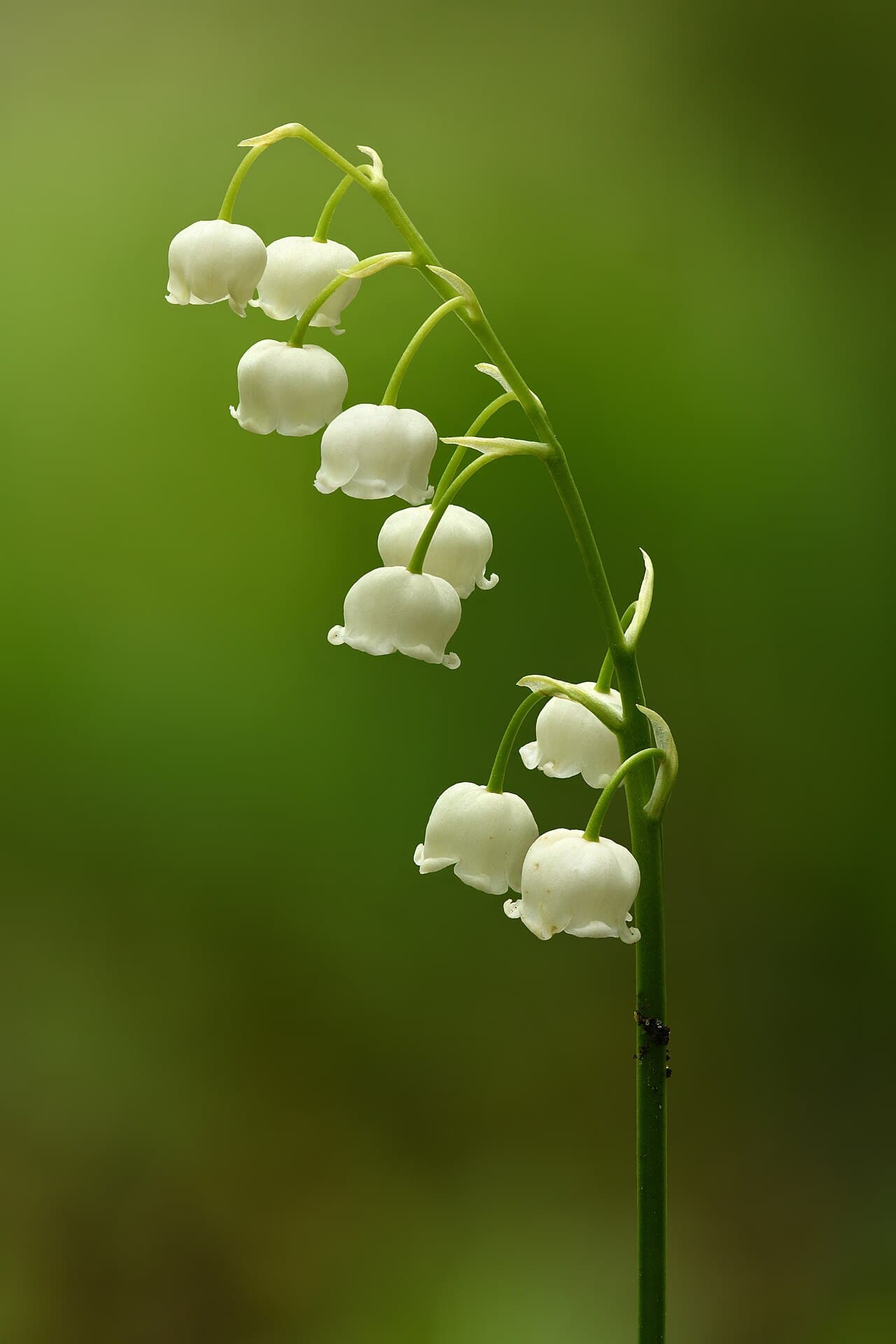
Lily of the Valley
Rarely damagedConvallaria majalis
- Type
- Groundcover
- Hardiness
- Zones 3–7
- Height
- 6–10 in
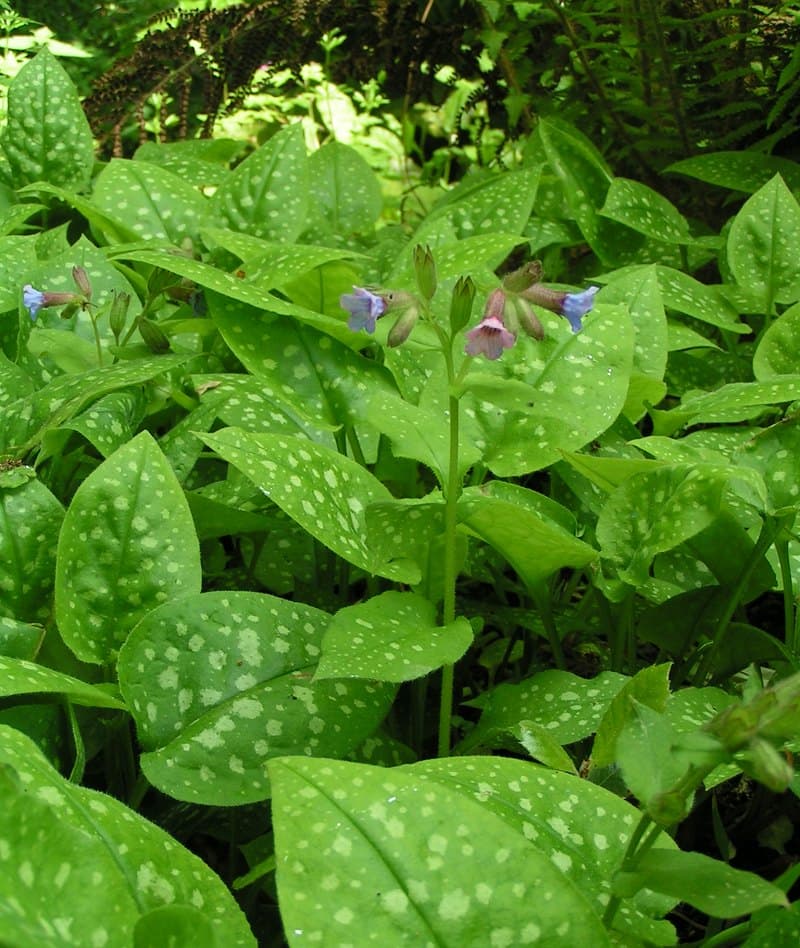
Lungwort
Rarely damagedPulmonaria officinalis
- Type
- Perennial
- Hardiness
- Zones 3–8
- Height
- 6–12 in
Lydia Morris Holly
Rarely damagedIlex x 'Lydia Morris'
- Type
- Shrub
- Hardiness
- Zones 6–9
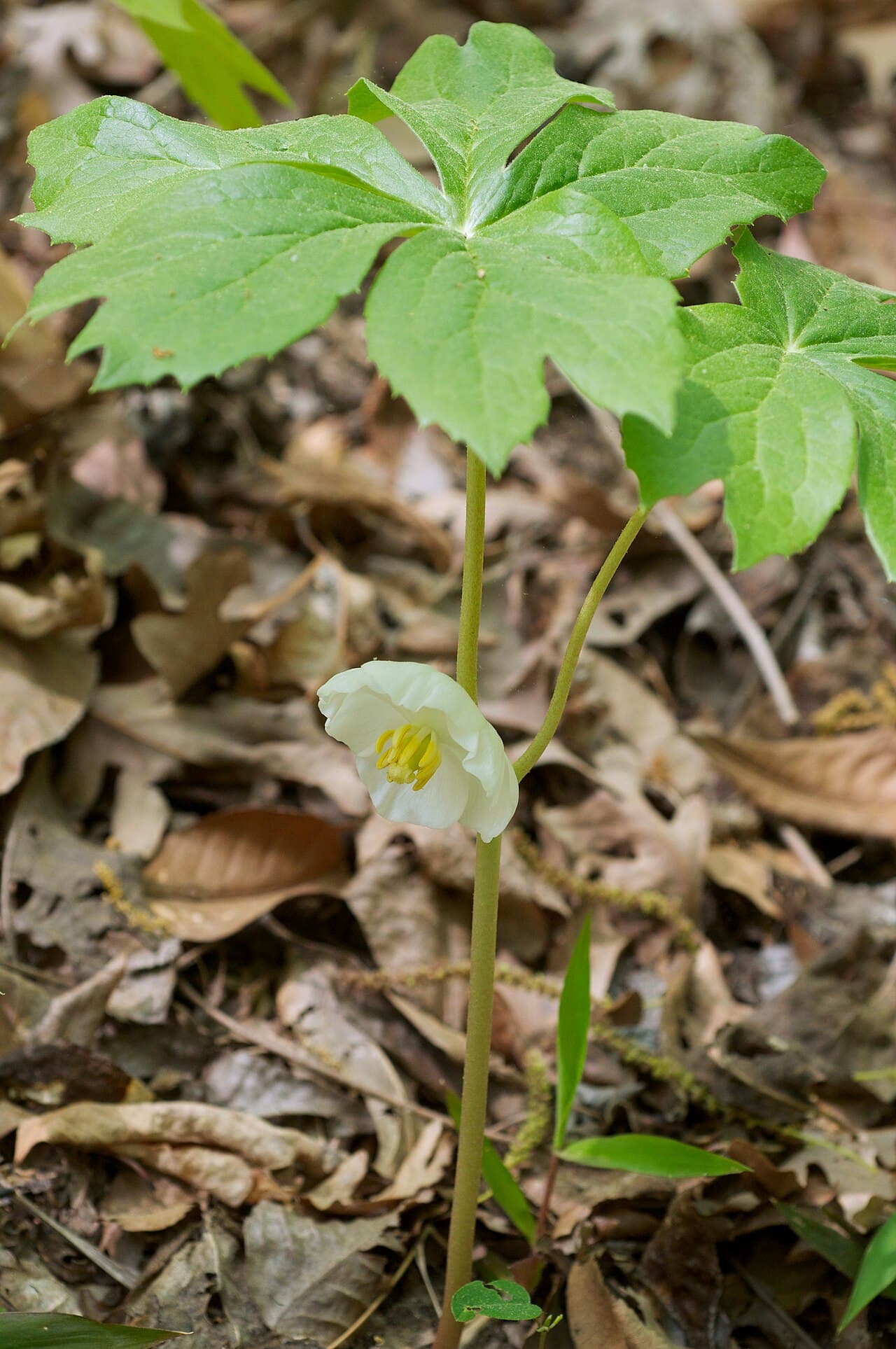
May Apple
Rarely damagedPodophyllum peltatum
- Type
- Perennial
- Hardiness
- Zones 3–8
- Height
- 12–18 in
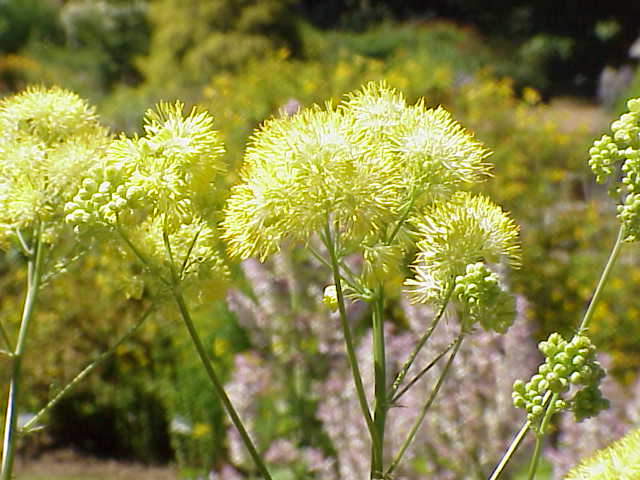
Meadow Rue
Rarely damagedThalictrum sp.
- Type
- Perennial
- Hardiness
- Zones 3–8, genus range
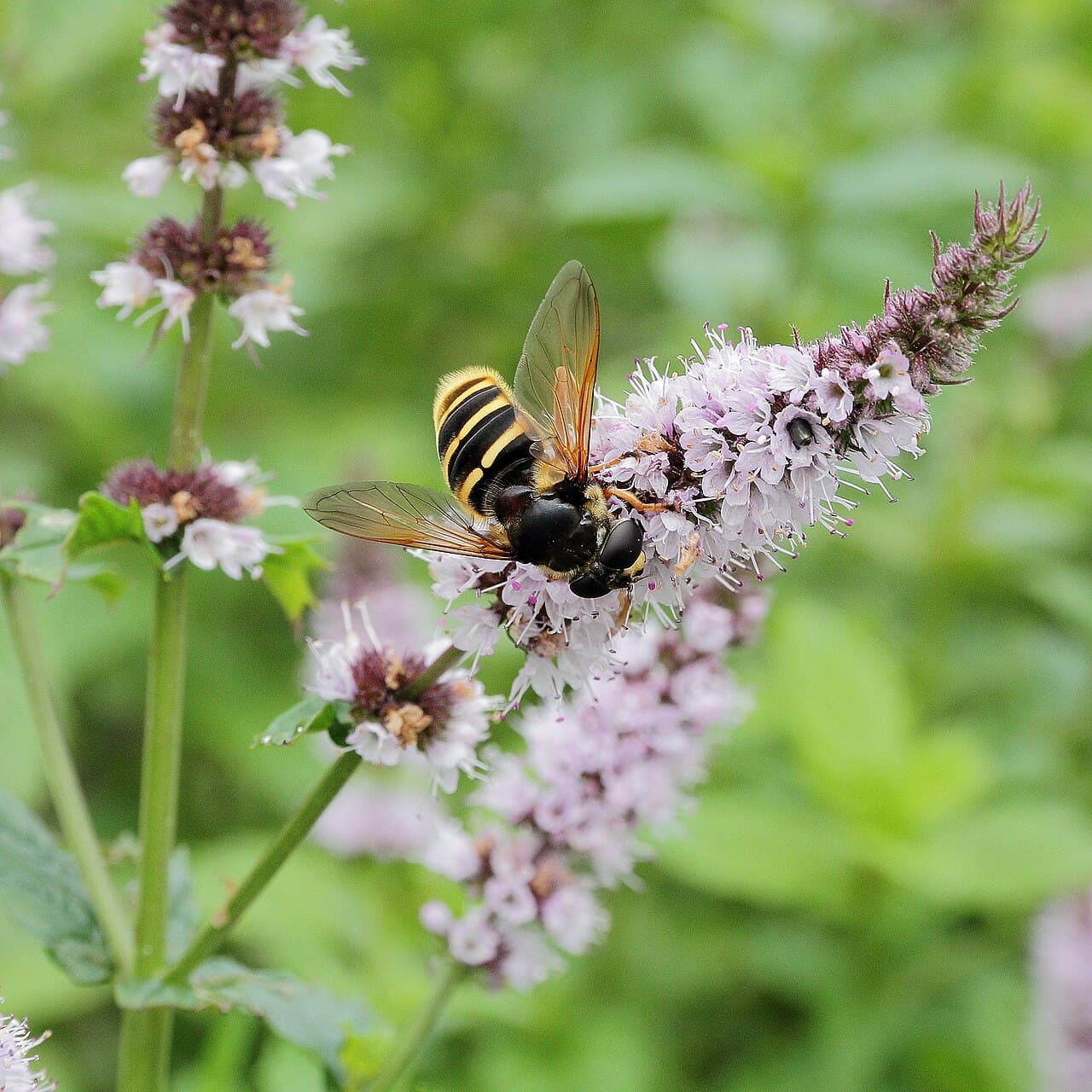
Mint
Rarely damagedMentha sp.
- Type
- Perennial
- Hardiness
- Zones 3–9, genus range
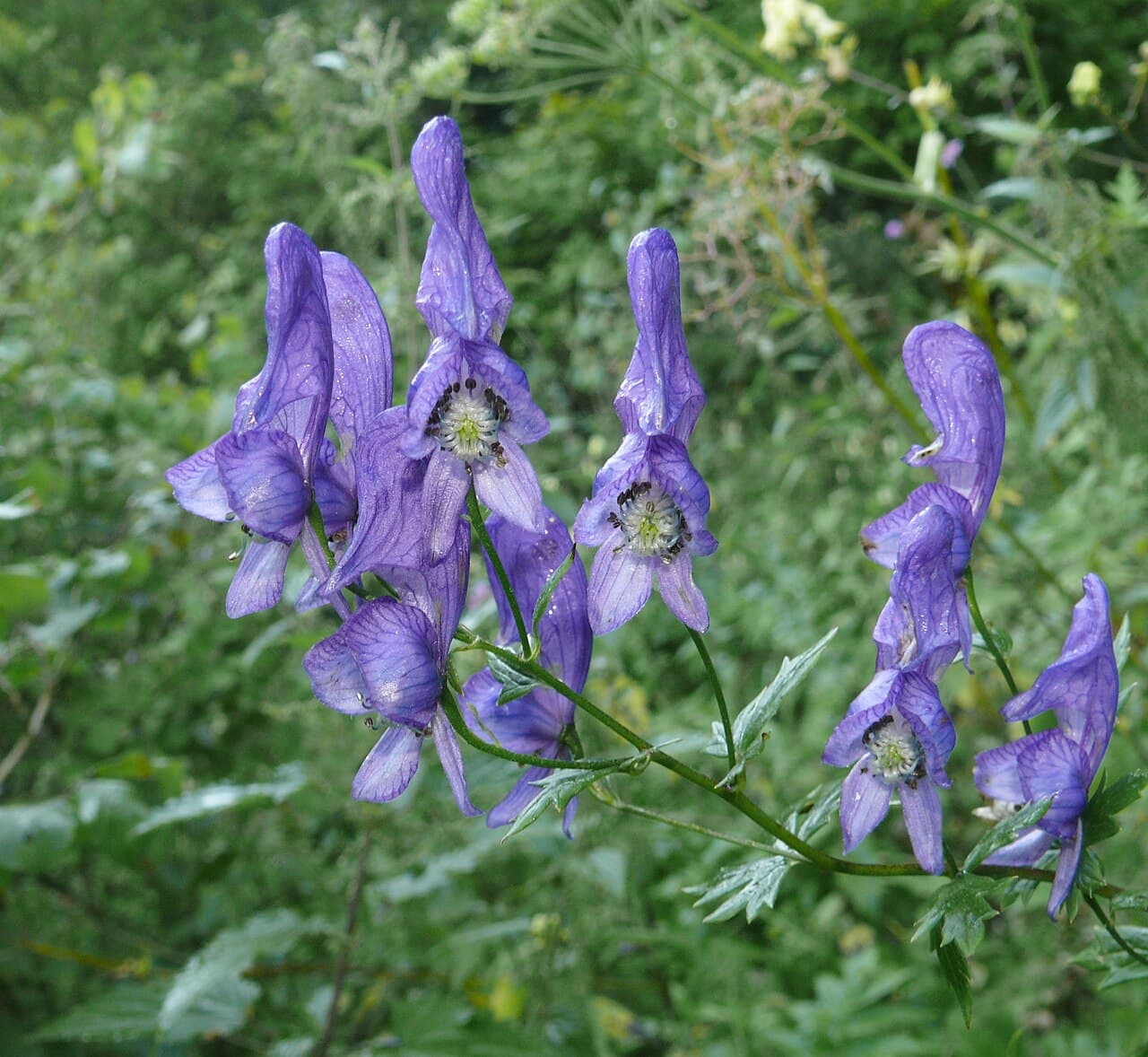
Monkshood
Rarely damagedAconitum sp.
- Type
- Perennial
- Hardiness
- Zones 3–7, genus range
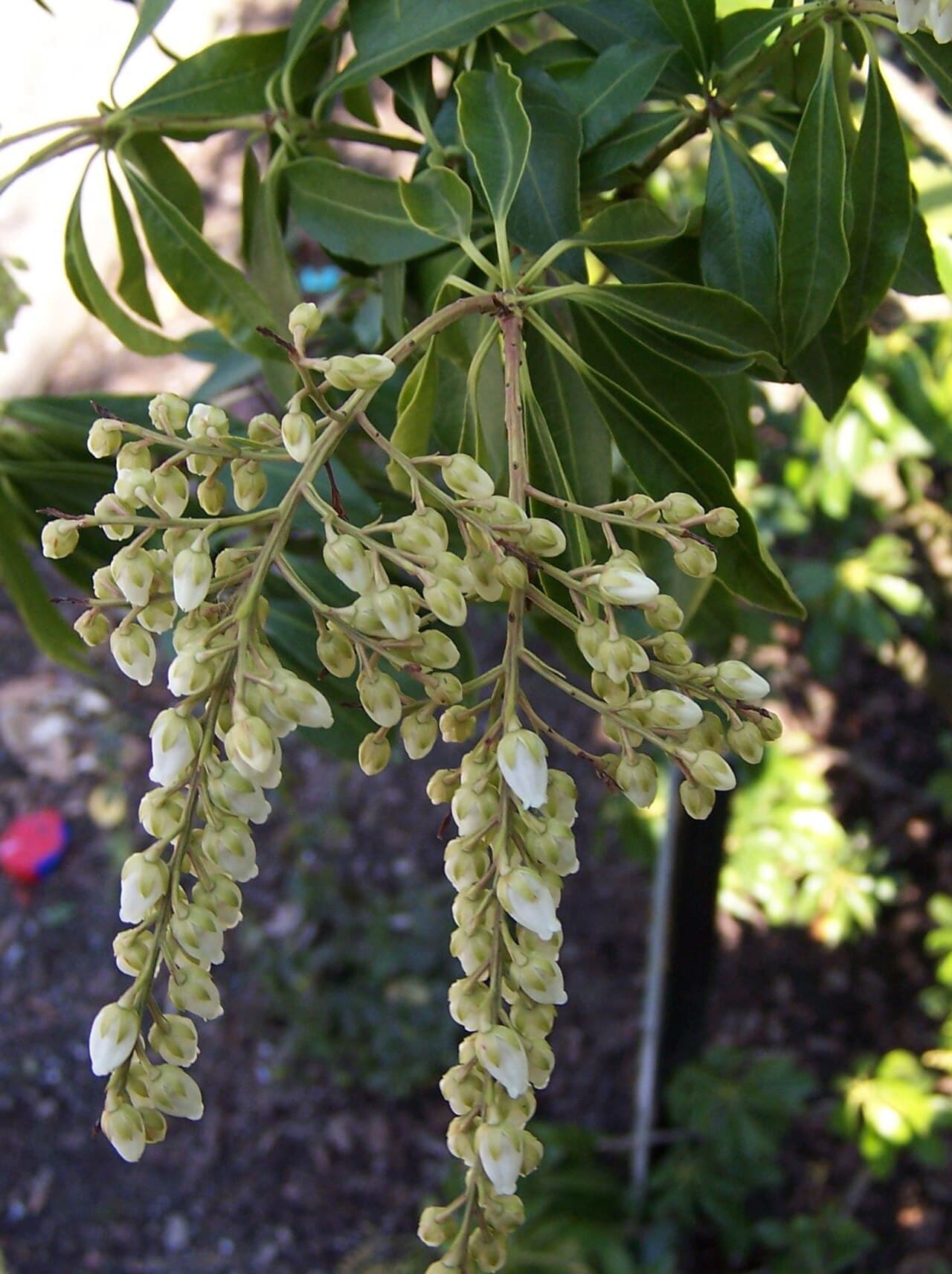
Mountain Pieris
Rarely damagedPieris floribunda
- Type
- Shrub
- Hardiness
- Zones 4–6
- Height
- 48–72 in
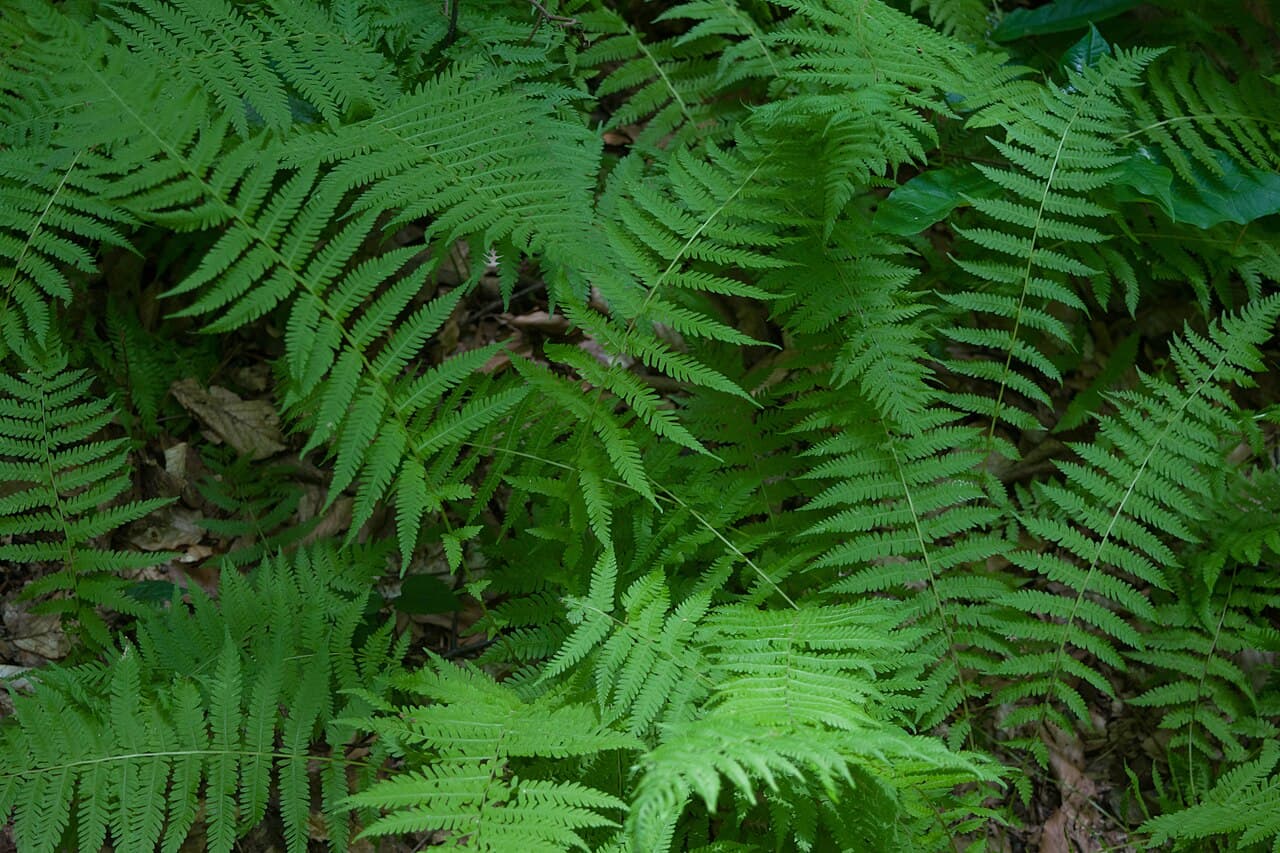
New York Fern
Rarely damagedThelypteris noveboracensis
- Type
- Fern
- Hardiness
- Zones 3–8
- Height
- 12–24 in
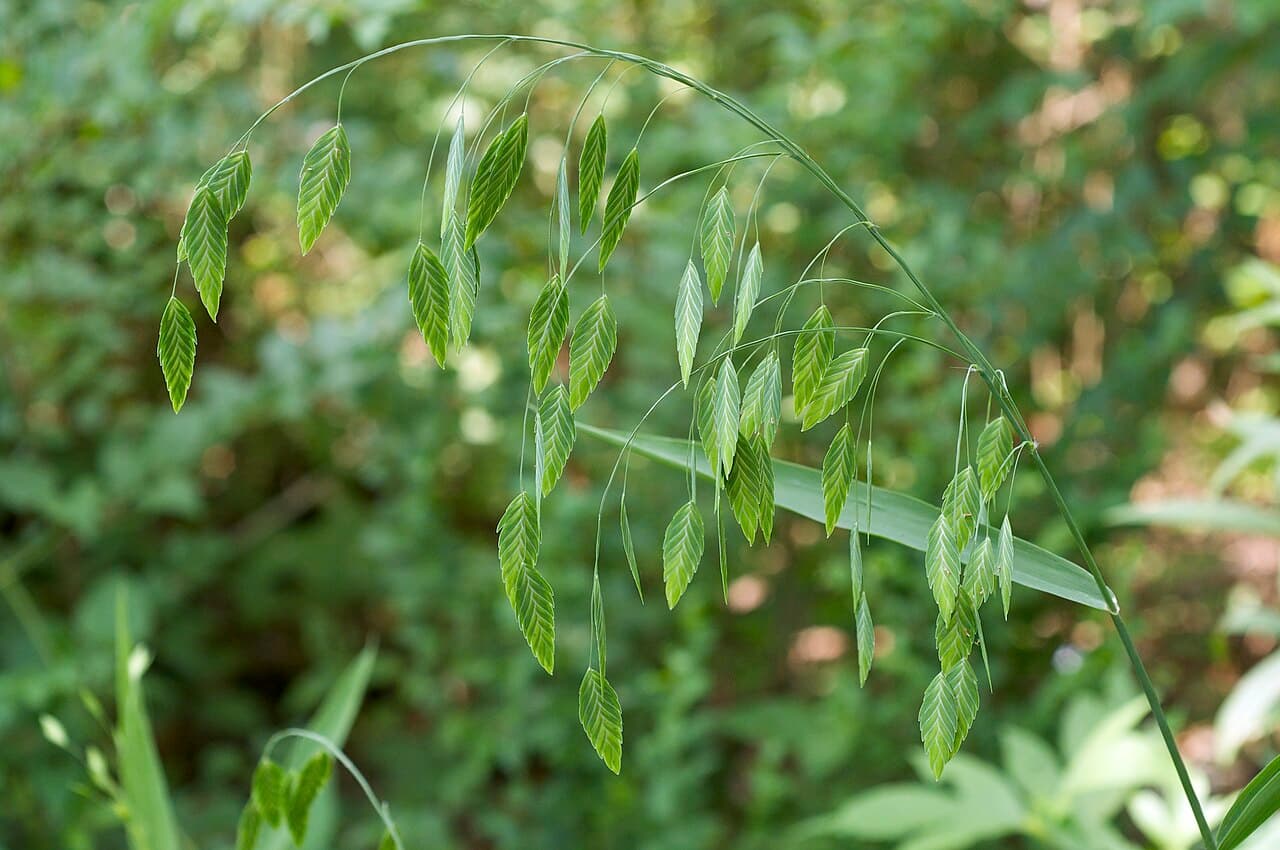
Northern Sea Oats
Rarely damagedChasmanthium latifolium
- Type
- Ornamental grass
- Hardiness
- Zones 5–9
- Height
- 24–60 in
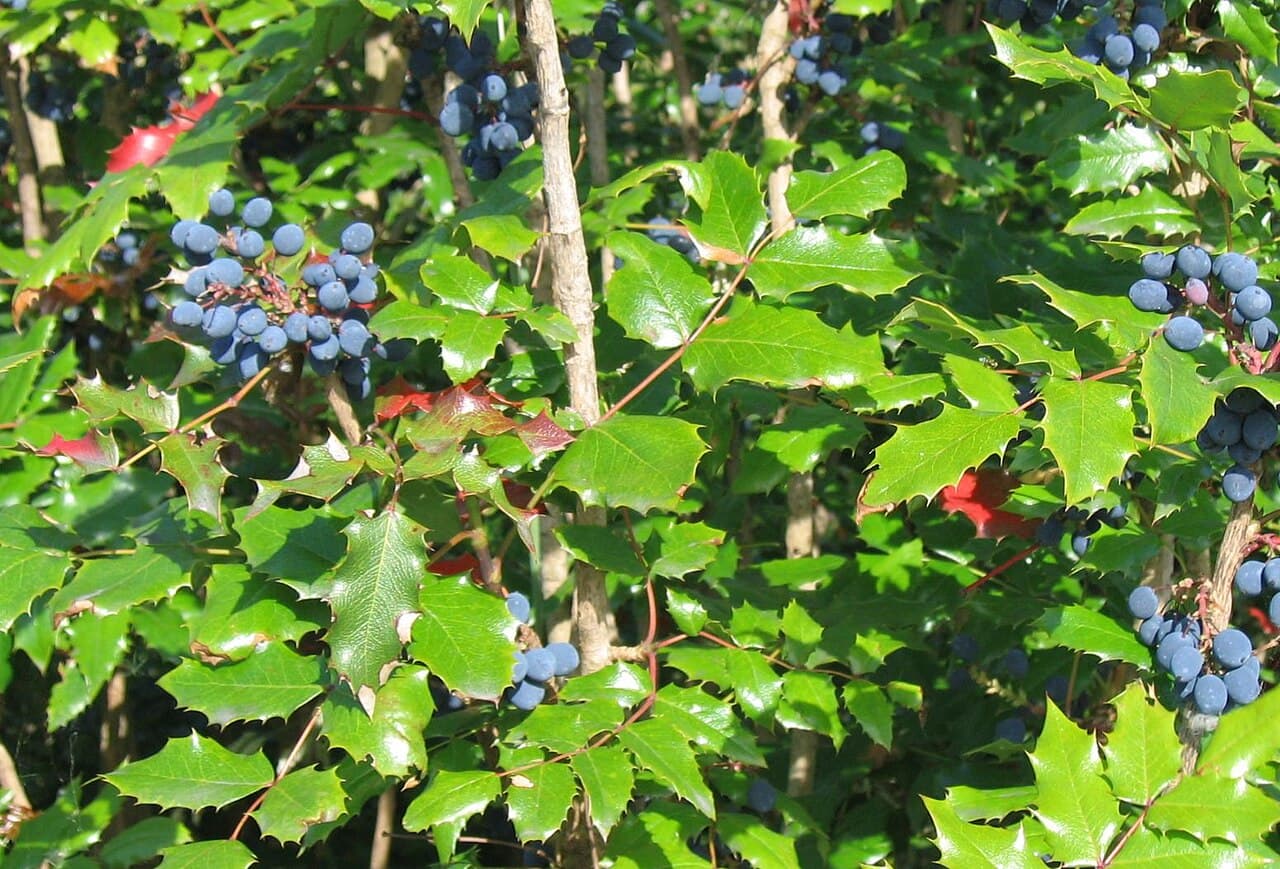
Oregon Grape Holly
Rarely damagedMahonia aquifolium
- Type
- Shrub
- Hardiness
- Zones 5–8
- Height
- 36–72 in
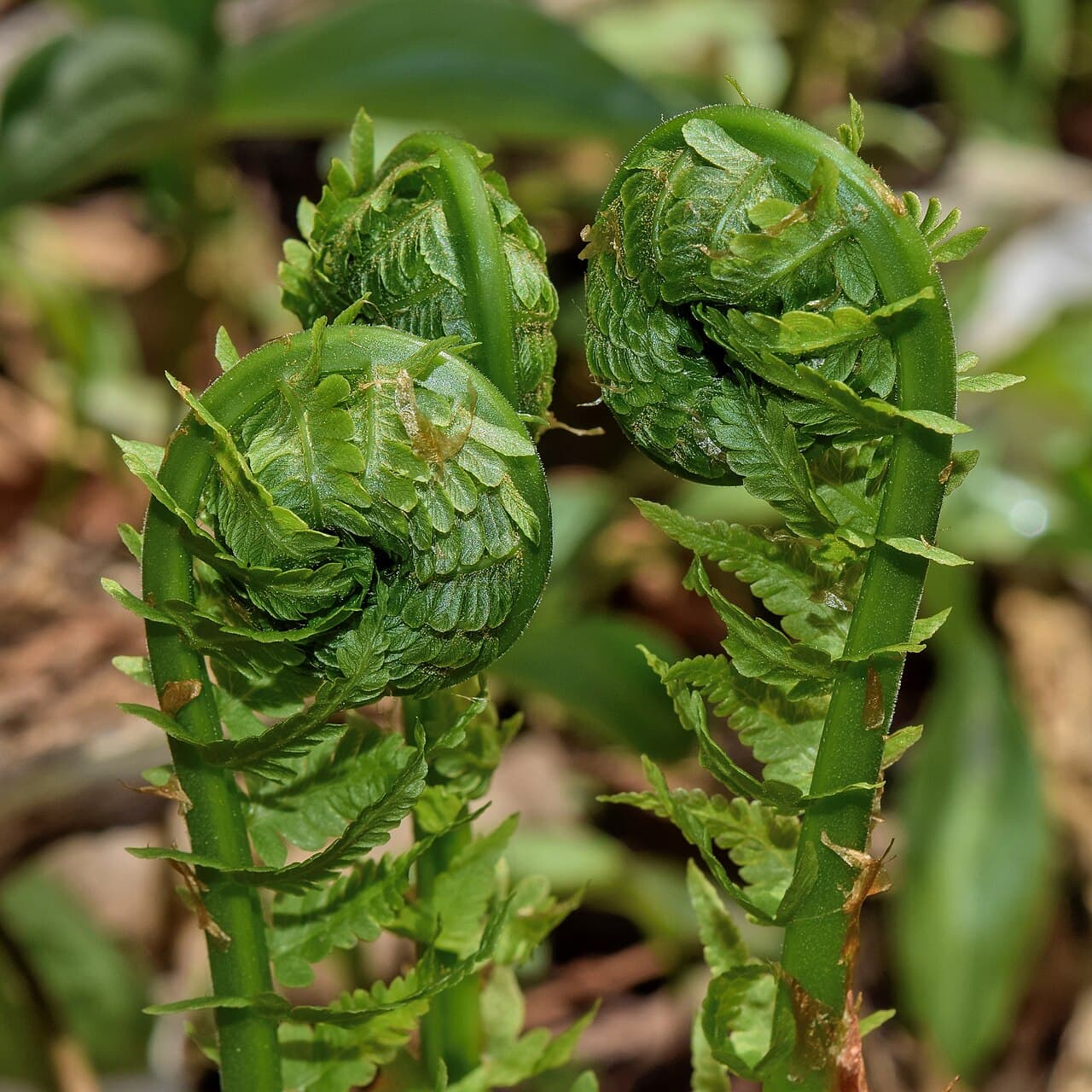
Ostrich Fern
Rarely damagedMatteuccia struthiopteris
- Type
- Fern
- Hardiness
- Zones 3–8
- Height
- 36–60 in