
Plant record · Shrub · Taxaceae
Is Japanese Yew deer resistant?
Taxus cuspidata
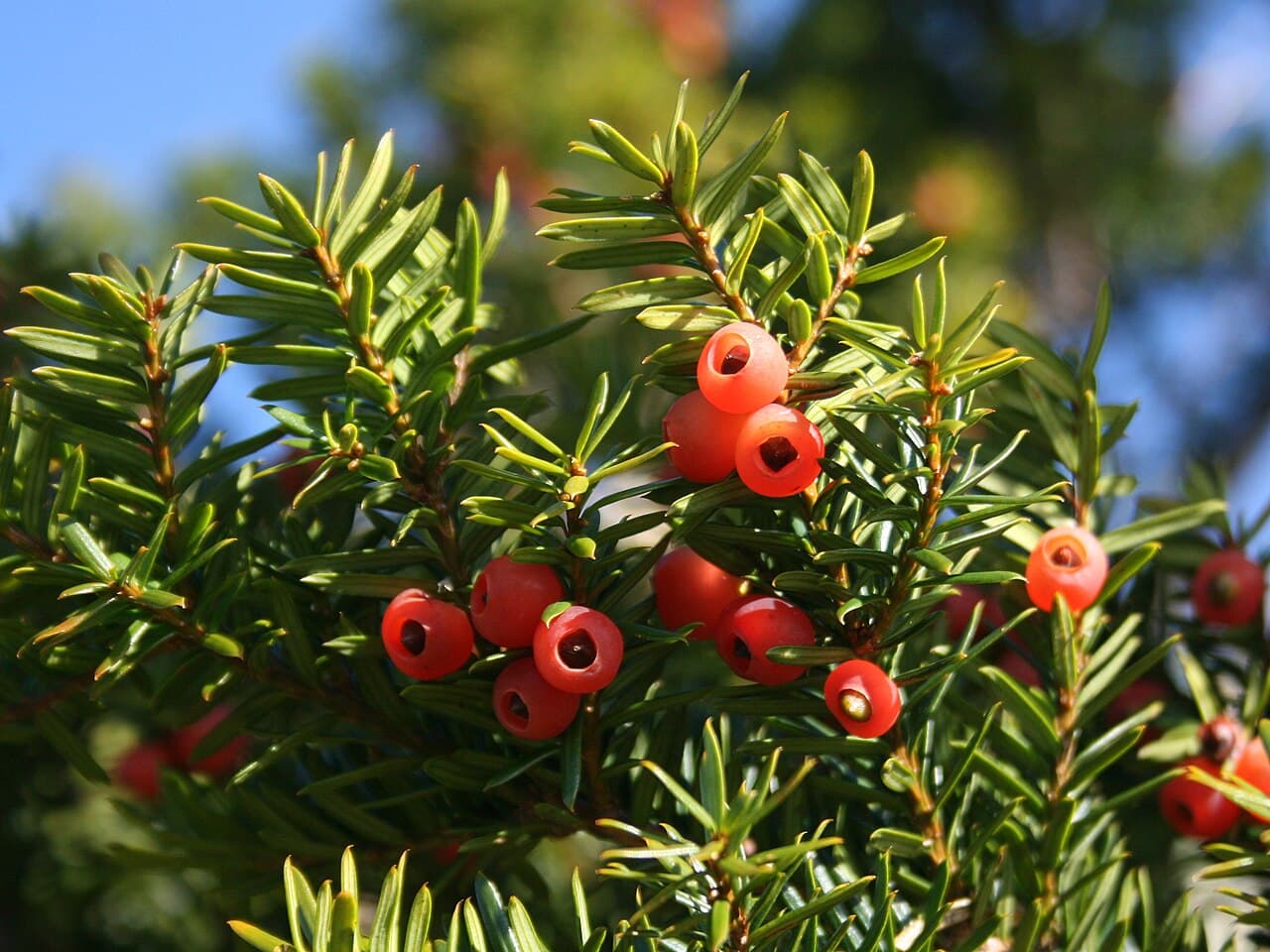
No. Deer will destroy this. Do not plant it unprotected.
- Type
- Shrub
- Hardiness
- Zones 4–7
- Light
- Part shade
- Height
- 120–300 in
- Maintenance
- Moderate
- Family
- Taxaceae
- Toxic to
- cats, dogs, and horses
Damage steps follow a published university field scale. How plants are rated.
About Japanese Yew
Heavily browsed in winter, and one of the few plants that is genuinely dangerous to have eaten. Taxine alkaloids will kill a horse or a cow outright, and deer strip it with no apparent ill effect at all.
For a garden that means yew is close to unplantable where pressure is real. A hedge browsed to a browse line does not recover: yew is one of the few conifers that will resprout from old wood, but the regrowth is slow enough that you are looking at a disfigured hedge for years.
If you want a deer-safe evergreen of similar habit, boxwood is the usual substitute, and Japanese plum yew looks close enough that it is sold specifically as the deer-resistant alternative.
Protecting Japanese Yew
Deer will destroy this without protection, so the question is which kind you are willing to pay for.
- 1How tall a deer fence needs to beEight feet, and six is the most common expensive mistake in deer fencing.
- 2What a deer fence costsMaterial ratios are stable even when prices are not, and installation reliably doubles the figure.
- 3Repellent that actually worksThe egg-based recipe that reproduces the active ingredient in the commercial sprays that win university trials.
- 4Check it is actually deerDeer tear and leave a ragged stub. A clean 45-degree cut is rabbits, and slug holes get blamed on deer constantly.
What to plant instead of Japanese Yew
Same plant type, hardy in the same zones, and rated better for deer. If Japanese Yew keeps getting eaten, these go in the same spot.
- Arrowwood ViburnumViburnum dentatumZones 2–8Rarely damaged
- BarberryBerberis sp.Zones 4–8, genus rangeRarely damaged
- Blackhaw ViburnumViburnum prunifoliumZones 3–9Seldom damaged
- BuckthornRhamnus sp.Zones 3–7, genus rangeSeldom damaged
- Carolina SilverbellHalesia carolinaZones 4–8Seldom damaged
- Common SweetshrubCalycanthus floridusZones 4–9Seldom damaged
Soil and care
- Soil pH
- 6 to 7.5
- Drainage
- Well drained
- Water
- Moderate
- Fertility
- Moderate
- Spacing
- 47 to 94 in apart
- Growth rate
- Slow
- Maintenance
- Moderate
Tolerances and uses
- Drought
- Moderate
- Salt
- Moderate
- Pollinators
- None
Evergreen·Attracts birds
Where Japanese Yew is used
2 guides on this site plant it, and say where and what beside it.
- Deer-Resistant Garden Design FAQLayout questions: where the vulnerable plants go, whether to fence the bed or the boundary, and what a browse line is telling you.5 min
- How to Tell If Deer Are Eating Your PlantsDeer have no upper incisors, so they tear rather than cut. That one fact separates them from every other animal in the garden.5 min
Where Japanese Yew grows
Hardy across 48 states on zone range alone. Mountain and coastal areas sit outside the ranges used here, so check your own zone before ordering. Select any state, including one it will not grow in, for what is resistant there.
Choose a state from the listeasier on a phone
- Pennsylvania
- New Jersey
- New York
- Connecticut
- Massachusetts
- Virginia
- Maryland
- Michigan
- Wisconsin
- Ohio
- Indiana
- Illinois
- Minnesota
- Missouri
- North Carolina
- Tennessee
- Georgia
- Texas
- Colorado
- California
- Oregon
- Washington
- New Hampshire
- Vermont
- Maine
- Rhode Island
- Delaware
- West Virginia
- Kentucky
- South Carolina
- Florida
- Alabama
- Mississippi
- Louisiana
- Arkansas
- Oklahoma
- Kansas
- Nebraska
- Iowa
- North Dakota
- South Dakota
- Montana
- Wyoming
- Idaho
- Utah
- Nevada
- Arizona
- New Mexico
- Alaska
- District of Columbia
- Hawaii
Common questions about Japanese Yew
- Is Japanese Yew deer resistant?
- Japanese Yew (Taxus cuspidata) is rated Frequently Severely Damaged, step 4 of 4 on the damage scale this site uses. Deer will destroy this. Do not plant it unprotected.
- What hardiness zones does Japanese Yew grow in?
- Japanese Yew is hardy in USDA zones 4 to 7. Outside that range it will either not survive winter or will struggle with summer heat.
- Does Japanese Yew grow in shade?
- Yes. Japanese Yew tolerates part shade, which makes it one of the options for a shaded bed where deer also browse.
- How big does Japanese Yew get?
- Mature height is roughly 120–300 in. Growth rate is slow.
- Is Japanese Yew toxic to dogs or cats?
- Yes. The ASPCA lists Japanese Yew as toxic to cats, dogs, and horses. Site it away from where animals graze, or choose something else if you have a dog that chews.
Browse from here
Every list Japanese Yew belongs to.
All shrubs·Deer favorites·Part shade plants·Evergreen shrubs