My Deer Garden

Deer-resistant plants, rated.

A working reference for gardening where deer live. Which plants they leave alone, which deterrents hold up, and how tall a fence has to be before they stop bothering.

There are no deer-proof plants, whatever the label at the garden center says. There are plants deer will not eat until February, plants they strip in a hard winter, and a small number they genuinely walk past year after year. This site rates which is which, on a published scale, and says where the scale stops applying.

The database

594 plants, rated by how badly deer damage them.

Ratings follow the Rutgers four-tier scale, cross-checked against state extension data. Including the handful deer genuinely ignore that we still tell you not to plant.

Browse the database
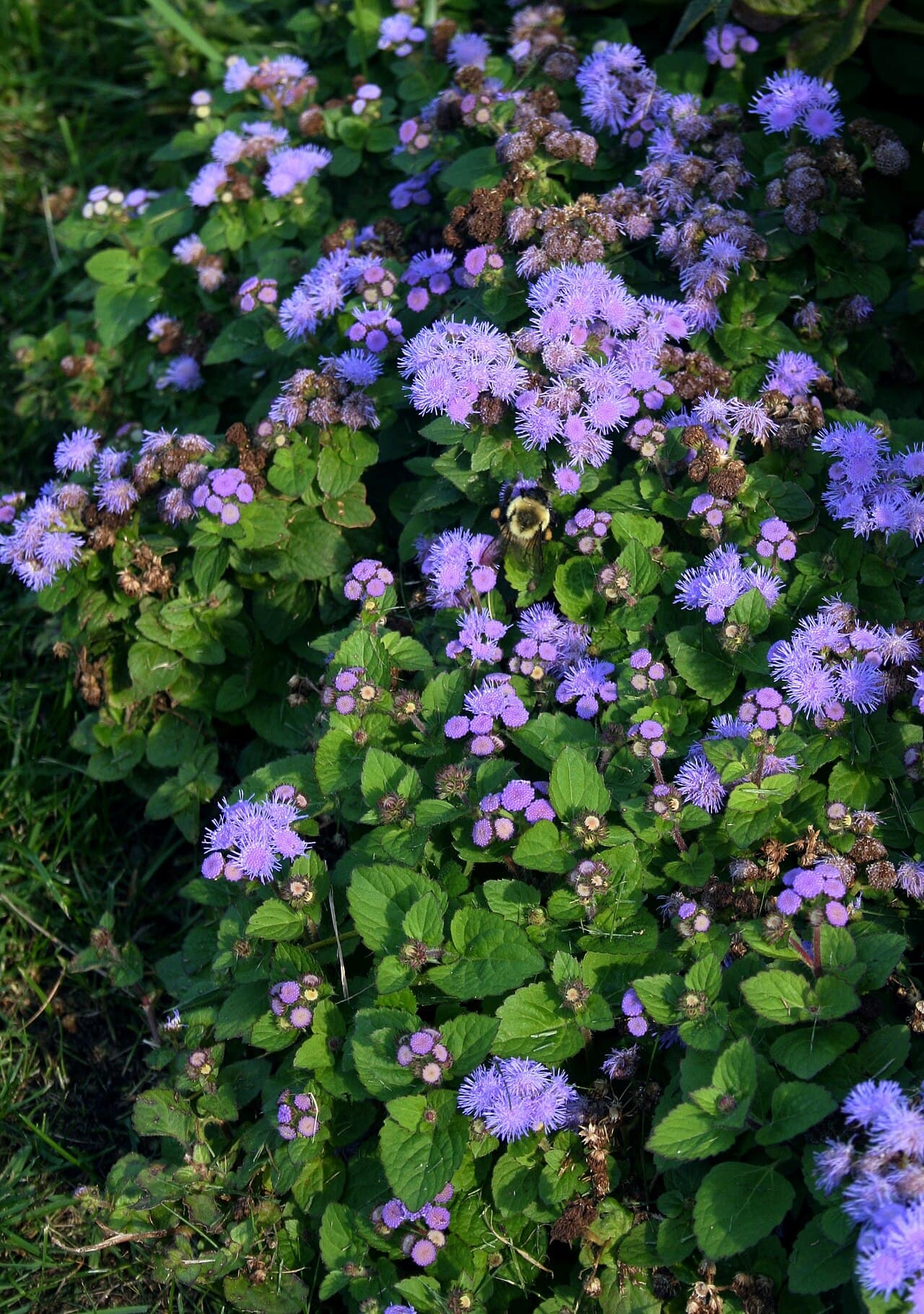
Fluffy blue ageratum flower clusters
Harry Alverson · CC BY-SA 2.0

Start with the ones deer walk past

See all rarely damaged

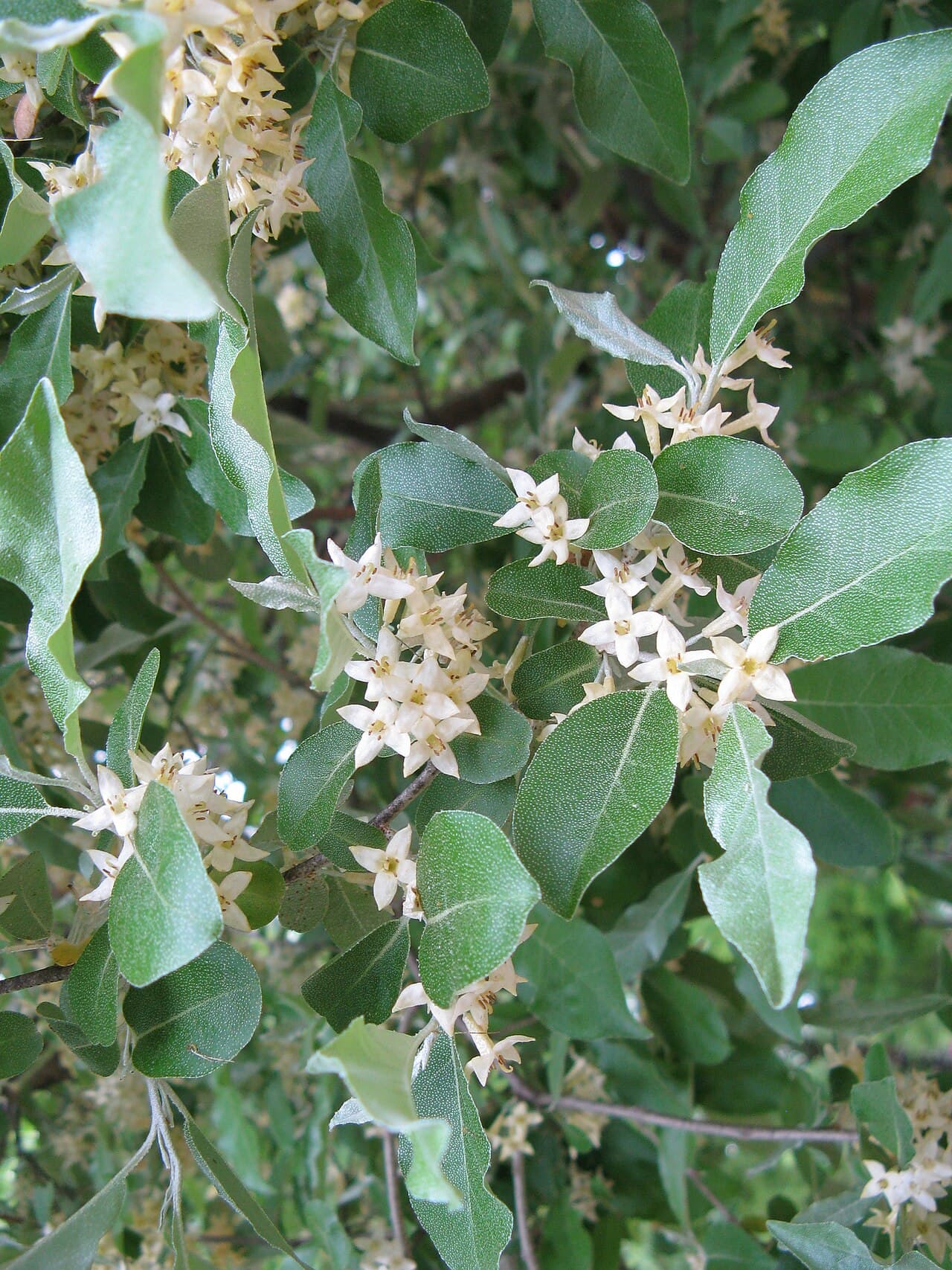
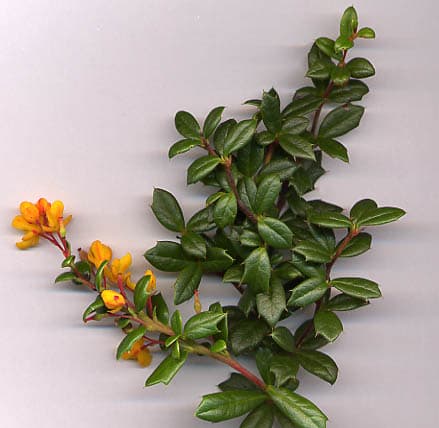
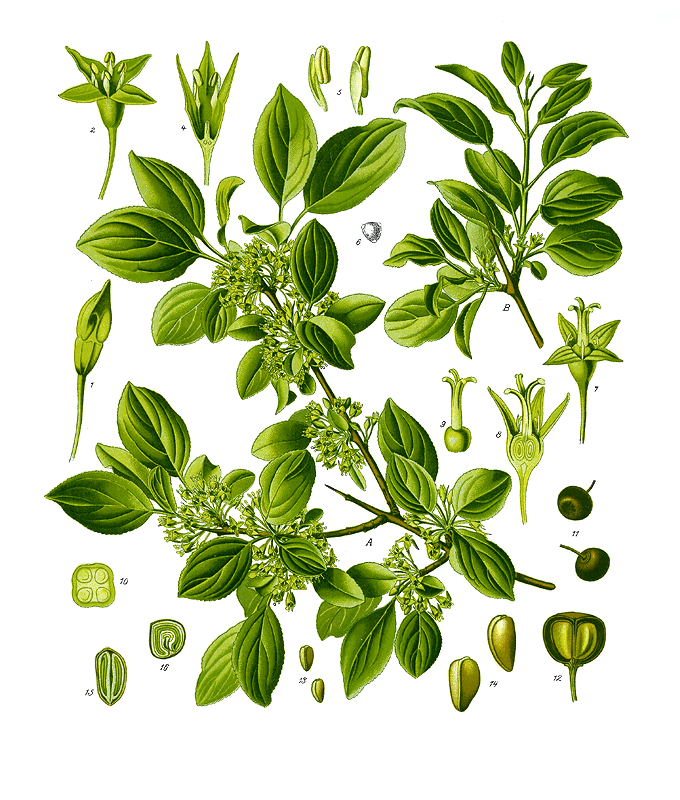
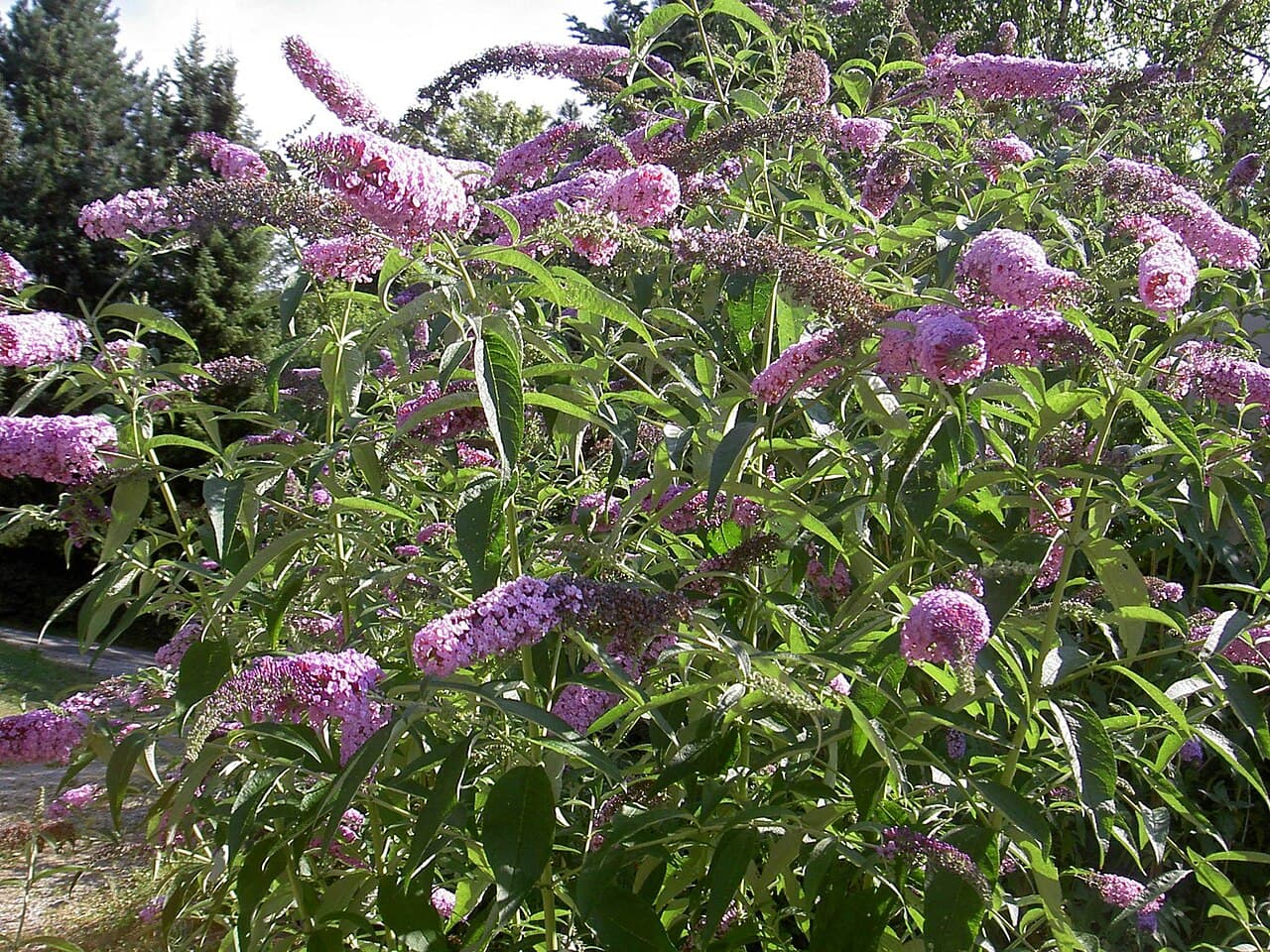
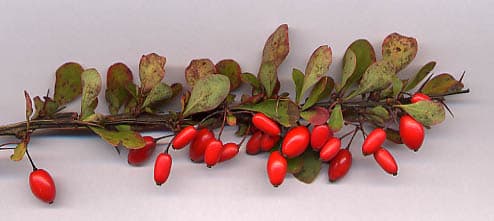
Plants deer ignore that you still should not buy

Every one of these is rated Rarely or Seldom damaged, and every one is listed invasive somewhere. Deer leaving a plant alone is not a reason to plant it.

Invasive status is recorded state by state, and a shrub sold freely in one state can be prohibited in the next. Everything else worth avoiding.

Once the plant list runs out

Planting well reduces the problem. It does not end it, and in a hard winter nothing does. These are the three things people actually do next.

7 guides

Fencing

A white-tailed deer clears eight feet from standing, and six-foot fences are the most common expensive mistake in the subject. Going from six feet to seven buys seventy-one percentage points of deterrence. Going from five to six buys fourteen.

8 ft standing jump6 ftdeer clears it8 ftdeer declines
A deer clears eight feet from standing. Six feet costs most of what eight costs and does not reach the line that matters.
6 guides

Repellents

In the largest head-to-head trial, twenty products over eighteen weeks, none eliminated browsing. What separated the ones that worked was delivery and concentration, not brand.

The one recipe that tests well

Recently written

Every guide

Where to start

Most people arrive here having already lost something. What you do next depends less on which plant it was than on how much you are willing to spend and whether the damage is going to repeat.

What the ratings mean

Every plant here sits on the four-tier scale published by Rutgers NJAES: rarely damaged, seldom severely damaged, occasionally severely damaged, frequently severely damaged. It is the only large rated list built from sustained field observation rather than compiled from other websites, which is why this site uses it rather than inventing a scale of its own.

It measures one thing: how heavily deer damage a plant. It does not measure whether the plant is a good idea. Several of the most reliably ignored shrubs are invasive across much of the country, and those carry a warning here rather than a recommendation.

How the ratings were made

Which deer you have matters

These are white-tailed deer ratings, observed in New Jersey. Across the whitetail range they travel reasonably well. Beyond it they travel less well: mule deer through the Rockies browse differently, black-tailed deer on the Pacific coast are different again, and axis deer in Hawaii and the Texas Hill Country are not a North American animal at all and eat plants no mainland list has tested.

State pages say which animal you are dealing with. What survives in gardens near you is still better evidence than any national list, this one included.

Find plants for your state