
Plant record · Shrub · Hydrangeaceae
Is Bigleaf Hydrangea deer resistant?
Hydrangea macrophylla
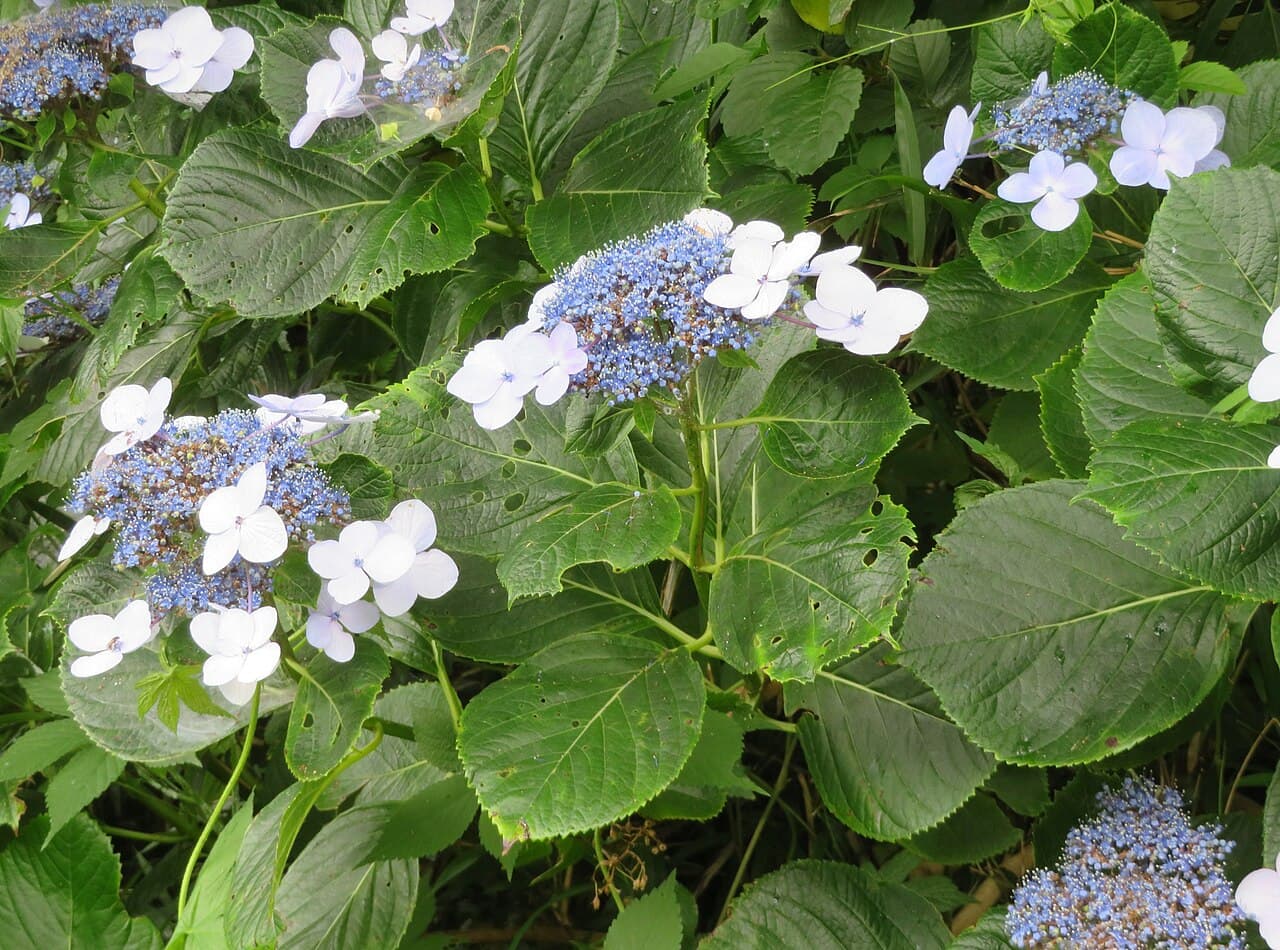
Partly. Browsed where deer pressure is high. Protect it.
- Type
- Shrub
- Hardiness
- Zones 6–11
- Light
- Part shade
- Height
- 36–72 in
- Bloom
- June–August
- Maintenance
- Moderate
- Family
- Hydrangeaceae
- Toxic to
- dogs, cats, and horses
Damage steps follow a published university field scale. How plants are rated.
About Bigleaf Hydrangea
Frequently browsed, and one of the most-searched deer problems there is.
The part that catches people out is timing. Bigleaf hydrangea sets next summer's flower buds in late summer and carries them on bare stems all winter. Deer browsing those stems in January remove next year's flowers rather than this year's growth, and the plant leafs out perfectly in spring with no blooms at all. Every year the owner concludes they pruned it wrong.
If that is happening, the answer is winter protection specifically: cage or wrap the stems from leaf drop until spring, when the plant is dormant and nobody is watching it.
Panicle and smooth hydrangeas flower on new wood, so winter browsing costs them nothing. In real deer pressure they are the sensible substitute.
Do deer eat hydrangeas?
Yes. Rutgers rates bigleaf hydrangea Occasionally Severely Damaged, the third tier of four, and NC State Extension's entry for Hydrangea macrophylla says plainly that "it is susceptible to damage by deer." What deer take is the soft material: the new shoots as they extend in spring and, on this species, the flower buds, because it blooms "on the previous year's growth, often described as 'old wood.'" The three relatives on this site, oakleaf, panicle and smooth, carry the same tier.
What time of year do deer eat hydrangeas?
Two windows. Late winter, when the bare stems carrying next summer's buds are browsed and the plant leafs out in May with nothing to show for it; and the spring flush, when the new growth is at its softest. Summer browsing on a hydrangea in leaf happens, but it is the winter damage that removes the flowers, and it is invisible until June.
How do you keep deer from eating hydrangeas?
For the winter buds, a barrier: a cylinder of welded wire or a wrap of deer netting from leaf drop until the buds break, on a plant that is dormant and does not care what it looks like. For the spring flush, a spray of 20 percent whole egg in water, which Colorado State Extension rates High and says must be reapplied in about thirty days; start at bud break rather than after the first bite. Placement counts too. The advice on the tier page for this whole band is to site the plant close to the house, where traffic discourages browsing, and a hydrangea at the woodland edge is the one that gets stripped. None of that is a guarantee. The third tier is the band where local pressure decides.
Will a browsed hydrangea come back?
The plant, yes; that season's flowers, not on this species. A bigleaf hydrangea browsed in winter regrows perfectly and blooms the following year if it is left alone through the next winter. Where the buds go every year, the panicle and smooth types flower on new wood and lose nothing to winter browsing. NC State's pruning note for bigleaf, "do any pruning before August 1," is the same calendar the deer are working to.
Protecting Bigleaf Hydrangea
Whether this survives comes down to local pressure, so decide on the options before it gets browsed rather than after.
- 1How tall a deer fence needs to beEight feet, and six is the most common expensive mistake in deer fencing.
- 2Repellent that actually worksThe egg-based recipe that reproduces the active ingredient in the commercial sprays that win university trials.
- 3Check it is actually deerDeer tear and leave a ragged stub. A clean 45-degree cut is rabbits, and slug holes get blamed on deer constantly.
Soil and care
- Soil pH
- 5.5 to 6.5
- Drainage
- Consistently moist
- Water
- High
- Fertility
- Moderate
- Spacing
- 59 to 71 in apart
- Growth rate
- Moderate
- Maintenance
- Moderate
Tolerances and uses
- Drought
- None
- Salt
- Low
- Pollinators
- Low
Containers·Rain gardens
What to plant it with
Keep apart from
- Lavender
Hydrangea wants consistent moisture; lavender wants to dry out completely between waterings. One of them loses.
- Bearded Iris
Iris rhizomes need to bake dry at the surface. Regular watering for hydrangea rots them.
Where Bigleaf Hydrangea grows
Hardy across 46 states on zone range alone. Mountain and coastal areas sit outside the ranges used here, so check your own zone before ordering. Select any state, including one it will not grow in, for what is resistant there.
Choose a state from the listeasier on a phone
- Pennsylvania
- New Jersey
- New York
- Connecticut
- Massachusetts
- Virginia
- Maryland
- Michigan
- Wisconsin
- Ohio
- Indiana
- Illinois
- Minnesota
- Missouri
- North Carolina
- Tennessee
- Georgia
- Texas
- Colorado
- California
- Oregon
- Washington
- New Hampshire
- Vermont
- Maine
- Rhode Island
- Delaware
- West Virginia
- Kentucky
- South Carolina
- Florida
- Alabama
- Mississippi
- Louisiana
- Arkansas
- Oklahoma
- Kansas
- Nebraska
- Iowa
- North Dakota
- South Dakota
- Montana
- Wyoming
- Idaho
- Utah
- Nevada
- Arizona
- New Mexico
- Alaska
- District of Columbia
- Hawaii
Common questions about Bigleaf Hydrangea
- Is Bigleaf Hydrangea deer resistant?
- Bigleaf Hydrangea (Hydrangea macrophylla) is rated Occasionally Severely Damaged, step 3 of 4 on the damage scale this site uses. Browsed where deer pressure is high. Protect it.
- What hardiness zones does Bigleaf Hydrangea grow in?
- Bigleaf Hydrangea is hardy in USDA zones 6 to 11. Outside that range it will either not survive winter or will struggle with summer heat.
- Does Bigleaf Hydrangea grow in shade?
- Yes. Bigleaf Hydrangea tolerates part shade, which makes it one of the options for a shaded bed where deer also browse.
- How big does Bigleaf Hydrangea get?
- Mature height is roughly 36–72 in. Growth rate is moderate.
- When does Bigleaf Hydrangea bloom?
- Bigleaf Hydrangea flowers from June–August.
- Is Bigleaf Hydrangea toxic to dogs or cats?
- Yes. The ASPCA lists Bigleaf Hydrangea as toxic to dogs, cats, and horses. Site it away from where animals graze, or choose something else if you have a dog that chews.
Browse from here
Every list Bigleaf Hydrangea belongs to.
All shrubs·Sometimes destroyed·Part shade plants