
Plant record · Ornamental grass
Is Japanese Sedge deer resistant?
Carex sp.
Damage step 1 of 4 · Rarely Damaged
Yes. Deer almost always leave this alone.
- Type
- Ornamental grass
- Hardiness
- Zones 5–9, genus range
- Maintenance
- Low
Damage steps follow a published university field scale. How plants are rated.
About Japanese Sedge
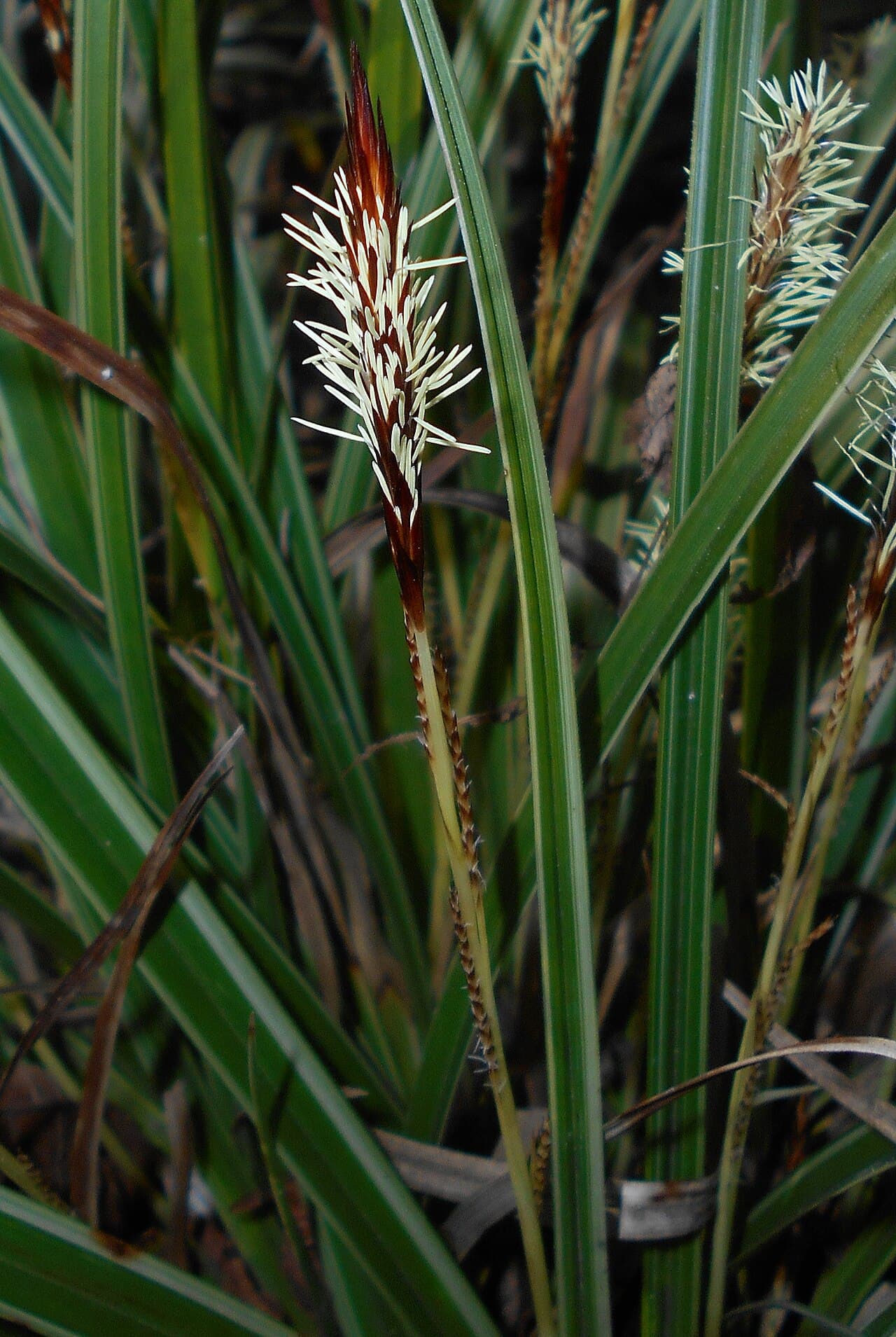
Evergreen variegated tufts that carry a shade bed through winter. Comb out the dead blades by hand in spring rather than shearing it.
Soil and care
- Soil pH
- 5.5 to 7
- Drainage
- Consistently moist
- Water
- Moderate
- Spacing
- 12 to 18 in apart
- Growth rate
- Slow
- Maintenance
- Low
Similar to Japanese Sedge
Other ornamental grasss with the same deer rating.
- Big BluestemAndropogon sp.Zones 3–9, genus rangeRarely damaged
- Blue FescueFestuca glaucaZones 4–8Rarely damaged
- Blue Oat GrassHelictotrichon sempervirensZones 4–8Rarely damaged
- Clump BambooFargesia sp.Zones 5–9, genus rangeRarely damaged
- Feather Reed GrassCalamagrostis sp.Zones 4–9, genus rangeRarely damaged
- Fountain GrassPennisetum alopecuroidesZones 6–9Rarely damaged
Where Japanese Sedge grows
Hardy across 50 states on zone range alone. Mountain and coastal areas sit outside the ranges used here, so check your own zone before ordering. Select any state, including one it will not grow in, for what is resistant there.
Choose a state from the listeasier on a phone
- Pennsylvania
- New Jersey
- New York
- Connecticut
- Massachusetts
- Virginia
- Maryland
- Michigan
- Wisconsin
- Ohio
- Indiana
- Illinois
- Minnesota
- Missouri
- North Carolina
- Tennessee
- Georgia
- Texas
- Colorado
- California
- Oregon
- Washington
- New Hampshire
- Vermont
- Maine
- Rhode Island
- Delaware
- West Virginia
- Kentucky
- South Carolina
- Florida
- Alabama
- Mississippi
- Louisiana
- Arkansas
- Oklahoma
- Kansas
- Nebraska
- Iowa
- North Dakota
- South Dakota
- Montana
- Wyoming
- Idaho
- Utah
- Nevada
- Arizona
- New Mexico
- Alaska
- District of Columbia
- Hawaii
Common questions about Japanese Sedge
- Is Japanese Sedge deer resistant?
- Japanese Sedge (Carex sp.) is rated Rarely Damaged, step 1 of 4 on the damage scale this site uses. Deer almost always leave this alone.
- What hardiness zones does Japanese Sedge grow in?
- Japanese Sedge is hardy in USDA zones 5 to 9. Outside that range it will either not survive winter or will struggle with summer heat. That is the range across the genus, so a named species or cultivar may be narrower.
- Does Japanese Sedge grow in shade?
- Yes. Japanese Sedge tolerates full shade to part shade, which makes it one of the options for a shaded bed where deer also browse.
Browse from here
Every list Japanese Sedge belongs to.
All ornamental grasss·Rarely damaged·Shade plants