
Plant record · Biennial · Plantaginaceae
Is Foxglove deer resistant?
Digitalis purpurea
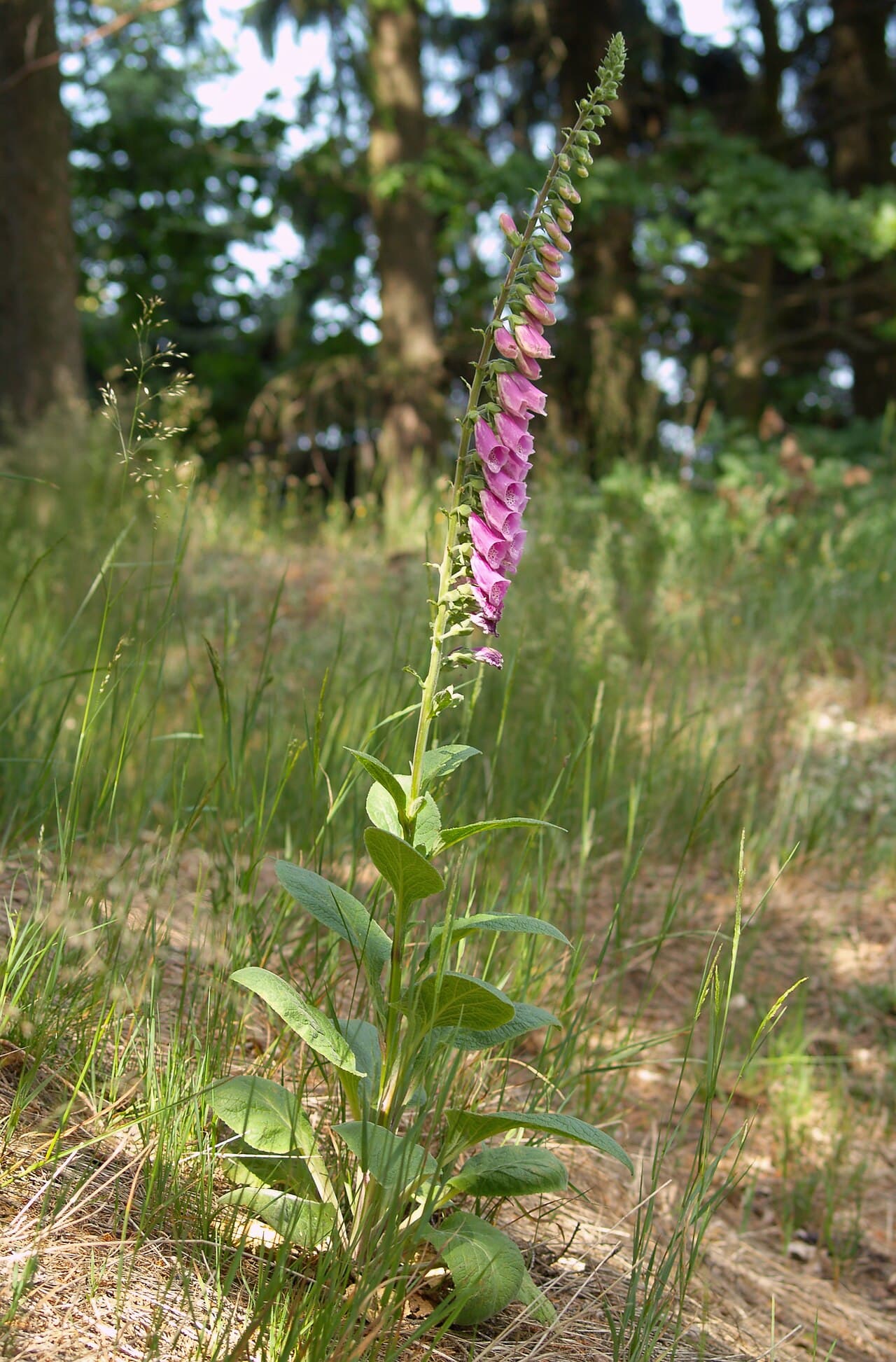
Yes. Deer almost always leave this alone.
- Type
- Biennial
- Hardiness
- Zones 4–9
- Light
- Part shade
- Height
- 24–60 in
- Bloom
- May–July
- Maintenance
- Low
- Family
- Plantaginaceae
- Toxic to
- cats, dogs, and horses
Damage steps follow a published university field scale. How plants are rated.
About Foxglove
Cardiac glycosides make every part of it toxic, and deer avoid it completely. So do rabbits.
The same chemistry means it is dangerous to people and pets. The leaves have been mistaken for comfrey by foragers with fatal results, and it should not go where small children graze a bed.
The thing most gardeners get wrong is the life cycle. Common foxglove is a biennial: it makes a flat rosette of leaves the first year, flowers spectacularly the second, then dies. A planting that appears to be thriving perennially is actually reseeding itself, and the way to keep it going is to let some spikes set seed rather than deadheading everything tidily.
It wants part shade and moisture, and sulks in dry sun.
Do deer eat foxglove?
Rarely. Rutgers rates common foxglove, Digitalis purpurea, Rarely Damaged, A, and NC State says why in a fragment: "contains a chemical that deer avoid," with rabbits on the same resistance list. The chemical is cardiac glycosides, which NC State rates a High-severity poison, and foxglove is one of the plants where the chemistry and the deer agree; rhododendron and yew are the ones where they do not.
Where it grows
NC State: zones 4a to 9b, 2 to 5 feet, full sun or partial shade, flowering spring into summer, a biennial that makes a rosette the first year and a spike the second. The ASPCA lists foxglove as toxic to cats, dogs and horses; NC State's symptom list runs from nausea to "cardiac arrhythmias, death," every part poisonous, and the callout below carries it. It belongs where children and dogs do not graze a bed.
Protecting foxglove
Nothing from deer. Letting a few spikes seed is what keeps a planting going, since each plant dies after flowering.
If it is browsed
It is not, in the ordinary run. A rosette that vanishes over winter has rotted in wet ground or been taken by slugs, and a spike that fails to appear in the second spring was a first-year plant last year.
Soil and care
- Soil pH
- 5.5 to 6.5
- Drainage
- Well drained
- Water
- Moderate
- Fertility
- Moderate
- Spacing
- 12 to 18 in apart
- Growth rate
- Fast
- Maintenance
- Low
Tolerances and uses
- Drought
- Low
- Salt
- Low
- Pollinators
- High
Where Foxglove grows
Hardy across every state on zone range alone. Mountain and coastal areas sit outside the ranges used here, so check your own zone before ordering. Select any state, including one it will not grow in, for what is resistant there.
Choose a state from the listeasier on a phone
- Pennsylvania
- New Jersey
- New York
- Connecticut
- Massachusetts
- Virginia
- Maryland
- Michigan
- Wisconsin
- Ohio
- Indiana
- Illinois
- Minnesota
- Missouri
- North Carolina
- Tennessee
- Georgia
- Texas
- Colorado
- California
- Oregon
- Washington
- New Hampshire
- Vermont
- Maine
- Rhode Island
- Delaware
- West Virginia
- Kentucky
- South Carolina
- Florida
- Alabama
- Mississippi
- Louisiana
- Arkansas
- Oklahoma
- Kansas
- Nebraska
- Iowa
- North Dakota
- South Dakota
- Montana
- Wyoming
- Idaho
- Utah
- Nevada
- Arizona
- New Mexico
- Alaska
- District of Columbia
- Hawaii
Common questions about Foxglove
- Is Foxglove deer resistant?
- Foxglove (Digitalis purpurea) is rated Rarely Damaged, step 1 of 4 on the damage scale this site uses. Deer almost always leave this alone.
- What hardiness zones does Foxglove grow in?
- Foxglove is hardy in USDA zones 4 to 9. Outside that range it will either not survive winter or will struggle with summer heat.
- Does Foxglove grow in shade?
- Yes. Foxglove tolerates part shade, which makes it one of the options for a shaded bed where deer also browse.
- How big does Foxglove get?
- Mature height is roughly 24–60 in. Growth rate is fast.
- When does Foxglove bloom?
- Foxglove flowers from May–July.
- Is Foxglove toxic to dogs or cats?
- Yes. The ASPCA lists Foxglove as toxic to cats, dogs, and horses. Site it away from where animals graze, or choose something else if you have a dog that chews.
Browse from here
Every list Foxglove belongs to.
All biennials·Rarely damaged·Part shade plants