Deer-resistant biennials
Biennials grow leaves in their first year, flower and set seed in the second, then die. Most of the good ones self-sow freely enough that you only plant them once, which makes deer damage in year one more costly than it looks: lose the rosette and you lose the following summer as well.
6 plants
With a biennial, the damage and the loss are a year apart
A biennial spends its first year as a low rosette of leaves and nothing else. It flowers in the second summer, sets seed, and dies. That is the whole life, and it puts the stage deer are most likely to eat a full year ahead of the part you planted it for.
Nothing else on this site behaves that way. A browsed annual costs you a tray of plants and a few weeks. A browsed shrub can cost you ten years. A browsed biennial costs you a summer that has not happened yet, and it takes it quietly. A first-year rosette grazed to the crown in November leaves no chewed stem and nothing anyone would photograph. The bill arrives the following June, when there is a gap in the bed and no obvious reason for it.
On every other page here you can see the damage on the day it happens. Not on this one. That one fact decides where the effort goes, which is onto the rosettes, in the year when nothing is in flower.
Six biennials is the whole category
The encyclopedia holds 6 biennials out of 597 plants. One is rarely damaged, four are seldom severely damaged, one is occasionally severely damaged. Nothing here is rated frequently severely damaged, which on a list of six is worth almost nothing as a statistic.
Six is short enough to print in a sentence, so: foxglove is the rarely damaged one. Alpine forget-me-not, money plant, parsley and sweet william are seldom severely damaged. Canterbury bells is occasionally severely damaged.
Set that against 189 perennials, 153 shrubs, 99 trees and 47 annuals. The category is small because the source is a list of ornamental landscape plants and biennials are a thin slice of that. Most plants sold as biennials get handled as annuals, and the rest get treated as short-lived perennials. What is left is a few cottage-garden species and a herb.
Padding this page out with plants nobody rated would be worse than a short list, because the only thing a rating is worth is that somebody actually made it.
What the Rutgers rating is worth on a list of six
The tiers come from Rutgers NJAES E271, which is practitioner consensus collected in northern New Jersey rather than a feeding trial. It names no deer species, so treat it as guidance for white-tailed deer. All six plants here carry a rating taken straight from it, rather than from either of the secondary sources this site falls back on where Rutgers is silent.
On a list of 189 perennials, one eccentric rating averages out against its neighbors. On a list of six it does not. Each of these plants carries a single judgement from a single source, and nothing next to it argues. So read the tiers coarsely. The distance between foxglove and canterbury bells is real and worth planning around. The distance between the four in the middle is one word in a table.
No plant here is deer proof, and that is not a disclaimer bolted on the end. A deer hungry enough in a hard enough March will eat foxglove, cardiac glycosides and all.
Foxglove is the only biennial in the top tier
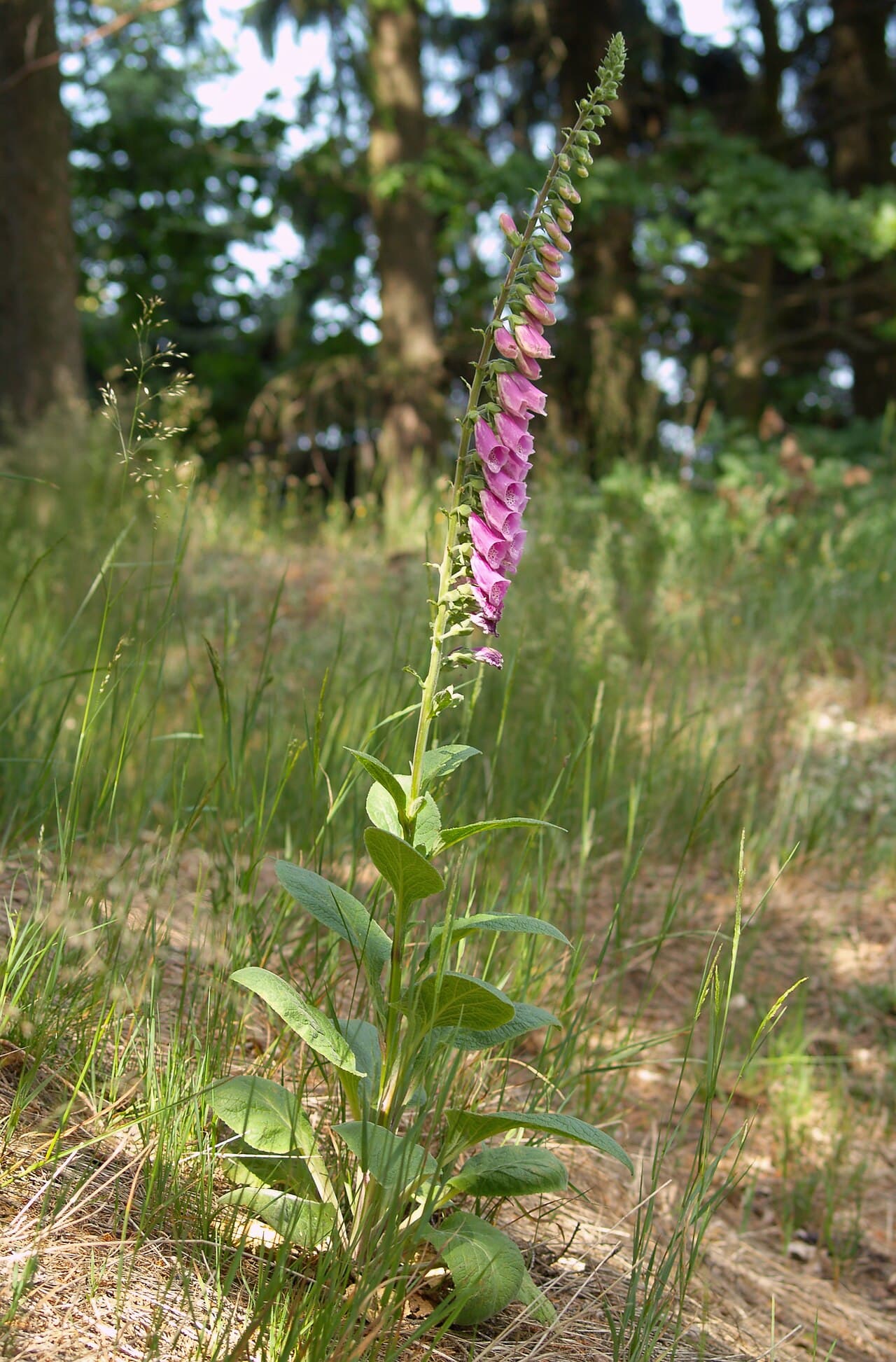
Digitalis purpurea is the one plant here rated rarely damaged. It stands 24 to 60 inches, takes part shade, is hardy from zone 4 to 9, and flowers from May into July on a spike nothing else in this category approaches. Foxglove has its own page with the growing detail.
The whole plant carries cardiac glycosides, the chemistry that made Digitalis a heart drug and that makes the leaves dangerous to anything eating them in quantity. The encyclopedia flags it toxic to dogs, cats and horses. It is toxic to people too.
Read that as a constraint as much as a feature. A plant defended by poison is the wrong choice where small children or grazing animals get in unsupervised, and that is what the top tier is buying you here. Everything else about it is easy: it takes part shade, and it seeds itself if you let it.
The six biennials, and what each one is for
| Plant | Rating | Size | Light | Zones | The job |
|---|---|---|---|---|---|
| Foxglove | Rarely damaged | 24–60 in | Part shade | 4–9 | Height in shade, and the only top-tier entry |
| Money plant | Seldom severely damaged | 24–36 in | Part shade | 5–9 | Spring flower, then translucent seed discs into winter |
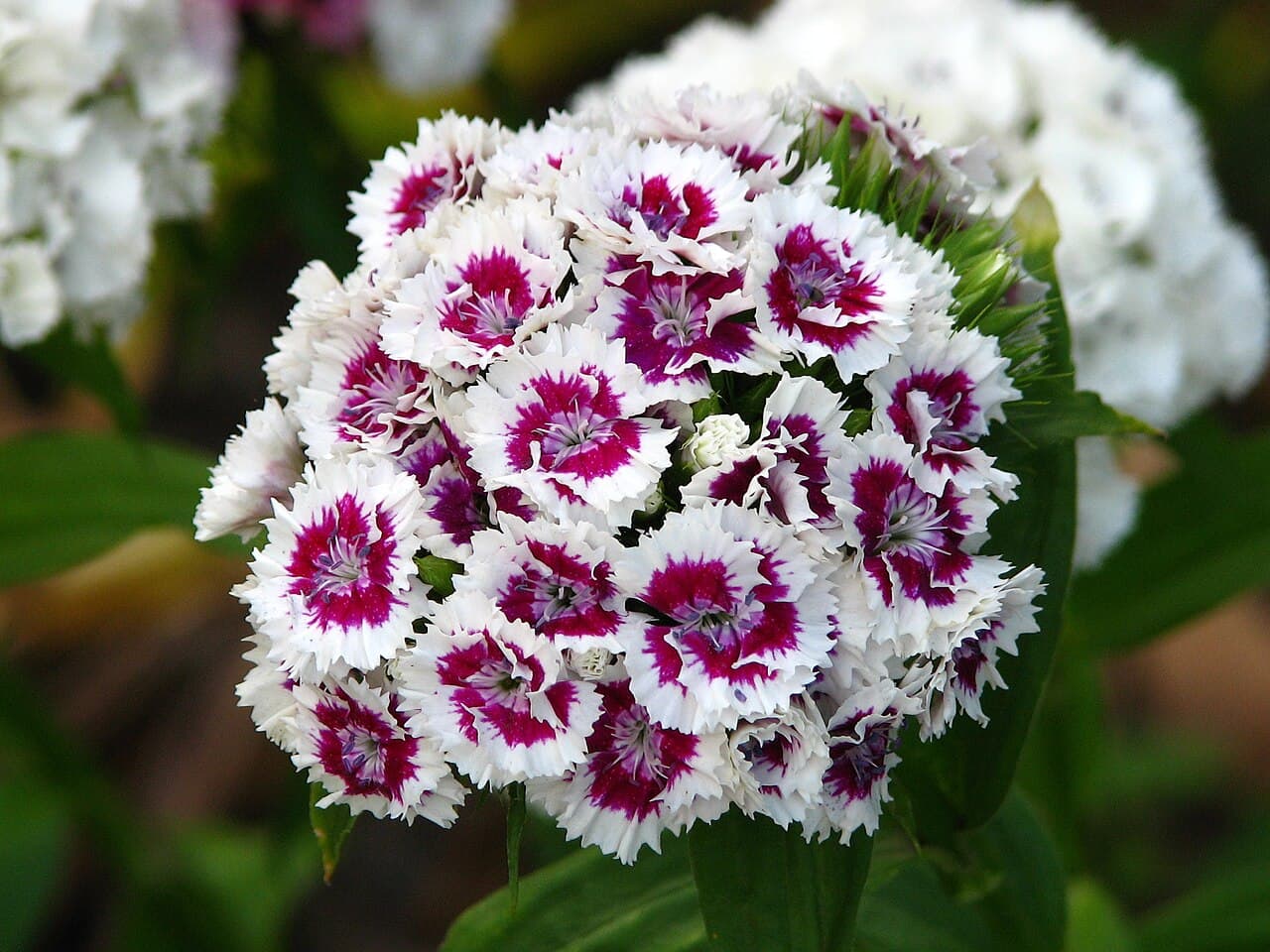
| Sweet william | Seldom severely damaged | 12–24 in | Full sun | 3–9 | Cut flower and front of a sunny bed |
| Parsley | Seldom severely damaged | 8–36 in | Part shade | Not verified | An edible that survives an unfenced bed |
| Alpine forget-me-not | Seldom severely damaged | Not recorded | Part shade | 3–8 | Low blue underplanting |
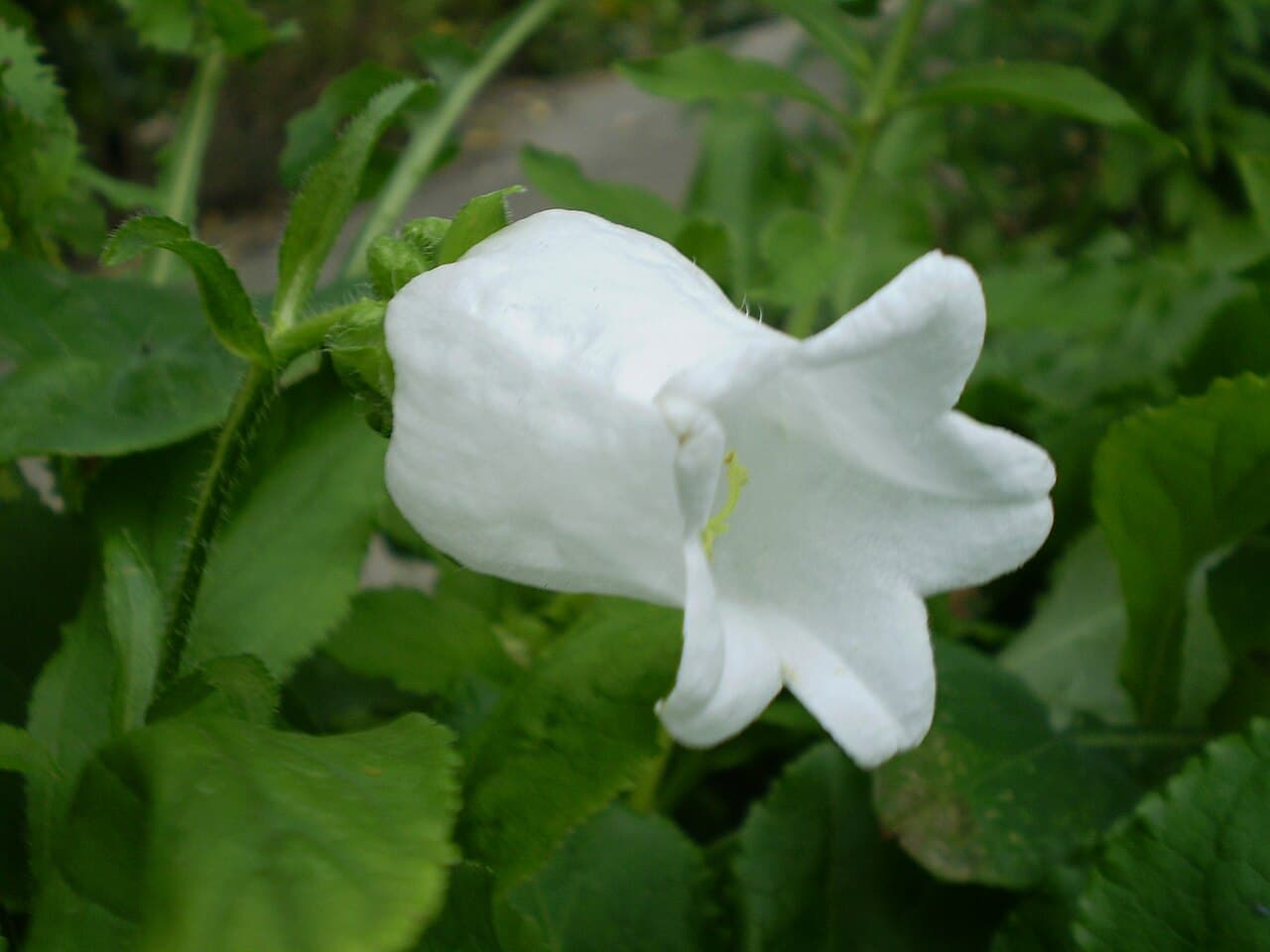
| Canterbury bells | Occasionally severely damaged | 12–36 in | Full sun | 3–9 | The one to place carefully |
Money plant, Lunaria annua, is grown as often for the translucent seed discs as for the flower. It self-sows hard enough that the record warns it can turn weedy in mild damp regions, which is either why you keep it or why you stop.
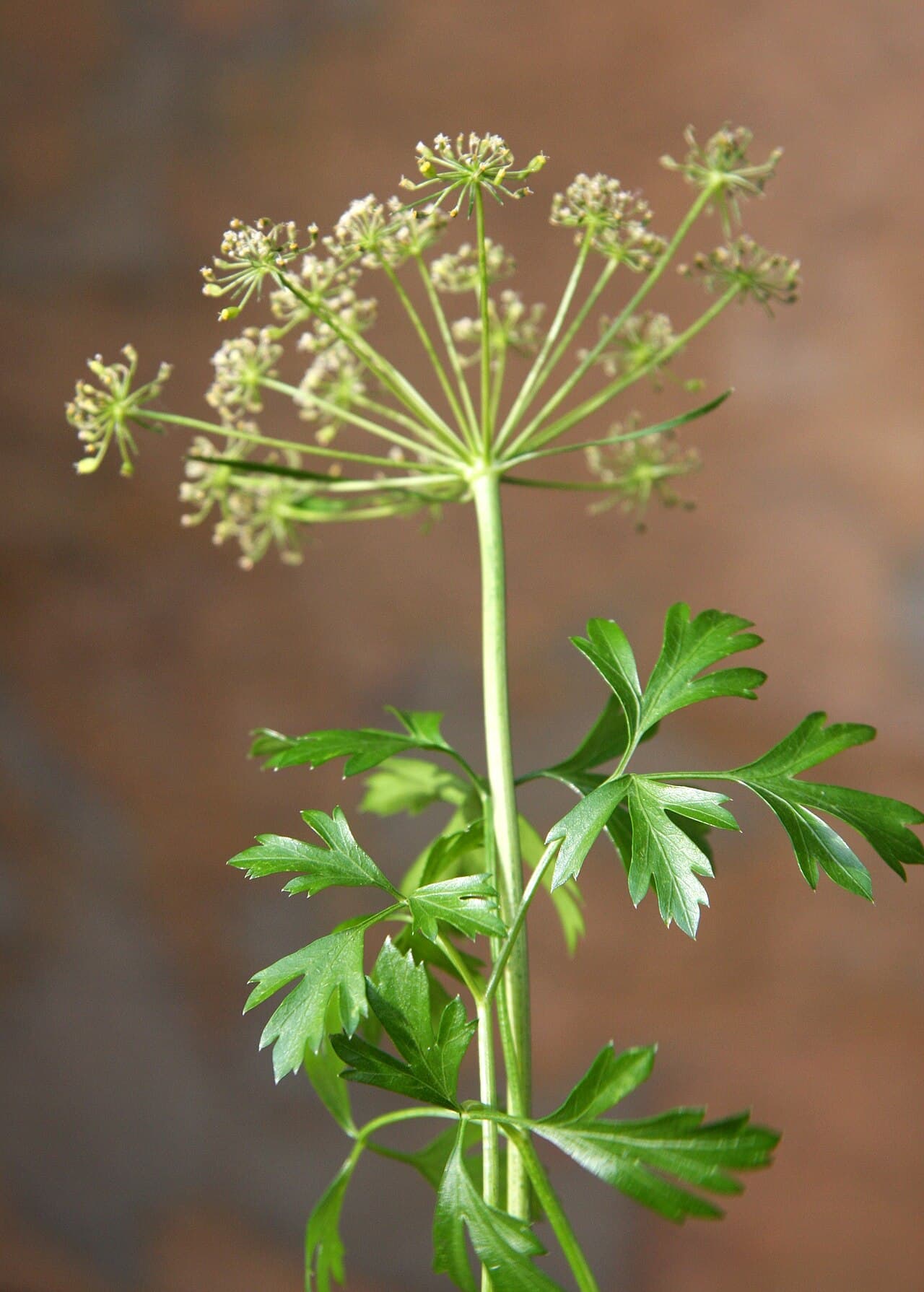
Parsley is a genuine biennial that hardly anyone grows as one, because year two is when it bolts and the leaf turns bitter. Most gardeners pull it and resow. The rating still earns its place: this is the one herb here you can put in an unfenced bed and expect to keep.
The parsley record used to carry zone 2 to 11, which is not a hardiness range: it is this site's marker for a plant grown in a single season anywhere, and all 47 annuals carry it. It followed parsley out of the annuals list when the life cycle was corrected. NC State publishes a life cycle for Petroselinum crispum but no zone range, so the field is now empty rather than wrong.
Alpine forget-me-not, Myosotis alpestris, is recorded as native to Alaska, Colorado, Idaho, Montana, Oregon, Washington and Wyoming. The encyclopedia holds no mature size for it, and the card below shows nothing rather than a guess. It is also the one plant of the six whose growing data has not been through a second source, so hold its zones more loosely than the other five.
Canterbury bells is the outlier. Put it where you would put anything you are prepared to lose, or inside a fence that already exists.
Protect year one, because year two mostly looks after itself
Year two carries one real risk, a flowering stem browsed off before it opens, which costs you the same summer a lost rosette would. But the window is short and the stem is tall and tough by then.
The rosette is the thing to defend, and it is exposed across two windows that fall outside the months anyone is looking at the bed. Late fall is the first: the rosette is a few months old, soft, and one of the last green things at ground level once everything else has gone over. Early spring is the worse of the two, because deer are at their thinnest, wild browse is at its poorest, and a flat rosette is easy food at precisely the wrong moment.
Three things help, in rough order of how much.
- Site the rosettes among aromatics. A first-year foxglove threaded through catmint or salvia is reached through a wall of scent. The same rosette alone in a cleared bed is not.
- Spray the two windows rather than the season. Putrescent egg is the ingredient behind the sprays that come top in university trials, and the homemade version carries it. On a biennial you want it from leaf fall to hard frost and again from thaw until the plant bolts, not across the season.
- Cage the first winter where pressure is heavy. A wire cover the size of a dinner plate over six rosettes is trivial, and over six hundred it would not be. This is a tactic biennials can use and a perennial bed cannot.
Self-seeding is what makes the two-year wait stop mattering
Plant a biennial once and you get flowers in one summer out of two. Establish a colony and you get them every year, because the generations overlap: this season's rosettes sitting under last season's spikes. By the third year the two-year problem has quietly gone away.
The work is all at the start. Sow across two consecutive seasons so that year three has both cohorts, and after that the colony runs itself.
The usual way people end a colony is deadheading. On a perennial, cutting spent stems back costs nothing. On a biennial it removes the entire next generation, and because the parent then dies on schedule anyway, the colony goes with it. A biennial you deadhead tidily is a biennial you have to buy again. Leave some spikes standing until the seed has actually shed, and accept a scruffier August.
Two other things end colonies and rarely get the blame:
- Mulch. Foxglove seed is dust fine and germinates on bare soil. Two inches of bark over the bed finishes a colony as effectively as deadheading does.
- The spring tidy-up. A biennial rosette looks like a weed, because a flat rosette of unfamiliar leaves is what a weed looks like. Learn the seedlings before you hoe, or you will pull next year's display yourself.
Four of the six biennials will take shade
Shade is the hard case across this site: the dependable defense is aromatic foliage, aromatic foliage belongs to sun plants, and the standard shade plants are the ones deer like best. Biennials dent that pattern.
Foxglove, money plant, parsley and alpine forget-me-not all tolerate four hours of sun or fewer, and all four are rated in the top two tiers, so all four appear on the shade list. Only sweet william and canterbury bells want real sun.
Foxglove in particular does something the shade palette struggles with. Drop the shrubs, trees and vines from that shade list and 119 herbaceous plants are left, of which 13 reach five feet. The rest is ferns and low foliage: texture, very little height, almost no flower color. Height in a browsed shady bed is hard to come by, and foxglove is one of the few routes to it.
No genus here sits more than one tier from itself
Four of these genera turn up elsewhere in the encyclopedia under a different life cycle. Two hold their rating exactly, two move by one tier, and none moves further.
- Campanula, twice. Canterbury bells here, bellflower as a perennial. Both occasionally severely damaged.
- Dianthus, twice. Sweet william here, carnation as a perennial. Both seldom severely damaged.
- Digitalis, twice. Foxglove here at rarely damaged, yellow foxglove as a perennial, one tier down at seldom severely damaged.
- Myosotis, three times under three different life cycles. This biennial at seldom severely damaged, forget-me-not as a perennial and wood forget-me-not as an annual, both rarely damaged. The biennial is the lowest of the three.
Two of those comparisons are weaker than they look. Carnation is filed as Dianthus sp. and forget-me-not as Myosotis sp., which are genus-level records rather than species, so neither is really a second opinion about a different plant.
Four genera is not enough to lean on hard. But if you want what one of these plants does without the two-year wait, check the same genus in perennials first. Yellow foxglove is the clean example: a perennial Digitalis, one tier lower, that comes back on its own.
Foxglove and parsley were filed under the wrong life cycle
Foxglove sat in the perennials list and parsley in the annuals list until 1 August 2026. Both were moved after checking the life-cycle field in the NC State Extension plant toolbox. Both are biennials.
Neither correction touched a rating, which is the part worth noticing. The Rutgers assessment attaches to the plant, not to the category this site files it under. What moving foxglove did was give this page one entry in the top tier instead of none, which is a fair measure of how thin the category is.
Both errors were plausible, because both plants genuinely blur. Foxglove often behaves as a short-lived perennial in ground that suits it, and parsley is a textbook biennial grown as an annual almost everywhere. What the site checks, and against what, is on /methodology.
How to use the list below
The six are grouped by rating, best first, with the hardiness zone and the mature size on each card. Alpine forget-me-not has no recorded size, so its card carries one fact fewer than the others.
Choose for the site first, then plan in twos: sow across two consecutive seasons, protect the rosettes through late fall and early spring, and leave the seed heads on. Do that and this becomes a category you buy once.
Six plants will not furnish a bed. This page answers one question, which is what flowers on a spike in part shade and gets left alone. For the rest of the planting, the lists worth your time are perennials and annuals.
Rarely Damaged1
Seldom Severely Damaged4
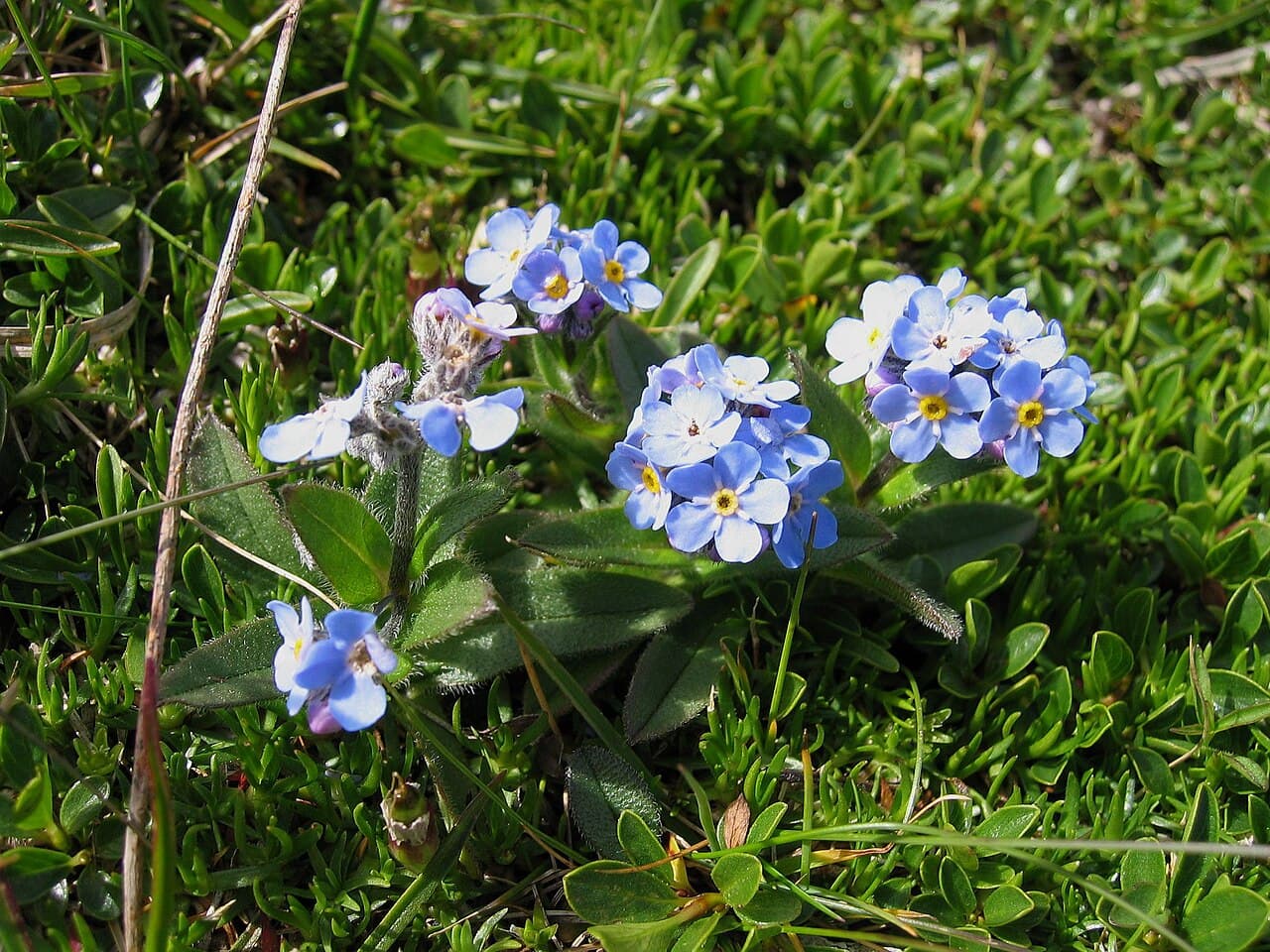
Alpine Forget-Me-Not
Seldom damagedMyosotis alpestris
- Type
- Biennial
- Hardiness
- Zones 3–8
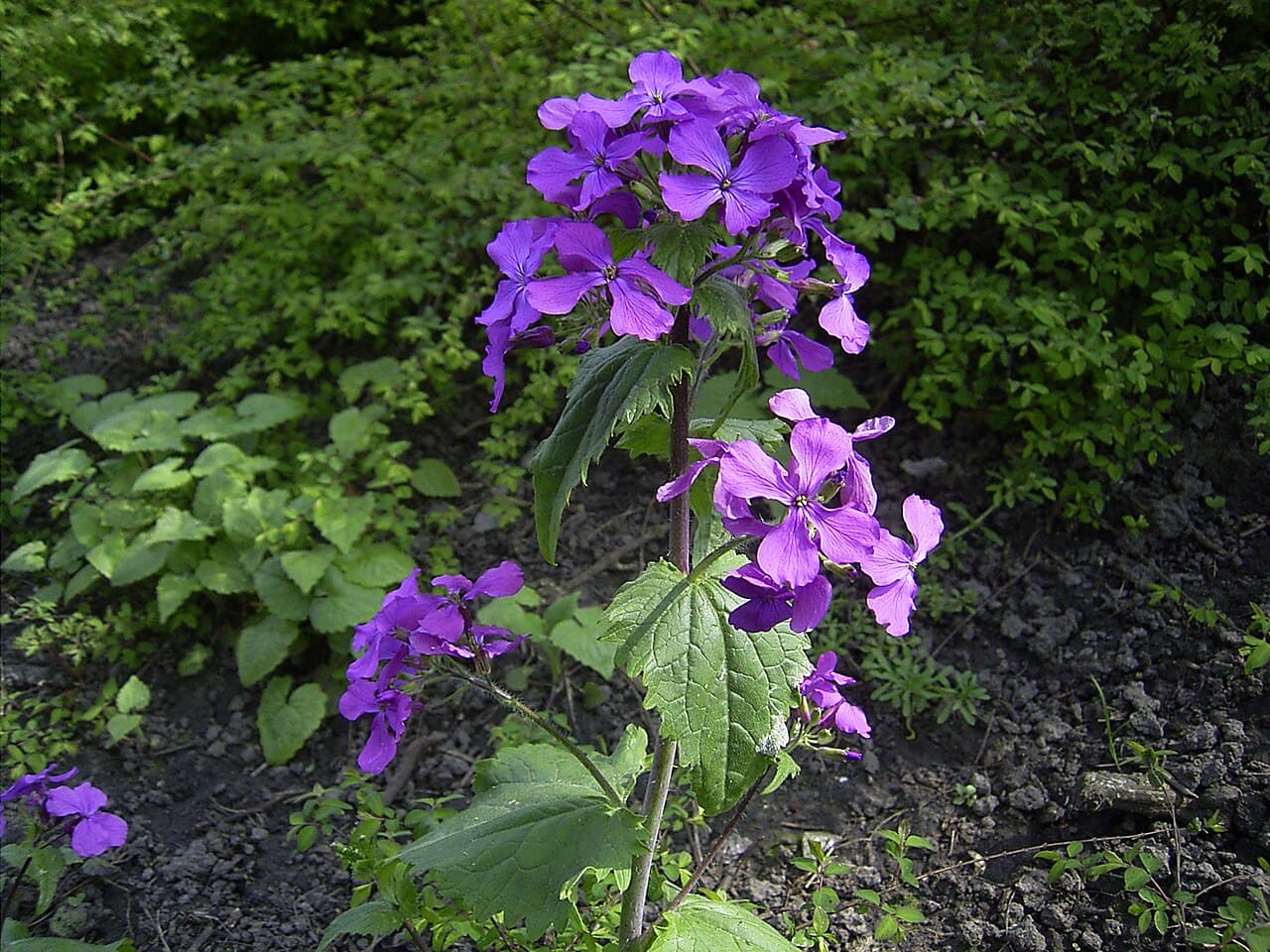
Money Plant
Seldom damagedLunaria annua
- Type
- Biennial
- Hardiness
- Zones 5–9
- Height
- 24–36 in
Parsley
Seldom damagedPetroselinum crispum
- Type
- Biennial
- Height
- 8–36 in
Sweet William
Seldom damagedDianthus barbatus
- Type
- Biennial
- Hardiness
- Zones 3–9
- Height
- 12–24 in