
Plant record · Perennial
Is Bellflower deer resistant?
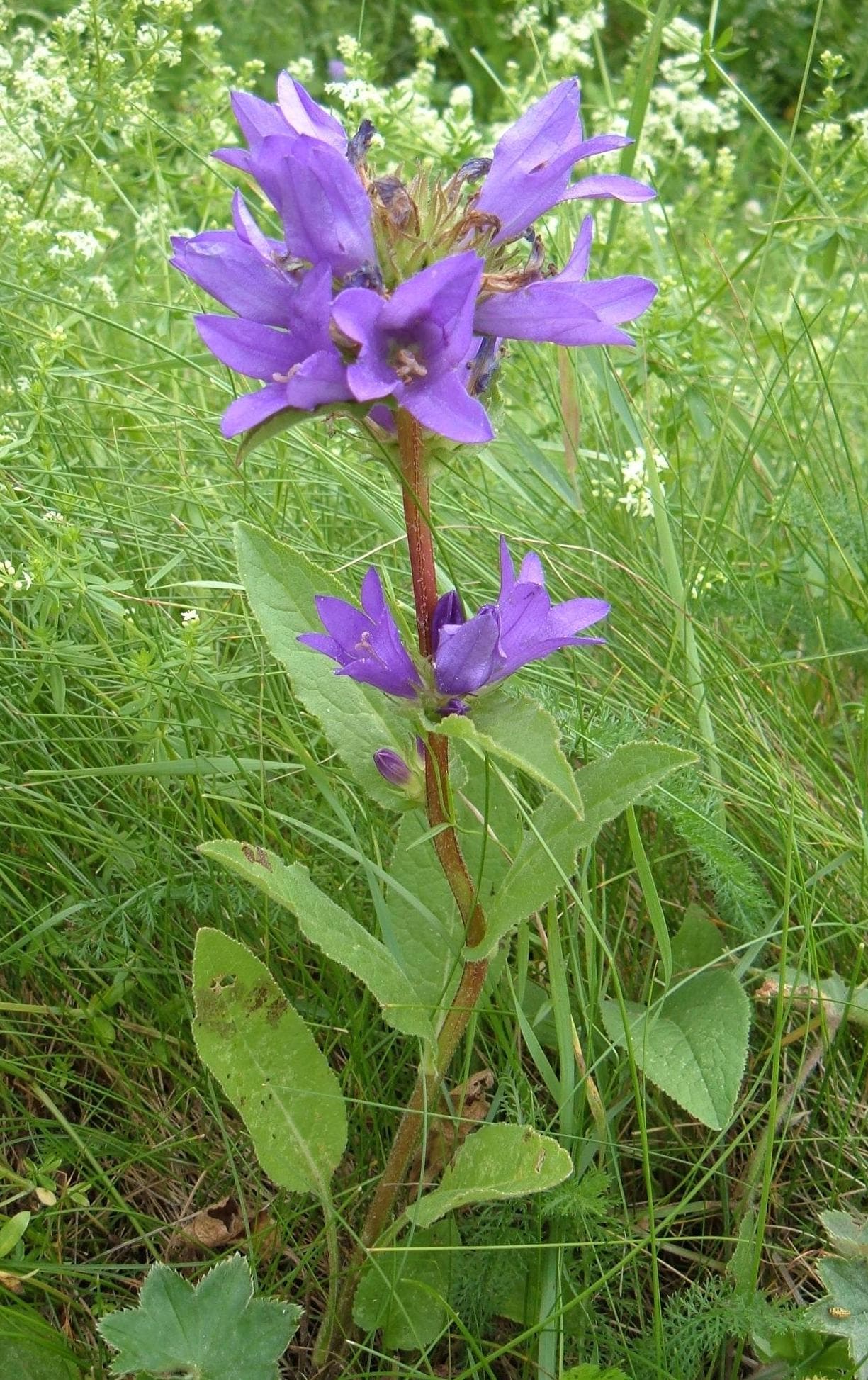
Campanula glomerata
Partly. Browsed where deer pressure is high. Protect it.
- Type
- Perennial
- Hardiness
- Zones 3–8
- Light
- Part shade
- Height
- 12–18 in
- Bloom
- Summer
- Maintenance
- Moderate
Damage steps follow a published university field scale. How plants are rated.
About Bellflower
Tight clusters of violet bells held at the stem tips. It spreads by underground runners rather more freely than most catalogues admit, so give it room or expect to divide it out regularly. Deadhead for a second flush.
Protecting Bellflower
Whether this survives comes down to local pressure, so decide on the options before it gets browsed rather than after.
- 1How tall a deer fence needs to beEight feet, and six is the most common expensive mistake in deer fencing.
- 2Repellent that actually worksThe egg-based recipe that reproduces the active ingredient in the commercial sprays that win university trials.
- 3Fencing a raised bedA deer jumps from ground level, so measure the barrier from the ground and not from the top of the bed.
- 4Check it is actually deerDeer tear and leave a ragged stub. A clean 45-degree cut is rabbits, and slug holes get blamed on deer constantly.
What to plant instead of Bellflower
Same plant type, hardy in the same zones, and rated better for deer. If Bellflower keeps getting eaten, these go in the same spot.
- Bleeding HeartLamprocapnos spectabilisZones 3–9Rarely damaged
- ButtercupRanunculus sp.Zones 3–8, genus rangeRarely damaged
- Dame's RocketHesperis matronalisZones 3–8Rarely damaged
- Forget-Me-NotMyosotis sp.Zones 3–8, genus rangeRarely damaged
- Fringed Bleeding HeartDicentra eximiaZones 3–9Rarely damaged
- LungwortPulmonaria officinalisZones 3–8Rarely damaged
Soil and care
- Soil pH
- 6 to 7.5
- Drainage
- Well drained
- Water
- Moderate
- Spacing
- 18 to 24 in apart
- Growth rate
- Fast
- Maintenance
- Moderate
Where Bellflower grows
Hardy across 50 states on zone range alone. Mountain and coastal areas sit outside the ranges used here, so check your own zone before ordering. Select any state, including one it will not grow in, for what is resistant there.
Choose a state from the listeasier on a phone
- Pennsylvania
- New Jersey
- New York
- Connecticut
- Massachusetts
- Virginia
- Maryland
- Michigan
- Wisconsin
- Ohio
- Indiana
- Illinois
- Minnesota
- Missouri
- North Carolina
- Tennessee
- Georgia
- Texas
- Colorado
- California
- Oregon
- Washington
- New Hampshire
- Vermont
- Maine
- Rhode Island
- Delaware
- West Virginia
- Kentucky
- South Carolina
- Florida
- Alabama
- Mississippi
- Louisiana
- Arkansas
- Oklahoma
- Kansas
- Nebraska
- Iowa
- North Dakota
- South Dakota
- Montana
- Wyoming
- Idaho
- Utah
- Nevada
- Arizona
- New Mexico
- Alaska
- District of Columbia
- Hawaii
Common questions about Bellflower
- Is Bellflower deer resistant?
- Bellflower (Campanula glomerata) is rated Occasionally Severely Damaged, step 3 of 4 on the damage scale this site uses. Browsed where deer pressure is high. Protect it.
- What hardiness zones does Bellflower grow in?
- Bellflower is hardy in USDA zones 3 to 8. Outside that range it will either not survive winter or will struggle with summer heat.
- Does Bellflower grow in shade?
- Yes. Bellflower tolerates part shade, which makes it one of the options for a shaded bed where deer also browse.
- How big does Bellflower get?
- Mature height is roughly 12–18 in. Growth rate is fast.
Browse from here
Every list Bellflower belongs to.
All perennials·Sometimes destroyed·Part shade plants