
Plant record · Shrub
Is Rhododendron deer resistant?
Rhododendron sp.
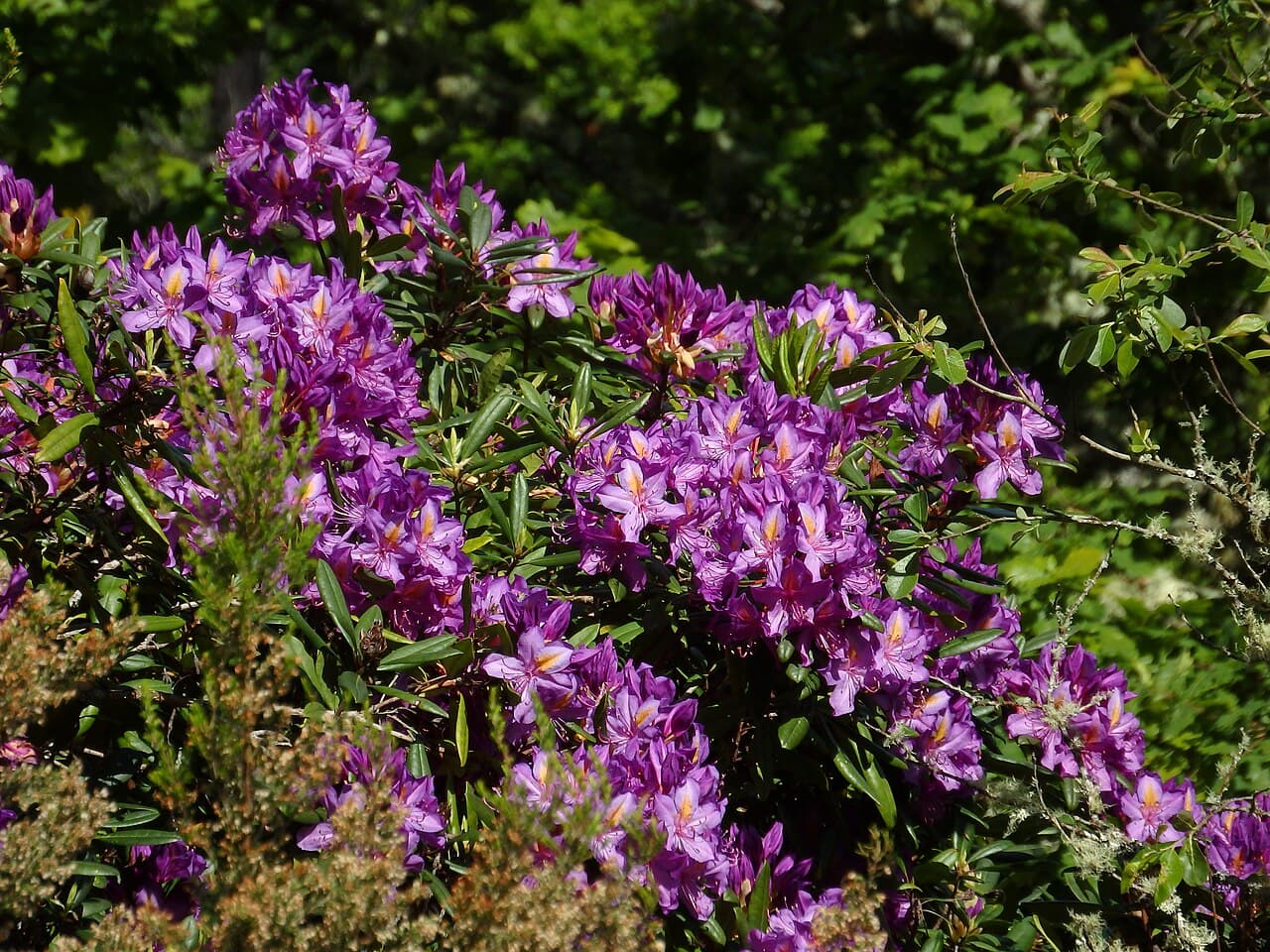
No. Deer will destroy this. Do not plant it unprotected.
- Type
- Shrub
- Hardiness
- Zones 5–8, genus range
- Light
- Part shade
- Bloom
- Spring
- Maintenance
- Moderate
- Toxic to
- dogs, cats, and horses
Damage steps follow a published university field scale. How plants are rated.
About Rhododendron
Evergreen leaves make the whole genus a winter browse target, and where deer are resident an unprotected rhododendron will be stripped as high as they can reach. All species need acid soil that holds moisture but drains sharply, which is why they fail in clay. Every part is toxic.
Do deer eat rhododendrons?
Yes, and reliably. Rutgers rates the genus Frequently Severely Damaged, the bottom tier, in the company of hostas, yews and azaleas, and NC State's entry is two sentences long on the point: "This plant is frequently damaged by deer." "Deer browse this plant." The big evergreen leaf is winter food, held on the plant through the months when nothing else is, and the flower buds sit at the branch tips through the same months at exactly the height a deer feeds. The grayanotoxins that put rhododendron on every poison list do not stop it: NC State rates the poison severity Low and notes that "ingestion of moderate amounts of azalea (nectar or leaves) poses little toxic hazard," and a deer's tolerance is evidently higher than that.
Are any rhododendrons deer resistant?
None in the top two tiers. The native species do a little better than the hybrids on the Rutgers list: Carolina, Catawba and rosebay rhododendron are all Occasionally Severely Damaged, one tier up, and deciduous azaleas are the same. Evergreen azaleas and pinxterbloom are the bottom tier with the genus. For the evergreen mass a rhododendron gives under trees, the shade page names the substitutes: pieris, leucothoe, plum yew, inkberry, mahonia.
Protecting rhododendrons
A rhododendron that matters is fenced or wrapped every winter, from November to April, for as many winters as it takes to grow past reach. In the VerCauteren trials a 1.5 meter fence stopped none of the deer, 2.1 meters stopped 85 percent and 2.4 meters all of them; a wire cage around one shrub is the cheap version of the same arithmetic. Repellent works on a small planting and has to be renewed through the winter: Colorado State's 20 percent egg spray is rated High at about thirty days, which is five applications between leaf drop and bud break. The ASPCA lists rhododendron as toxic to dogs, cats and horses; the callout below carries it.
If it is browsed
Next spring's flowers were set last summer at the tips, so a winter browse takes the bloom even where the shrub lives. A rhododendron eaten back to bare wood may or may not break new growth from it, and the ones that do take years to look like a shrub again. Ten years of growth is the usual price of one unfenced winter, and the money is better spent on the fence.
Protecting Rhododendron
Deer will destroy this without protection, so the question is which kind you are willing to pay for.
- 1How tall a deer fence needs to beEight feet, and six is the most common expensive mistake in deer fencing.
- 2What a deer fence costsMaterial ratios are stable even when prices are not, and installation reliably doubles the figure.
- 3Repellent that actually worksThe egg-based recipe that reproduces the active ingredient in the commercial sprays that win university trials.
- 4Check it is actually deerDeer tear and leave a ragged stub. A clean 45-degree cut is rabbits, and slug holes get blamed on deer constantly.
What to plant instead of Rhododendron
Same plant type, hardy in the same zones, and rated better for deer. If Rhododendron keeps getting eaten, these go in the same spot.
- Arrowwood ViburnumViburnum dentatumZones 2–8Rarely damaged
- BarberryBerberis sp.Zones 4–8, genus rangeRarely damaged
- Blackhaw ViburnumViburnum prunifoliumZones 3–9Seldom damaged
- BoxwoodBuxus sempervirensZones 5–8Rarely damaged
- Carolina SilverbellHalesia carolinaZones 4–8Seldom damaged
- Coast LeucothoeLeucothoe axillarisZones 5–8Seldom damaged
Soil and care
- Soil pH
- 4.5 to 6
- Drainage
- Consistently moist
- Water
- Moderate
- Spacing
- 71 to 118 in apart
- Growth rate
- Slow
- Maintenance
- Moderate
Where Rhododendron grows
Hardy across 49 states on zone range alone. Mountain and coastal areas sit outside the ranges used here, so check your own zone before ordering. Select any state, including one it will not grow in, for what is resistant there.
Choose a state from the listeasier on a phone
- Pennsylvania
- New Jersey
- New York
- Connecticut
- Massachusetts
- Virginia
- Maryland
- Michigan
- Wisconsin
- Ohio
- Indiana
- Illinois
- Minnesota
- Missouri
- North Carolina
- Tennessee
- Georgia
- Texas
- Colorado
- California
- Oregon
- Washington
- New Hampshire
- Vermont
- Maine
- Rhode Island
- Delaware
- West Virginia
- Kentucky
- South Carolina
- Florida
- Alabama
- Mississippi
- Louisiana
- Arkansas
- Oklahoma
- Kansas
- Nebraska
- Iowa
- North Dakota
- South Dakota
- Montana
- Wyoming
- Idaho
- Utah
- Nevada
- Arizona
- New Mexico
- Alaska
- District of Columbia
- Hawaii
Common questions about Rhododendron
- Is Rhododendron deer resistant?
- Rhododendron (Rhododendron sp.) is rated Frequently Severely Damaged, step 4 of 4 on the damage scale this site uses. Deer will destroy this. Do not plant it unprotected.
- What hardiness zones does Rhododendron grow in?
- Rhododendron is hardy in USDA zones 5 to 8. Outside that range it will either not survive winter or will struggle with summer heat. That is the range across the genus, so a named species or cultivar may be narrower.
- Does Rhododendron grow in shade?
- Yes. Rhododendron tolerates part shade, which makes it one of the options for a shaded bed where deer also browse.
- Is Rhododendron toxic to dogs or cats?
- Yes. The ASPCA lists Rhododendron as toxic to dogs, cats, and horses. Site it away from where animals graze, or choose something else if you have a dog that chews.
Browse from here
Every list Rhododendron belongs to.
All shrubs·Deer favorites·Part shade plants