
Plant record · Perennial · Lamiaceae
Is Catmint deer resistant?
Nepeta x faassenii
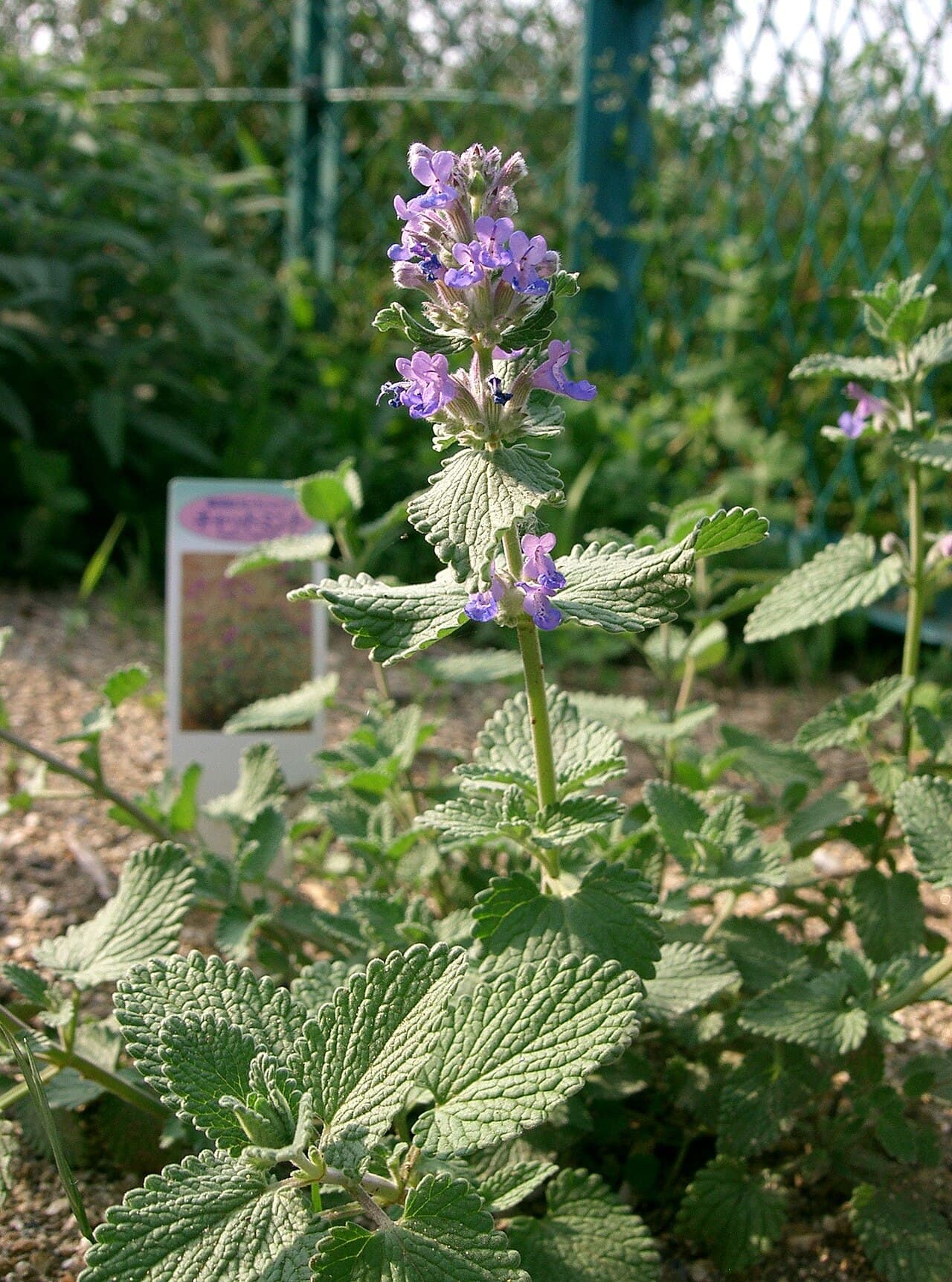
Yes. Deer almost always leave this alone.
- Type
- Perennial
- Hardiness
- Zones 3–8
- Light
- Full sun
- Height
- 12–24 in
- Bloom
- May–September
- Maintenance
- Low
- Family
- Lamiaceae
Damage steps follow a published university field scale. How plants are rated.
About Catmint
Among the most dependable deer-proof perennials there is, and one of the few things that flowers for genuinely months.
Shear it hard after the first flush fades, taking it down to the low mound of basal growth rather than tidying the spent stems. It looks drastic for a fortnight and then reflowers properly through late summer.
It wants sun and drainage and nothing else. Rich soil makes it soft and it splits open from the middle.
Note that Walker's Low is a place name, not a description: it grows to about two and a half feet and is regularly bought by people expecting a low edging plant. Cats are attracted to it, though far less than to true catnip.
Soil and care
- Soil pH
- 6 to 8
- Drainage
- Well drained
- Water
- Low
- Fertility
- Low
- Spacing
- 18 to 24 in apart
- Growth rate
- Fast
- Maintenance
- Low
Tolerances and uses
- Drought
- High
- Salt
- Moderate
- Pollinators
- High
Containers
What to plant it with
- Perennial Salvia
Both Lamiaceae, same conditions, overlapping bloom. Shear both after the first flush for a second season.
- Garden Rose
The standard rose underplanting. Blue against any rose colour, and completely deer-proof.
Similar to Catmint
Other perennials with the same deer rating.
- Anise HyssopAgastache sp.Zones 4–9, genus rangeRarely damaged
- Basket of GoldAurinia saxatilisZones 3–7Rarely damaged
- Bearded IrisIris germanicaZones 3–9Rarely damaged
- Bigleaf GoldenrayLigularia dentataZones 4–8Rarely damaged
- Bleeding HeartLamprocapnos spectabilisZones 3–9Rarely damaged
- Butter and EggsLinaria vulgarisZones 3–9Rarely damaged
Where Catmint is used
4 guides on this site plant it, and say where and what beside it.
- Contrast: Texture Over Flower ColorThe resistant palette is short of coarse texture, which is the one thing a composition needs to hold together. Here is what fills the gap.5 min
- Deer-Resistant Rose Garden PlanNo rose is deer resistant, and rugosa rates no better than a hybrid tea. So the plan is an enclosure you can live with looking at.6 min
- Mailbox Garden PlanFull sun, no water, road salt and total deer exposure. Plants that survive all four.4 min
- Roadside Bed PlanSalt, plow spray and deer moving along the verge. Plus the sight-line rule that can have the town cut your planting down and bill you for it.6 min
Where Catmint grows
Hardy across 50 states on zone range alone. Mountain and coastal areas sit outside the ranges used here, so check your own zone before ordering. Select any state, including one it will not grow in, for what is resistant there.
Choose a state from the listeasier on a phone
- Pennsylvania
- New Jersey
- New York
- Connecticut
- Massachusetts
- Virginia
- Maryland
- Michigan
- Wisconsin
- Ohio
- Indiana
- Illinois
- Minnesota
- Missouri
- North Carolina
- Tennessee
- Georgia
- Texas
- Colorado
- California
- Oregon
- Washington
- New Hampshire
- Vermont
- Maine
- Rhode Island
- Delaware
- West Virginia
- Kentucky
- South Carolina
- Florida
- Alabama
- Mississippi
- Louisiana
- Arkansas
- Oklahoma
- Kansas
- Nebraska
- Iowa
- North Dakota
- South Dakota
- Montana
- Wyoming
- Idaho
- Utah
- Nevada
- Arizona
- New Mexico
- Alaska
- District of Columbia
- Hawaii
Common questions about Catmint
- Is Catmint deer resistant?
- Catmint (Nepeta x faassenii) is rated Rarely Damaged, step 1 of 4 on the damage scale this site uses. Deer almost always leave this alone.
- What hardiness zones does Catmint grow in?
- Catmint is hardy in USDA zones 3 to 8. Outside that range it will either not survive winter or will struggle with summer heat.
- Does Catmint grow in shade?
- No. Catmint wants full sun and will grow thin and flop in shade.
- How big does Catmint get?
- Mature height is roughly 12–24 in. Growth rate is fast.
- When does Catmint bloom?
- Catmint flowers from May–September.
Browse from here
Every list Catmint belongs to.
All perennials·Rarely damaged·Full sun plants