
Plant record · Perennial · Asteraceae
Is Yarrow deer resistant?
Achillea millefolium
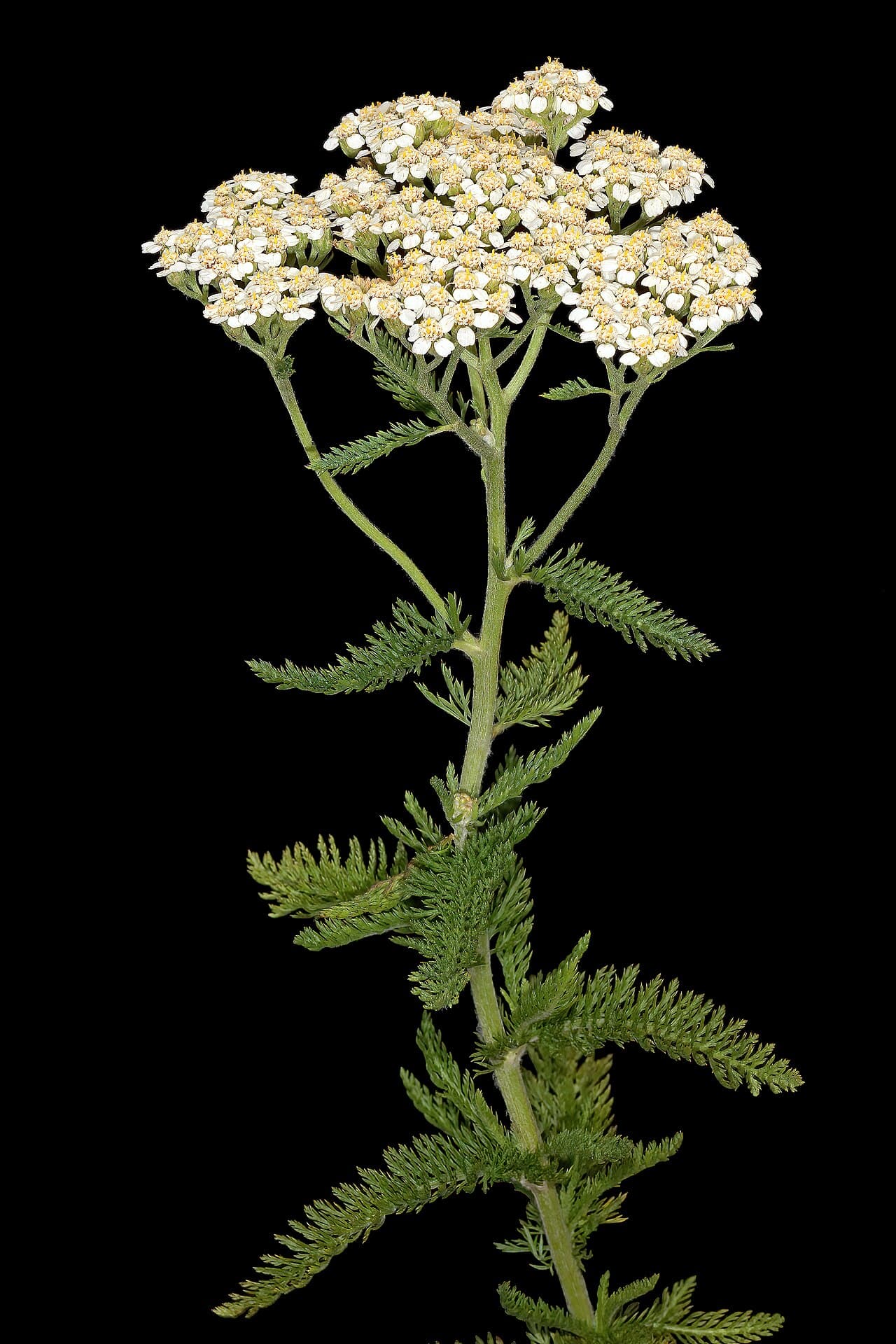
Mostly. Light browsing at worst; rarely ruined.
- Type
- Perennial
- Hardiness
- Zones 3–9
- Light
- Full sun
- Height
- 12–36 in
- Bloom
- June–September
- Maintenance
- Low
- Native range
- 50 US states
- Family
- Asteraceae
- Toxic to
- cats, dogs, and horses
Damage steps follow a published university field scale. How plants are rated.
About Yarrow
Bitter aromatic foliage, and it thrives on the kind of neglect that kills other perennials. Poor soil, full sun, no water, no feeding.
Give it good soil and it flops. Yarrow grown well gets tall and soft and falls open from the center after a storm, which is the commonest complaint about it. Poor ground keeps it compact and standing.
It spreads by rhizome and will colonize a bed if the soil suits it. Lift and divide every couple of years to keep it honest. The native species is genuinely weedy in a good site; the named cultivars are better behaved and hold their color rather than fading back toward muddy white.
Do deer eat yarrow?
Seldom. Rutgers rates common yarrow, Achillea millefolium, Seldom Severely Damaged, B, and NC State's line is "Deer and rabbit resistant," with drought, heat, humidity, pollution and salt on the same list. The ferny leaf is bitter and aromatic, which is the defense, and the flat flower heads are what go when anything does. The fernleaf yarrow, taller and stiffer, carries the same rating.
Where it grows
NC State: zones 3a to 9b, 1 to 3 feet, full sun, flowering in summer, and "Plants can spread aggressively by rhizomes and seeds." NC State's advice on the species is the encyclopedia's: "It may be too weedy for flower bed borders and a cultivar is a better choice." The ASPCA lists yarrow as toxic to cats, dogs and horses; NC State adds contact dermatitis from handling, and the callout below carries it.
Protecting yarrow
Nothing from deer. From itself, division every couple of years and poor ground, which keeps it standing.
If it is browsed
It regrows from the rhizomes and flowers on the side shoots; cutting it back after the first flush is standard and a browse does the same job. A yarrow that disappears has been shaded or fed, not eaten.
Soil and care
- Soil pH
- 5.5 to 7.5
- Drainage
- Well drained
- Water
- Low
- Fertility
- Low
- Spacing
- 18 to 24 in apart
- Growth rate
- Fast
- Maintenance
- Low
Tolerances and uses
- Drought
- High
- Salt
- High
- Pollinators
- High
Coastal sites
Similar to Yarrow
Other perennials with the same deer rating.
- African LilyAgapanthus sp.Zones 8–11, genus rangeSeldom damaged
- AsparagusAsparagus officinalisZones 2–9Seldom damaged
- AsterAster sp.Zones 3–8, genus rangeSeldom damaged
- AstilbeAstilbe x arendsiiZones 3–8Seldom damaged
- Baby's BreathGypsophila sp.Zones 3–9, genus rangeSeldom damaged
- BastardsageEriogonum wrightiiZones 5–10Seldom damaged
Where Yarrow is used
4 guides on this site plant it, and say where and what beside it.
- Contrast: Texture Over Flower ColorThe resistant palette is short of coarse texture, which is the one thing a composition needs to hold together. Here is what fills the gap.5 min
- Mailbox Garden PlanFull sun, no water, road salt and total deer exposure. Plants that survive all four.4 min
- Roadside Bed PlanSalt, plow spray and deer moving along the verge. Plus the sight-line rule that can have the town cut your planting down and bill you for it.6 min
- Theme: Let the Style Choose the PlantsSome themes are deer-resistant almost by accident. Choosing one of those is easier than defending a theme that fights you.6 min
Where Yarrow grows
Hardy across every state on zone range alone, and native to 50 of them. Mountain and coastal areas sit outside the ranges used here, so check your own zone before ordering. Select any state, including one it will not grow in, for what is resistant there.
Choose a state from the listeasier on a phone
- Pennsylvania
- New Jersey
- New York
- Connecticut
- Massachusetts
- Virginia
- Maryland
- Michigan
- Wisconsin
- Ohio
- Indiana
- Illinois
- Minnesota
- Missouri
- North Carolina
- Tennessee
- Georgia
- Texas
- Colorado
- California
- Oregon
- Washington
- New Hampshire
- Vermont
- Maine
- Rhode Island
- Delaware
- West Virginia
- Kentucky
- South Carolina
- Florida
- Alabama
- Mississippi
- Louisiana
- Arkansas
- Oklahoma
- Kansas
- Nebraska
- Iowa
- North Dakota
- South Dakota
- Montana
- Wyoming
- Idaho
- Utah
- Nevada
- Arizona
- New Mexico
- Alaska
- District of Columbia
- Hawaii
Common questions about Yarrow
- Is Yarrow deer resistant?
- Yarrow (Achillea millefolium) is rated Seldom Severely Damaged, step 2 of 4 on the damage scale this site uses. Light browsing at worst; rarely ruined.
- What hardiness zones does Yarrow grow in?
- Yarrow is hardy in USDA zones 3 to 9. Outside that range it will either not survive winter or will struggle with summer heat.
- Does Yarrow grow in shade?
- No. Yarrow wants full sun and will grow thin and flop in shade.
- How big does Yarrow get?
- Mature height is roughly 12–36 in. Growth rate is fast.
- When does Yarrow bloom?
- Yarrow flowers from June–September.
- Is Yarrow toxic to dogs or cats?
- Yes. The ASPCA lists Yarrow as toxic to cats, dogs, and horses. Site it away from where animals graze, or choose something else if you have a dog that chews.
Browse from here
Every list Yarrow belongs to.
All perennials·Seldom damaged·Full sun plants