
Plant record · Annual
Is Sunflower deer resistant?
Helianthus sp.
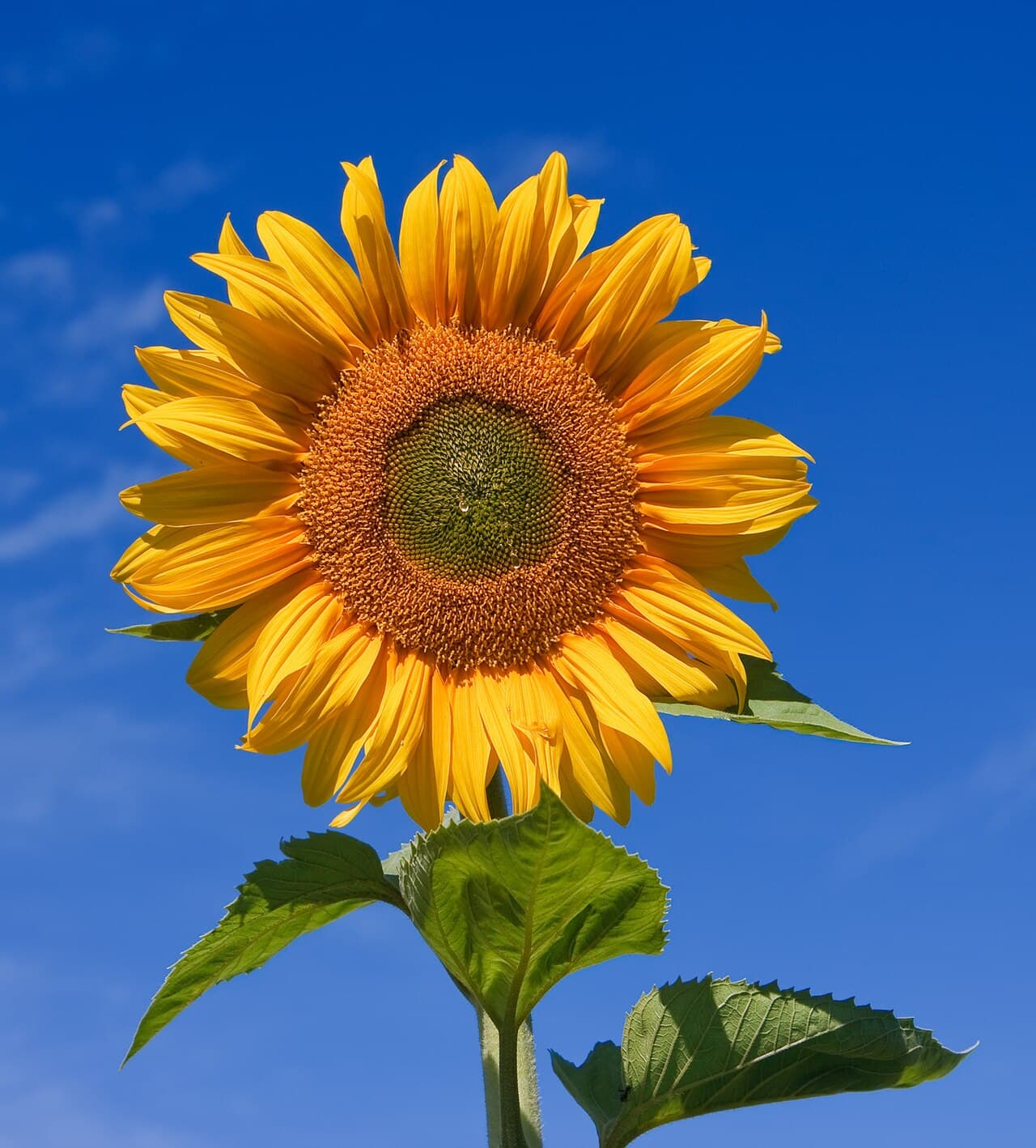
Partly. Browsed where deer pressure is high. Protect it.
- Type
- Annual
- Hardiness
- Grown as an annual, any zone
- Light
- Full sun
- Bloom
- Summer and Fall
- Maintenance
- Low
Damage steps follow a published university field scale. How plants are rated.
About Sunflower
The young flower heads track the sun and then settle facing east once mature, which is why a mature row all faces the same way. Sow direct, since they resent transplanting. Deer browse young plants heavily, and birds will strip the seed unless you bag the heads.
Do deer eat sunflowers?
The seedlings, mostly. NC State lists deer among the challenges Helianthus annuus resists; Rutgers' observers put sunflower in the third tier, Occasionally Severely Damaged. The likeliest reconciliation is age: a four-inch seedling is soft and at nose height, and a seven-foot plant on a stem as thick as a broom handle is neither. No source consulted here tests that, so treat it as the plain reading of the two ratings rather than a finding.
Protecting young sunflowers
The first month is the risk. A cage of chicken wire over the row until the plants are knee-high, or the 20 percent egg spray Colorado State rates High on the seedlings, reapplied in about thirty days, which is about when they no longer need it. NC State's own problem list for the plant is slugs, snails, caterpillars and beetles on the foliage, and the slug half of that is the same wire-and-early-vigilance job.
After the deer, the birds
A sunflower that reaches flowering is past the deer and into the next problem. NC State's entry is cheerful about it: "birds are attracted to seeds so leave standing dead flowers into the winter as natural bird feeders," and "the birds and squirrels will appreciate your leaving the seedheads." For seed you mean to keep, bag the heads as the paragraph above says. Blooming runs July to October, and a seedling browsed in May is usually replaceable by direct sowing again in June.
Protecting Sunflower
Whether this survives comes down to local pressure, so decide on the options before it gets browsed rather than after.
- 1How tall a deer fence needs to beEight feet, and six is the most common expensive mistake in deer fencing.
- 2Repellent that actually worksThe egg-based recipe that reproduces the active ingredient in the commercial sprays that win university trials.
- 3Check it is actually deerDeer tear and leave a ragged stub. A clean 45-degree cut is rabbits, and slug holes get blamed on deer constantly.
What to plant instead of Sunflower
Same plant type, hardy in the same zones, and rated better for deer. If Sunflower keeps getting eaten, these go in the same spot.
- Angel's TrumpetBrugmansia sp.Grown as an annual, any zoneRarely damaged
- AnisePimpinella anisumGrown as an annual, any zoneRarely damaged
- Annual VincaCatharanthus roseusGrown as an annual, any zoneRarely damaged
- Dusty MillerCentaurea cinerariaGrown as an annual, any zoneRarely damaged
- False CamomileMatricaria sp.Grown as an annual, any zoneRarely damaged
- LarkspurConsolida ambiguaGrown as an annual, any zoneRarely damaged
Soil and care
- Soil pH
- 6 to 7.5
- Drainage
- Well drained
- Water
- Moderate
- Spacing
- 18 to 24 in apart
- Growth rate
- Fast
- Maintenance
- Low
Where Sunflower grows
Hardy across every state on zone range alone. Mountain and coastal areas sit outside the ranges used here, so check your own zone before ordering. Select any state, including one it will not grow in, for what is resistant there.
Choose a state from the listeasier on a phone
- Pennsylvania
- New Jersey
- New York
- Connecticut
- Massachusetts
- Virginia
- Maryland
- Michigan
- Wisconsin
- Ohio
- Indiana
- Illinois
- Minnesota
- Missouri
- North Carolina
- Tennessee
- Georgia
- Texas
- Colorado
- California
- Oregon
- Washington
- New Hampshire
- Vermont
- Maine
- Rhode Island
- Delaware
- West Virginia
- Kentucky
- South Carolina
- Florida
- Alabama
- Mississippi
- Louisiana
- Arkansas
- Oklahoma
- Kansas
- Nebraska
- Iowa
- North Dakota
- South Dakota
- Montana
- Wyoming
- Idaho
- Utah
- Nevada
- Arizona
- New Mexico
- Alaska
- District of Columbia
- Hawaii
Common questions about Sunflower
- Is Sunflower deer resistant?
- Sunflower (Helianthus sp.) is rated Occasionally Severely Damaged, step 3 of 4 on the damage scale this site uses. Browsed where deer pressure is high. Protect it.
- What hardiness zones does Sunflower grow in?
- Sunflower is hardy in USDA zones 2 to 11. Outside that range it will either not survive winter or will struggle with summer heat. That is the range across the genus, so a named species or cultivar may be narrower.
- Does Sunflower grow in shade?
- No. Sunflower wants full sun and will grow thin and flop in shade.
Browse from here
Every list Sunflower belongs to.
All annuals·Sometimes destroyed·Full sun plants