
Plant record · Annual
Is Dill deer resistant?
Anethum graveolens
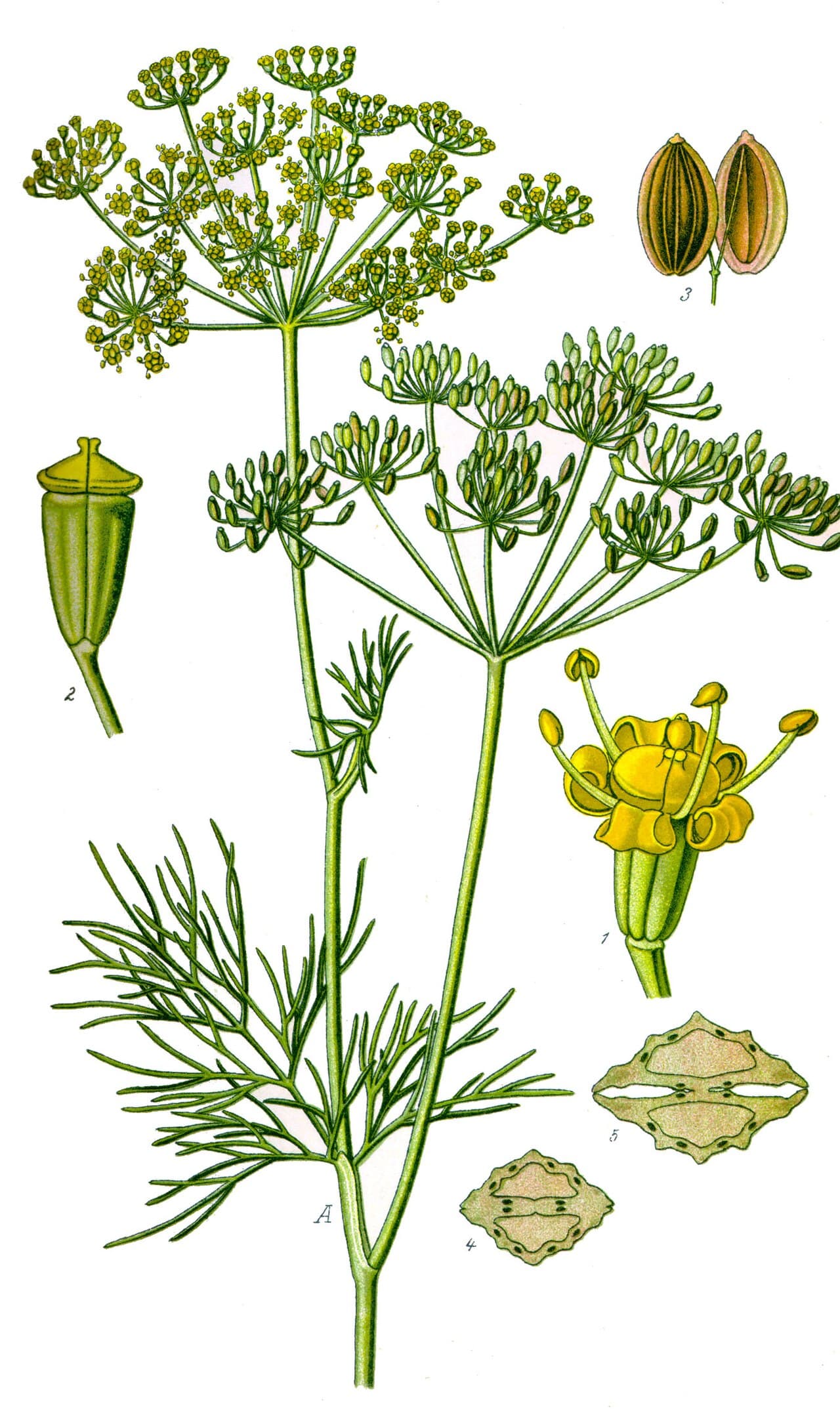
Mostly. Light browsing at worst; rarely ruined.
- Type
- Annual
- Hardiness
- Grown as an annual, any zone
- Light
- Full sun
- Height
- 30–60 in
- Bloom
- Summer
- Maintenance
- Low
Damage steps follow a published university field scale. How plants are rated.
About Dill
Sow it in succession every few weeks, because it bolts quickly in heat and there is no stopping it once it does. Swallowtail caterpillars feed on it, which is a reason to plant extra.
Do deer eat dill?
Seldom. Rutgers rates it B, Iowa State puts it in the second tier, and NC State lists deer among what it resists. The ferny leaf is aromatic and the plant is tall and thin, and what strips it in most gardens is not a deer. NC State calls dill a "larval host to the black swallowtail butterfly," and the caterpillars take a plant to the stems in a week. Plant extra.
Where it grows
An annual sown where it is to grow, zones 2a to 11b, full sun or partial shade, 2 1/2 to 5 feet, flowering in summer and then done. It bolts in heat, and sowing every few weeks is the whole technique. Aphids, hornworms and powdery mildew are its listed troubles.
Protecting dill
From deer, rarely needed. From rabbits, nothing on NC State's list says they leave it alone, and a young sowing at 4 inches is rabbit height; a wire ring if the first sowing goes.
If it is browsed
A dill plant browsed before it flowers branches and carries on. One browsed in flower is done, and the next sowing is already up if the succession held. The seed heads left standing sow next year's crop.
Soil and care
- Soil pH
- 6 to 7
- Drainage
- Well drained
- Water
- Moderate
- Spacing
- 8 to 10 in apart
- Growth rate
- Fast
- Maintenance
- Low
Similar to Dill
Other annuals with the same deer rating.
- Annual CandytuftIberis umbellataGrown as an annual, any zoneSeldom damaged
- Annual SalviaSalvia splendensGrown as an annual, any zoneSeldom damaged
- Annual VerbenaVerbena x hybridaGrown as an annual, any zoneSeldom damaged
- Bachelor's ButtonsCentaurea cyanusGrown as an annual, any zoneSeldom damaged
- BasilOcimum basilicumGrown as an annual, any zoneSeldom damaged
- BorageBorago officinalisGrown as an annual, any zoneSeldom damaged
Where Dill is used
One guide on this site plants it, and says where and what beside it.
Where Dill grows
Hardy across every state on zone range alone. Mountain and coastal areas sit outside the ranges used here, so check your own zone before ordering. Select any state, including one it will not grow in, for what is resistant there.
Choose a state from the listeasier on a phone
- Pennsylvania
- New Jersey
- New York
- Connecticut
- Massachusetts
- Virginia
- Maryland
- Michigan
- Wisconsin
- Ohio
- Indiana
- Illinois
- Minnesota
- Missouri
- North Carolina
- Tennessee
- Georgia
- Texas
- Colorado
- California
- Oregon
- Washington
- New Hampshire
- Vermont
- Maine
- Rhode Island
- Delaware
- West Virginia
- Kentucky
- South Carolina
- Florida
- Alabama
- Mississippi
- Louisiana
- Arkansas
- Oklahoma
- Kansas
- Nebraska
- Iowa
- North Dakota
- South Dakota
- Montana
- Wyoming
- Idaho
- Utah
- Nevada
- Arizona
- New Mexico
- Alaska
- District of Columbia
- Hawaii
Common questions about Dill
- Is Dill deer resistant?
- Dill (Anethum graveolens) is rated Seldom Severely Damaged, step 2 of 4 on the damage scale this site uses. Light browsing at worst; rarely ruined.
- What hardiness zones does Dill grow in?
- Dill is hardy in USDA zones 2 to 11. Outside that range it will either not survive winter or will struggle with summer heat.
- Does Dill grow in shade?
- No. Dill wants full sun and will grow thin and flop in shade.
- How big does Dill get?
- Mature height is roughly 30–60 in. Growth rate is fast.
Browse from here
Every list Dill belongs to.
All annuals·Seldom damaged·Full sun plants