
Plant record · Annual
Is Basil deer resistant?
Ocimum basilicum
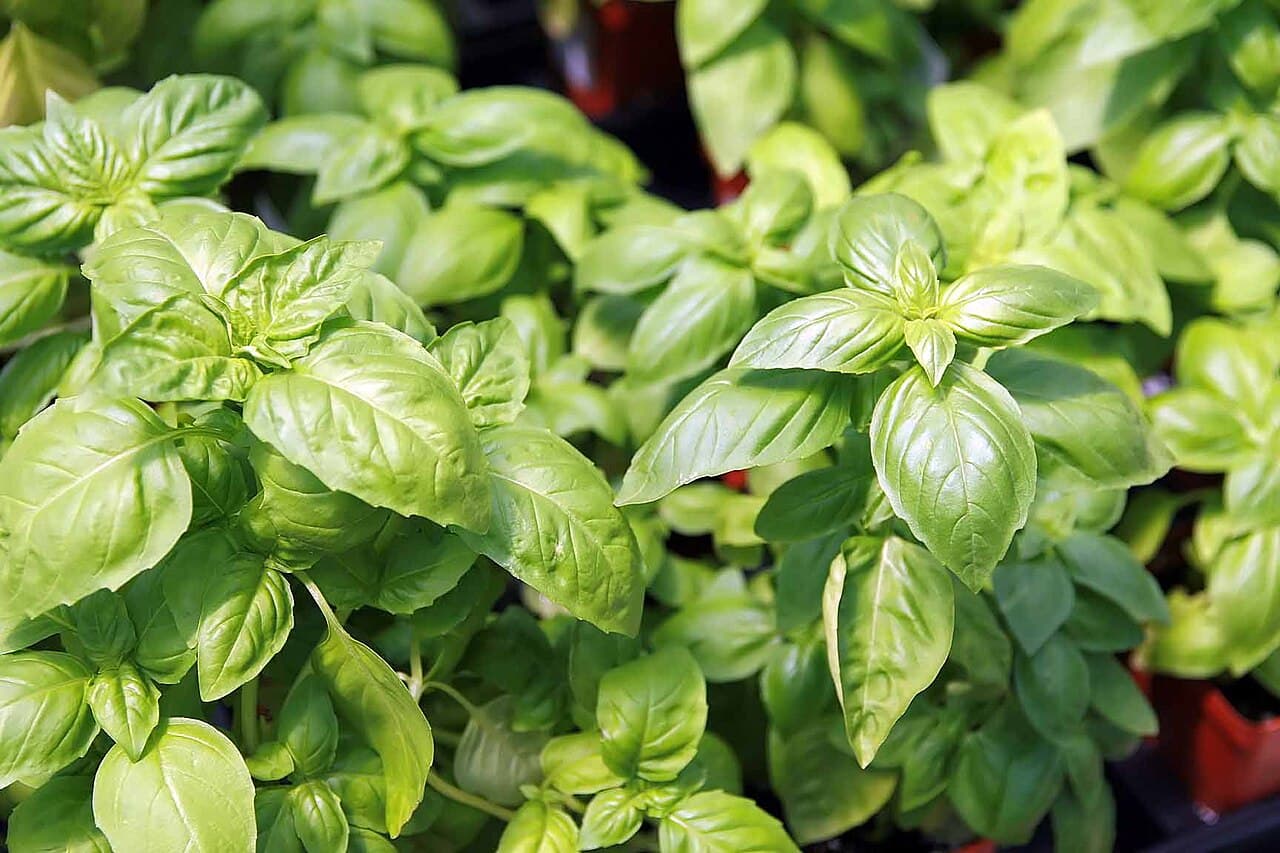
Mostly. Light browsing at worst; rarely ruined.
- Type
- Annual
- Hardiness
- Grown as an annual, any zone
- Light
- Full sun
- Height
- 4–36 in
- Bloom
- Summer
- Maintenance
- Moderate
Damage steps follow a published university field scale. How plants are rated.
About Basil
Pinch the flower spikes out as they form or the leaves turn bitter within days. Truly frost tender, so it goes out only once nights are reliably above 50F.
Do deer eat basil?
Sometimes. Rutgers rates basil Seldom Severely Damaged, B, and Iowa State's list puts it in the same second tier with dill and parsley rather than the top tier where mint, oregano and thyme sit. NC State lists deer and rabbits among the challenges Ocimum basilicum resists. The scent is the defense and it is a weaker one than the perennial herbs carry: basil is soft and watery and grown as a bedding plant, and a row of young transplants in June is the kind of thing a deer tests. The damage most often blamed on deer is not theirs. Japanese beetles and slugs, both on NC State's problem list for basil, take the leaves in the same season, and neither leaves the ragged tear a deer does.
Where it grows
A tender annual, hardy only in zones 10a and 10b on NC State's range and planted out everywhere else after the last frost. Full sun, though NC State allows partial shade; 4 inches to 3 feet by variety; flowers in summer, which is the signal to pinch.
Protecting basil
Where it is being nibbled, the 20 percent egg spray Colorado State rates High is the wrong tool on a leaf eaten raw. A floating row cover or a ring of wire does the job on a plant this small, and a pot on a step is the simplest answer of all.
If it is browsed
Basil branches from every node below a cut, which is what pinching does on purpose, so a browsed plant regrows the same way a pinched one does. What it loses is time. A plant eaten in late August is not worth waiting on; sow again indoors or let it go.
Soil and care
- Soil pH
- 6 to 7
- Drainage
- Well drained
- Water
- Moderate
- Spacing
- 10 to 12 in apart
- Growth rate
- Fast
- Maintenance
- Moderate
Similar to Basil
Other annuals with the same deer rating.
- Annual CandytuftIberis umbellataGrown as an annual, any zoneSeldom damaged
- Annual SalviaSalvia splendensGrown as an annual, any zoneSeldom damaged
- Annual VerbenaVerbena x hybridaGrown as an annual, any zoneSeldom damaged
- Bachelor's ButtonsCentaurea cyanusGrown as an annual, any zoneSeldom damaged
- BorageBorago officinalisGrown as an annual, any zoneSeldom damaged
- California PoppyEschscholzia californicaGrown as an annual, any zoneSeldom damaged
Where Basil is used
One guide on this site plants it, and says where and what beside it.
Where Basil grows
Hardy across every state on zone range alone. Mountain and coastal areas sit outside the ranges used here, so check your own zone before ordering. Select any state, including one it will not grow in, for what is resistant there.
Choose a state from the listeasier on a phone
- Pennsylvania
- New Jersey
- New York
- Connecticut
- Massachusetts
- Virginia
- Maryland
- Michigan
- Wisconsin
- Ohio
- Indiana
- Illinois
- Minnesota
- Missouri
- North Carolina
- Tennessee
- Georgia
- Texas
- Colorado
- California
- Oregon
- Washington
- New Hampshire
- Vermont
- Maine
- Rhode Island
- Delaware
- West Virginia
- Kentucky
- South Carolina
- Florida
- Alabama
- Mississippi
- Louisiana
- Arkansas
- Oklahoma
- Kansas
- Nebraska
- Iowa
- North Dakota
- South Dakota
- Montana
- Wyoming
- Idaho
- Utah
- Nevada
- Arizona
- New Mexico
- Alaska
- District of Columbia
- Hawaii
Common questions about Basil
- Is Basil deer resistant?
- Basil (Ocimum basilicum) is rated Seldom Severely Damaged, step 2 of 4 on the damage scale this site uses. Light browsing at worst; rarely ruined.
- What hardiness zones does Basil grow in?
- Basil is hardy in USDA zones 2 to 11. Outside that range it will either not survive winter or will struggle with summer heat.
- Does Basil grow in shade?
- No. Basil wants full sun and will grow thin and flop in shade.
- How big does Basil get?
- Mature height is roughly 4–36 in. Growth rate is fast.
Browse from here
Every list Basil belongs to.
All annuals·Seldom damaged·Full sun plants