
Plant record · Annual · Asteraceae
Is Zinnia deer resistant?
Zinnia elegans
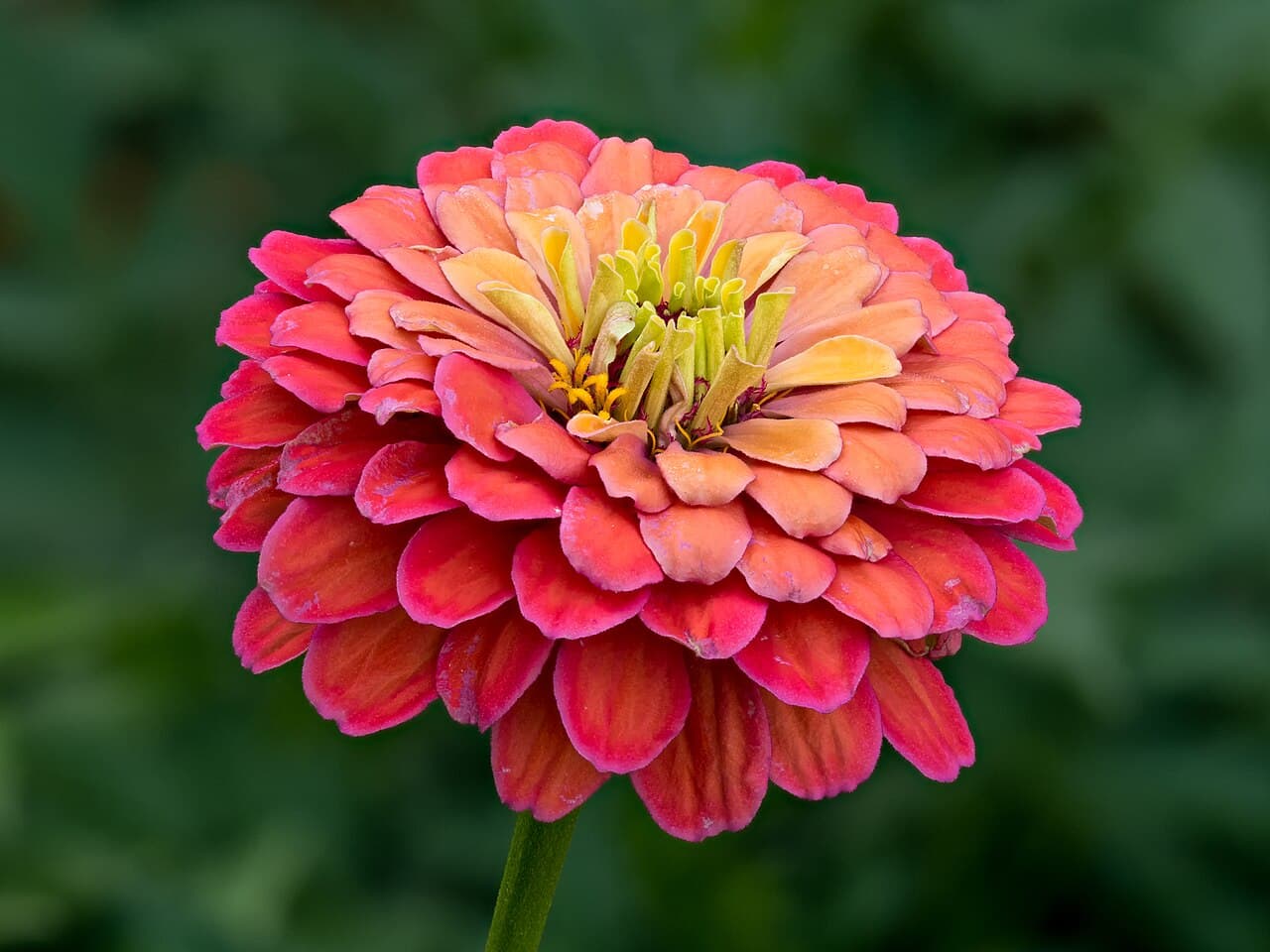
Mostly. Light browsing at worst; rarely ruined.
- Type
- Annual
- Hardiness
- Grown as an annual, any zone
- Light
- Full sun
- Height
- 6–36 in
- Bloom
- June–October
- Maintenance
- Moderate
- Family
- Asteraceae
Damage steps follow a published university field scale. How plants are rated.
About Zinnia
Rough hairy leaves that deer take only when other options run out, so it is a reasonable annual for a garden under moderate pressure.
Powdery mildew is the thing that ruins it. Zinnias are notorious for it in humid summers, turning gray and shabby from the bottom up by August. Air movement is most of the answer: space them properly, water at the base rather than overhead, and avoid crowding them against a fence.
Cultivar choice matters more than anything you spray. The narrow-leaved types are far more mildew resistant than the big classic ones and flower just as hard. Cut them for the house constantly; the more you pick, the more they produce.
Do deer eat zinnias?
Rarely, and NC State's entry puts it in one line: "Deer do not find this plant appetizing." Rutgers rates Zinnia elegans Seldom Severely Damaged, the second tier, and the rough, hairy leaf is the reason. Under real pressure the flower buds go, because buds are soft on every plant, but a bed of zinnias stripped to the stem is unusual enough that rabbits and groundhogs are the first thing to check for.
What browsing does to a zinnia
The same thing cutting does. Zinnias branch below a cut and flower again on the new shoots, which is why picking them hard keeps them producing, and a deer that takes the top of a stem in July has, in effect, cut it. The plant is back in bloom in a few weeks if the rest of it is healthy. What it will not survive is repeated browsing on a young plant that has not yet branched, or a stand already going gray with mildew from the bottom.
Where zinnias fit in a deer garden
Full sun, spaced the 12 inches to 3 feet NC State gives so air moves through them, in the ground rather than under trees. A summer-and-fall annual to zone 11, and a sensible companion for the aromatic perennials of the top tier, lavender and Russian sage, on the same dry, sunny ground.
Soil and care
- Soil pH
- 5.5 to 7.5
- Drainage
- Well drained
- Water
- Moderate
- Fertility
- Moderate
- Spacing
- 10 to 18 in apart
- Growth rate
- Fast
- Maintenance
- Moderate
Tolerances and uses
- Drought
- Moderate
- Salt
- Low
- Pollinators
- High
Containers
What to plant it with
- Marigold
Straightforward annual bed. Both take full sun and neither is a deer favourite.
Similar to Zinnia
Other annuals with the same deer rating.
- Annual CandytuftIberis umbellataGrown as an annual, any zoneSeldom damaged
- Annual SalviaSalvia splendensGrown as an annual, any zoneSeldom damaged
- Annual VerbenaVerbena x hybridaGrown as an annual, any zoneSeldom damaged
- Bachelor's ButtonsCentaurea cyanusGrown as an annual, any zoneSeldom damaged
- BasilOcimum basilicumGrown as an annual, any zoneSeldom damaged
- BorageBorago officinalisGrown as an annual, any zoneSeldom damaged
Where Zinnia is used
One guide on this site plants it, and says where and what beside it.
Where Zinnia grows
Hardy across every state on zone range alone. Mountain and coastal areas sit outside the ranges used here, so check your own zone before ordering. Select any state, including one it will not grow in, for what is resistant there.
Choose a state from the listeasier on a phone
- Pennsylvania
- New Jersey
- New York
- Connecticut
- Massachusetts
- Virginia
- Maryland
- Michigan
- Wisconsin
- Ohio
- Indiana
- Illinois
- Minnesota
- Missouri
- North Carolina
- Tennessee
- Georgia
- Texas
- Colorado
- California
- Oregon
- Washington
- New Hampshire
- Vermont
- Maine
- Rhode Island
- Delaware
- West Virginia
- Kentucky
- South Carolina
- Florida
- Alabama
- Mississippi
- Louisiana
- Arkansas
- Oklahoma
- Kansas
- Nebraska
- Iowa
- North Dakota
- South Dakota
- Montana
- Wyoming
- Idaho
- Utah
- Nevada
- Arizona
- New Mexico
- Alaska
- District of Columbia
- Hawaii
Common questions about Zinnia
- Is Zinnia deer resistant?
- Zinnia (Zinnia elegans) is rated Seldom Severely Damaged, step 2 of 4 on the damage scale this site uses. Light browsing at worst; rarely ruined.
- What hardiness zones does Zinnia grow in?
- Zinnia is hardy in USDA zones 2 to 11. Outside that range it will either not survive winter or will struggle with summer heat.
- Does Zinnia grow in shade?
- No. Zinnia wants full sun and will grow thin and flop in shade.
- How big does Zinnia get?
- Mature height is roughly 6–36 in. Growth rate is fast.
- When does Zinnia bloom?
- Zinnia flowers from June–October.
Browse from here
Every list Zinnia belongs to.
All annuals·Seldom damaged·Full sun plants