
Plant record · Bulb
Is Garden Lily deer resistant?
Lilium sp.
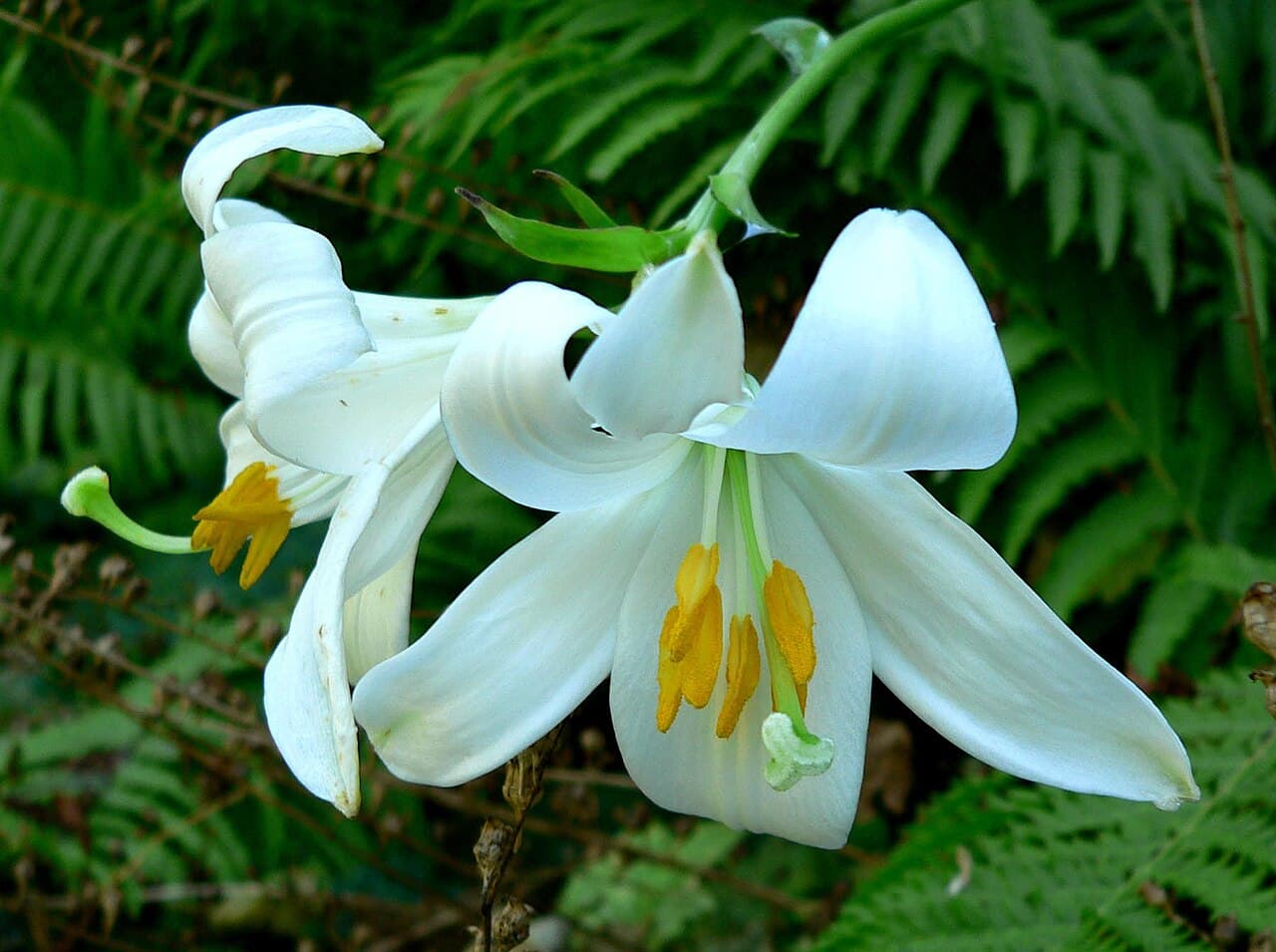
Partly. Browsed where deer pressure is high. Protect it.
- Type
- Bulb
- Hardiness
- Zones 4–8, genus range
- Light
- Full sun
- Bloom
- Summer
- Maintenance
- Moderate
- Toxic to
- cats
Damage steps follow a published university field scale. How plants are rated.
About Garden Lily
Deer browse the buds and stems, and the real threat in many regions is now lily leaf beetle, whose larvae strip plants to bare stalks. Bulbs need sharp drainage and rot in wet ground. Never cut more than a third of the stem when taking flowers, since the leaves feed next year's bulb.
Do deer eat lilies?
Yes. Rutgers rates Lilium, the true lilies, Occasionally Severely Damaged, the third tier, and the pattern is the daylily's: the buds and the top of the stem are taken as they rise, the plant survives, and the reason for growing it does not. NC State's entry says nothing about deer, so the tier rests on Rutgers. The daylily, which is not a lily, sits in the same tier for the same reason, and the calla, which is not a lily either, sits one tier better.
Where it grows
NC State: zones 3a to 8b, 1 to 6 feet, full sun or partial shade, flowering in summer, in sharply drained ground, since "bulb rot" from wet soil is on the problem list with aphids that carry mosaic virus and the lily leaf beetle. The ASPCA lists lilies as toxic to cats, and NC State's entry carries the same warning: "Lilies are toxic to felines and should be avoided in homes with cats." The callout below carries it.
Protecting lilies
The spike rises over weeks and the 20 percent egg spray Colorado State rates High goes on as it does, renewed at about thirty days until the flowers open. A cutting row inside a fence needs nothing.
If it is browsed
A stem browsed below the buds sends no replacement that year; the bulb ripens on whatever leaf is left and flowers the next summer if enough was left. A stem stripped to the ground before July may not.
Protecting Garden Lily
Whether this survives comes down to local pressure, so decide on the options before it gets browsed rather than after.
- 1How tall a deer fence needs to beEight feet, and six is the most common expensive mistake in deer fencing.
- 2Repellent that actually worksThe egg-based recipe that reproduces the active ingredient in the commercial sprays that win university trials.
- 3Check it is actually deerDeer tear and leave a ragged stub. A clean 45-degree cut is rabbits, and slug holes get blamed on deer constantly.
What to plant instead of Garden Lily
Same plant type, hardy in the same zones, and rated better for deer. If Garden Lily keeps getting eaten, these go in the same spot.
Soil and care
- Soil pH
- 6 to 7
- Drainage
- Well drained
- Water
- Moderate
- Spacing
- 12 to 18 in apart
- Growth rate
- Moderate
- Maintenance
- Moderate
Where Garden Lily grows
Hardy across 50 states on zone range alone. Mountain and coastal areas sit outside the ranges used here, so check your own zone before ordering. Select any state, including one it will not grow in, for what is resistant there.
Choose a state from the listeasier on a phone
- Pennsylvania
- New Jersey
- New York
- Connecticut
- Massachusetts
- Virginia
- Maryland
- Michigan
- Wisconsin
- Ohio
- Indiana
- Illinois
- Minnesota
- Missouri
- North Carolina
- Tennessee
- Georgia
- Texas
- Colorado
- California
- Oregon
- Washington
- New Hampshire
- Vermont
- Maine
- Rhode Island
- Delaware
- West Virginia
- Kentucky
- South Carolina
- Florida
- Alabama
- Mississippi
- Louisiana
- Arkansas
- Oklahoma
- Kansas
- Nebraska
- Iowa
- North Dakota
- South Dakota
- Montana
- Wyoming
- Idaho
- Utah
- Nevada
- Arizona
- New Mexico
- Alaska
- District of Columbia
- Hawaii
Common questions about Garden Lily
- Is Garden Lily deer resistant?
- Garden Lily (Lilium sp.) is rated Occasionally Severely Damaged, step 3 of 4 on the damage scale this site uses. Browsed where deer pressure is high. Protect it.
- What hardiness zones does Garden Lily grow in?
- Garden Lily is hardy in USDA zones 4 to 8. Outside that range it will either not survive winter or will struggle with summer heat. That is the range across the genus, so a named species or cultivar may be narrower.
- Does Garden Lily grow in shade?
- No. Garden Lily wants full sun and will grow thin and flop in shade.
- Is Garden Lily toxic to dogs or cats?
- Yes. The ASPCA lists Garden Lily as toxic to cats. Cats are the risk here, and they browse foliage indoors more readily than out, so it matters most for anything cut and brought inside.
Browse from here
Every list Garden Lily belongs to.
All bulbs·Sometimes destroyed·Full sun plants