
Deer-resistant flowering shrubs
Flower is where the deer-resistant shrub palette is thinnest, because the obvious flowering shrubs are the worst offenders: rhododendron, azalea and lilac are all browsed heavily, and hydrangea is not far behind. What is left leans on aromatic foliage rather than on the flower being unattractive, so the reliable performers here smell of something when you brush past them. Check bloom season as well as rating, since a shrub that flowers in April is exposed at the hungriest point of the year.
137 plants · page 2 of 3
Why the flowering list is thin
Ask a nursery for a flowering shrub and the first four names are rhododendron, azalea, hydrangea and rose. On the Rutgers scale the first two are Frequently Severely Damaged, the bottom tier, and the other two sit one rung up. That is the whole problem with this category in one sentence: the shrubs bred hardest for flower are the ones bred with no thought for what eats them, and a deer does not care what the flower looks like.
What survives is a shrub with something else going on. Scent in the foliage, which is butterfly bush, bayberry, fragrant sumac and spicebush. Poison, which is pieris, daphne, mahonia and leucothoe. Or flowers so early or so late that they arrive when a deer is eating something else. The tiers on this page come from Rutgers NJAES E271, the same four-tier scale as the rest of the encyclopedia, and where NC State's Plant Toolbox says something more specific about a shrub it is quoted.
The grid is every shrub in the encyclopedia with a recorded bloom season, grouped by tier. A shrub missing from it may only be missing a field; the shrubs page holds all of them.
The flowering shrubs deer won't eat
Rarely Damaged, and grown for the flower rather than despite it:
- Butterfly bush, summer into fall, zones 5 to 9. NC State lists deer and rabbits among what it resists, and lists it as invasive in the North Carolina mountains and piedmont on top of the Oregon and Washington listings. Sterile cultivars only.
- Bush cinquefoil, the shrubby potentilla, summer into fall, zones 2 to 7, and the one plant here that flowers for three months in a cold climate. NC State: resists deer, drought, rabbits and poor soil.
- Arrowwood viburnum, white flowers in spring and blue fruit for birds, zones 2 to 8. NC State carries both of the sentences a reader needs: "Arrowwood is deer-resistant" and "Its twigs and leaves are browsed by white-tailed deer." A native shrub in the top tier is still food in a hard winter.
- Japanese pieris and mountain pieris, evergreen, drooping white flowers in early spring, zones 4 to 8 and 4 to 6. NC State rates the poison severity High, grayanotoxins, and that is why they are on this list.
- Daphne, zones 4 to 8 depending on the species, fragrant in late winter or spring. NC State on Daphne odora: resists deer, poison severity High, every part.
- Sweet box, drooping leucothoe, leatherleaf mahonia and Oregon grape holly, the evergreens for shade, all with flowers that matter and all covered on the evergreen shrubs page.
- Bayberry and fragrant sumac, aromatic, tough, with flowers nobody plants them for.
Two on the top tier belong on a different list. Japanese barberry is listed as invasive in eight states and Russian olive in ten. Deer leaving a plant alone is not a reason to plant it.
The second tier is where the good ones are
Seldom Severely Damaged holds most of the shrubs people are actually trying to buy, and the tier means what it says: browsed, rarely ruined. A shrub in this band can lose its lowest branches to a browse line and stand for twenty years.
For spring: common lilac, zones 3 to 7, which NC State lists as resisting deer, rabbits and salt; sweet mock orange; beautybush; deutzia, "seldom damaged by deer" in NC State's words and "generally pest- and disease-free"; fothergilla, "no significant problems"; bridalwreath spirea; Japanese kerria; Japanese flowering quince; the Koreanspice and blackhaw viburnums; red chokeberry.
For summer: weigela, which NC State lists under deer resistance and, two lines later, "It may be damaged by deer," which is what the second tier looks like from inside; Japanese spirea, with NC State's warning that "unlike some other species of spiraea, this plant may be damaged by deer" and an invasive listing across the Southeast; Virginia sweetspire; sweet pepperbush, which resists deer, heavy shade and wet soil on NC State's list; shrubby St. John's wort; smokebush; crape myrtle from zone 6; rose of Sharon, "mildly resistant to damage by deer" and reported invasive in Virginia and Kentucky.
For the ends of the year: common witchhazel, which flowers in November, spicebush in March, camellia through winter in zones 7 to 9, and gardenia from zone 8. The last two are not on the Rutgers list at all; their tier is a conservative reading of NC State's single deer-resistant category, and each plant's page says so.
Do deer eat forsythia?
Sometimes. Rutgers rates forsythia Seldom Severely Damaged, and NC State's line is "The plant can be occasionally damaged by deer." The damage that matters is not to the plant, which grows back from anything, but to the flowers: forsythia sets its flower buds the summer before, on the old wood, so a shrub browsed through the winter opens in April with flowers only above the browse line. It survives. It looks like a shrub that has been eaten, which it has. Zones 5 to 8 on NC State's range, 8 to 10 feet, and it suckers.
Do deer eat hydrangeas, roses and lilacs?
Hydrangeas, yes. All four in the encyclopedia are Occasionally Severely Damaged, the third tier: bigleaf, oakleaf, panicle and smooth. The buds and the soft new growth are taken, and a bigleaf hydrangea that flowers on old wood loses the year's bloom to a winter browse the way forsythia does. The panicle and smooth types flower on new wood and recover their display in one season.
Roses, yes. Garden roses are the same third tier. NC State's genus entry lists white-tailed deer and cottontail rabbit among the things that damage them, and its entry for the Knock Out group, the roses sold as carefree, says it in one sentence: "Roses are susceptible to damage from rabbits and deer." Nothing consulted here rates any cultivar as an exception. Rugosa rose, the thorniest, is rated the same.
Lilac, seldom. Common lilac is second tier, NC State lists deer among what it resists, and the flowers are out of reach on a mature shrub anyway at 8 to 16 feet. The late lilac is a tier lower.
The ones to skip
Rhododendron, evergreen azalea and pinxterbloom azalea are Frequently Severely Damaged. NC State on the genus: "This plant is frequently damaged by deer." The grayanotoxins that put rhododendron on every poison list do not stop a deer, which is the single most useful thing to know about toxicity and browsing, and the shrubs page makes the argument at length with yew as the proof. Mountain laurel is one tier up and NC State manages to say both "highly resistant to damage from deer" and, in the same entry, that "white-tailed deer browse the leaves and twigs during the winter and early spring." Rutgers says occasionally, which is the average of those two sentences.
Flowering shrubs for shade
The shade list is the evergreen list with a few deciduous additions, because the poisonous broadleaf evergreens are what flower under trees: both pieris, leucothoe, sweet box, the mahonias, skimmia, camellia. Deciduous and second tier: kerria, fothergilla, sweetspire, pepperbush, spicebush, witchhazel, red chokeberry. The shade page has the shrubs alongside the perennials and ferns, and the two substitutions it recommends for the evergreen mass of an azalea and the flowering shrub under trees.
Low-maintenance picks
The shrubs on this page whose NC State entry lists nothing under problems, or next to nothing: fothergilla ("no significant problems"), deutzia ("generally pest- and disease-free"), bush cinquefoil, sweet pepperbush ("spider mites may be a concern in dry conditions"), weigela ("minimal insect and disease damage"), arrowwood viburnum with the viburnum leaf beetle as its one real enemy. Lilac carries "frequent disease problems" and earns its place anyway. Butterfly bush is low maintenance in the sense that it needs cutting to the ground every March and nothing else.
How to use the list below
Every shrub is grouped by rating, best first, with bloom season, hardiness and mature size on the card. Check the bloom season against the calendar as well as the rating: a shrub that flowers in April is exposed at the hungriest point of the year, when a deer will test things it walked past in July. The evergreen shrubs page sorts the same encyclopedia by what holds its leaves, and the shrubs page holds all of them with the argument for choosing by rating at all.
Seldom Severely Damaged50
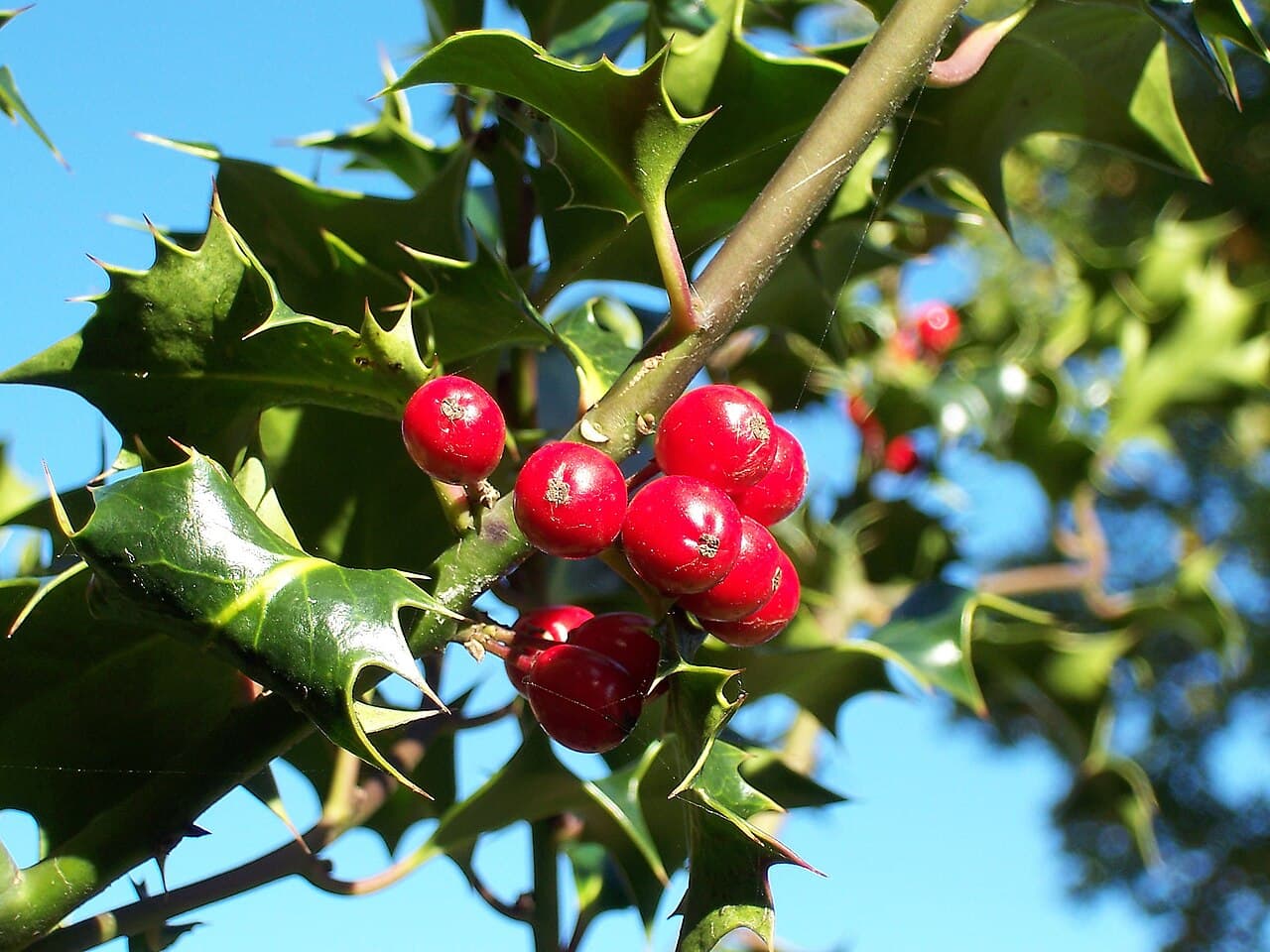
English Holly
Seldom damagedIlex aquifolium
- Type
- Shrub
- Hardiness
- Zones 7–8
- Height
- 360–600 in
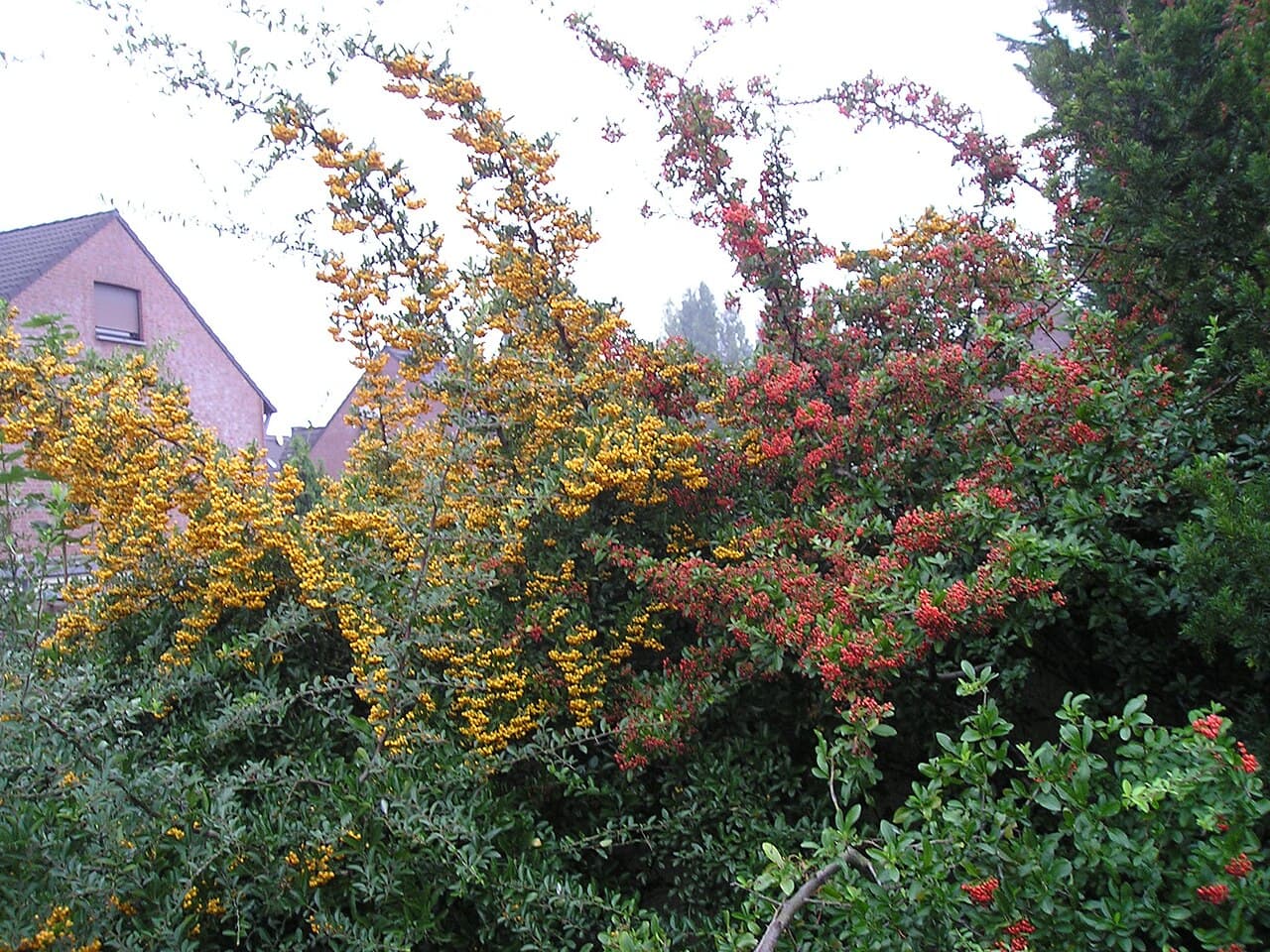
Firethorn
Seldom damagedPyracantha coccinea
- Type
- Shrub
- Hardiness
- Zones 6–9
- Height
- 72–216 in
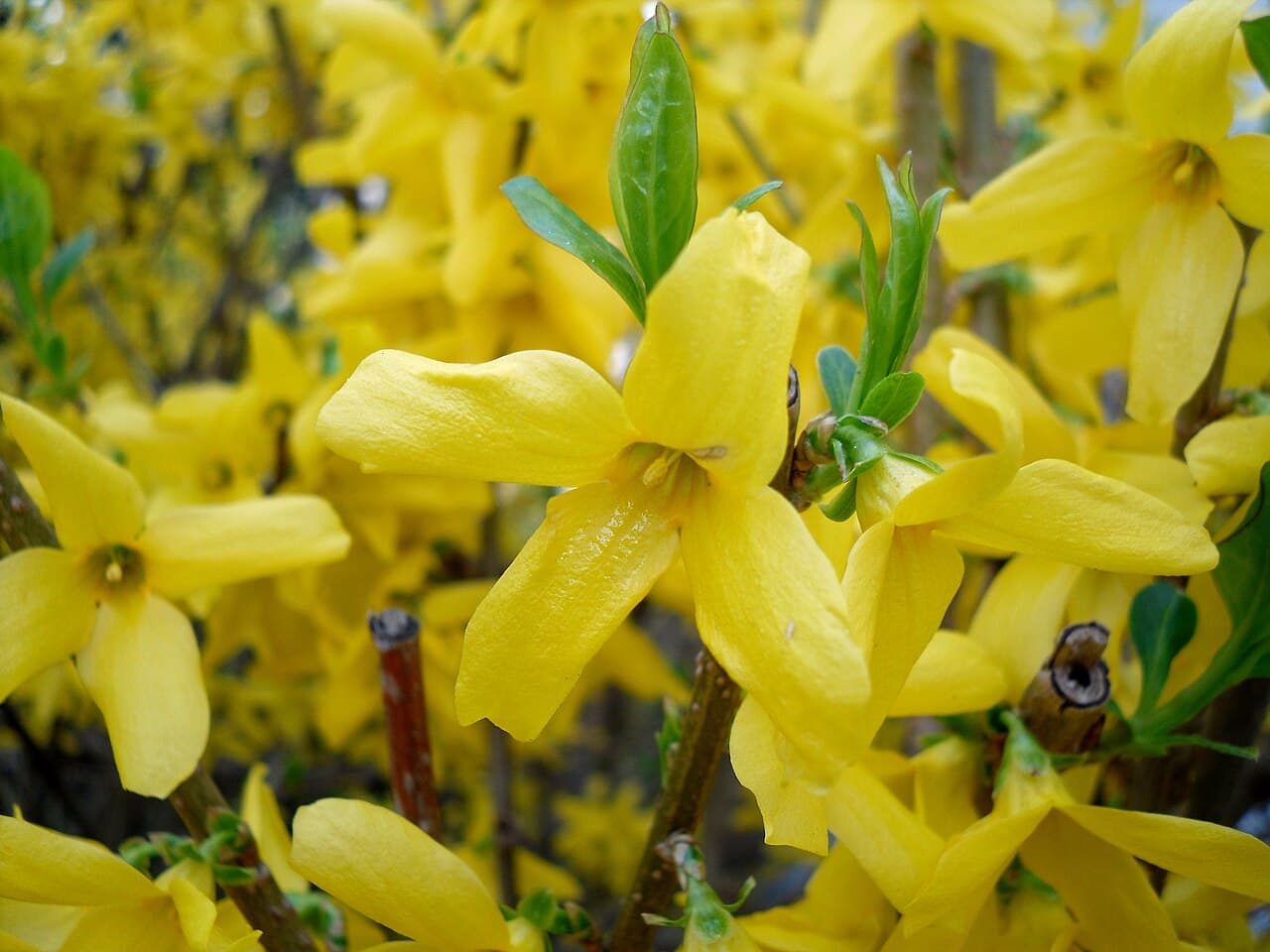
Forsythia
Seldom damagedForsythia x intermedia
- Type
- Shrub
- Hardiness
- Zones 4–8
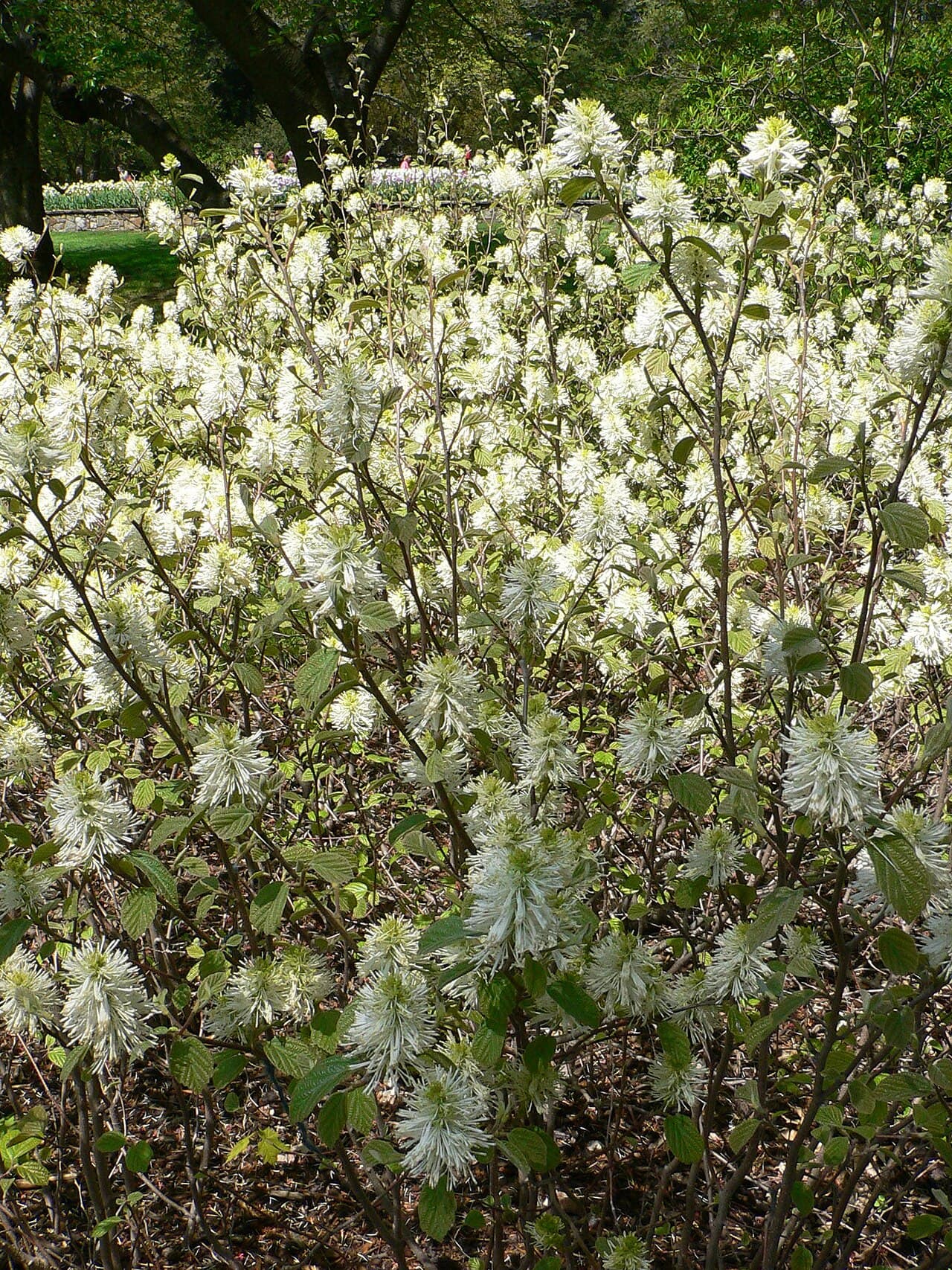
Fothergilla
Seldom damagedFothergilla sp.
- Type
- Shrub
- Hardiness
- Zones 4–8, genus range
Gardenia
Seldom damagedGardenia jasminoides
- Type
- Shrub
- Hardiness
- Zones 8–11
- Height
- 48–96 in
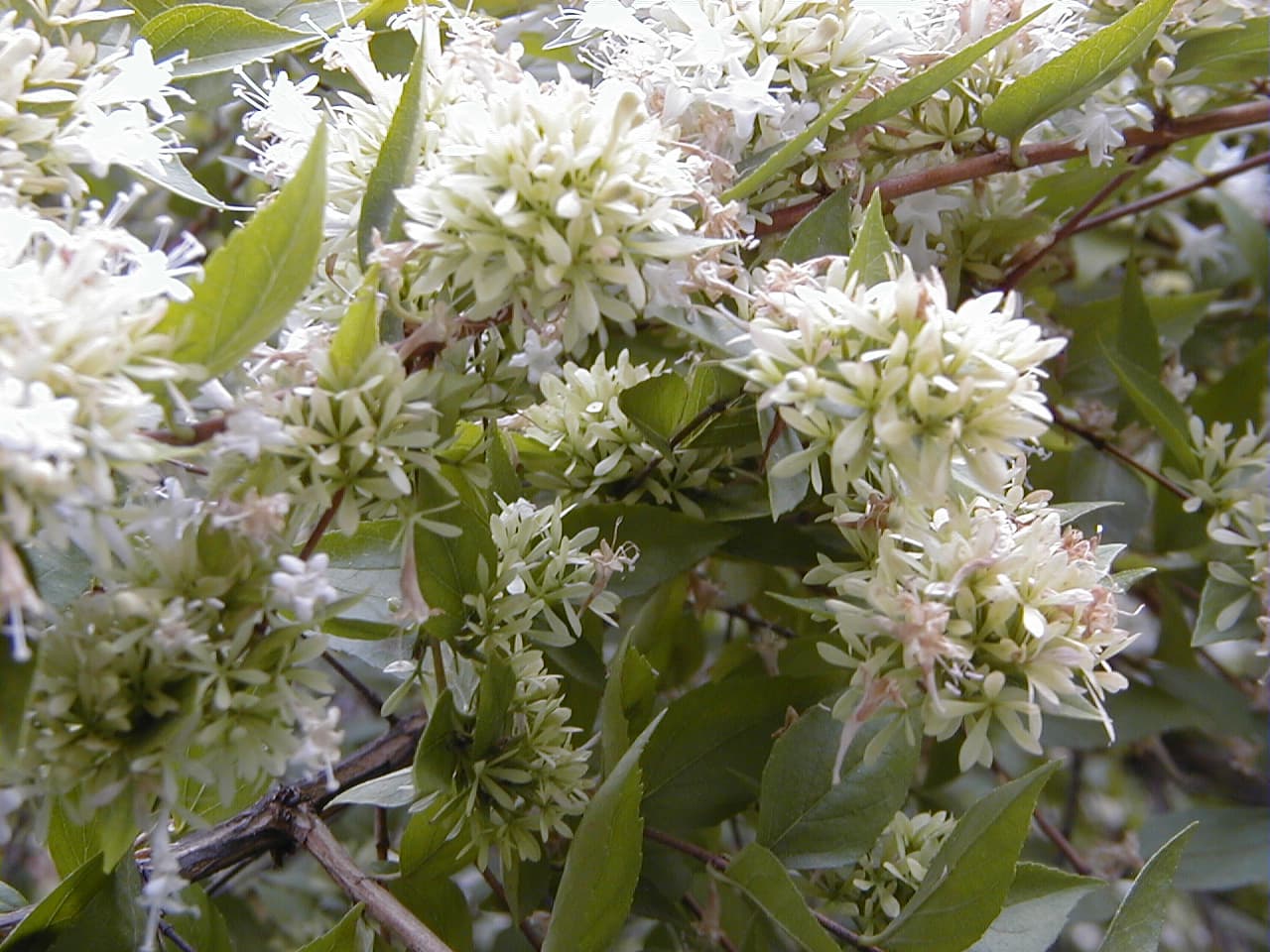
Glossy Abelia
Seldom damagedAbelia sp.
- Type
- Shrub
- Hardiness
- Zones 6–9, genus range
Golden Currant
Seldom damagedRibes aureum
- Type
- Shrub
- Hardiness
- Zones 4–8
- Height
- 120–120 in
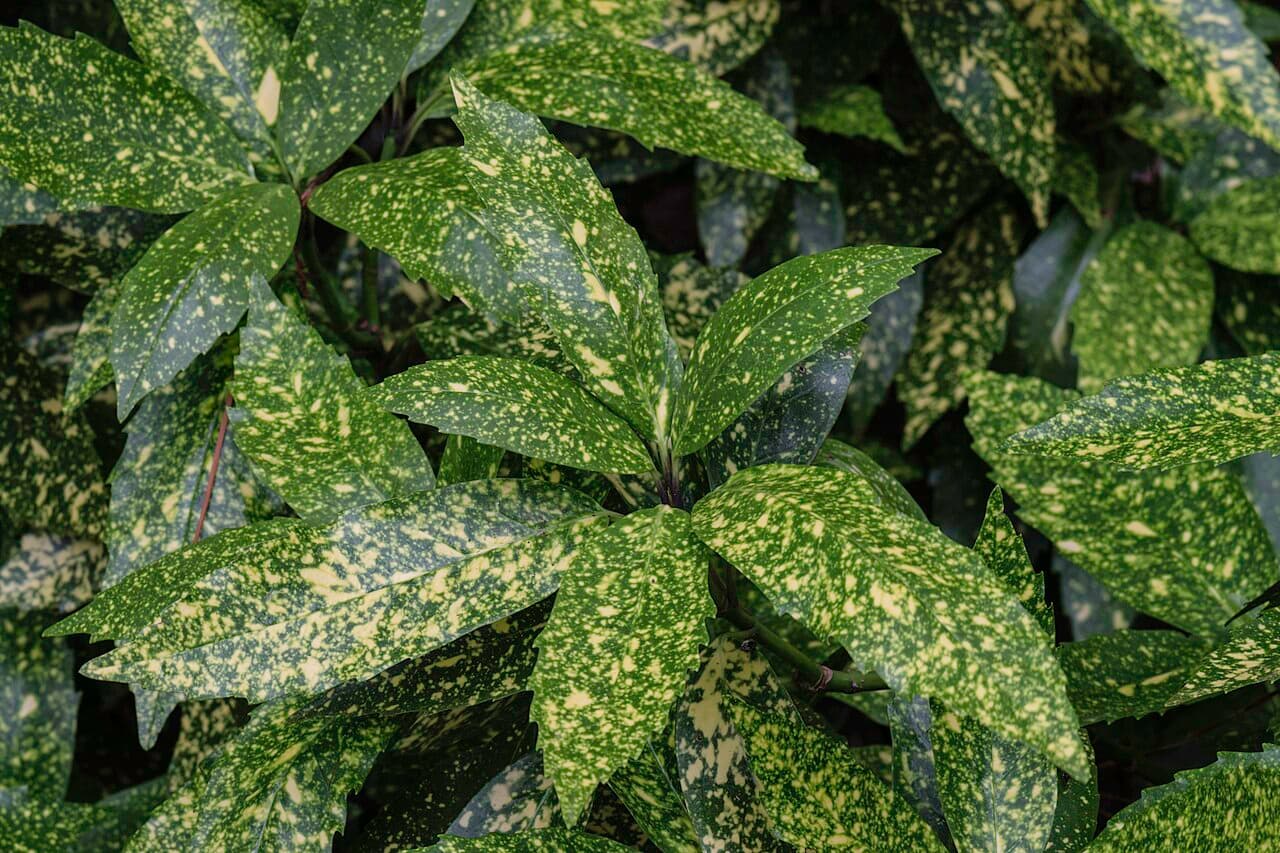
Goldust Plant
Seldom damagedAucuba japonica
- Type
- Shrub
- Hardiness
- Zones 7–10
- Height
- 72–120 in
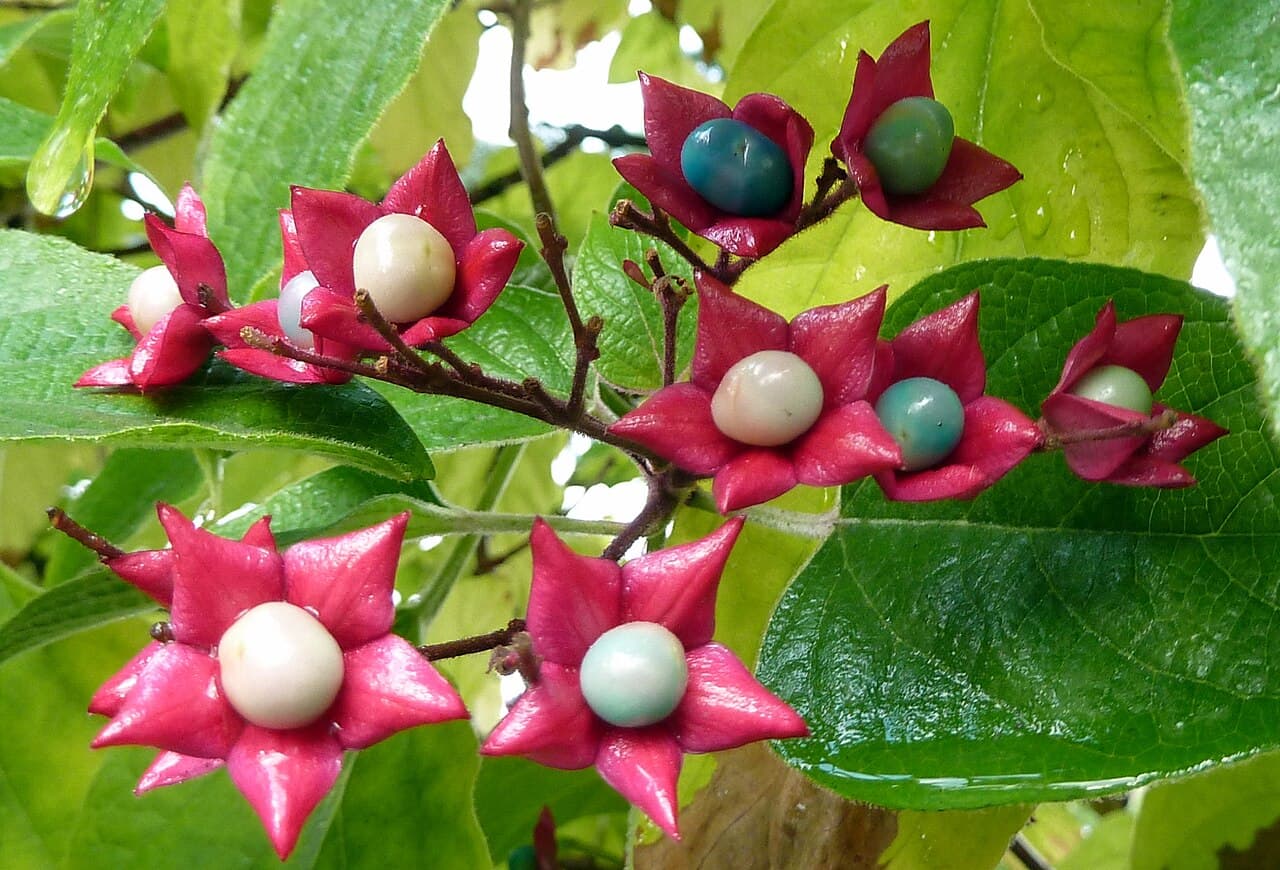
Harlequin Glorybower
Seldom damagedClerodendrum trichotomum
- Type
- Shrub
- Hardiness
- Zones 7–10
- Height
- 120–240 in
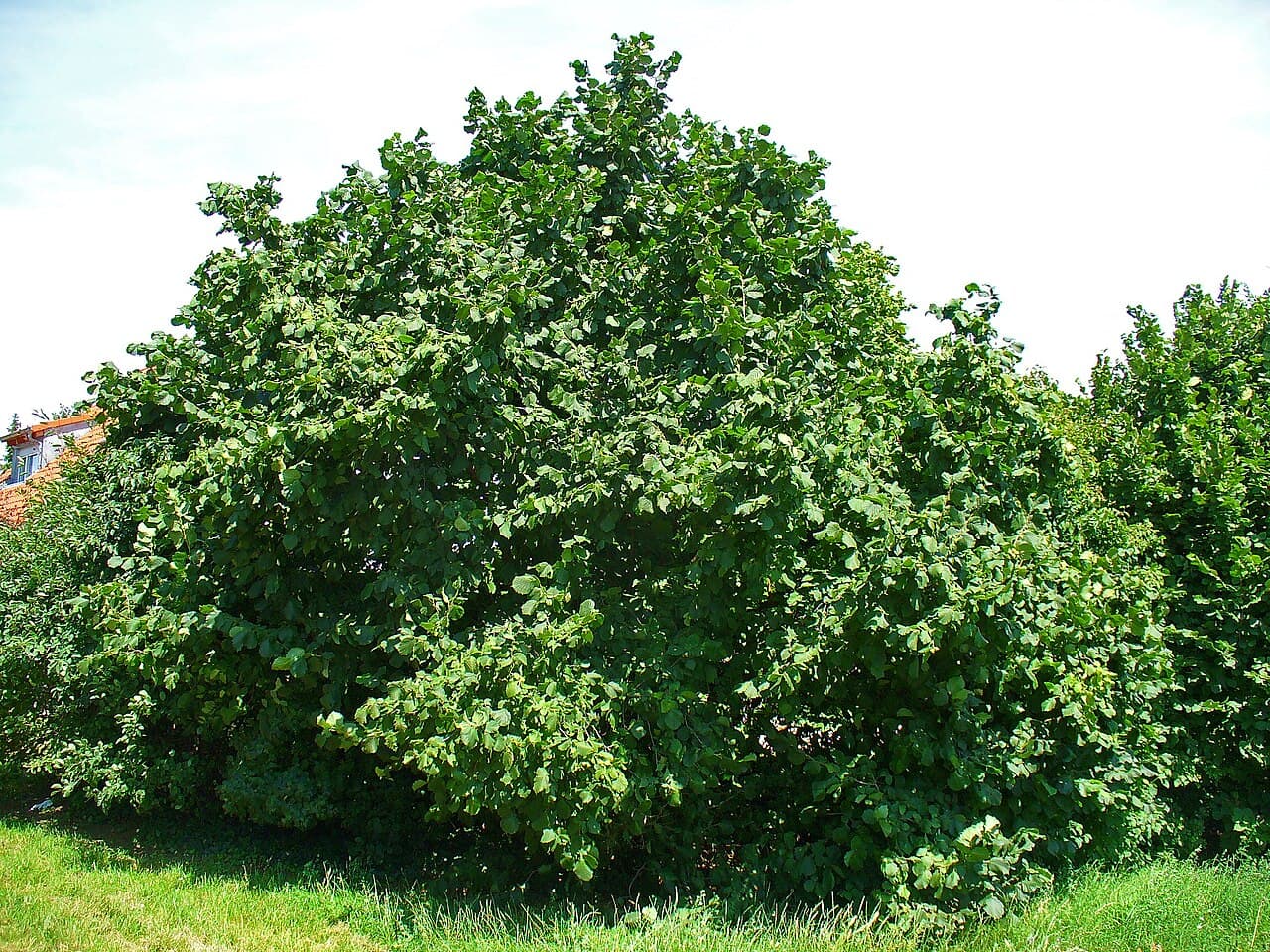
Hazelnut
Seldom damagedCorylus sp.
- Type
- Shrub
- Hardiness
- Zones 4–8, genus range
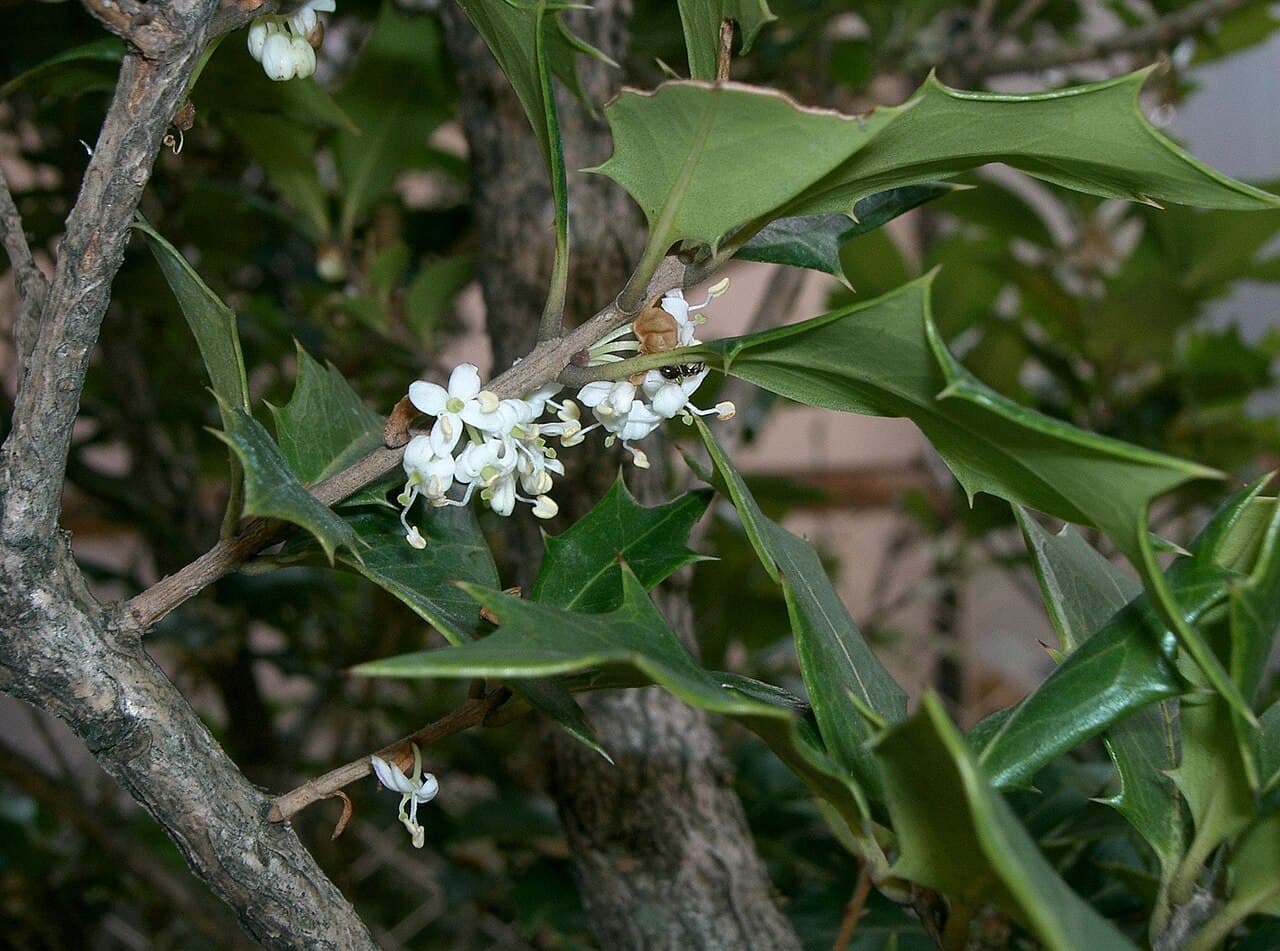
Holly Osmanthus
Seldom damagedOsmanthus heterophyllus
- Type
- Shrub
- Hardiness
- Zones 7–9
- Height
- 96–240 in
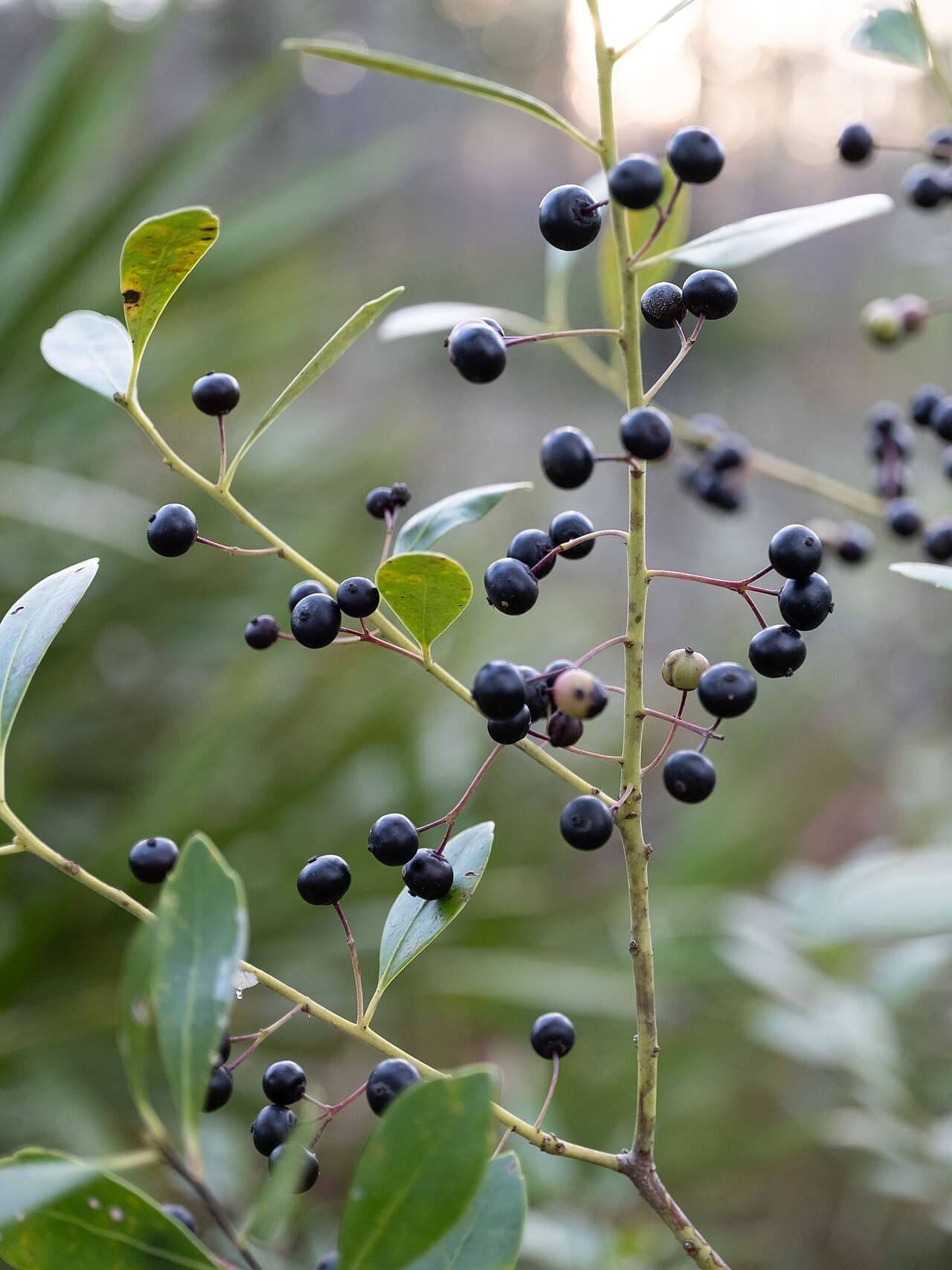
Inkberry
Seldom damagedIlex glabra
- Type
- Shrub
- Hardiness
- Zones 4–11
- Height
- 60–120 in
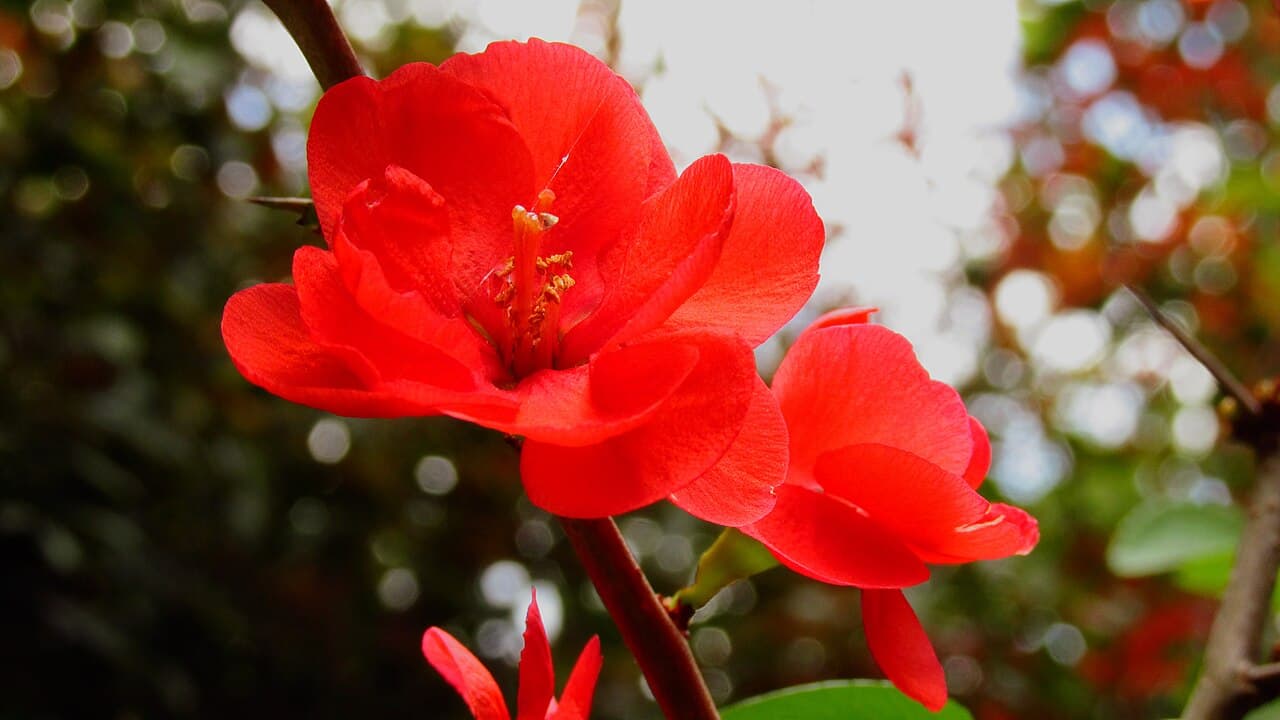
Japanese Flowering Quince
Seldom damagedChaenomeles japonica
- Type
- Shrub
- Hardiness
- Zones 5–9
- Height
- 24–36 in
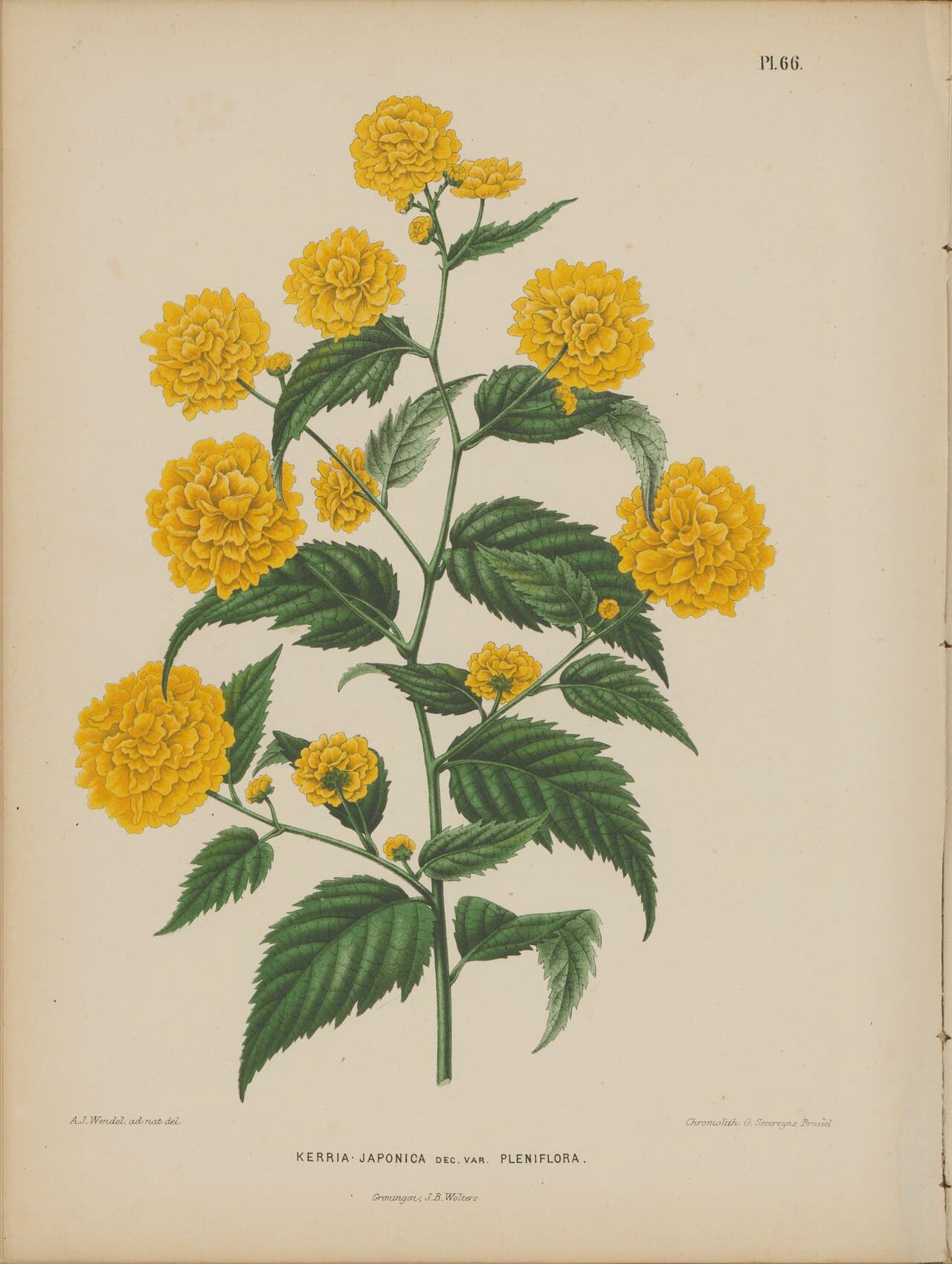
Japanese Kerria
Seldom damagedKerria japonica
- Type
- Shrub
- Hardiness
- Zones 4–9
- Height
- 36–84 in
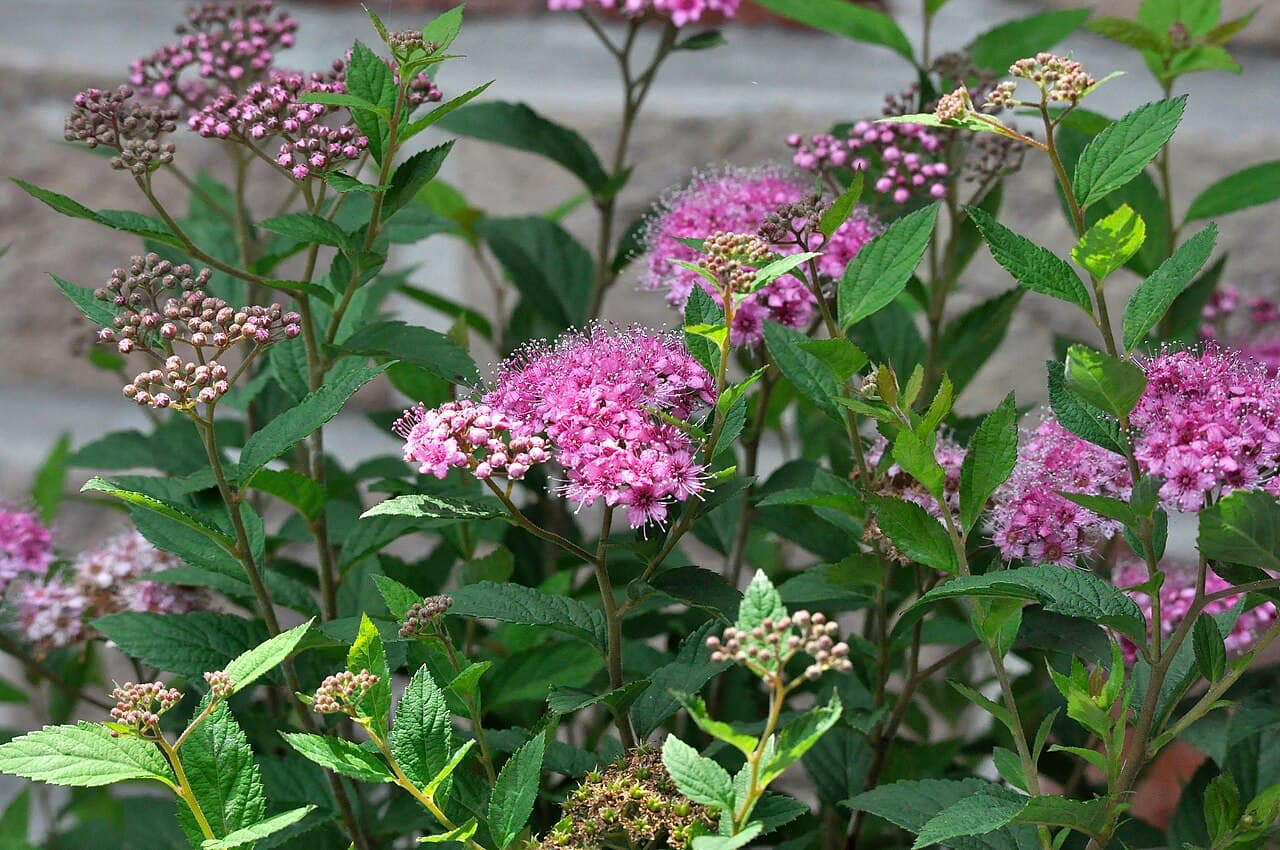
Japanese Spirea
Seldom damagedSpiraea japonica
- Type
- Shrub
- Hardiness
- Zones 3–8
- Height
- 48–72 in
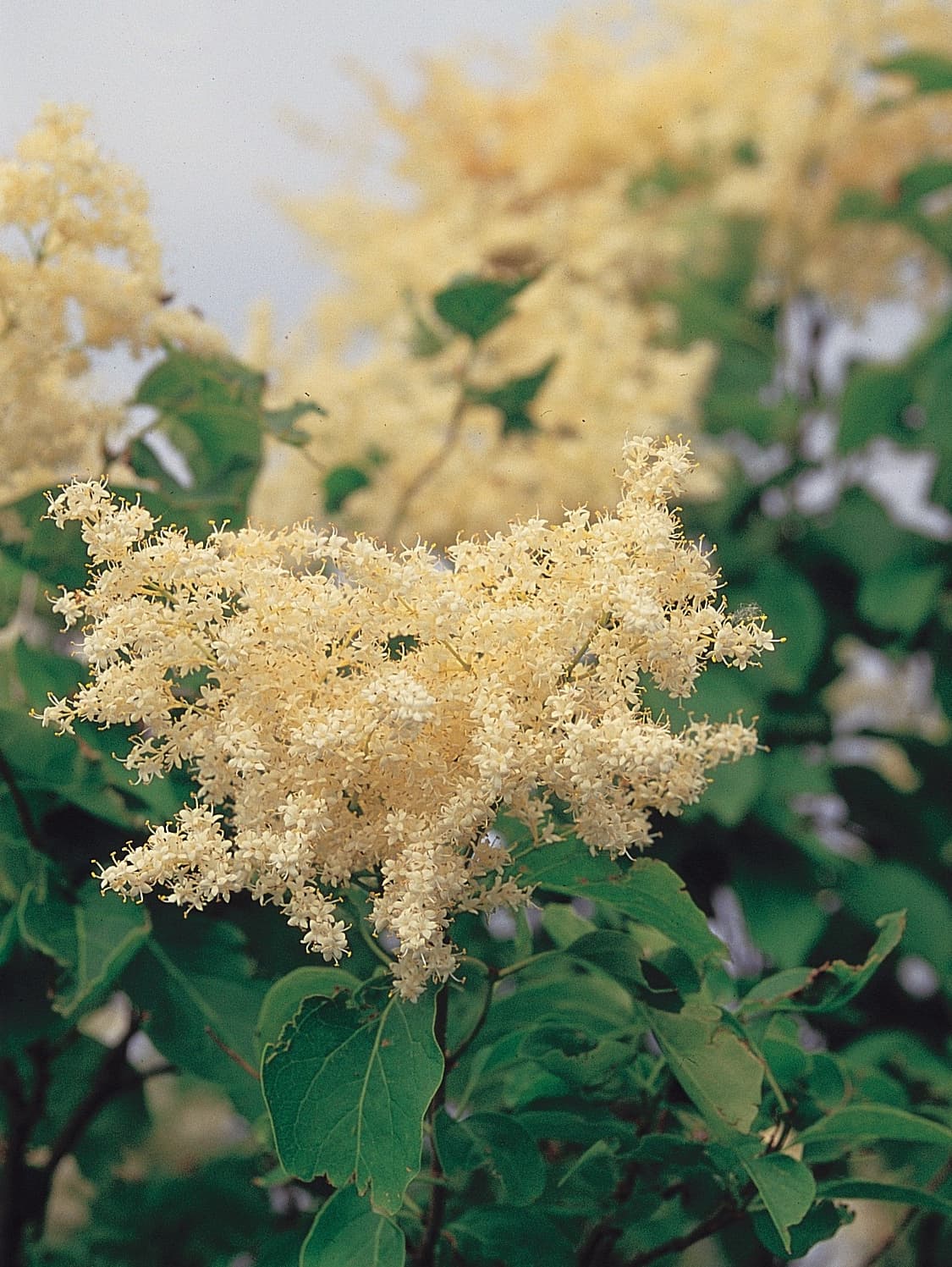
Japanese Tree Lilac
Seldom damagedSyringa reticulata
- Type
- Shrub
- Hardiness
- Zones 3–7
- Height
- 300–360 in
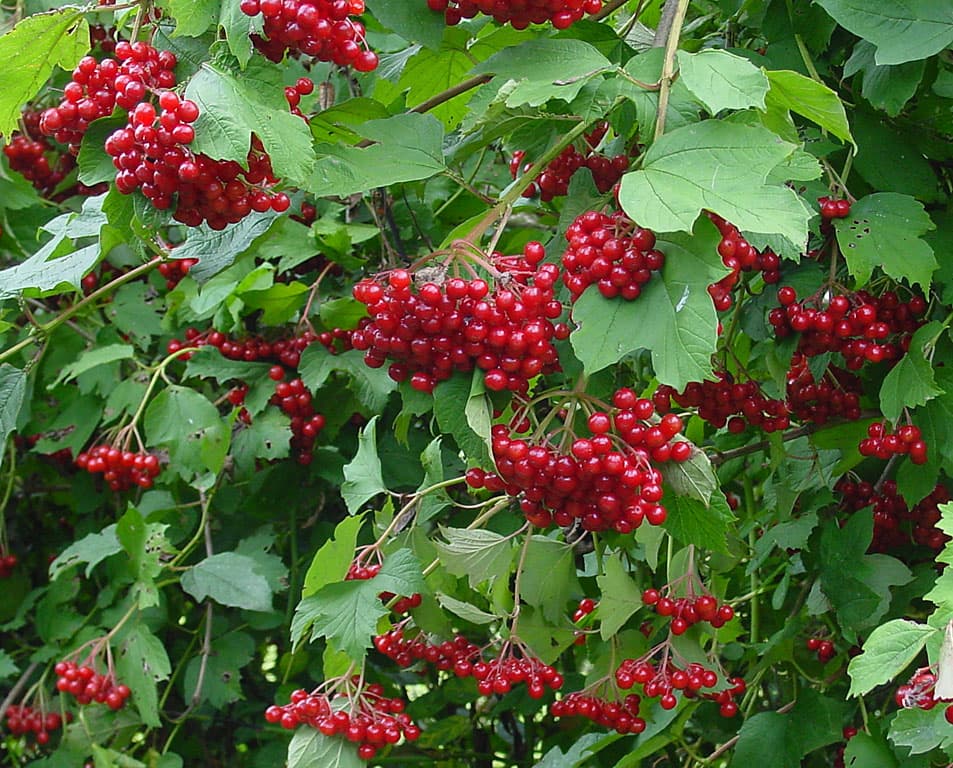
Judd Viburnum
Seldom damagedViburnum x juddii
- Type
- Shrub
- Hardiness
- Zones 4–8
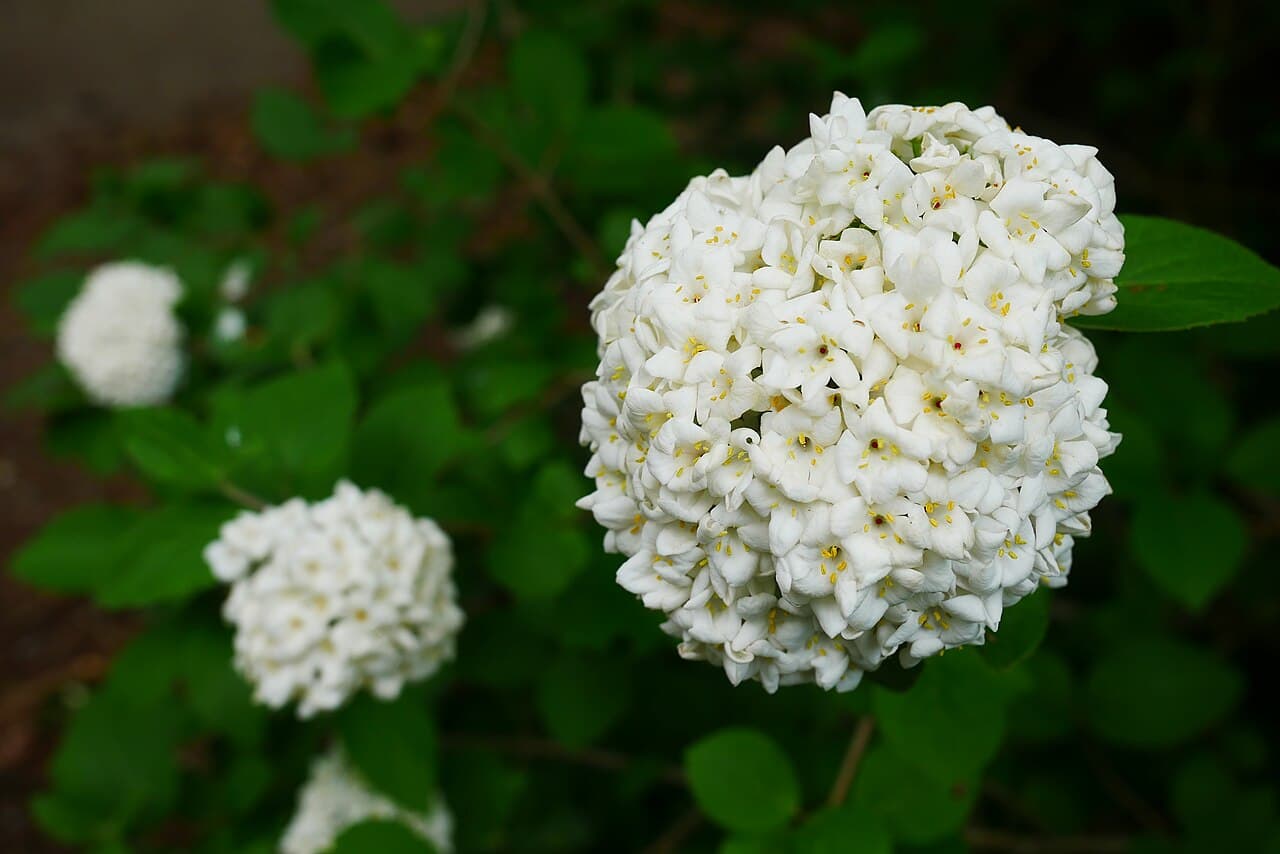
Koreanspice Viburnum
Seldom damagedViburnum carlesii
- Type
- Shrub
- Hardiness
- Zones 4–7
- Height
- 48–72 in
Leadplant
Seldom damagedAmorpha canescens
- Type
- Shrub
- Hardiness
- Zones 2–9
- Height
- 36–36 in
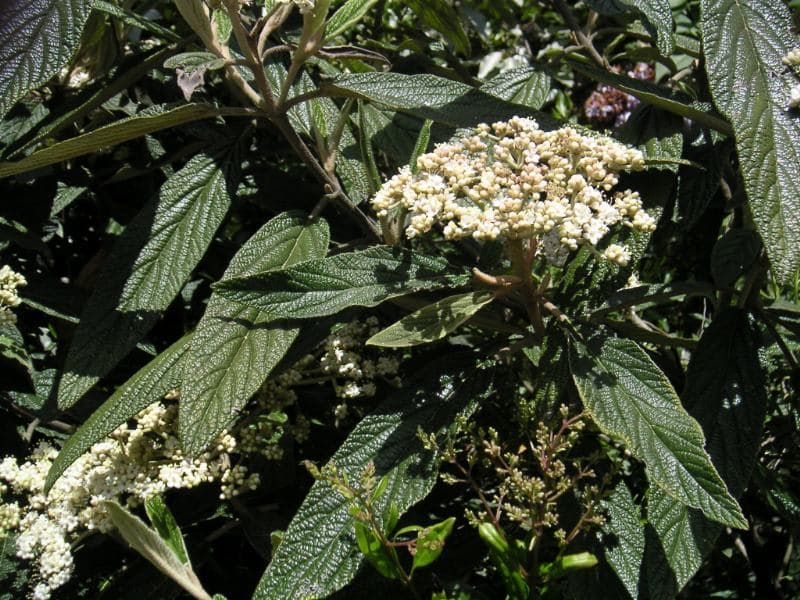
Leatherleaf Viburnum
Seldom damagedViburnum rhytidophyllum
- Type
- Shrub
- Hardiness
- Zones 5–8
- Height
- 120–180 in
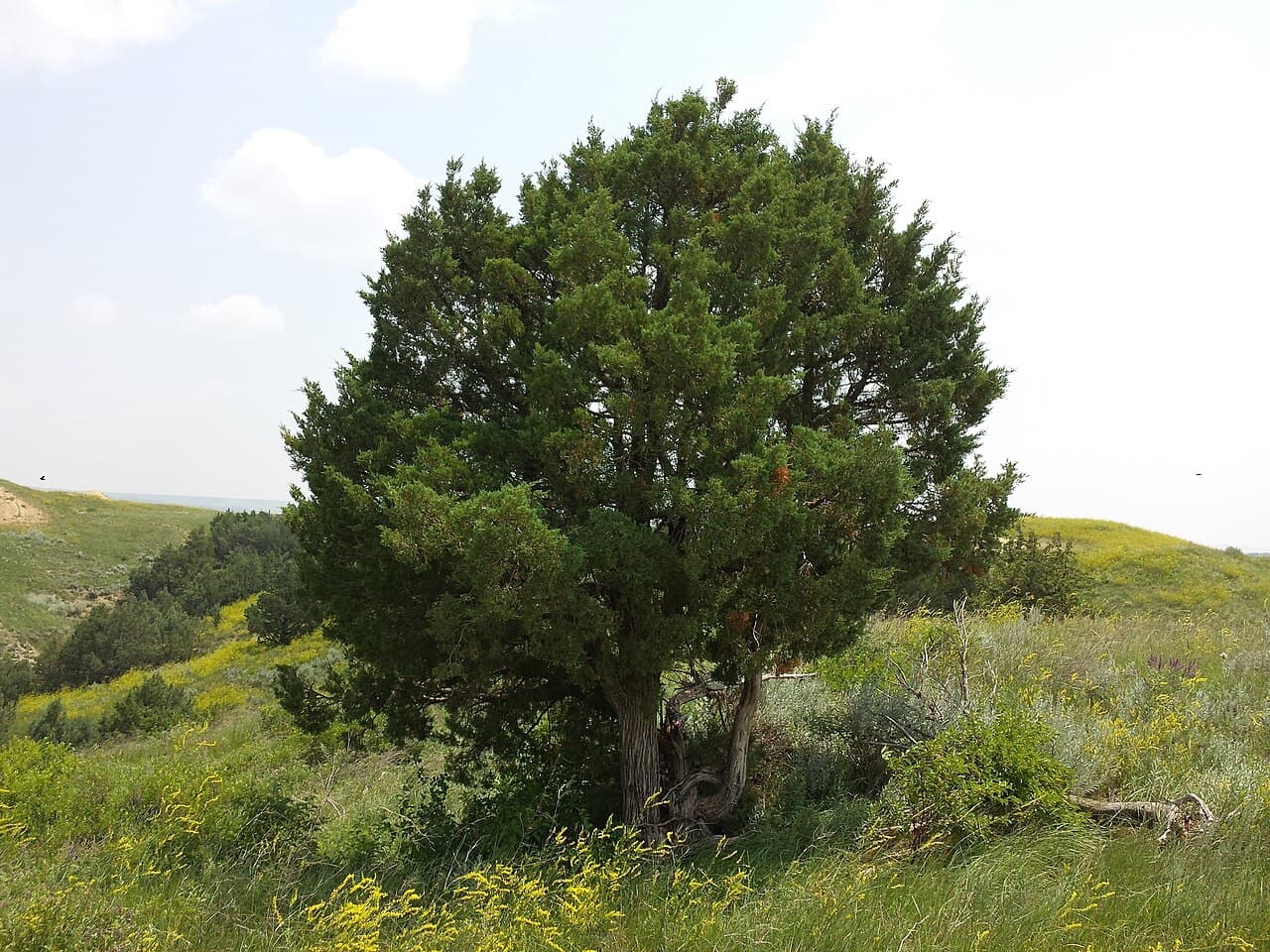
Mountain Juniper
Seldom damagedJuniperus scopulorum
- Type
- Shrub
- Hardiness
- Zones 3–7
- Height
- 360–480 in
Oneseed Juniper
Seldom damagedJuniperus monosperma
- Type
- Shrub
- Hardiness
- Zones 4–8
- Height
- 480–480 in
Prairie Sagewort
Seldom damagedArtemisia frigida
- Type
- Shrub
- Hardiness
- Zones 3–10
- Height
- 6–18 in
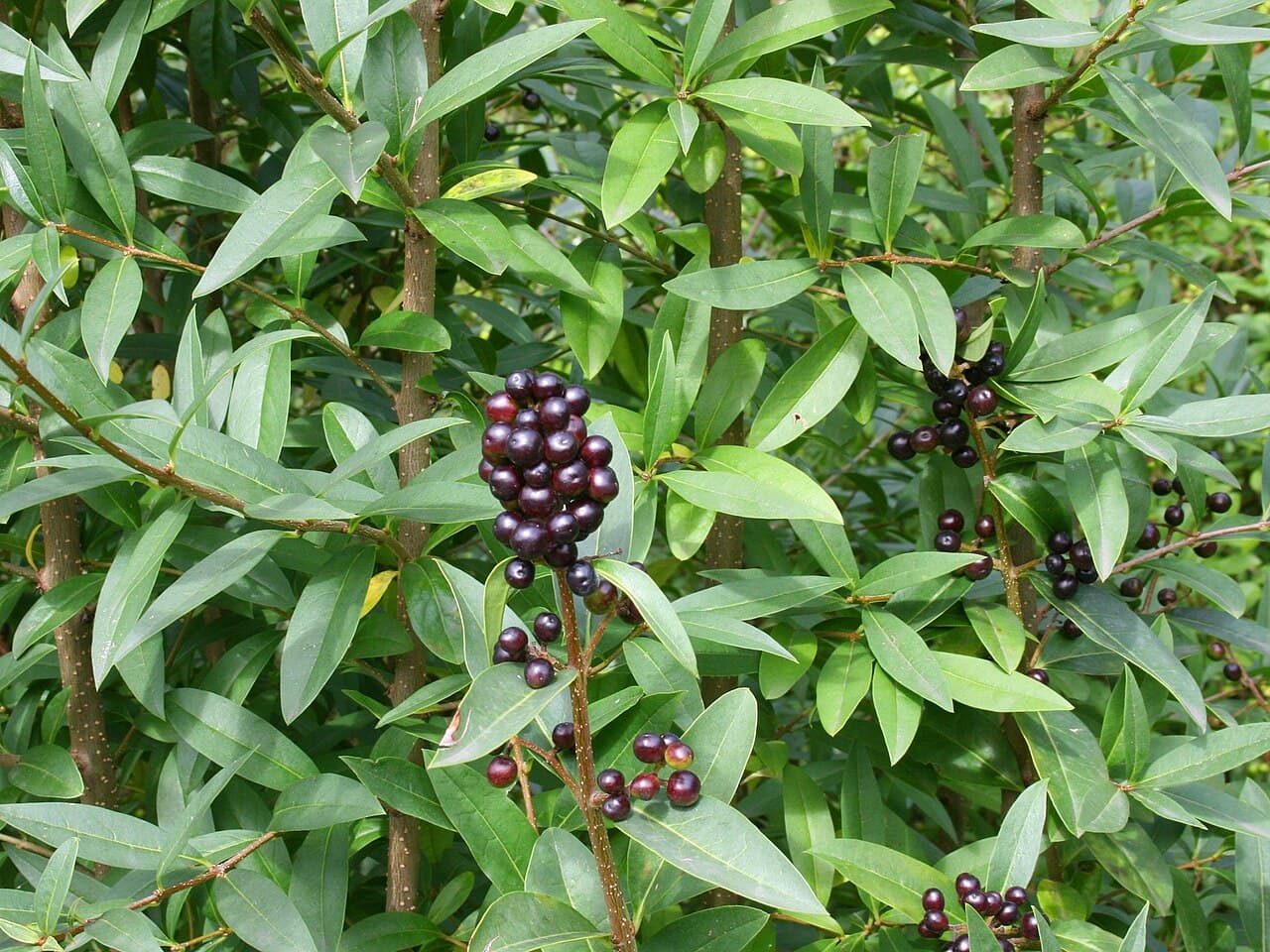
Privet
Seldom damagedLigustrum sp.
- Type
- Shrub
- Hardiness
- Zones 5–8, genus range
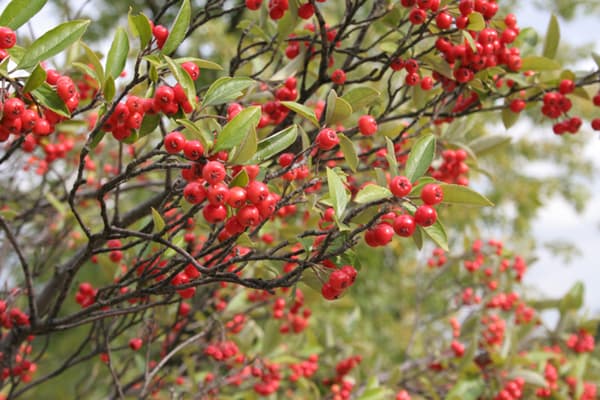
Red Chokeberry
Seldom damagedAronia arbutifolia
- Type
- Shrub
- Hardiness
- Zones 3–9
- Height
- 72–144 in
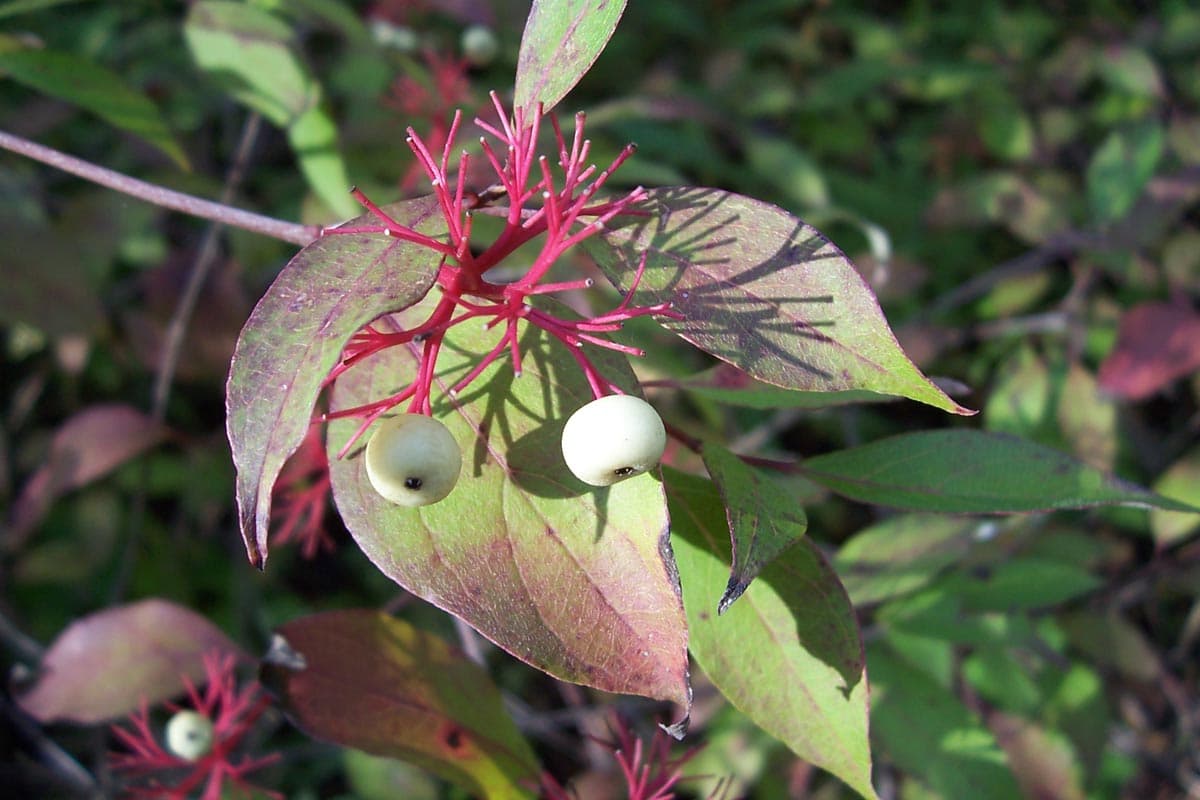
Red Osier Dogwood
Seldom damagedCornus sericea
- Type
- Shrub
- Hardiness
- Zones 2–7
- Height
- 60–108 in
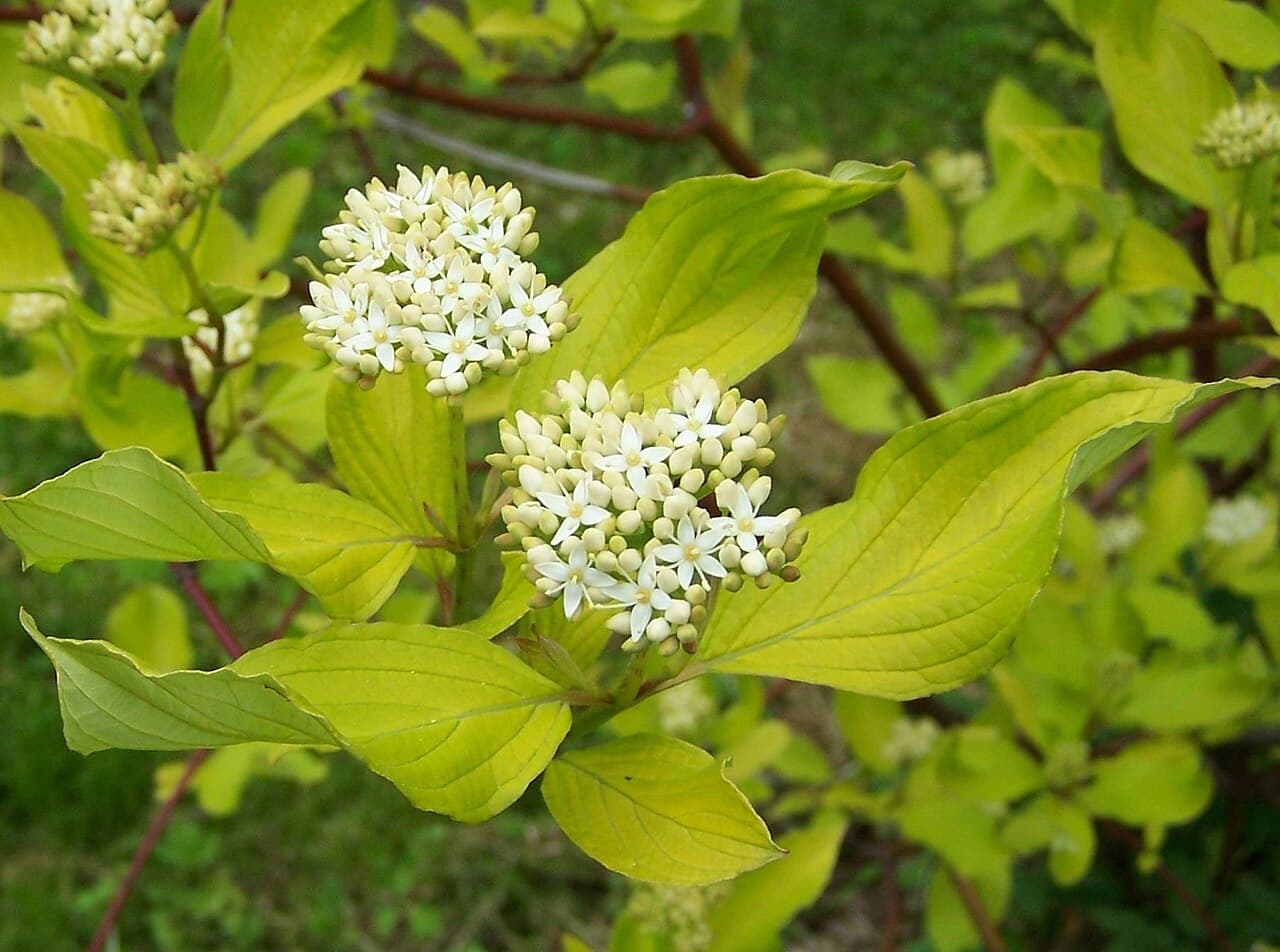
Red Twigged Dogwood
Seldom damagedCornus alba
- Type
- Shrub
- Hardiness
- Zones 3–7
- Height
- 96–120 in
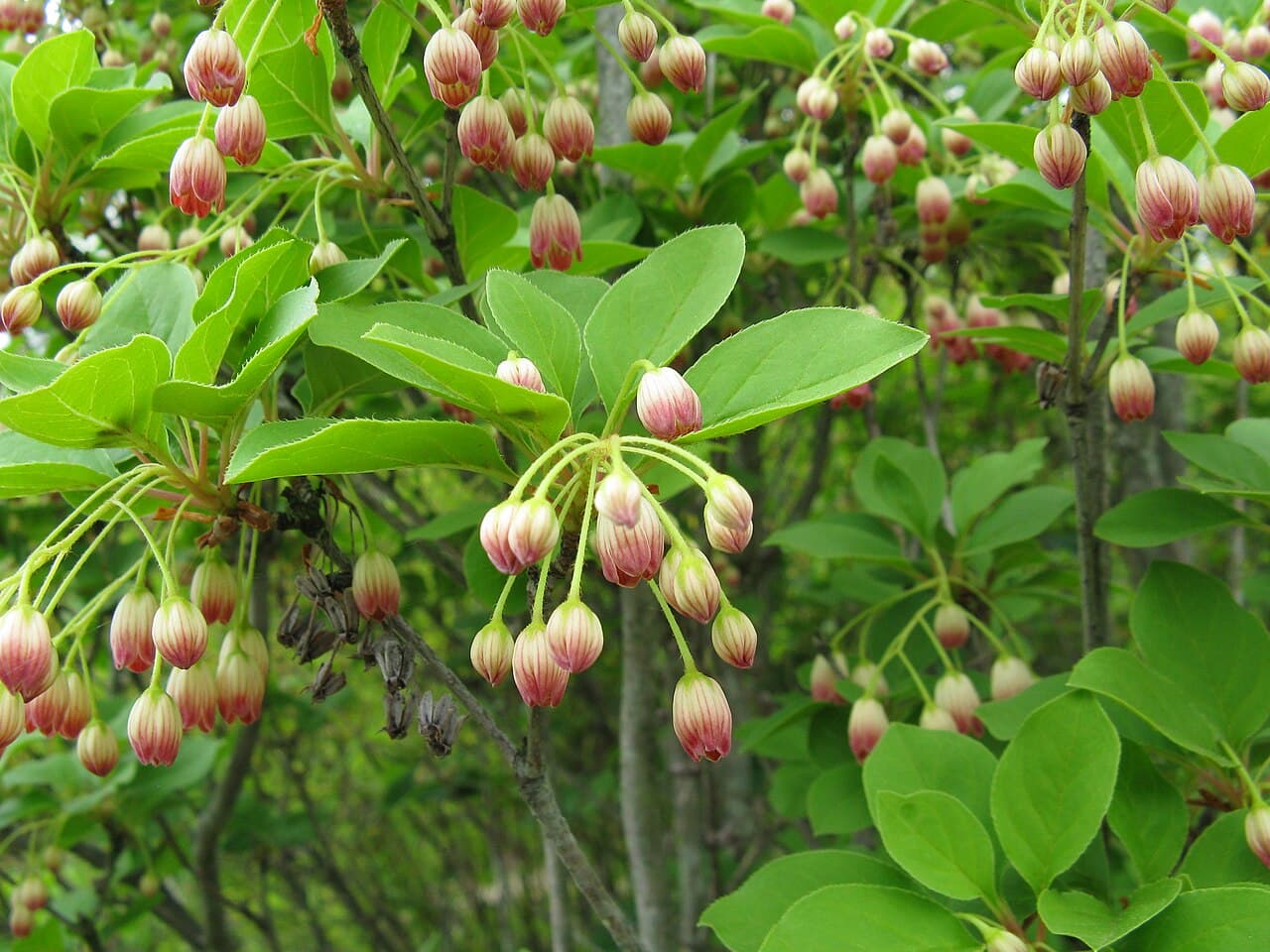
Redvein Enkianthus
Seldom damagedEnkianthus campanulatus
- Type
- Shrub
- Hardiness
- Zones 4–7
- Height
- 72–192 in
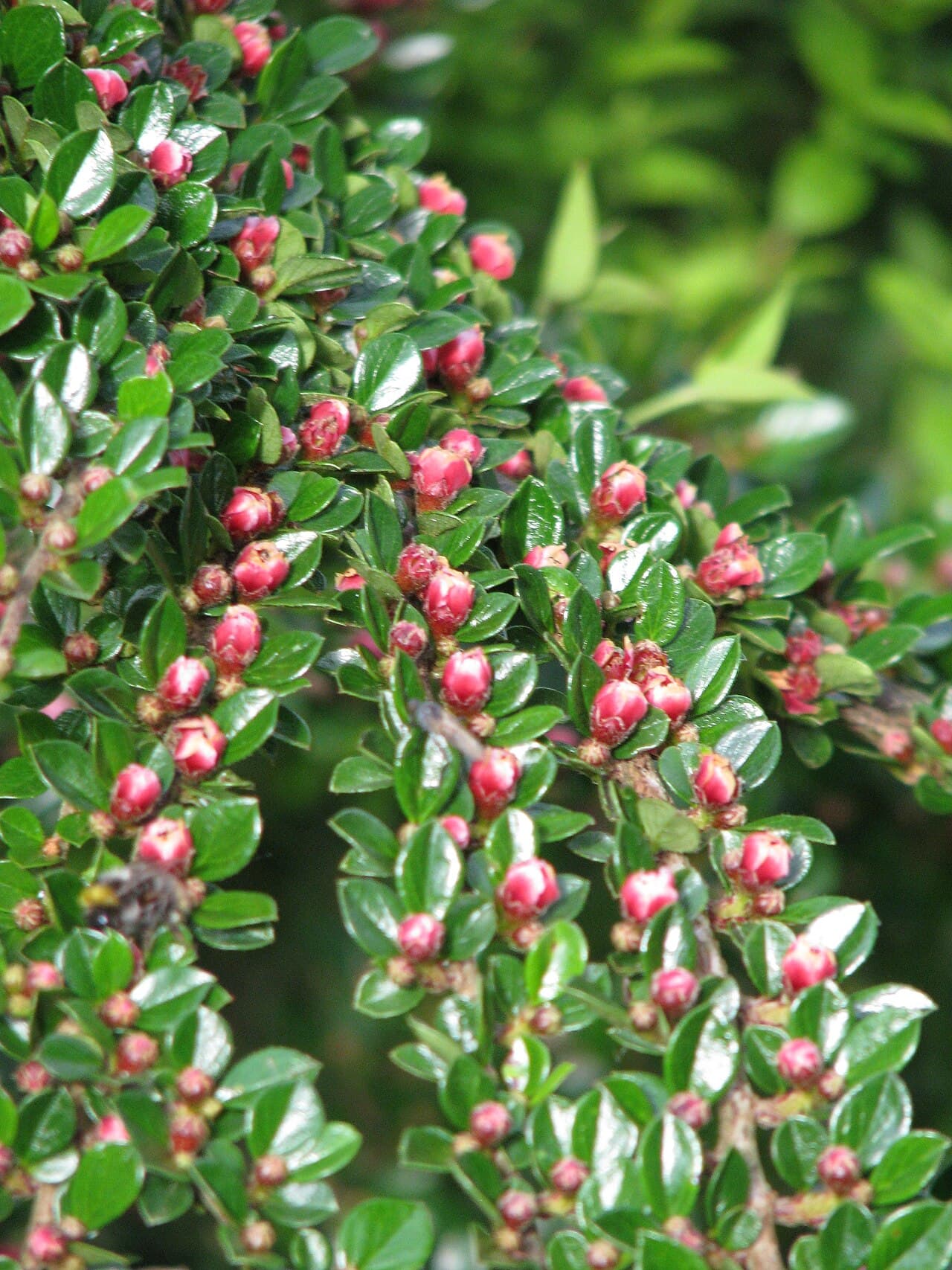
Rockspray Cotoneaster
Seldom damagedCotoneaster horizontalis
- Type
- Shrub
- Hardiness
- Zones 5–7
- Height
- 24–36 in
Rocky Mountain Zinnia
Seldom damagedZinnia grandiflora
- Type
- Shrub
- Hardiness
- Zones 4–8
- Height
- 6–8 in
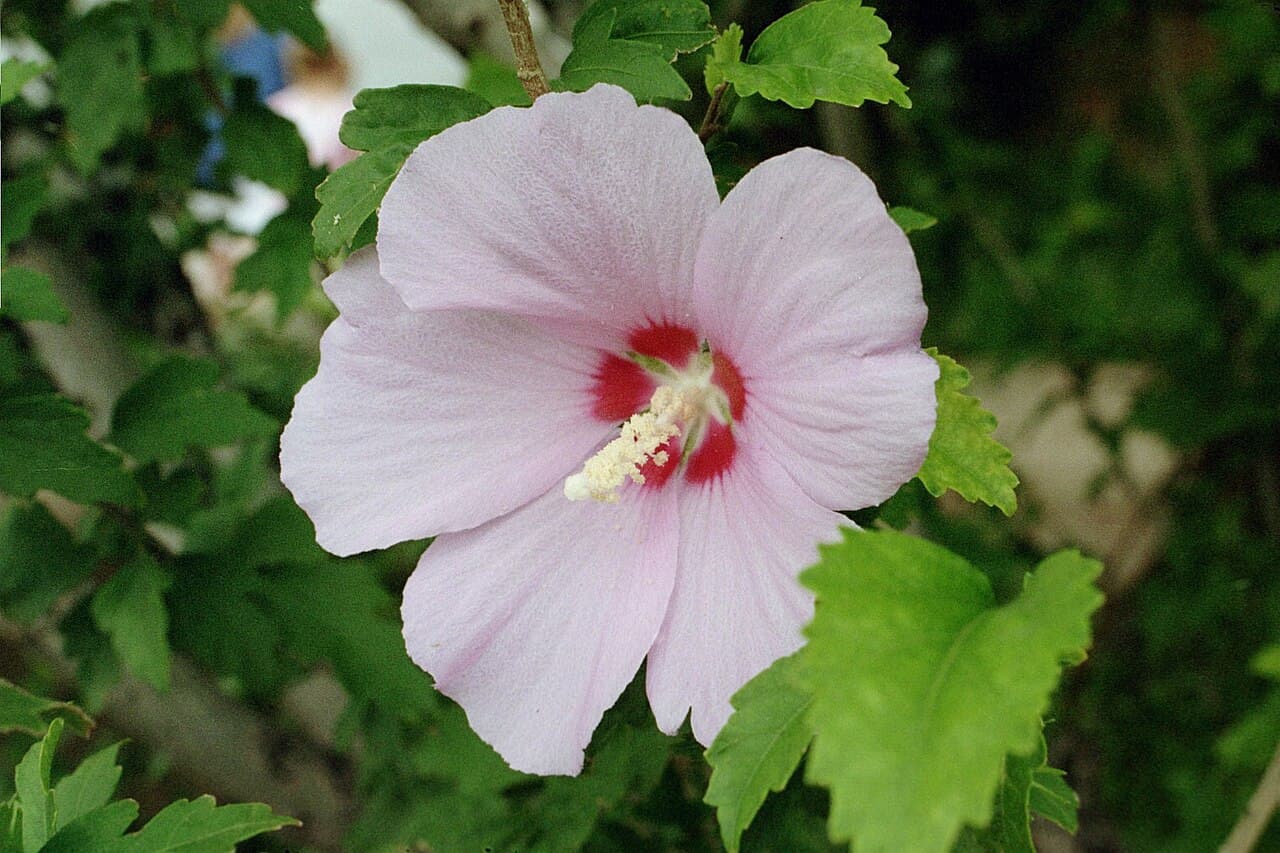
Rose of Sharon
Seldom damagedHibiscus syriacus
- Type
- Shrub
- Hardiness
- Zones 5–9
- Height
- 96–144 in
Rubber Rabbitbrush
Seldom damagedEricameria nauseosa
- Type
- Shrub
- Height
- 12–90 in
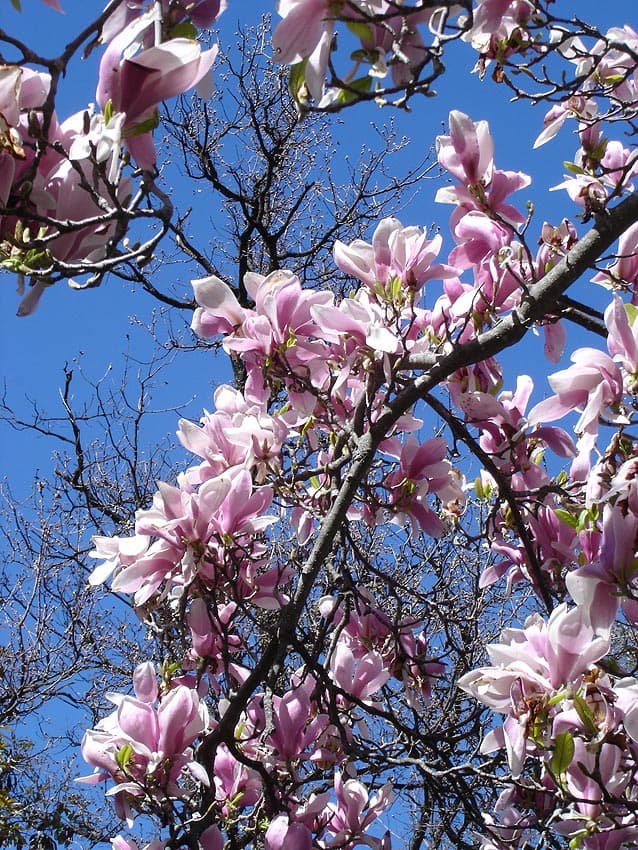
Saucer Magnolia
Seldom damagedMagnolia x soulangiana
- Type
- Shrub
- Hardiness
- Zones 4–9
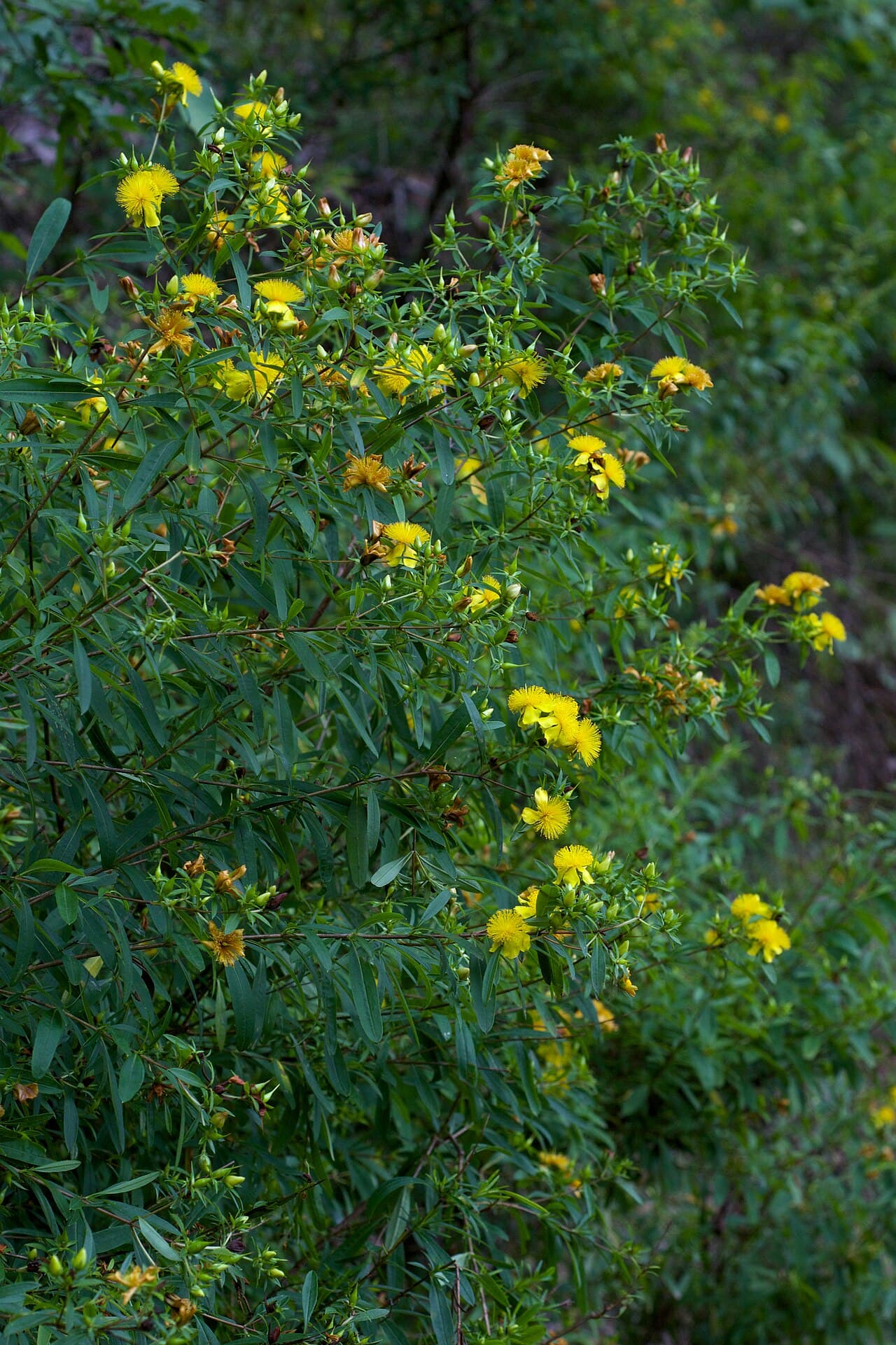
Shrubby St. John's Wort
Seldom damagedHypericum prolificum
- Type
- Shrub
- Hardiness
- Zones 3–8
- Height
- 12–60 in
Silver Buffaloberry
Seldom damagedShepherdia argentea
- Type
- Shrub
- Hardiness
- Zones 3–9
- Height
- 240–240 in
Smith's Buckthorn
Seldom damagedRhamnus smithii
- Type
- Shrub
- Hardiness
- Zones 4–8
- Height
- 120–120 in
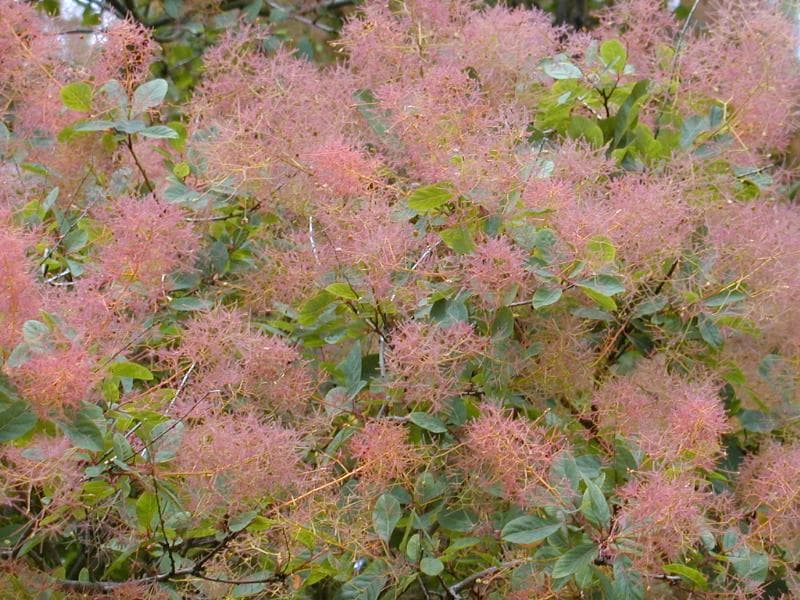
Smokebush
Seldom damagedCotinus coggygria
- Type
- Shrub
- Hardiness
- Zones 4–8
- Height
- 120–180 in
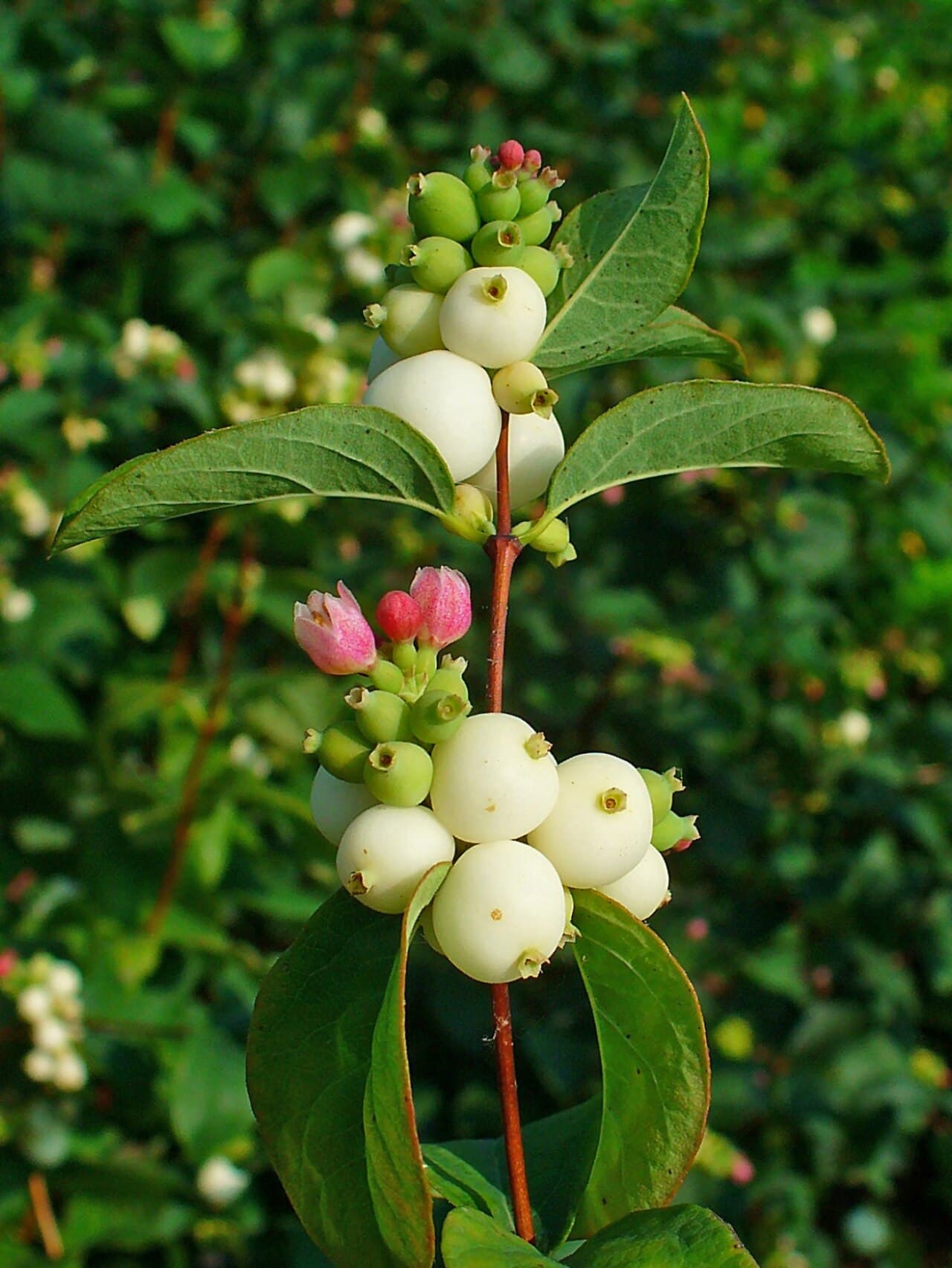
Snowberry
Seldom damagedSymphoricarpos albus
- Type
- Shrub
- Hardiness
- Zones 3–7
- Height
- 36–72 in
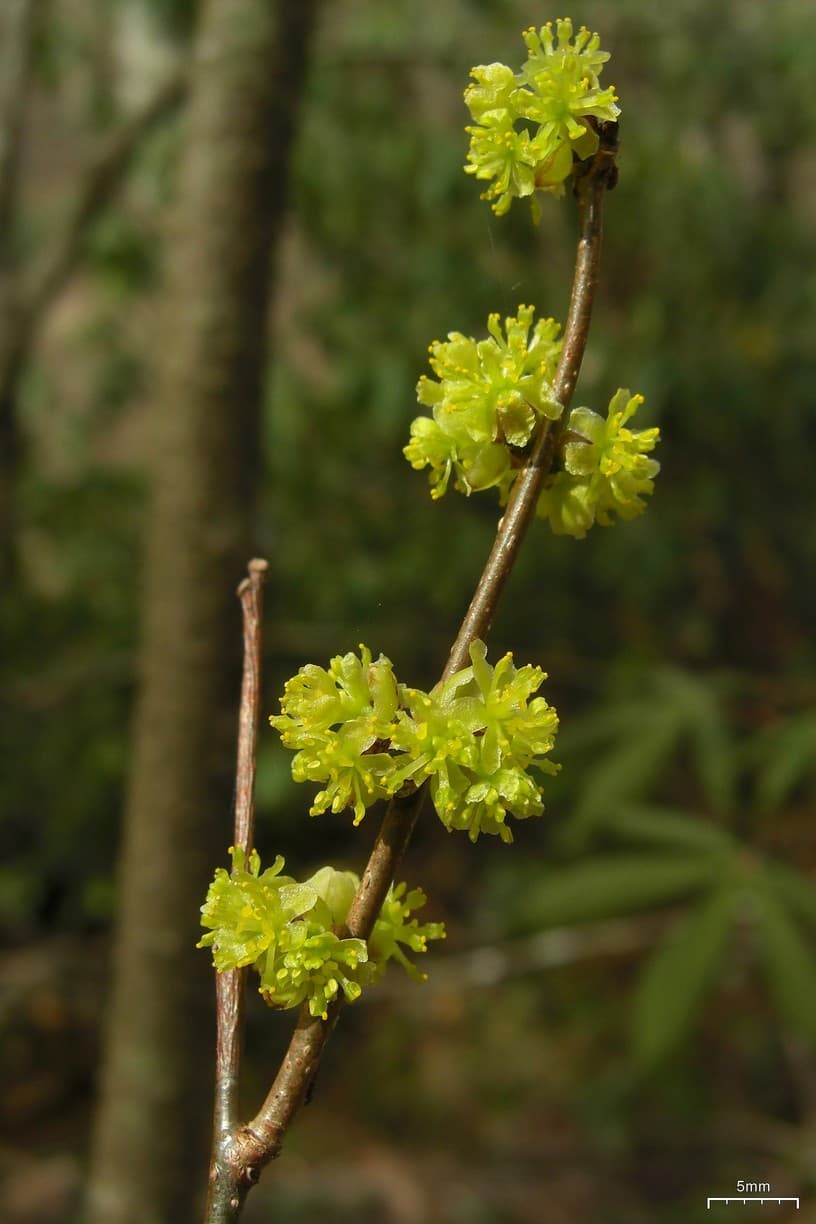
Spicebush
Seldom damagedLindera benzoin
- Type
- Shrub
- Hardiness
- Zones 5–9
- Height
- 96–180 in
Stretchberry
Seldom damagedForestiera pubescens
- Type
- Shrub
- Hardiness
- Zones 4–9
- Height
- 39–180 in
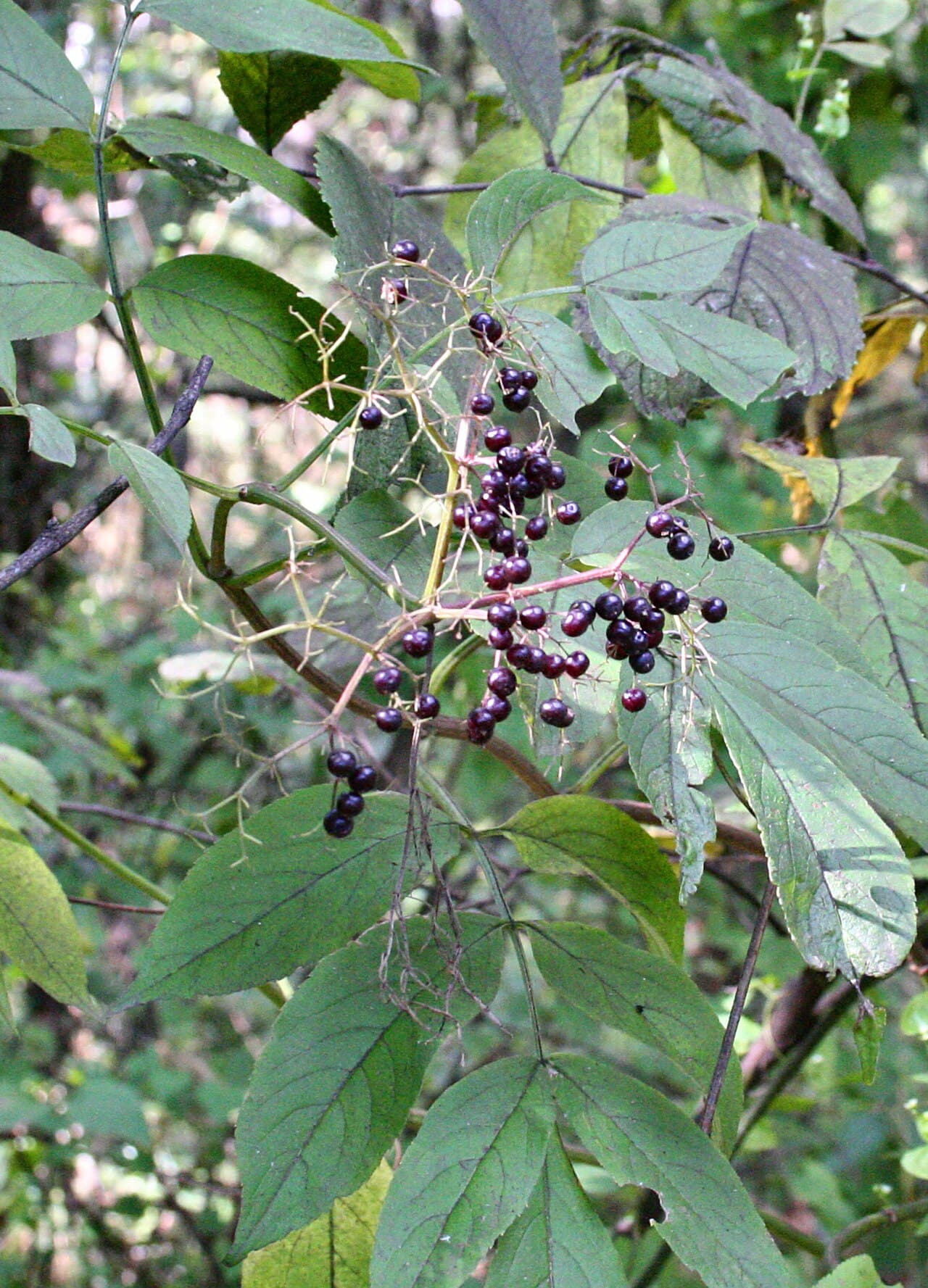
Sweet Elder
Seldom damagedSambucus canadensis
- Type
- Shrub
- Hardiness
- Zones 4–8
- Height
- 60–144 in
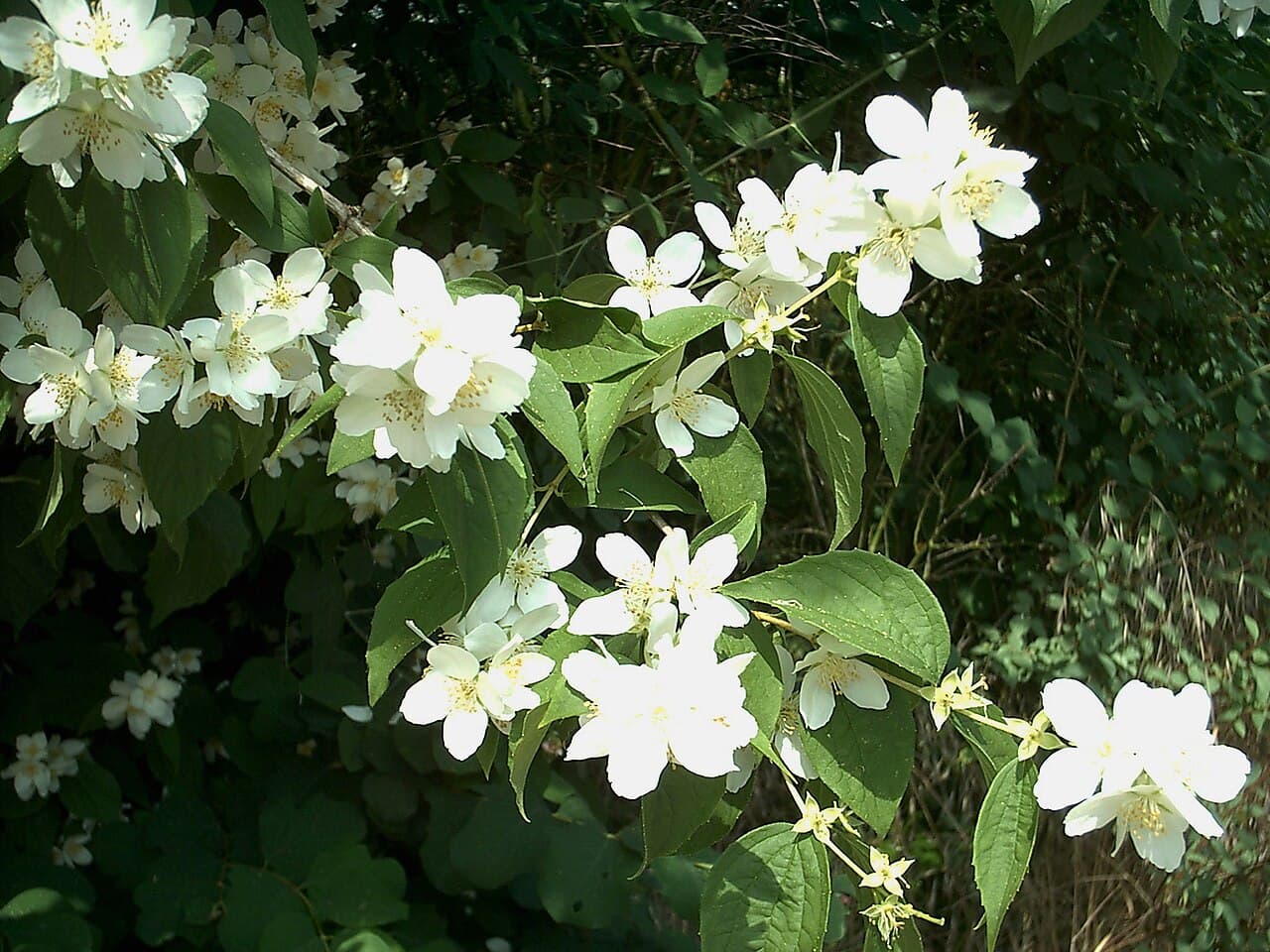
Sweet Mock Orange
Seldom damagedPhiladelphus coronarius
- Type
- Shrub
- Hardiness
- Zones 4–8
- Height
- 120–144 in
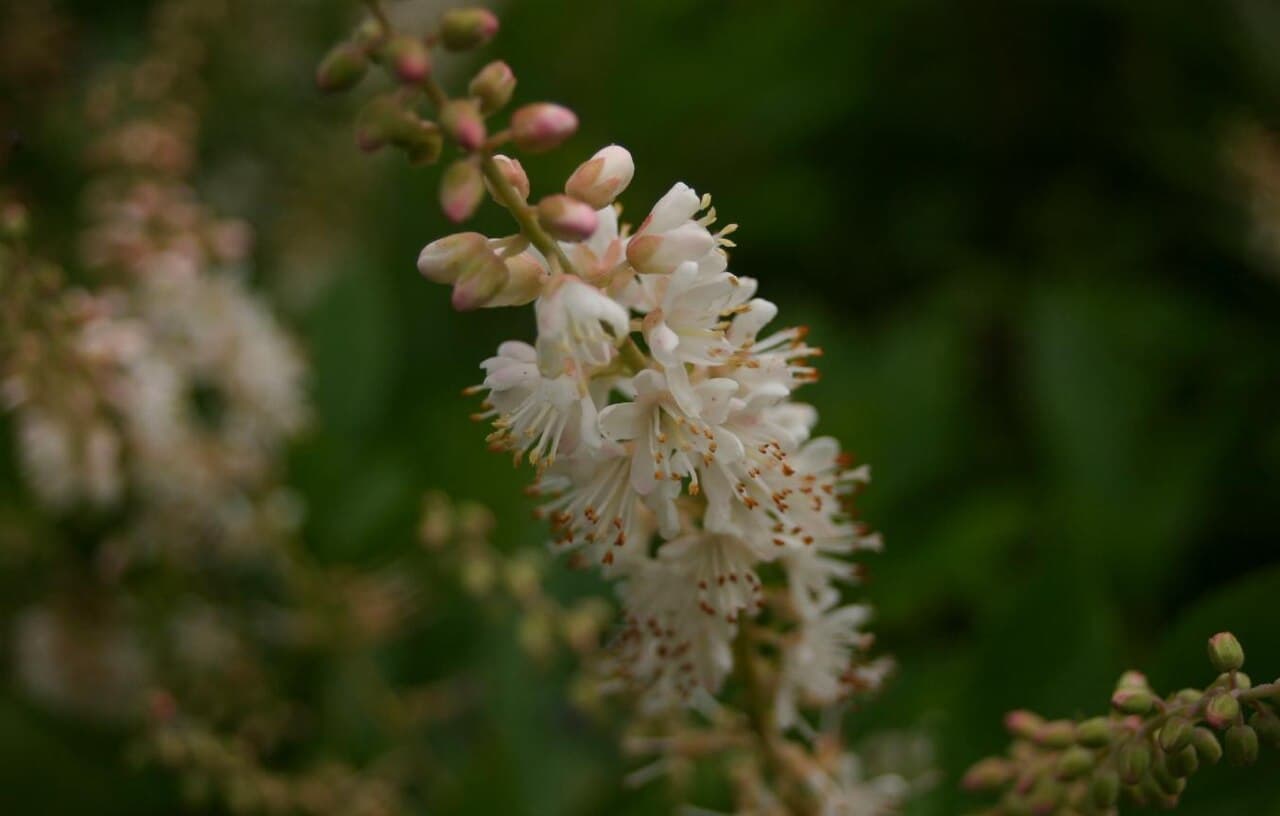
Sweet Pepperbush
Seldom damagedClethra sp.
- Type
- Shrub
- Hardiness
- Zones 4–9, genus range
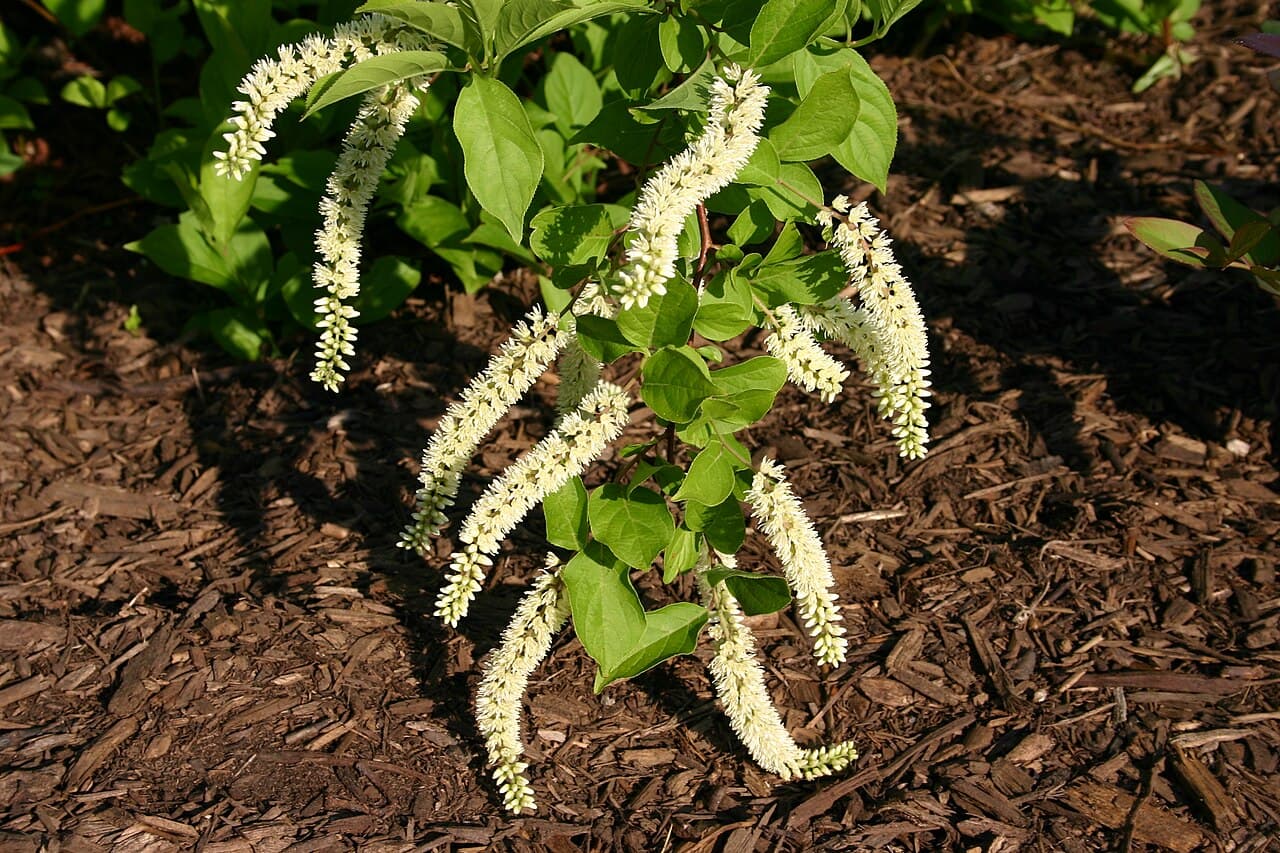
Virginia Sweetspire
Seldom damagedItea virginica
- Type
- Shrub
- Hardiness
- Zones 5–9
- Height
- 48–96 in
Wax Currant
Seldom damagedRibes cereum
- Type
- Shrub
- Height
- 72–72 in
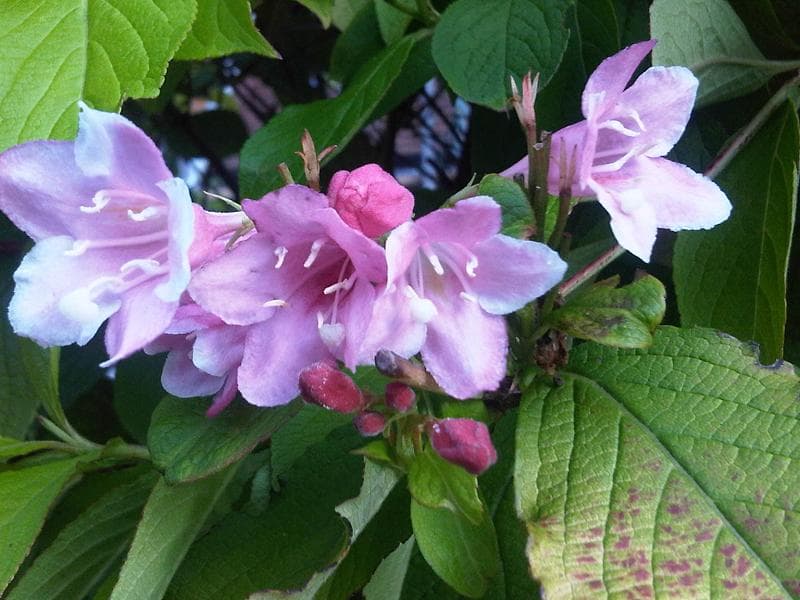
Weigela
Seldom damagedWeigela florida
- Type
- Shrub
- Hardiness
- Zones 4–8
- Height
- 72–120 in
White Sagebrush
Seldom damagedArtemisia ludoviciana
- Type
- Shrub
- Hardiness
- Zones 4–10
- Height
- 36–36 in
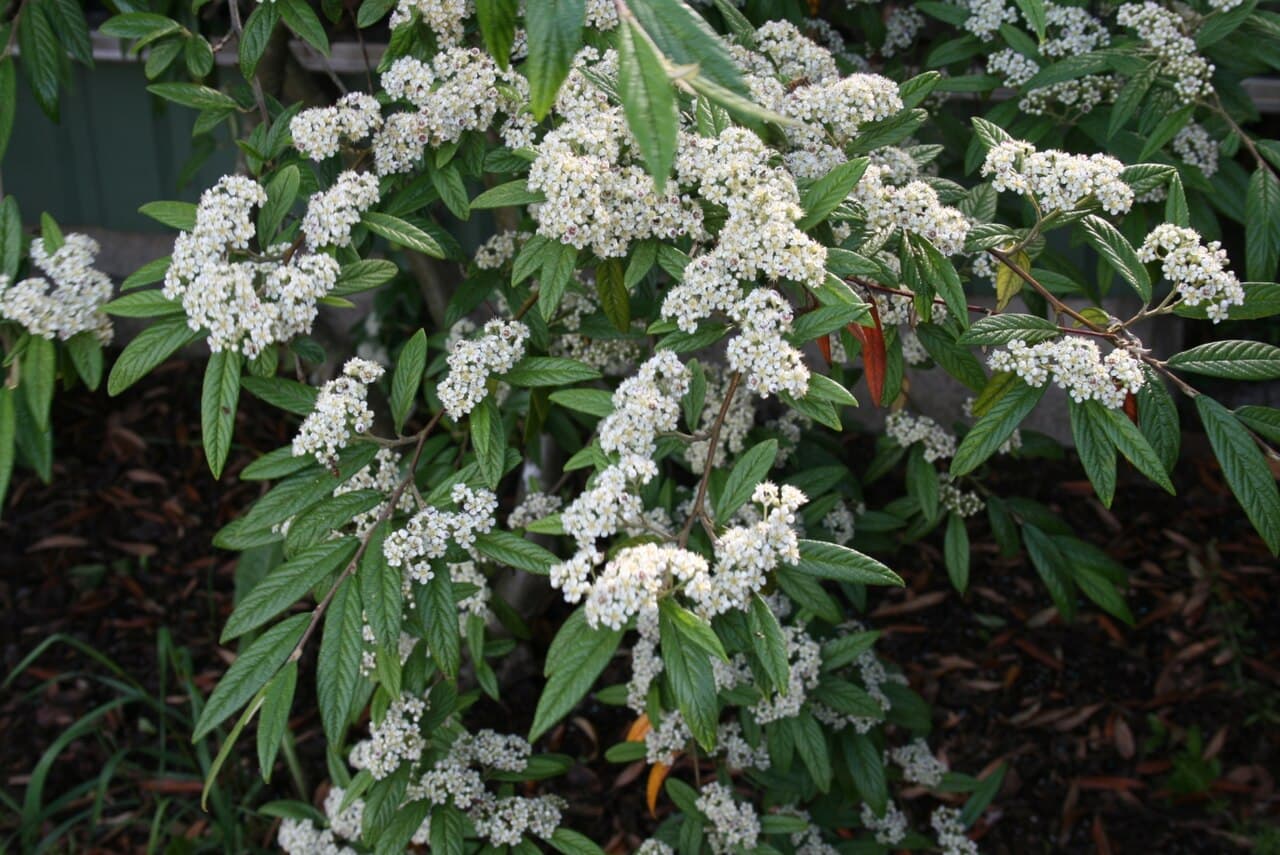
Willowleaf Cotoneaster
Seldom damagedCotoneaster salicifolius
- Type
- Shrub
- Hardiness
- Zones 6–8
- Height
- 24–36 in
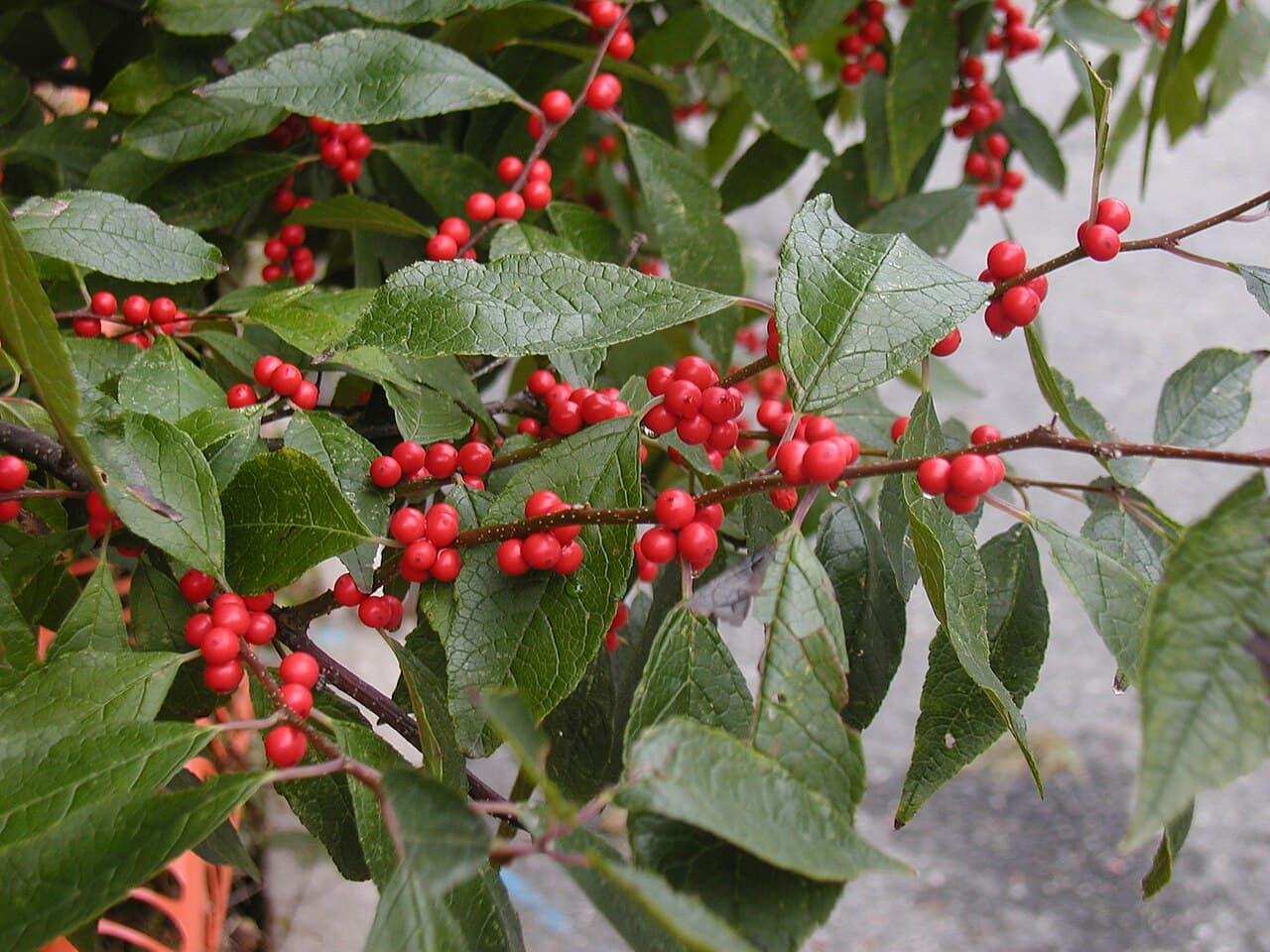
Winterberry Holly
Seldom damagedIlex verticillata
- Type
- Shrub
- Hardiness
- Zones 3–9
- Height
- 36–180 in
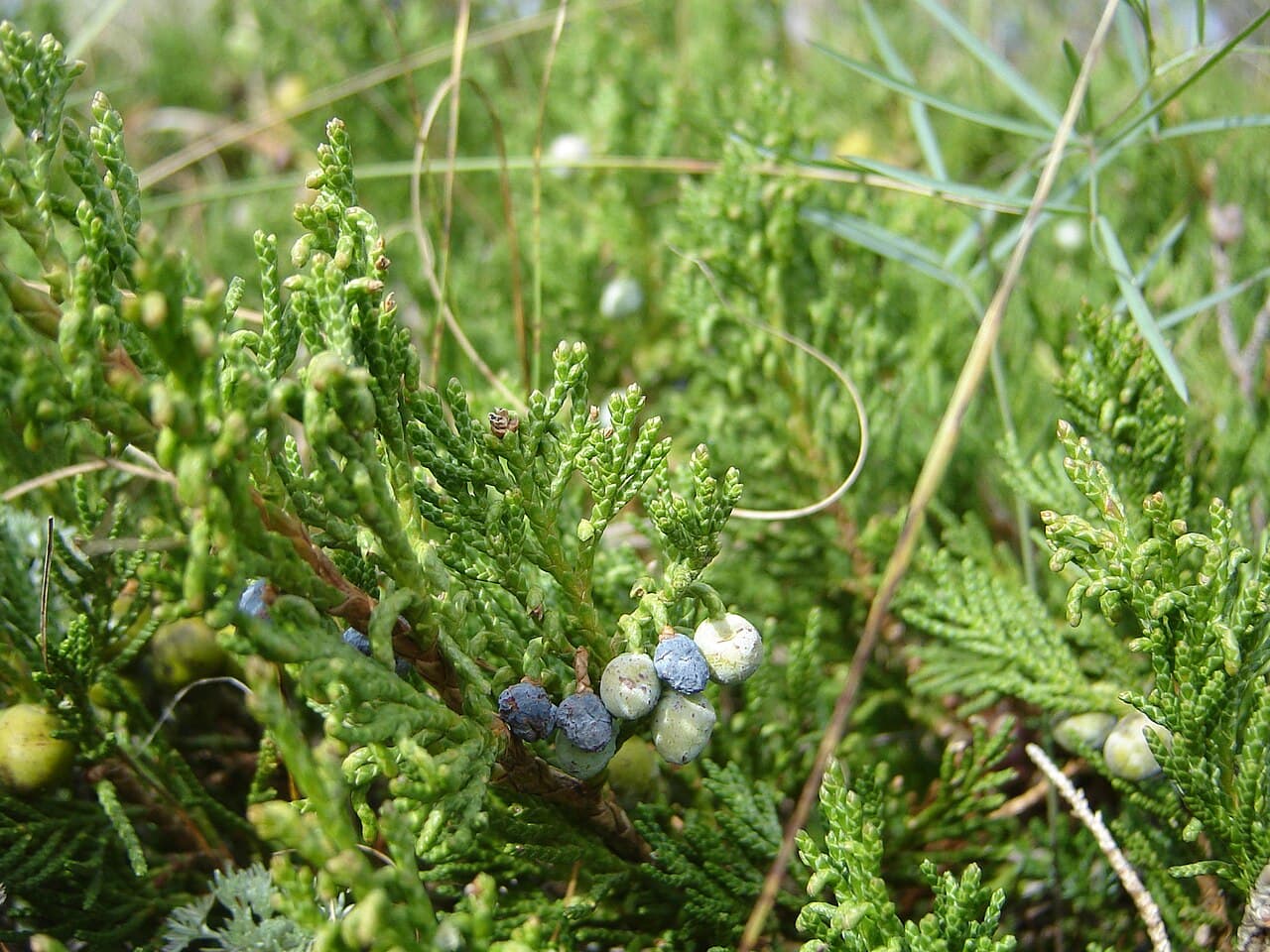
Youngstown Andorra Juniper
Seldom damagedJuniperus horizontalis 'Youngstown'
- Type
- Shrub
- Hardiness
- Zones 3–9
- Height
- 6–18 in
Occasionally Severely Damaged10
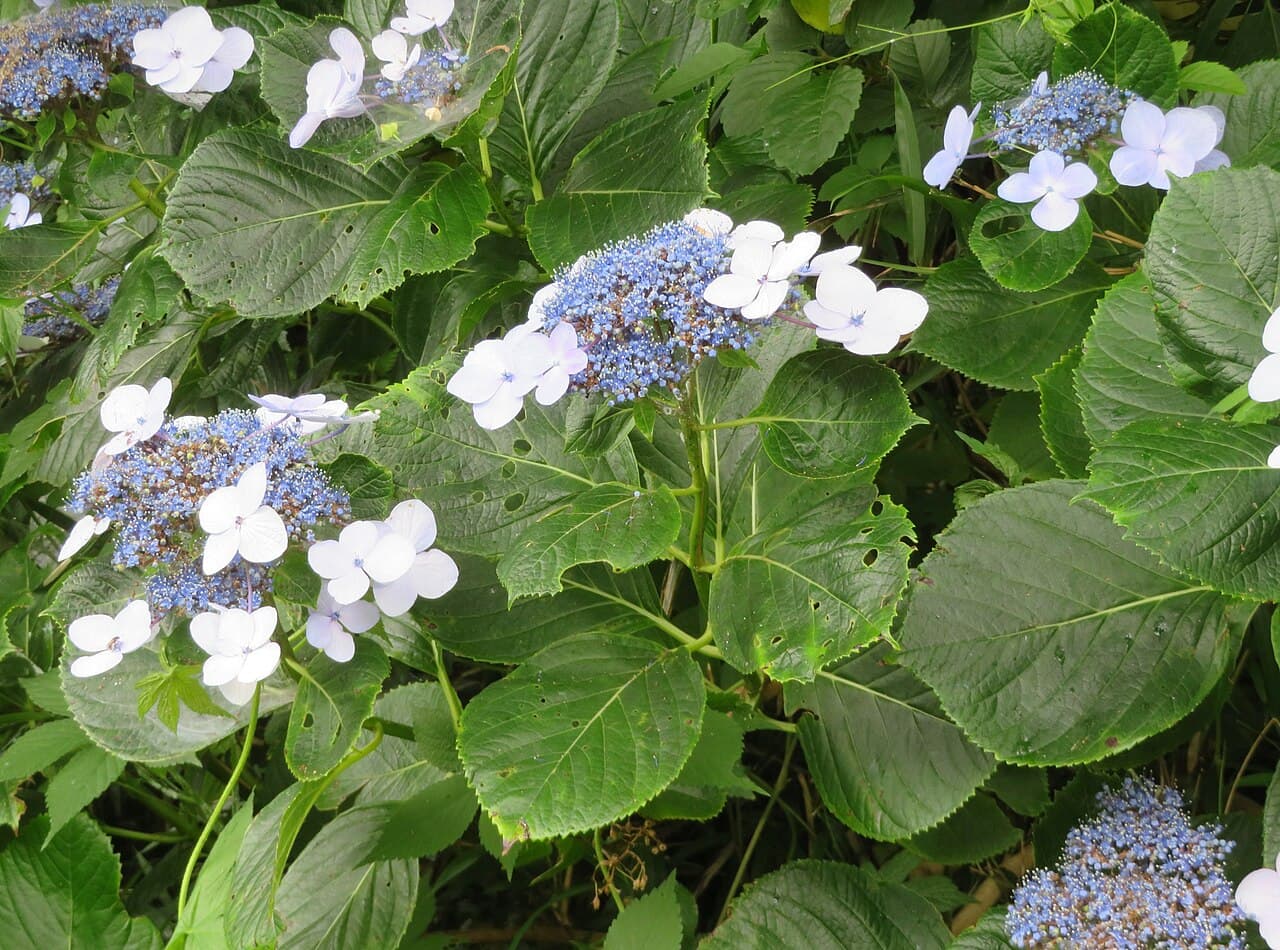
Bigleaf Hydrangea
Occasionally damagedHydrangea macrophylla
- Type
- Shrub
- Hardiness
- Zones 6–11
- Height
- 36–72 in
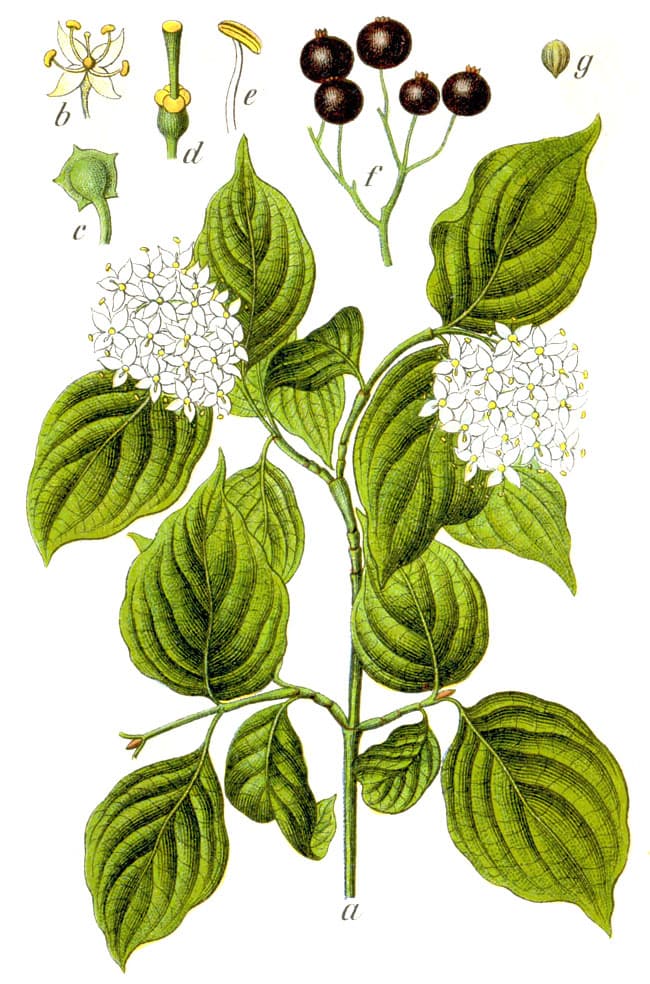
Bloodtwig Dogwood
Occasionally damagedCornus sanguinea
- Type
- Shrub
- Hardiness
- Zones 5–7
- Height
- 60–180 in
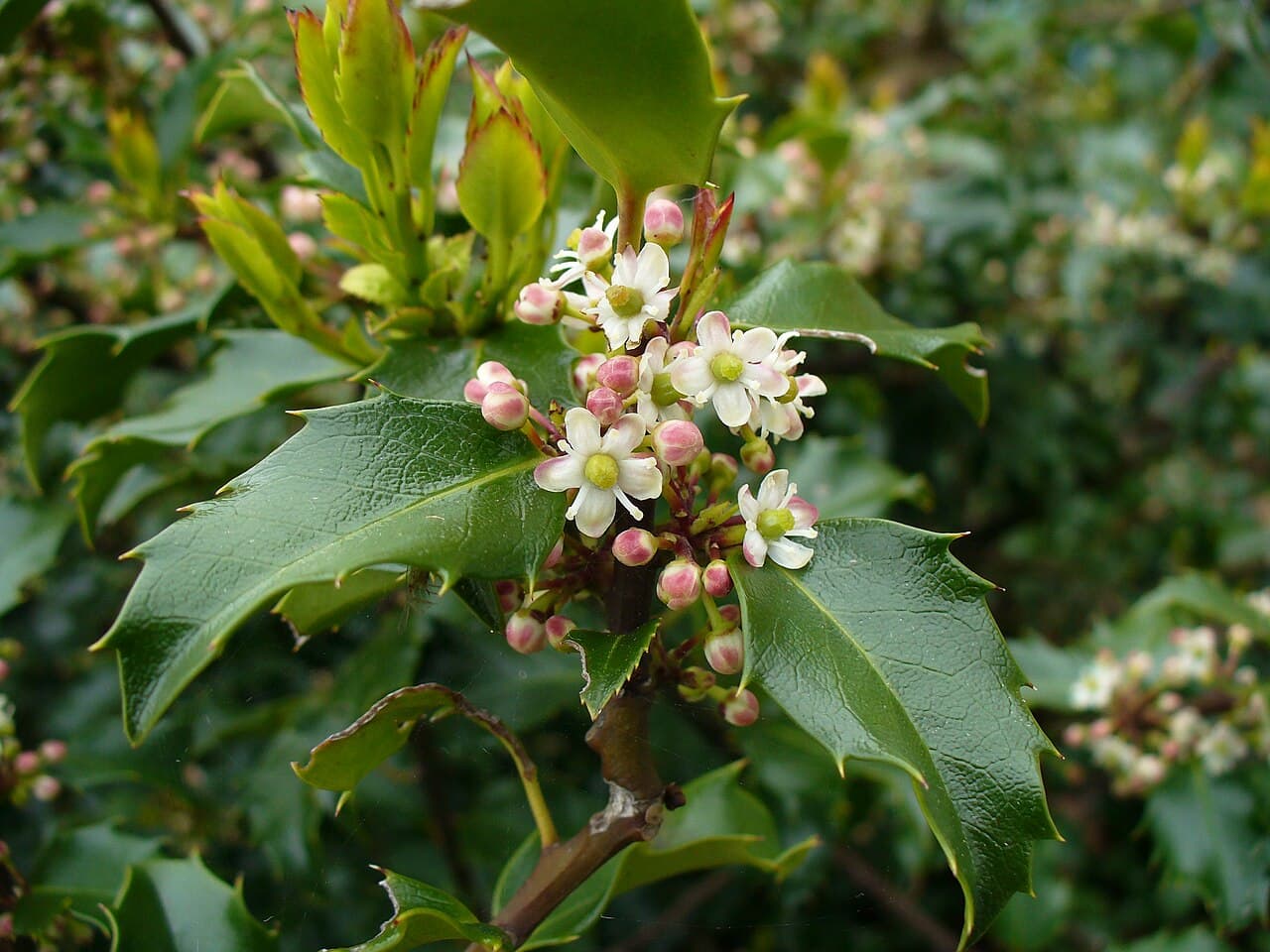
Blue Holly
Occasionally damagedIlex x meserveae
- Type
- Shrub
- Hardiness
- Zones 5–7
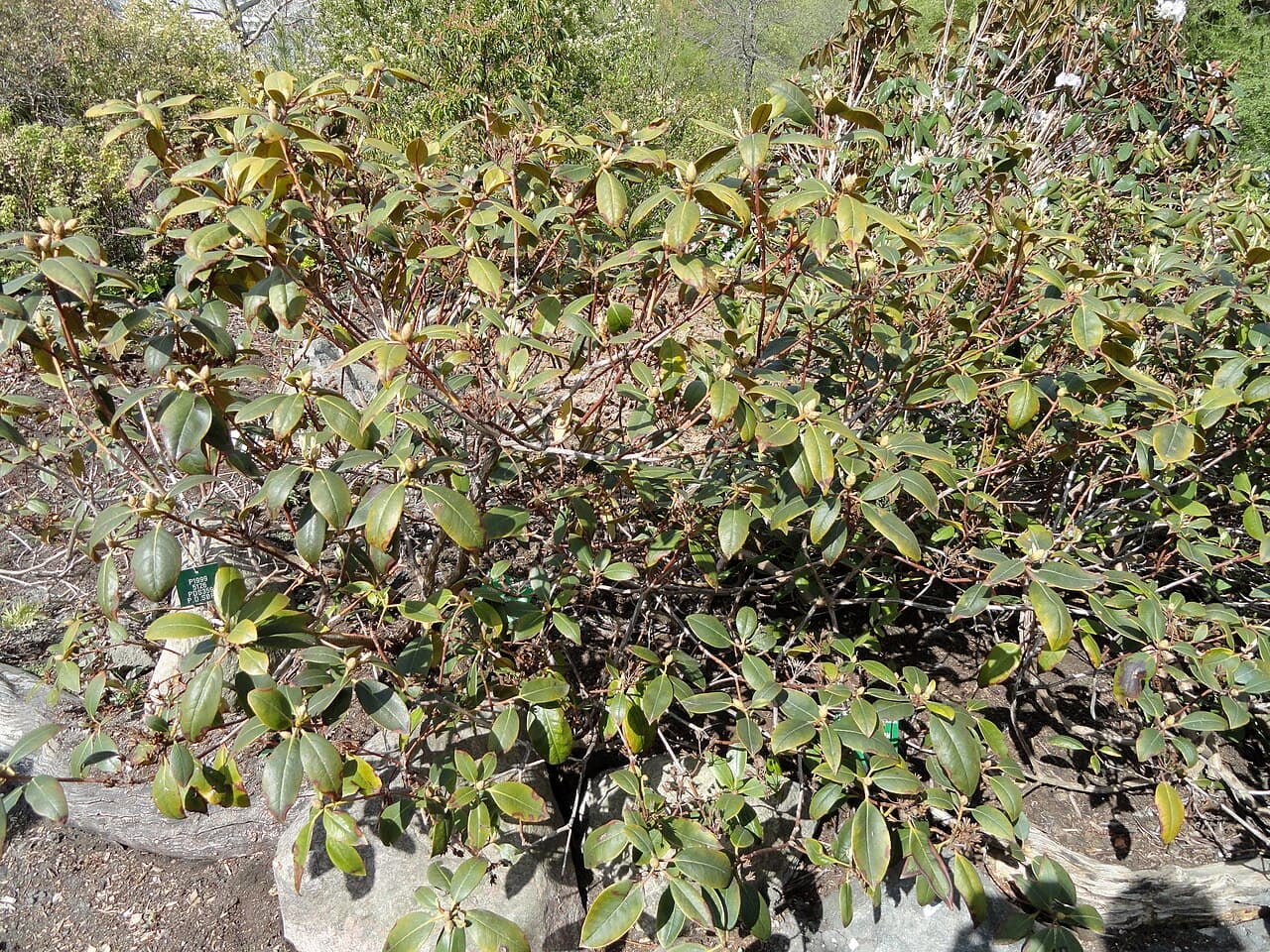
Carolina Rhododendron
Occasionally damagedRhododendron carolinianum
- Type
- Shrub
- Hardiness
- Zones 5–8
- Height
- 36–72 in
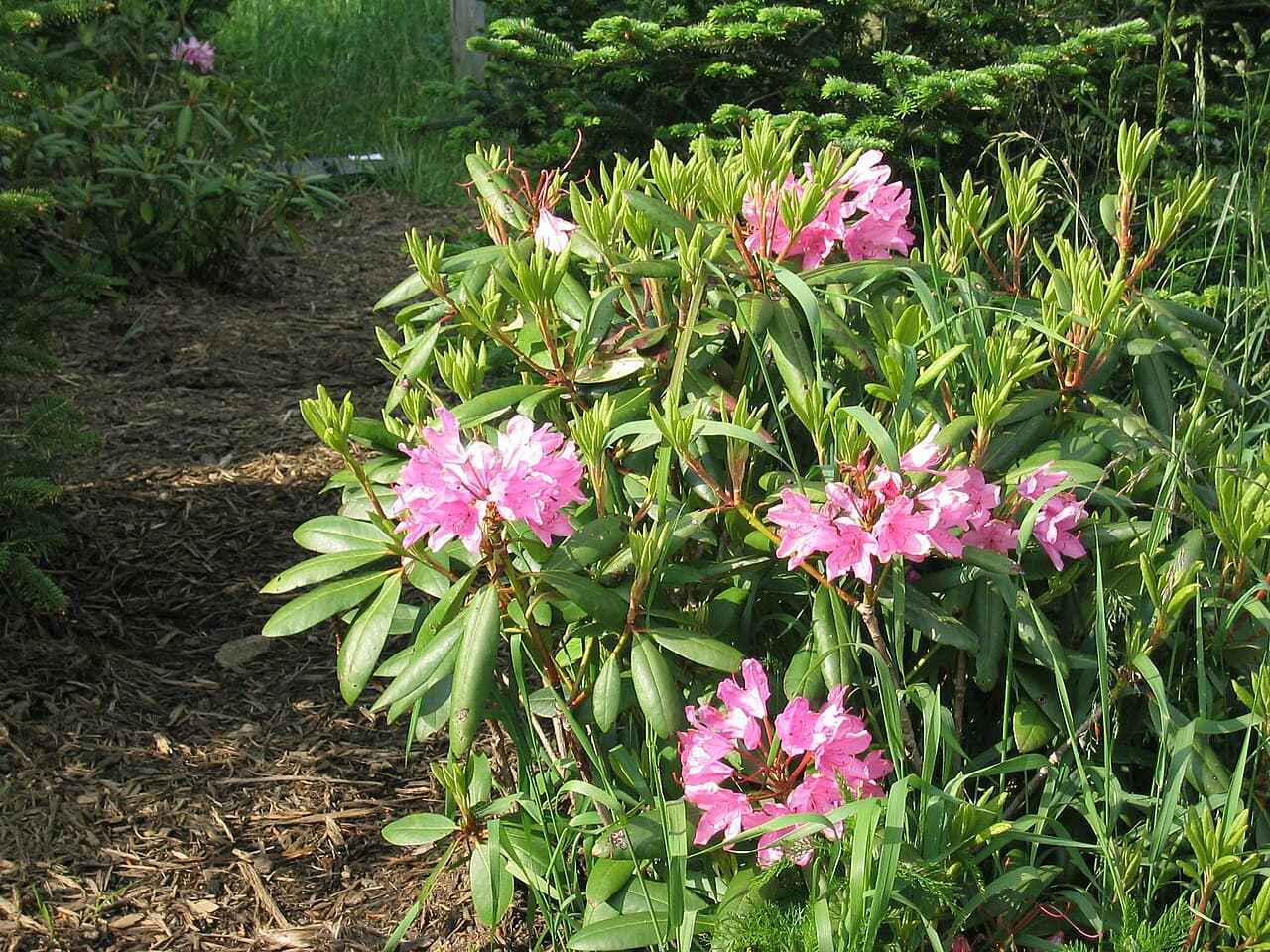
Catawba Rhododendron
Occasionally damagedRhododendron catawbiense
- Type
- Shrub
- Hardiness
- Zones 4–8
- Height
- 72–120 in
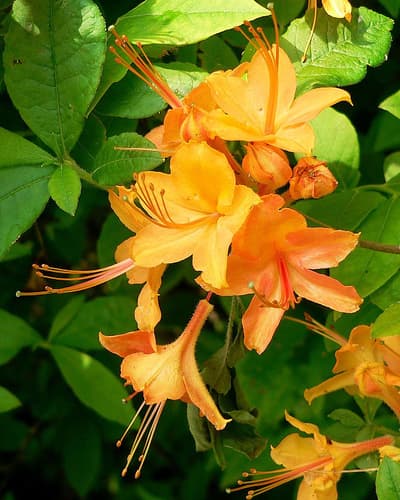
Deciduous Azalea
Occasionally damagedRhododendron sp.
- Type
- Shrub
- Hardiness
- Zones 5–8, genus range
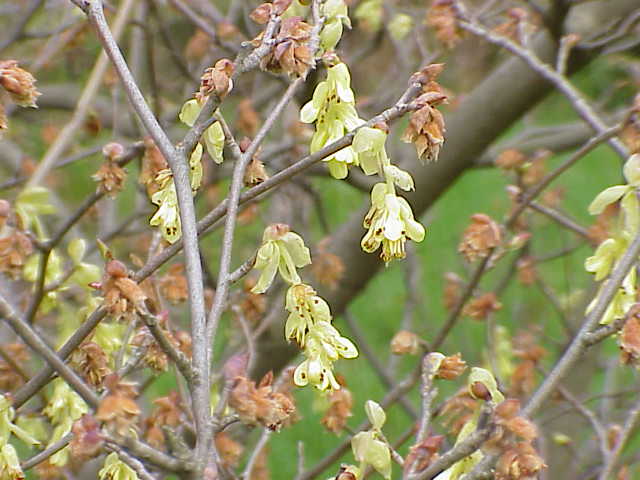
Fragrant Winterhazel
Occasionally damagedCorylopsis glabrescens
- Type
- Shrub
- Hardiness
- Zones 5–8
- Height
- 96–180 in
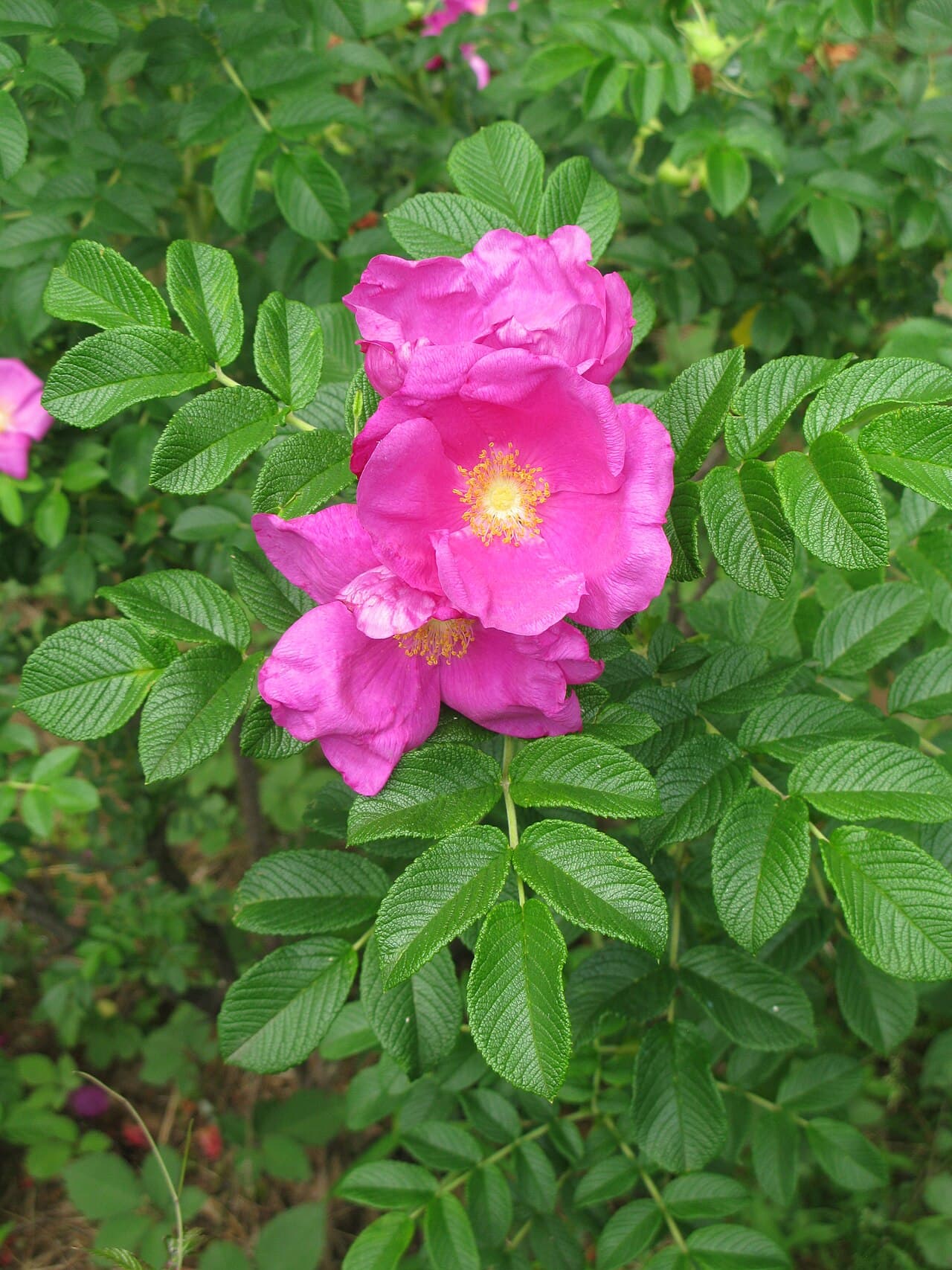
Garden Rose
Occasionally damagedRosa spp.
- Type
- Shrub
- Hardiness
- Zones 4–9, genus range
- Height
- 24–71 in
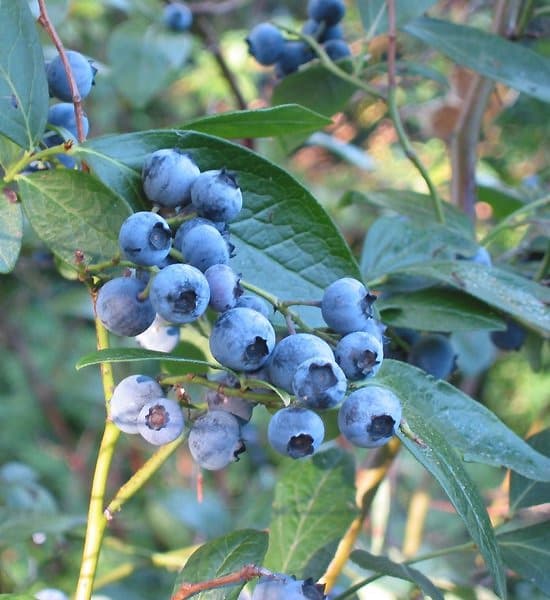
Highbush Blueberry
Occasionally damagedVaccinium corymbosum
- Type
- Shrub
- Hardiness
- Zones 3–8
- Height
- 72–144 in
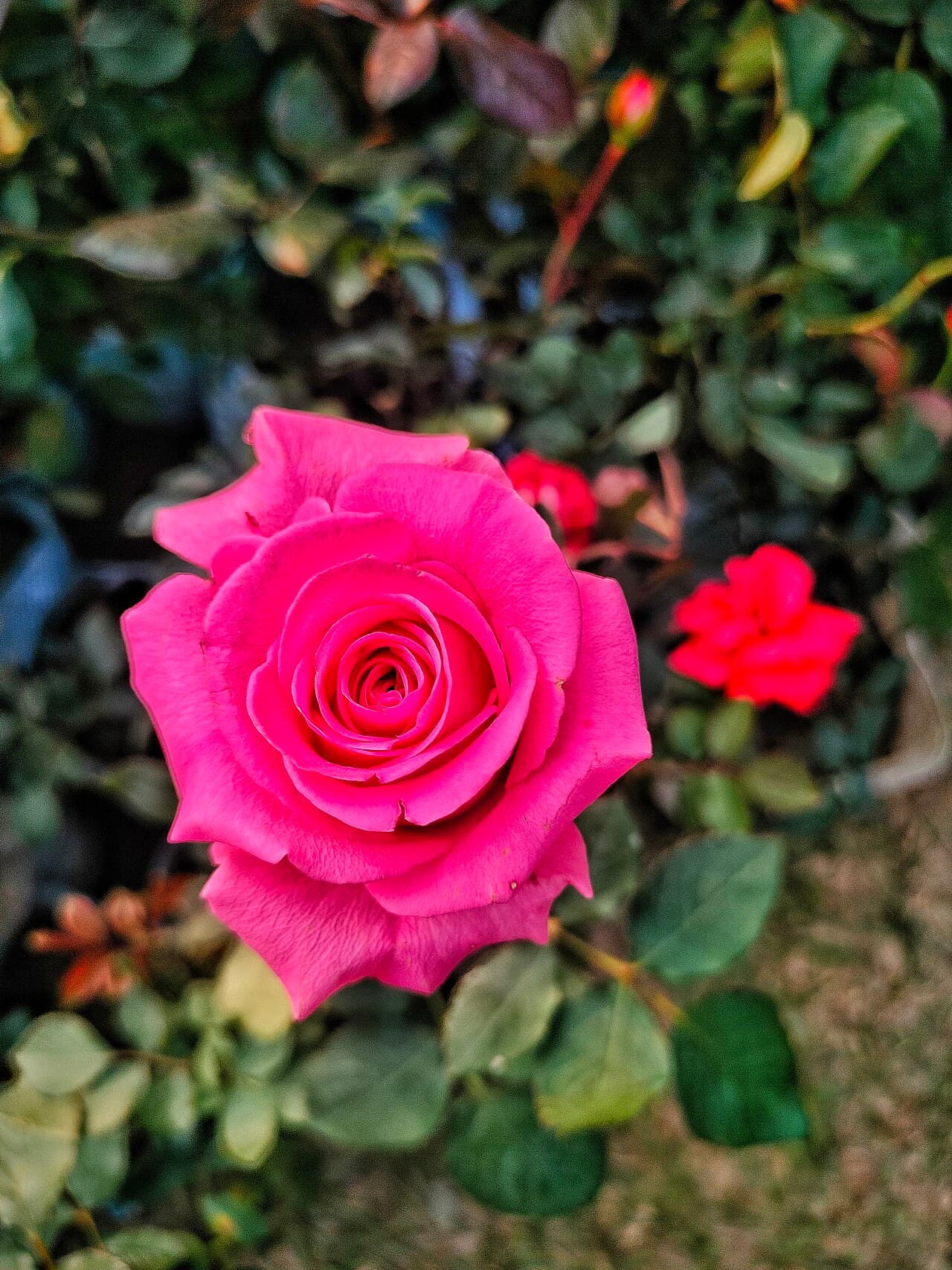
Hybrid Tea Rose
Occasionally damagedRosa x hybrida
- Type
- Shrub
- Hardiness
- Zones 5–9