
Plant record · Shrub
Is Common Lilac deer resistant?
Syringa vulgaris
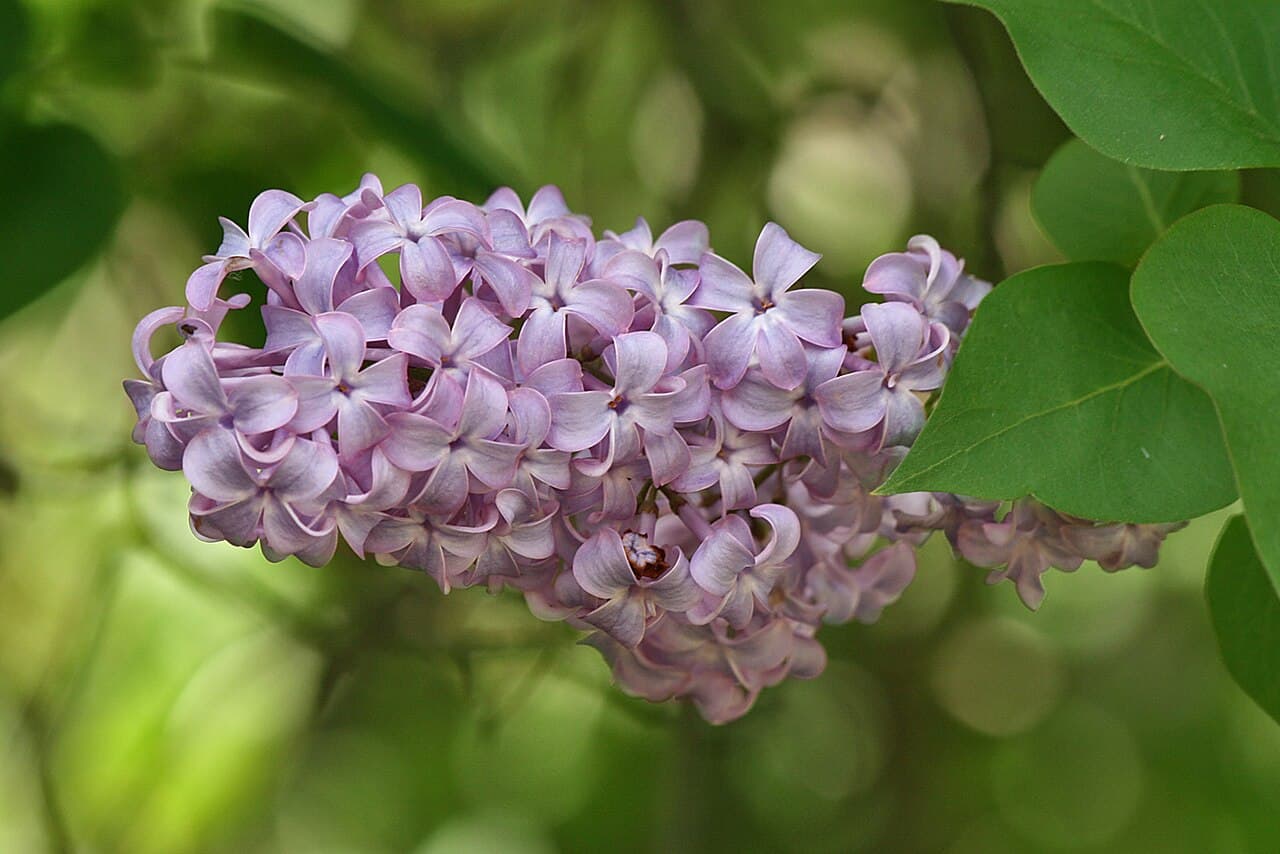
Mostly. Light browsing at worst; rarely ruined.
Damage steps follow a published university field scale. How plants are rated.
About Common Lilac
Needs a genuine cold winter to flower well, so it disappoints in the south. Deadhead as soon as flowering ends and it blooms far better the following year.
Do deer eat lilacs?
Seldom. NC State's entry for Syringa vulgaris lists deer, rabbits and salt among the challenges it resists; Rutgers rates the common lilac Seldom Severely Damaged. What deer take, where they take anything, is the soft new growth and the flower buds on a young plant, and a lilac at 8 to 16 feet, NC State's mature range, keeps most of its buds out of reach after its first few years.
Protecting a young lilac
The first three winters. A cage of welded wire until the shrub is above browse height, or the 20 percent egg spray Colorado State rates High on the tips through spring, renewed at about thirty days. Once established, the rating does the work; the "frequent disease problems" NC State lists, chiefly a powdery mildew that "does little permanent damage to the shrub," are the likelier reason a lilac looks poor in August.
Does a browsed lilac flower?
Not that year on the browsed stems. Lilac sets its flower buds on the previous season's wood, which is why the deadheading above has to follow the flowers immediately; a shoot browsed in winter has lost its buds and regrows leaf for the season. The shrub itself is unharmed and is hardy to zone 3.
Soil and care
- Soil pH
- 6 to 7.5
- Drainage
- Well drained
- Water
- Moderate
- Spacing
- 94 to 142 in apart
- Growth rate
- Moderate
- Maintenance
- Moderate
Similar to Common Lilac
Other shrubs with the same deer rating.
- Antelope BitterbrushPurshia tridentataSeldom damaged
- Anthony Waterer SpireaSpiraea x bumaldaZones 3–8Seldom damaged
- Apache PlumeFallugia paradoxaZones 6–10Seldom damaged
- Armstrong JuniperJuniperus chinensis 'Armstrongii'Zones 4–9Seldom damaged
- Autumn OliveElaeagnus umbellataZones 4–9Seldom damaged
- Autumn SageSalvia greggiiZones 6–9Seldom damaged
Where Common Lilac grows
Hardy across 48 states on zone range alone. Mountain and coastal areas sit outside the ranges used here, so check your own zone before ordering. Select any state, including one it will not grow in, for what is resistant there.
Choose a state from the listeasier on a phone
- Pennsylvania
- New Jersey
- New York
- Connecticut
- Massachusetts
- Virginia
- Maryland
- Michigan
- Wisconsin
- Ohio
- Indiana
- Illinois
- Minnesota
- Missouri
- North Carolina
- Tennessee
- Georgia
- Texas
- Colorado
- California
- Oregon
- Washington
- New Hampshire
- Vermont
- Maine
- Rhode Island
- Delaware
- West Virginia
- Kentucky
- South Carolina
- Florida
- Alabama
- Mississippi
- Louisiana
- Arkansas
- Oklahoma
- Kansas
- Nebraska
- Iowa
- North Dakota
- South Dakota
- Montana
- Wyoming
- Idaho
- Utah
- Nevada
- Arizona
- New Mexico
- Alaska
- District of Columbia
- Hawaii
Common questions about Common Lilac
- Is Common Lilac deer resistant?
- Common Lilac (Syringa vulgaris) is rated Seldom Severely Damaged, step 2 of 4 on the damage scale this site uses. Light browsing at worst; rarely ruined.
- What hardiness zones does Common Lilac grow in?
- Common Lilac is hardy in USDA zones 3 to 7. Outside that range it will either not survive winter or will struggle with summer heat.
- Does Common Lilac grow in shade?
- No. Common Lilac wants full sun and will grow thin and flop in shade.
- How big does Common Lilac get?
- Mature height is roughly 96–192 in. Growth rate is moderate.
Browse from here
Every list Common Lilac belongs to.
All shrubs·Seldom damaged·Full sun plants