Deer-resistant evergreen shrubs
Evergreen shrubs are the hardest case in a garden with deer, because holding leaves through winter is exactly what makes a plant valuable to you and valuable to them. In February there is very little else green within reach, which is why so many evergreen hedges that were untouched for three years get stripped in a single hard winter. The junipers, hollies and boxwood here are the ones that hold up. Semi-evergreen plants are deliberately excluded: a shrub that thins out in a cold winter does not do the job this list exists for.
49 plants
Why evergreen is the hard case
Holding leaves through winter is what makes a shrub worth planting for screening, and it is what makes it food in February. NC State's entry for inkberry says it in two sentences that sit a paragraph apart: "Leaves are eaten by white-tailed deer and rabbits," and then, under what it resists, "deer resistant." Both are true. A shrub that no deer touches in July can be stripped to the browse line in a hard winter, because by then it is the only green thing within reach, and the entry for arborvitae goes further: white-tailed deer "both feed on the branches and use them for shelter from the cold." The hedge planted for winter privacy is where the deer spend the winter.
So the tiers on this page, from Rutgers NJAES E271, describe winter more than they describe summer. The top tier is the evergreens that were rarely damaged even then, and it is a short list with a pattern: nearly everything on it is poisonous or resinous. The grid below is every shrub in the encyclopedia flagged evergreen, grouped by tier, and the shrubs page holds the deciduous ones with them.
Evergreen shrubs deer won't eat
Rarely Damaged:
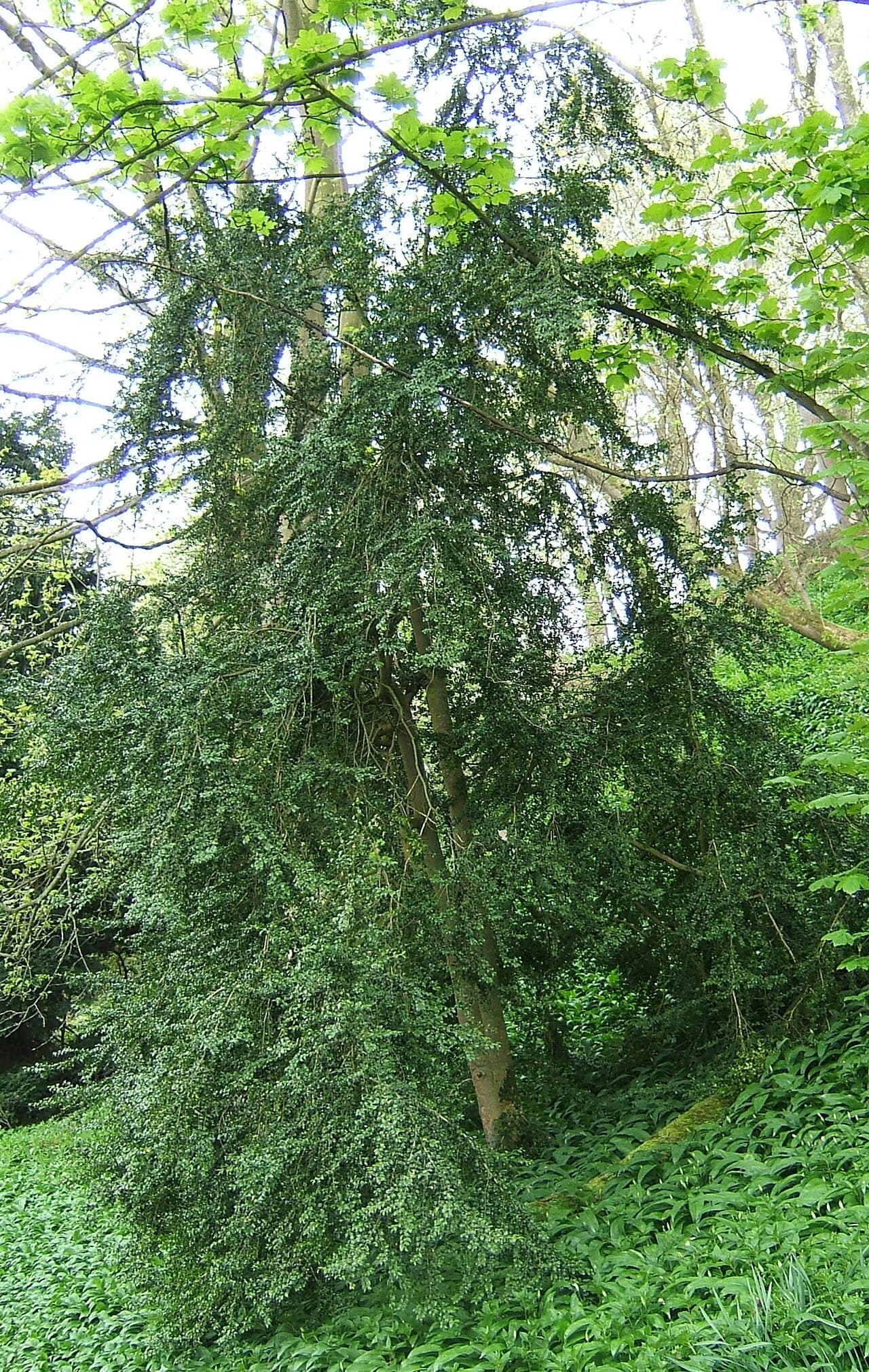
- Boxwood, zones 5 to 8, the formal hedge, slow. NC State: "generally tolerant of rabbits and deer," with steroidal alkaloids in the leaves and a smell it files as "malodorous."
- Japanese pieris and mountain pieris, the evergreens that flower, grayanotoxins, poison severity High.
- Japanese plum yew, zones 6 to 9, the plant that looks like a yew and is left alone, and the substitute this site recommends where a yew or an arborvitae has been eaten out.
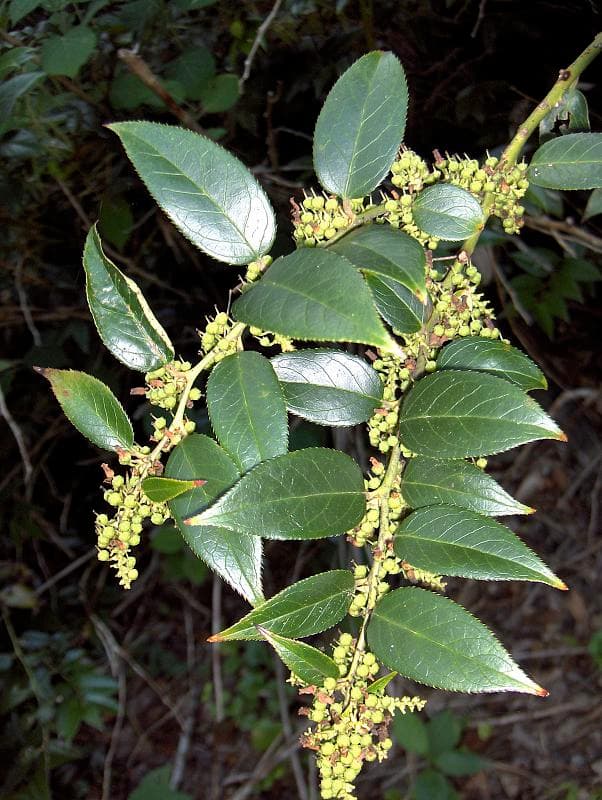
- Drooping leucothoe to zone 4 and sweet box, both for shade, both low.
- Leatherleaf mahonia and Oregon grape holly, spined, yellow flowers in late winter, blue fruit.
- Japanese skimmia in zones 7 and 8, for deep shade.
- Two junipers, Moonglow and Prince of Wales, and rosemary where it is hardy, from zone 8.
Nothing on that list is a big-leaved evergreen with a showy flower, which is the thing people usually mean when they say evergreen shrub. Those are all lower down.
Do deer eat boxwood?
Rarely. Rutgers puts Buxus in the top tier and NC State calls it "generally tolerant of rabbits and deer." The leaf carries steroidal alkaloids and the whole plant smells of something a deer does not want, and a clipped boxwood hedge in deer country is the one hedge that reliably reaches the height it was planted for. The cost is time: boxwood is slow, and buying the largest plants the budget allows beats buying more small ones. NC State's problems list is contact dermatitis and the smell, not browsing. What kills boxwood is blight and winter burn, and the deer get blamed for the second.
Do deer eat junipers?
Seldom. NC State on Chinese juniper: "This plant is seldom damaged by deer, tolerant of air pollution and is moderately salt tolerant," and its cultivar notes repeat the point, Hetz Columnaris "deer and drought tolerant," Iowa "deer resistant." In the encyclopedia the junipers spread across two tiers: Moonglow and Prince of Wales are Rarely Damaged; Chinese, Pfitzer, Armstrong, creeping, Japanese garden, mountain and oneseed junipers are Seldom Severely Damaged; shore juniper is a tier lower. The resinous foliage is the defense, and the upright forms are the cheapest deer-resistant screen there is, at the price of looking like a juniper.
Hollies, which are not one answer
Holly covers four plants with four answers. Inkberry, the native one, is Seldom Severely Damaged and carries NC State's pair of contradictory sentences above; it makes a soft, boxwood-shaped hedge to zone 4 and holds up in most years. Chinese holly and English holly, the spined ones, are the same tier, zones 7 to 9 and 7 to 8. Japanese holly, the small-leaved one sold as a boxwood substitute, is Occasionally Severely Damaged, and NC State's phrase is "mildly resistant to damage by deer," which is a different thing from resistant. American holly is a tree and lives on the trees page; winterberry is a holly that drops its leaves.
Yew, arborvitae and the browse line
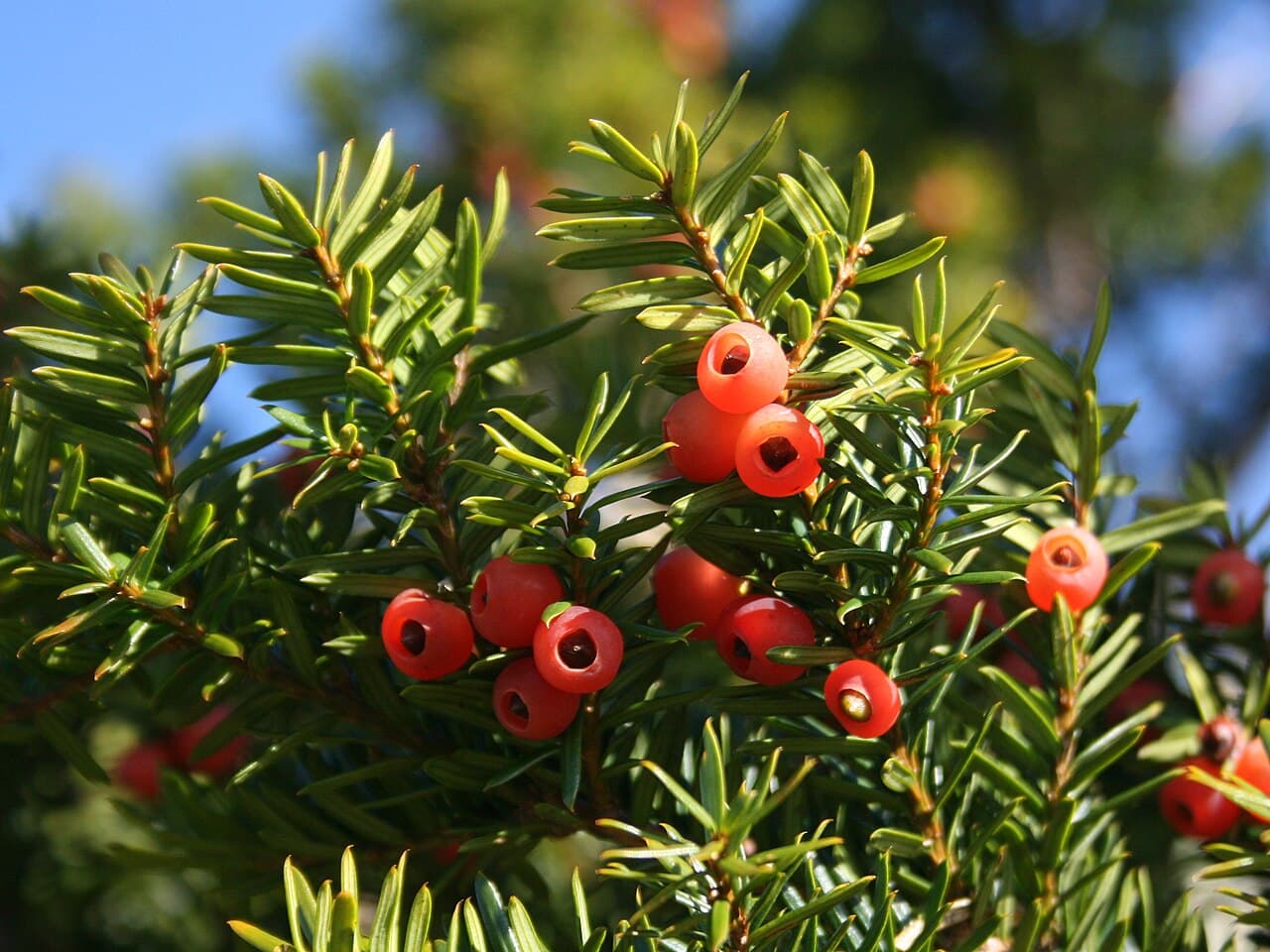
The two evergreens that fail worst are the two planted most. Japanese yew is Frequently Severely Damaged, the bottom tier, in the company of hostas and azaleas, and it is the most poisonous plant in the encyclopedia: NC State rates the taxine alkaloid High, "may be fatal," and lists dogs, cats and horses. Deer eat it anyway. That is the argument the shrubs page makes at length, that toxicity does not predict browsing, and yew is the proof.
American arborvitae is a tree in the encyclopedia and the same bottom tier, browsed from November to March at the height a deer can reach. What makes it worse than yew is that it does not come back: Iowa State's answer to whether the stripped lower branches green up again is that they do "if buds are present," and "will remain bare and likely never develop new growth if no buds are present." A bare band on an arborvitae hedge is permanent. Western arborvitae is one tier better; Green Giant is its hybrid and has not been rated on its own.
Mountain laurel, rhododendron and the big-leaved evergreens
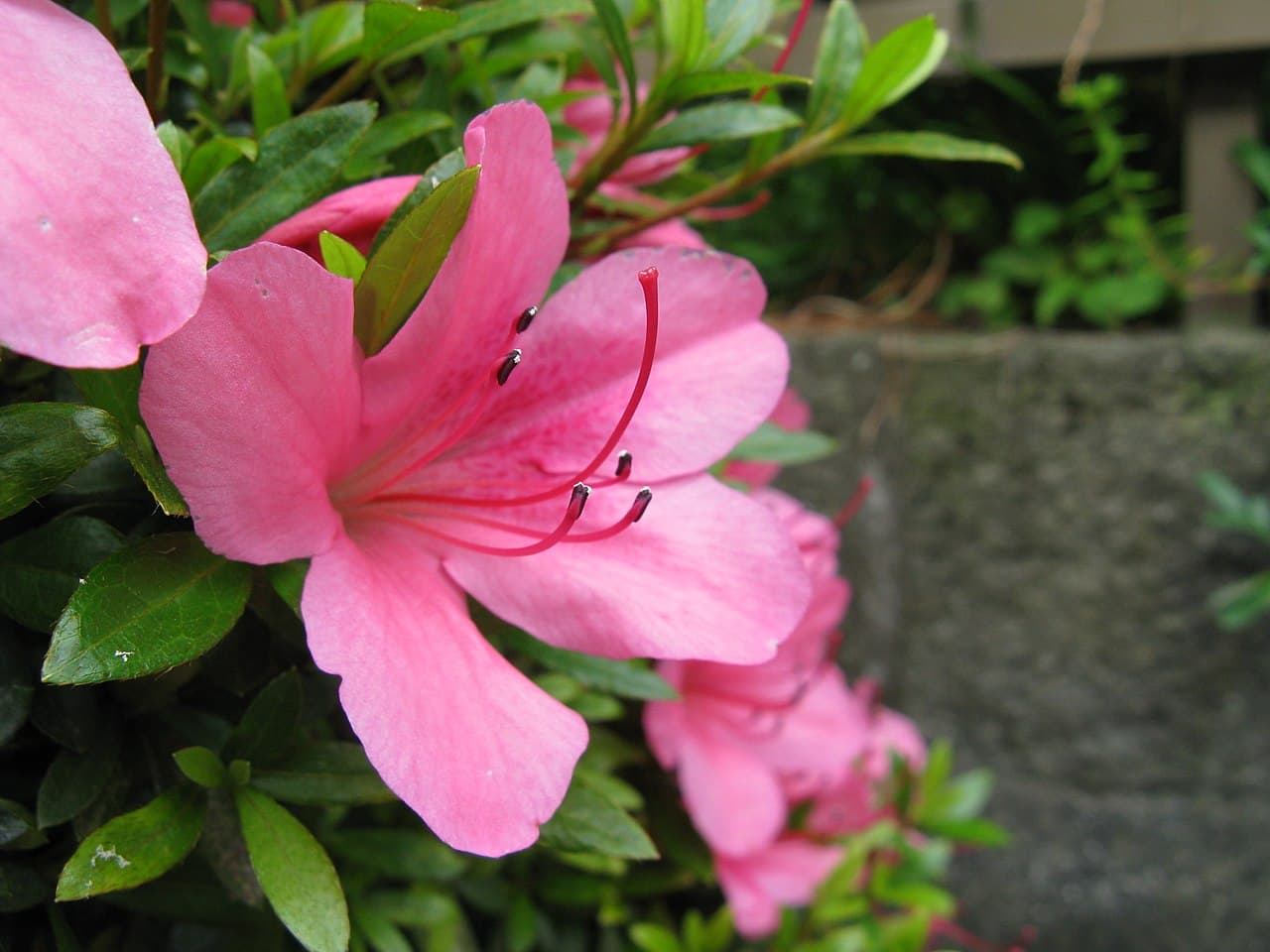
The broadleaf evergreens with the showy flowers are the middle and bottom of the scale. Mountain laurel is Occasionally Severely Damaged, and NC State's entry says "highly resistant to damage from deer" and, in the same entry, "white-tailed deer browse the leaves and twigs during the winter and early spring." Rutgers's occasionally is the average of those two sentences. Catawba and rosebay rhododendron are the same tier; rhododendron as sold and evergreen azalea are the bottom one, "frequently damaged by deer" in NC State's words.
Second tier, and the better bets among the big leaves: cherry laurel, zones 6 to 8, cyanogenic glycosides, poison severity High, and no deer sentence in NC State's entry at all, so its tier rests on Rutgers alone; holly osmanthus, zones 7 to 9, fragrant in fall; goldust plant, the aucuba, for deep shade from zone 7; camellia and gardenia, which are not on the Rutgers list and carry a conservative reading of NC State's single category, as their pages say; leatherleaf viburnum; firethorn, spined and orange-fruited.
Evergreen shrubs for privacy and hedges
A hedge is the largest purchase in most gardens and the one deer can ruin in a single winter, so it is built from the top two tiers or it is fenced. Formal and clipped: boxwood, inkberry, holly osmanthus, Chinese holly. Tall and fast: cherry laurel to 20 feet, the upright junipers, mugo pine for a low broad screen to zone 2, and plum yew where a yew was wanted. Under trees: pieris and leucothoe.
Two rules from the shrubs page apply harder here. A mixed hedge of three or four species survives a bad year better than a monoculture, because local deer develop local habits. And a young hedge is all within reach for its first three winters; in the VerCauteren trials a 1.5 meter fence stopped none of the deer and 2.1 meters stopped 85 percent, and a temporary wire fence around a new hedge costs less than replacing it. Deer fencing has the numbers.
Evergreen shrubs for shade
The shade list and the top-tier list overlap almost completely, which is the one piece of luck in this category: plum yew, sweet box, leucothoe, the two mahonias, skimmia, both pieris, and one tier down, inkberry, camellia, goldust plant, cherry laurel, which NC State lists as tolerating heavy shade. The shade page sets them beside the ferns and perennials and names the substitutions for an azalea.
How to use the list below
Every shrub is grouped by rating, best first, with hardiness and mature size on the card. Semi-evergreen plants are not on this page on purpose: a shrub that thins out in a cold winter does not do the job the page exists for. If flower matters more than winter cover, the flowering shrubs page sorts the same encyclopedia by bloom, and the trees page holds the evergreen trees, arborvitae among them.
Rarely Damaged12
Boxwood
Rarely damagedBuxus sempervirens
- Type
- Shrub
- Hardiness
- Zones 5–8
- Height
- 60–240 in
Drooping Leucothoe
Rarely damagedLeucothoe fontanesiana
- Type
- Shrub
- Hardiness
- Zones 4–6
- Height
- 24–72 in
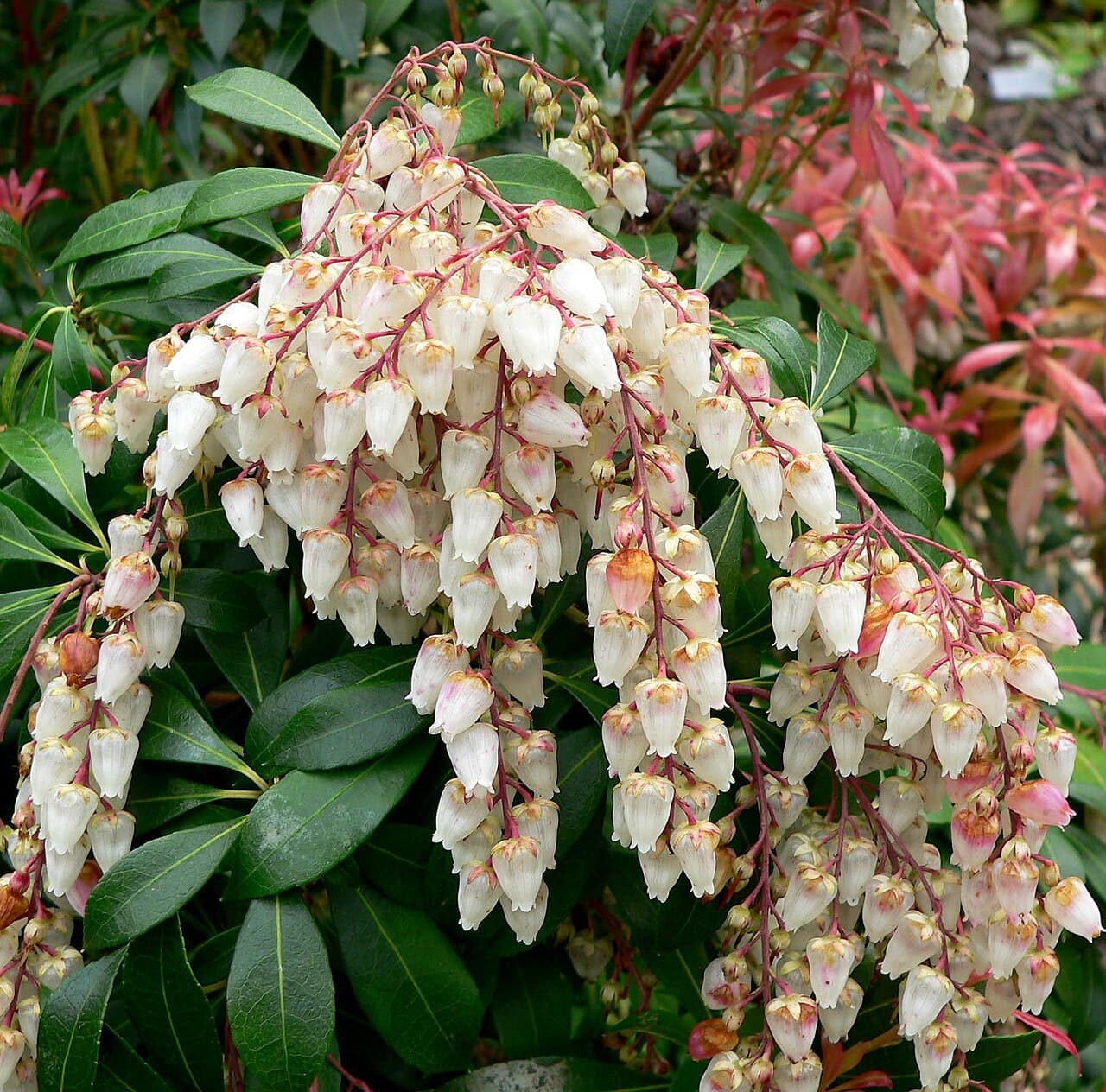
Japanese Pieris
Rarely damagedPieris japonica
- Type
- Shrub
- Hardiness
- Zones 4–8
- Height
- 96–120 in
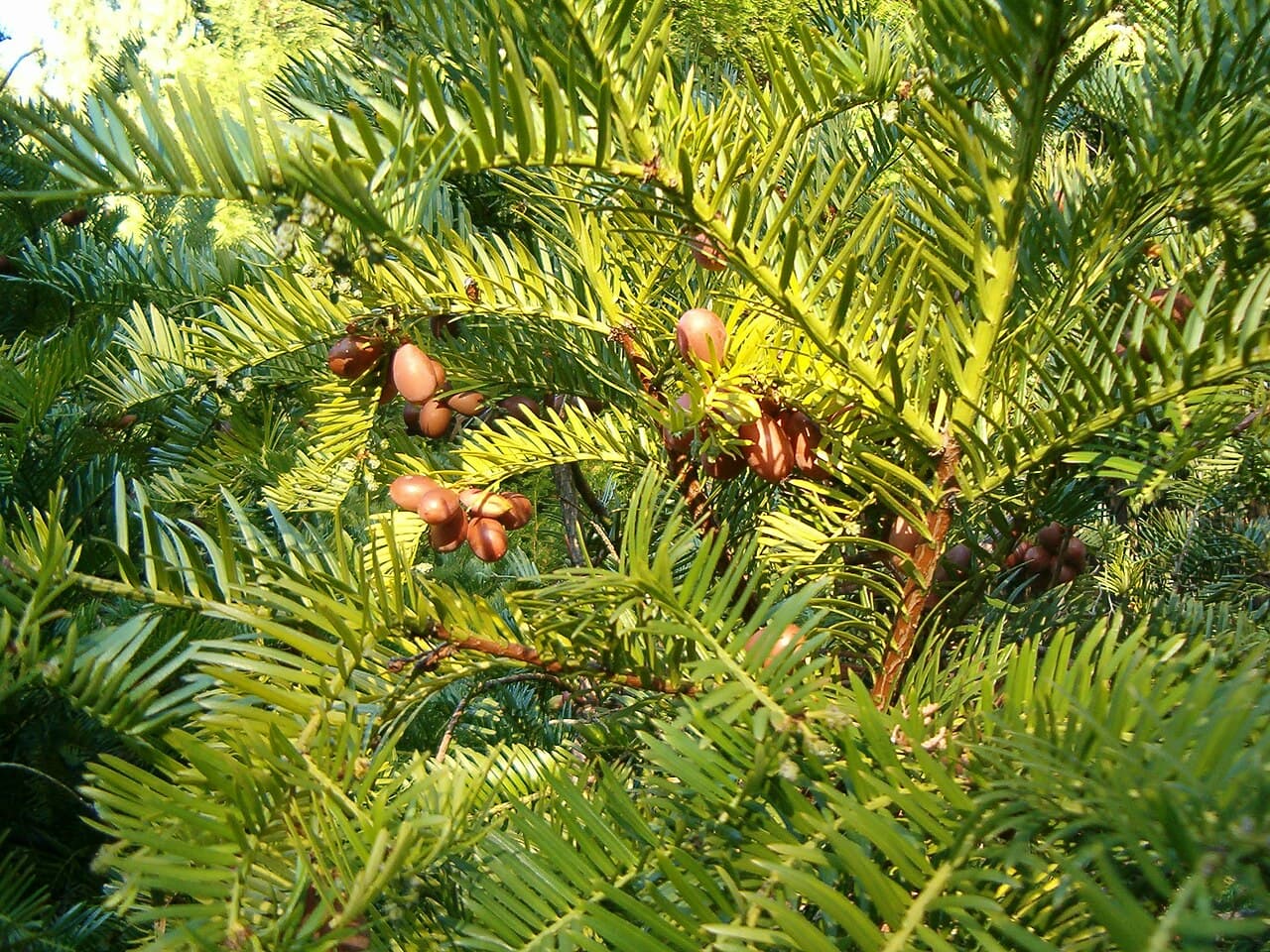
Japanese Plum Yew
Rarely damagedCephalotaxus harringtonia
- Type
- Shrub
- Hardiness
- Zones 6–9
- Height
- 60–120 in
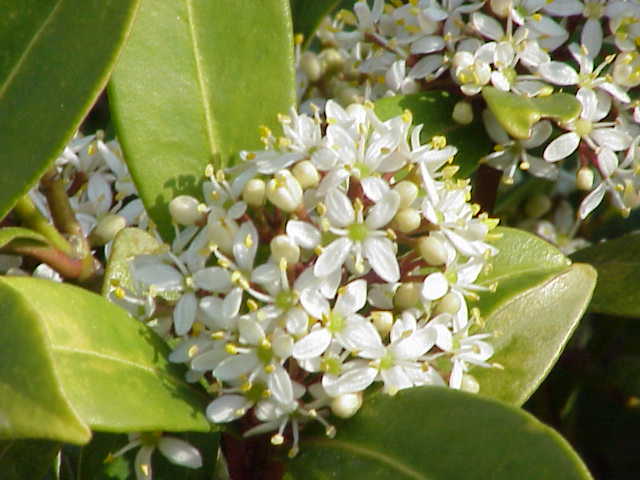
Japanese Skimmia
Rarely damagedSkimmia japonica
- Type
- Shrub
- Hardiness
- Zones 7–8
- Height
- 24–84 in
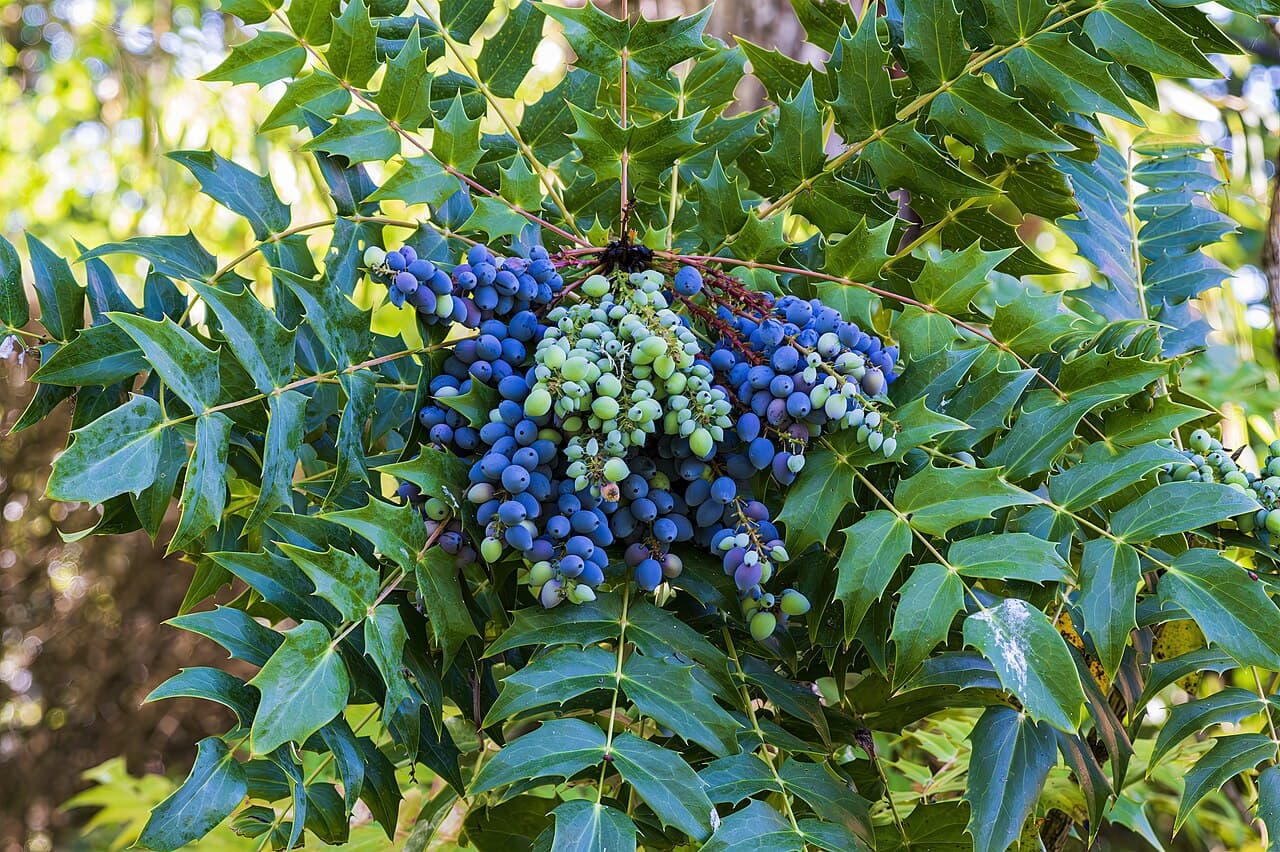
Leatherleaf Mahonia
Rarely damagedMahonia bealei
- Type
- Shrub
- Hardiness
- Zones 7–9
- Height
- 48–120 in
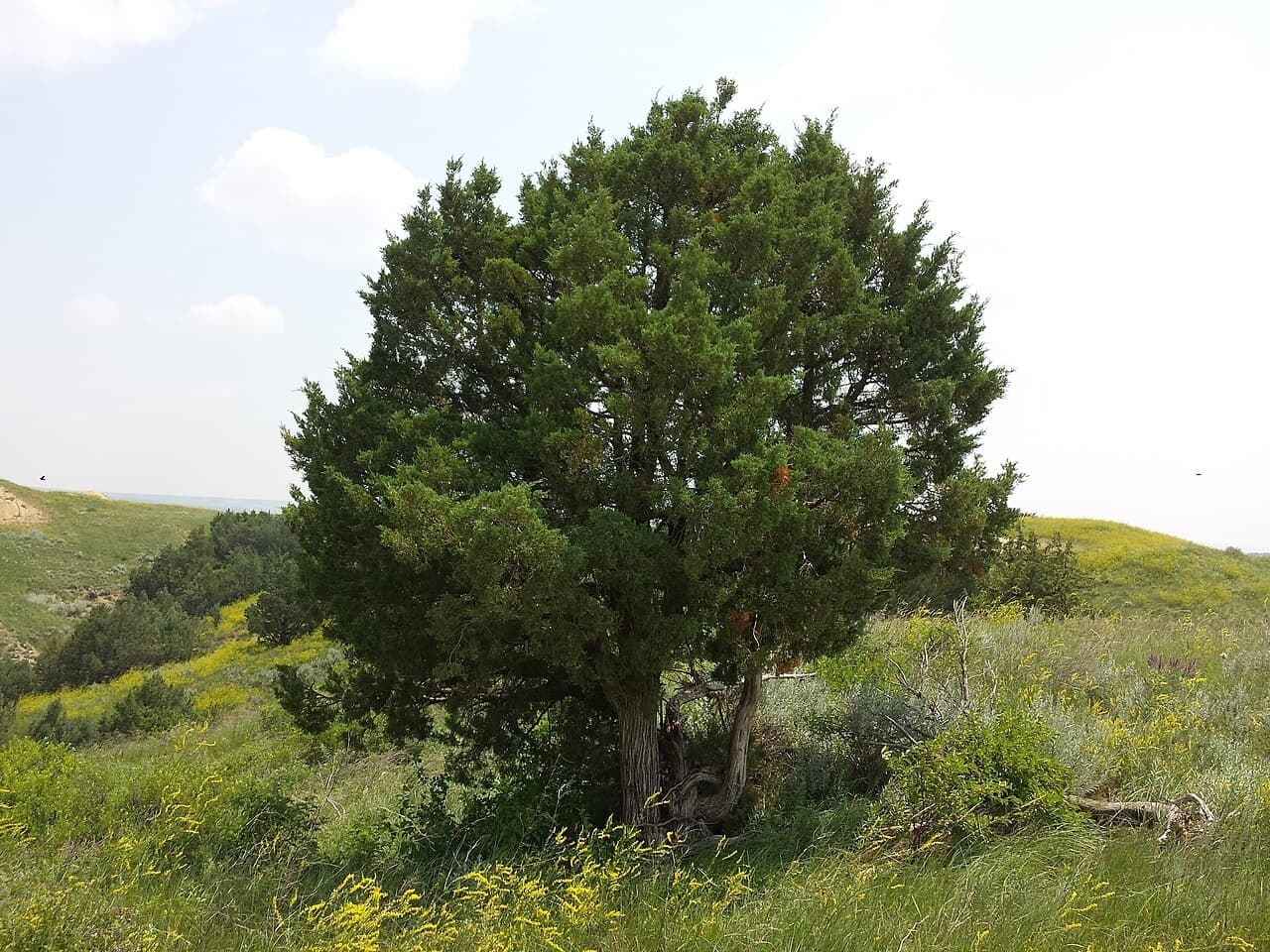
Moonglow Juniper
Rarely damagedJuniperus scopulorum 'Moonglow'
- Type
- Shrub
- Hardiness
- Zones 3–7
- Height
- 360–480 in
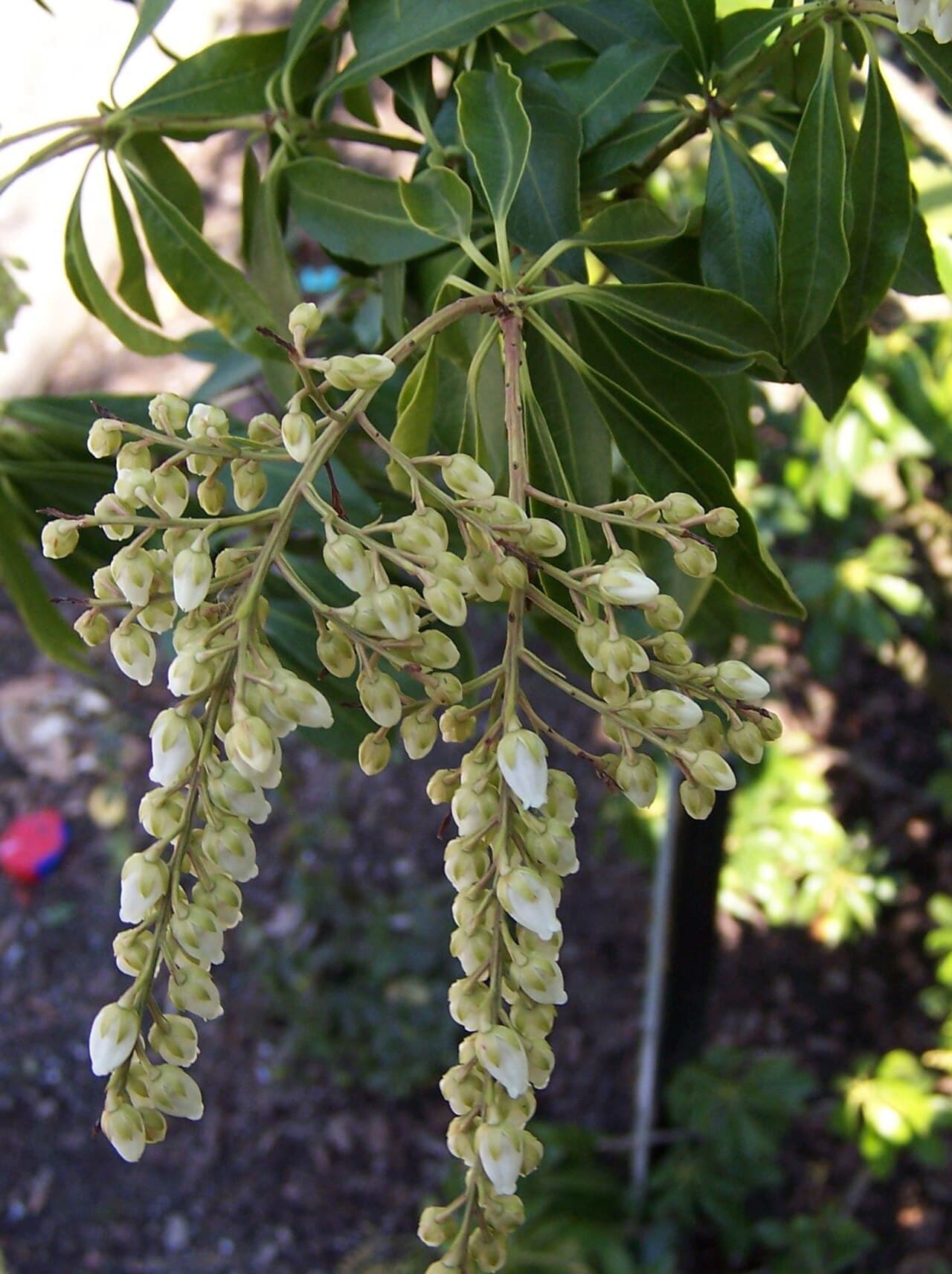
Mountain Pieris
Rarely damagedPieris floribunda
- Type
- Shrub
- Hardiness
- Zones 4–6
- Height
- 48–72 in
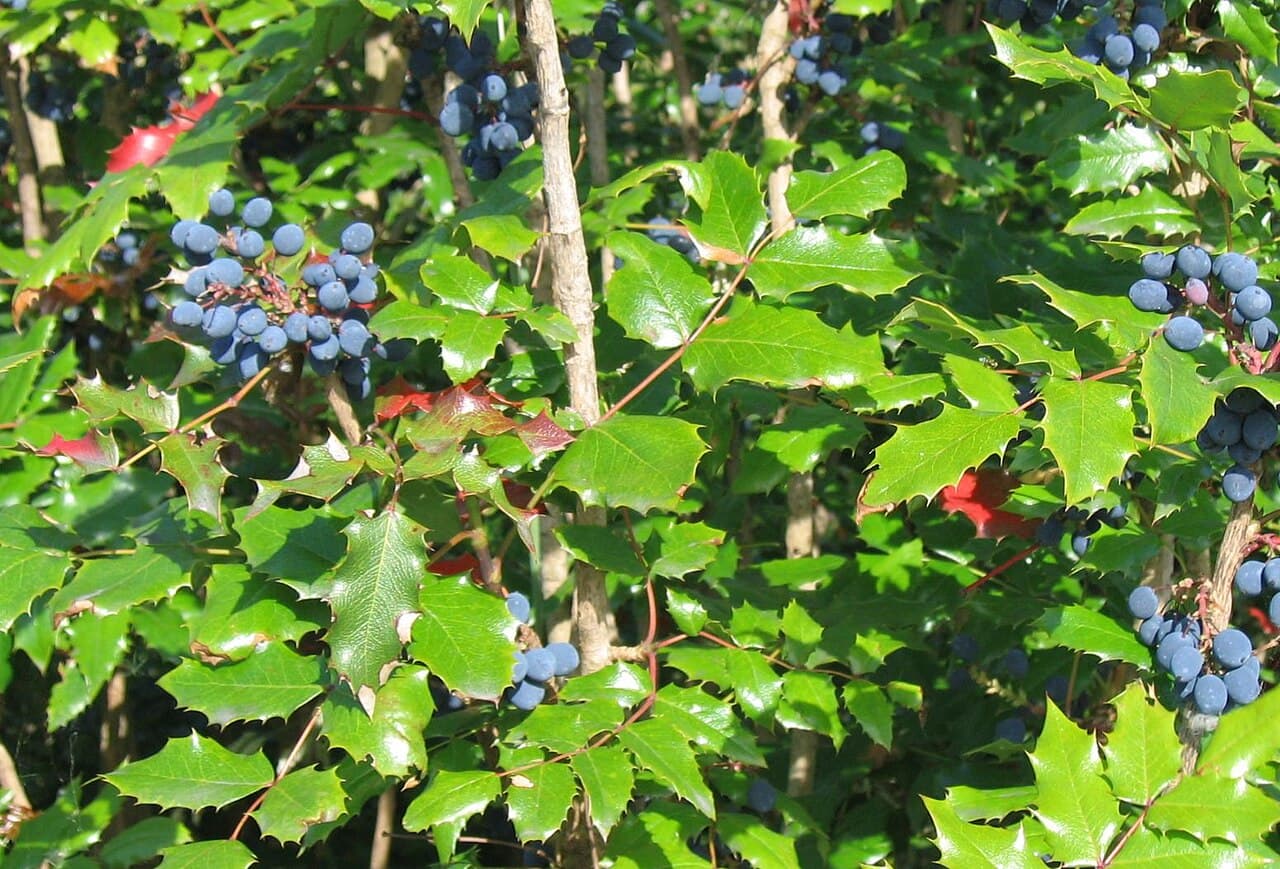
Oregon Grape Holly
Rarely damagedMahonia aquifolium
- Type
- Shrub
- Hardiness
- Zones 5–8
- Height
- 36–72 in
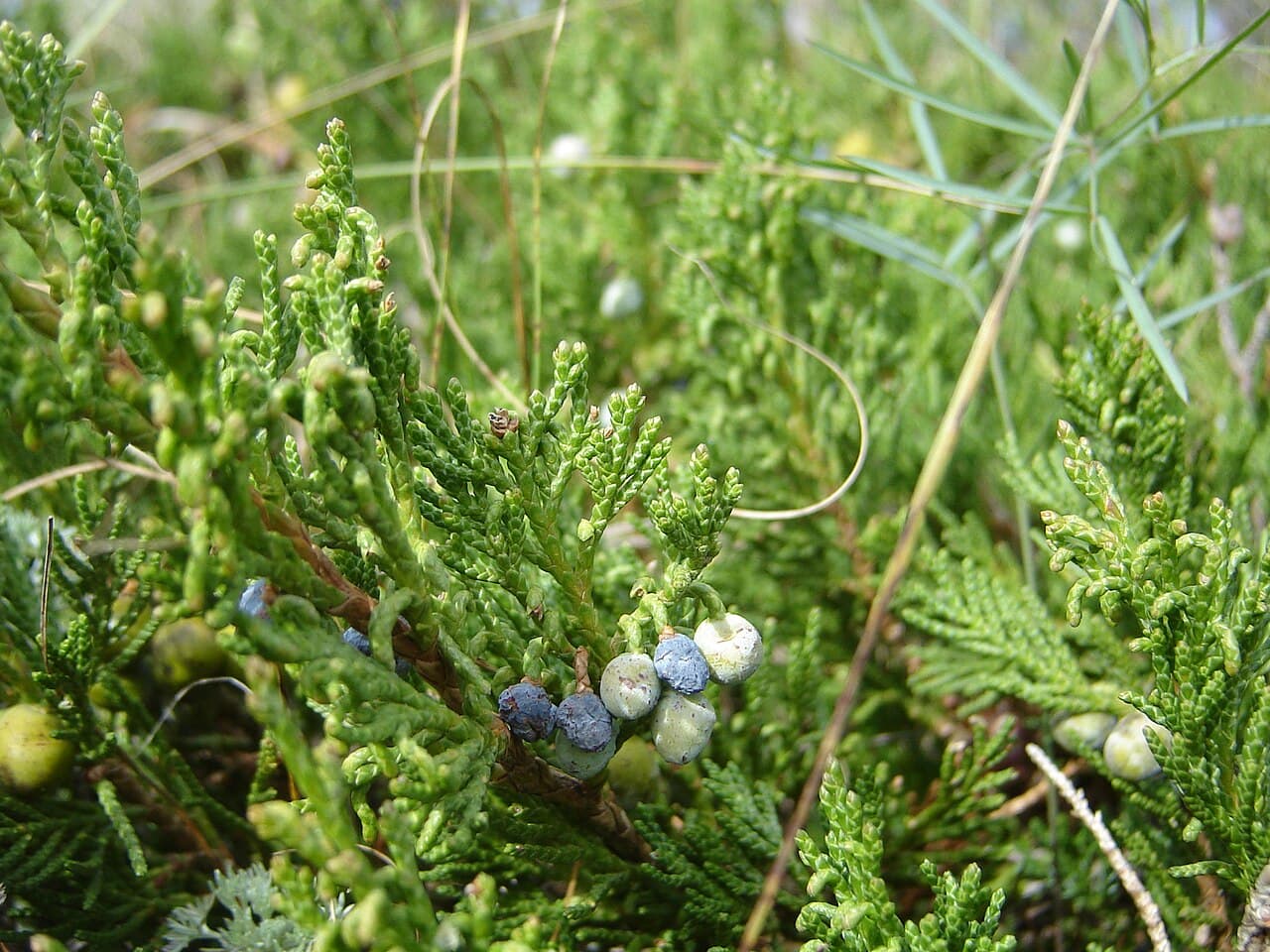
Prince of Wales Juniper
Rarely damagedJuniperus horizontalis 'Prince of Wales'
- Type
- Shrub
- Hardiness
- Zones 3–9
- Height
- 6–18 in
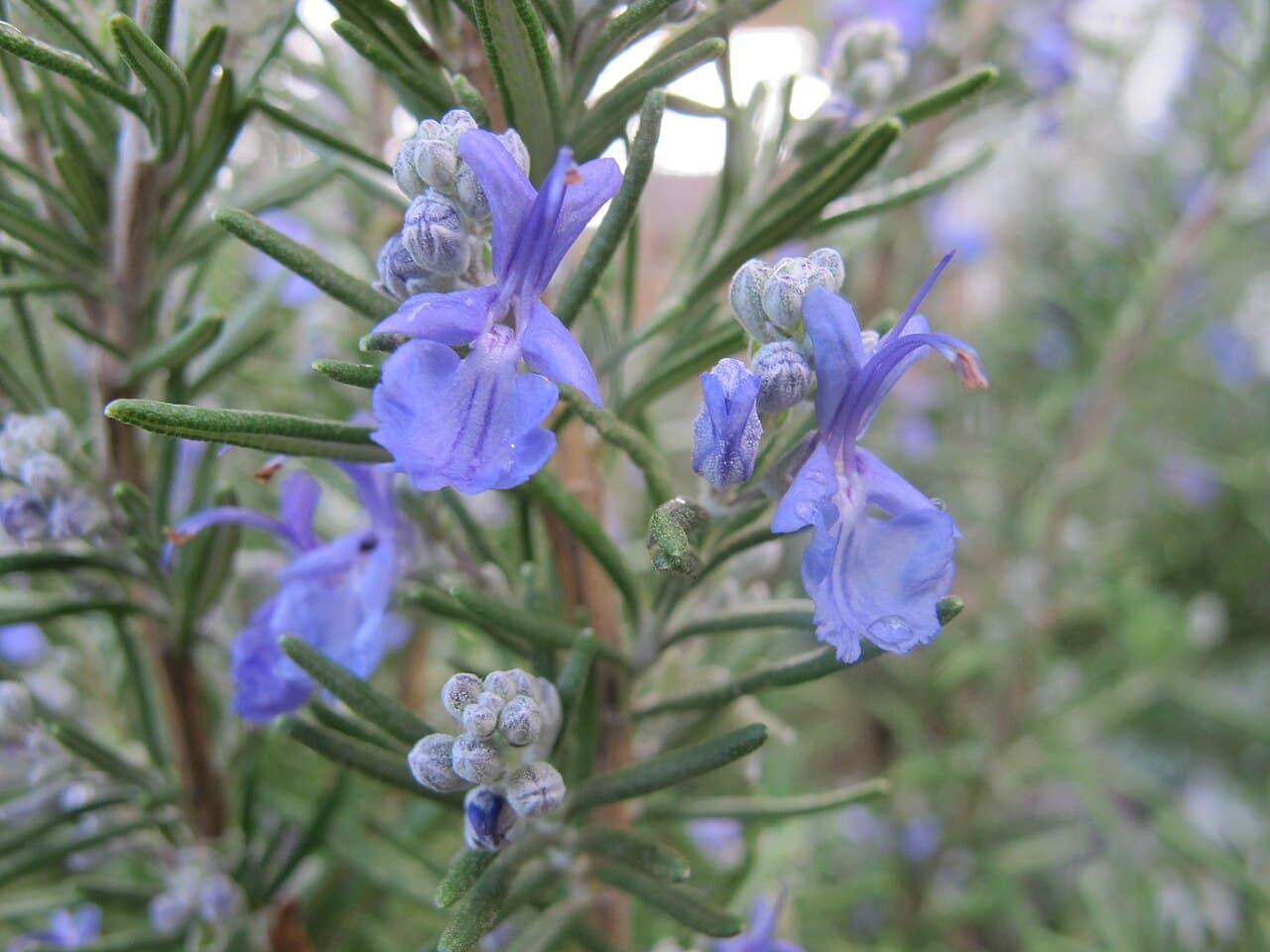
Rosemary
Rarely damagedSalvia rosmarinus
- Type
- Shrub
- Hardiness
- Zones 8–10
- Height
- 48–60 in
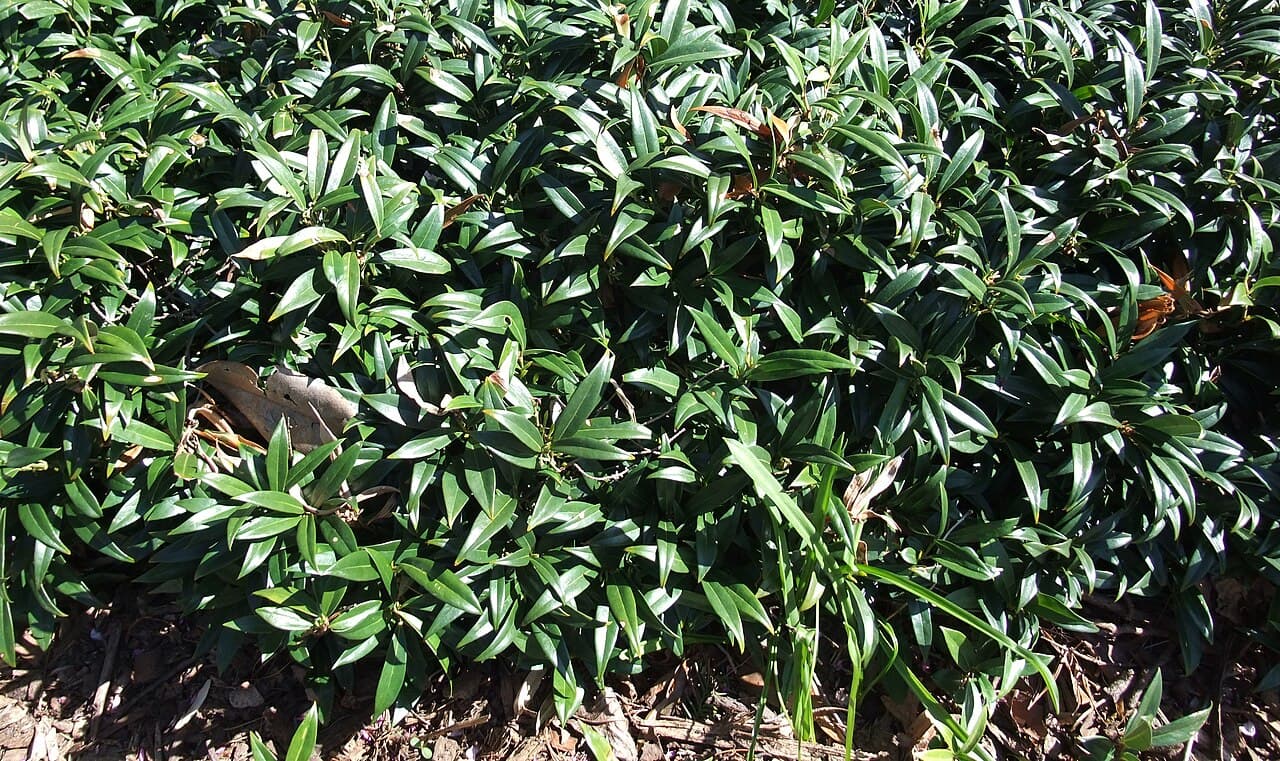
Sweet Box
Rarely damagedSarcococca hookeriana
- Type
- Shrub
- Hardiness
- Zones 5–8
- Height
- 48–60 in
Seldom Severely Damaged29
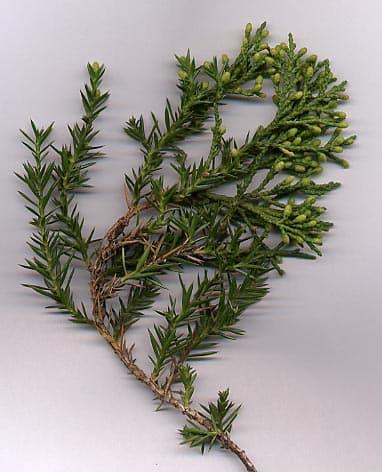
Armstrong Juniper
Seldom damagedJuniperus chinensis 'Armstrongii'
- Type
- Shrub
- Hardiness
- Zones 4–9
- Height
- 600–720 in
Autumn Sage
Seldom damagedSalvia greggii
- Type
- Shrub
- Hardiness
- Zones 6–9
- Height
- 24–36 in
Banana Yucca
Seldom damagedYucca baccata
- Type
- Shrub
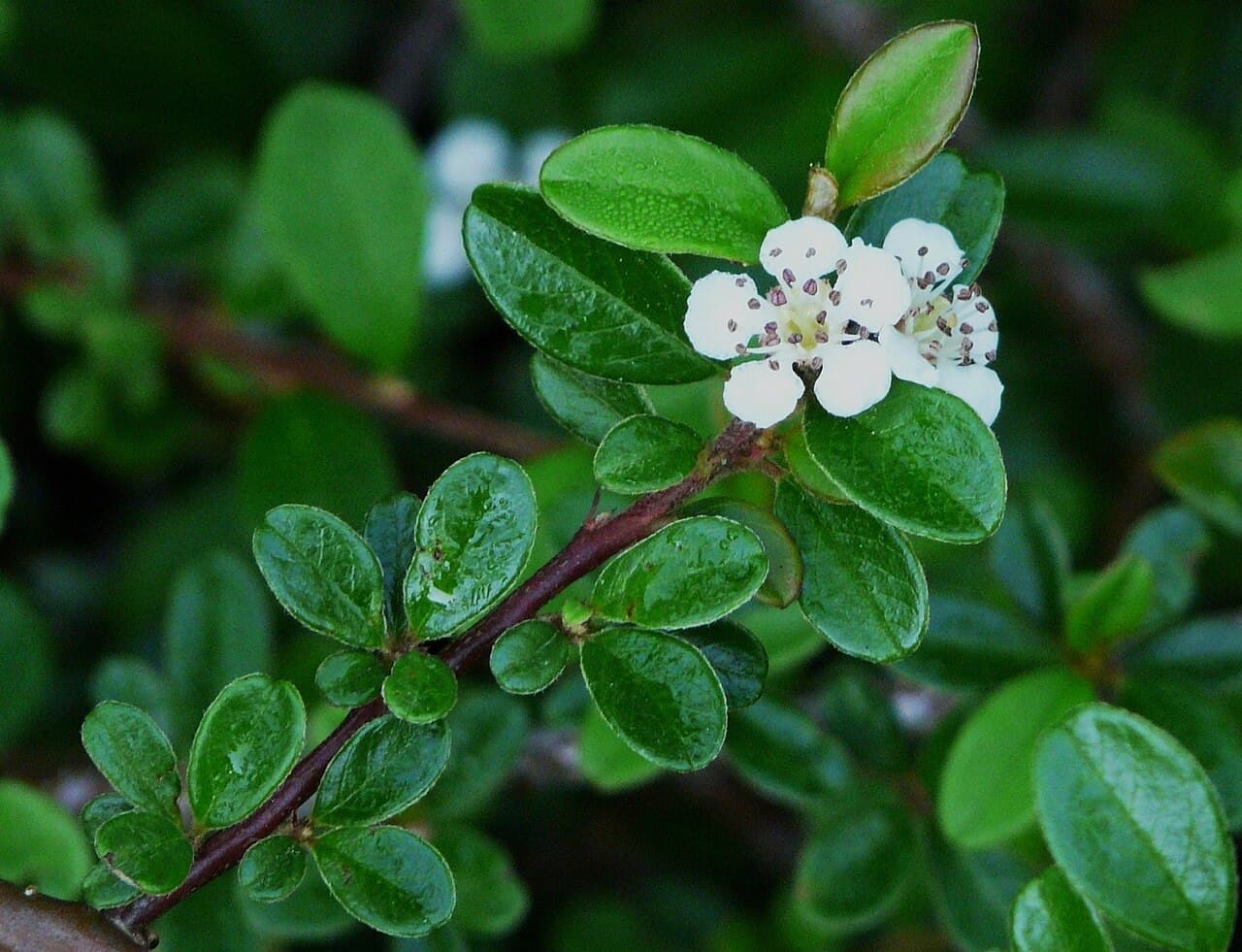
Bearberry Cotoneaster
Seldom damagedCotoneaster dammeri
- Type
- Shrub
- Hardiness
- Zones 5–8
- Height
- 12–12 in
Big Sagebrush
Seldom damagedArtemisia tridentata
- Type
- Shrub
- Height
- 108–108 in
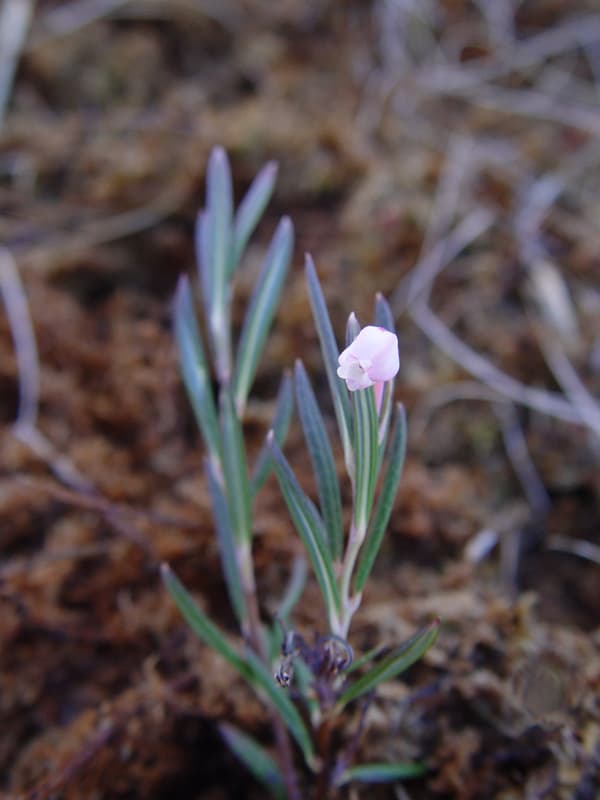
Bog Rosemary
Seldom damagedAndromeda polifolia
- Type
- Shrub
- Hardiness
- Zones 2–6
Camellia
Seldom damagedCamellia japonica
- Type
- Shrub
- Hardiness
- Zones 7–9
- Height
- 120–156 in
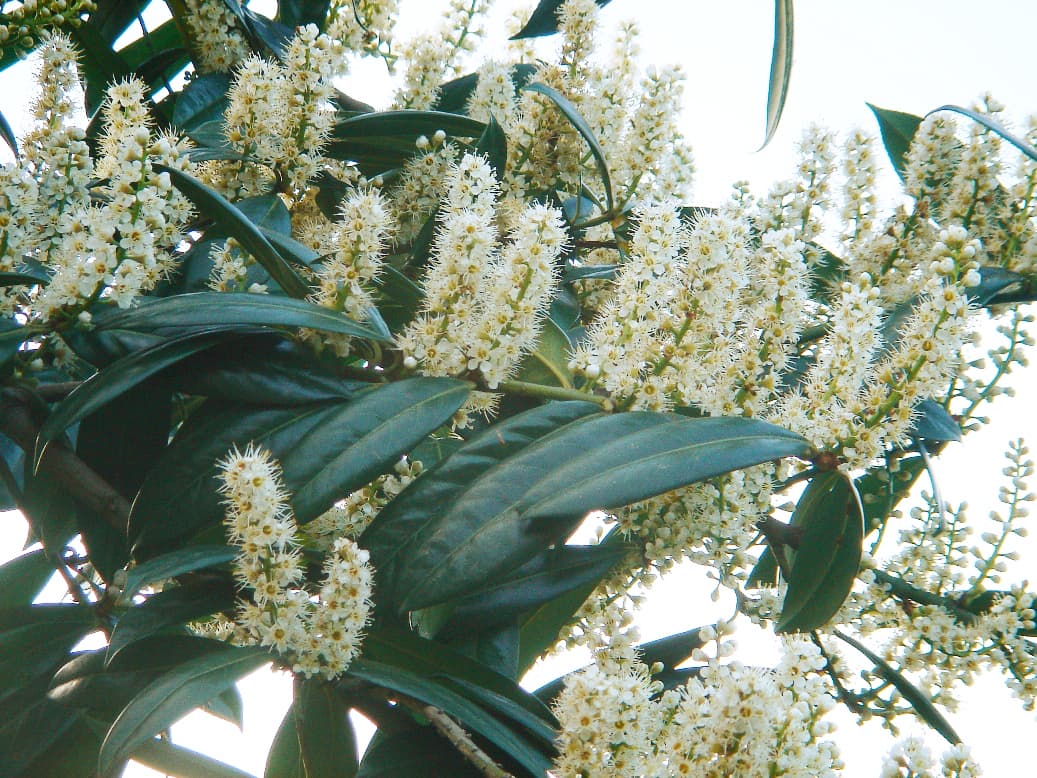
Cherry Laurel
Seldom damagedPrunus laurocerasus
- Type
- Shrub
- Hardiness
- Zones 6–8
- Height
- 120–240 in
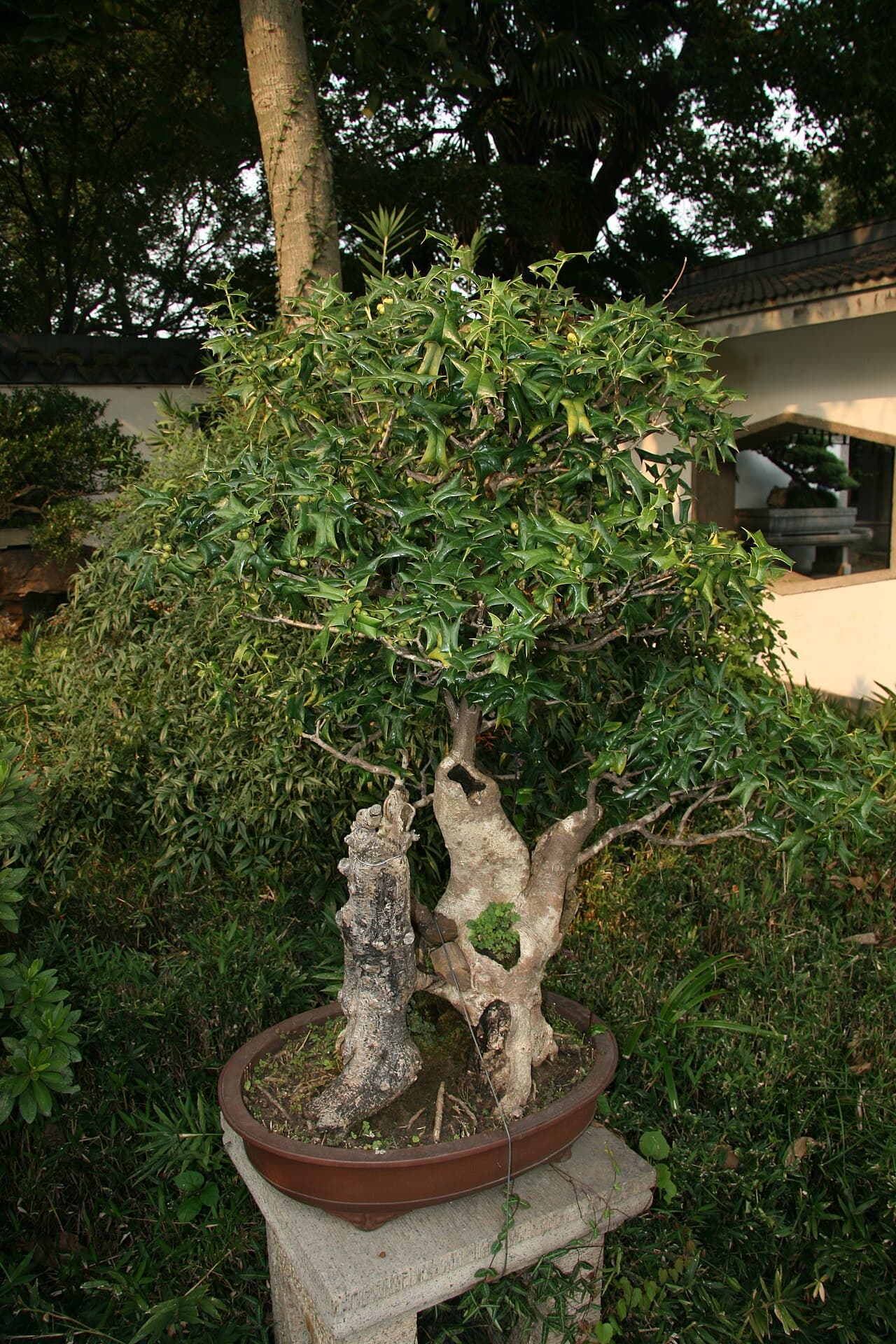
Chinese Holly
Seldom damagedIlex cornuta
- Type
- Shrub
- Hardiness
- Zones 7–9
- Height
- 96–180 in
Chinese Juniper
Seldom damagedJuniperus chinensis
- Type
- Shrub
- Hardiness
- Zones 4–9
- Height
- 600–720 in
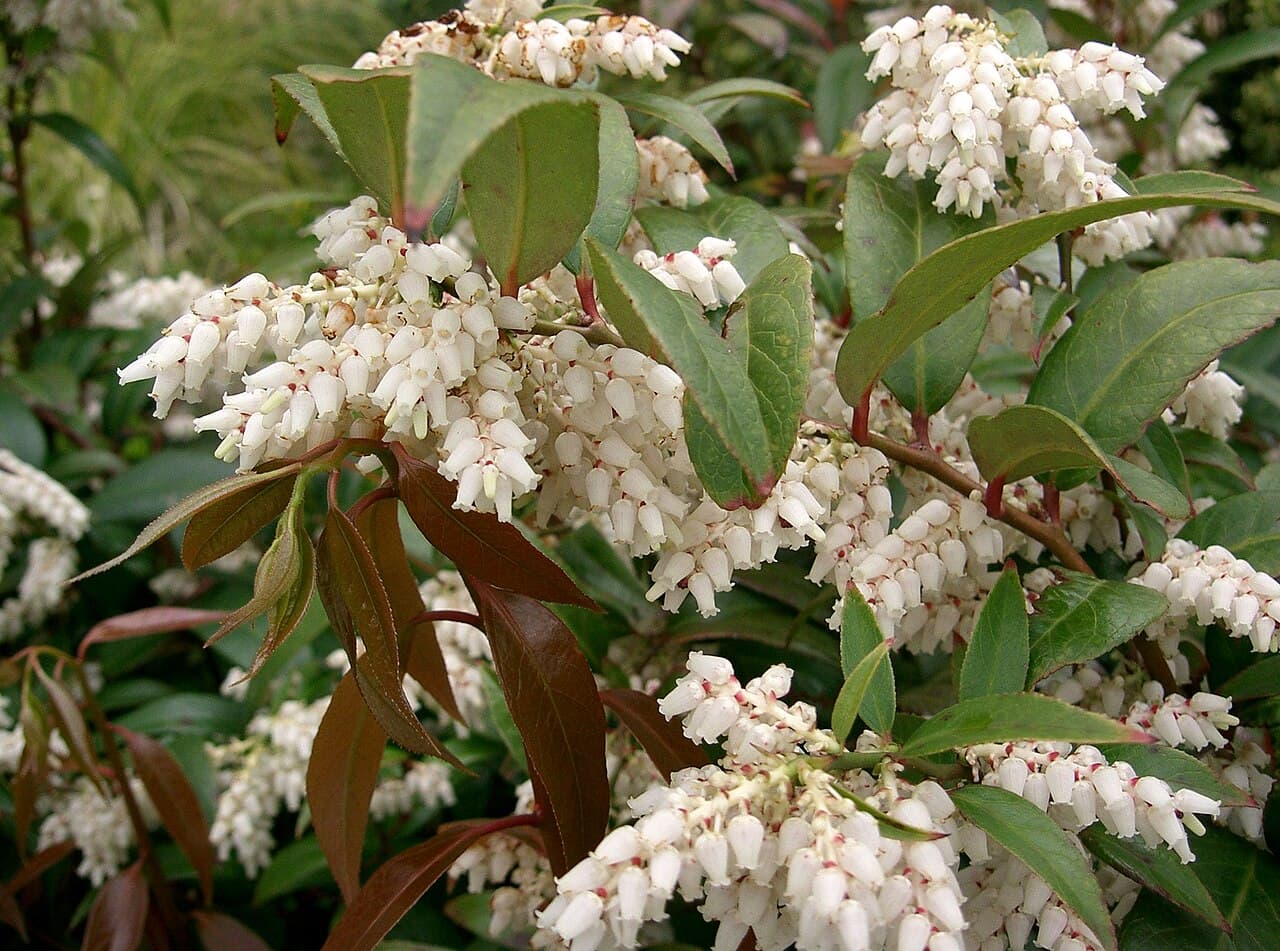
Coast Leucothoe
Seldom damagedLeucothoe axillaris
- Type
- Shrub
- Hardiness
- Zones 5–8
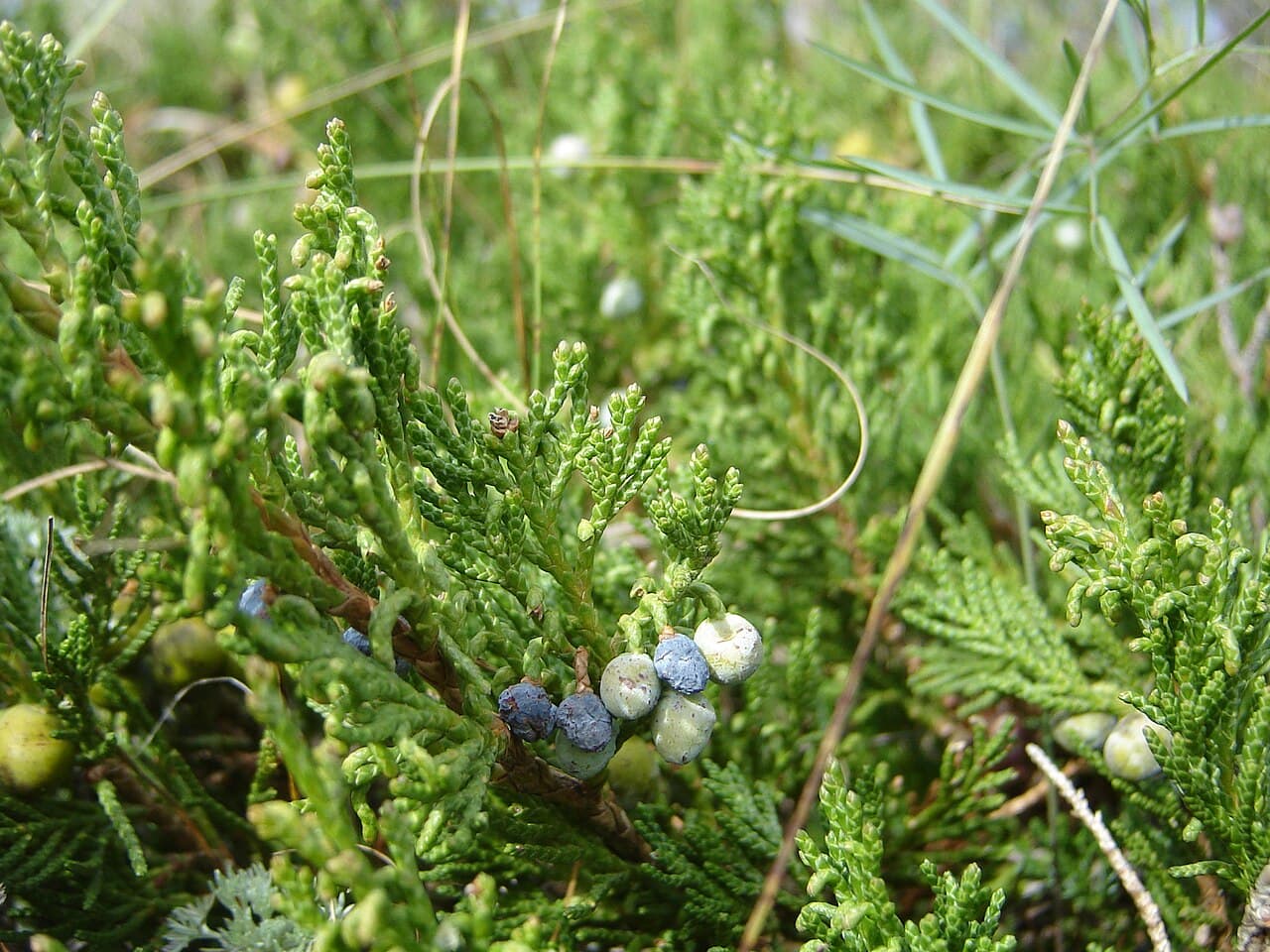
Creeping Juniper
Seldom damagedJuniperus horizontalis
- Type
- Shrub
- Hardiness
- Zones 3–9
- Height
- 6–18 in
Curl-Leaf Mountain Mahogany
Seldom damagedCercocarpus ledifolius
- Type
- Shrub
- Height
- 360–360 in
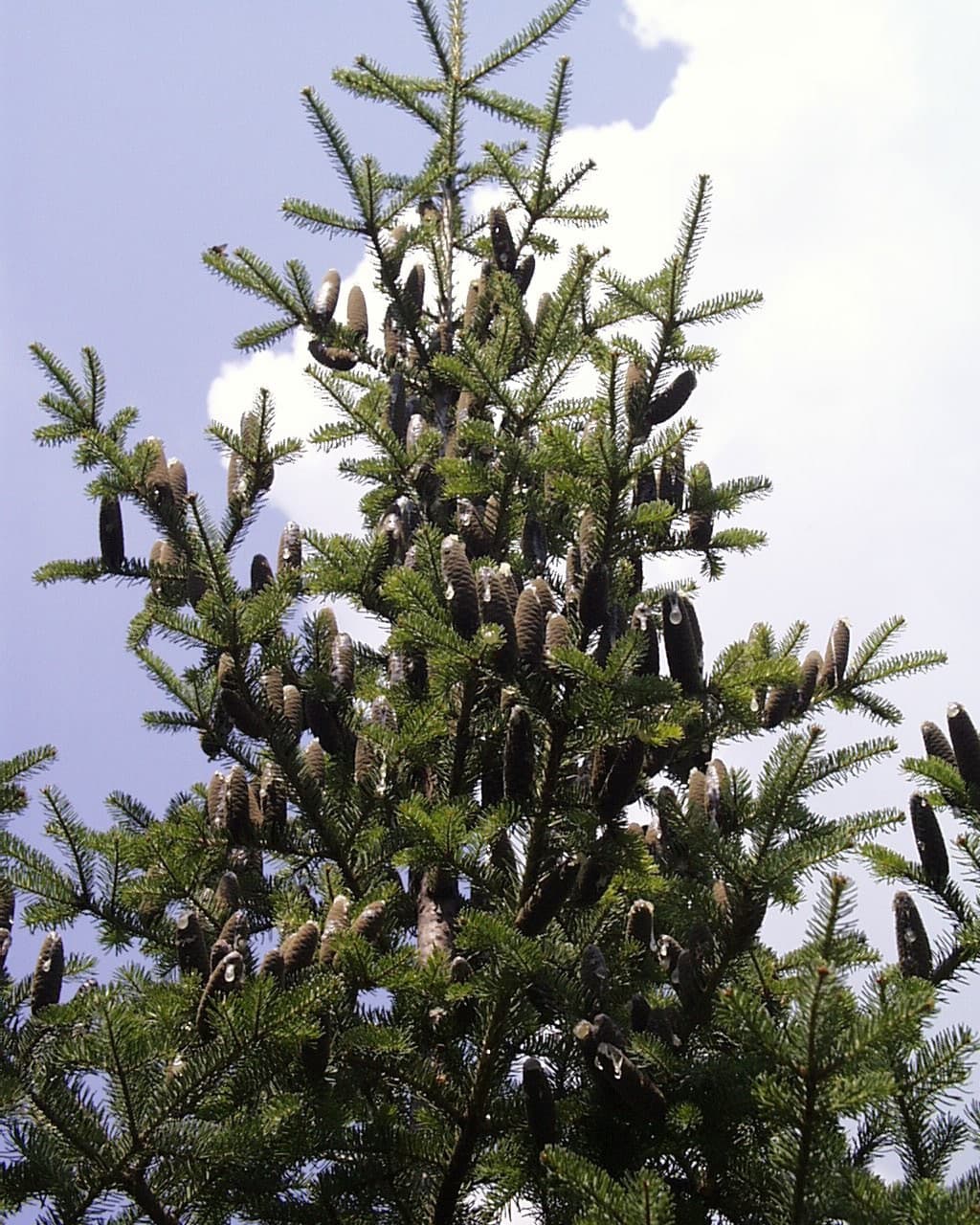
Dwarf Balsam Fir
Seldom damagedAbies balsamea 'Nana'
- Type
- Shrub
- Hardiness
- Zones 3–7
- Height
- 480–840 in
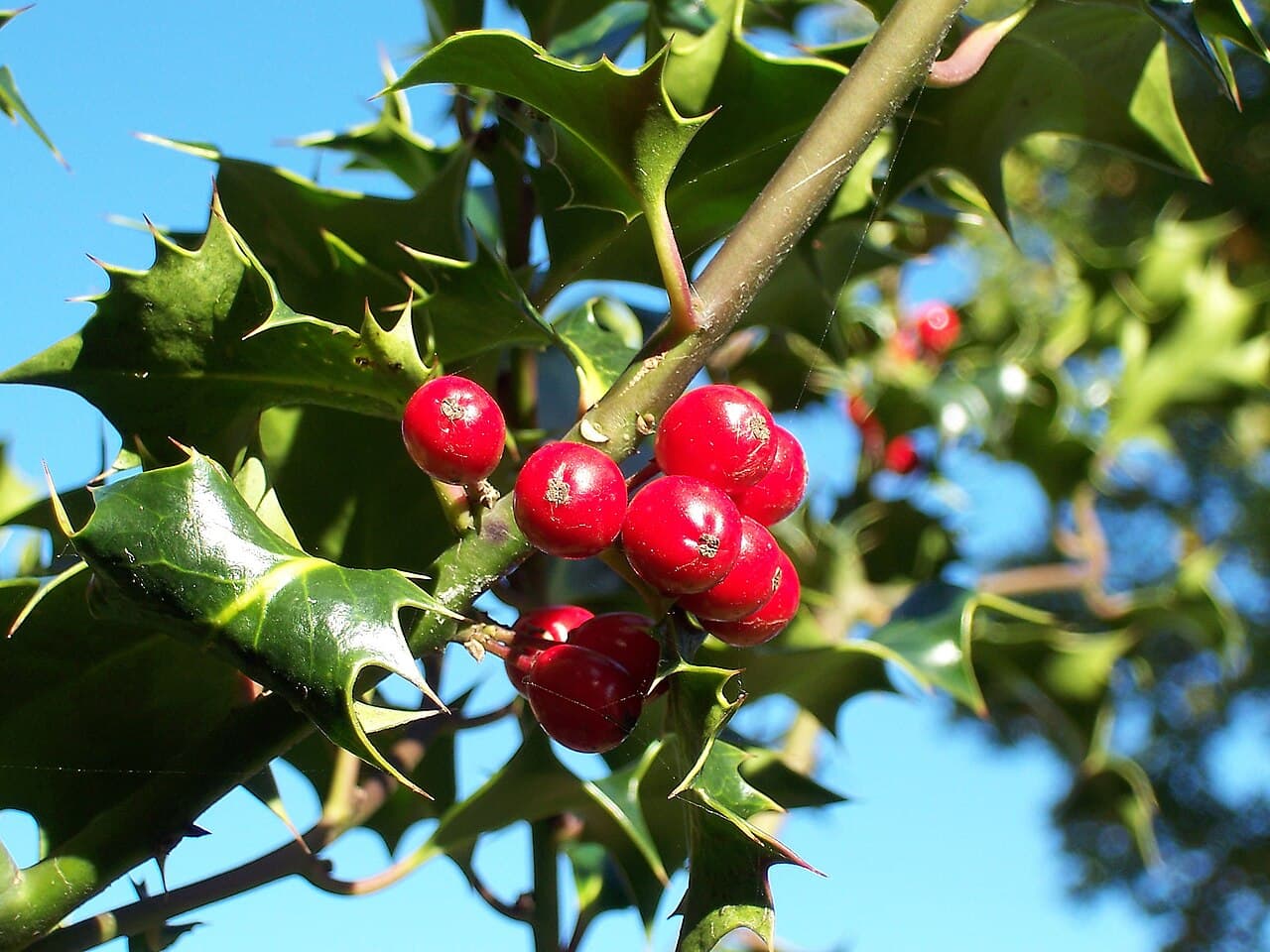
English Holly
Seldom damagedIlex aquifolium
- Type
- Shrub
- Hardiness
- Zones 7–8
- Height
- 360–600 in
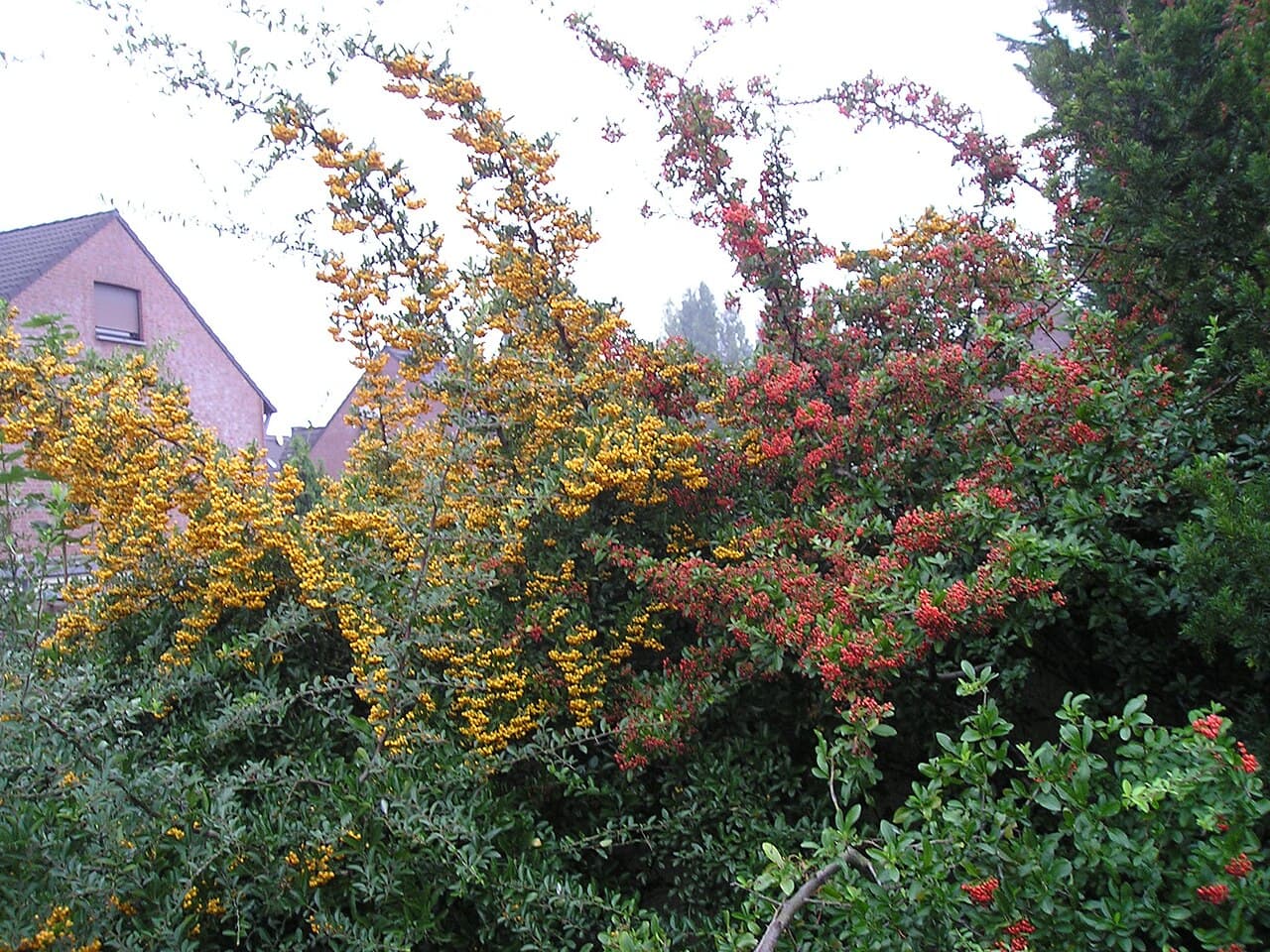
Firethorn
Seldom damagedPyracantha coccinea
- Type
- Shrub
- Hardiness
- Zones 6–9
- Height
- 72–216 in
Gardenia
Seldom damagedGardenia jasminoides
- Type
- Shrub
- Hardiness
- Zones 8–11
- Height
- 48–96 in
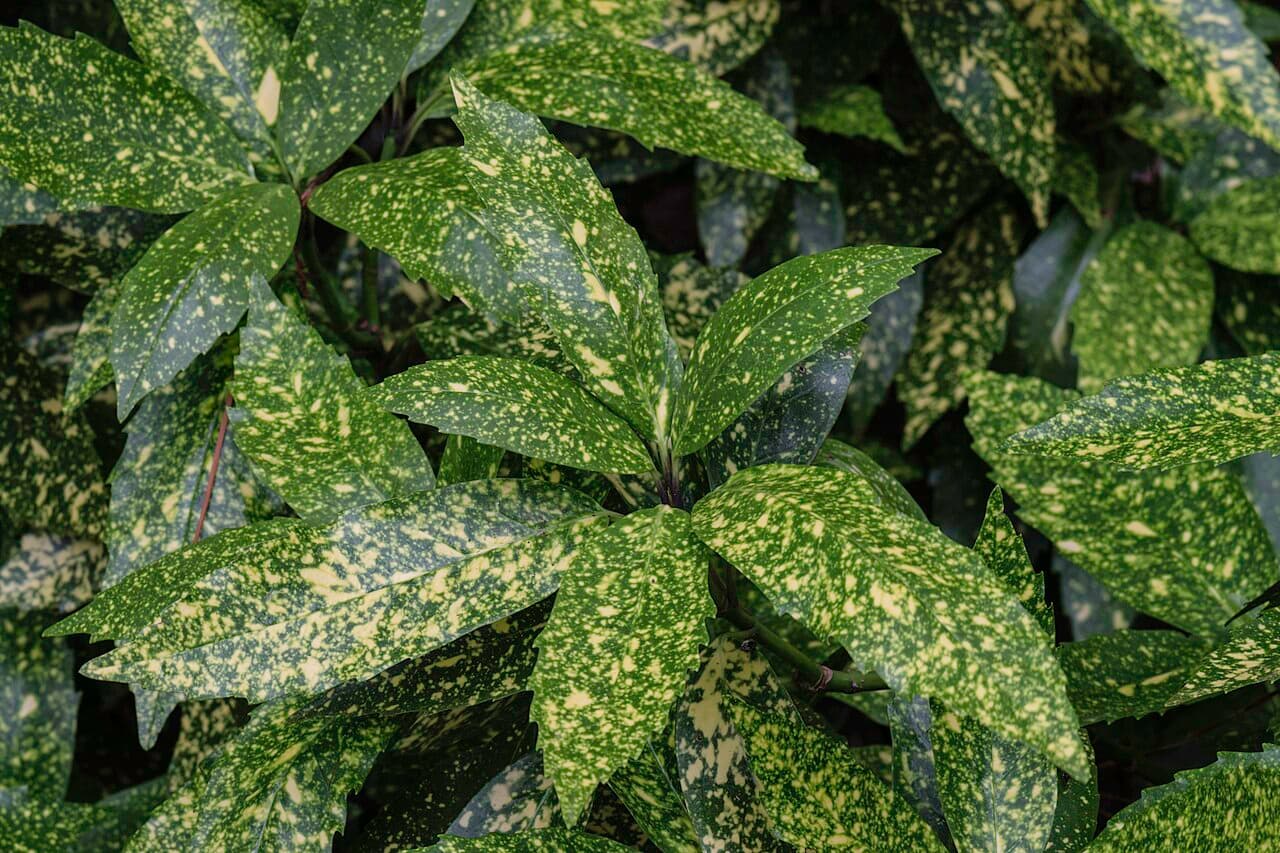
Goldust Plant
Seldom damagedAucuba japonica
- Type
- Shrub
- Hardiness
- Zones 7–10
- Height
- 72–120 in
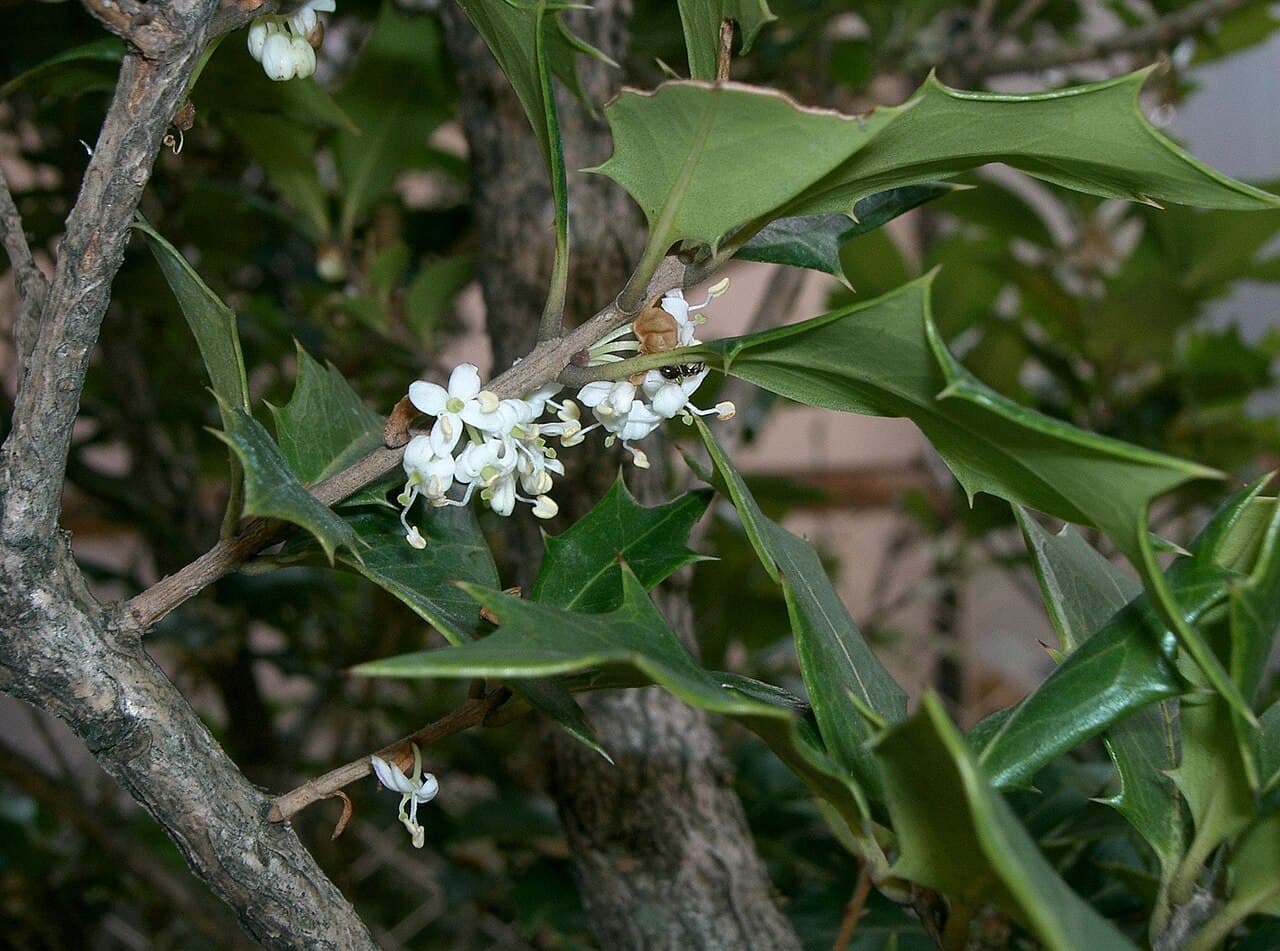
Holly Osmanthus
Seldom damagedOsmanthus heterophyllus
- Type
- Shrub
- Hardiness
- Zones 7–9
- Height
- 96–240 in
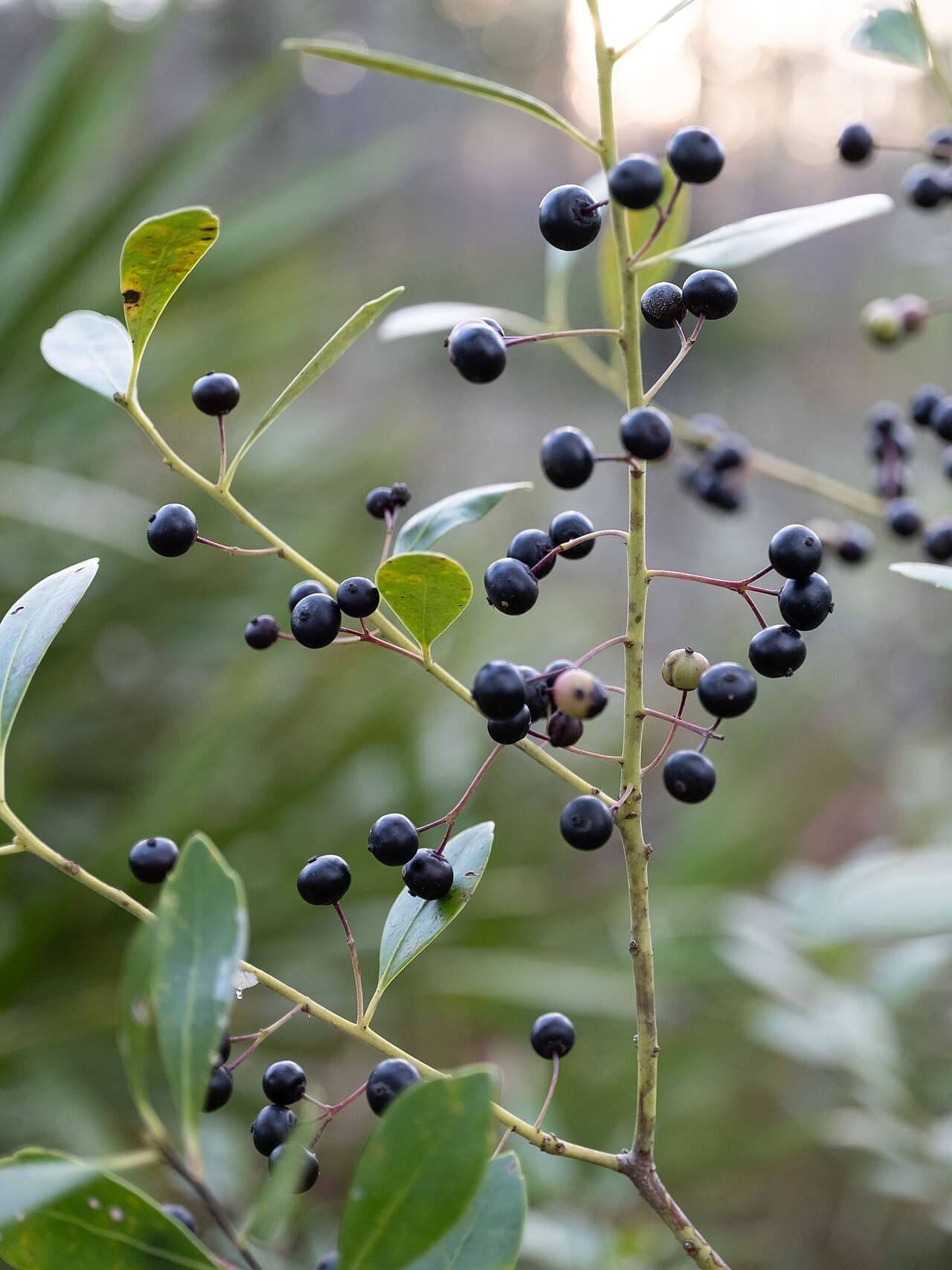
Inkberry
Seldom damagedIlex glabra
- Type
- Shrub
- Hardiness
- Zones 4–11
- Height
- 60–120 in
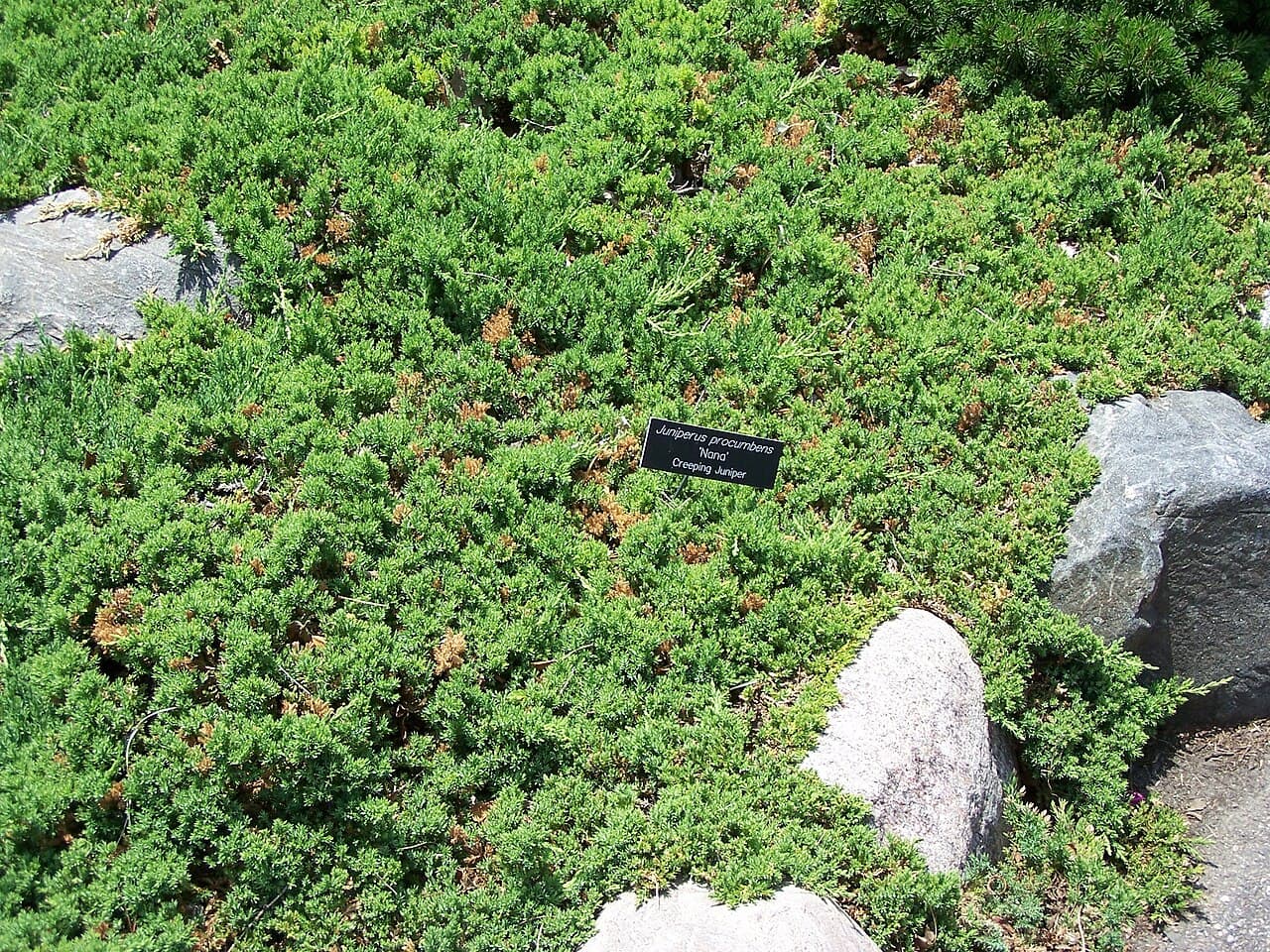
Japanese Garden Juniper
Seldom damagedJuniperus procumbens 'Nana'
- Type
- Shrub
- Hardiness
- Zones 4–9
- Height
- 6–18 in
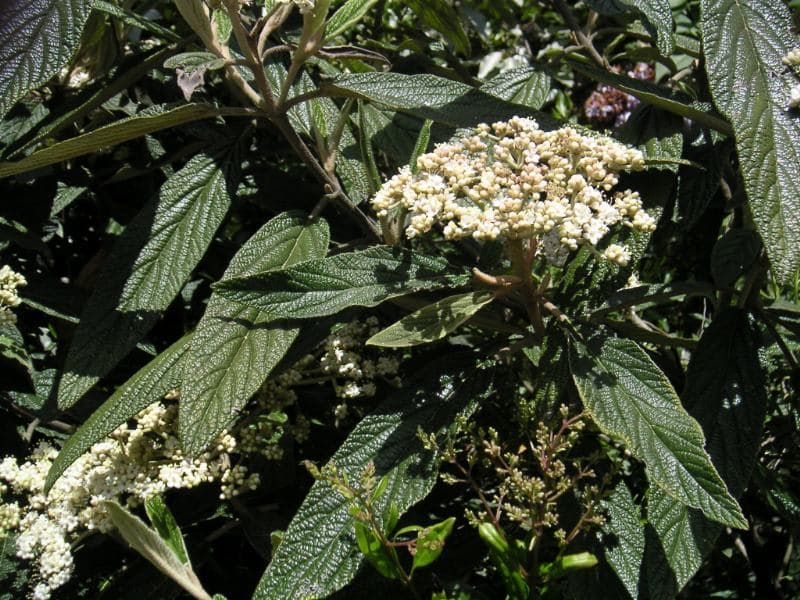
Leatherleaf Viburnum
Seldom damagedViburnum rhytidophyllum
- Type
- Shrub
- Hardiness
- Zones 5–8
- Height
- 120–180 in
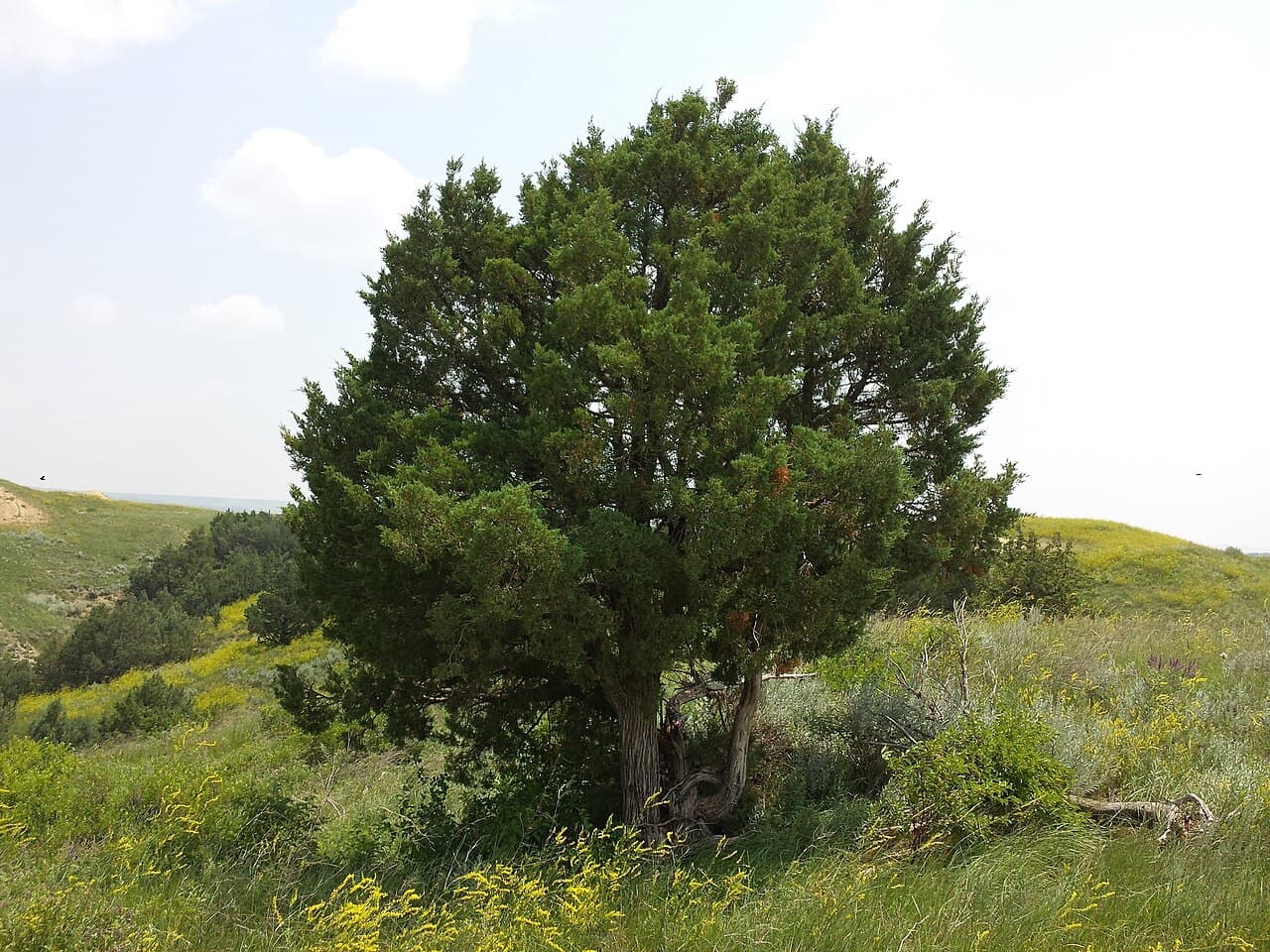
Mountain Juniper
Seldom damagedJuniperus scopulorum
- Type
- Shrub
- Hardiness
- Zones 3–7
- Height
- 360–480 in
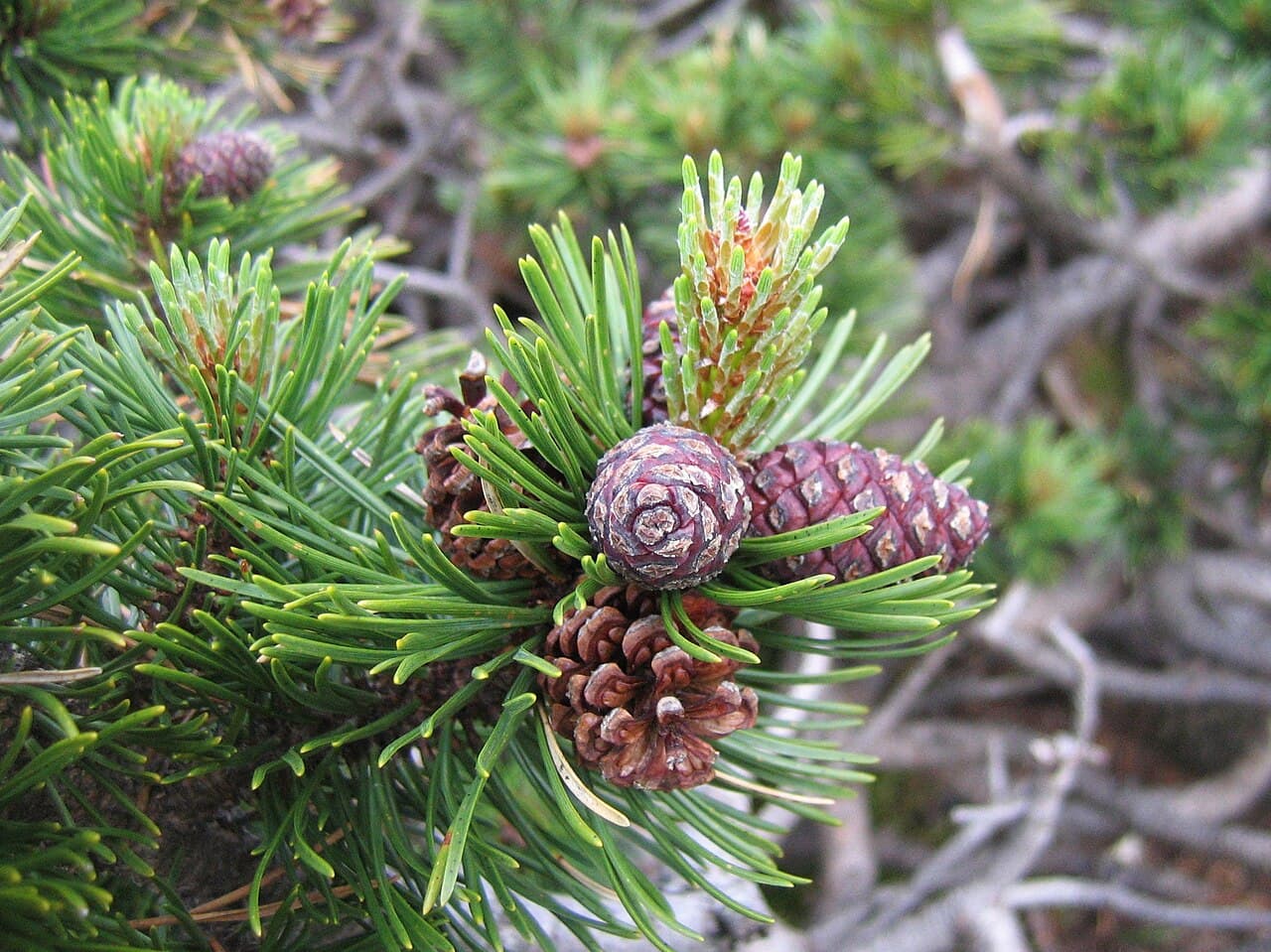
Mugo Pine
Seldom damagedPinus mugo
- Type
- Shrub
- Hardiness
- Zones 2–7
- Height
- 240–300 in
Oneseed Juniper
Seldom damagedJuniperus monosperma
- Type
- Shrub
- Hardiness
- Zones 4–8
- Height
- 480–480 in
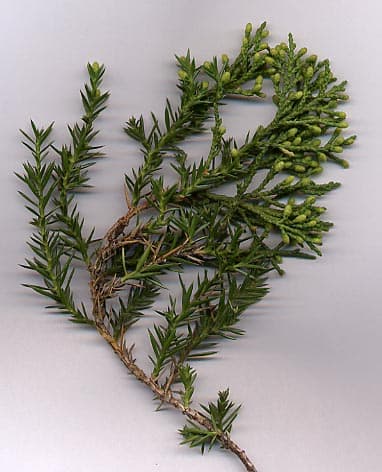
Pfitzer Juniper
Seldom damagedJuniperus chinensis 'Pfitzeriana'
- Type
- Shrub
- Hardiness
- Zones 4–9
- Height
- 600–720 in
White Sagebrush
Seldom damagedArtemisia ludoviciana
- Type
- Shrub
- Hardiness
- Zones 4–10
- Height
- 36–36 in
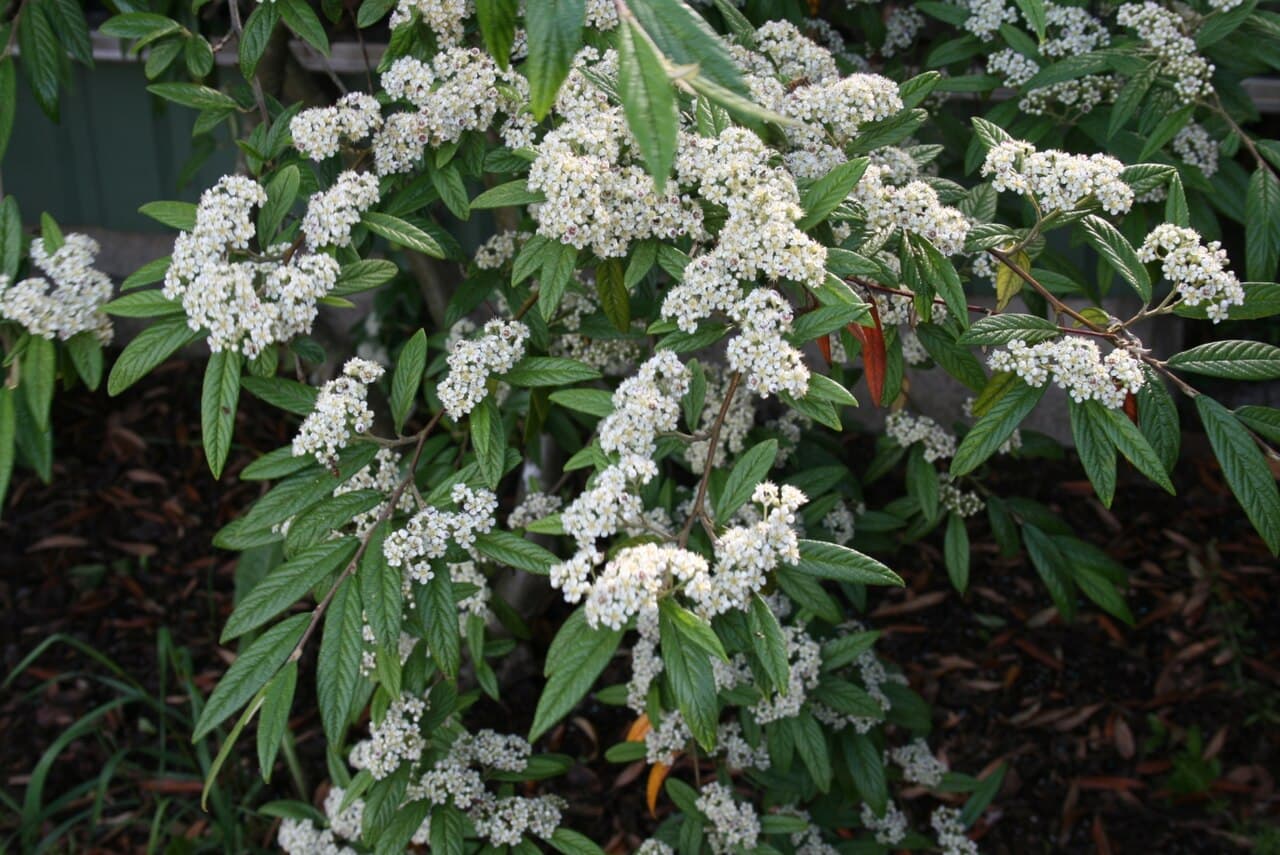
Willowleaf Cotoneaster
Seldom damagedCotoneaster salicifolius
- Type
- Shrub
- Hardiness
- Zones 6–8
- Height
- 24–36 in
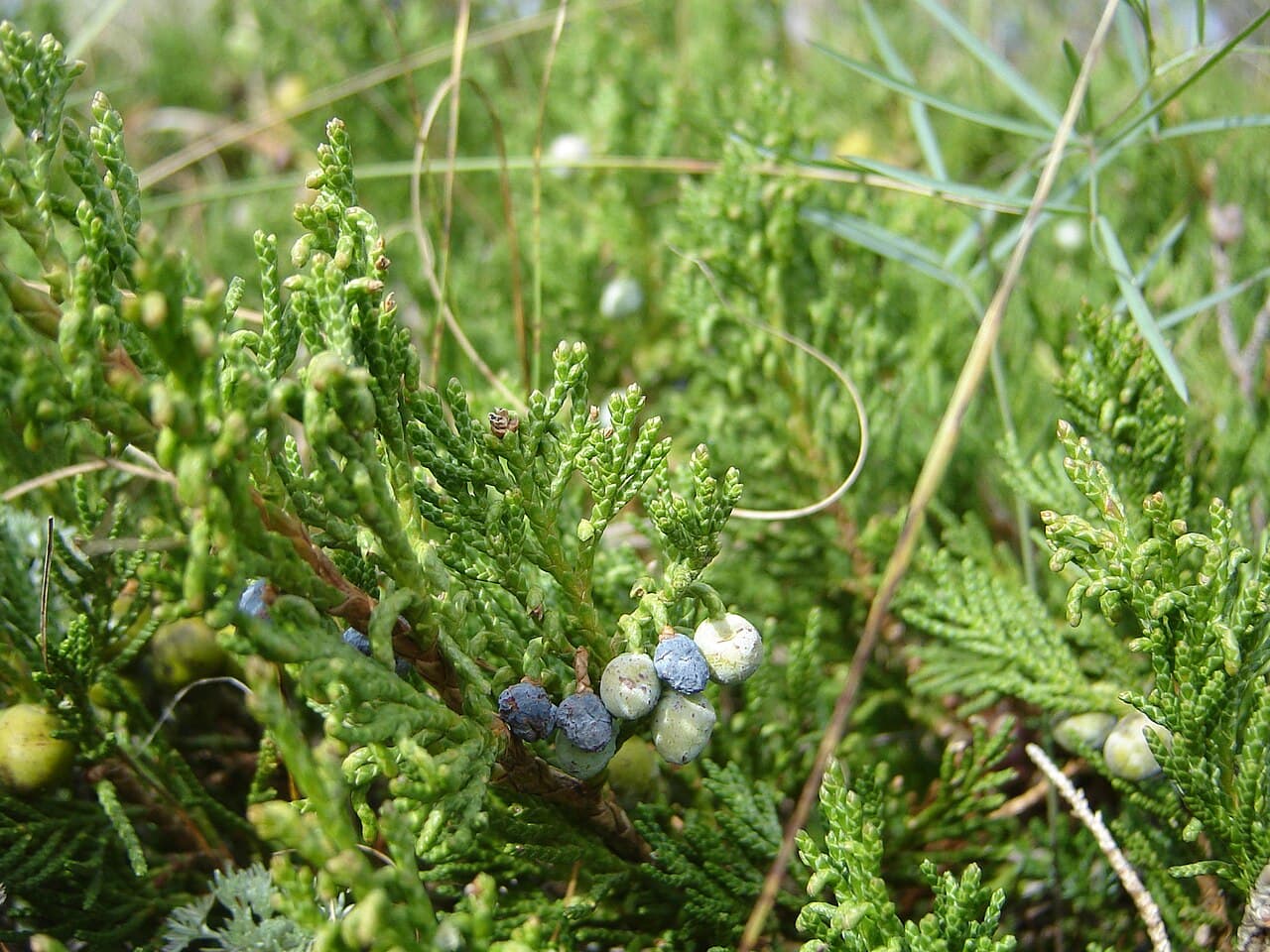
Youngstown Andorra Juniper
Seldom damagedJuniperus horizontalis 'Youngstown'
- Type
- Shrub
- Hardiness
- Zones 3–9
- Height
- 6–18 in
Occasionally Severely Damaged6
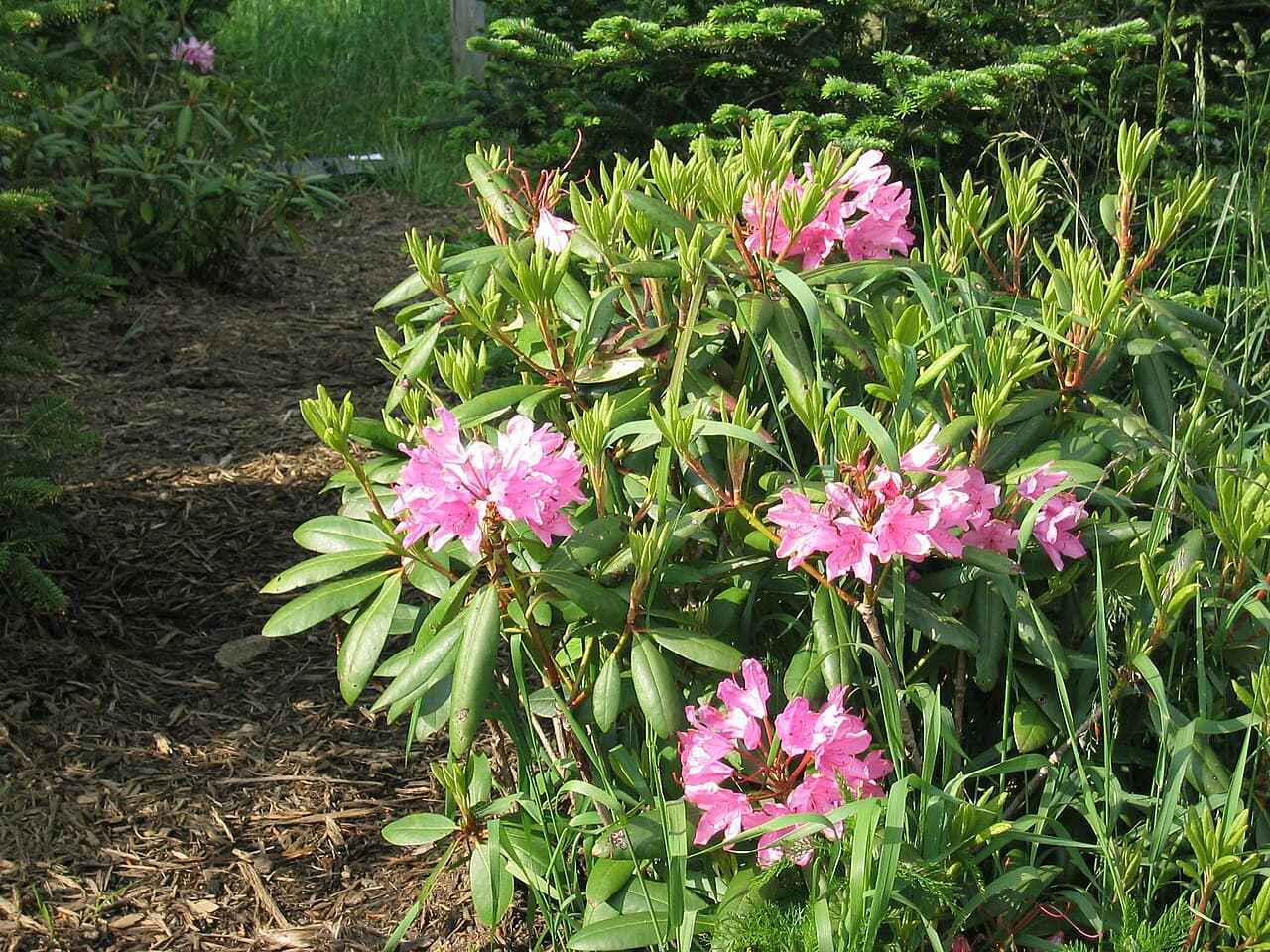
Catawba Rhododendron
Occasionally damagedRhododendron catawbiense
- Type
- Shrub
- Hardiness
- Zones 4–8
- Height
- 72–120 in
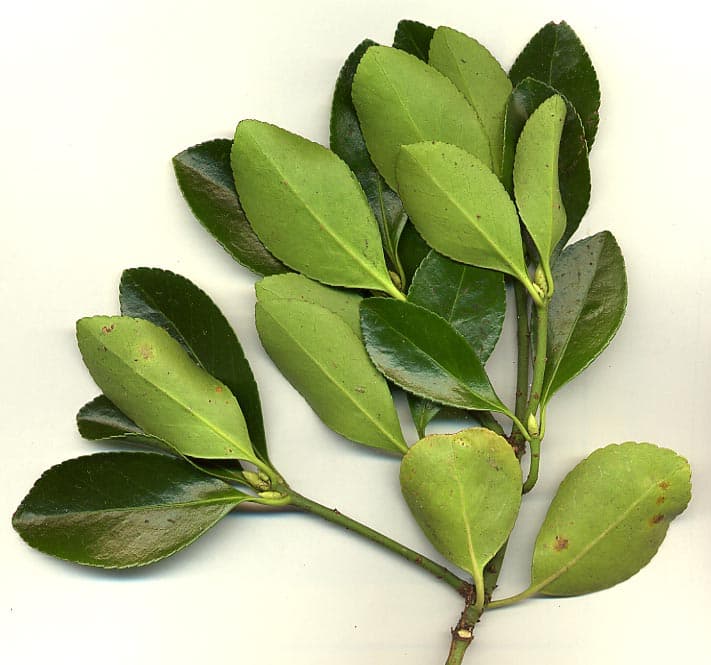
Japanese Euonymus
Occasionally damagedEuonymus japonicus
- Type
- Shrub
- Hardiness
- Zones 6–9
- Height
- 120–180 in
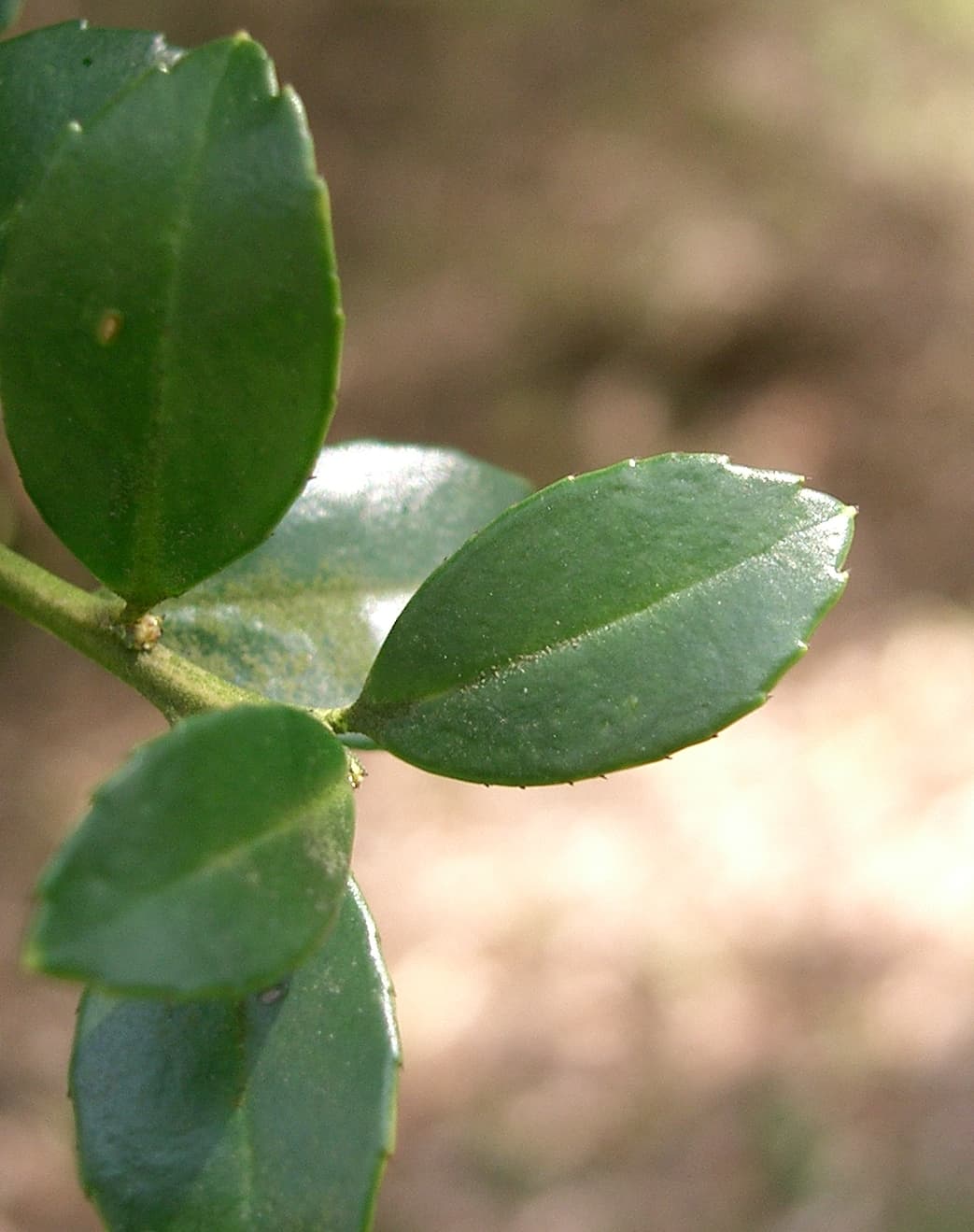
Japanese Holly
Occasionally damagedIlex crenata
- Type
- Shrub
- Hardiness
- Zones 5–8
- Height
- 60–120 in
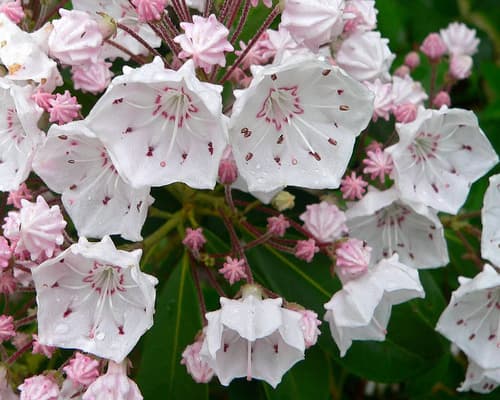
Mountain Laurel
Occasionally damagedKalmia latifolia
- Type
- Shrub
- Hardiness
- Zones 4–9
- Height
- 48–180 in
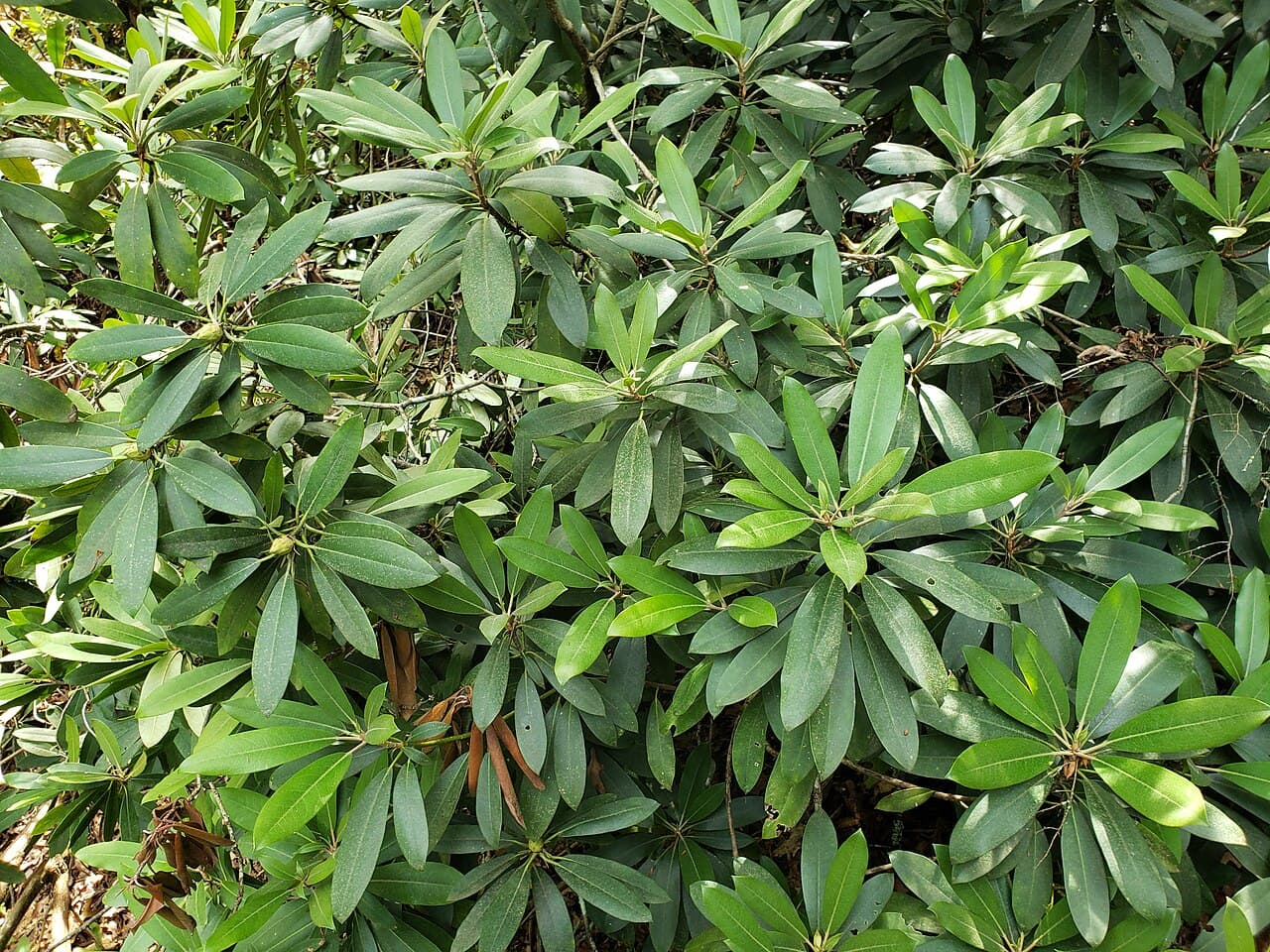
Rosebay Rhododendron
Occasionally damagedRhododendron maximum
- Type
- Shrub
- Hardiness
- Zones 4–8
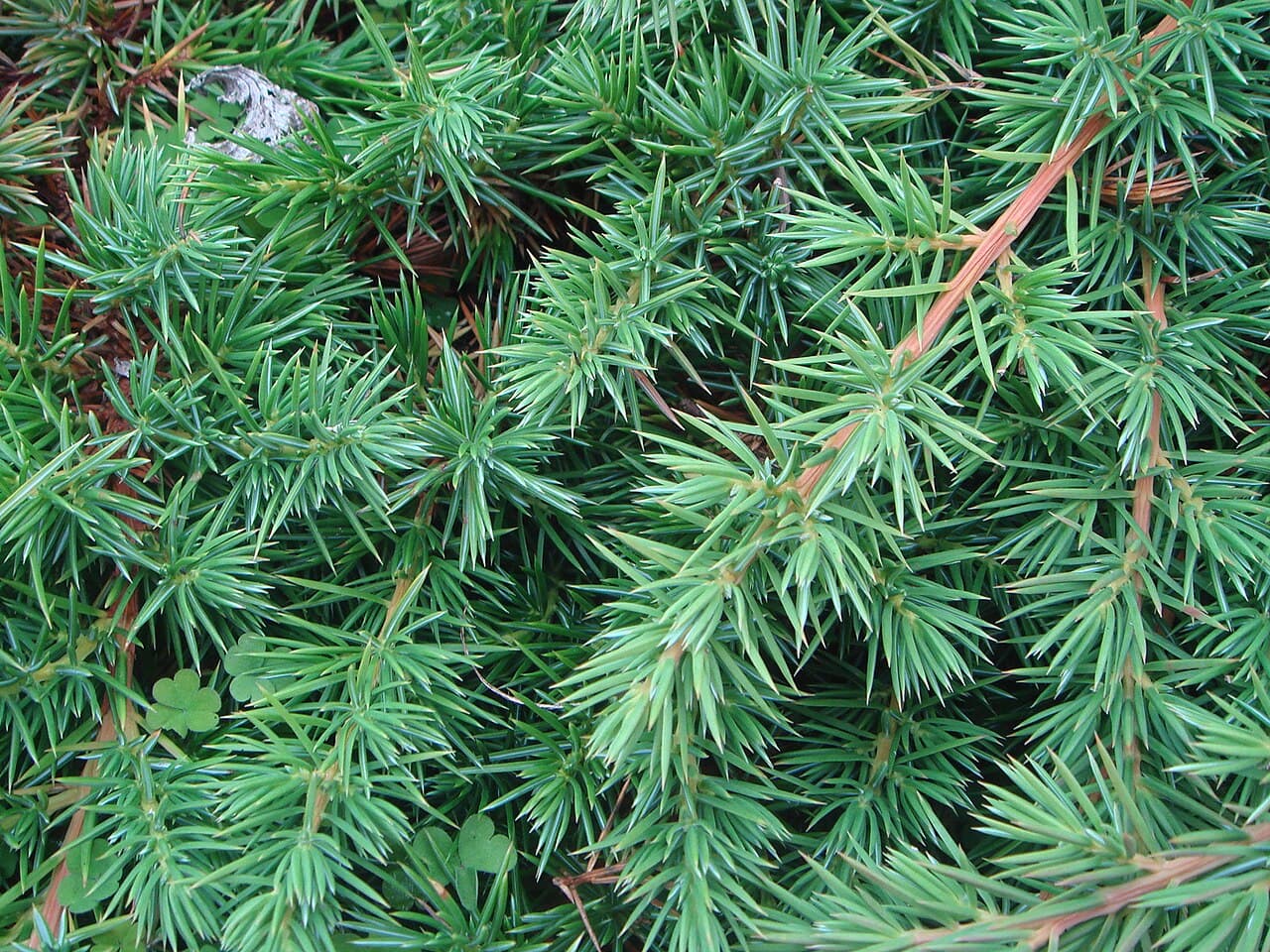
Shore Juniper
Occasionally damagedJuniperus conferta
- Type
- Shrub
- Hardiness
- Zones 6–9
- Height
- 12–18 in