
Plant record · Shrub · Lamiaceae
Is Rosemary deer resistant?
Salvia rosmarinus
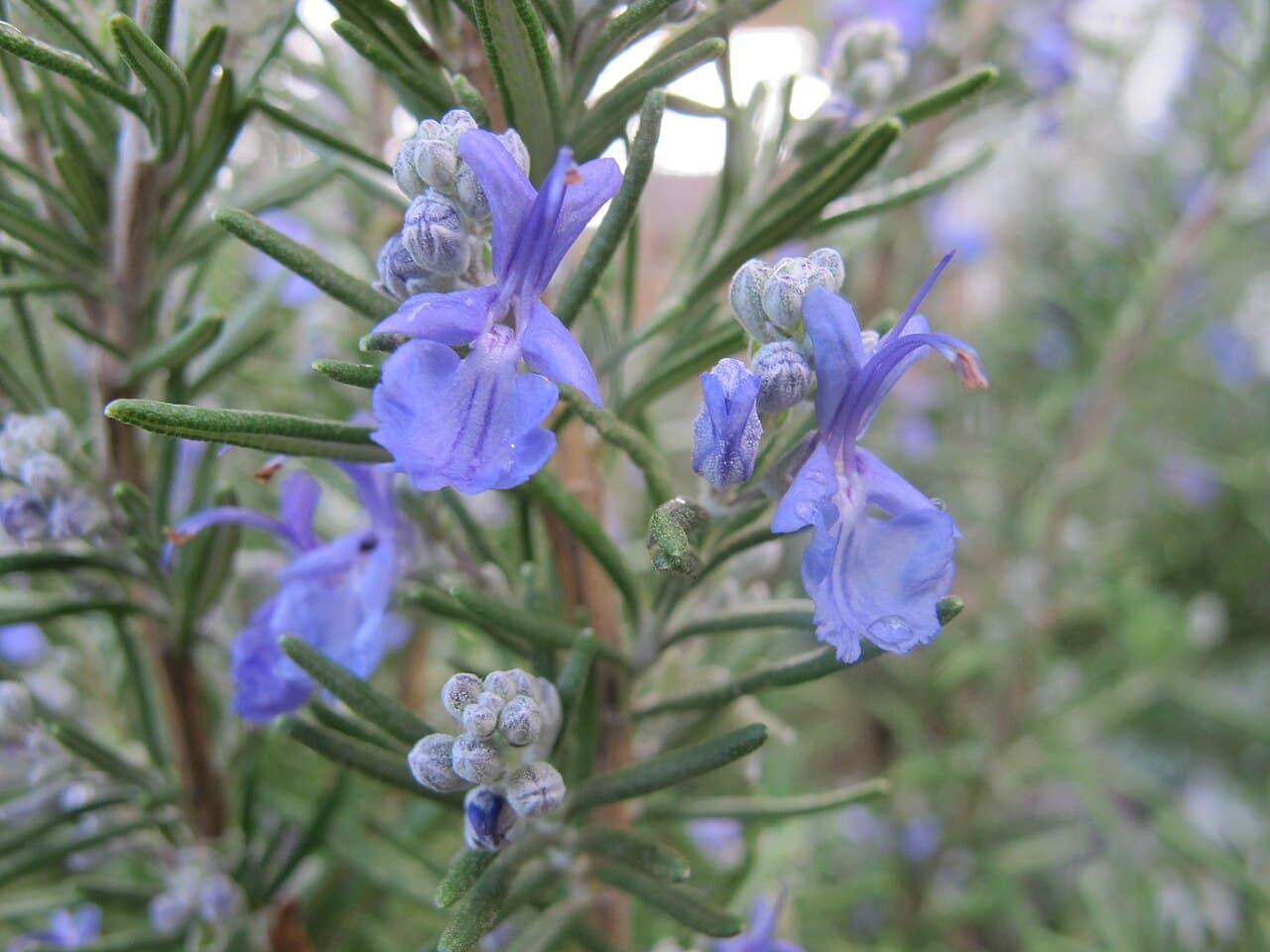
Yes. Deer almost always leave this alone.
- Type
- Shrub
- Hardiness
- Zones 8–10
- Light
- Full sun
- Height
- 48–60 in
- Bloom
- March–May
- Maintenance
- Low
- Family
- Lamiaceae
Damage steps follow a published university field scale. How plants are rated.
About Rosemary
Intensely aromatic, and one of the plants deer reliably refuse. Also genuinely useful in the kitchen, which is not true of most of this list.
Hardiness is the constraint. It is reliable to about zone 8, sometimes zone 7 with sharp drainage and a sheltered wall, and dies outright further north. Cold alone is not what kills it; cold plus wet is. A rosemary in heavy soil will rot over winter in a zone where the same plant survives easily in gravel.
North of that, grow it in a pot and bring it in. The usual indoor failure is the opposite of the outdoor one: overwatering. Let the pot dry out between waterings, give it the brightest window you have, and expect it to sulk until spring.
Do deer eat rosemary?
Rarely, and it is one of the plants the whole idea of deer resistance was built on. Rutgers rates it A, listing it among the annuals because in New Jersey it is one; Iowa State puts it in the top tier; NC State: "Highly salt and drought tolerant; resistant to damage by deer." The resin in the needle-like leaf is the reason, and it does not fade with the season the way a soft leaf's scent does.
Where it grows
NC State: zones 8a to 10b, full sun, 4 to 5 feet where it is hardy, flowering spring and summer, and resisting drought, heat, humidity, salt, poor soil and slugs. Every failure on its problem list is water: root rot, botrytis, "Overwatering causes plant decline or death," and "Difficult to overwinter indoors," which is the indoor problem in one line.
Protecting rosemary
Nothing from deer at any age. From winter, drainage first and shelter second, and a pot north of zone 8.
If it is browsed
A rosemary that has actually been browsed, which is unusual enough to be worth checking for the ragged tear that means deer rather than the clean cut that means rabbit, regrows from the stem behind the bite. Pruning into bare old wood is the standard warning for it, and the same warning applies to a shrub that has died back in a cold winter: what is bare stays bare, and the plant is replaced from a cutting.
Soil and care
- Soil pH
- 6 to 7.5
- Drainage
- Sharp, gritty. Will rot in wet soil
- Water
- Low
- Fertility
- Low
- Spacing
- 24 to 35 in apart
- Growth rate
- Moderate
- Maintenance
- Low
Tolerances and uses
- Drought
- High
- Salt
- High
- Pollinators
- High
Evergreen·Containers·Coastal sites
What to plant it with
Keep apart from
- Hosta
Same conflict. Rosemary needs sharp drainage and full sun, hosta needs moist shade.
Similar to Rosemary
Other shrubs with the same deer rating.
- Arrowwood ViburnumViburnum dentatumZones 2–8Rarely damaged
- BarberryBerberis sp.Zones 4–8, genus rangeRarely damaged
- BayberryMyrica pensylvanicaZones 3–7Rarely damaged
- Blue Mist ShrubCaryopteris clandonensisZones 6–9Rarely damaged
- BoxwoodBuxus sempervirensZones 5–8Rarely damaged
- BroomCytisus sp.Zones 5–8, genus rangeRarely damaged
Where Rosemary is used
One guide on this site plants it, and says where and what beside it.
Where Rosemary grows
Hardy across 23 states on zone range alone. Mountain and coastal areas sit outside the ranges used here, so check your own zone before ordering. Select any state, including one it will not grow in, for what is resistant there.
Choose a state from the listeasier on a phone
- Pennsylvania
- New Jersey
- New York
- Connecticut
- Massachusetts
- Virginia
- Maryland
- Michigan
- Wisconsin
- Ohio
- Indiana
- Illinois
- Minnesota
- Missouri
- North Carolina
- Tennessee
- Georgia
- Texas
- Colorado
- California
- Oregon
- Washington
- New Hampshire
- Vermont
- Maine
- Rhode Island
- Delaware
- West Virginia
- Kentucky
- South Carolina
- Florida
- Alabama
- Mississippi
- Louisiana
- Arkansas
- Oklahoma
- Kansas
- Nebraska
- Iowa
- North Dakota
- South Dakota
- Montana
- Wyoming
- Idaho
- Utah
- Nevada
- Arizona
- New Mexico
- Alaska
- District of Columbia
- Hawaii
Common questions about Rosemary
- Is Rosemary deer resistant?
- Rosemary (Salvia rosmarinus) is rated Rarely Damaged, step 1 of 4 on the damage scale this site uses. Deer almost always leave this alone.
- What hardiness zones does Rosemary grow in?
- Rosemary is hardy in USDA zones 8 to 10. Outside that range it will either not survive winter or will struggle with summer heat.
- Does Rosemary grow in shade?
- No. Rosemary wants full sun and will grow thin and flop in shade.
- How big does Rosemary get?
- Mature height is roughly 48–60 in. Growth rate is moderate.
- When does Rosemary bloom?
- Rosemary flowers from March–May.
Browse from here
Every list Rosemary belongs to.
All shrubs·Rarely damaged·Full sun plants·Evergreen shrubs