
Deer-resistant shrubs
Shrubs are the most expensive deer mistake available. A browsed perennial regrows in spring, but a shrub eaten back to bare wood often never recovers its shape. Getting this layer right matters more than any other planting decision.
155 plants · page 2 of 3
What the ratings on this page mean
Every shrub below carries a rating from the Rutgers NJAES scale, which is the standard most extension services use and the only widely published rating built on sustained field observation rather than opinion. It has four tiers: rarely damaged, seldom severely damaged, occasionally severely damaged, and frequently severely damaged.
The encyclopedia holds 134 shrubs. Twenty-nine are rarely damaged and 75 are seldom severely damaged, so 104 of them are shrubs a deer will normally walk past. Twenty-six are occasionally severely damaged. Four are frequently severely damaged, which is the polite way of saying deer eat them.
Nothing on this page is deer proof, and any page that tells you otherwise is selling something. A rating describes what deer did to a plant under observation, in a particular place, under a particular amount of pressure. Your garden is a different experiment.
The four shrubs deer will destroy
There are only four in the frequently severely damaged tier, and between them they account for an enormous amount of wasted money:
- Rhododendron
- Evergreen azalea
- Pinxterbloom azalea
- Japanese yew
Rhododendron and yew in particular are winter browse: they hold leaves when nothing else does, which is exactly when a deer is hungriest and least fussy.
A browsed perennial regrows from the crown in spring and you lose a season. A rhododendron eaten back to bare wood often never recovers its shape at all, because it does not reliably break new growth from old wood. You lose the plant, the ten years it spent getting to that size, and the money.
Toxicity does not predict browsing, and yew proves it
The most common folk theory about deer-resistant planting is that deer avoid toxic plants. It is wrong often enough to be actively misleading, and the clearest counterexample is sitting in the list above.
Japanese yew contains taxine alkaloids. It is genuinely lethal to horses and cattle, in quantities small enough that a few clippings thrown over a fence have killed livestock. Deer browse it heavily anyway and suffer no apparent harm.
The same pattern shows up inside a single plant family. Pieris, mountain laurel and rhododendron are all in the heath family and all carry grayanotoxins. In our own data they land in three different tiers: Japanese pieris and mountain pieris are rarely damaged, mountain laurel is occasionally severely damaged, and rhododendron is frequently severely damaged. If toxicity drove the outcome, those three would not be spread across the whole scale.
Deer are browsers with a rumen and a long evolutionary history of eating things that would make a human very ill. Toxicity is a defense against something else.
What actually keeps deer off a shrub
Three things do most of the work, and they are all detectable by nose or mouth before the animal commits to a bite.
Strong aromatic oils. Bayberry, rosemary, blue mist shrub and fragrant sumac are all in the resistant tiers, and all of them release volatile oils when brushed. A deer relies on smell to find food and to detect predators, and a shrub that floods that channel is a shrub it would rather walk past.
Spines and prickles. Barberry, mahonia and devil's walking stick are armed, and deer feed with their lips. Oregon grape holly and leatherleaf mahonia have holly-like leaves with genuinely sharp margins, and both are rarely damaged.
Texture that is not worth the effort. Boxwood has small, leathery, bitter leaves with a low return per bite. Sweet box and drooping leucothoe are similar. None of these are dramatic defenses; they simply make a shrub a poor use of the twenty seconds a deer spends deciding.
Choosing a shrub for hedging and screening
Screening is where most people meet this problem, because a hedge is a large purchase and a browsed hedge looks worse than no hedge.
| Shrub | Rating | Habit | Roughly | Use it when |
|---|---|---|---|---|
| Boxwood | Rarely damaged | Evergreen, dense, slow | 3 to 6 ft | You want a formal, clipped edge and can wait for it |
| Japanese pieris | Rarely damaged | Evergreen, upright | 6 to 10 ft | You want evergreen screening with spring flower |
| Bayberry | Rarely damaged | Semi-evergreen, suckering | 6 to 8 ft | Poor soil, salt, coastal exposure, informal screening |
| Oregon grape holly | Rarely damaged | Evergreen, spiny | 3 to 6 ft | You want a barrier that discourages people too |
| Arrowwood viburnum | Rarely damaged | Deciduous, broad | 6 to 10 ft | Native planting, fast screening, birds |
| Sweet box | Rarely damaged | Evergreen, low | 1 to 3 ft | Shade, under trees, low edging |
If year-round cover is the whole point, the evergreen shrubs list narrows this to the ones that hold their leaves, and it is worth reading with one caution in mind: holding foliage through winter is exactly what makes a shrub valuable to you and valuable to a deer in February. If you want flower instead, flowering shrubs sorts the same list by bloom.
Two notes on that table. Slow-growing evergreens like boxwood are the most expensive way to make a hedge and the most durable once made, so buy the largest plants the budget allows rather than more small ones. And a mixed hedge of three or four of these will survive a bad browsing year far better than a monoculture, because local deer populations develop local habits.
Shrubs for shade, which is where this gets hard
Shade is the constraint that eliminates most of the usual advice, and it is the most common thing people are actually searching for. The problem is structural: a great deal of deer resistance comes from aromatic oils, and the shrubs that produce them heavily are overwhelmingly sun plants adapted to dry, exposed sites. Rosemary, lavender, blue mist shrub and broom all want sun. In a shaded north bed, none of them are an option, and the defense they rely on is not available to you.
What works in shade tends to rely on the other two defenses instead. Sweet box is the strongest low option: evergreen, rarely damaged, genuinely happy in deep shade under trees, and quietly fragrant in late winter when nothing else is. Drooping leucothoe handles part shade and moist soil, arches attractively over a bank, and is rated rarely damaged. Japanese pieris takes part shade and is the best evergreen structure available in this group. Oregon grape holly and leatherleaf mahonia both tolerate shade and bring the spiny defense with them, which is why they hold up where softer shade plants do not.
The trap in a shaded garden is that the obvious answers are the worst ones. Rhododendron, azalea and mountain laurel are the classic shade shrubs in most of the eastern United States, and three of the four worst-rated shrubs on this entire page come from that group. A shaded woodland edge planted conventionally is close to the ideal deer buffet, which is exactly why so many people arrive at a page like this one after losing a bed.
Filter the list below by sun requirement before anything else. The plant has to survive the site before deer resistance means anything, and there is a shade-specific list if that is your whole problem.
The resistant list includes plants you should not plant
This is the part most deer-resistant plant lists leave out, and it is the reason to read a rating alongside something else.
Nine of the 134 shrubs here are flagged as invasive somewhere in the United States. Four of those nine sit in the rarely damaged tier, which is to say that some of the most reliably deer-proof shrubs available are also among the worst things you can put in the ground:
| Shrub | Rating | Listed invasive in |
|---|---|---|
| Multiflora rose | Occasionally severely damaged | 17 states |
| Fall olive | Seldom severely damaged | 15 states |
| Buckthorn | Seldom severely damaged | 13 states |
| Privet | Seldom severely damaged | 12 states |
| Winged euonymus | Occasionally severely damaged | 12 states |
| Barberry | Rarely damaged | 10 states |
| Russian olive | Rarely damaged | 10 states |
| Japanese barberry | Rarely damaged | 8 states |
| Butterfly bush | Rarely damaged | 2 states |
There is no contradiction here once you see what the Rutgers scale measures. It rates palatability to deer. It does not rate ecological impact, and it was never meant to. Japanese barberry is superbly deer resistant and it also forms dense thickets that raise tick populations and displace native understorey. Both things are true.
Deer pressure is part of why several of these spread so successfully in the first place: browsing removes the native competition and leaves the unpalatable invader standing. Planting more of it is not a neutral act.
Check your own state before buying. Lists change yearly and vary by county.
What changes the answer in your garden
A rating is a starting position, not a guarantee. Four things move it.
Winter. Late winter is when resistant plantings get tested, because the easy food is gone. This is when evergreen shrubs get browsed and when a plant that was ignored for three years suddenly is not.
New plantings. A shrub straight from a nursery has been fed, watered and grown soft under irrigation. It is more palatable than the same species that has been in your ground for two years, and the first winter is the risky one. This is the single most common reason someone reports that a deer-resistant shrub was eaten.
Local population. Deer learn regionally. A shrub reliably ignored in one county gets browsed in the next, and there is no substitute for looking at what survives in gardens near you.
Density. Where the herd is large relative to the browse available, the whole scale compresses. Under heavy enough pressure, deer eat boxwood.
If deer have already found a shrub
Damage to an established shrub is worth acting on quickly, because the recovery curve for woody plants is measured in years.
First, confirm it is deer. Deer have no upper incisors, so they tear rather than cut and leave a ragged, stripped stub. A clean cut at 45 degrees is rabbits. Telling the damage apart is worth two minutes before you spend anything.
Then choose the level of protection the plant justifies. A cage of welded wire around one valuable shrub costs very little and works completely. A perimeter is a different order of expense, and what a deer fence costs depends on perimeter length far more than on area. If you go that way, eight feet is the working height and six is the most common expensive mistake.
Repellents work on shrubs better than on most things, because the target is small, fixed and reachable. The egg-based homemade repellent reproduces the active ingredient in the sprays that win university trials, and a shrub is a realistic thing to keep reapplying to.
For young trees and newly planted shrubs, the greater risk is not browsing at all. A buck rubbing his antlers on a two-inch stem in fall can girdle it and kill it outright in one night.
How to use the list below
The shrubs are grouped by rating, best first. Every entry carries its hardiness range, sun requirement and mature size, and every hardiness range has been checked against the NC State Extension plant toolbox rather than taken on trust.
Start in the rarely damaged group and filter by what your site actually offers. A perfectly deer-proof shrub that wants full sun will not save a shaded north bed, and matching the site is what makes the planting survive everything other than deer.
Seldom Severely Damaged60
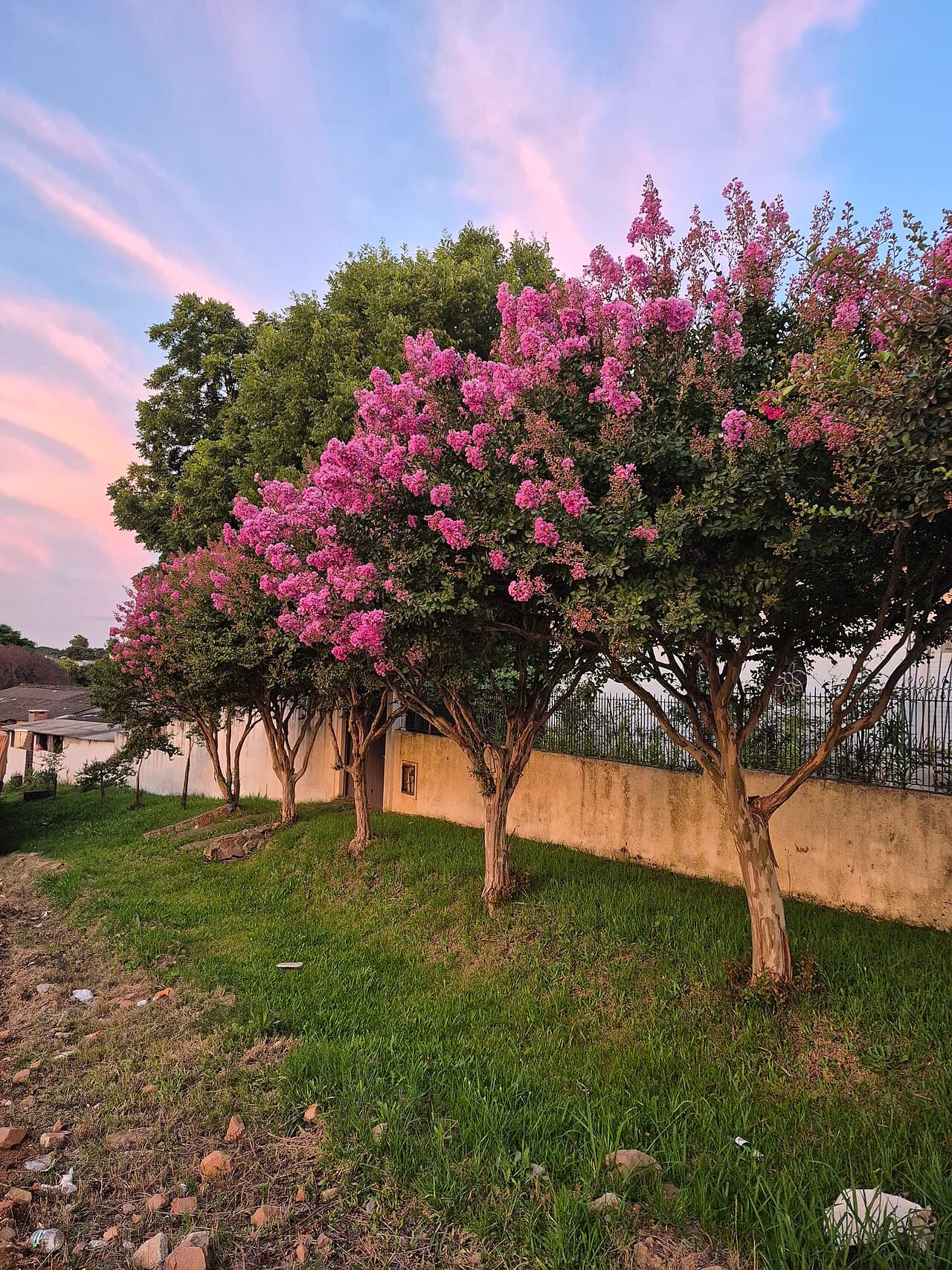
Crape Myrtle
Seldom damagedLagerstroemia indica
- Type
- Shrub
- Hardiness
- Zones 6–9
- Height
- 72–360 in
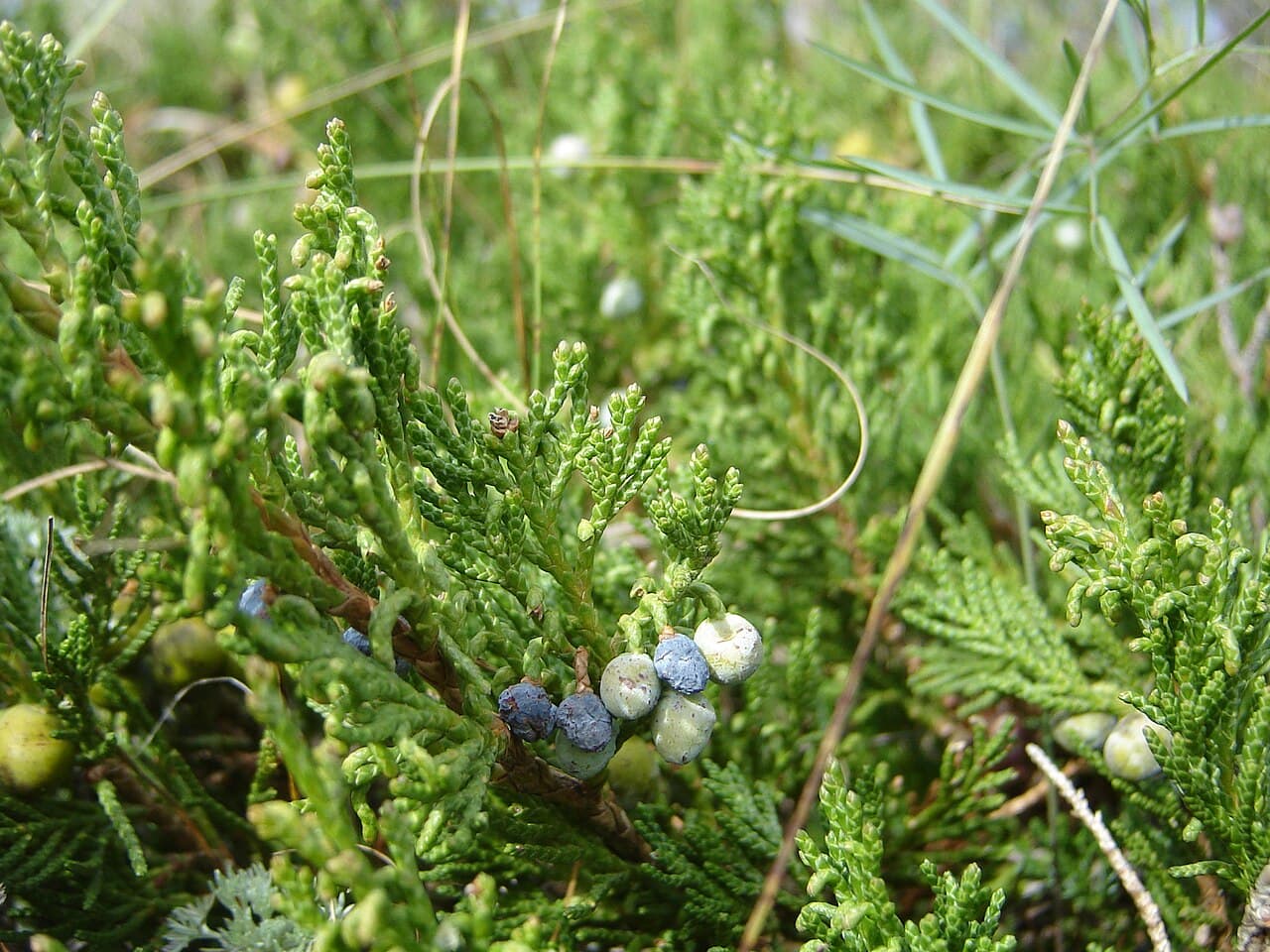
Creeping Juniper
Seldom damagedJuniperus horizontalis
- Type
- Shrub
- Hardiness
- Zones 3–9
- Height
- 6–18 in
Curl-Leaf Mountain Mahogany
Seldom damagedCercocarpus ledifolius
- Type
- Shrub
- Height
- 360–360 in
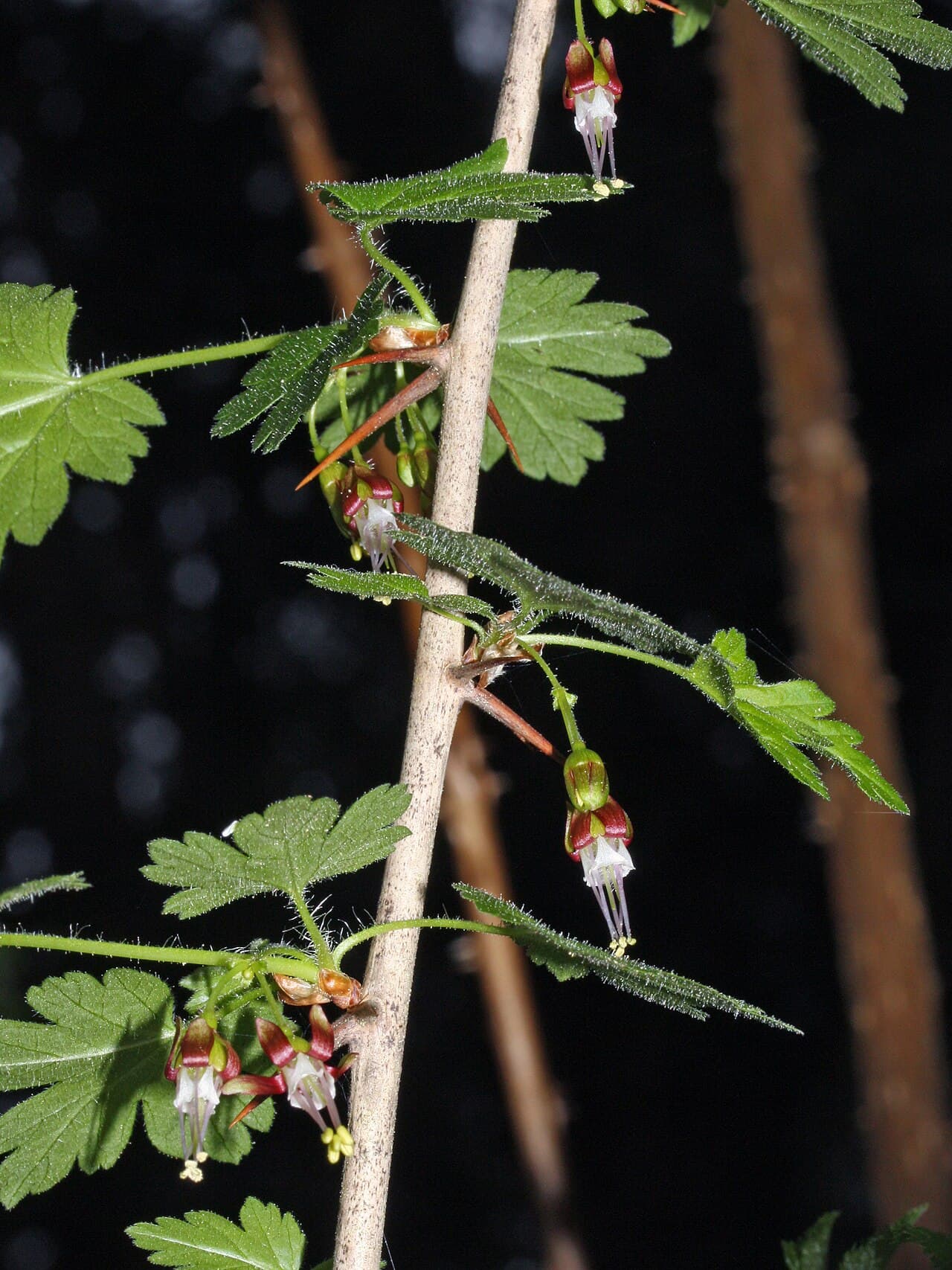
Currant
Seldom damagedRibes sp.
- Type
- Shrub
- Hardiness
- Zones 3–8, genus range
Delicious Raspberry
Seldom damagedRubus deliciosus
- Type
- Shrub
- Height
- 72–72 in
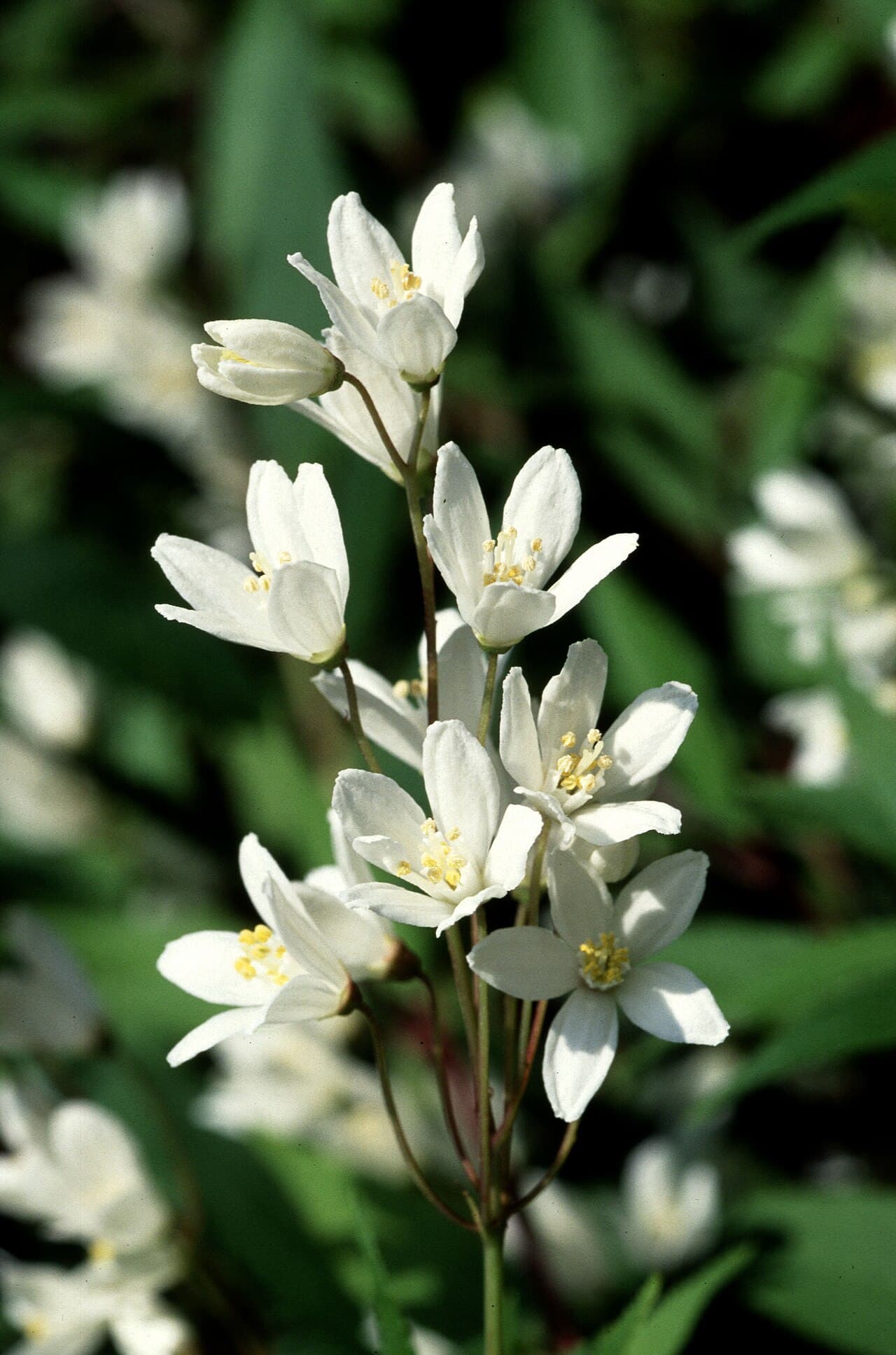
Deutzia
Seldom damagedDeutzia sp.
- Type
- Shrub
- Hardiness
- Zones 5–8, genus range
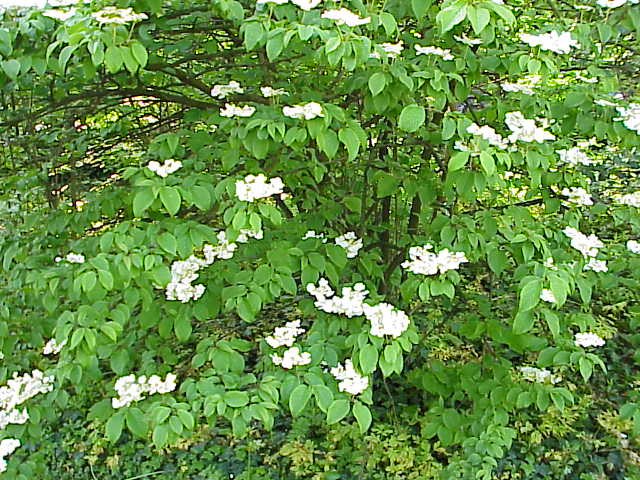
Doublefile Viburnum
Seldom damagedViburnum plicatum tomentosum
- Type
- Shrub
- Hardiness
- Zones 5–8
- Height
- 96–180 in
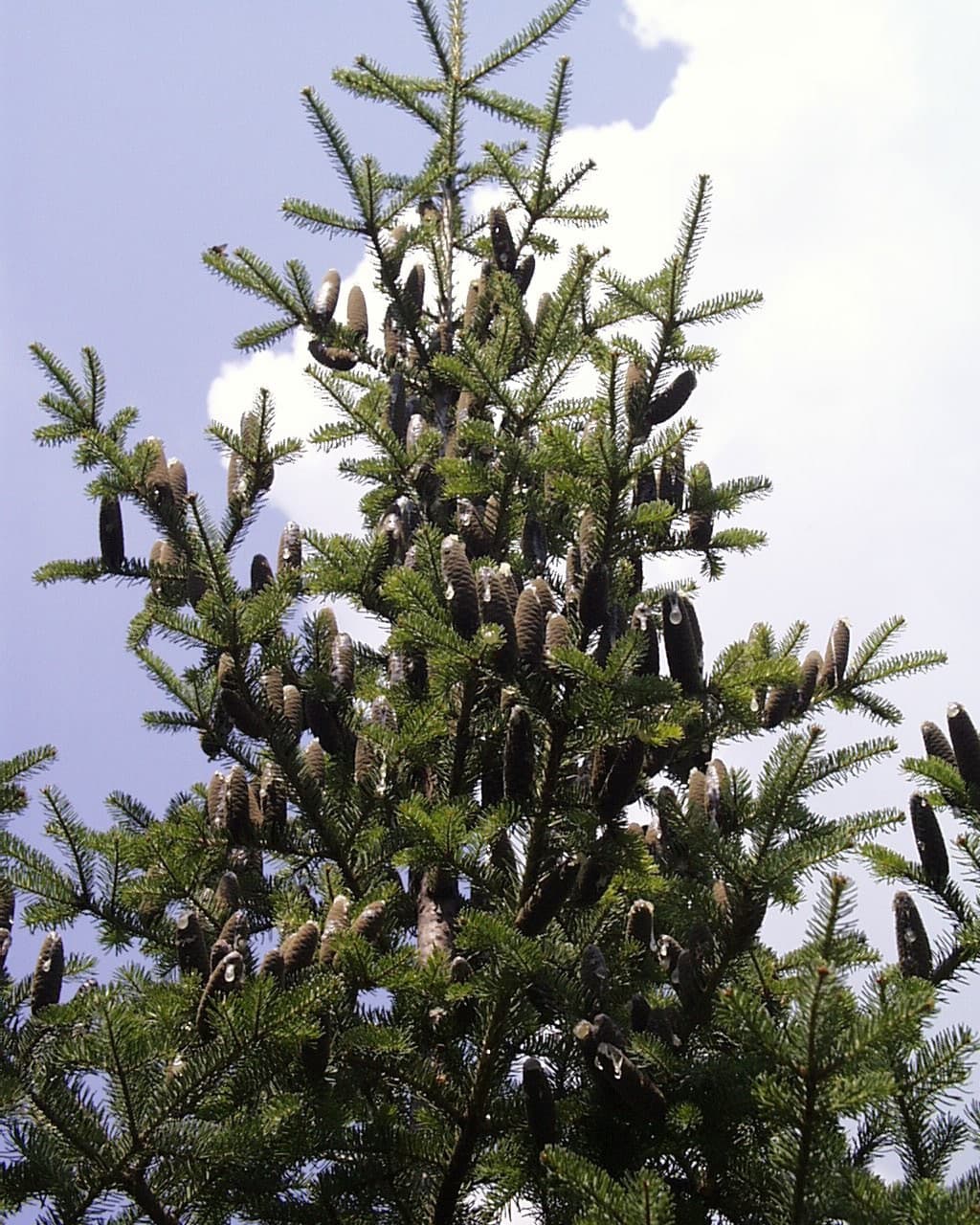
Dwarf Balsam Fir
Seldom damagedAbies balsamea 'Nana'
- Type
- Shrub
- Hardiness
- Zones 3–7
- Height
- 480–840 in
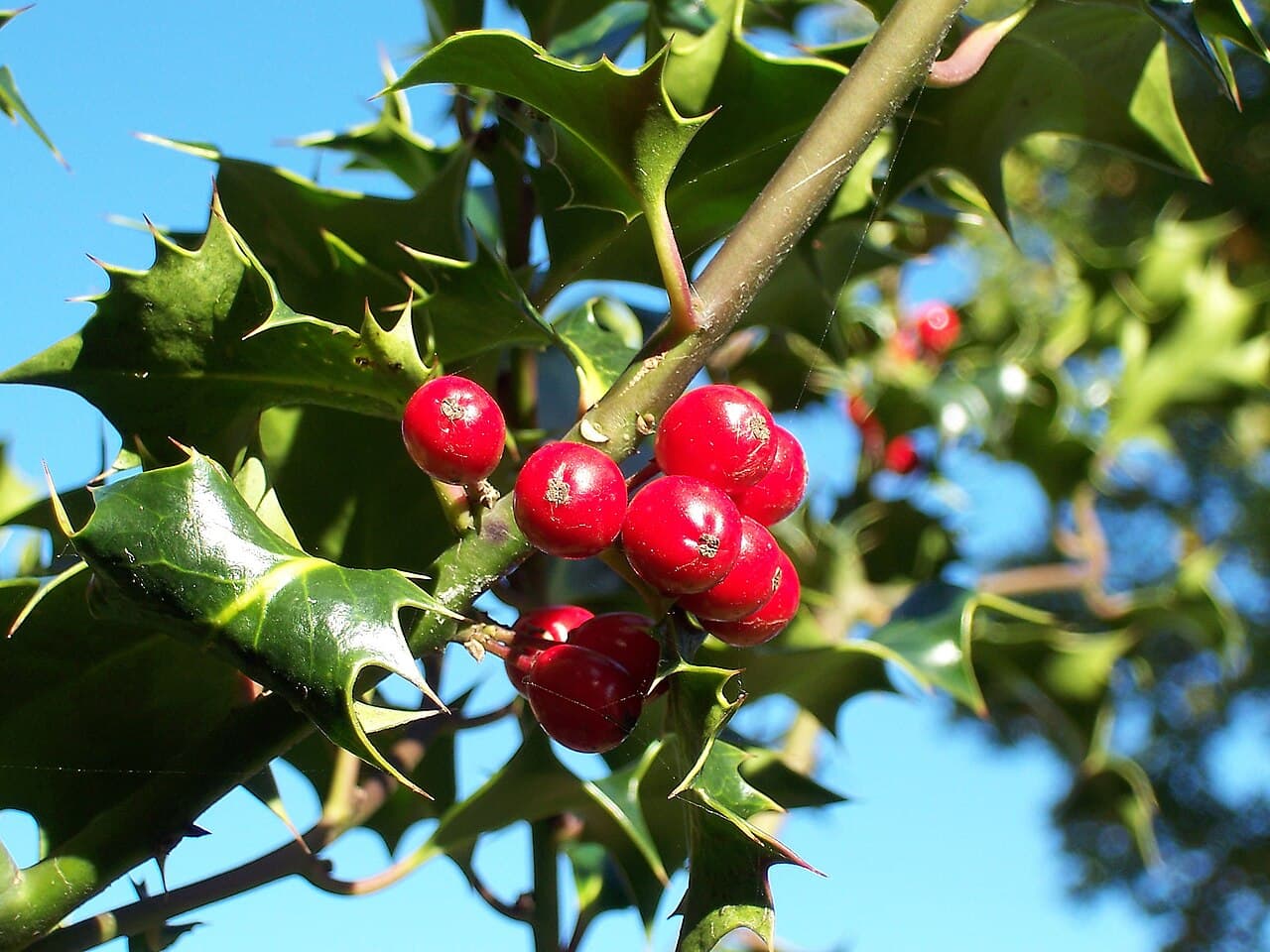
English Holly
Seldom damagedIlex aquifolium
- Type
- Shrub
- Hardiness
- Zones 7–8
- Height
- 360–600 in
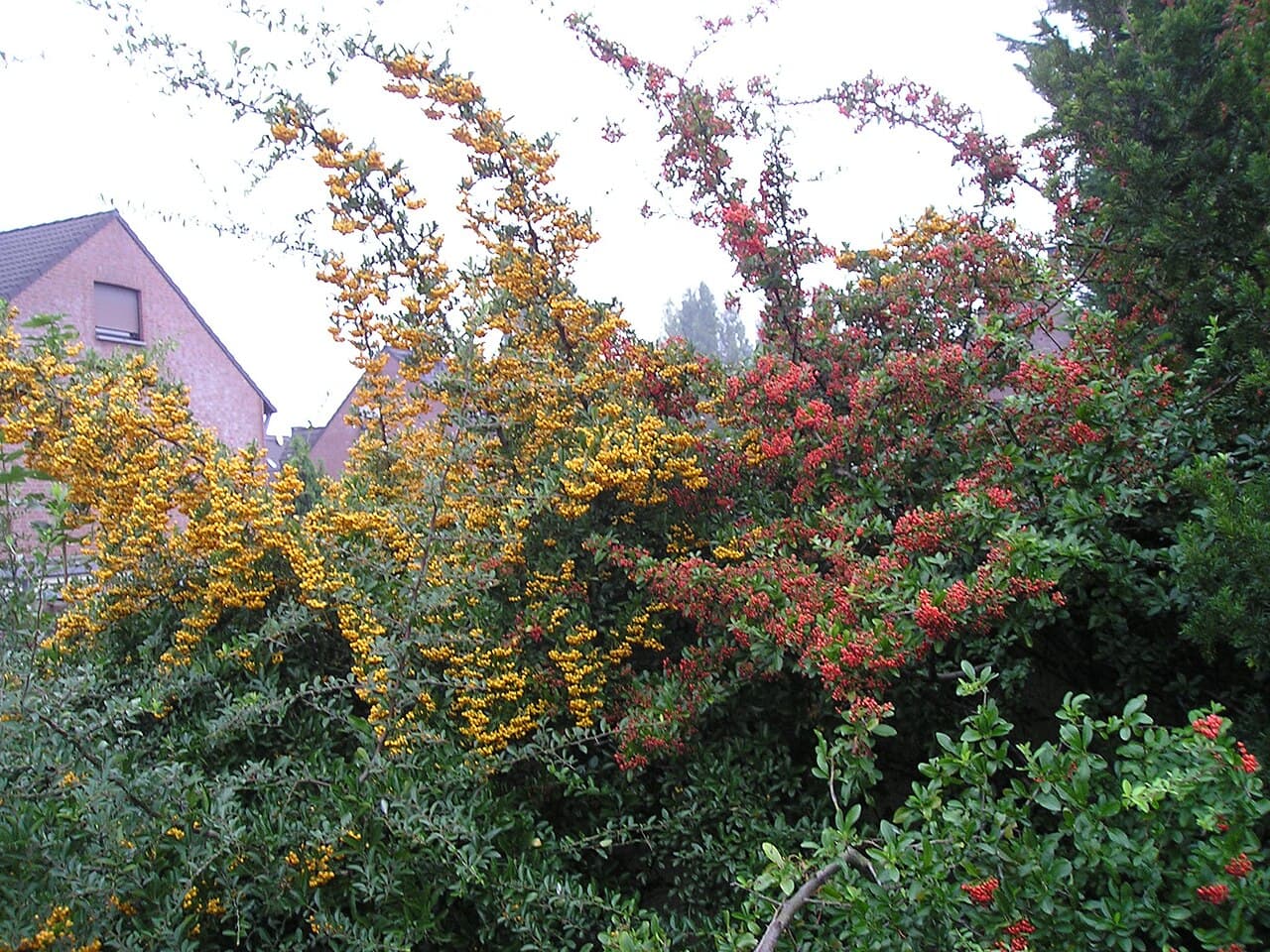
Firethorn
Seldom damagedPyracantha coccinea
- Type
- Shrub
- Hardiness
- Zones 6–9
- Height
- 72–216 in
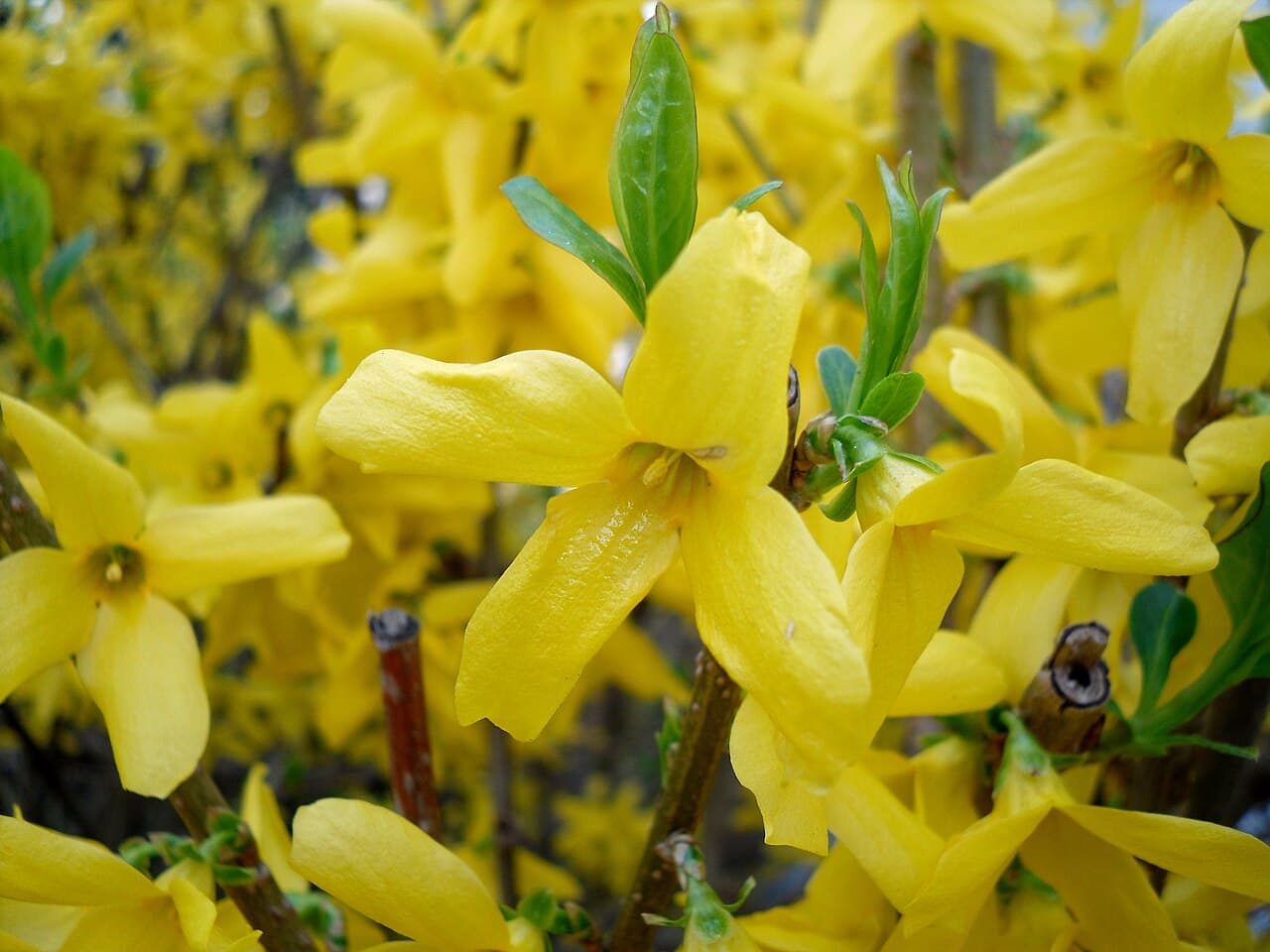
Forsythia
Seldom damagedForsythia x intermedia
- Type
- Shrub
- Hardiness
- Zones 4–8
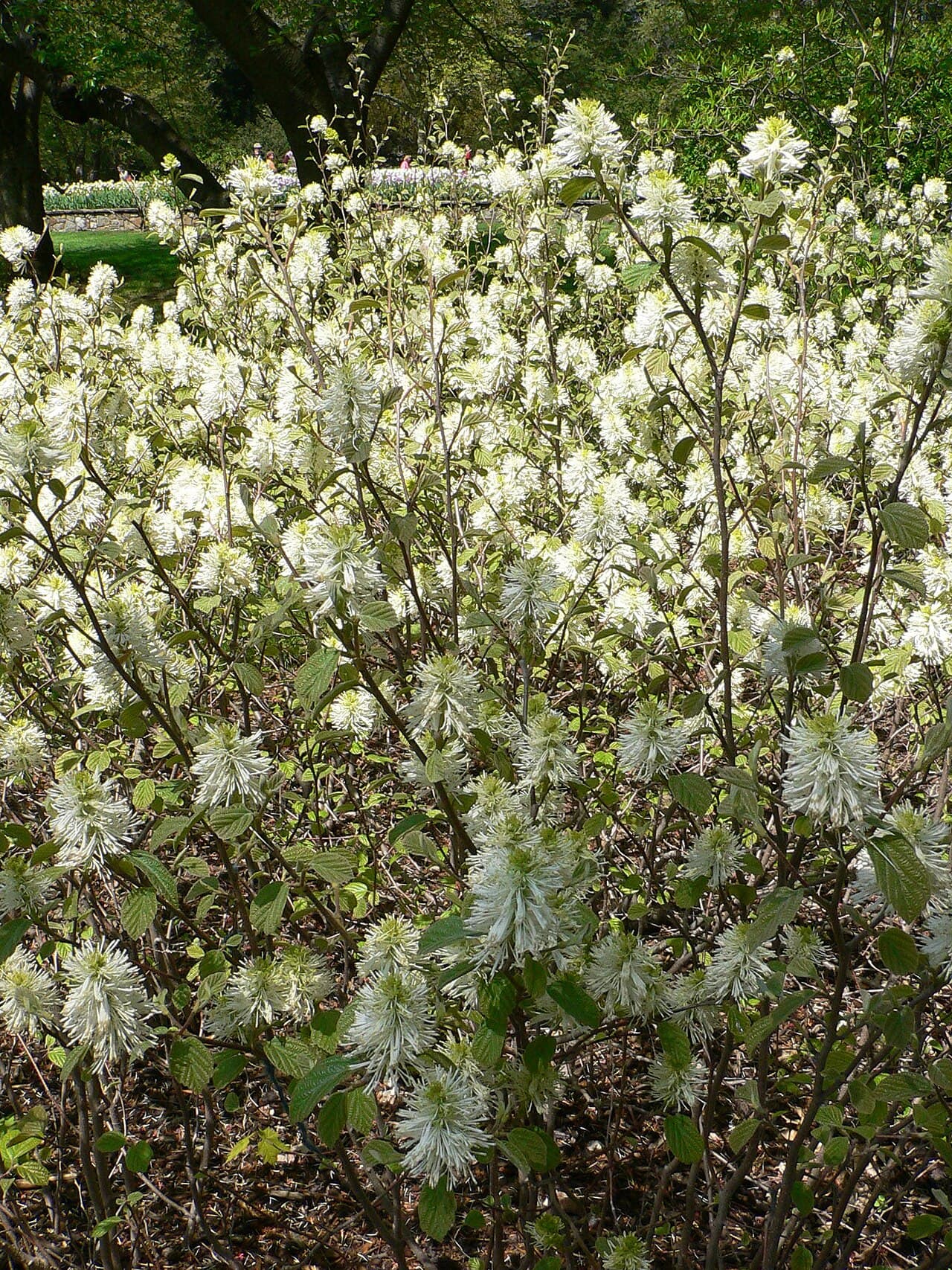
Fothergilla
Seldom damagedFothergilla sp.
- Type
- Shrub
- Hardiness
- Zones 4–8, genus range
Gardenia
Seldom damagedGardenia jasminoides
- Type
- Shrub
- Hardiness
- Zones 8–11
- Height
- 48–96 in
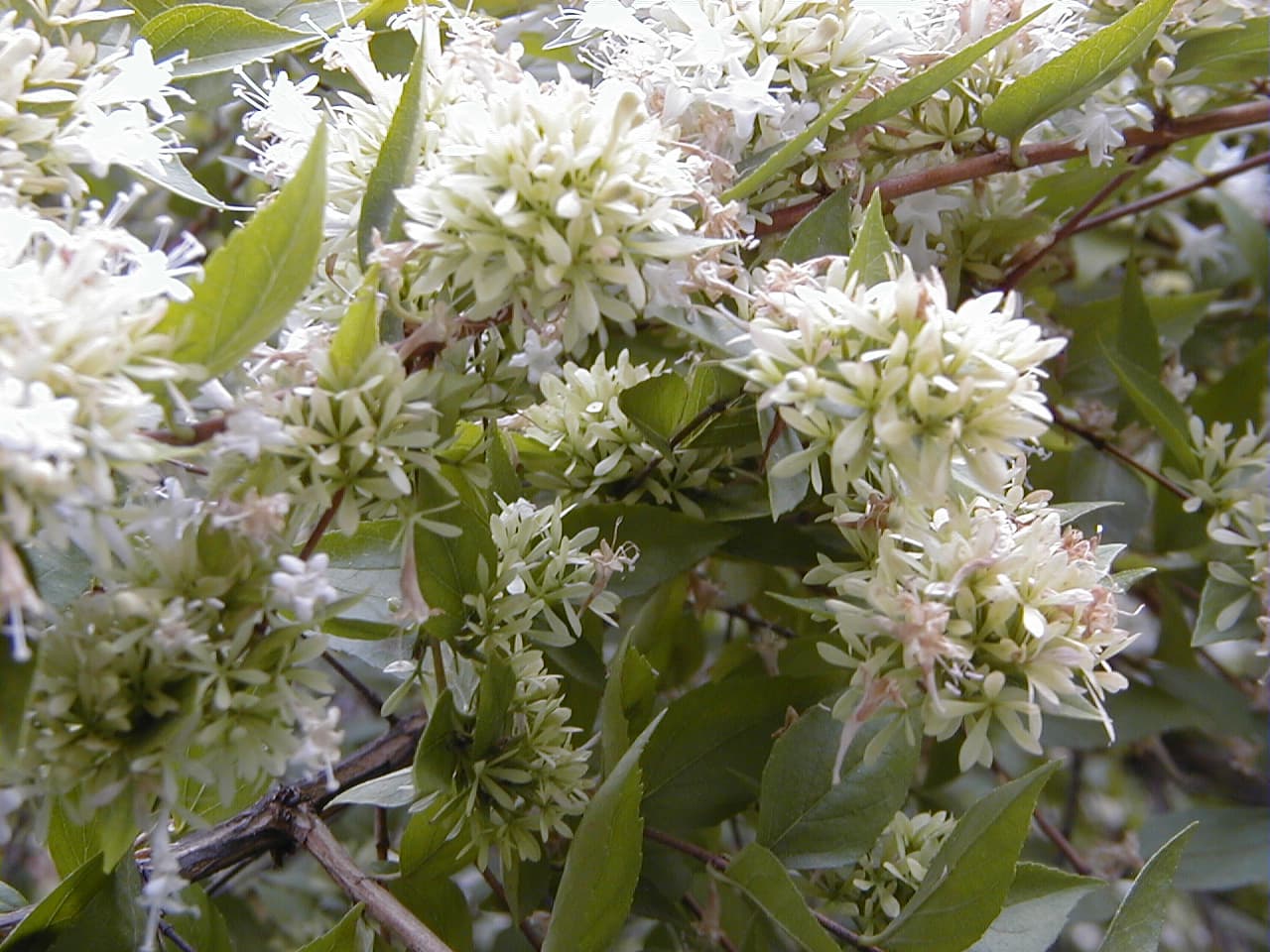
Glossy Abelia
Seldom damagedAbelia sp.
- Type
- Shrub
- Hardiness
- Zones 6–9, genus range
Golden Currant
Seldom damagedRibes aureum
- Type
- Shrub
- Hardiness
- Zones 4–8
- Height
- 120–120 in
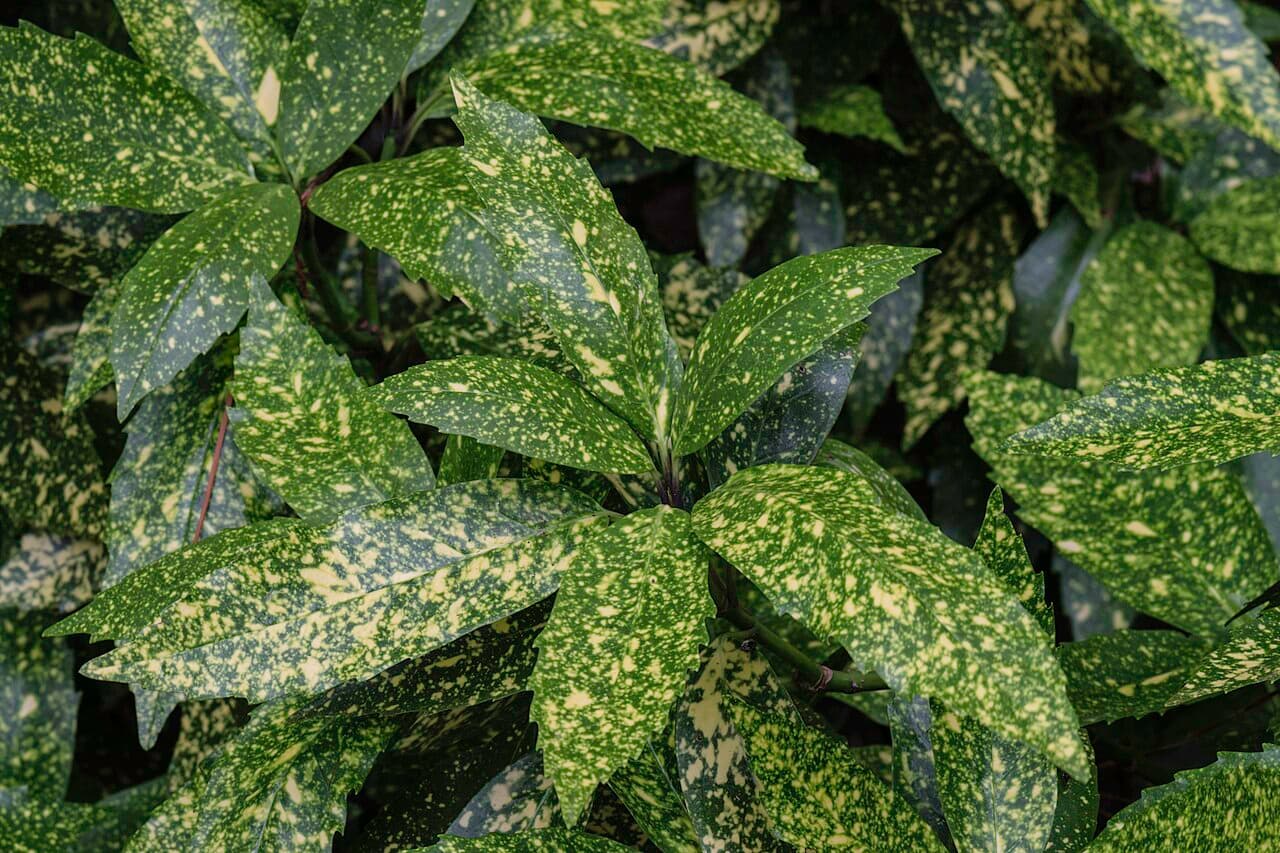
Goldust Plant
Seldom damagedAucuba japonica
- Type
- Shrub
- Hardiness
- Zones 7–10
- Height
- 72–120 in
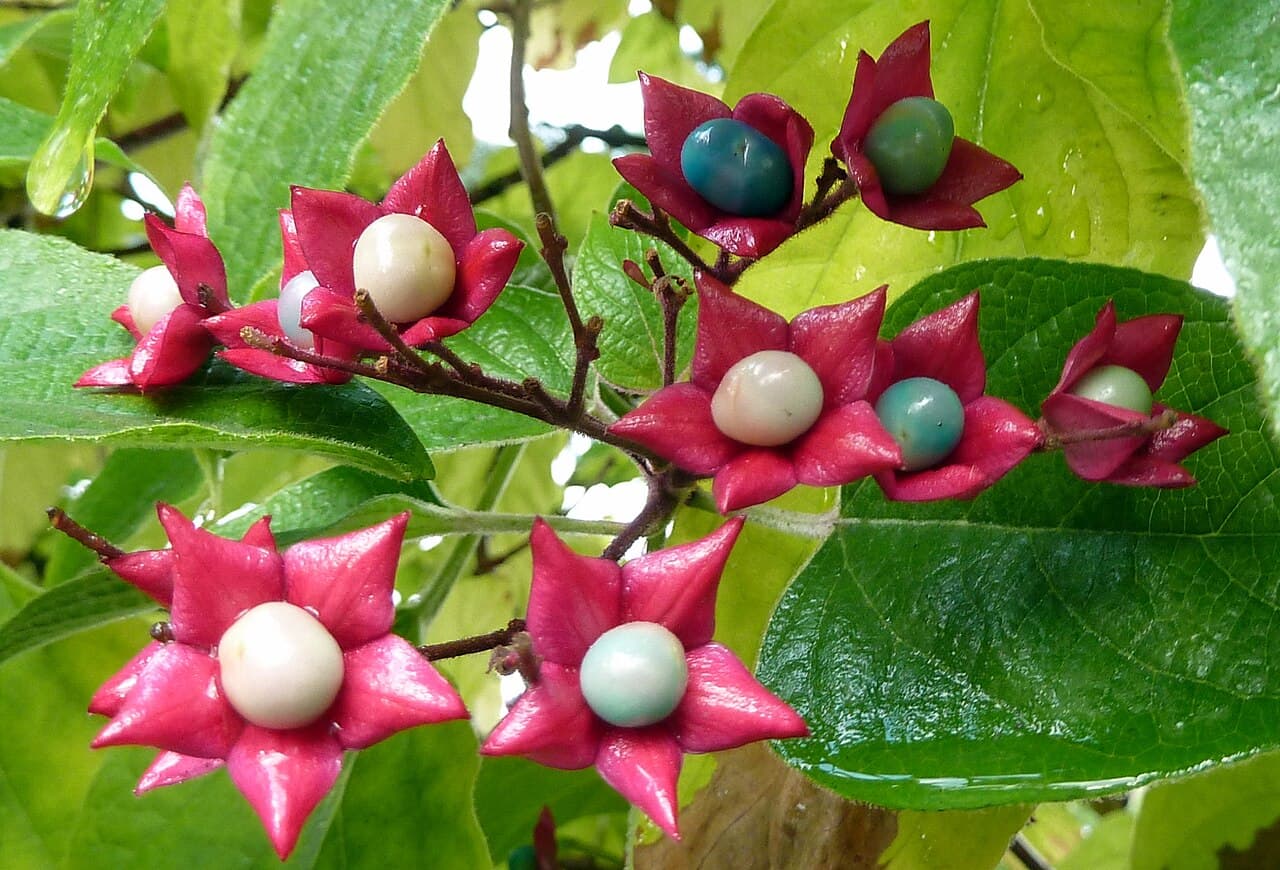
Harlequin Glorybower
Seldom damagedClerodendrum trichotomum
- Type
- Shrub
- Hardiness
- Zones 7–10
- Height
- 120–240 in
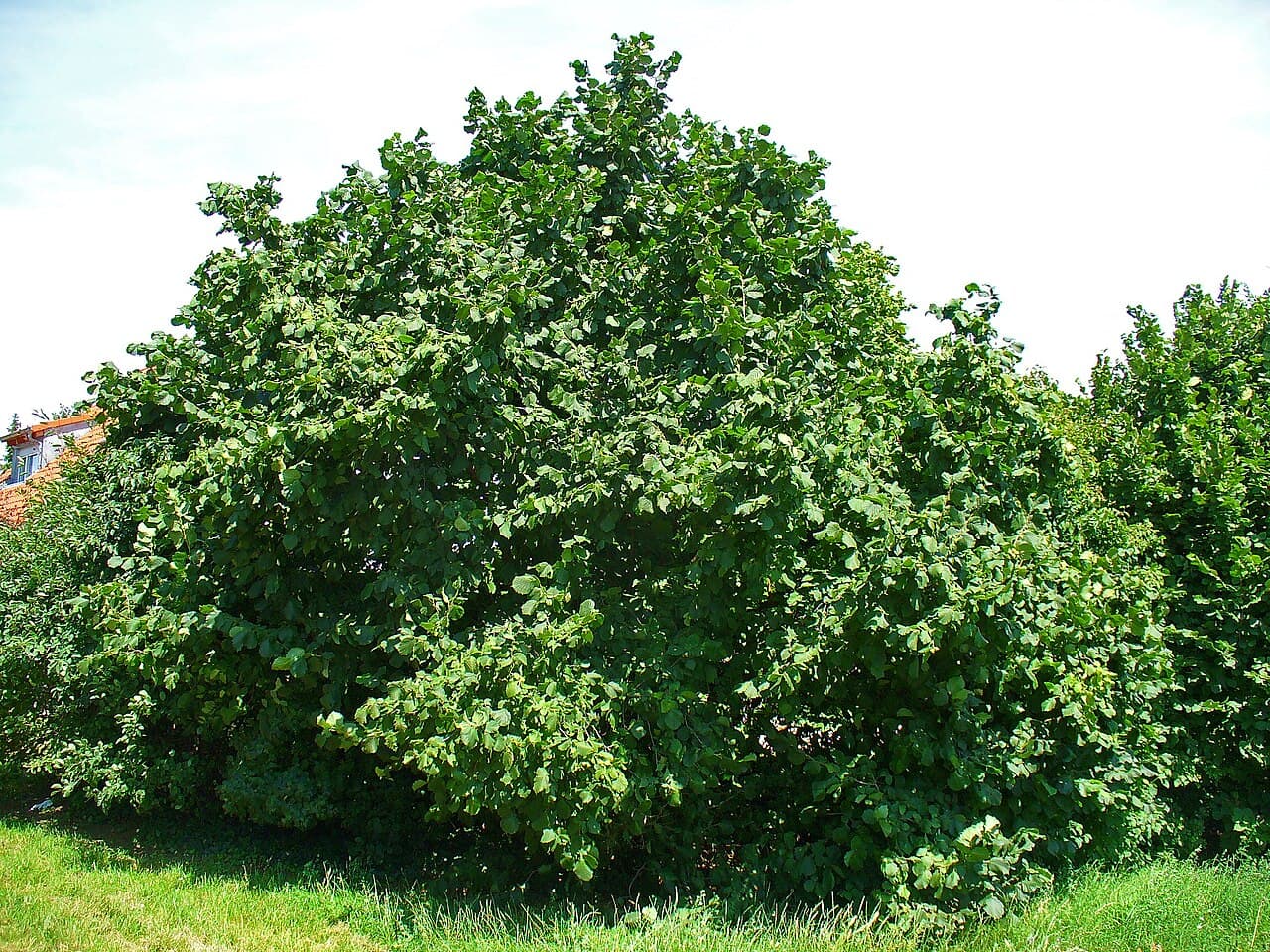
Hazelnut
Seldom damagedCorylus sp.
- Type
- Shrub
- Hardiness
- Zones 4–8, genus range
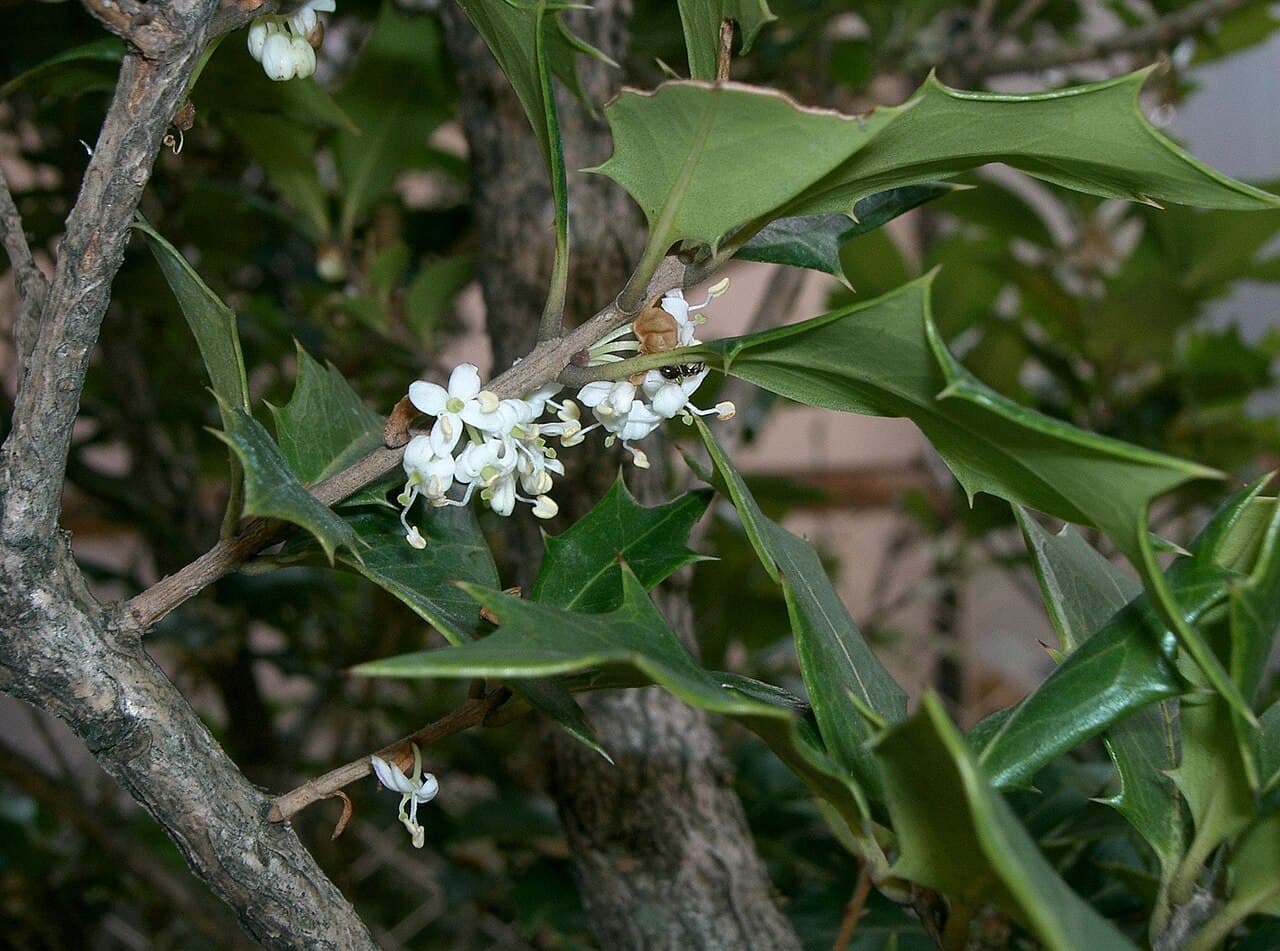
Holly Osmanthus
Seldom damagedOsmanthus heterophyllus
- Type
- Shrub
- Hardiness
- Zones 7–9
- Height
- 96–240 in
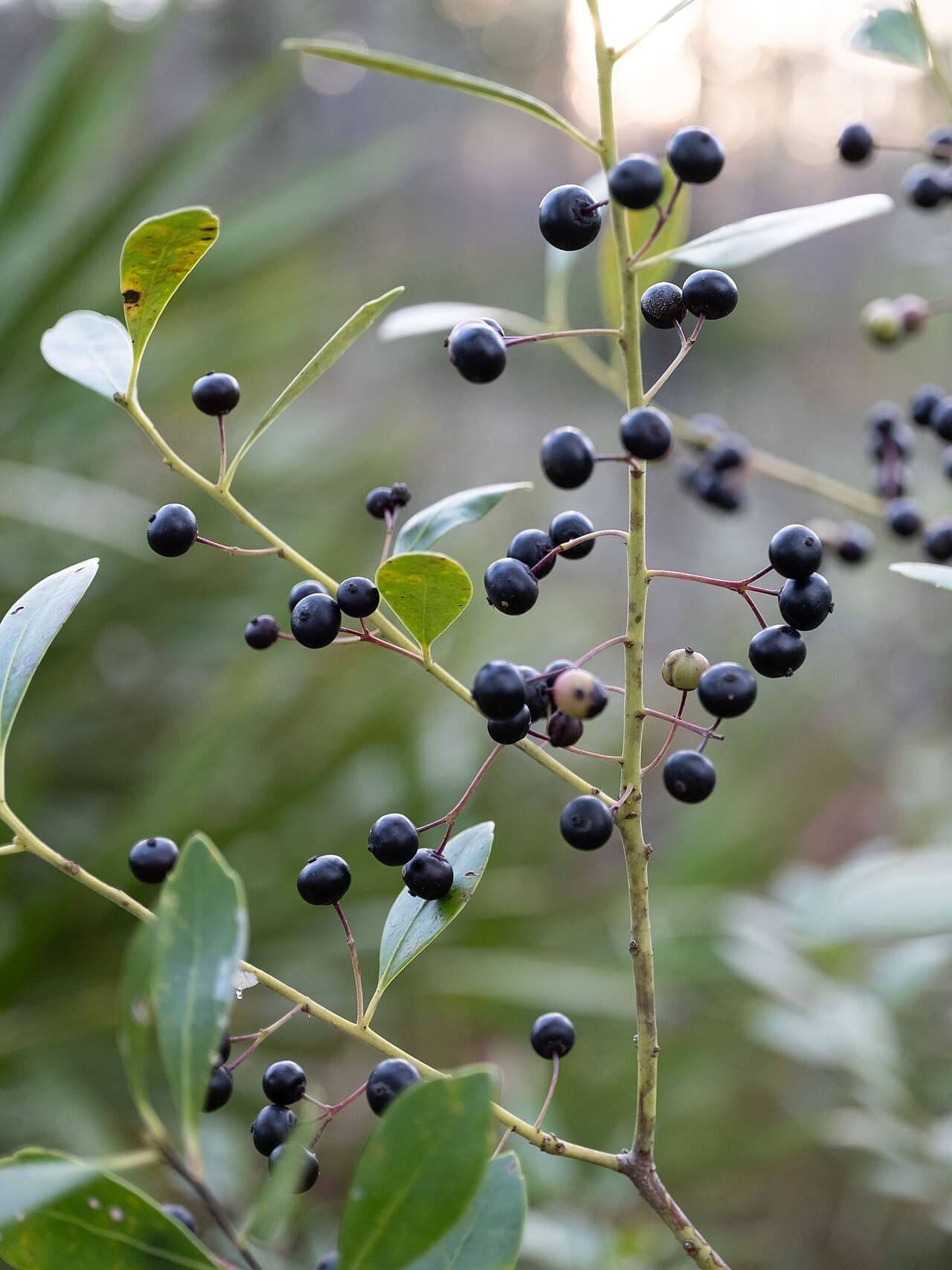
Inkberry
Seldom damagedIlex glabra
- Type
- Shrub
- Hardiness
- Zones 4–11
- Height
- 60–120 in
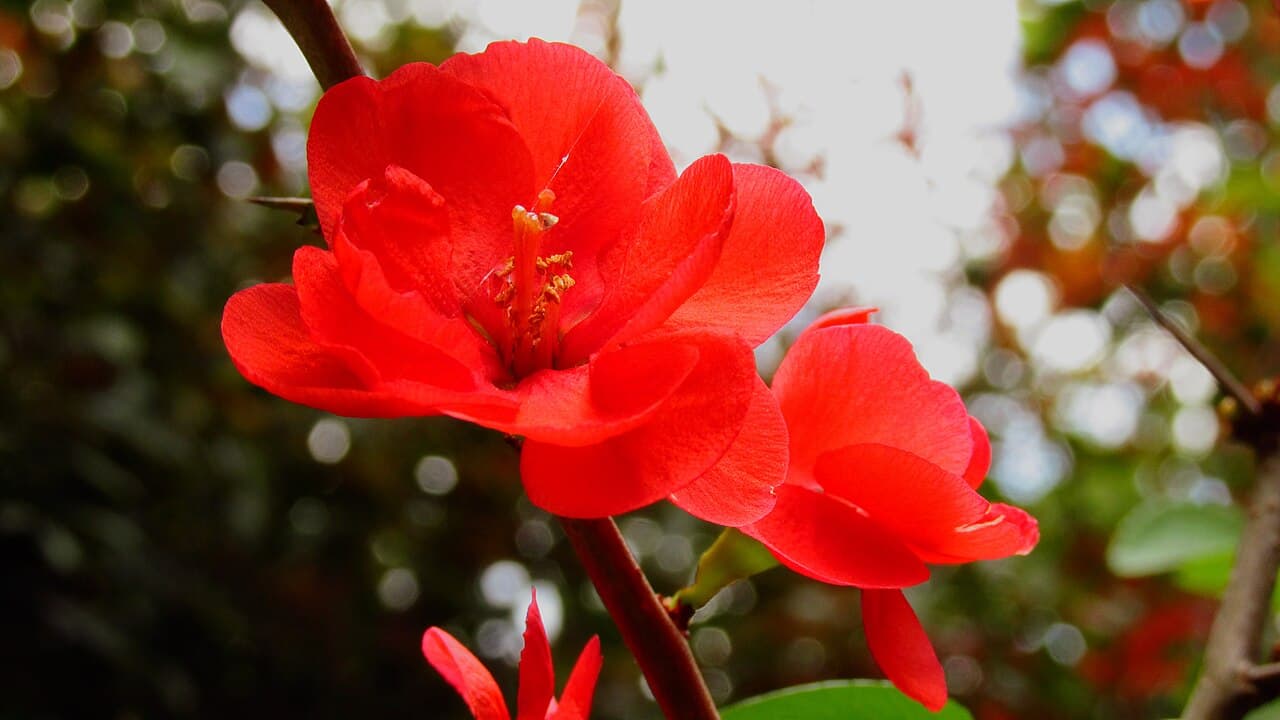
Japanese Flowering Quince
Seldom damagedChaenomeles japonica
- Type
- Shrub
- Hardiness
- Zones 5–9
- Height
- 24–36 in
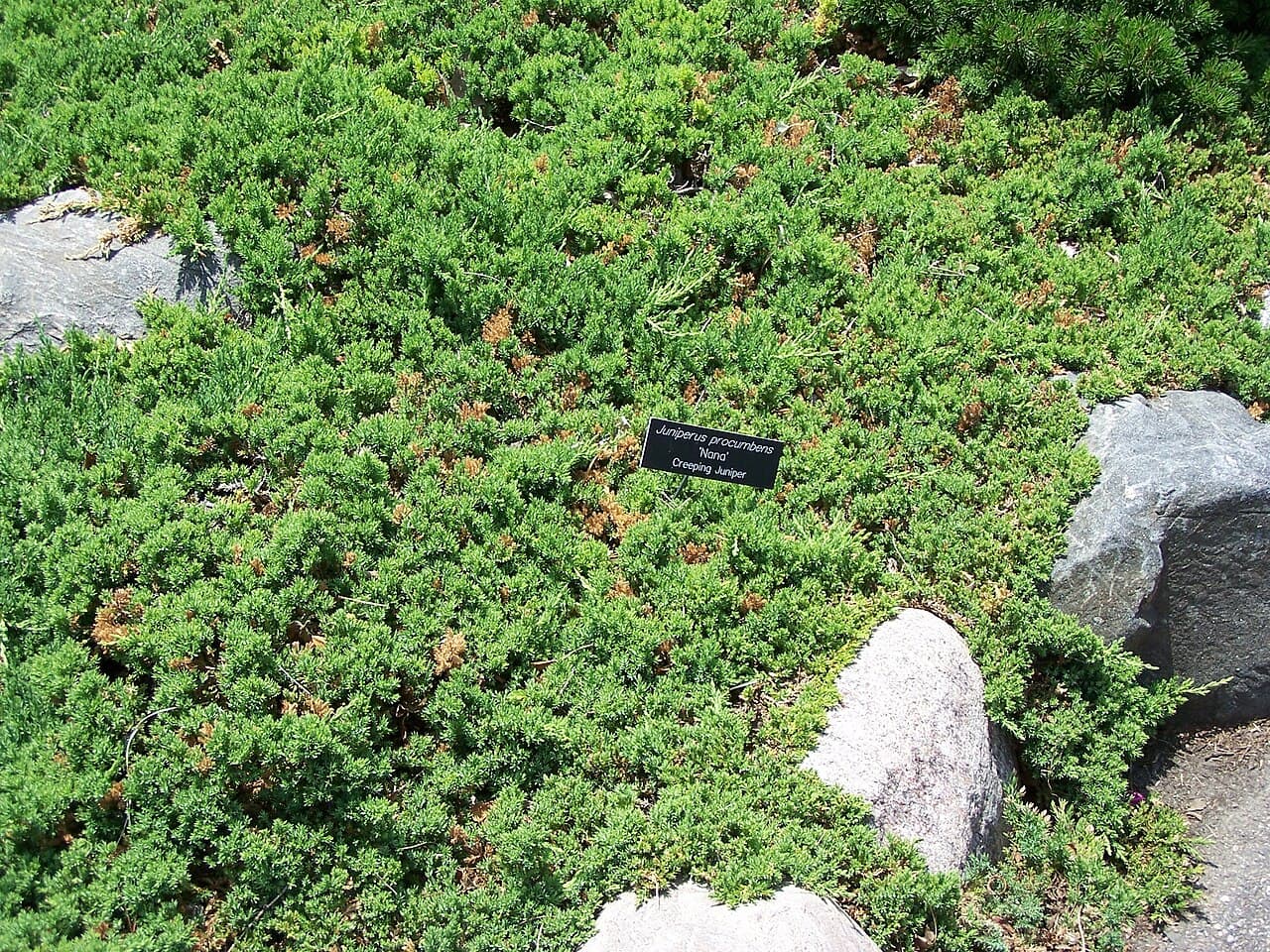
Japanese Garden Juniper
Seldom damagedJuniperus procumbens 'Nana'
- Type
- Shrub
- Hardiness
- Zones 4–9
- Height
- 6–18 in
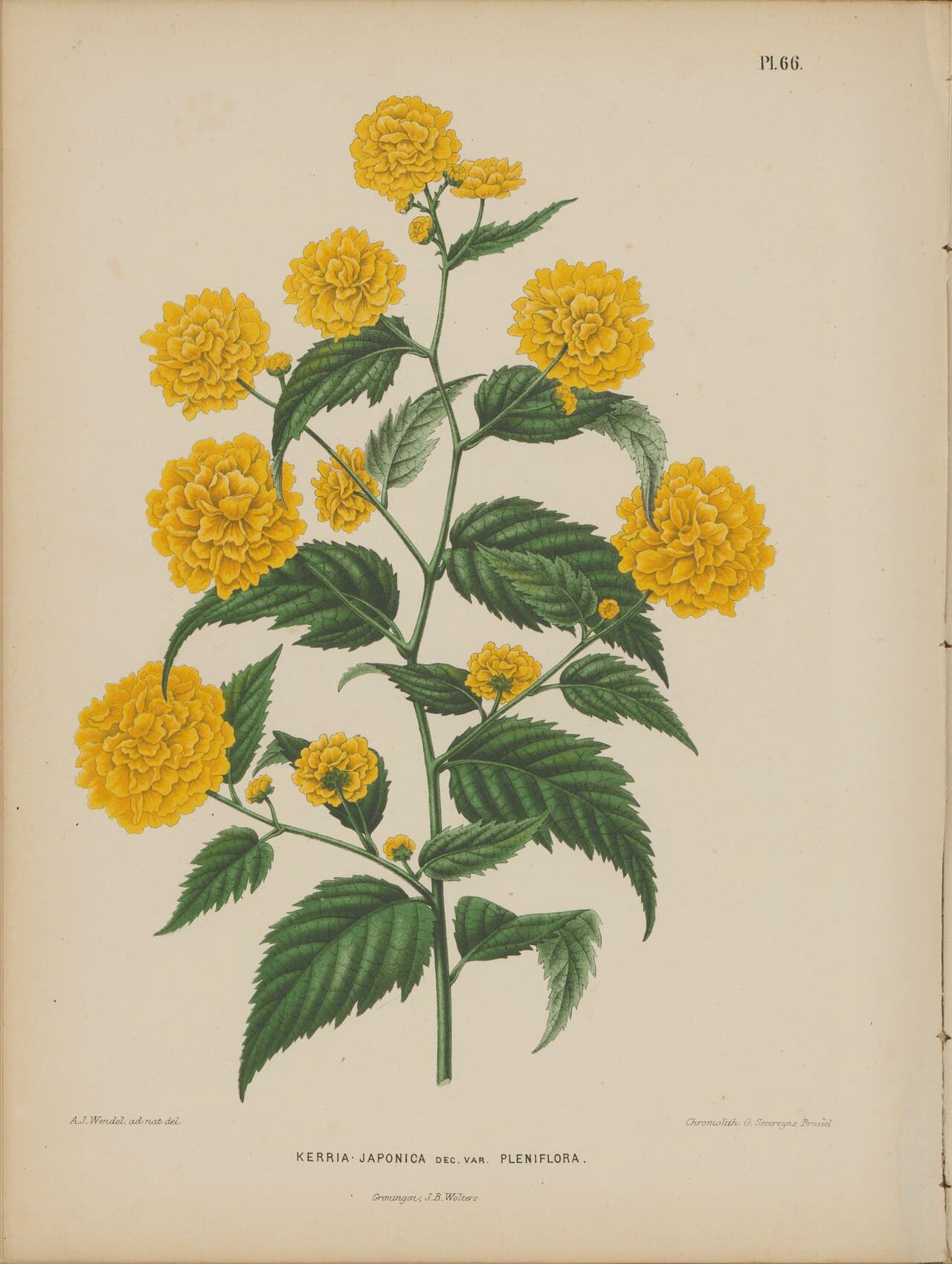
Japanese Kerria
Seldom damagedKerria japonica
- Type
- Shrub
- Hardiness
- Zones 4–9
- Height
- 36–84 in
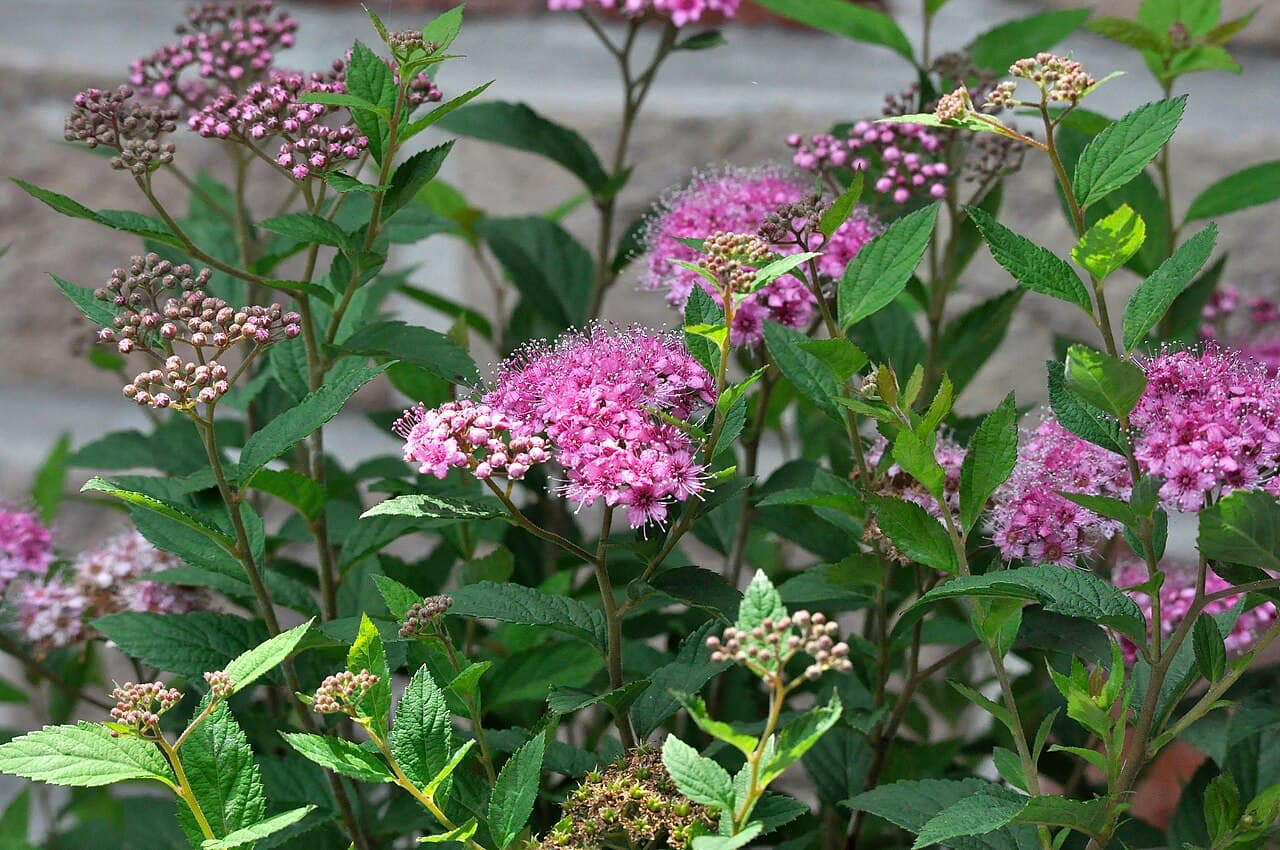
Japanese Spirea
Seldom damagedSpiraea japonica
- Type
- Shrub
- Hardiness
- Zones 3–8
- Height
- 48–72 in
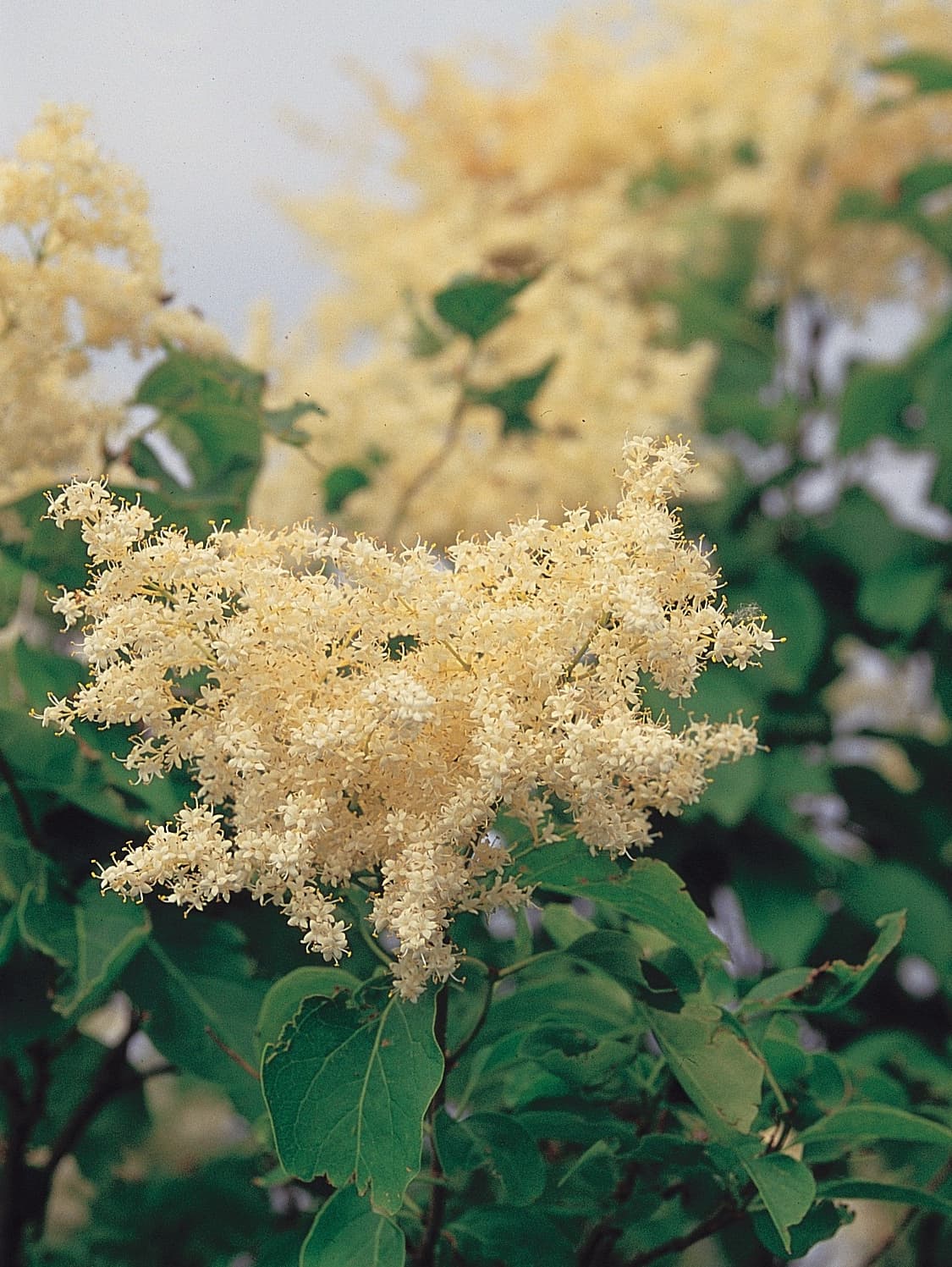
Japanese Tree Lilac
Seldom damagedSyringa reticulata
- Type
- Shrub
- Hardiness
- Zones 3–7
- Height
- 300–360 in
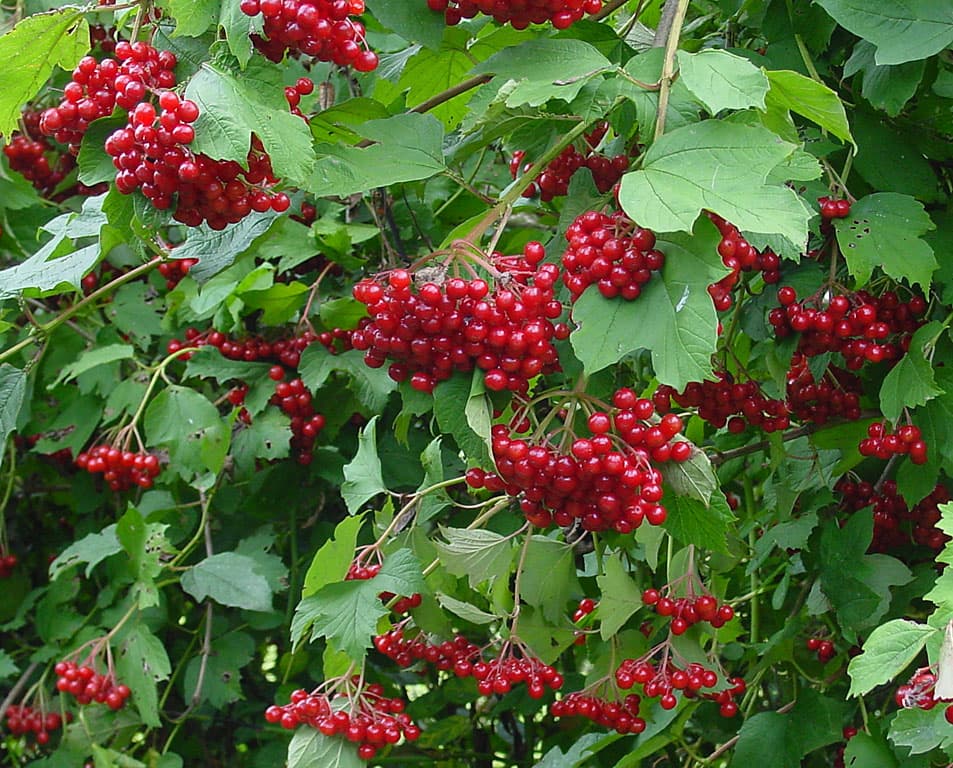
Judd Viburnum
Seldom damagedViburnum x juddii
- Type
- Shrub
- Hardiness
- Zones 4–8
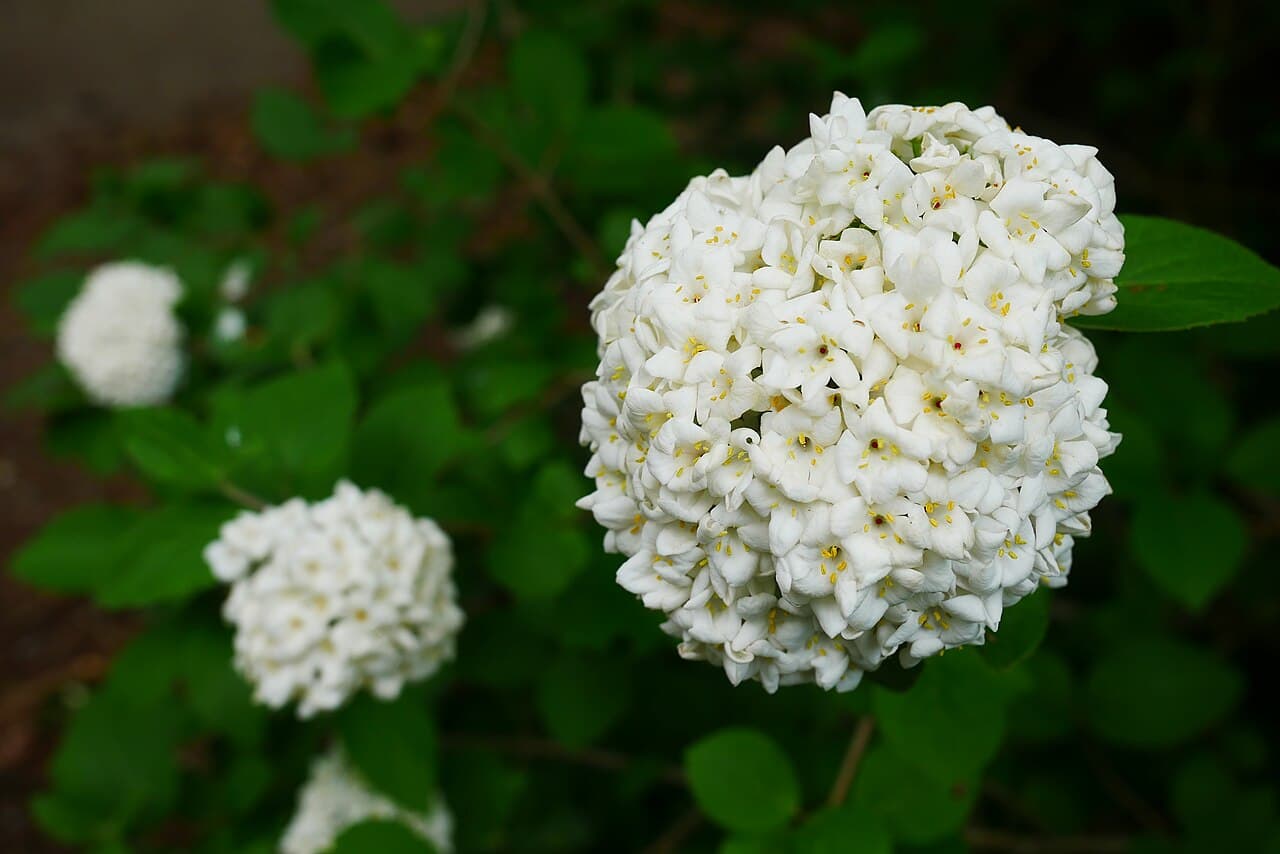
Koreanspice Viburnum
Seldom damagedViburnum carlesii
- Type
- Shrub
- Hardiness
- Zones 4–7
- Height
- 48–72 in
Leadplant
Seldom damagedAmorpha canescens
- Type
- Shrub
- Hardiness
- Zones 2–9
- Height
- 36–36 in
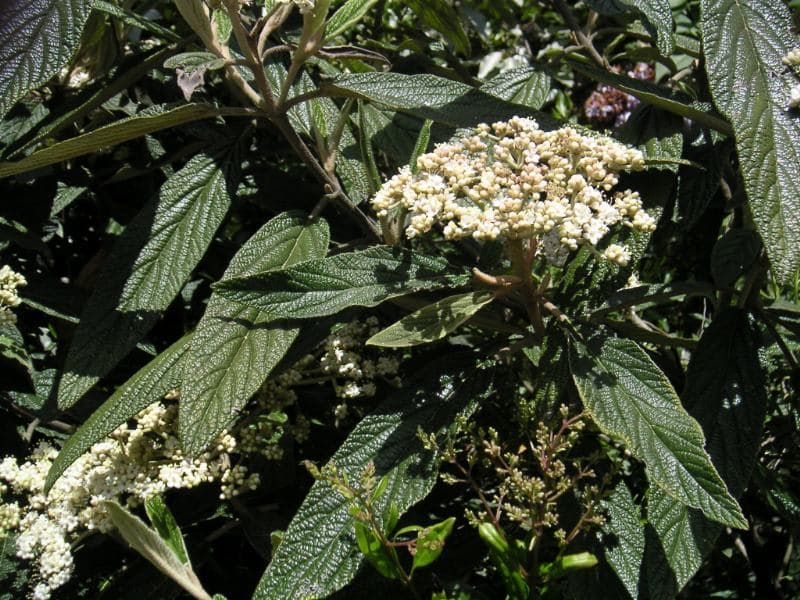
Leatherleaf Viburnum
Seldom damagedViburnum rhytidophyllum
- Type
- Shrub
- Hardiness
- Zones 5–8
- Height
- 120–180 in
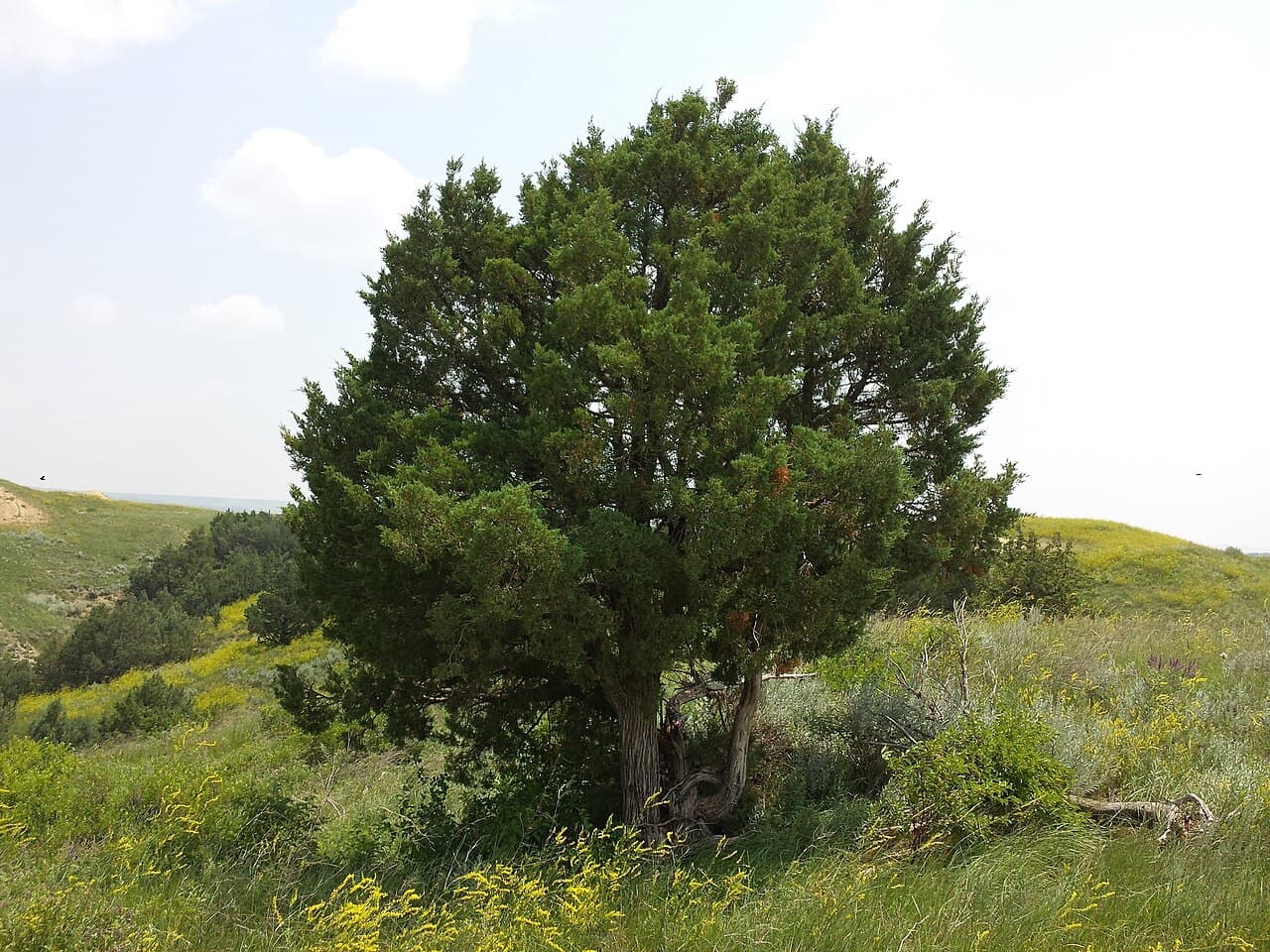
Mountain Juniper
Seldom damagedJuniperus scopulorum
- Type
- Shrub
- Hardiness
- Zones 3–7
- Height
- 360–480 in
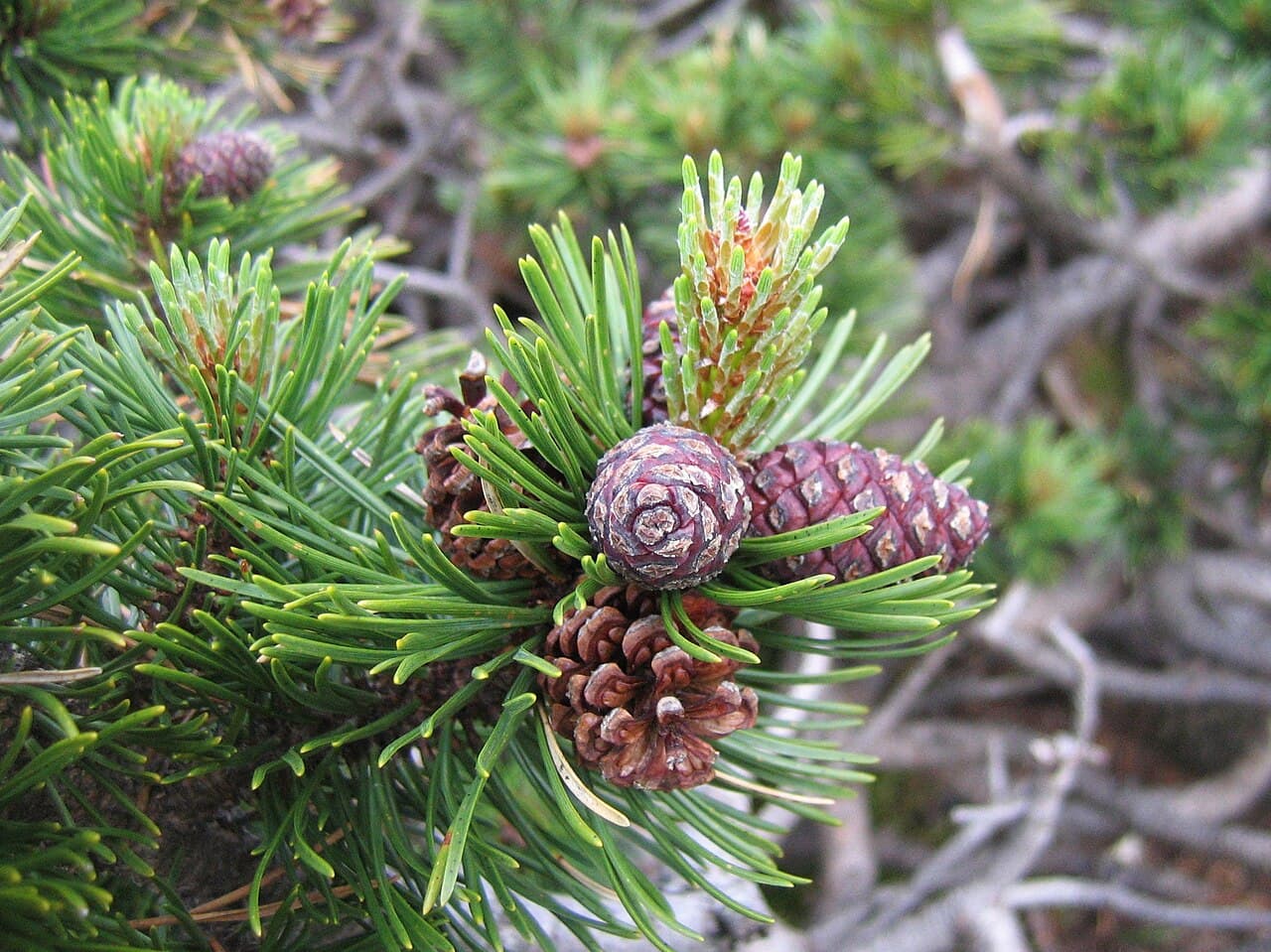
Mugo Pine
Seldom damagedPinus mugo
- Type
- Shrub
- Hardiness
- Zones 2–7
- Height
- 240–300 in
Oneseed Juniper
Seldom damagedJuniperus monosperma
- Type
- Shrub
- Hardiness
- Zones 4–8
- Height
- 480–480 in
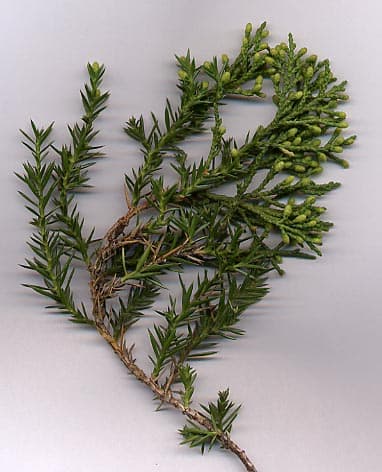
Pfitzer Juniper
Seldom damagedJuniperus chinensis 'Pfitzeriana'
- Type
- Shrub
- Hardiness
- Zones 4–9
- Height
- 600–720 in
Prairie Sagewort
Seldom damagedArtemisia frigida
- Type
- Shrub
- Hardiness
- Zones 3–10
- Height
- 6–18 in
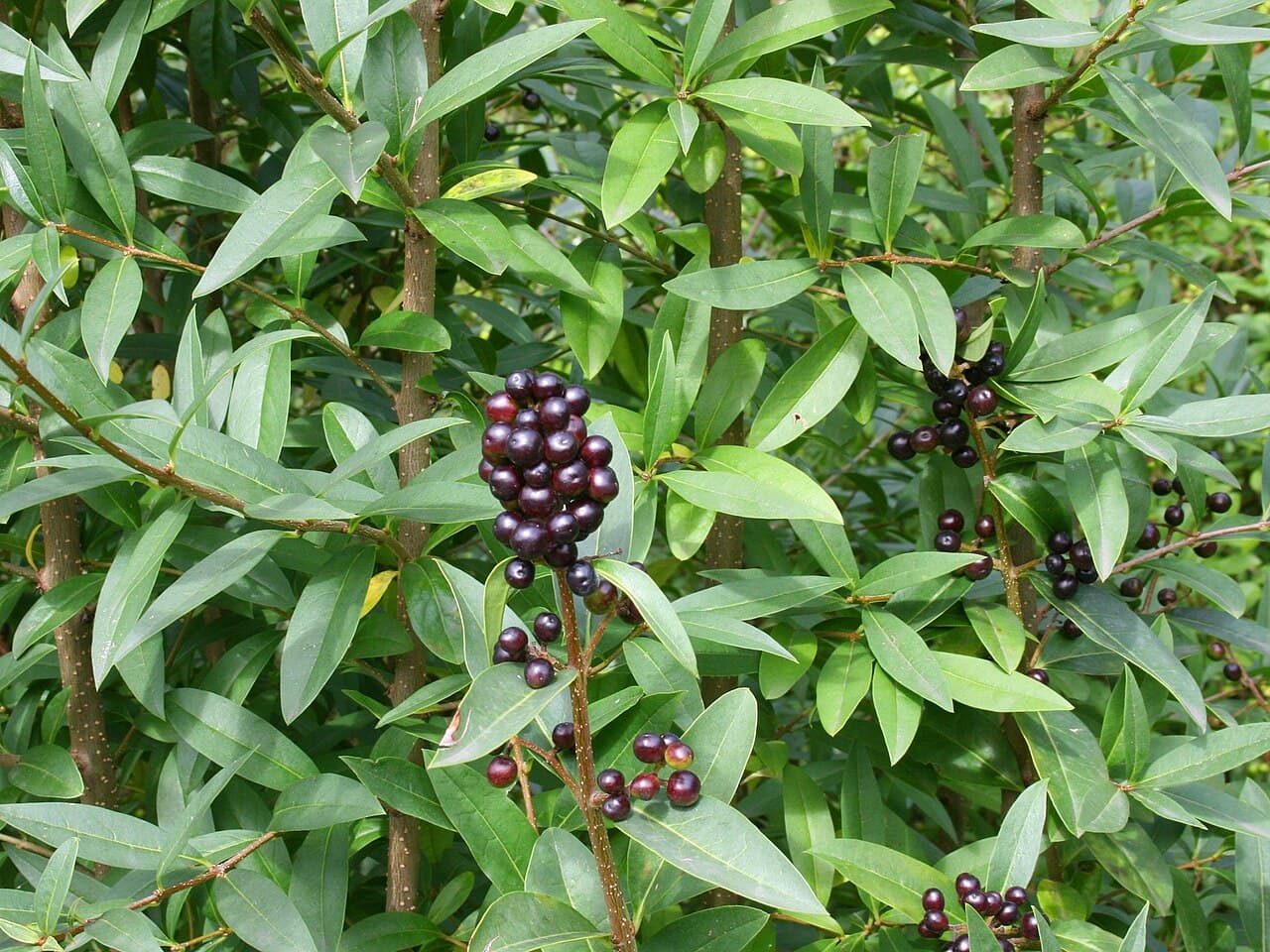
Privet
Seldom damagedLigustrum sp.
- Type
- Shrub
- Hardiness
- Zones 5–8, genus range
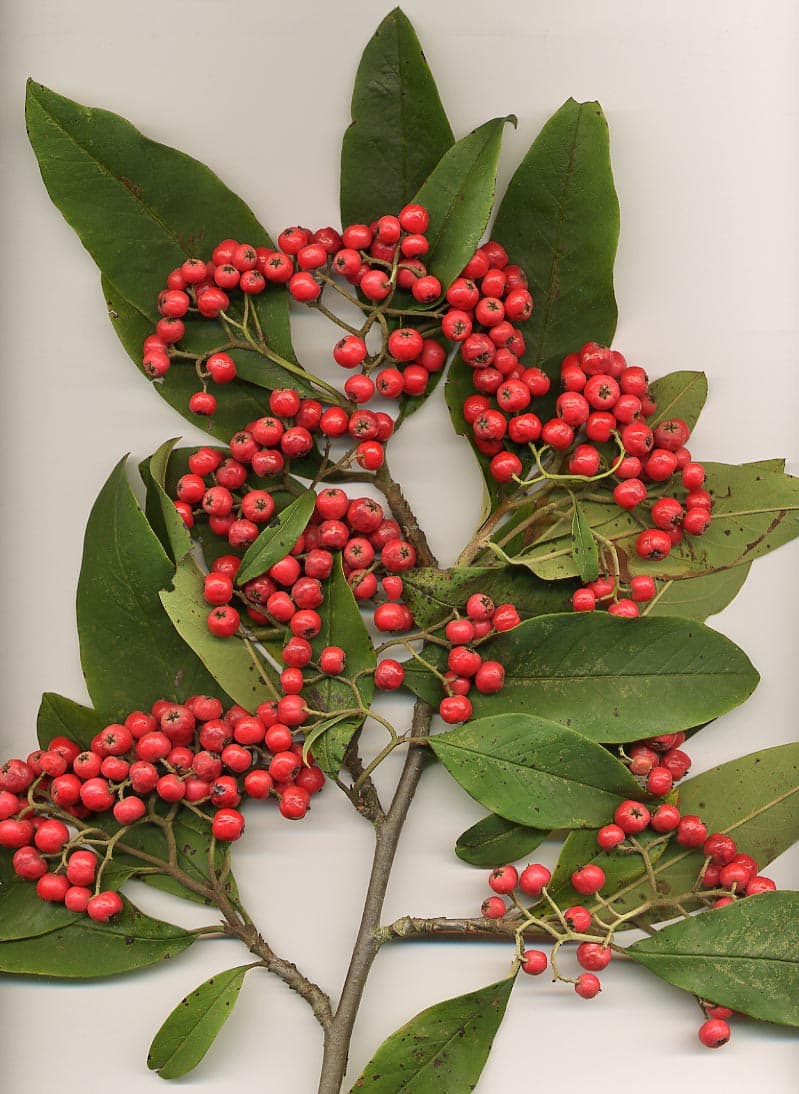
Pyrenees Cotoneaster
Seldom damagedCotoneaster congestus
- Type
- Shrub
- Hardiness
- Zones 6–8
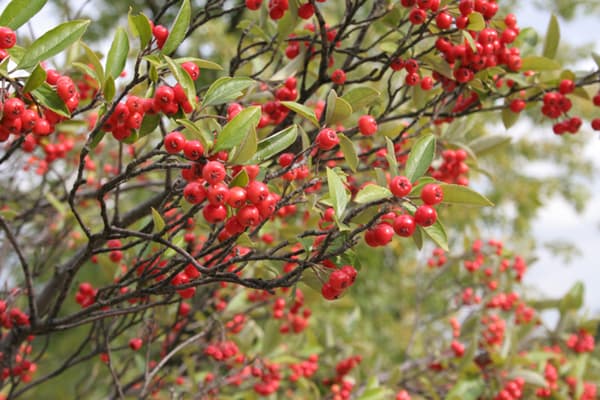
Red Chokeberry
Seldom damagedAronia arbutifolia
- Type
- Shrub
- Hardiness
- Zones 3–9
- Height
- 72–144 in
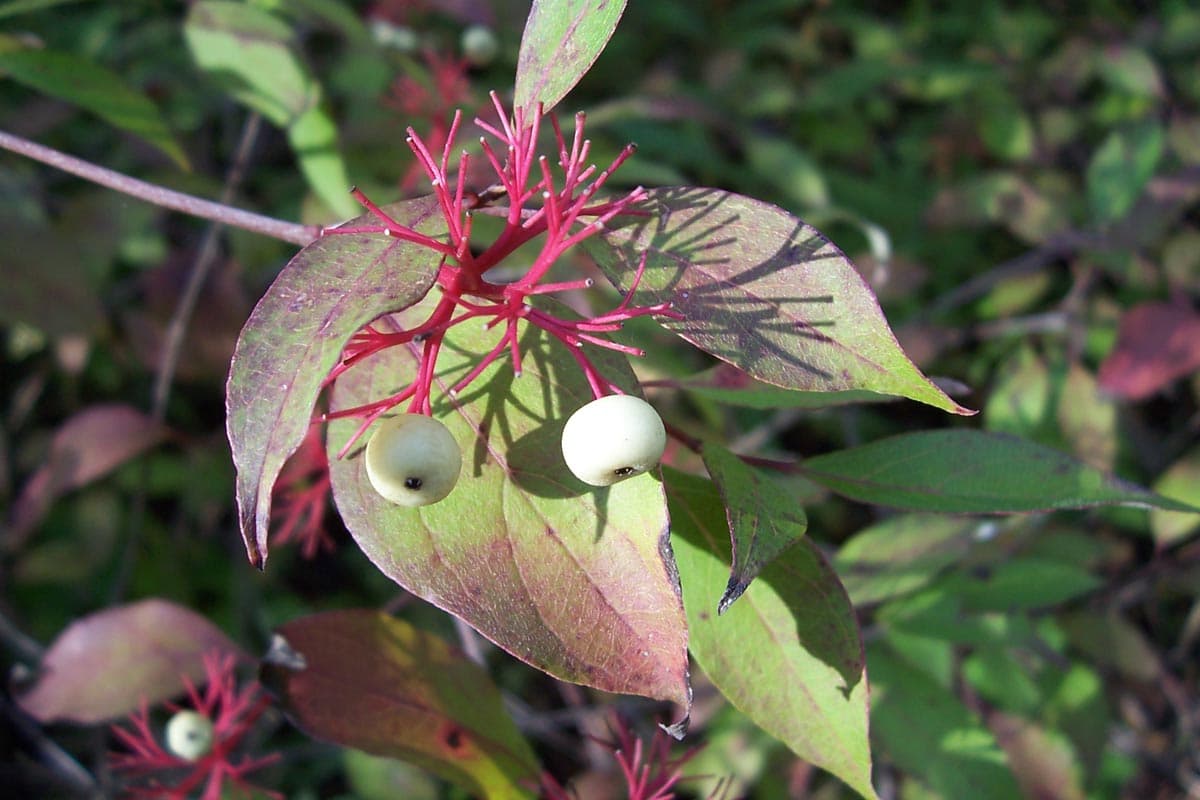
Red Osier Dogwood
Seldom damagedCornus sericea
- Type
- Shrub
- Hardiness
- Zones 2–7
- Height
- 60–108 in
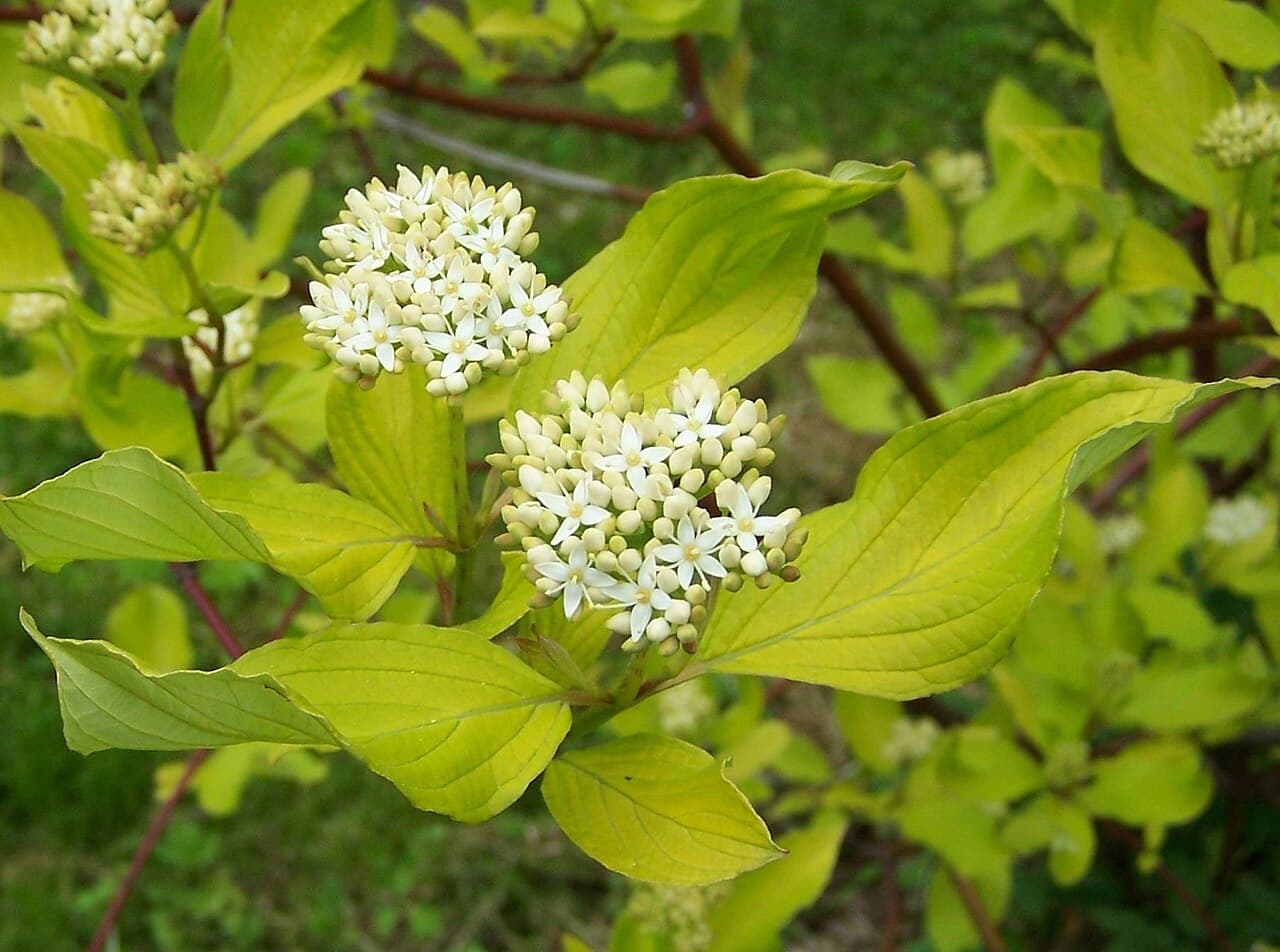
Red Twigged Dogwood
Seldom damagedCornus alba
- Type
- Shrub
- Hardiness
- Zones 3–7
- Height
- 96–120 in
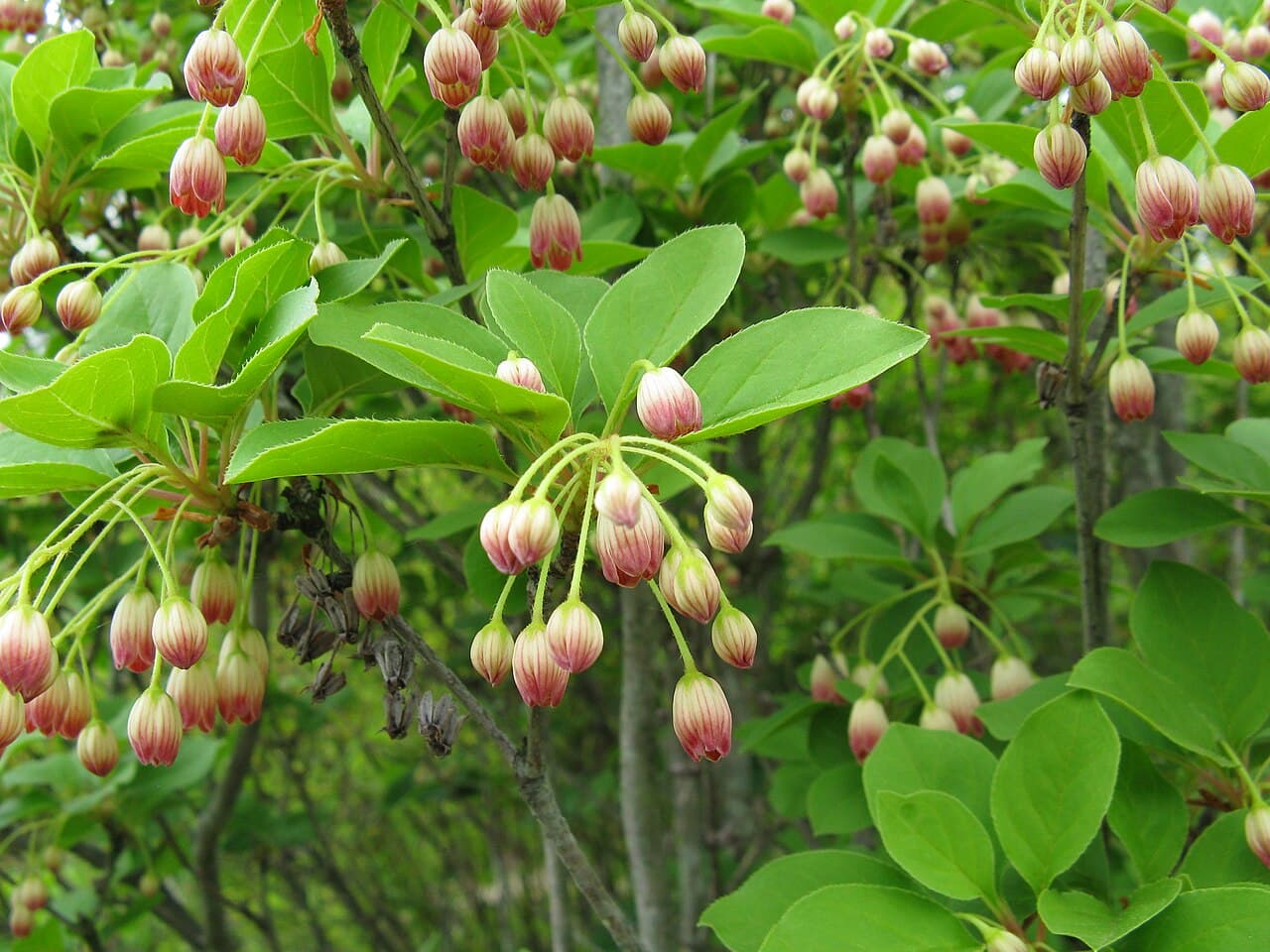
Redvein Enkianthus
Seldom damagedEnkianthus campanulatus
- Type
- Shrub
- Hardiness
- Zones 4–7
- Height
- 72–192 in
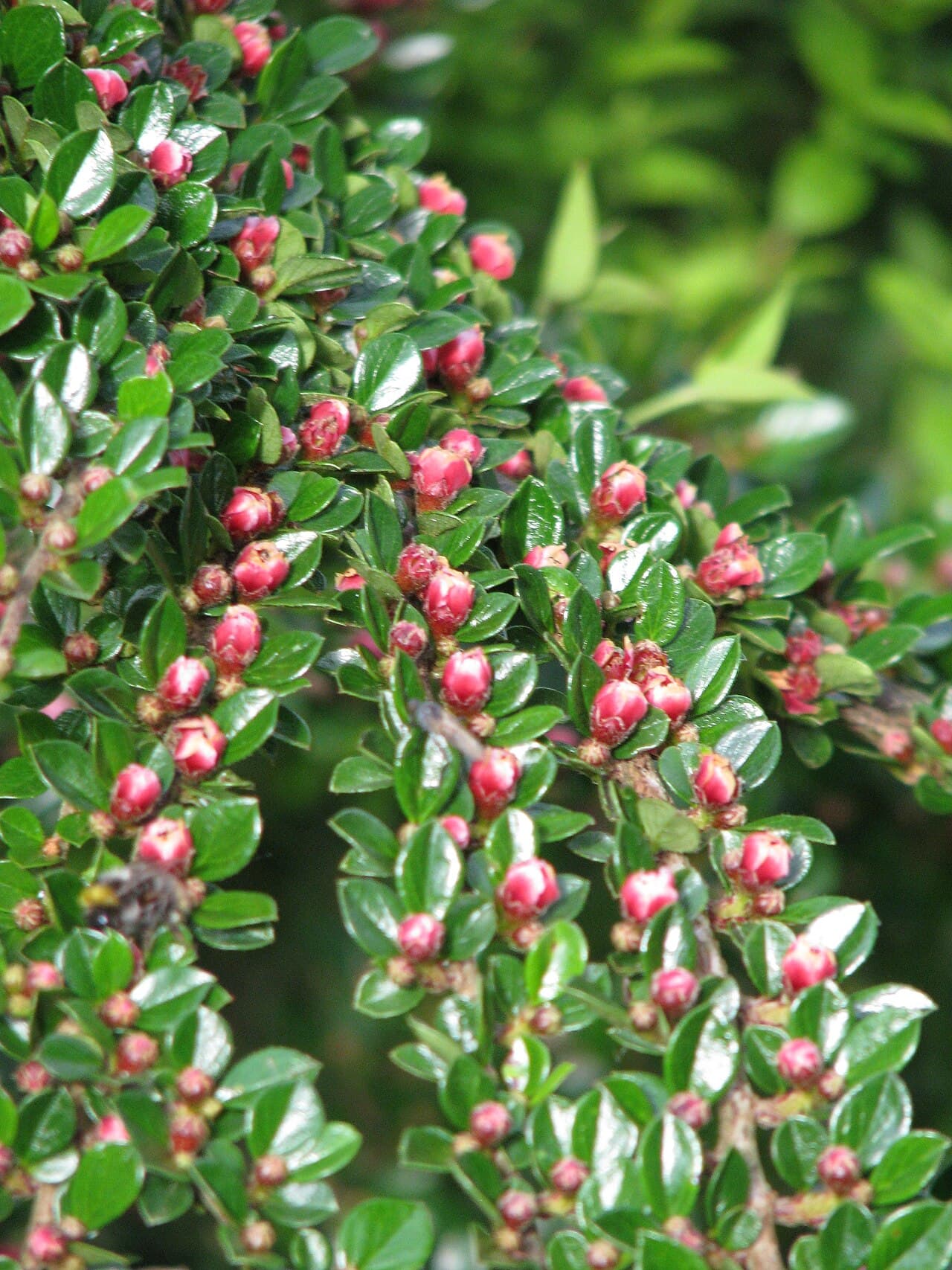
Rockspray Cotoneaster
Seldom damagedCotoneaster horizontalis
- Type
- Shrub
- Hardiness
- Zones 5–7
- Height
- 24–36 in
Rocky Mountain Zinnia
Seldom damagedZinnia grandiflora
- Type
- Shrub
- Hardiness
- Zones 4–8
- Height
- 6–8 in
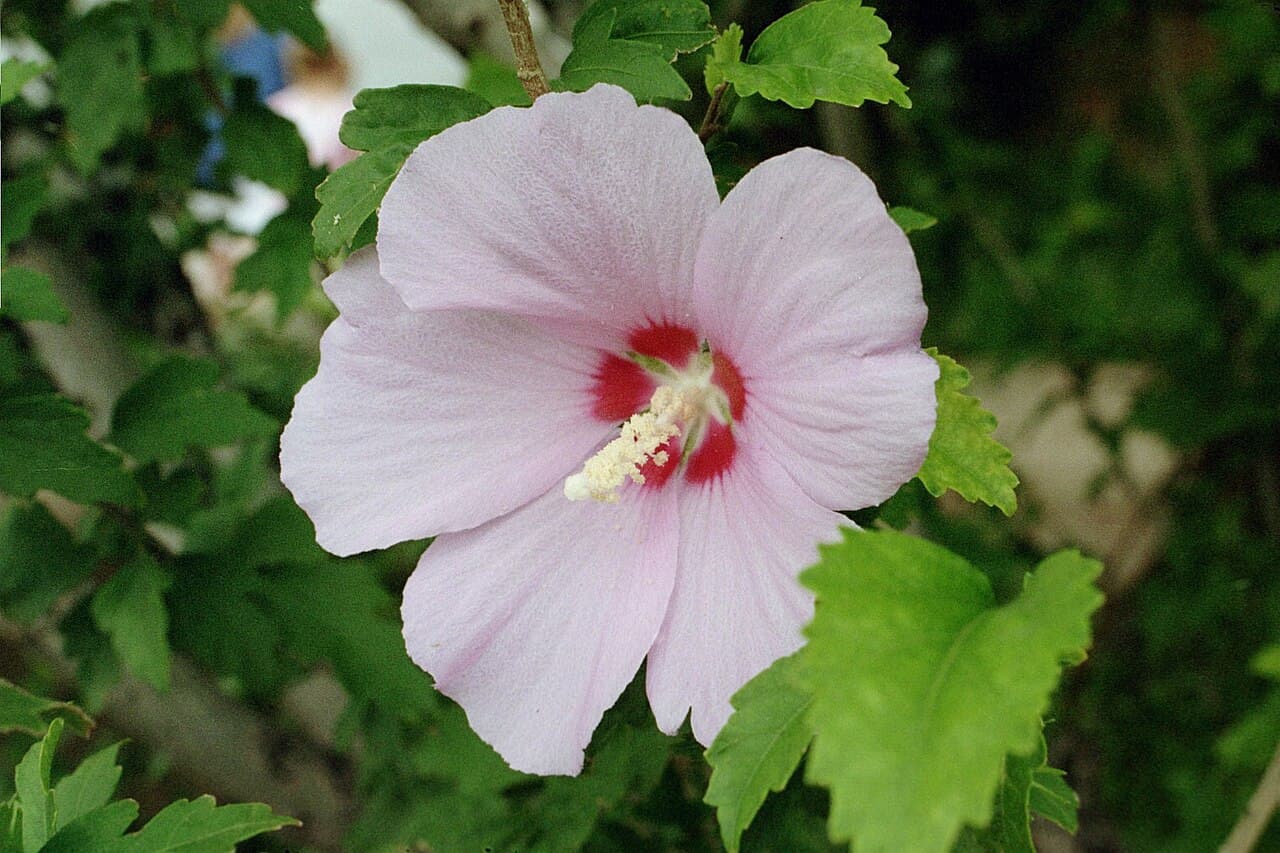
Rose of Sharon
Seldom damagedHibiscus syriacus
- Type
- Shrub
- Hardiness
- Zones 5–9
- Height
- 96–144 in
Rubber Rabbitbrush
Seldom damagedEricameria nauseosa
- Type
- Shrub
- Height
- 12–90 in
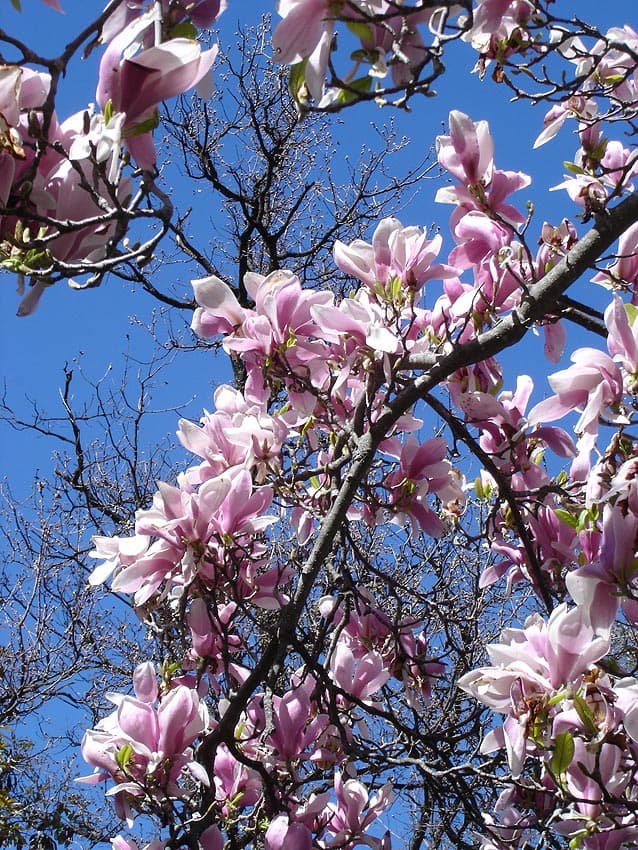
Saucer Magnolia
Seldom damagedMagnolia x soulangiana
- Type
- Shrub
- Hardiness
- Zones 4–9
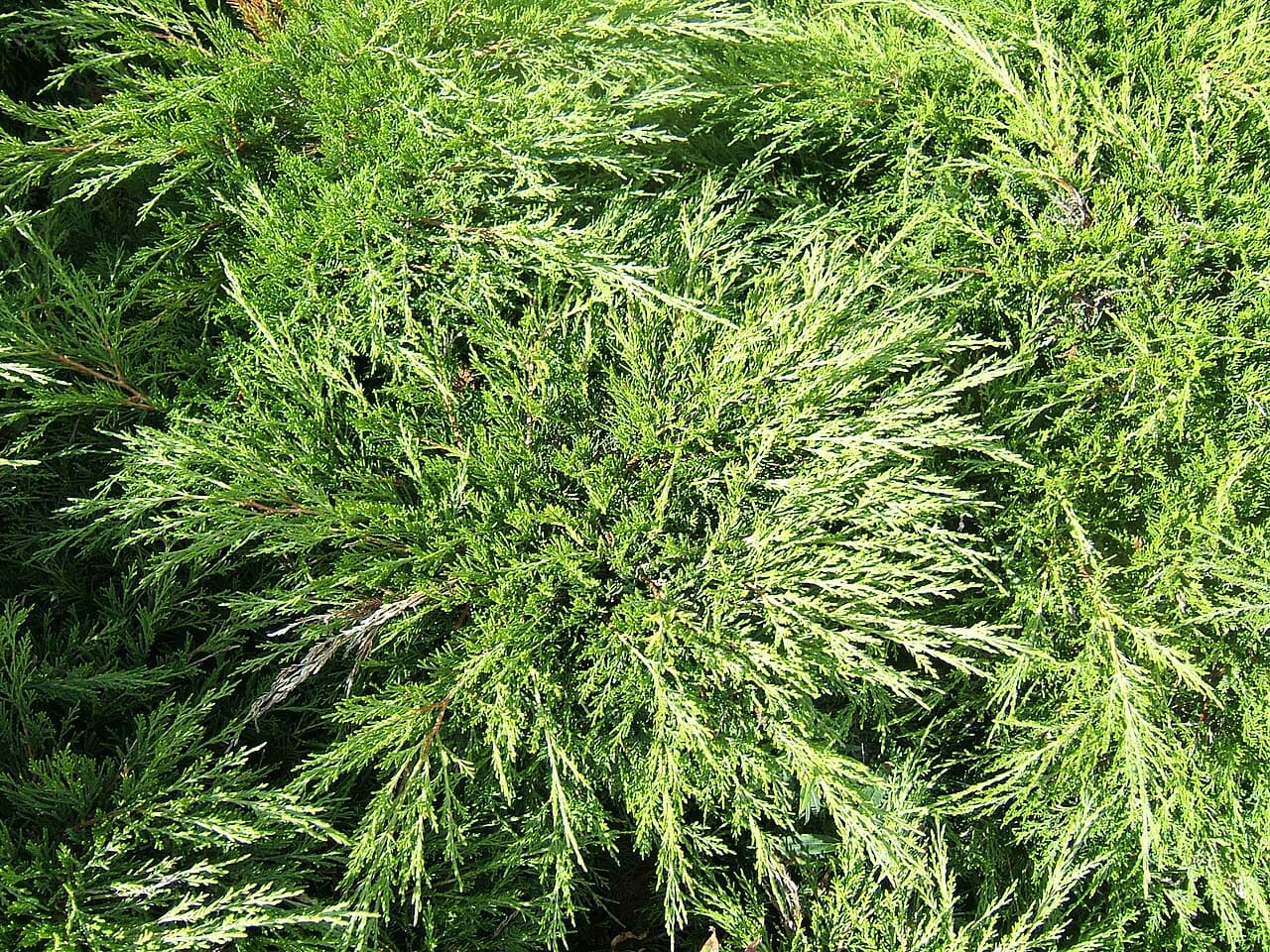
Savin Juniper
Seldom damagedJuniperus sabina
- Type
- Shrub
- Hardiness
- Zones 3–7
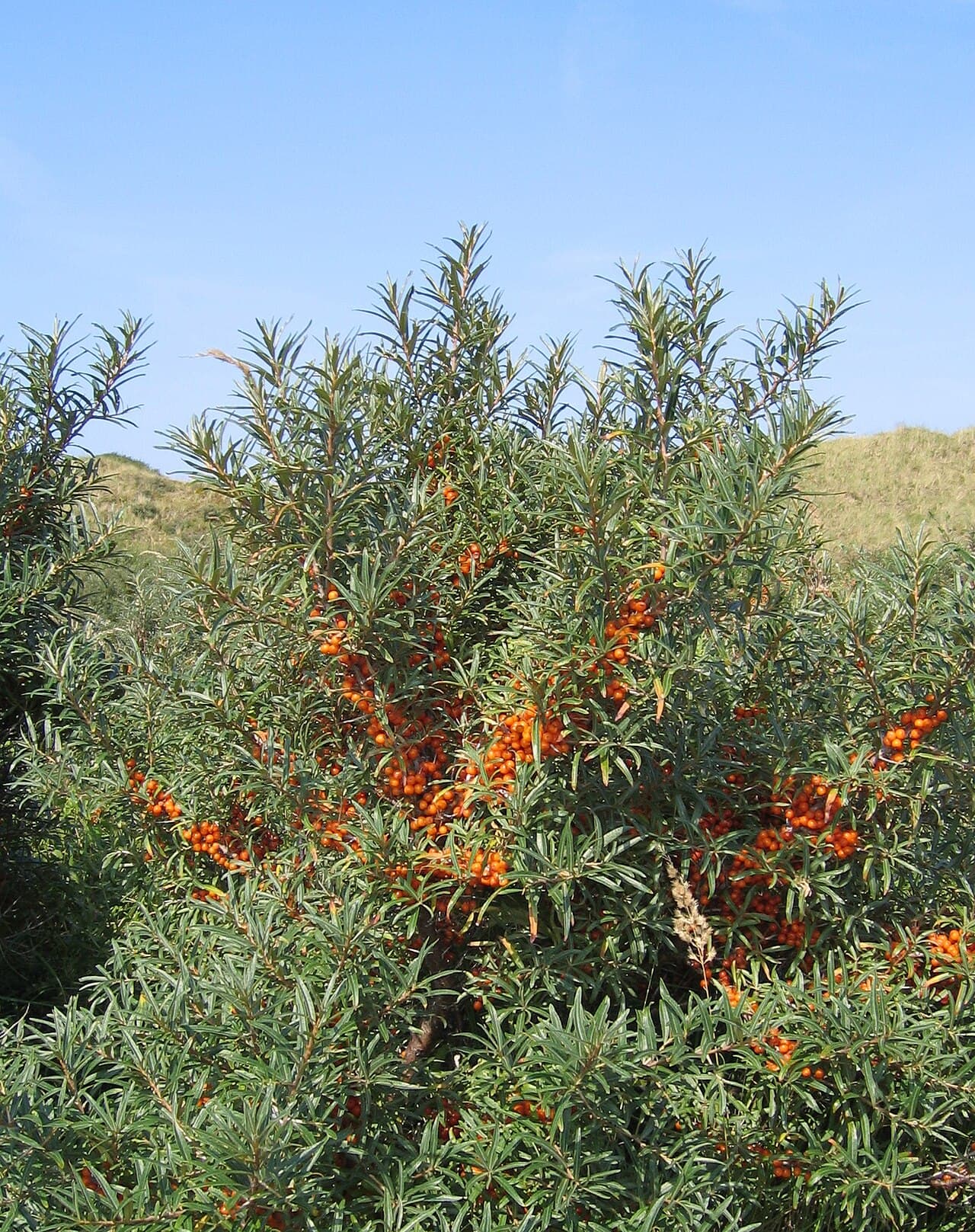
Sea Buckthorn
Seldom damagedHippophae rhamnoides
- Type
- Shrub
- Hardiness
- Zones 3–8
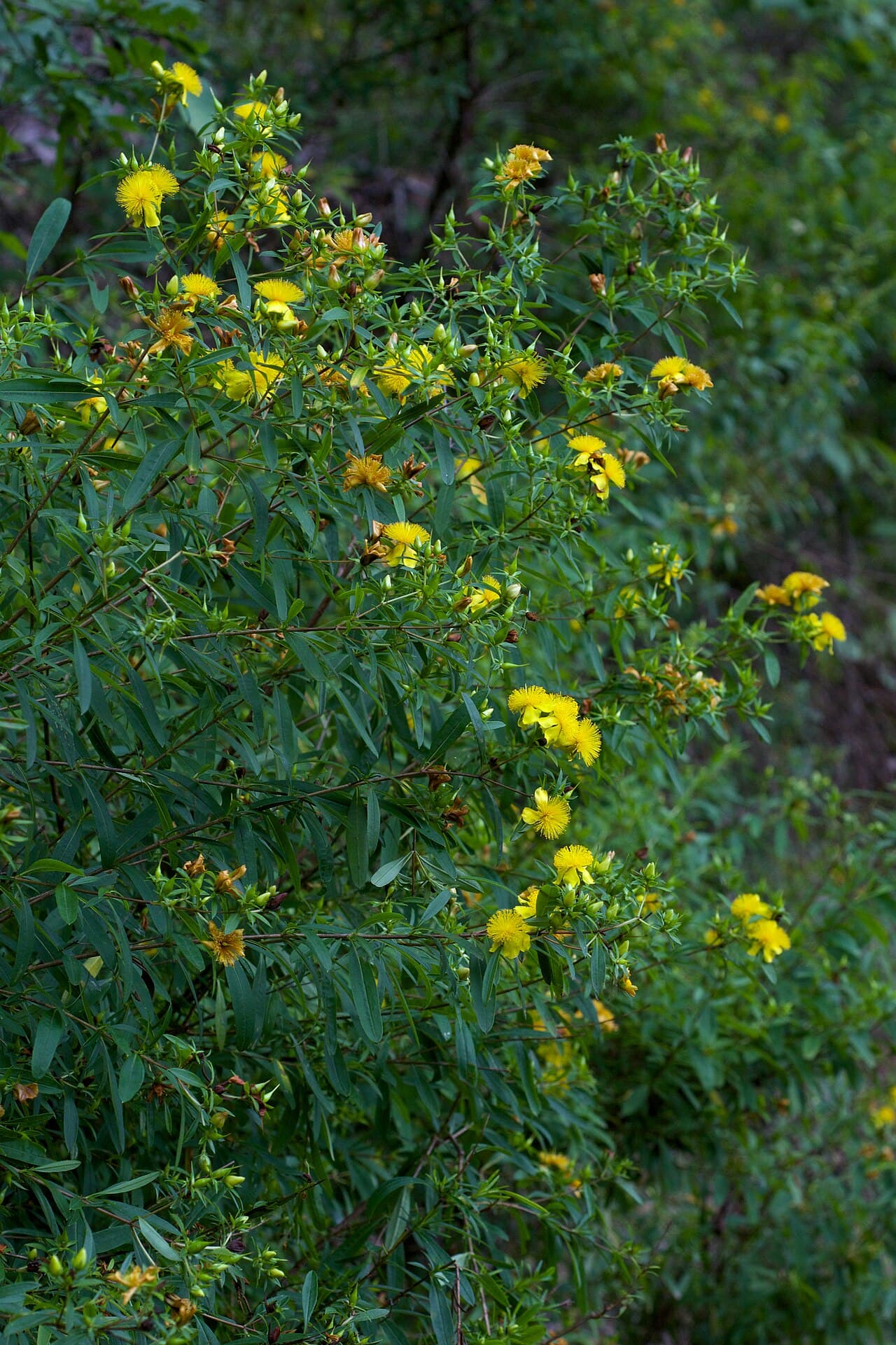
Shrubby St. John's Wort
Seldom damagedHypericum prolificum
- Type
- Shrub
- Hardiness
- Zones 3–8
- Height
- 12–60 in
Silver Buffaloberry
Seldom damagedShepherdia argentea
- Type
- Shrub
- Hardiness
- Zones 3–9
- Height
- 240–240 in
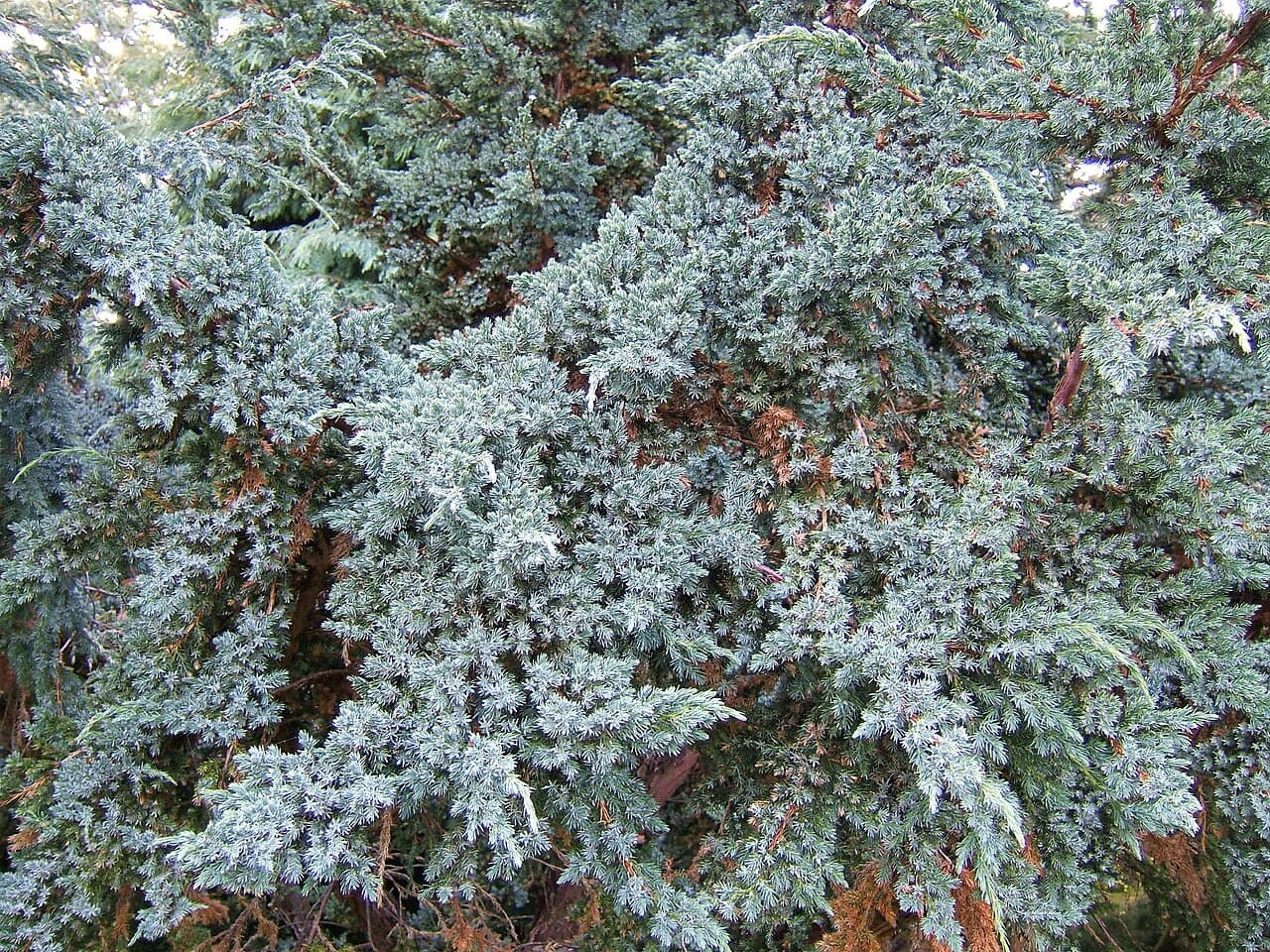
Singleseed Juniper
Seldom damagedJuniperus squamata
- Type
- Shrub
- Hardiness
- Zones 4–8
Smith's Buckthorn
Seldom damagedRhamnus smithii
- Type
- Shrub
- Hardiness
- Zones 4–8
- Height
- 120–120 in
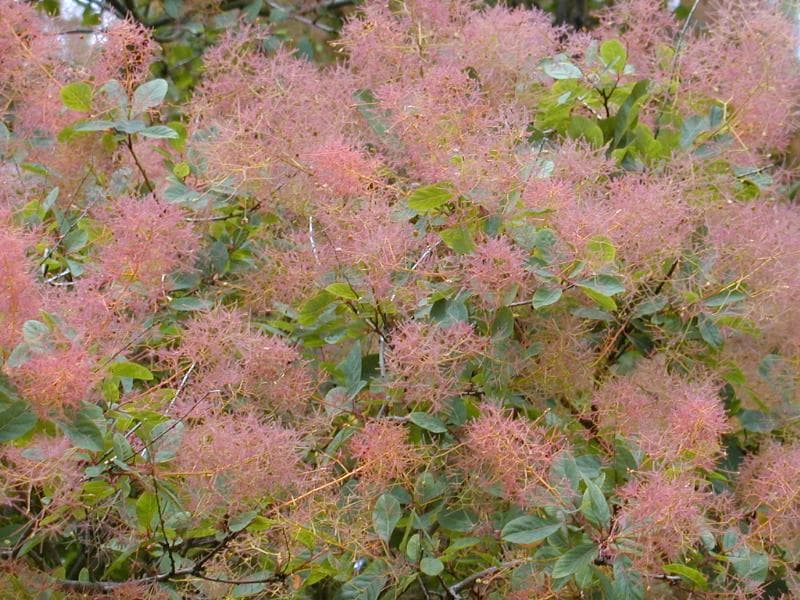
Smokebush
Seldom damagedCotinus coggygria
- Type
- Shrub
- Hardiness
- Zones 4–8
- Height
- 120–180 in
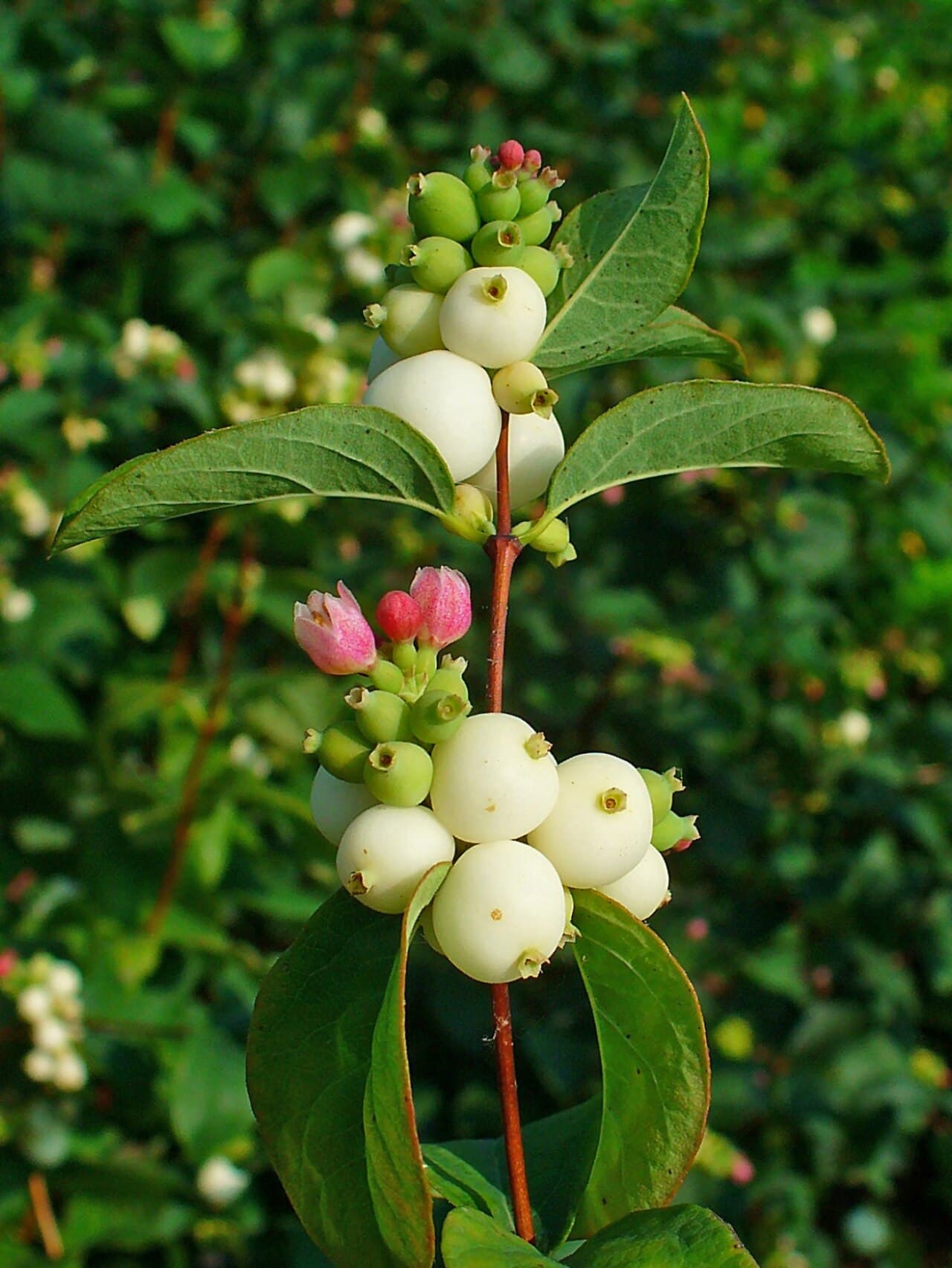
Snowberry
Seldom damagedSymphoricarpos albus
- Type
- Shrub
- Hardiness
- Zones 3–7
- Height
- 36–72 in
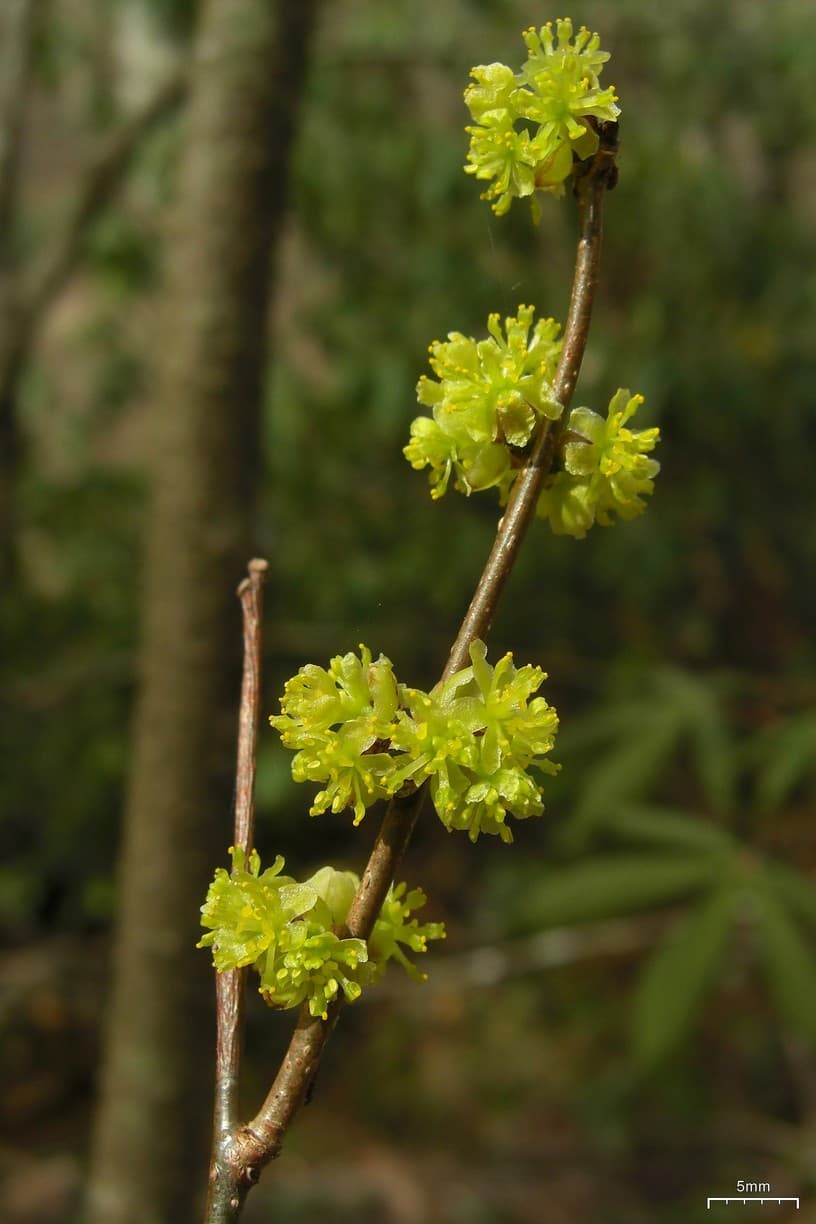
Spicebush
Seldom damagedLindera benzoin
- Type
- Shrub
- Hardiness
- Zones 5–9
- Height
- 96–180 in
Stretchberry
Seldom damagedForestiera pubescens
- Type
- Shrub
- Hardiness
- Zones 4–9
- Height
- 39–180 in
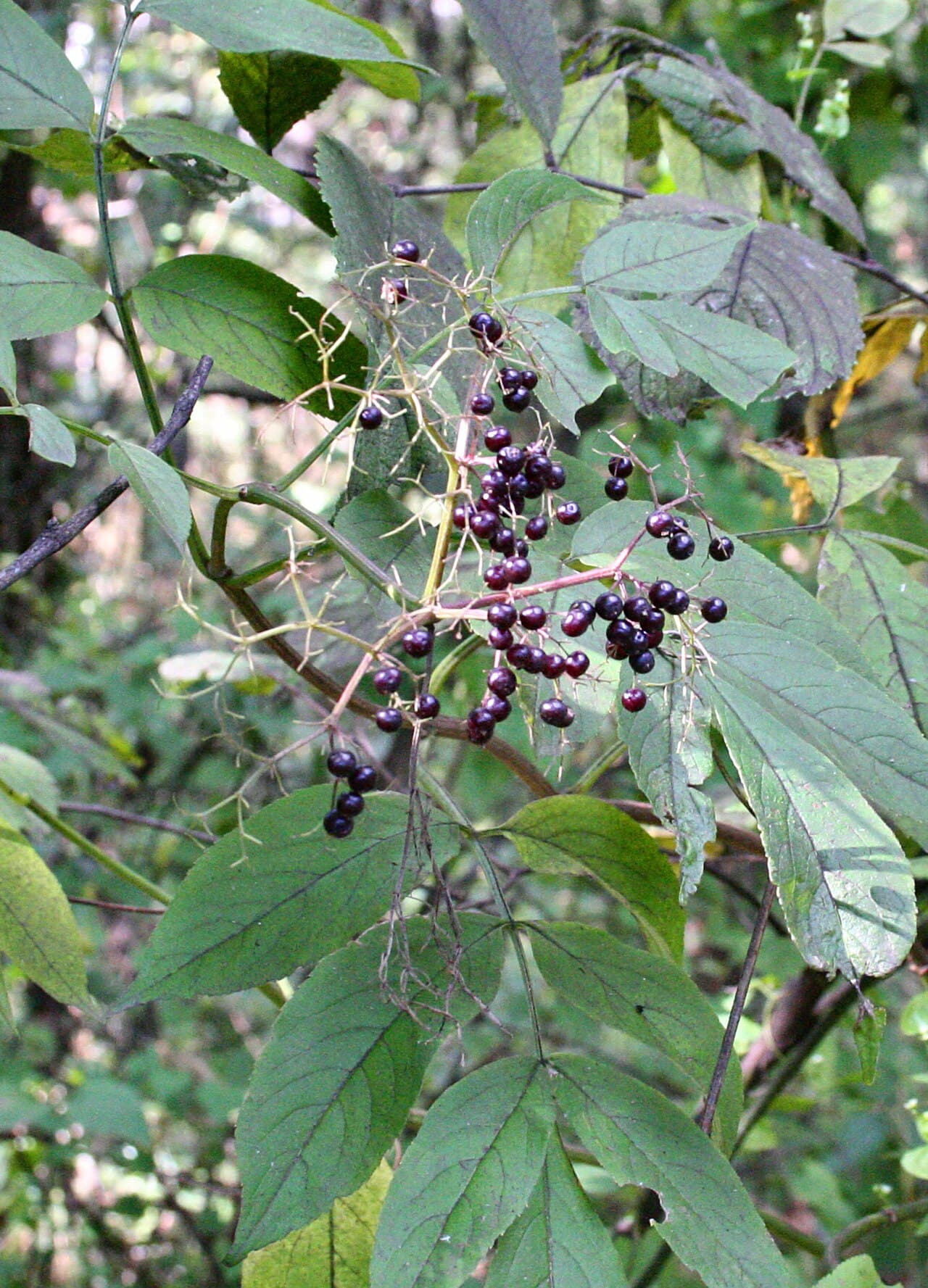
Sweet Elder
Seldom damagedSambucus canadensis
- Type
- Shrub
- Hardiness
- Zones 4–8
- Height
- 60–144 in
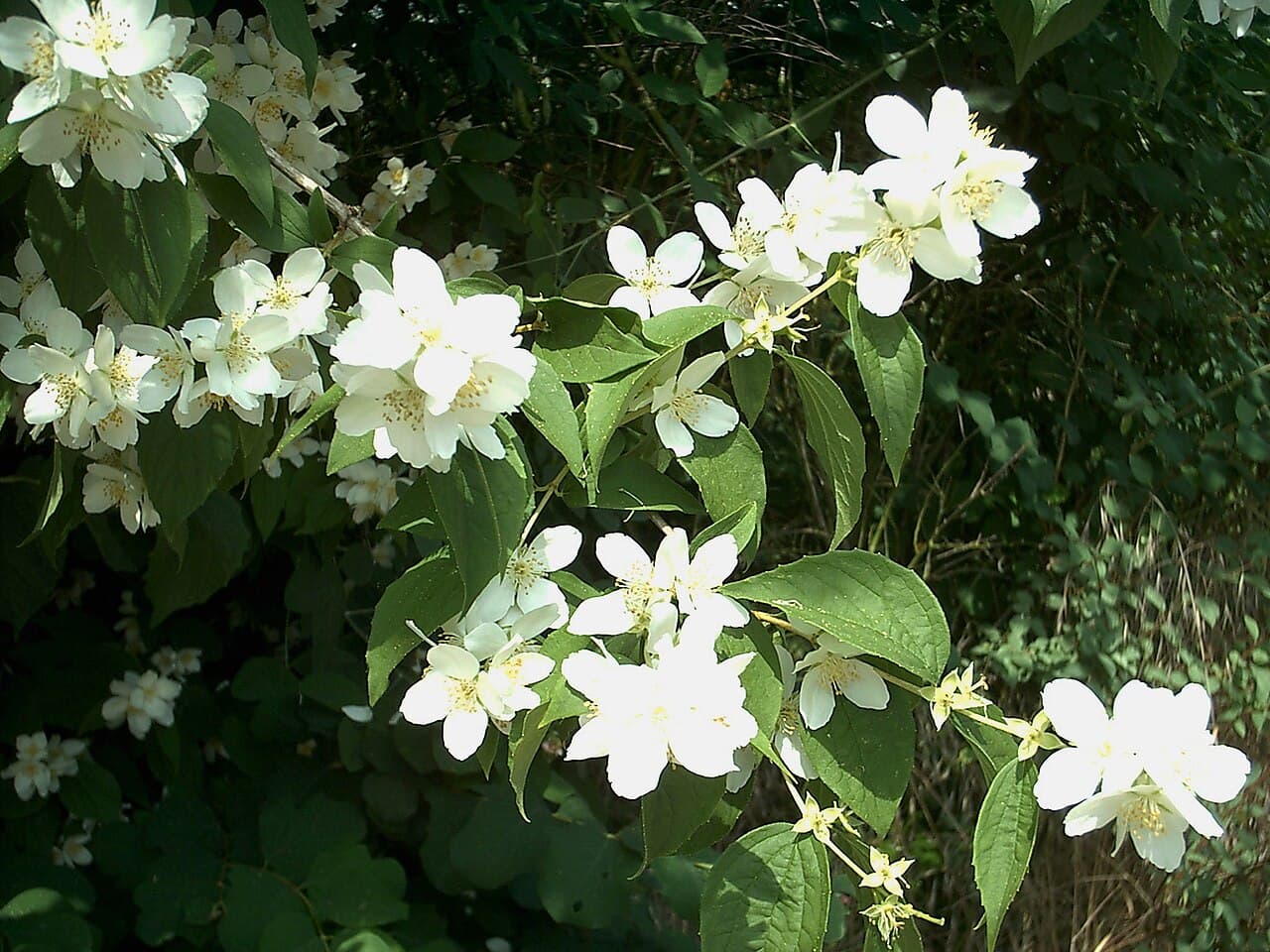
Sweet Mock Orange
Seldom damagedPhiladelphus coronarius
- Type
- Shrub
- Hardiness
- Zones 4–8
- Height
- 120–144 in
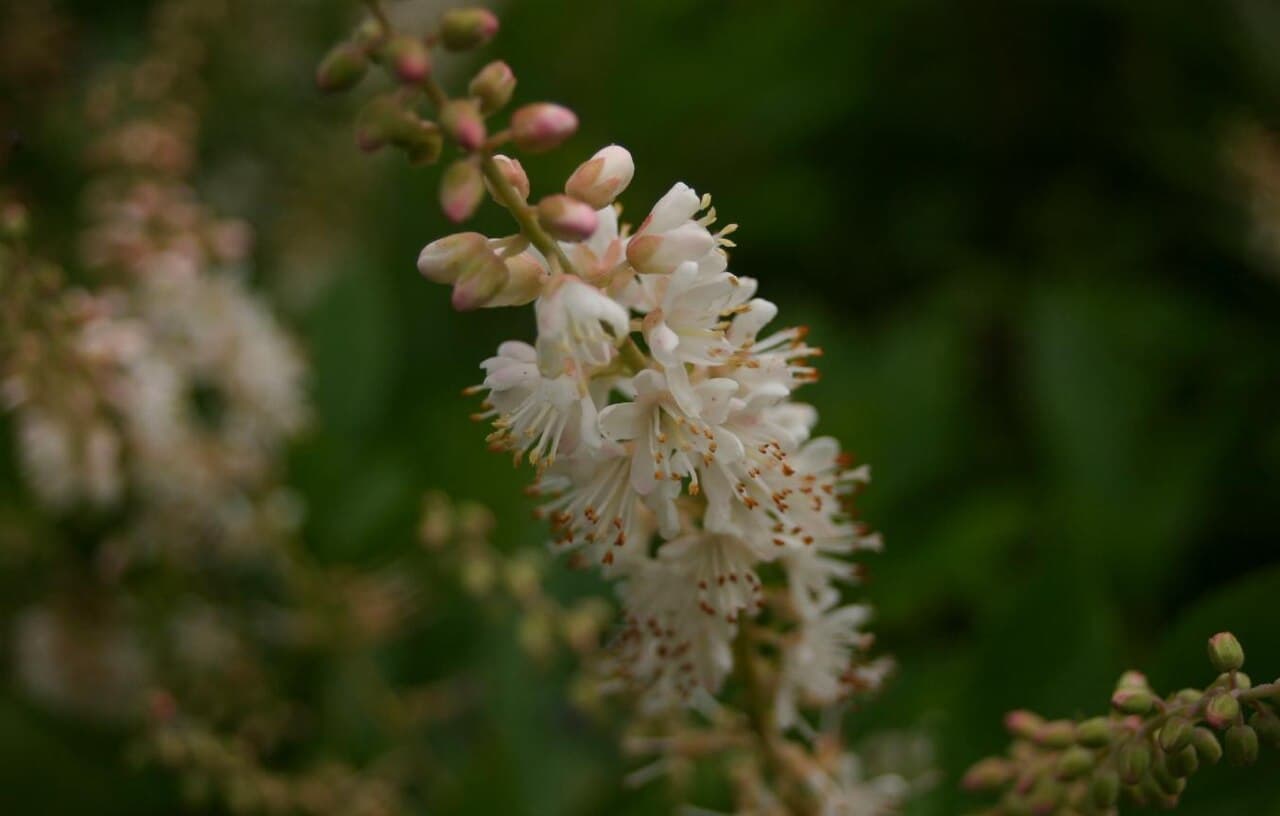
Sweet Pepperbush
Seldom damagedClethra sp.
- Type
- Shrub
- Hardiness
- Zones 4–9, genus range
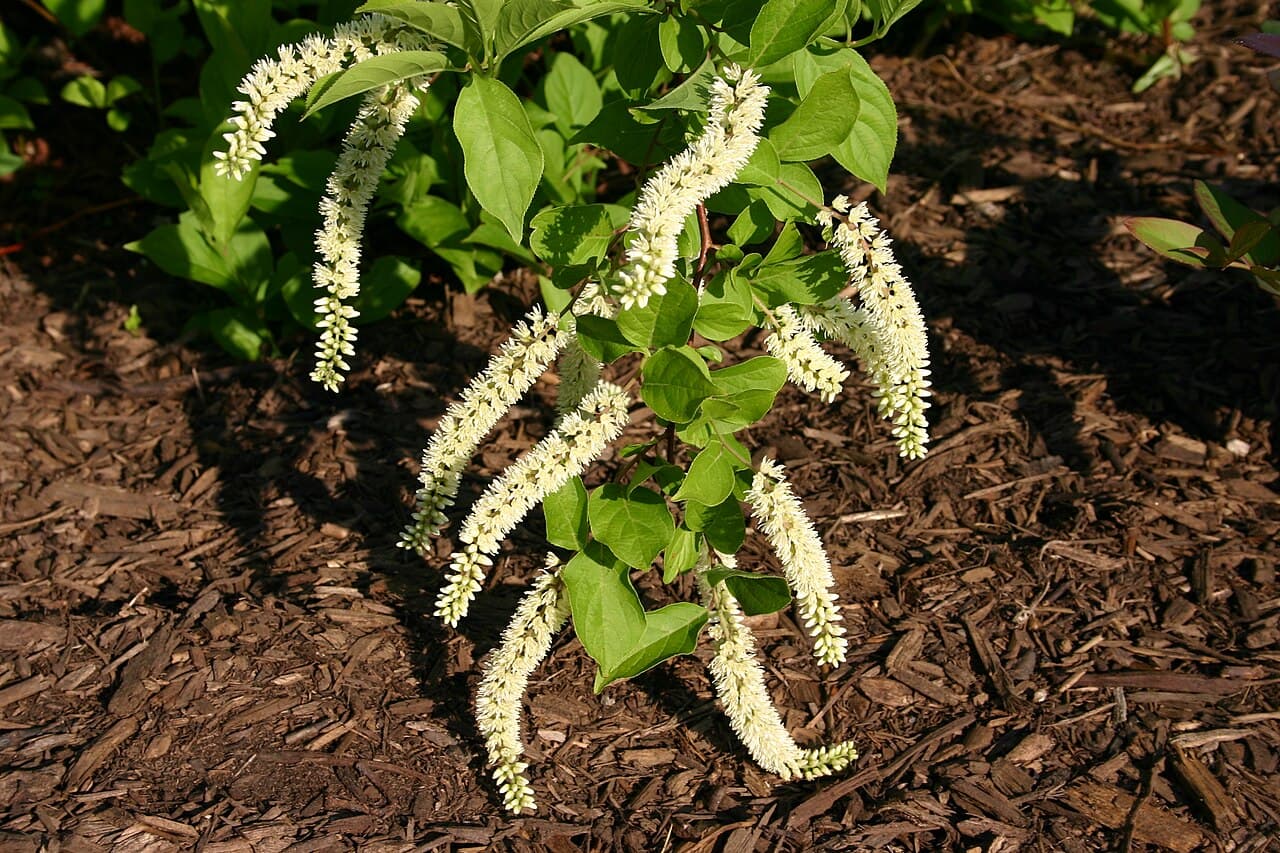
Virginia Sweetspire
Seldom damagedItea virginica
- Type
- Shrub
- Hardiness
- Zones 5–9
- Height
- 48–96 in
Wax Currant
Seldom damagedRibes cereum
- Type
- Shrub
- Height
- 72–72 in