
Deer-resistant trees
Young trees face two separate problems: browsing on the foliage, and buck rub on the trunk in fall. Rub damage kills trees that browsing would only disfigure, and no repellent prevents it. Trunk guards do.
99 plants · page 2 of 2
Trees are the hardest category, and the numbers say so
The encyclopedia holds 94 trees. Only 11 are rarely damaged. Forty are seldom severely damaged, 39 are occasionally severely damaged, and four are frequently severely damaged.
Compare that with shrubs, where 29 of 134 are rarely damaged, or perennials, where 56 of 160 are. Trees have the thinnest genuinely safe list on the site, and a tree costs more than anything else you will plant.
There is a reason, and it is not that trees are especially delicious. It is that a tree spends its first several years entirely within reach, at exactly the height a deer feeds, and then spends the rest of its life out of reach. The rating describes a window rather than a permanent condition. Almost every tree here is vulnerable young and safe later.
That single fact should reorganize how you think about this page. For most trees, the question is can I get this one through its first five years.
Browsing is not the main way deer kill a tree
A browsed tree loses leaves and a season of growth. It usually survives.
What kills trees is antler rubbing. From late summer through fall, bucks rub their antlers against flexible young trunks to remove velvet and mark territory. A trunk of roughly one to three inches is the ideal diameter, which is precisely the size of every newly planted tree.
Rubbing strips bark in vertical patches, and if it goes all the way round, the tree is girdled: the vascular tissue carrying sugars down to the roots is severed, the roots starve, and the tree dies. It can die the following summer, apparently for no reason, having looked fine all spring.
One buck, one evening, one tree. This is the single most expensive deer damage available in a garden, and it has nothing to do with whether the species is palatable. A rarely damaged tree can be girdled just as easily as a favorite.
Every newly planted tree in deer country needs its trunk protected, and it needs it in place before the first fall rather than after.
Arborvitae is the expensive mistake
American arborvitae is one of the four trees rated frequently severely damaged, alongside cherry, plum and European mountain ash.
This matters more than the other three because arborvitae is the default privacy hedge across most of North America. It is cheap, fast, evergreen and sold everywhere for exactly this purpose. In a garden with deer, a row of arborvitae is a large, expensive, slow-motion failure: the deer strip it from the ground up to about five feet, and because arborvitae does not reliably regenerate from old bare wood, the bottom never fills back in.
The result is a hedge with a permanent gap underneath it, which fails at precisely the job it was bought for.
If you want evergreen screening where deer live, the workable options are Japanese black pine, pitch pine, red pine or American holly from the rarely damaged list, or dwarf Alberta spruce for a smaller space. Western arborvitae and Leyland cypress are both rated occasionally severely damaged, which is better than American arborvitae but is not the same as safe.
The browse line, and what it tells you
In woodland under heavy deer pressure you can see a horizontal line at about five feet where all foliage below has been eaten and everything above is untouched. It looks manicured. It is not.
Two things follow. First, the five foot mark is roughly the reach of the problem, which is why protecting the lower trunk and lower branches solves most of it. Second, a browse line in the woods next to your garden is the single best local pressure reading available, better than any rating on this site, because it tells you what your deer are actually doing rather than what deer in New Jersey did.
If you have a browse line nearby, plant as though everything on this page is one tier worse than it says.
The trees that hold up
Eleven trees are rarely damaged, and they group into three useful sets.
Pines. Japanese black pine, pitch pine and red pine. Long stiff needles and resinous foliage make poor browse, and all three tolerate hard sites. This is the most reliable evergreen structure available here.
Birches. Paper birch and river birch. River birch in particular is tough, tolerant of wet ground and widely available, and it is one of the few fast-growing deciduous trees on this list.
The odd ones. American holly for evergreen with berries and spiny leaves. Katsura for a graceful medium shade tree with good fall color. Pawpaw, which is native, understorey-tolerant and produces the largest edible fruit native to North America. Bottlebrush buckeye, which is technically a large suckering shrub and one of the best things available for shade.
| Need | Choose | Rating | Note |
|---|---|---|---|
| Evergreen screening | Japanese black pine, pitch pine | Rarely damaged | Not arborvitae |
| Fast deciduous shade | River birch | Rarely damaged | Tolerates wet ground |
| Small ornamental | Katsura tree | Rarely damaged | Fall color, no thorns needed |
| Evergreen with berries | American holly | Rarely damaged | Spiny, slow, long-lived |
| Shade understorey | Pawpaw, bottlebrush buckeye | Rarely damaged | Native, edible in the first case |
Mimosa appears in the rarely damaged list and is deliberately not in that table. It is widely regarded as invasive across the southeastern United States, seeds prolifically and is short-lived. Deer resistance is not a reason to plant it.
Fruit trees are a special case
Apple, common pear, sweet cherry, crabapple, American persimmon and Chinese chestnut are all rated occasionally severely damaged, and plum and cherry are frequently severely damaged. There is no version of this where a fruit tree is deer-proof, because fruit trees have been bred for exactly the qualities that make good browse: soft growth, sweet fruit, low branching.
Plan on protecting them permanently rather than temporarily. A caged fruit tree in a garden with deer is normal, not a failure.
This cuts the other way if you are planting deliberately for deer. Several of these are among the best draws available, which is the subject of trees for deer rather than this page.
Protecting a young tree properly
The trunk and the browse zone are two different problems and want two different solutions.
For antler rub, a rigid trunk guard or a spiral wrap around the lower three to four feet. It must be rigid enough that a buck cannot compress it against the bark, and loose enough not to constrict as the trunk expands. Check it every fall and remove it once the trunk is beyond about four inches, because a forgotten guard eventually girdles the tree itself.
For browsing, a cylinder of welded wire about five feet tall and wide enough that a deer cannot reach the leader through it. Three stakes and a length of wire is enough. This is one of the highest-value purchases in the whole subject: very little money against the entire cost of the tree and the decade it represents.
For an orchard or a row of young trees, individual protection quickly becomes more expensive than a fence, and what a deer fence costs explains where that crossover sits. If you go that way, eight feet is the working height.
Winter is when the evergreens get eaten
Deciduous and evergreen trees fail at opposite times of year, and knowing which you are dealing with tells you when to have protection in place.
A deciduous tree is at risk in spring and early summer, when it pushes soft new growth and the leader is the sweetest thing on it. Losing the leader is the serious version: the tree either regrows crooked or takes years to re-establish a single dominant stem, and a shade tree with two competing leaders is a structural problem for its whole life.
An evergreen is at risk in late winter, for the opposite reason. In February there is very little else green within reach, and a hemlock, fir or arborvitae is one of the few things still carrying foliage. This is when hedges that were untouched for three years suddenly get stripped, and it is why people conclude that deer pressure has increased when what has actually changed is the weather.
Heavy snow makes it worse in a way that surprises people. A foot of settled snow raises the animal a foot, so the browse line rises with it and the parts of a tree you thought were safely out of reach are not. In a hard winter, damage appears higher up the trunk than any summer would suggest.
The practical version: get trunk guards on before fall for the rub, and expect the evergreen browsing question to be answered in February rather than in July.
Buy small and protect it, rather than big and unprotected
The instinct with a tree in deer country is to buy the largest specimen affordable, on the theory that it starts out beyond reach. It is usually the wrong call, and it is worth understanding why before spending the money.
A large transplanted tree loses a great deal of its root system in the move and spends its first several years rebuilding it rather than growing. A small tree planted alongside it establishes faster, and commonly overtakes it within about five to seven years. You pay several times more for the large one and end up behind.
Neither is out of reach of a buck's antlers regardless. A two-inch trunk is the preferred rubbing diameter, and a large nursery tree arrives at precisely that size. Height buys nothing against the damage that actually kills trees.
So the better allocation is the small tree plus proper protection. A whip or a small container tree, a rigid trunk guard, a wire cylinder and three stakes costs a fraction of the large specimen, establishes faster, and is defended against the failure mode that matters. Spend the difference on the guard and on watering it properly through its first two summers.
The exception is where you genuinely need immediate screening and are willing to pay for time rather than for a better tree. That is a legitimate choice, but it should be a deliberate one rather than an assumption.
How to use the list below
Trees are grouped by rating, best first, with hardiness zone, sun requirement and mature size on every entry. Hardiness ranges have been checked against the NC State Extension plant toolbox.
Read the ratings as a description of the establishment years. Choose for the site first, because a tree is a thirty-year decision and deer pressure is a five-year problem, and then protect the trunk regardless of what the rating says.
One last thing worth repeating, because it is the point most often missed on pages like this one. The rating tells you how likely a deer is to eat the foliage. It tells you nothing whatever about whether a buck will destroy the trunk in October, and that is the damage that actually kills young trees. A rarely damaged tree with an unprotected trunk is not a safe tree. It is an unprotected tree that happens to have unappetizing leaves.
Occasionally Severely Damaged35
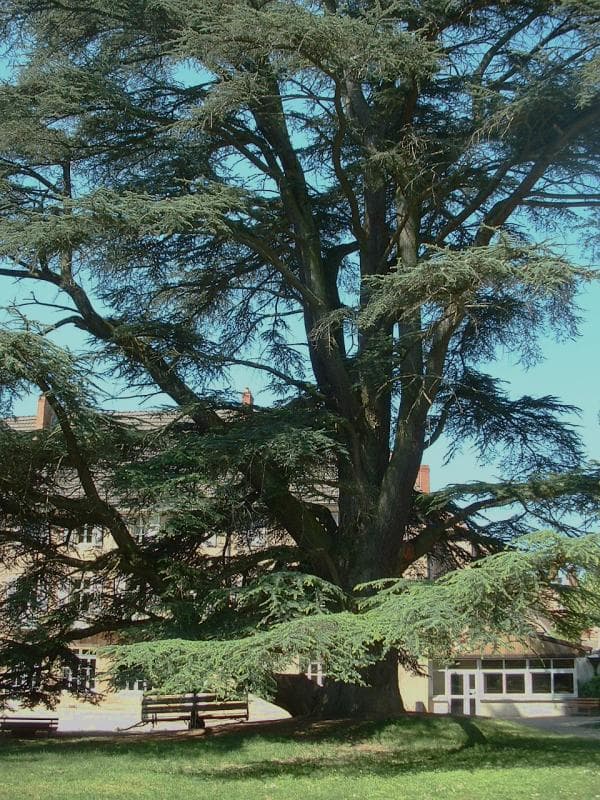
Atlas Cedar
Occasionally damagedCedrus atlantica
- Type
- Tree
- Hardiness
- Zones 6–9
- Height
- 480–720 in
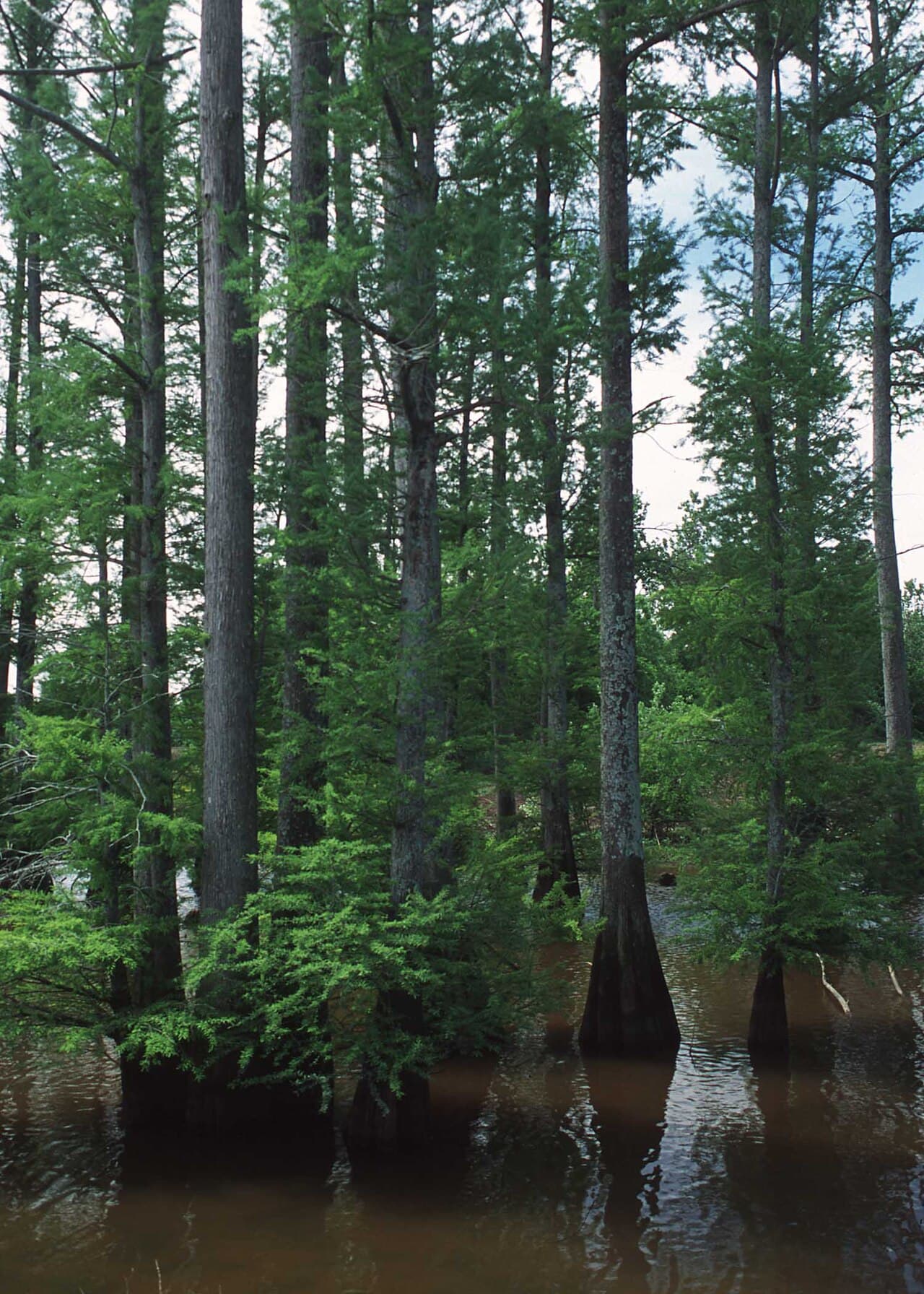
Bald Cypress
Occasionally damagedTaxodium distichum
- Type
- Tree
- Hardiness
- Zones 4–9
- Height
- 600–840 in
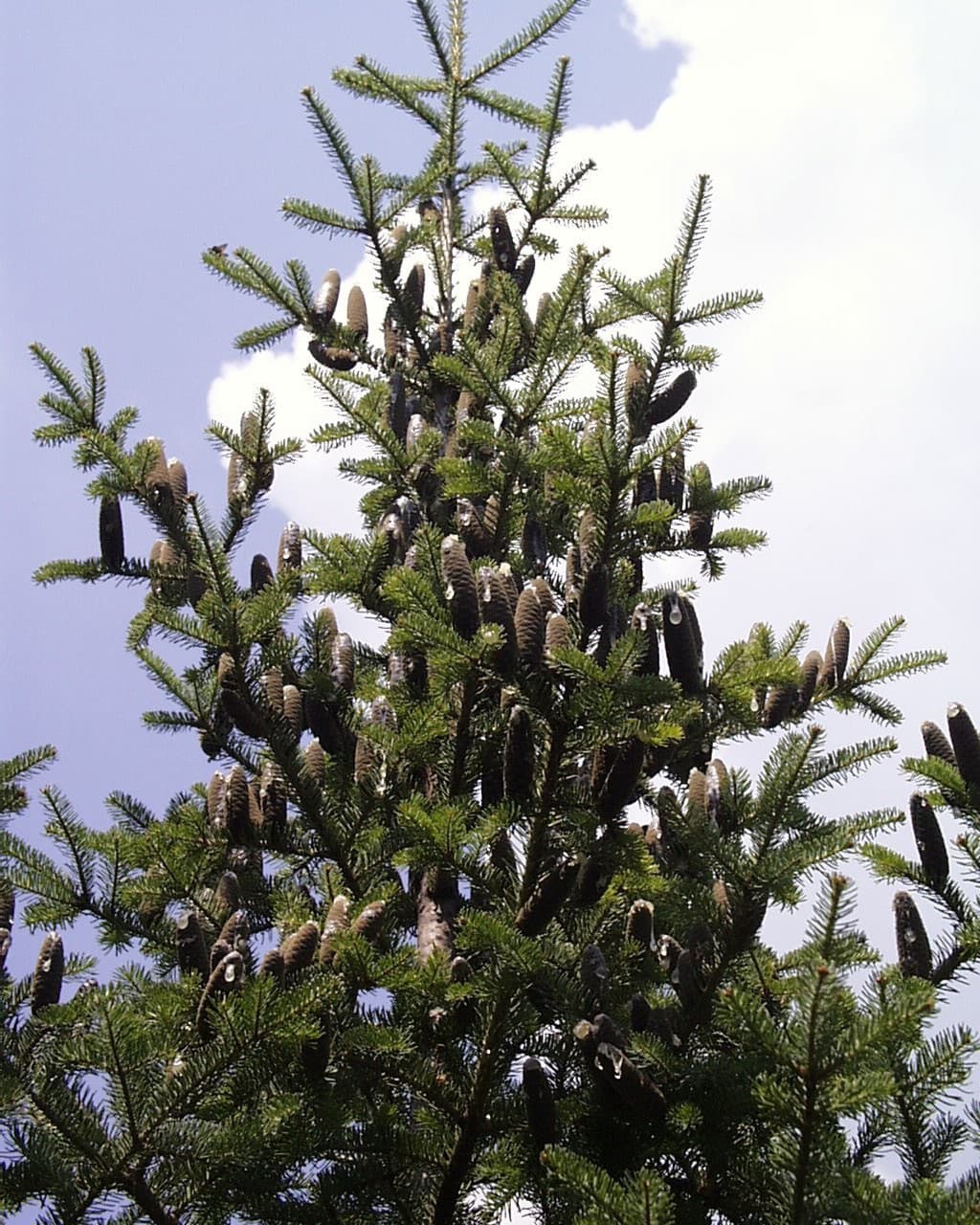
Balsam Fir
Occasionally damagedAbies balsamea
- Type
- Tree
- Hardiness
- Zones 3–7
- Height
- 480–840 in
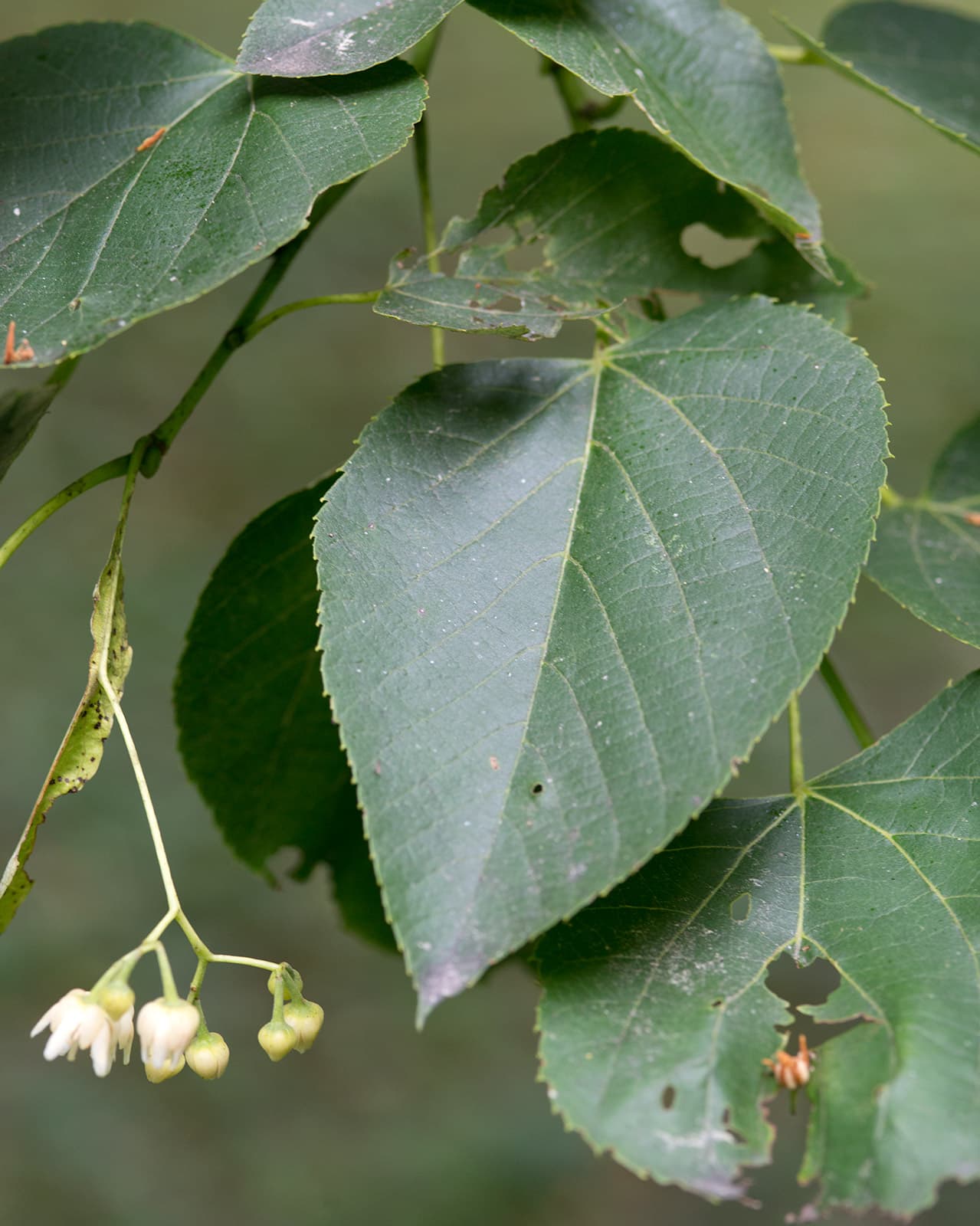
Basswood
Occasionally damagedTilia americana
- Type
- Tree
- Hardiness
- Zones 3–8
- Height
- 720–960 in
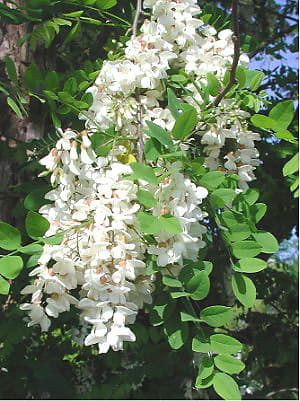
Black Locust
Occasionally damagedRobinia pseudoacacia
- Type
- Tree
- Hardiness
- Zones 3–8
- Height
- 600–600 in
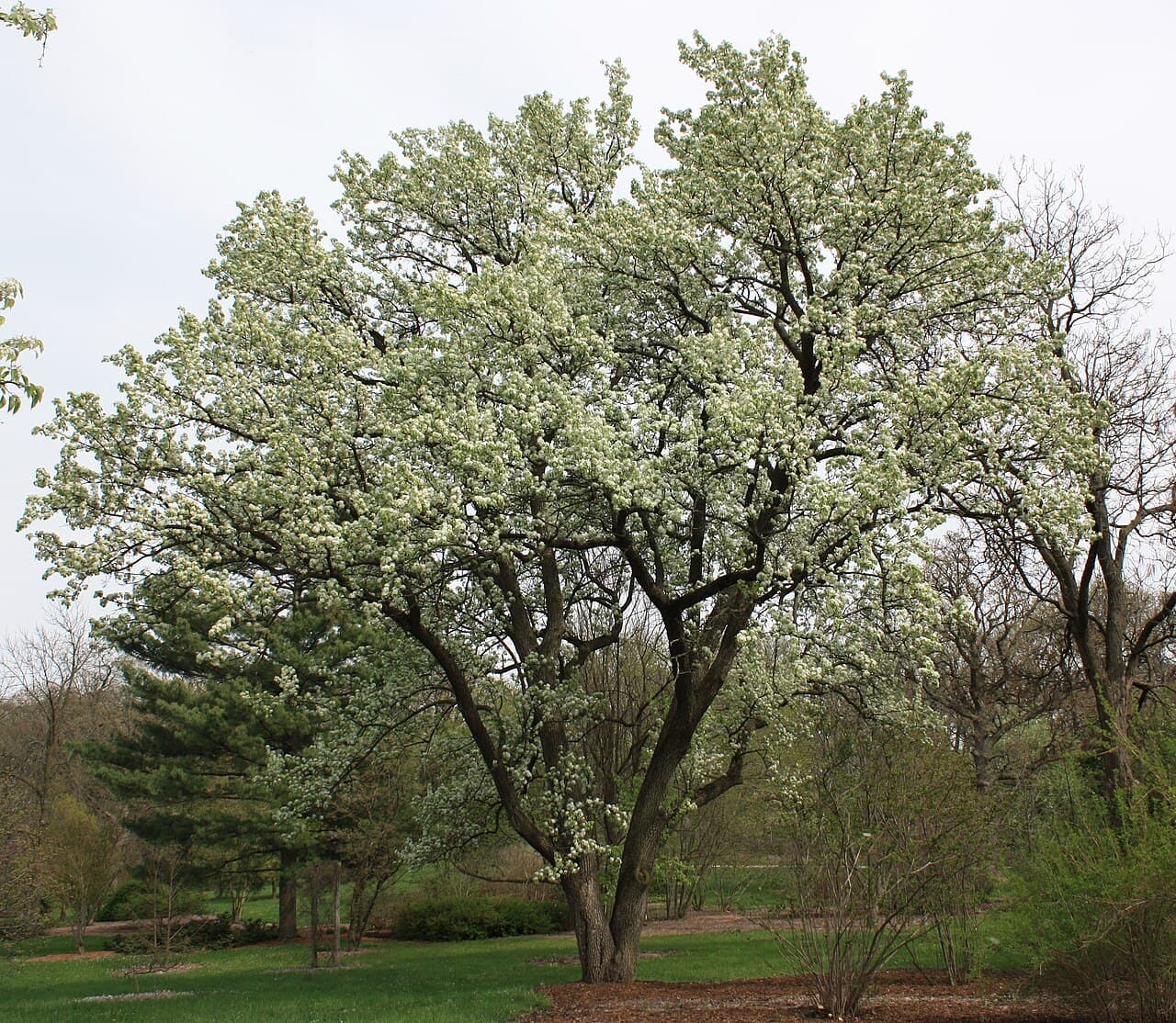
Callery Pear
Occasionally damagedPyrus calleryana
- Type
- Tree
- Hardiness
- Zones 5–9
- Height
- 360–600 in
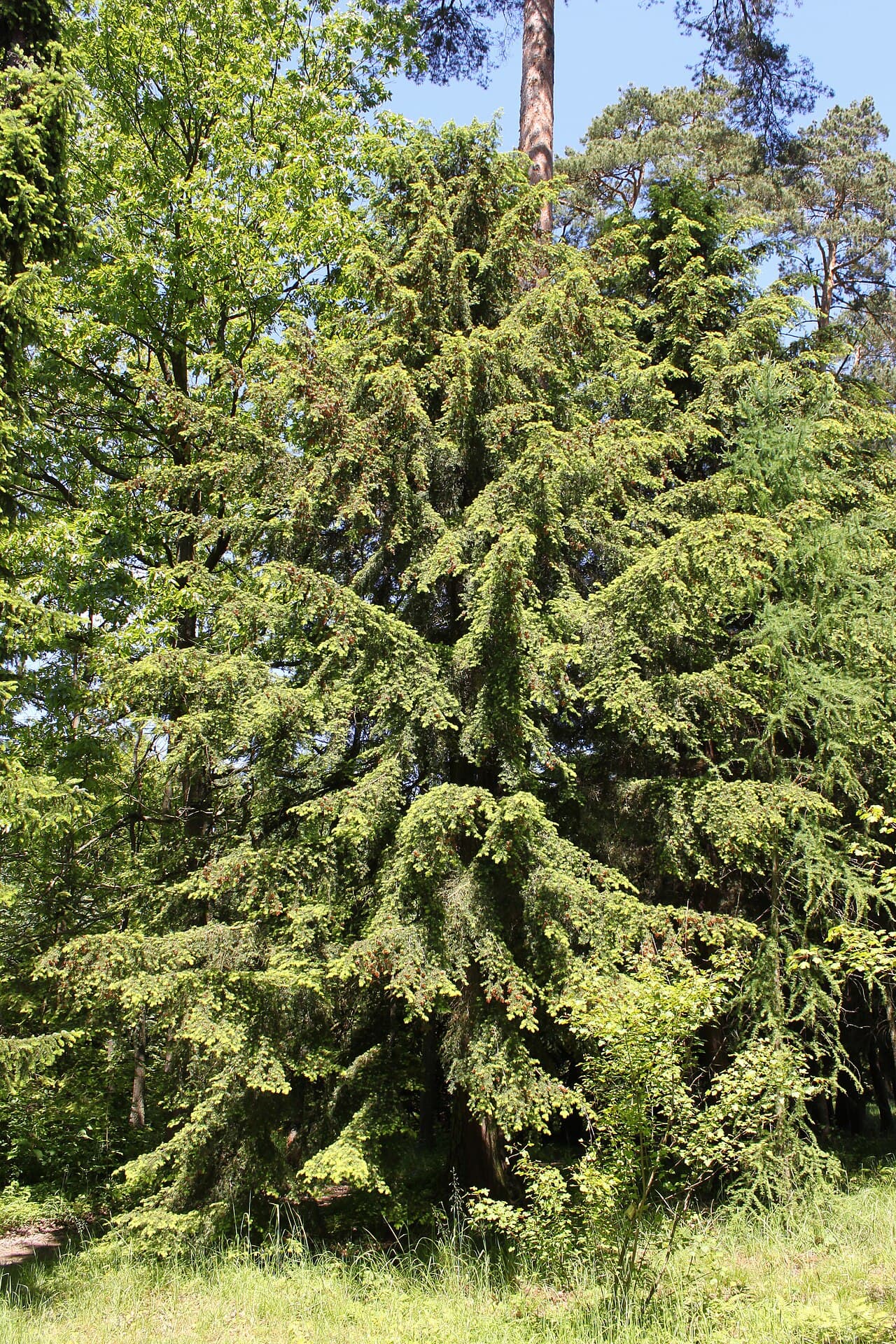
Carolina Hemlock
Occasionally damagedTsuga caroliniana
- Type
- Tree
- Hardiness
- Zones 6–7
- Height
- 360–840 in
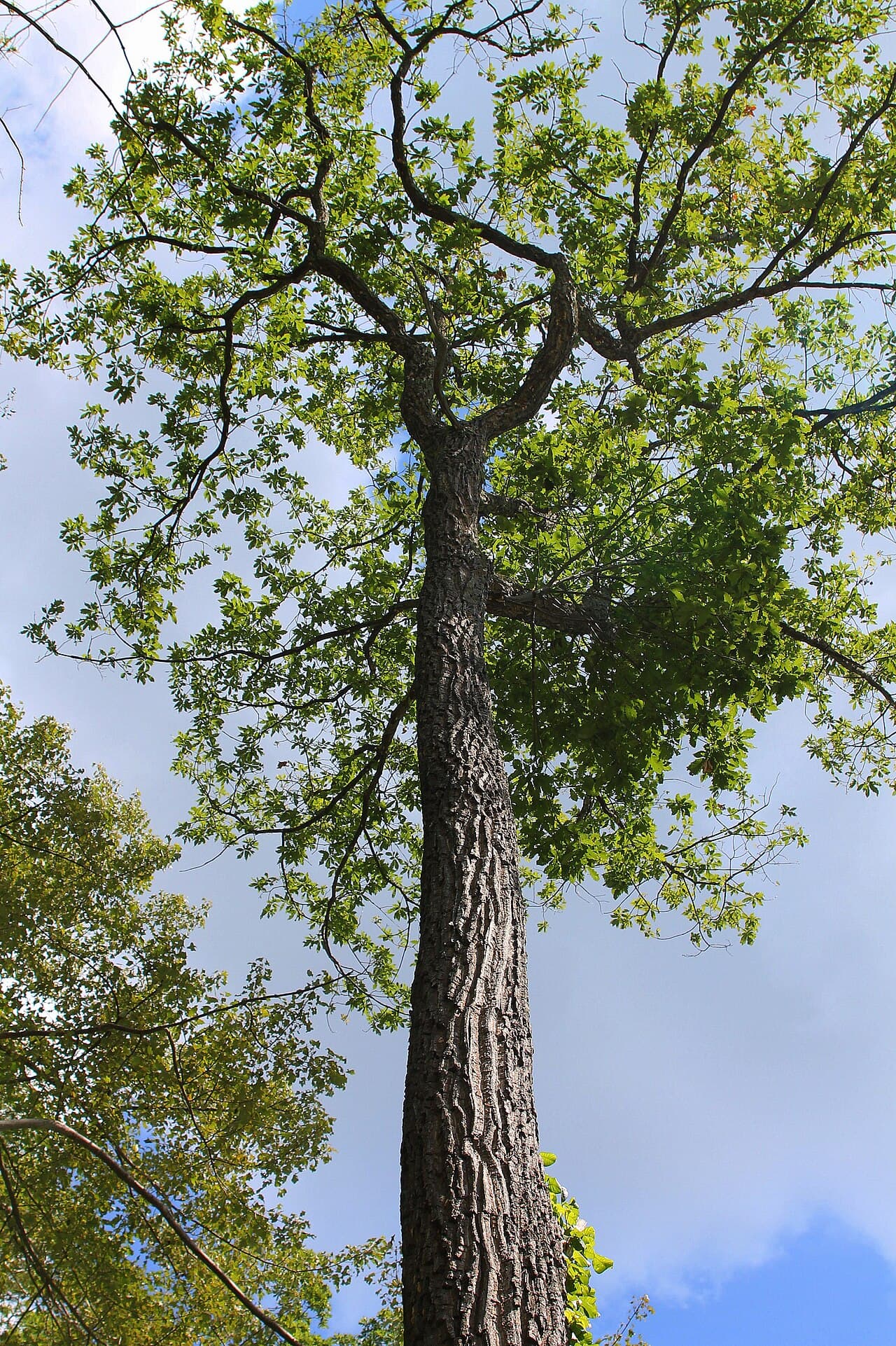
Chestnut Oak
Occasionally damagedQuercus prinus
- Type
- Tree
- Hardiness
- Zones 4–9
- Height
- 720–960 in
Chinese Chestnut
Occasionally damagedCastanea mollissima
- Type
- Tree
- Hardiness
- Zones 4–8
- Height
- 480–720 in
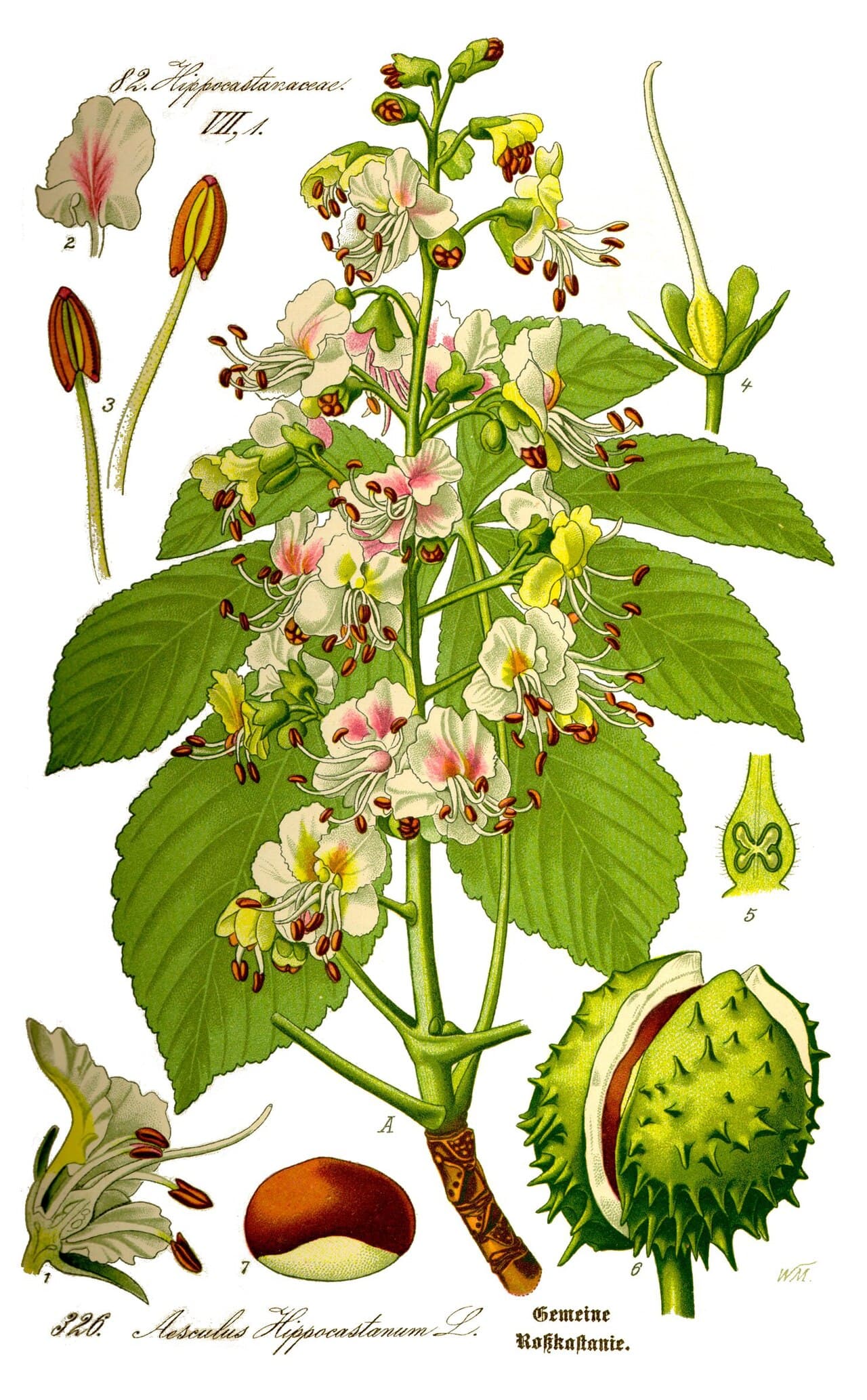
Common Horsechestnut
Occasionally damagedAesculus hippocastanum
- Type
- Tree
- Hardiness
- Zones 4–7
- Height
- 600–900 in
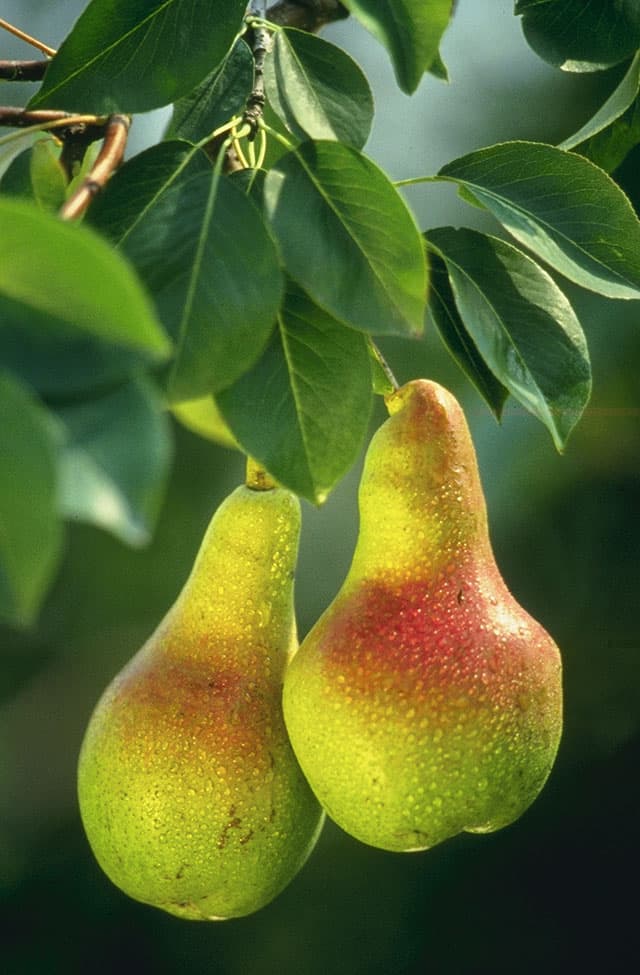
Common Pear
Occasionally damagedPyrus communis
- Type
- Tree
- Hardiness
- Zones 4–8
- Height
- 480–600 in
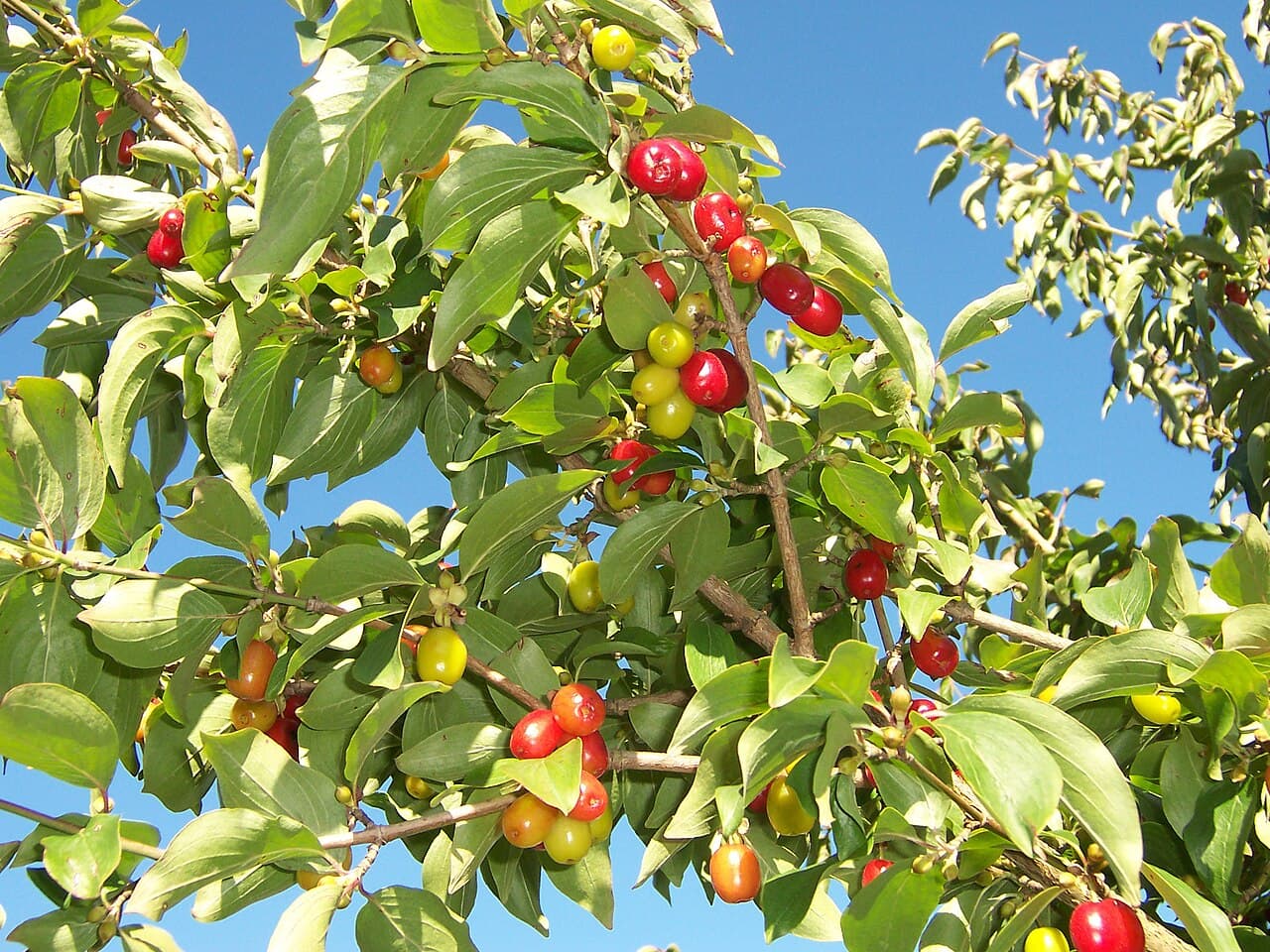
Cornelian Cherry
Occasionally damagedCornus mas
- Type
- Tree
- Hardiness
- Zones 4–8
- Height
- 180–300 in
Crabapple
Occasionally damagedMalus sp.
- Type
- Tree
- Hardiness
- Zones 4–8, genus range
- Height
- 177–299 in
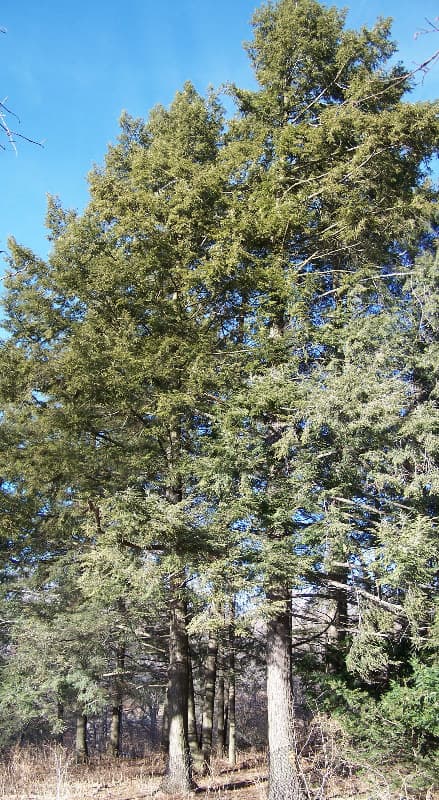
Eastern Hemlock
Occasionally damagedTsuga canadensis
- Type
- Tree
- Hardiness
- Zones 3–7
- Height
- 480–840 in
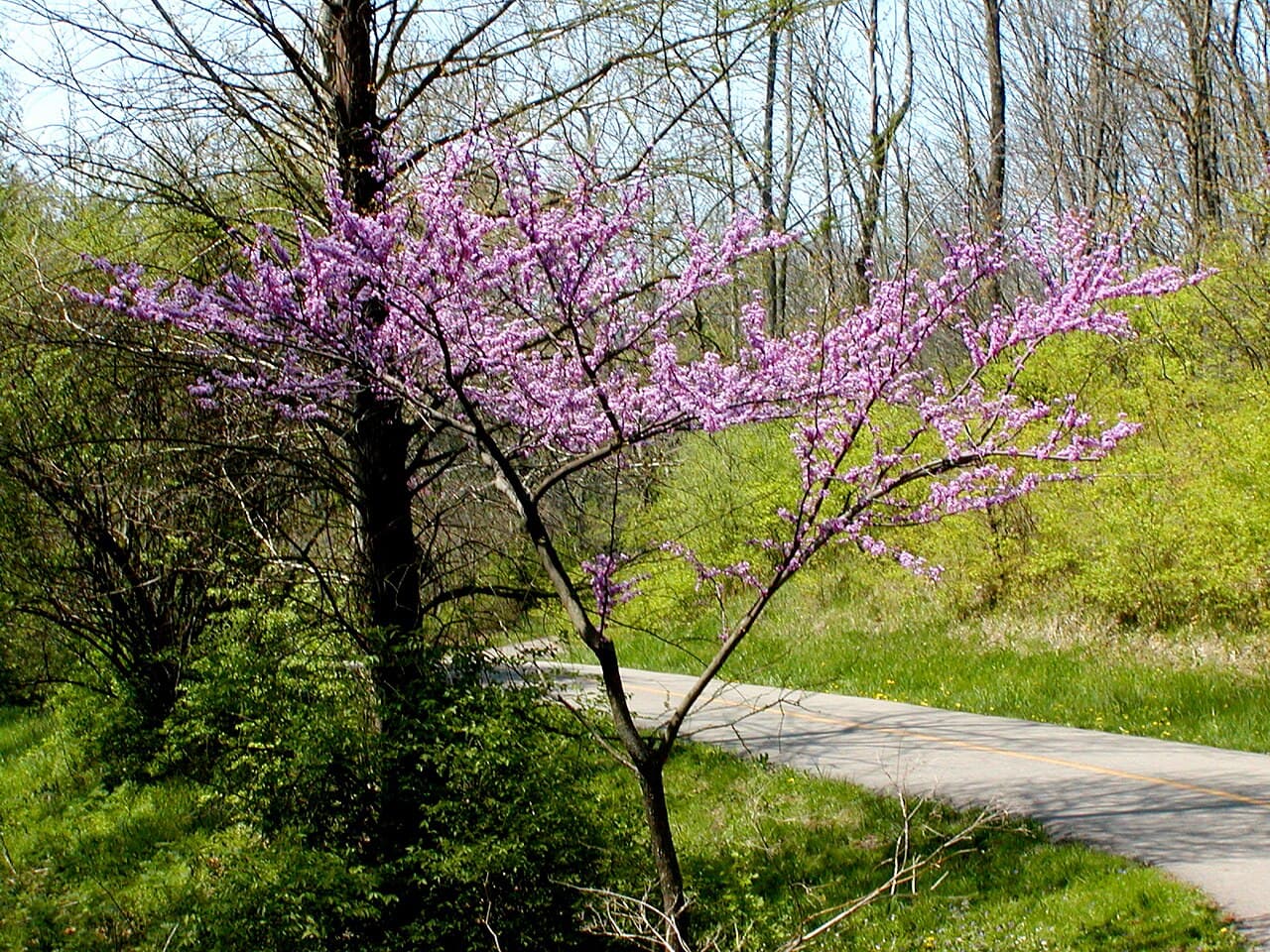
Eastern Redbud
Occasionally damagedCercis canadensis
- Type
- Tree
- Hardiness
- Zones 4–9
- Height
- 240–360 in
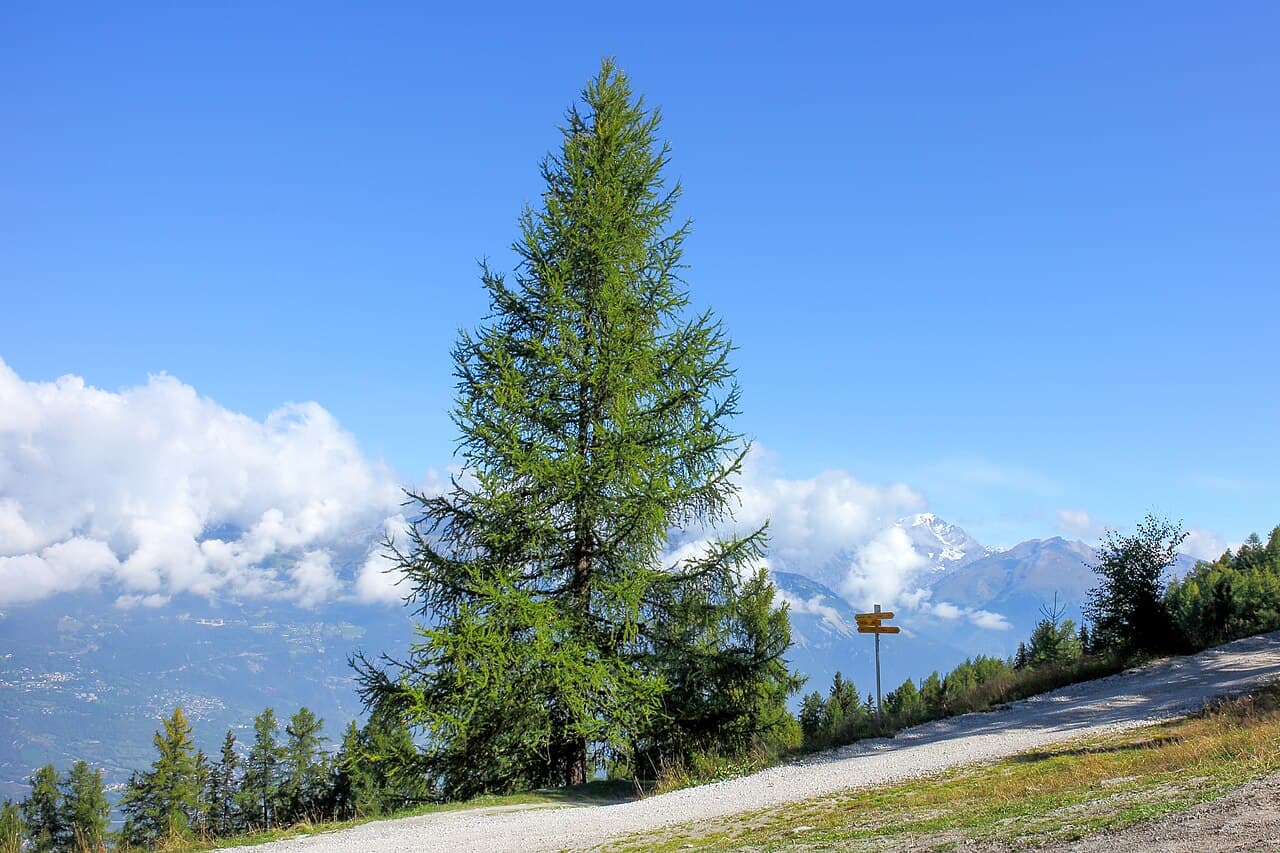
European Larch
Occasionally damagedLarix decidua
- Type
- Tree
- Hardiness
- Zones 2–6
- Height
- 720–1200 in
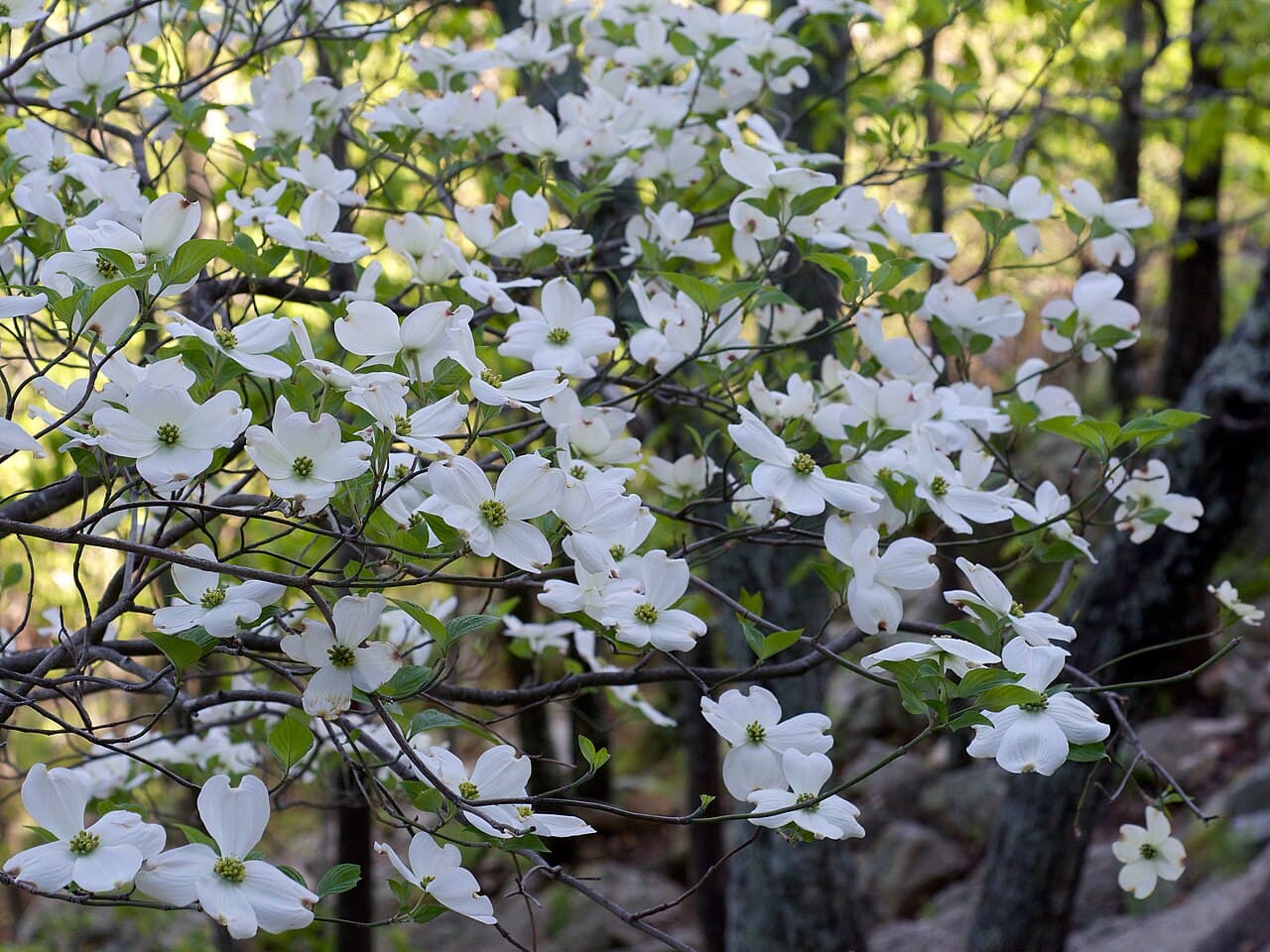
Flowering Dogwood
Occasionally damagedCornus florida
- Type
- Tree
- Hardiness
- Zones 5–9
- Height
- 180–300 in
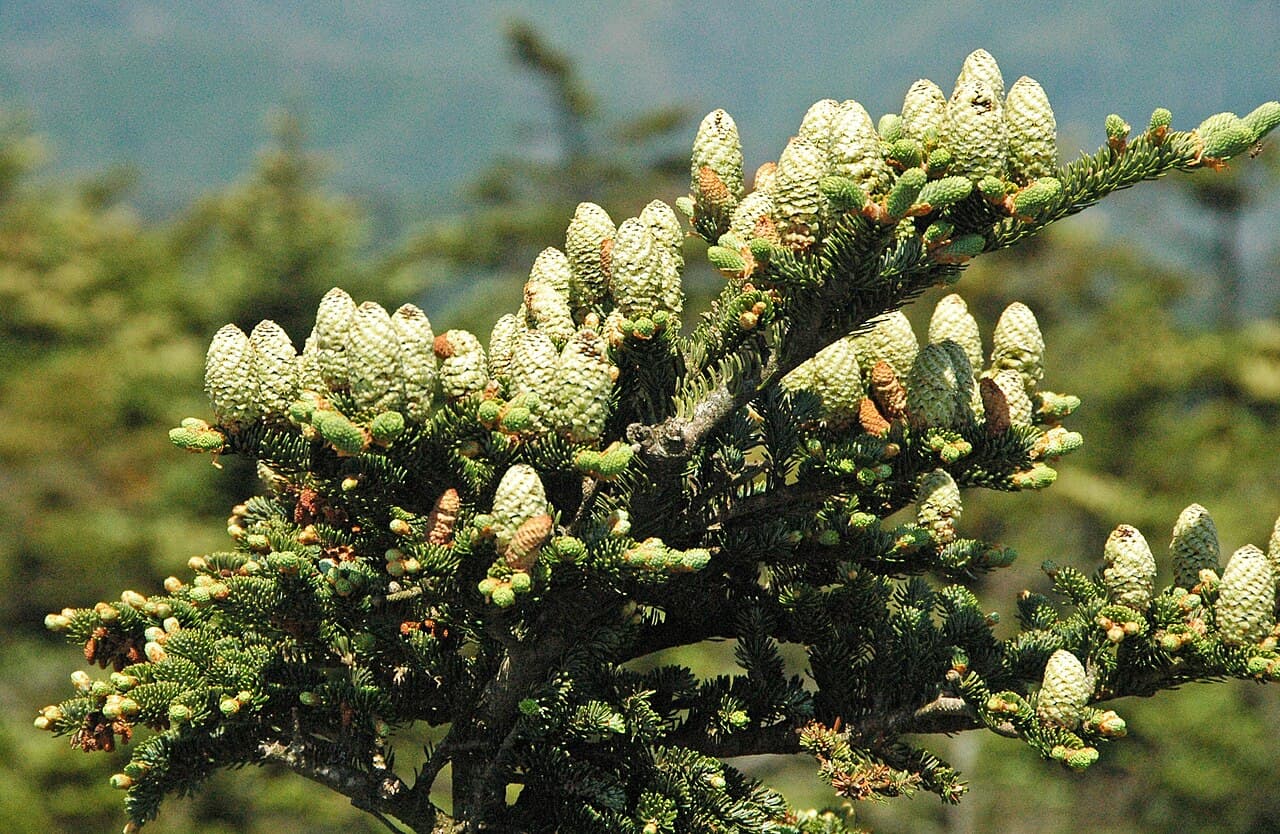
Fraser Fir
Occasionally damagedAbies fraseri
- Type
- Tree
- Hardiness
- Zones 4–7
- Height
- 360–660 in
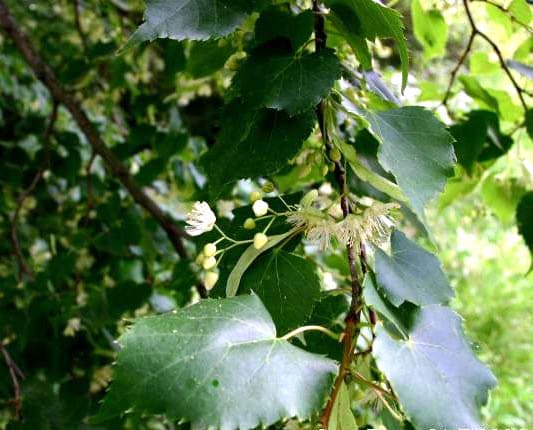
Greenspire Littleleaf Linden
Occasionally damagedTilia cordata 'Greenspire'
- Type
- Tree
- Hardiness
- Zones 3–7
- Height
- 600–720 in
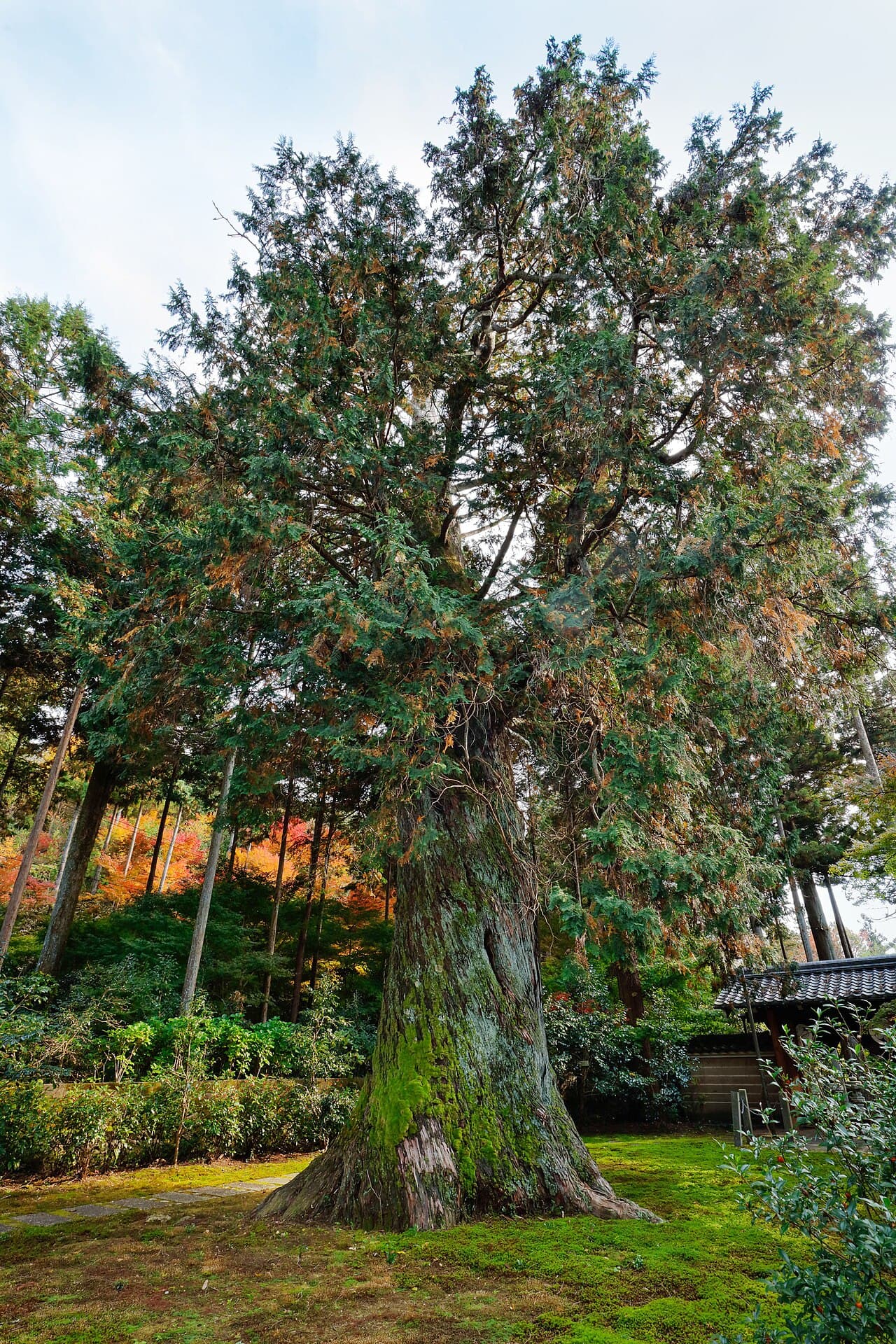
Hinoki Cypress
Occasionally damagedChamaecyparis obtusa
- Type
- Tree
- Hardiness
- Zones 4–8
- Height
- 600–900 in
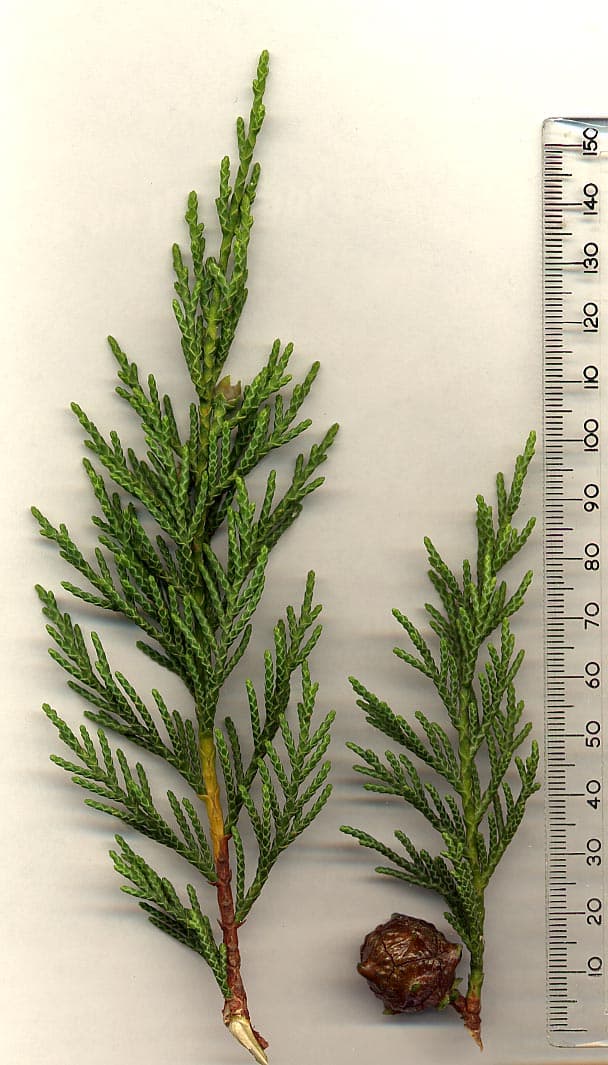
Leyland Cypress
Occasionally damagedCupressocyparis leylandii
- Type
- Tree
- Hardiness
- Zones 6–10
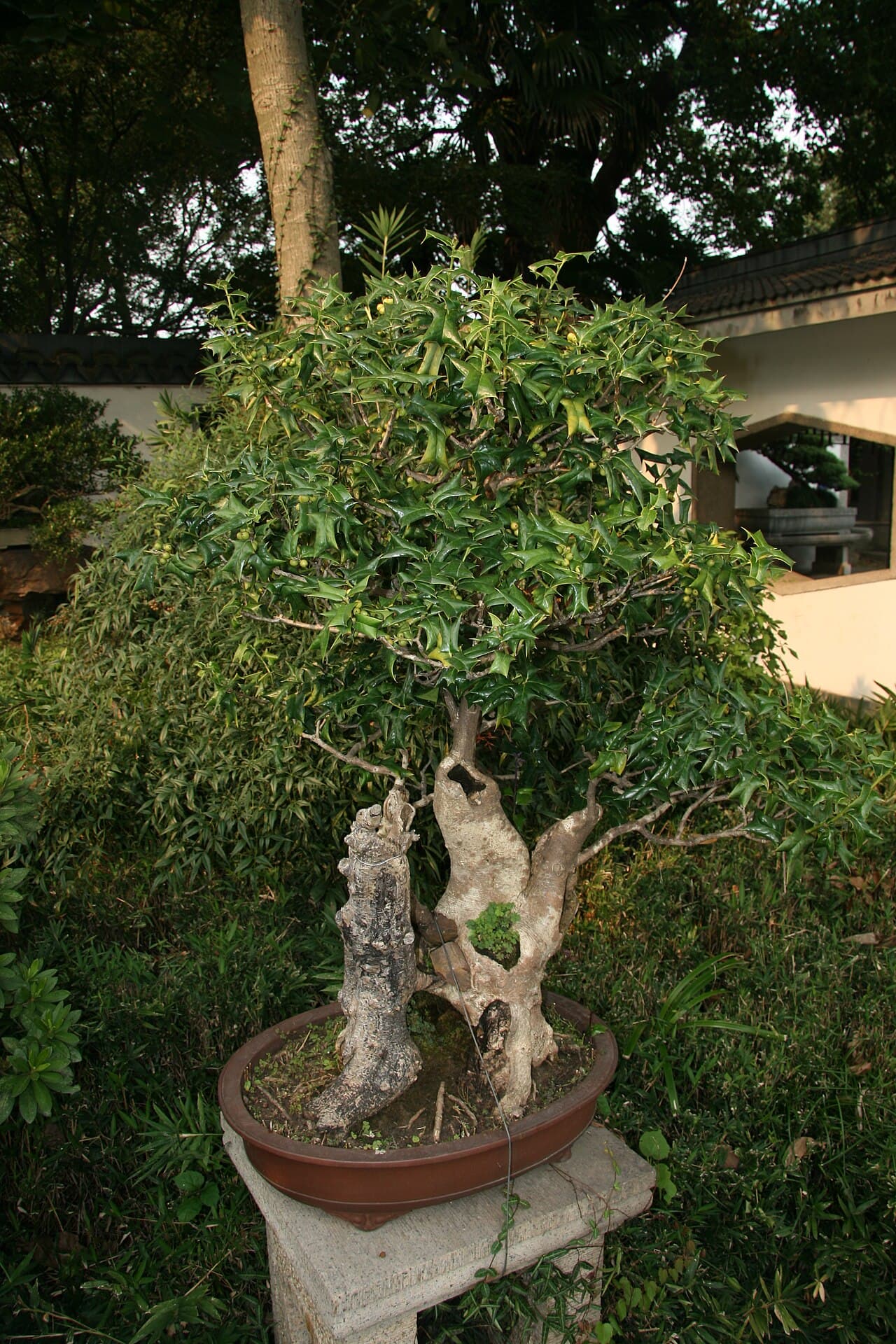
Nellie Stevens Holly
Occasionally damagedIlex x 'Nellie R. Stevens'
- Type
- Tree
- Hardiness
- Zones 6–9
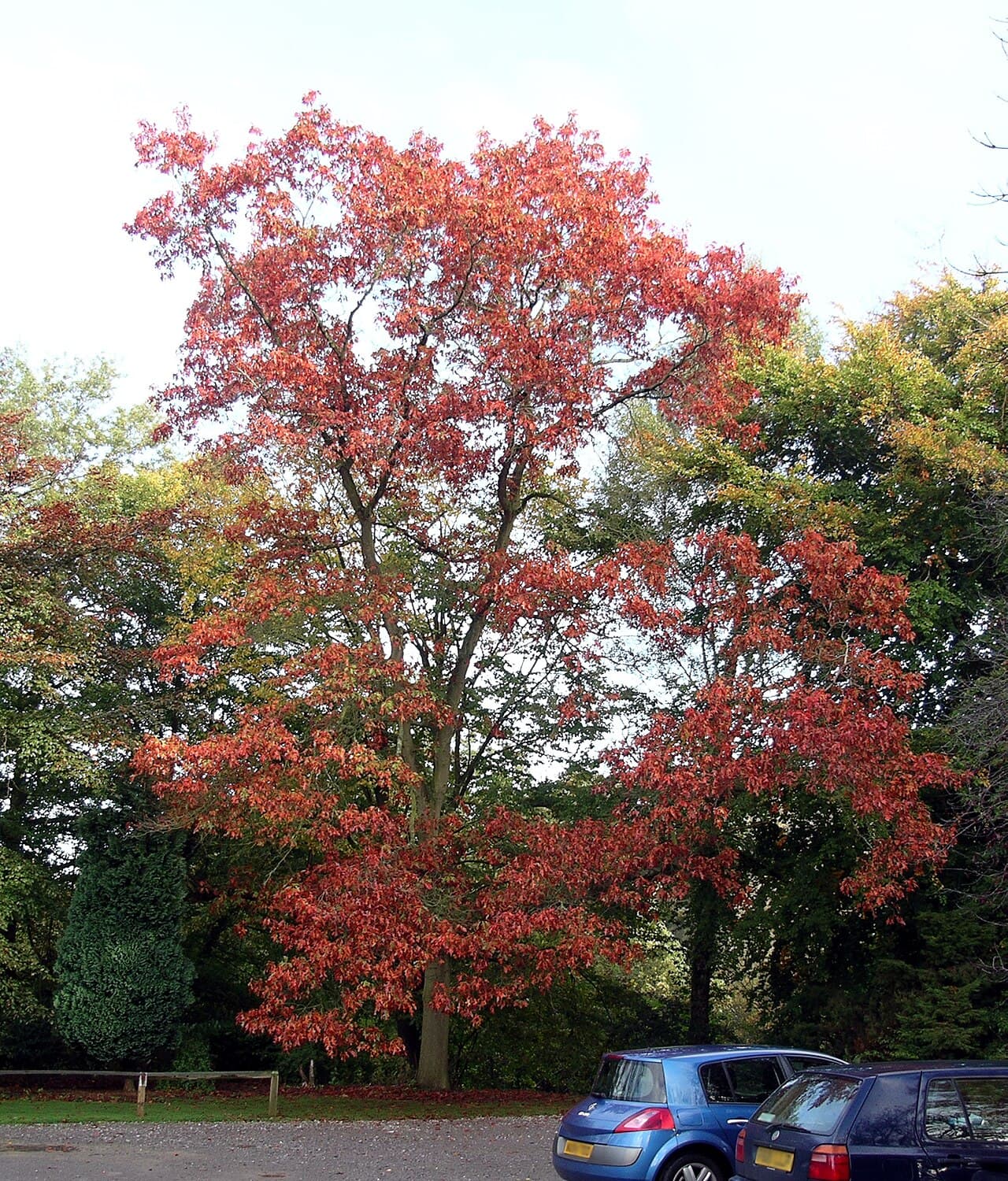
Northern Red Oak
Occasionally damagedQuercus rubra
- Type
- Tree
- Hardiness
- Zones 4–8
- Height
- 600–840 in
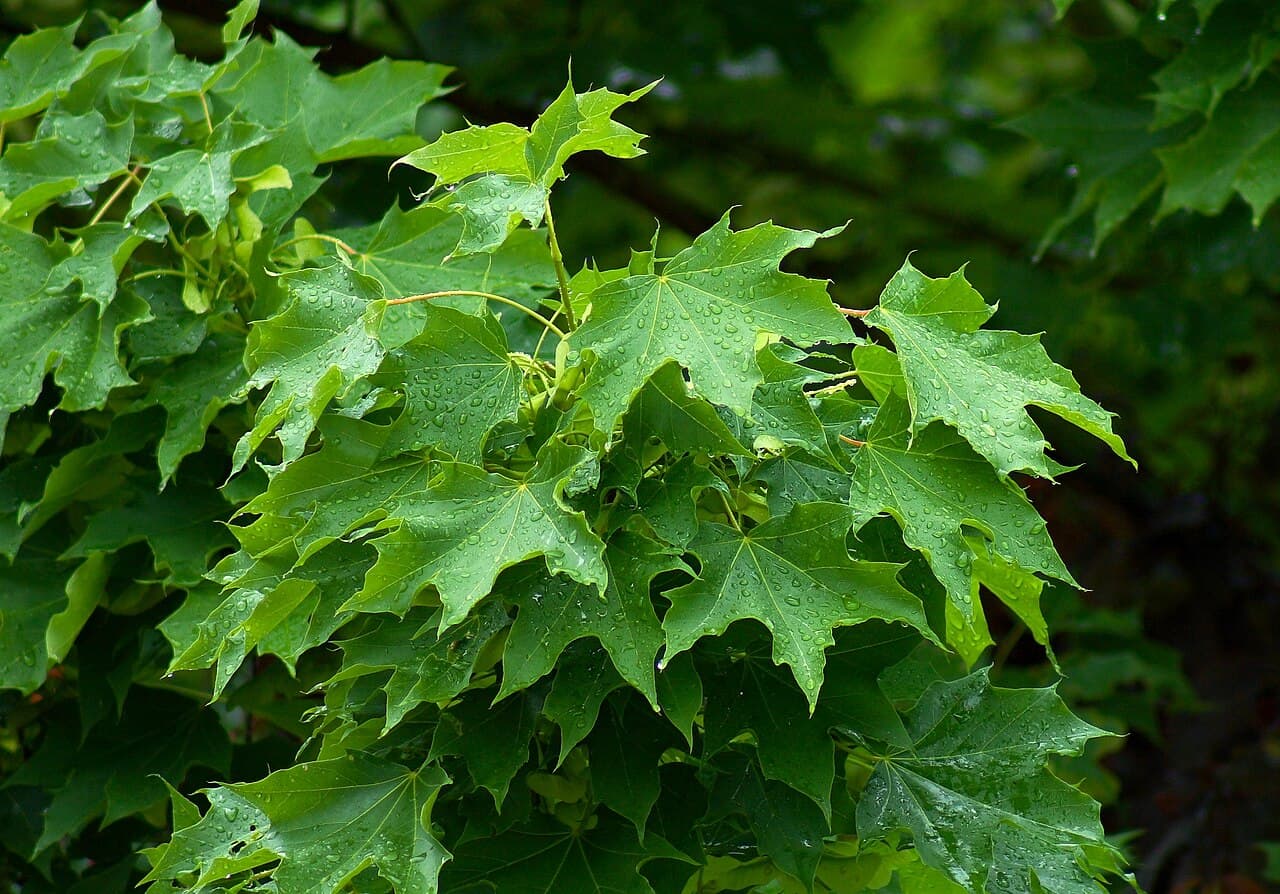
Norway Maple
Occasionally damagedAcer platanoides
- Type
- Tree
- Hardiness
- Zones 3–7
- Height
- 480–600 in
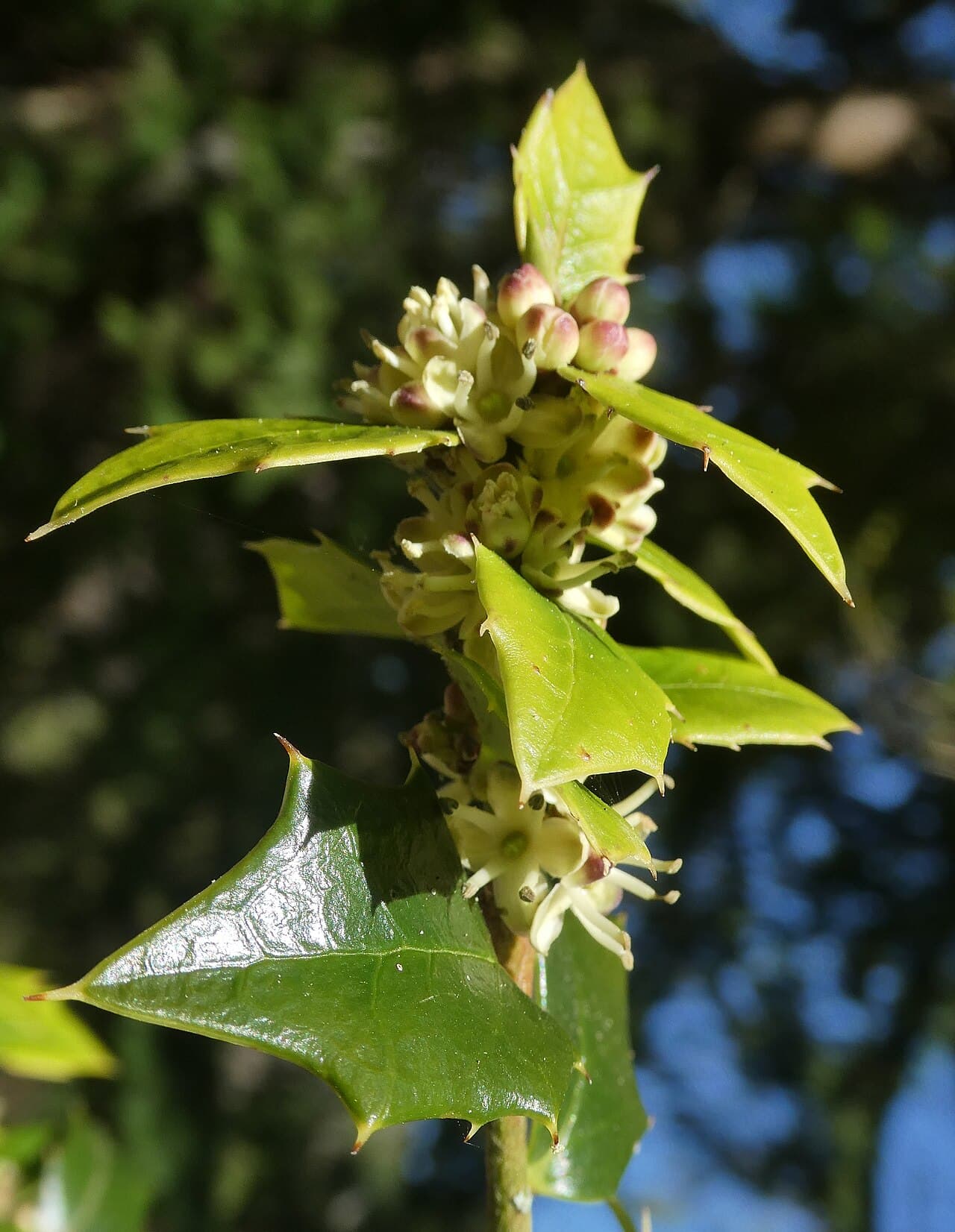
Pernyi Holly
Occasionally damagedIlex pernyi
- Type
- Tree
- Hardiness
- Zones 6–10
- Height
- 108–144 in
Sawtooth Oak
Occasionally damagedQuercus acutissima
- Type
- Tree
- Hardiness
- Zones 6–9
- Height
- 360–720 in
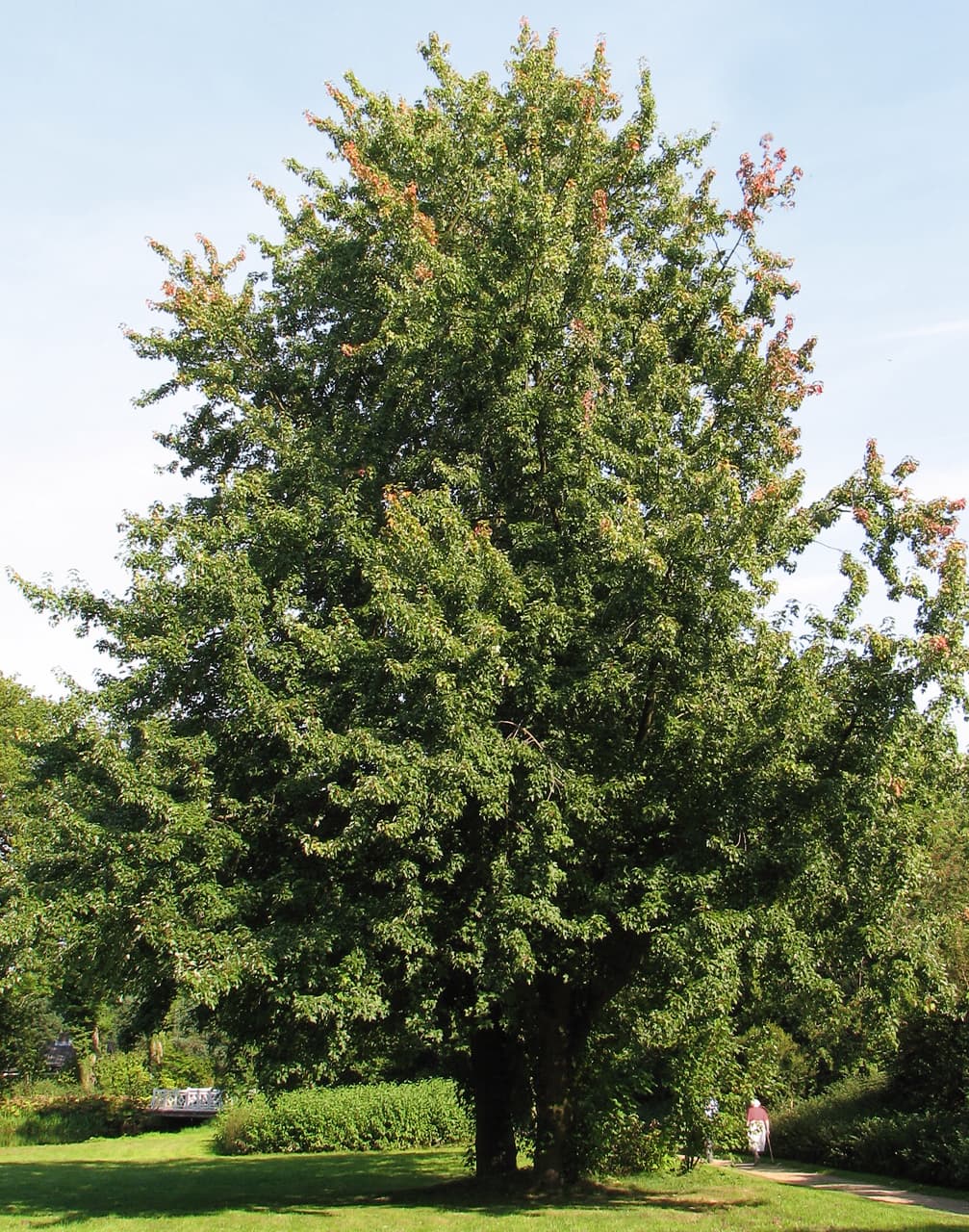
Silver Maple
Occasionally damagedAcer saccharinum
- Type
- Tree
- Hardiness
- Zones 3–9
- Height
- 600–960 in
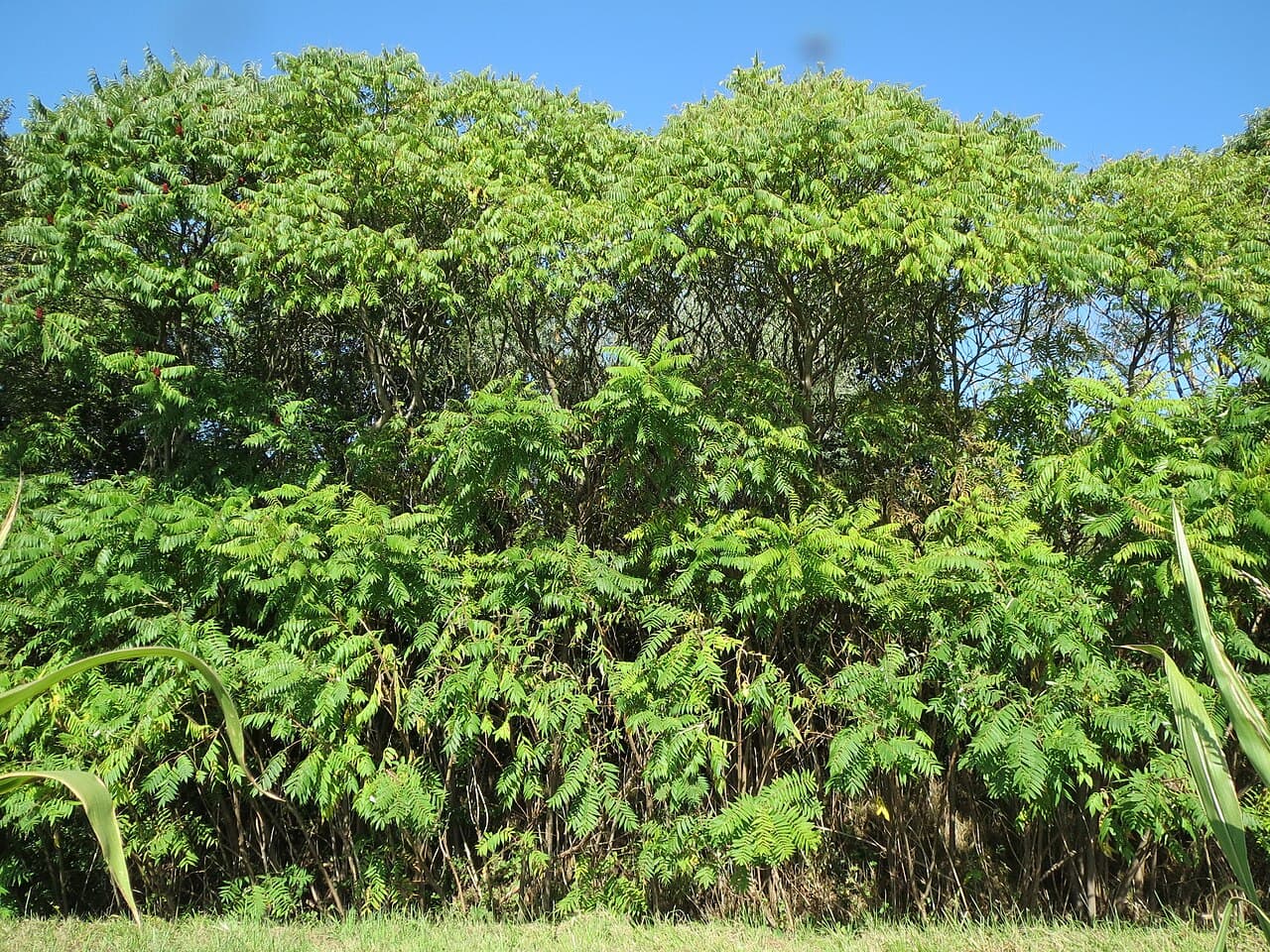
Staghorn Sumac
Occasionally damagedRhus typhina
- Type
- Tree
- Hardiness
- Zones 3–9
- Height
- 96–300 in
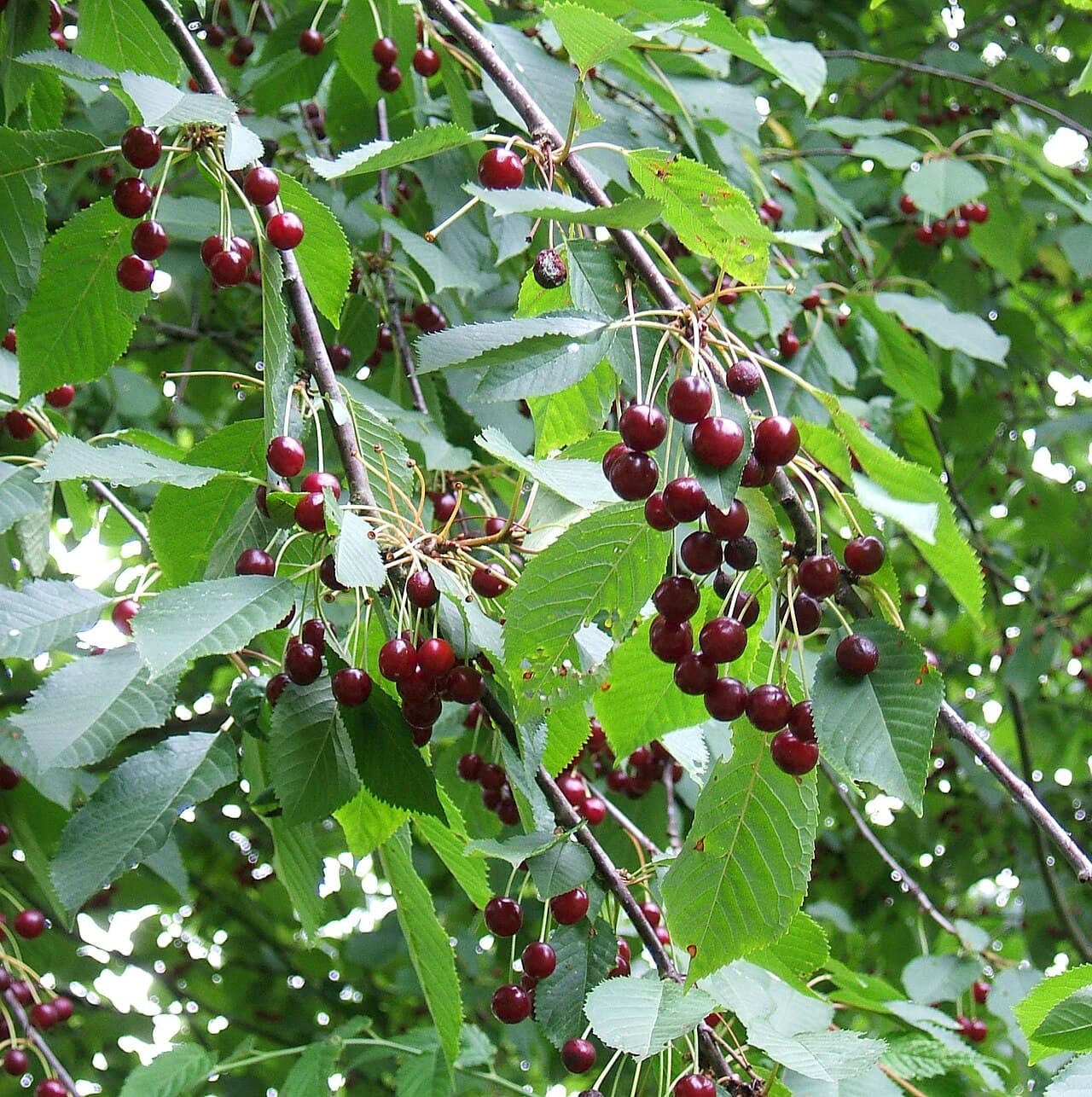
Sweet Cherry
Occasionally damagedPrunus avium
- Type
- Tree
- Hardiness
- Zones 3–8
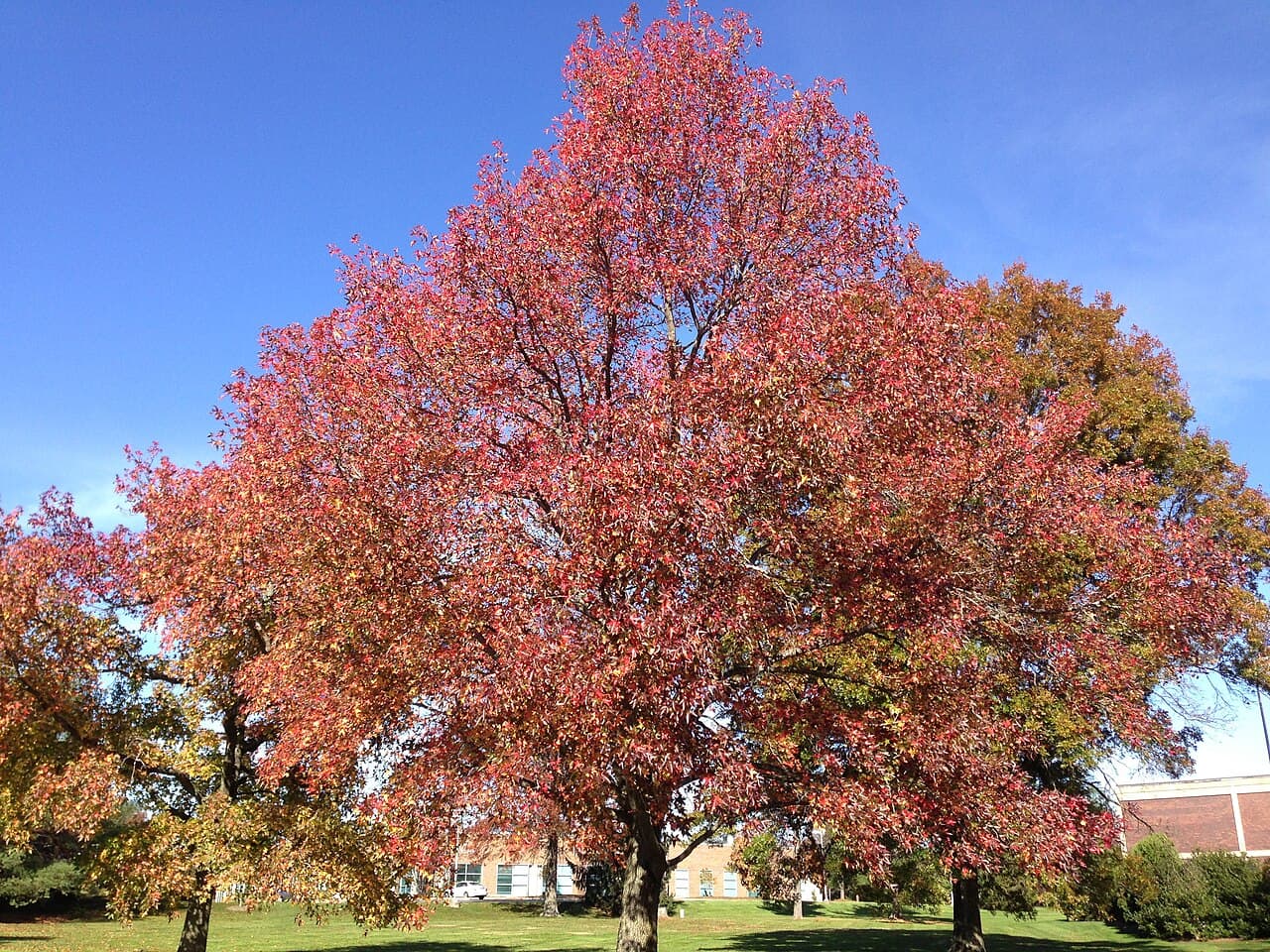
Sweetgum
Occasionally damagedLiquidambar styraciflua
- Type
- Tree
- Hardiness
- Zones 5–9
- Height
- 720–1200 in
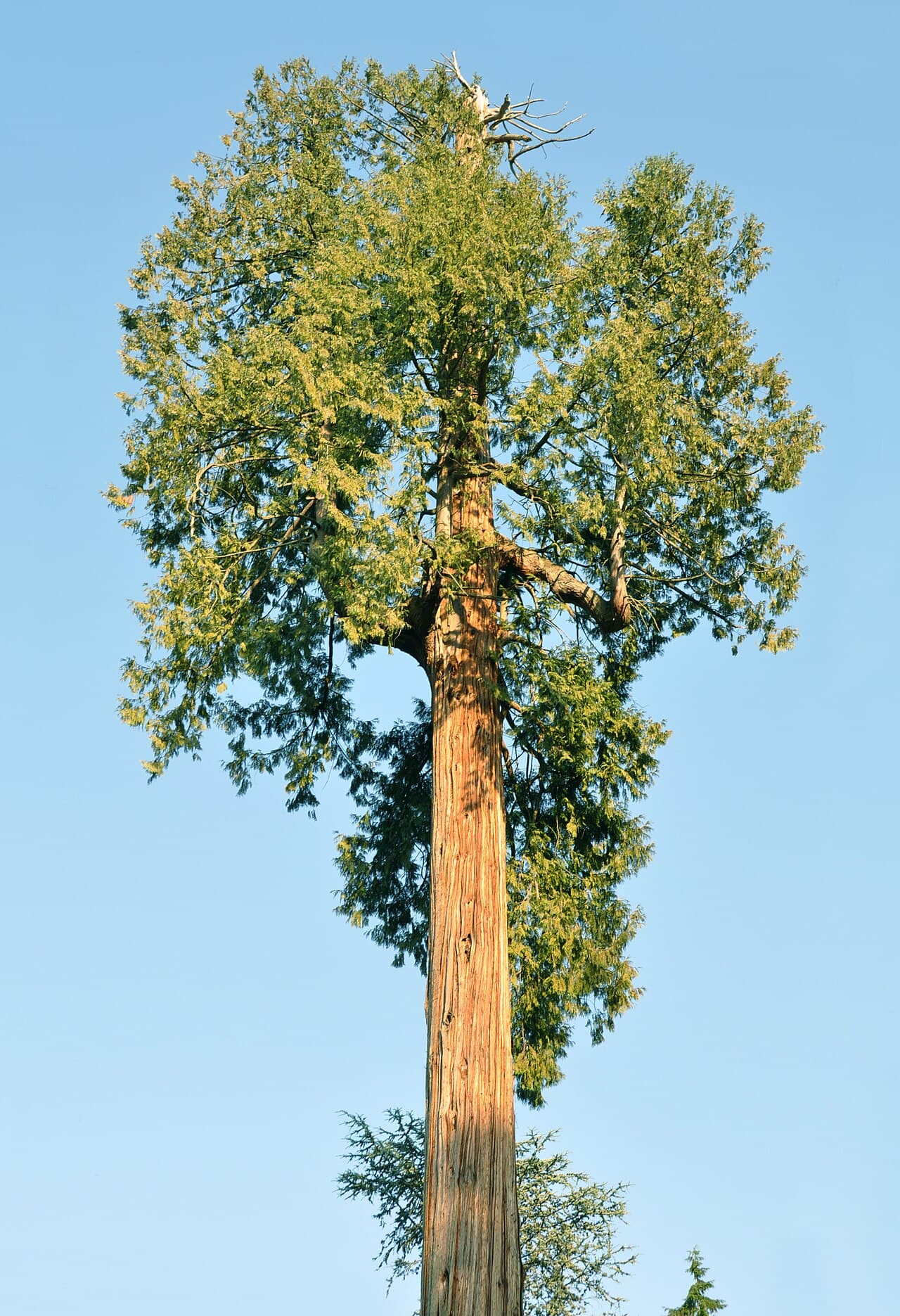
Western Arborvitae
Occasionally damagedThuja plicata
- Type
- Tree
- Hardiness
- Zones 5–7
- Height
- 600–840 in
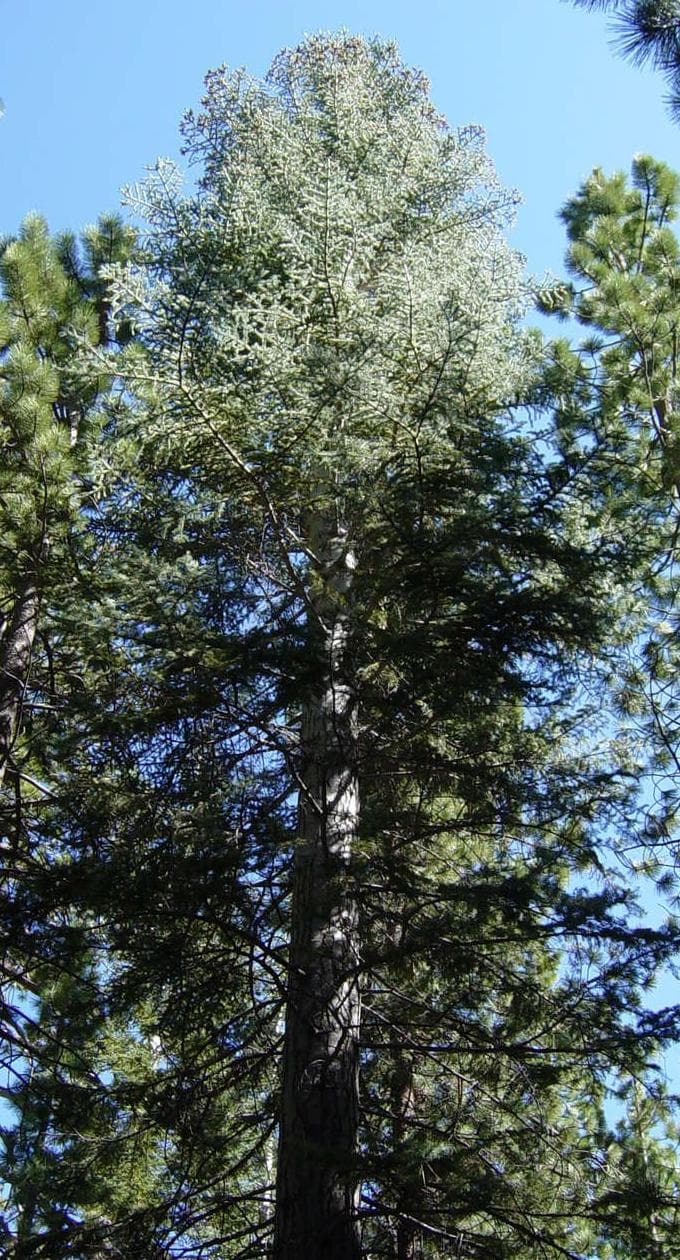
White Fir
Occasionally damagedAbies concolor
- Type
- Tree
- Hardiness
- Zones 3–7
- Height
- 360–840 in
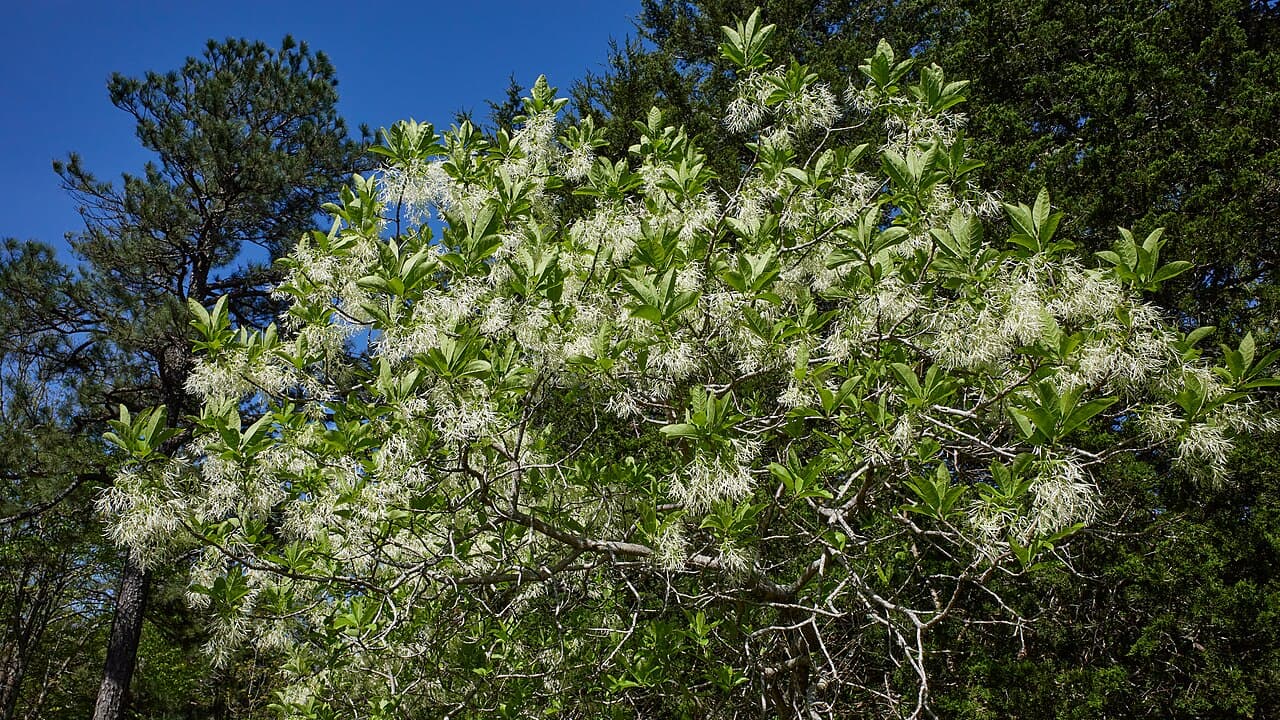
White Fringe Tree
Occasionally damagedChionanthus virginicus
- Type
- Tree
- Hardiness
- Zones 3–9
- Height
- 144–360 in
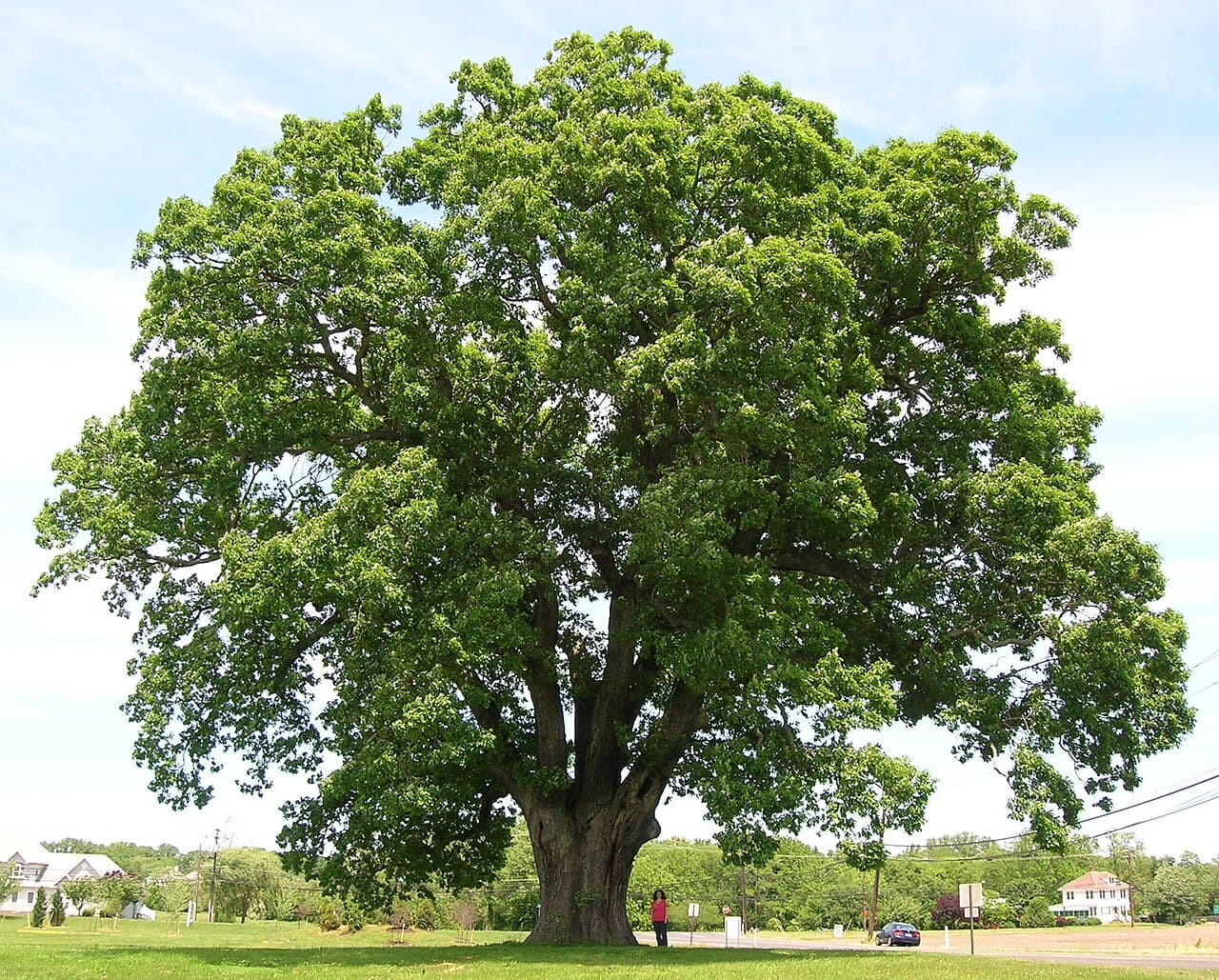
White Oak
Occasionally damagedQuercus alba
- Type
- Tree
- Hardiness
- Zones 3–9
- Height
- 600–1620 in
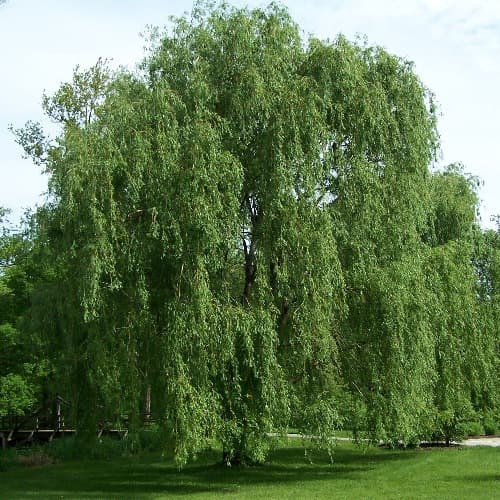
Willow
Occasionally damagedSalix sp.
- Type
- Tree
- Hardiness
- Zones 4–8, genus range
Frequently Severely Damaged4
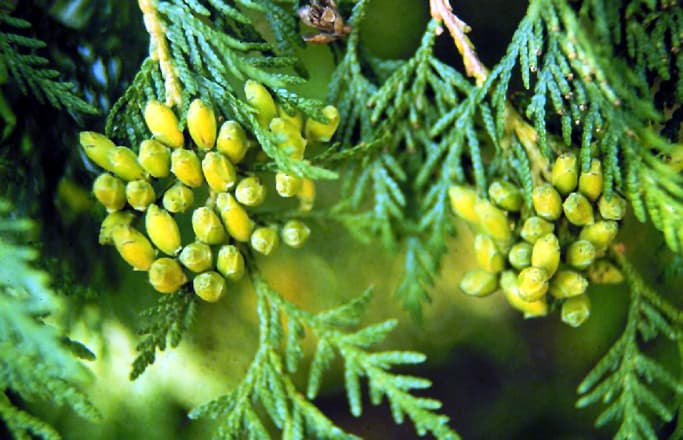
American Arborvitae
Frequently damagedThuja occidentalis
- Type
- Tree
- Hardiness
- Zones 3–7
- Height
- 480–720 in
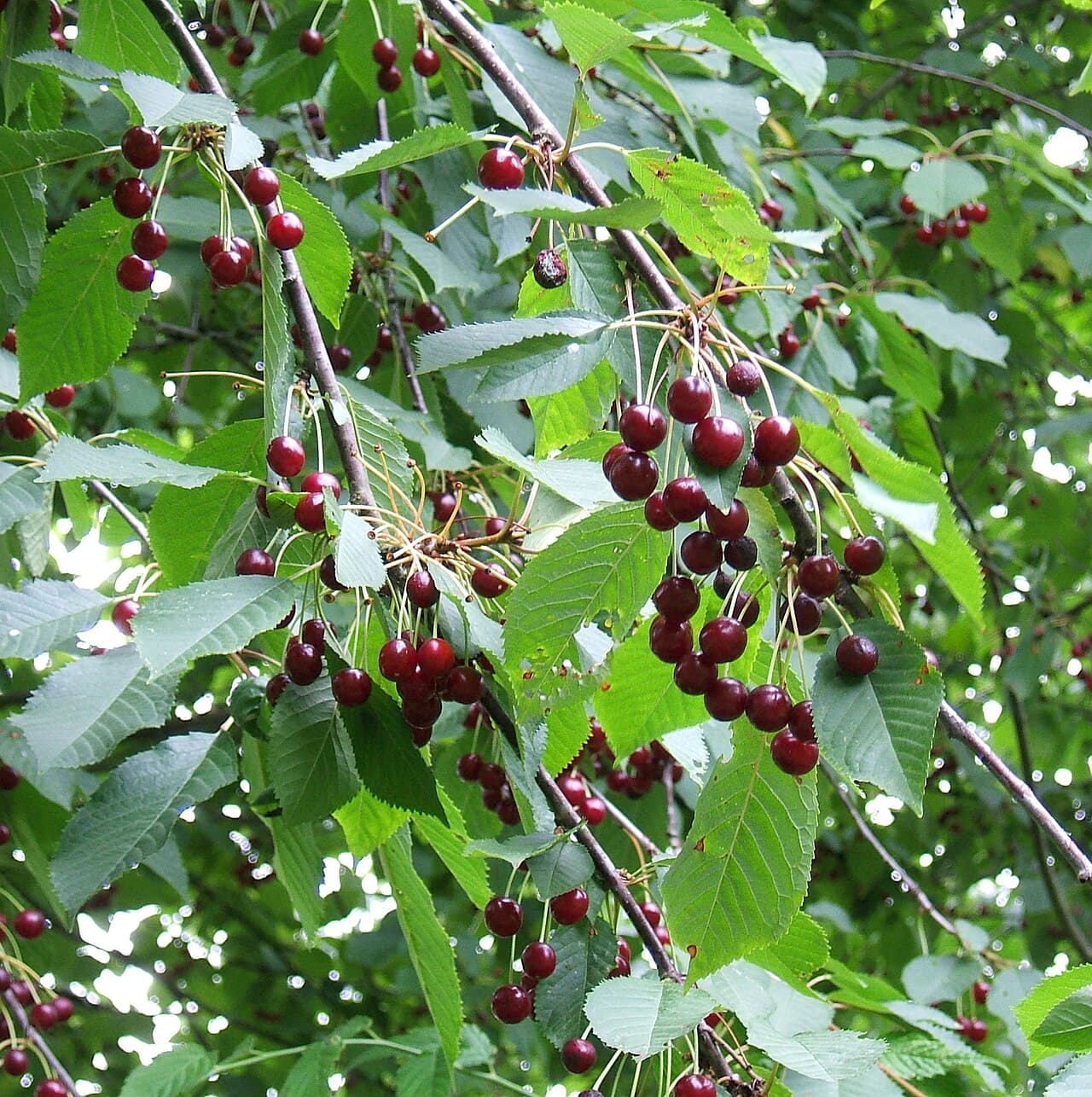
Cherry
Frequently damagedPrunus sp.
- Type
- Tree
- Hardiness
- Zones 4–8, genus range
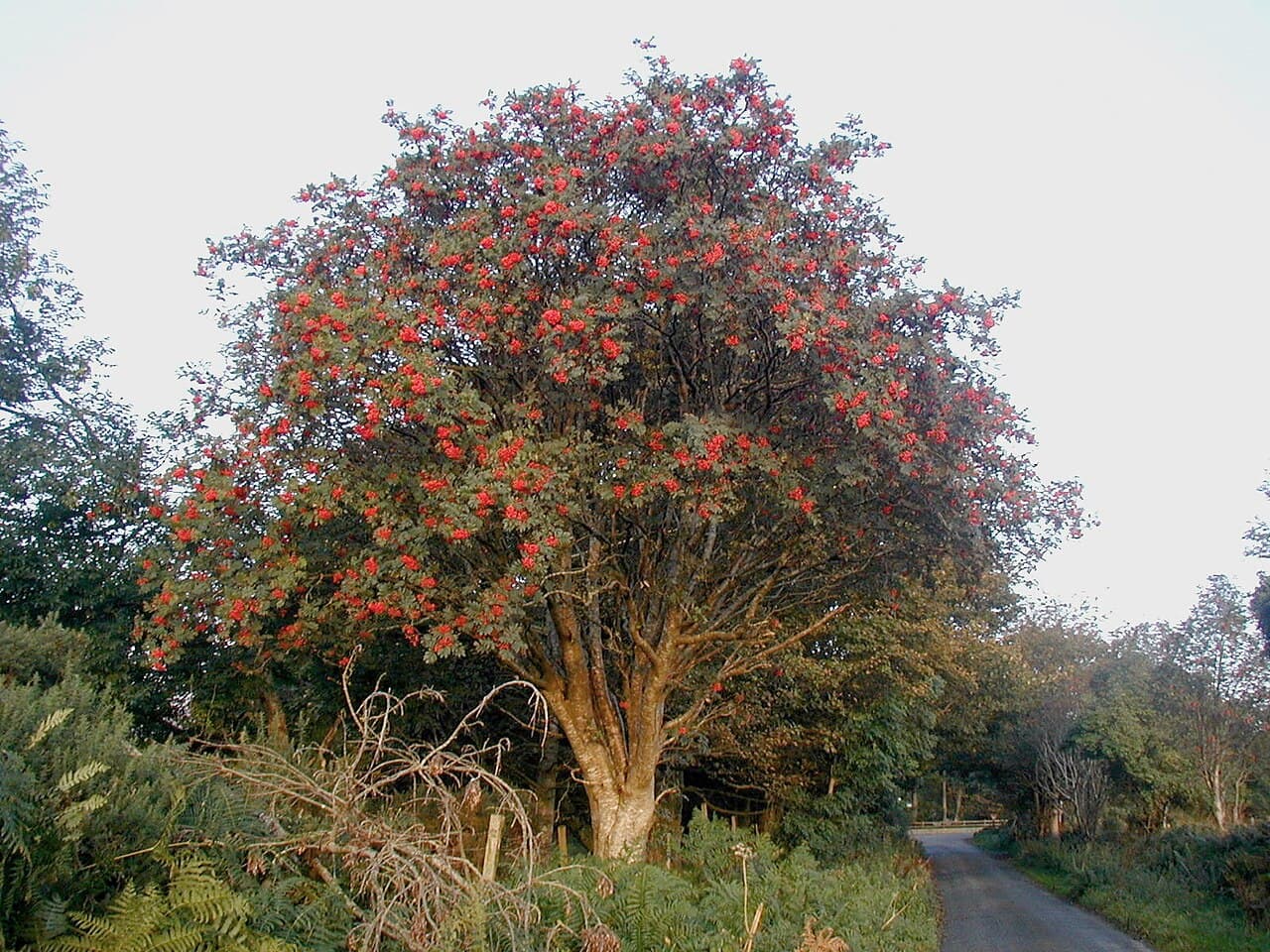
European Mountain Ash
Frequently damagedSorbus aucuparia
- Type
- Tree
- Hardiness
- Zones 3–7
- Height
- 240–480 in
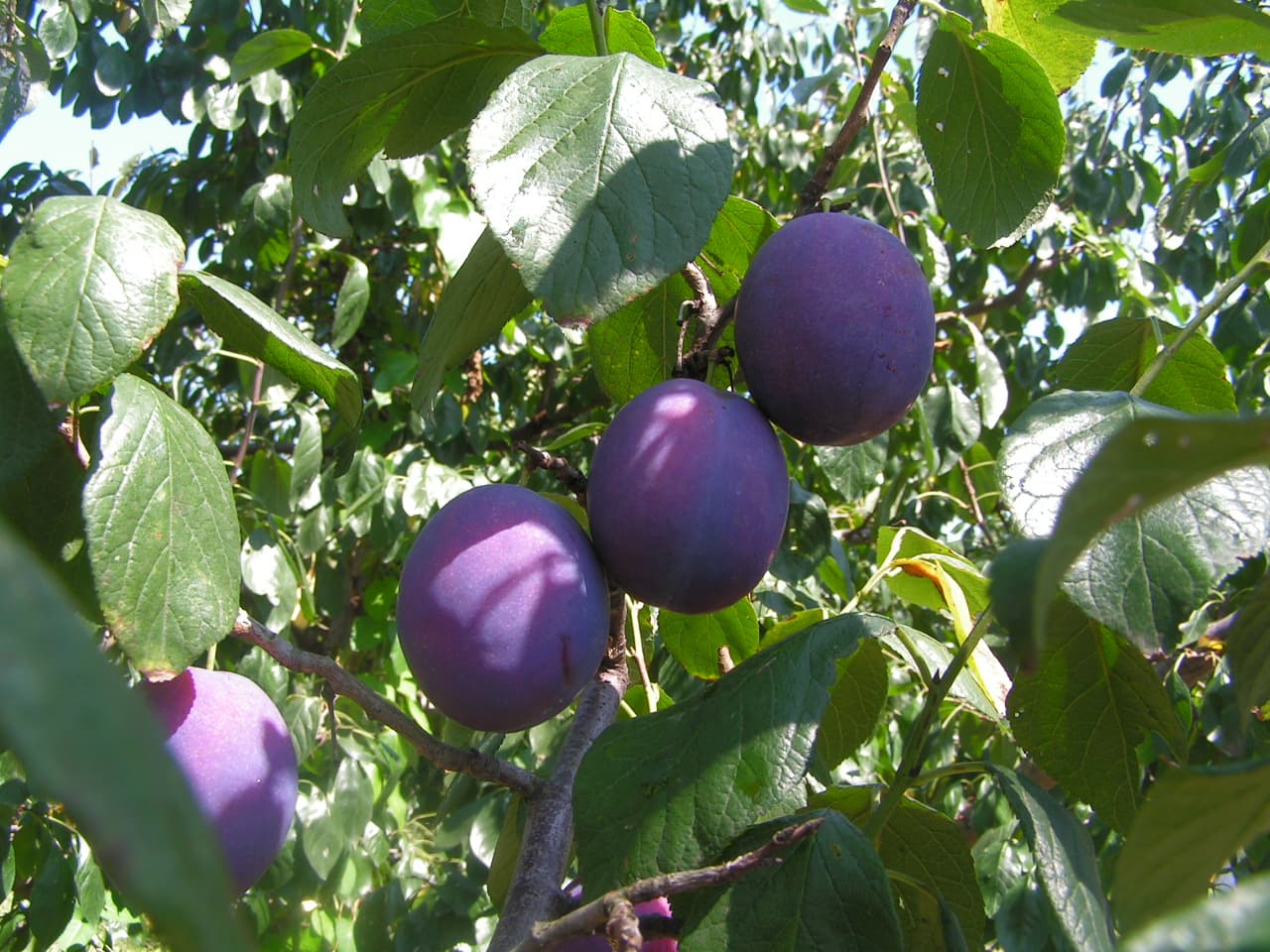
Plum
Frequently damagedPrunus domestica
- Type
- Tree
- Hardiness
- Zones 4–9
- Height
- 120–240 in