
Plant record · Tree
Is Bald Cypress deer resistant?
Taxodium distichum
Partly. Browsed where deer pressure is high. Protect it.
- Type
- Tree
- Hardiness
- Zones 4–9
- Light
- Full sun
- Height
- 600–840 in
- Bloom
- Spring
- Maintenance
- Low
- Native range
- 23 US states
Damage steps follow a published university field scale. How plants are rated.
About Bald Cypress
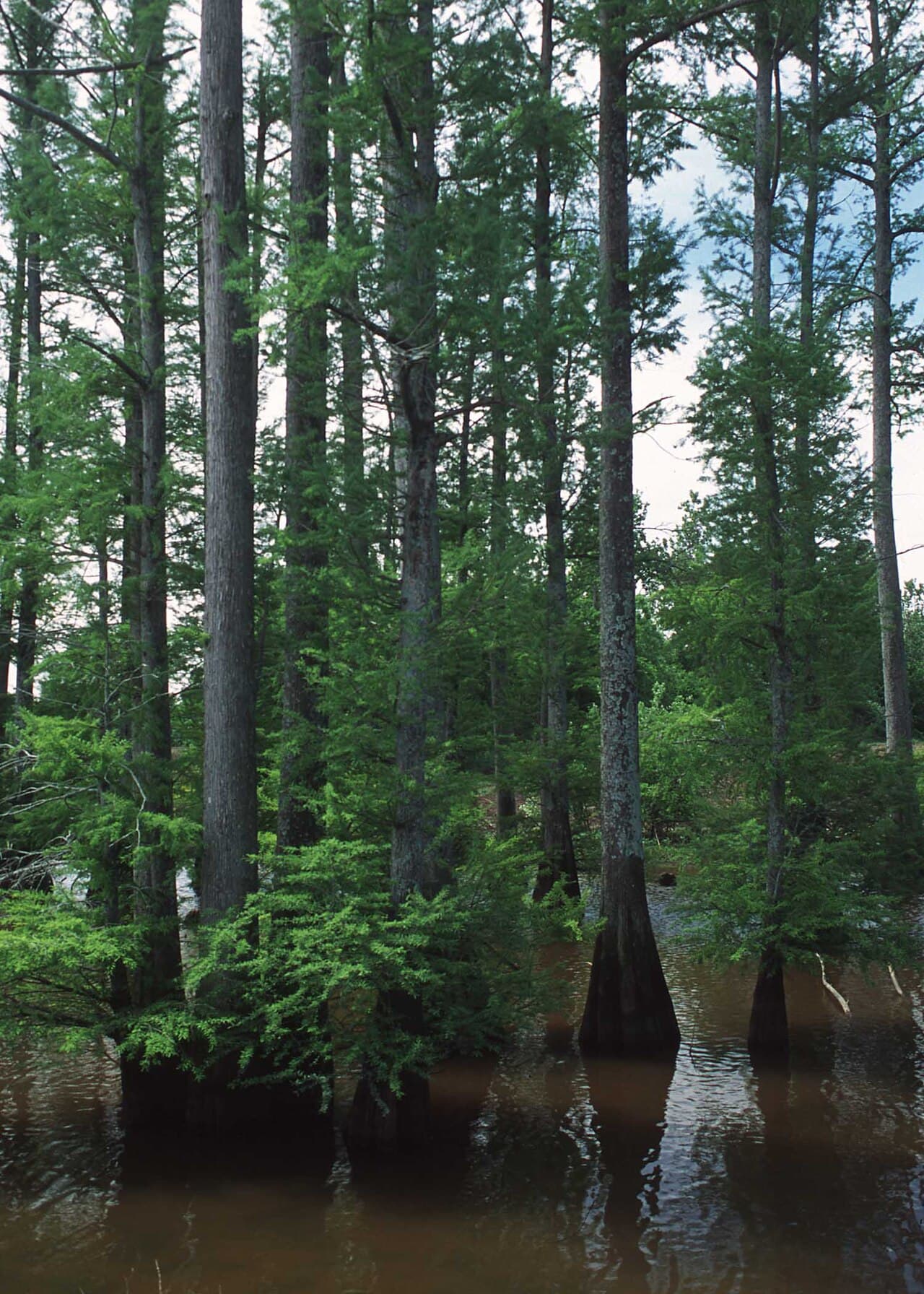
A deciduous conifer that will grow in standing water and produces the woody knees around its base in permanently flooded ground. It also grows perfectly well in ordinary garden soil, which surprises people. Rusty orange fall color, then bare all winter.
Protecting Bald Cypress
Whether this survives comes down to local pressure, so decide on the options before it gets browsed rather than after.
- 1Protecting a young treeBrowsing costs a season. A buck rubbing a two-inch stem in October girdles it and kills it outright.
- 2How tall a deer fence needs to beEight feet, and six is the most common expensive mistake in deer fencing.
- 3Repellent that actually worksThe egg-based recipe that reproduces the active ingredient in the commercial sprays that win university trials.
- 4Check it is actually deerDeer tear and leave a ragged stub. A clean 45-degree cut is rabbits, and slug holes get blamed on deer constantly.
What to plant instead of Bald Cypress
Same plant type, hardy in the same zones, and rated better for deer. If Bald Cypress keeps getting eaten, these go in the same spot.
Soil and care
- Soil pH
- 4.5 to 6.5
- Drainage
- Tolerates wet feet
- Water
- High
- Spacing
- 236 to 354 in apart
- Growth rate
- Moderate
- Maintenance
- Low
Where Bald Cypress grows
Hardy across every state on zone range alone, and native to 23 of them. Mountain and coastal areas sit outside the ranges used here, so check your own zone before ordering. Select any state, including one it will not grow in, for what is resistant there.
Choose a state from the listeasier on a phone
- Pennsylvania
- New Jersey
- New York
- Connecticut
- Massachusetts
- Virginia
- Maryland
- Michigan
- Wisconsin
- Ohio
- Indiana
- Illinois
- Minnesota
- Missouri
- North Carolina
- Tennessee
- Georgia
- Texas
- Colorado
- California
- Oregon
- Washington
- New Hampshire
- Vermont
- Maine
- Rhode Island
- Delaware
- West Virginia
- Kentucky
- South Carolina
- Florida
- Alabama
- Mississippi
- Louisiana
- Arkansas
- Oklahoma
- Kansas
- Nebraska
- Iowa
- North Dakota
- South Dakota
- Montana
- Wyoming
- Idaho
- Utah
- Nevada
- Arizona
- New Mexico
- Alaska
- District of Columbia
- Hawaii
Common questions about Bald Cypress
- Is Bald Cypress deer resistant?
- Bald Cypress (Taxodium distichum) is rated Occasionally Severely Damaged, step 3 of 4 on the damage scale this site uses. Browsed where deer pressure is high. Protect it.
- What hardiness zones does Bald Cypress grow in?
- Bald Cypress is hardy in USDA zones 4 to 9. Outside that range it will either not survive winter or will struggle with summer heat.
- Does Bald Cypress grow in shade?
- No. Bald Cypress wants full sun and will grow thin and flop in shade.
- How big does Bald Cypress get?
- Mature height is roughly 600–840 in. Growth rate is moderate.
Browse from here
Every list Bald Cypress belongs to.
All trees·Sometimes destroyed·Full sun plants·Mast and fruit trees