
Deer-resistant plants for full sun
Full sun is where the deer-resistant palette is strongest, and it is not a coincidence. The plants that shrug off browsing are disproportionately aromatic Mediterranean subshrubs, and those evolved in hot dry open ground: lavender, rosemary, catmint, Russian sage, thyme, santolina. Their defense is the volatile oil that also needs sun to develop properly, so a lavender grown in part shade is both floppier and, in a small way, less unpalatable. The other reliable group here is the ornamental grasses, which deer ignore almost universally.
325 plants · page 6 of 6
Occasionally Severely Damaged10
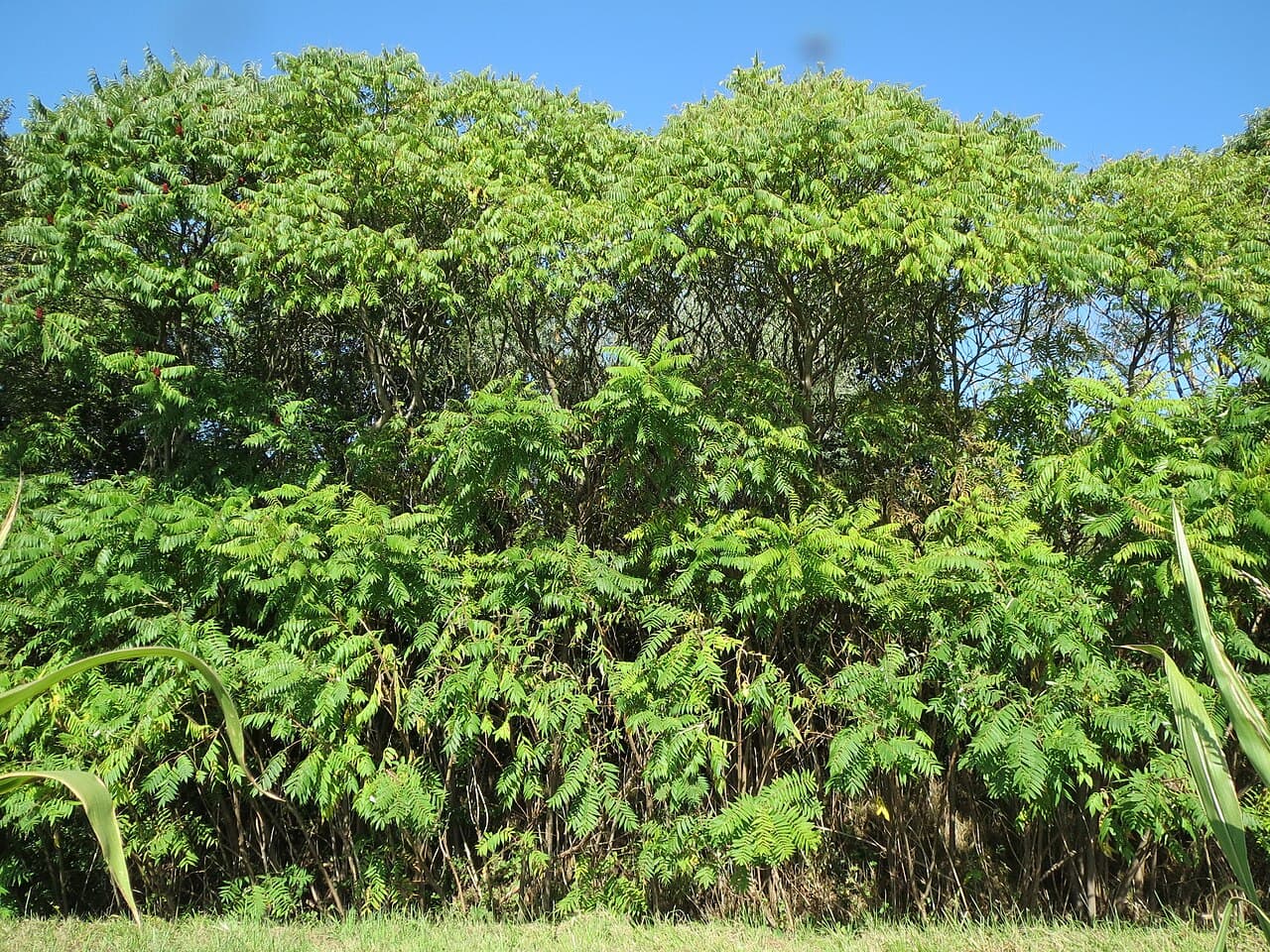
Staghorn Sumac
Occasionally damagedRhus typhina
- Type
- Tree
- Hardiness
- Zones 3–9
- Height
- 96–300 in
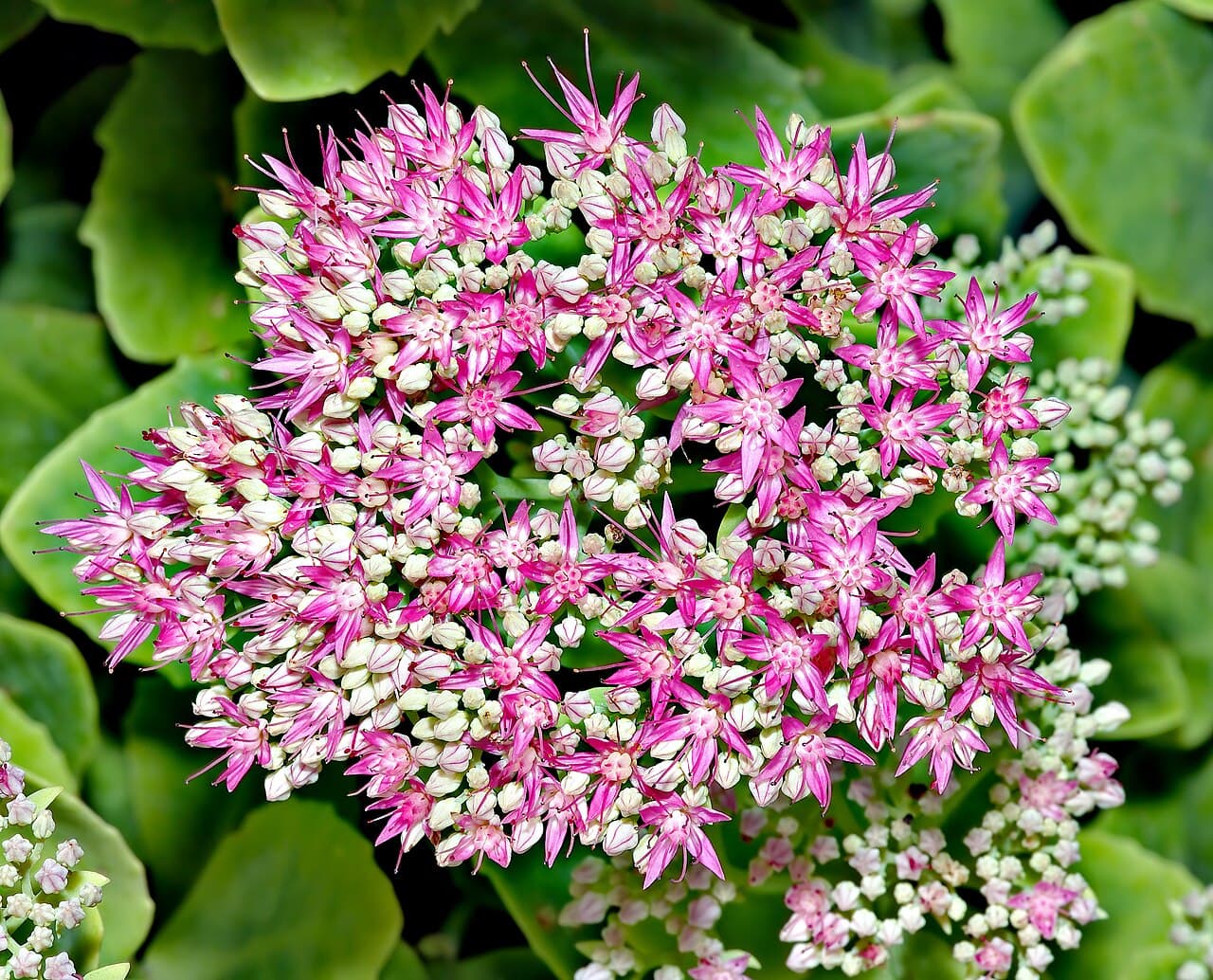
Stonecrop
Occasionally damagedHylotelephium spectabile
- Type
- Perennial
- Hardiness
- Zones 4–9
- Height
- 12–24 in
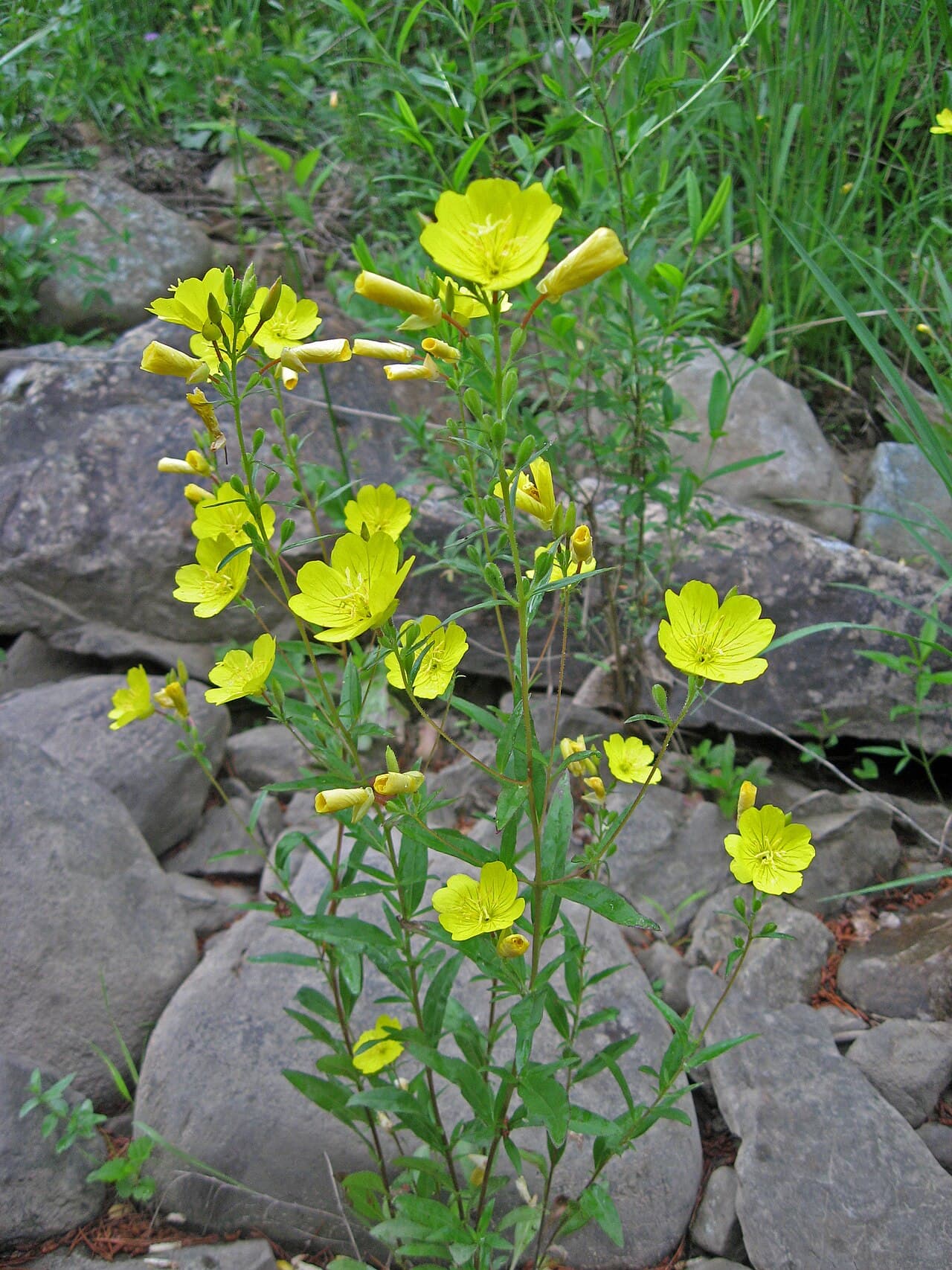
Sundrops
Occasionally damagedOenothera sp.
- Type
- Perennial
- Hardiness
- Zones 4–9, genus range

Sunflower
Occasionally damagedHelianthus sp.
- Type
- Annual
- Hardiness
- Grown as an annual, any zone
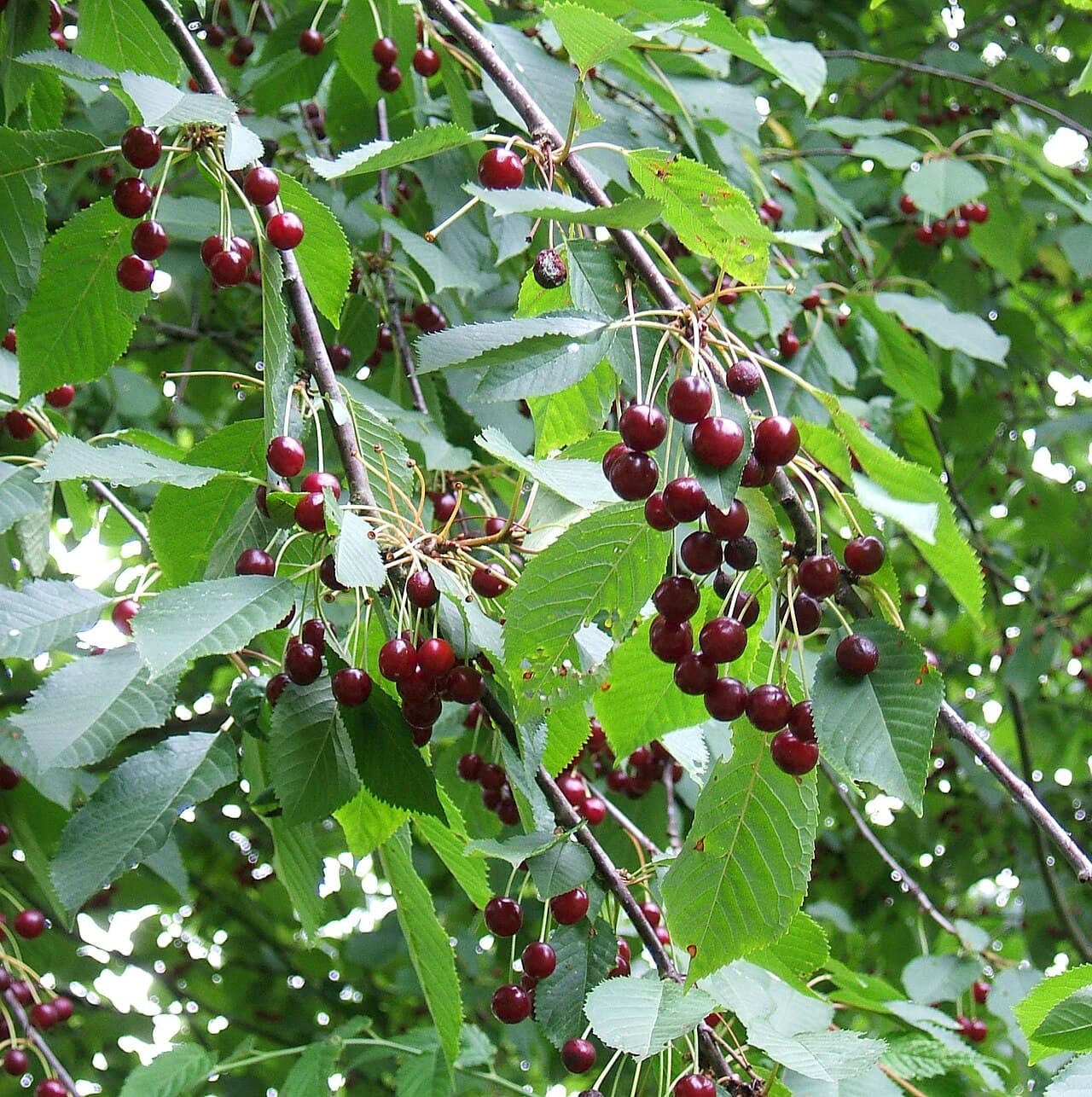
Sweet Cherry
Occasionally damagedPrunus avium
- Type
- Tree
- Hardiness
- Zones 3–8
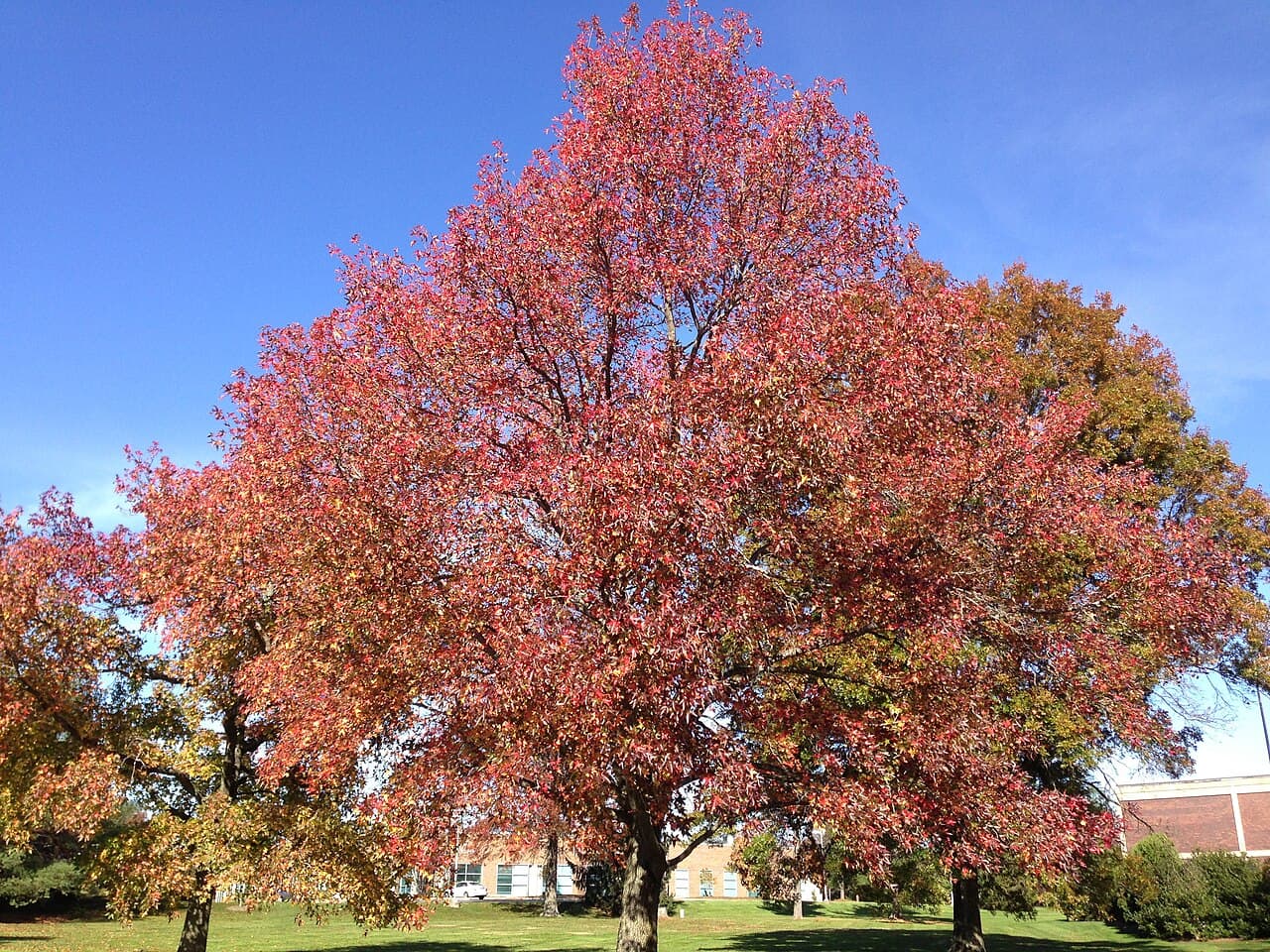
Sweetgum
Occasionally damagedLiquidambar styraciflua
- Type
- Tree
- Hardiness
- Zones 5–9
- Height
- 720–1200 in
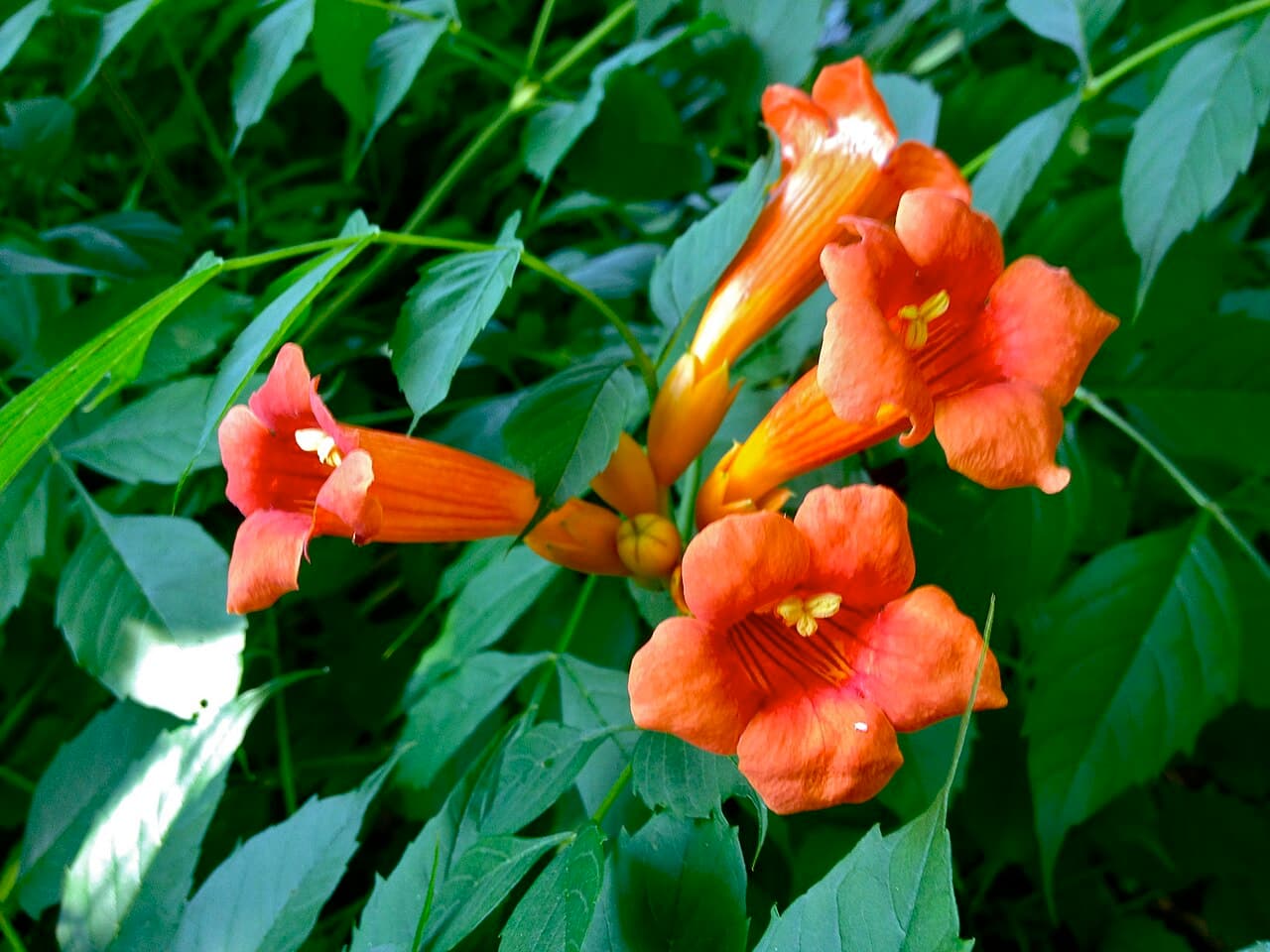
Trumpet Creeper
Occasionally damagedCampsis radicans
- Type
- Vine
- Hardiness
- Zones 4–10
- Height
- 360–480 in
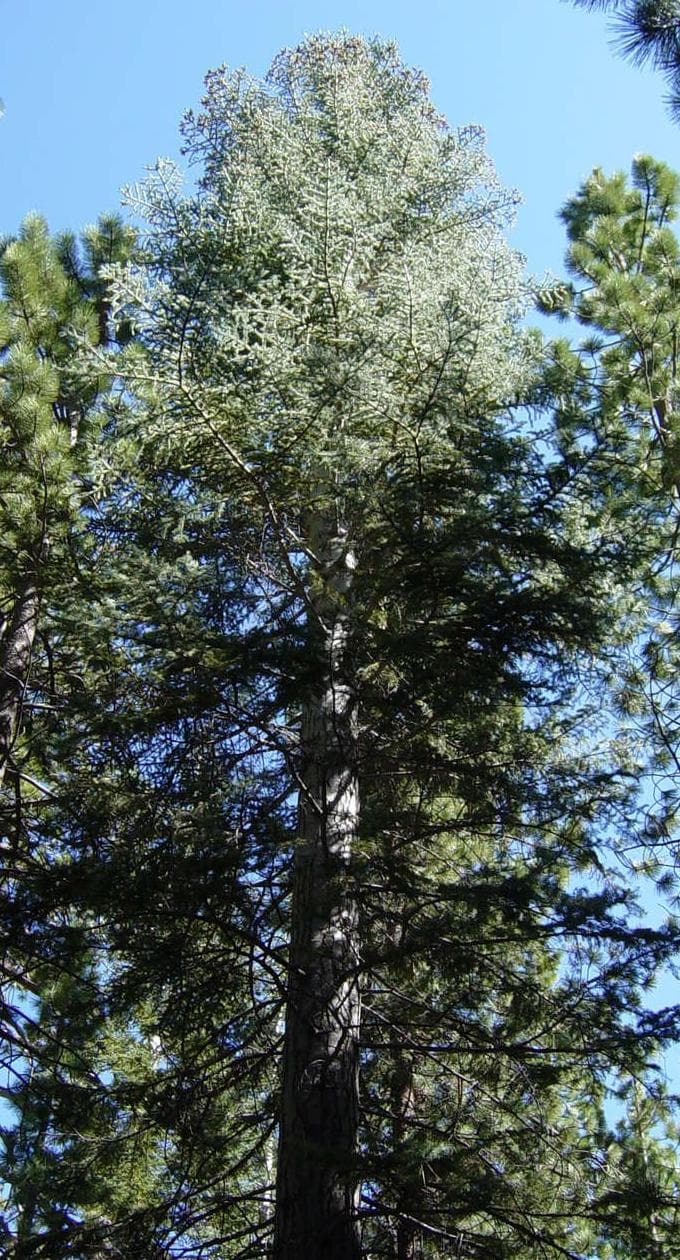
White Fir
Occasionally damagedAbies concolor
- Type
- Tree
- Hardiness
- Zones 3–7
- Height
- 360–840 in
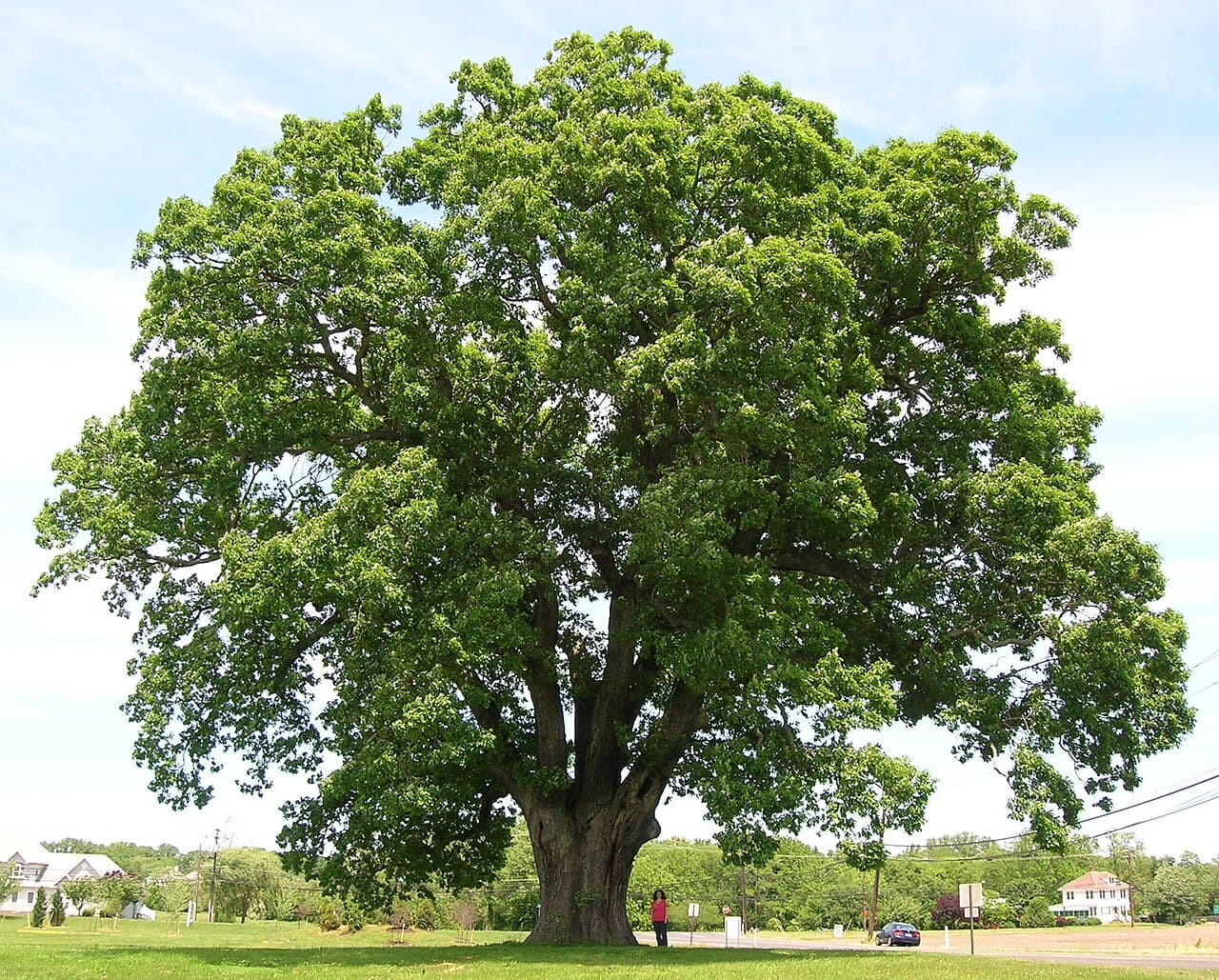
White Oak
Occasionally damagedQuercus alba
- Type
- Tree
- Hardiness
- Zones 3–9
- Height
- 600–1620 in
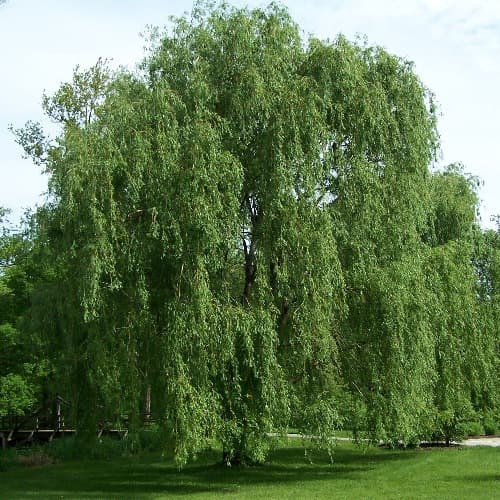
Willow
Occasionally damagedSalix sp.
- Type
- Tree
- Hardiness
- Zones 4–8, genus range
Frequently Severely Damaged15
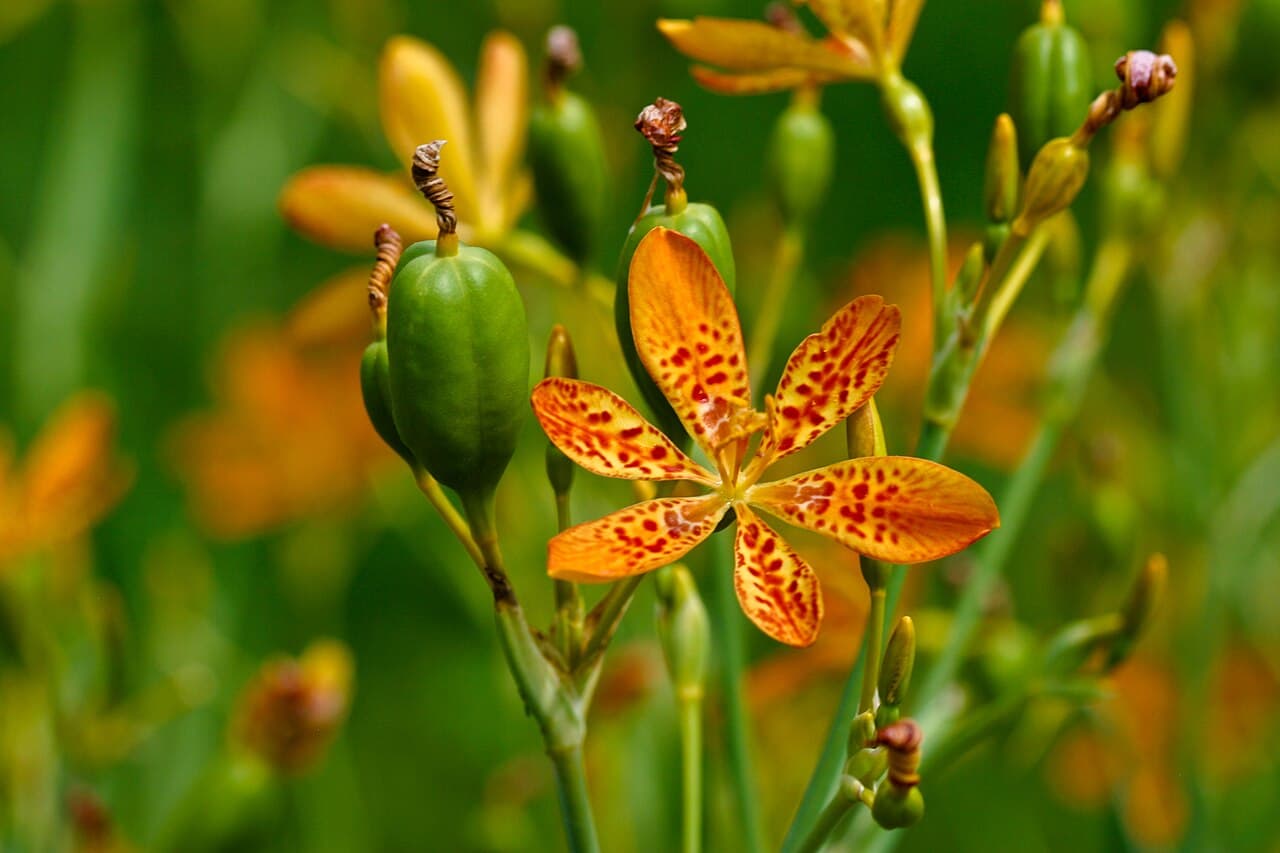
Candy Lily
Frequently damagedPardancanda x norrisii
- Type
- Perennial
- Hardiness
- Zones 5–10
Cereal Rye
Frequently damagedSecale cereale
- Type
- Food plot forage
- Hardiness
- Zones 3–9
- Height
- 24–48 in
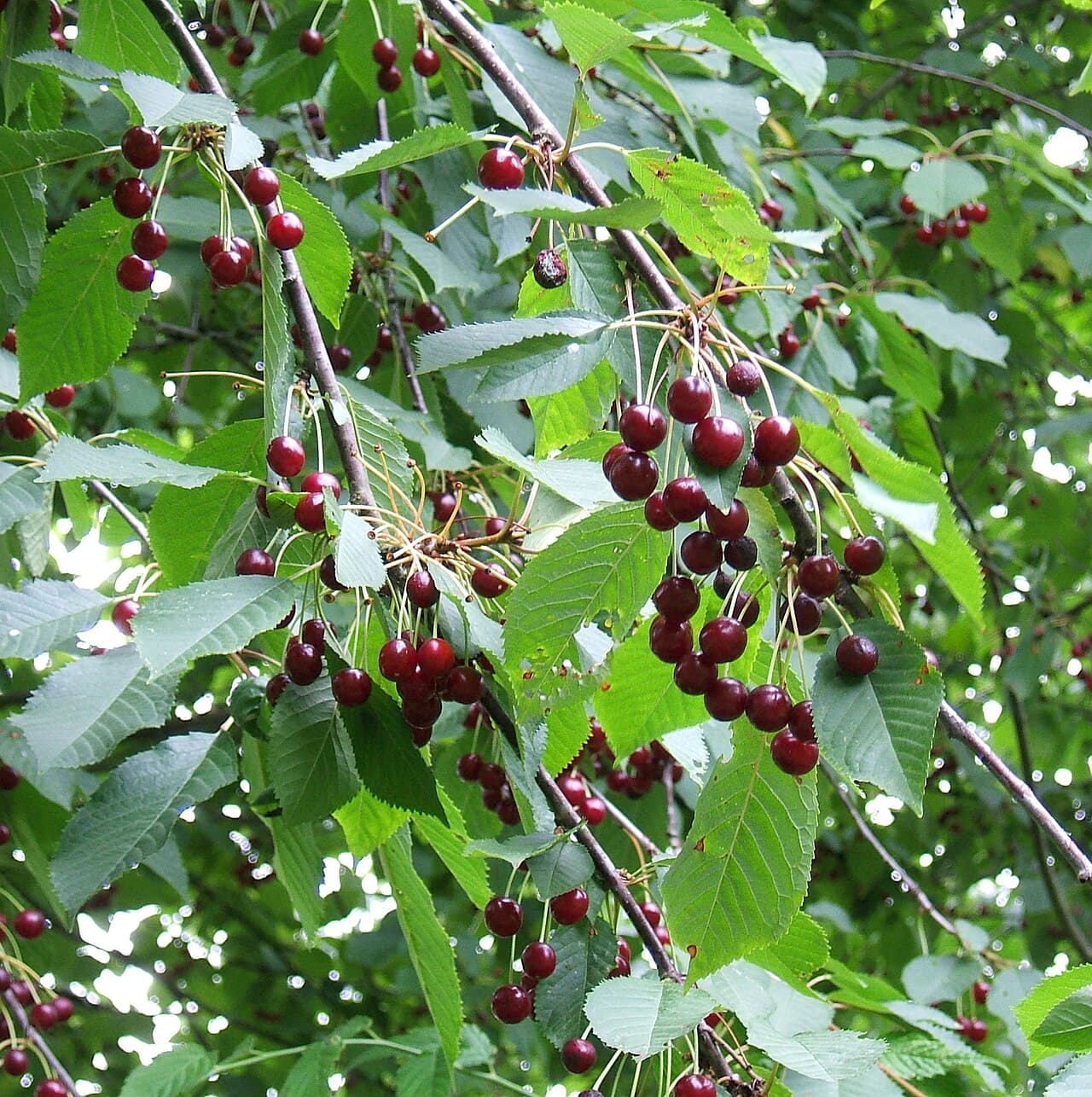
Cherry
Frequently damagedPrunus sp.
- Type
- Tree
- Hardiness
- Zones 4–8, genus range
Crimson Clover
Frequently damagedTrifolium incarnatum
- Type
- Food plot forage
- Hardiness
- Zones 5–9
- Height
- 12–36 in
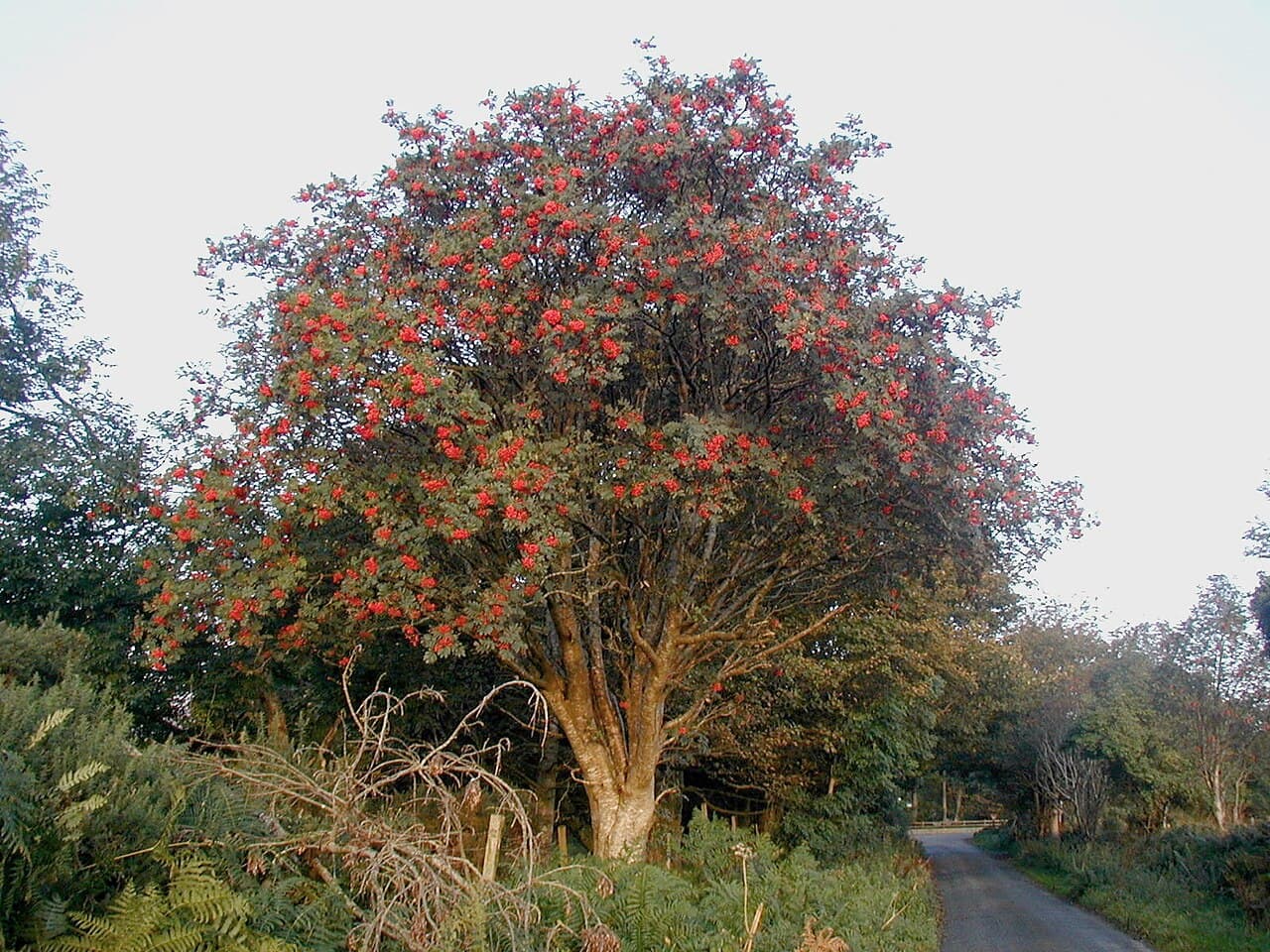
European Mountain Ash
Frequently damagedSorbus aucuparia
- Type
- Tree
- Hardiness
- Zones 3–7
- Height
- 240–480 in
Forage Chicory
Frequently damagedCichorium intybus
- Type
- Food plot forage
- Hardiness
- Zones 3–9
- Height
- 36–48 in
Forage Oats
Frequently damagedAvena sativa
- Type
- Food plot forage
- Hardiness
- Zones 5–9
- Height
- 24–48 in
Forage Radish
Frequently damagedRaphanus sativus
- Type
- Food plot forage
- Hardiness
- Zones 3–9
- Height
- 6–36 in
Forage Soybeans
Frequently damagedGlycine max
- Type
- Food plot forage
- Hardiness
- Zones 5–10
Iron Clay Cowpeas
Frequently damagedVigna unguiculata
- Type
- Food plot forage
- Hardiness
- Zones 6–11
- Height
- 60–120 in
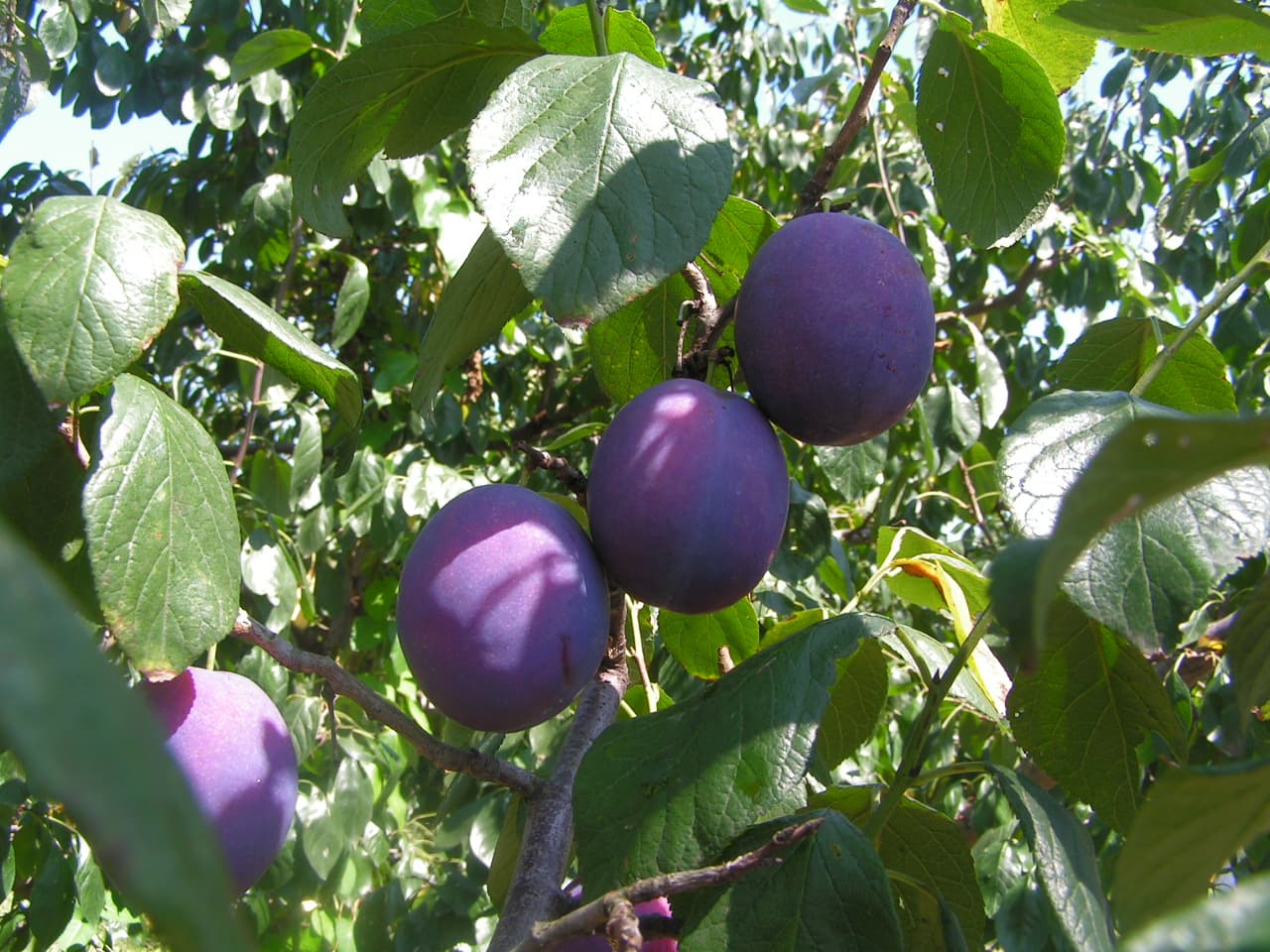
Plum
Frequently damagedPrunus domestica
- Type
- Tree
- Hardiness
- Zones 4–9
- Height
- 120–240 in
Purple Top Turnip
Frequently damagedBrassica rapa
- Type
- Food plot forage
- Hardiness
- Zones 3–9
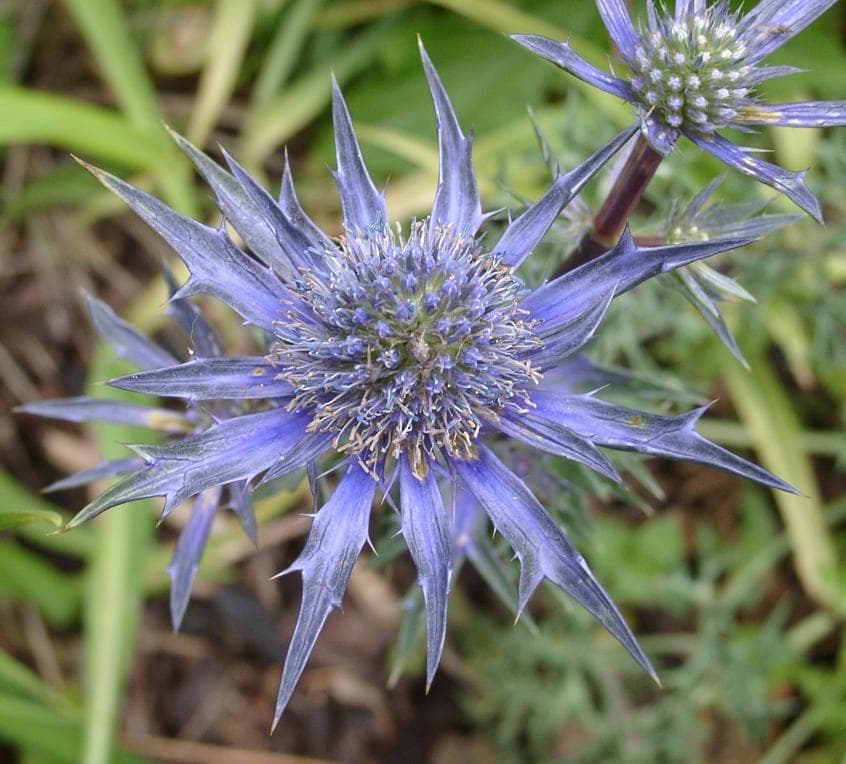
Sea Holly
Frequently damagedEryngium sp.
- Type
- Perennial
- Hardiness
- Zones 4–9, genus range
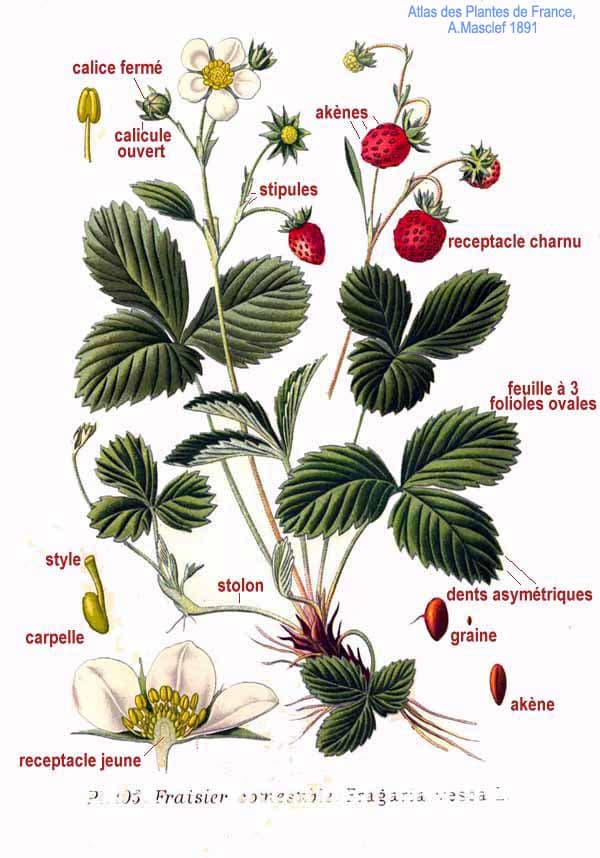
Strawberry
Frequently damagedFragaria sp.
- Type
- Perennial
- Hardiness
- Zones 3–9, genus range
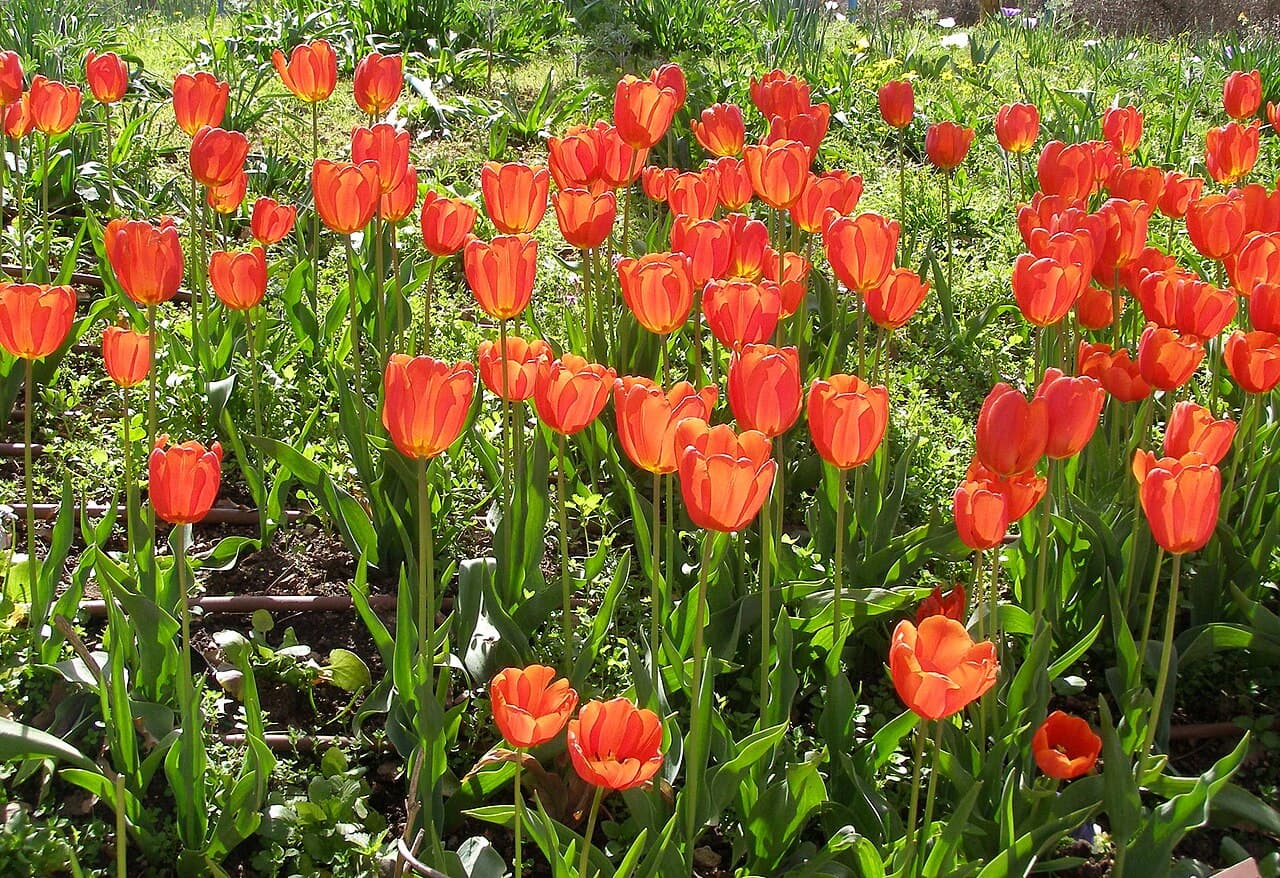
Tulip
Frequently damagedTulipa spp.
- Type
- Bulb
- Hardiness
- Zones 3–8, genus range
- Height
- 10–24 in