
Plant record · Perennial
Is Primrose deer resistant?
Primula sp.
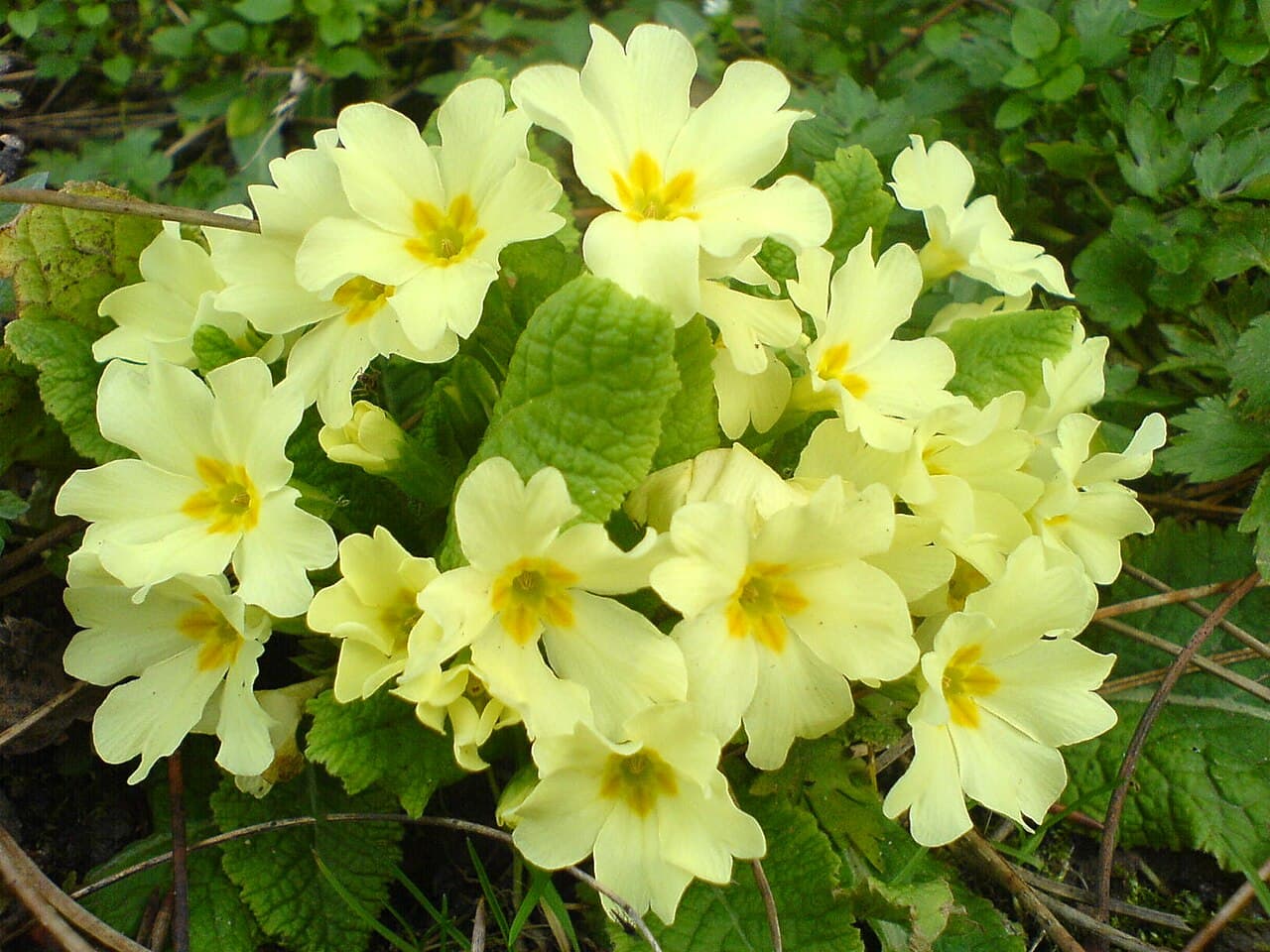
Mostly. Light browsing at worst; rarely ruined.
- Type
- Perennial
- Hardiness
- Zones 3–8, genus range
- Bloom
- Spring
- Maintenance
- Moderate
- Toxic to
- dogs, cats, and horses
Damage steps follow a published university field scale. How plants are rated.
About Primrose
An enormous genus with wildly different needs, so identify which species you have before deciding where to plant it. Most garden primulas want cool moist soil and part shade, and most fail in hot dry summers. Divide the clumps every few years or flowering falls off.
Do deer eat primroses?
Seldom. Rutgers rates the genus Seldom Severely Damaged, B, and Iowa State lists primrose in the same tier. NC State's entry for the genus says nothing about deer, so the tier rests on those two, and on a genus this large the tier is an average of plants that differ a good deal. The garden primulas are small, early and finished before summer pressure builds, which is most of their protection; the soft leaf has none of its own.
Where it grows
NC State gives the genus zones 3a through 11b, dappled or partial shade to deep shade, flowering in spring, and a problem list that is the real enemy: "Watch for slugs, snails, weevils, aphids and spider mites." A primrose eaten to the crown in a damp bed is slug work far more often than it is deer. The ASPCA lists primrose as toxic to dogs, cats and horses; the callout below carries it.
Protecting primroses
Rarely needed from deer. From slugs, the usual measures, and dividing the clumps every few years so the crowns stay vigorous.
If it is browsed
It regrows from the crown, slowly, and a plant browsed in flower is done for the spring. The clump is not in danger unless the crown was pulled, which is what a deer's tearing bite does to a shallow-rooted plant and what a slug cannot.
Soil and care
- Soil pH
- 5.5 to 6.5
- Drainage
- Consistently moist
- Water
- Moderate
- Spacing
- 10 to 14 in apart
- Growth rate
- Moderate
- Maintenance
- Moderate
Similar to Primrose
Other perennials with the same deer rating.
- African LilyAgapanthus sp.Zones 8–11, genus rangeSeldom damaged
- AsparagusAsparagus officinalisZones 2–9Seldom damaged
- AsterAster sp.Zones 3–8, genus rangeSeldom damaged
- AstilbeAstilbe x arendsiiZones 3–8Seldom damaged
- Baby's BreathGypsophila sp.Zones 3–9, genus rangeSeldom damaged
- BastardsageEriogonum wrightiiZones 5–10Seldom damaged
Where Primrose grows
Hardy across 50 states on zone range alone. Mountain and coastal areas sit outside the ranges used here, so check your own zone before ordering. Select any state, including one it will not grow in, for what is resistant there.
Choose a state from the listeasier on a phone
- Pennsylvania
- New Jersey
- New York
- Connecticut
- Massachusetts
- Virginia
- Maryland
- Michigan
- Wisconsin
- Ohio
- Indiana
- Illinois
- Minnesota
- Missouri
- North Carolina
- Tennessee
- Georgia
- Texas
- Colorado
- California
- Oregon
- Washington
- New Hampshire
- Vermont
- Maine
- Rhode Island
- Delaware
- West Virginia
- Kentucky
- South Carolina
- Florida
- Alabama
- Mississippi
- Louisiana
- Arkansas
- Oklahoma
- Kansas
- Nebraska
- Iowa
- North Dakota
- South Dakota
- Montana
- Wyoming
- Idaho
- Utah
- Nevada
- Arizona
- New Mexico
- Alaska
- District of Columbia
- Hawaii
Common questions about Primrose
- Is Primrose deer resistant?
- Primrose (Primula sp.) is rated Seldom Severely Damaged, step 2 of 4 on the damage scale this site uses. Light browsing at worst; rarely ruined.
- What hardiness zones does Primrose grow in?
- Primrose is hardy in USDA zones 3 to 8. Outside that range it will either not survive winter or will struggle with summer heat. That is the range across the genus, so a named species or cultivar may be narrower.
- Does Primrose grow in shade?
- Yes. Primrose tolerates full shade to part shade, which makes it one of the options for a shaded bed where deer also browse.
- Is Primrose toxic to dogs or cats?
- Yes. The ASPCA lists Primrose as toxic to dogs, cats, and horses. Site it away from where animals graze, or choose something else if you have a dog that chews.
Browse from here
Every list Primrose belongs to.
All perennials·Seldom damaged·Shade plants