
Plant record · Perennial
Is Lupine deer resistant?
Lupinus sp.
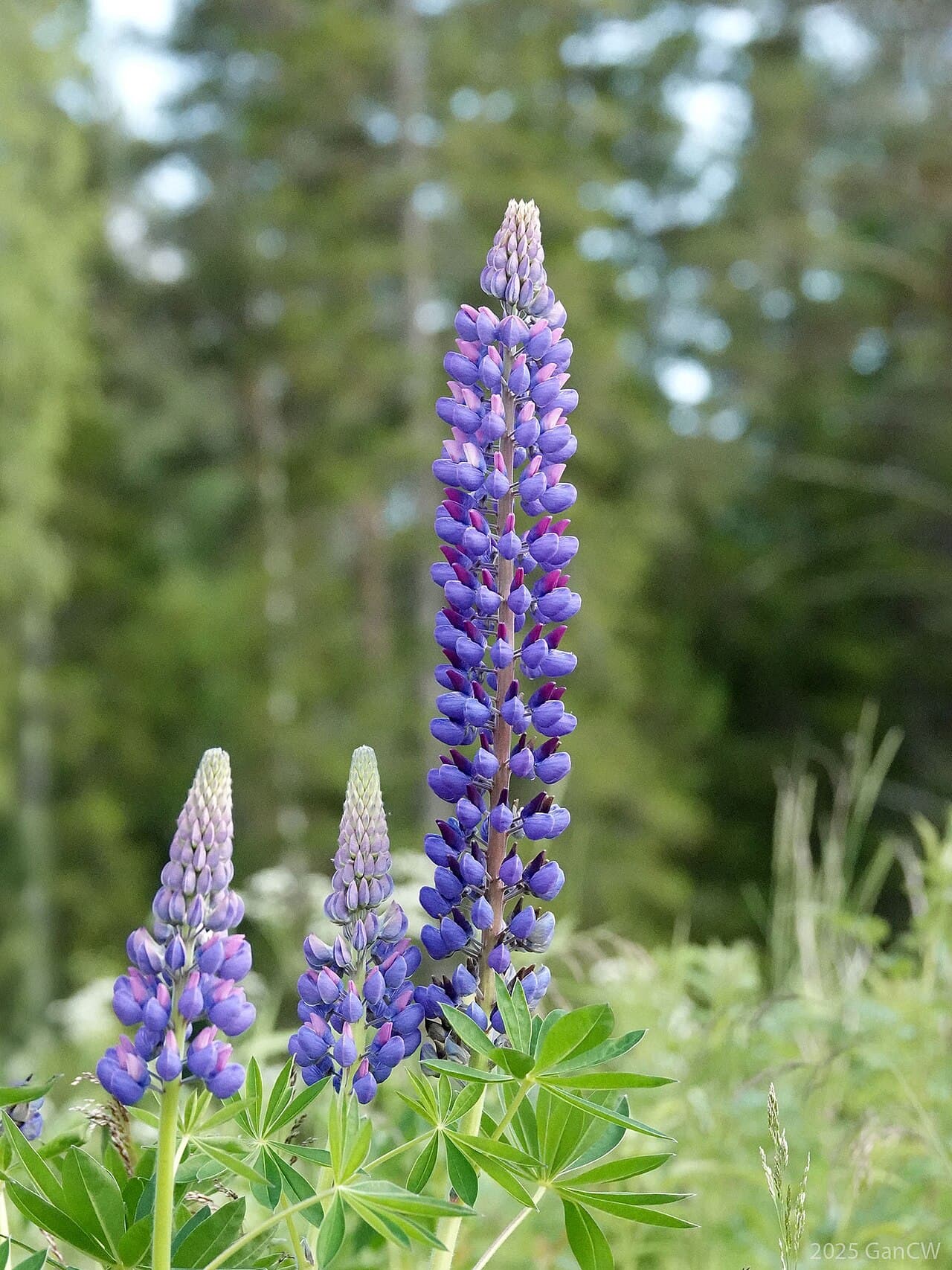
Mostly. Light browsing at worst; rarely ruined.
- Type
- Perennial
- Hardiness
- Zones 4–8, genus range
- Light
- Full sun
- Bloom
- Spring and Summer
- Maintenance
- Moderate
Damage steps follow a published university field scale. How plants are rated.
About Lupine
Fixes its own nitrogen and resents rich soil and lime, so grow it lean and slightly acid. Short-lived, three years or so, and it dislikes being moved once the taproot is down. Aphids can cover the spikes overnight. Invasive in parts of the northeast and the Pacific Northwest where it displaces native lupines.
Do deer eat lupine?
Seldom. Rutgers rates the genus Seldom Severely Damaged, B, and NC State lists deer and rabbits among what it resists. The alkaloids are the reason: NC State names lupinine, anagyrine and sparteine among them and rates the severity Low, "toxic only if large quantities eaten," with the seeds the concern. Under pressure the flower spikes are taken as they rise, since the spike is the soft part, and the leaf is left.
Where it grows
NC State: zones 4a to 9b, 3 to 4 feet, full sun or partial shade, flowering spring into summer. Lean, slightly acid, sharply drained soil, and no moving once the taproot is down. The garden hybrids are short-lived, three years or so, and the aphids that cover a spike overnight are the damage most gardens actually see.
Protecting lupine
Where spikes are being taken, one application of the 20 percent egg spray Colorado State rates High at bud stage covers the four weeks of bloom. Nothing else is usually needed.
If it is browsed
A browsed spike is gone for the year and the plant sends side spikes, smaller. The plant itself regrows from the crown, and a lupine that is allowed to seed replaces itself, which matters for a perennial that was going to die at three anyway. In the Northeast and the Pacific Northwest, where the garden lupine escapes and displaces the native species, letting it seed is the wrong answer.
Soil and care
- Soil pH
- 5.5 to 6.5
- Drainage
- Well drained
- Water
- Moderate
- Spacing
- 24 to 35 in apart
- Growth rate
- Fast
- Maintenance
- Moderate
Similar to Lupine
Other perennials with the same deer rating.
- African LilyAgapanthus sp.Zones 8–11, genus rangeSeldom damaged
- AsparagusAsparagus officinalisZones 2–9Seldom damaged
- AsterAster sp.Zones 3–8, genus rangeSeldom damaged
- AstilbeAstilbe x arendsiiZones 3–8Seldom damaged
- Baby's BreathGypsophila sp.Zones 3–9, genus rangeSeldom damaged
- BastardsageEriogonum wrightiiZones 5–10Seldom damaged
Where Lupine grows
Hardy across 50 states on zone range alone. Mountain and coastal areas sit outside the ranges used here, so check your own zone before ordering. Select any state, including one it will not grow in, for what is resistant there.
Choose a state from the listeasier on a phone
- Pennsylvania
- New Jersey
- New York
- Connecticut
- Massachusetts
- Virginia
- Maryland
- Michigan
- Wisconsin
- Ohio
- Indiana
- Illinois
- Minnesota
- Missouri
- North Carolina
- Tennessee
- Georgia
- Texas
- Colorado
- California
- Oregon
- Washington
- New Hampshire
- Vermont
- Maine
- Rhode Island
- Delaware
- West Virginia
- Kentucky
- South Carolina
- Florida
- Alabama
- Mississippi
- Louisiana
- Arkansas
- Oklahoma
- Kansas
- Nebraska
- Iowa
- North Dakota
- South Dakota
- Montana
- Wyoming
- Idaho
- Utah
- Nevada
- Arizona
- New Mexico
- Alaska
- District of Columbia
- Hawaii
Common questions about Lupine
- Is Lupine deer resistant?
- Lupine (Lupinus sp.) is rated Seldom Severely Damaged, step 2 of 4 on the damage scale this site uses. Light browsing at worst; rarely ruined.
- What hardiness zones does Lupine grow in?
- Lupine is hardy in USDA zones 4 to 8. Outside that range it will either not survive winter or will struggle with summer heat. That is the range across the genus, so a named species or cultivar may be narrower.
- Does Lupine grow in shade?
- No. Lupine wants full sun and will grow thin and flop in shade.
Browse from here
Every list Lupine belongs to.
All perennials·Seldom damaged·Full sun plants