
Plant record · Perennial
Is Bugbane deer resistant?
Cimicifuga sp.
Damage step 2 of 4 · Seldom Severely Damaged
Mostly. Light browsing at worst; rarely ruined.
- Type
- Perennial
- Hardiness
- Zones 3–8, genus range
- Bloom
- Summer
- Maintenance
- Low
- Toxic to
- dogs, cats, and horses
Damage steps follow a published university field scale. How plants are rated.
About Bugbane
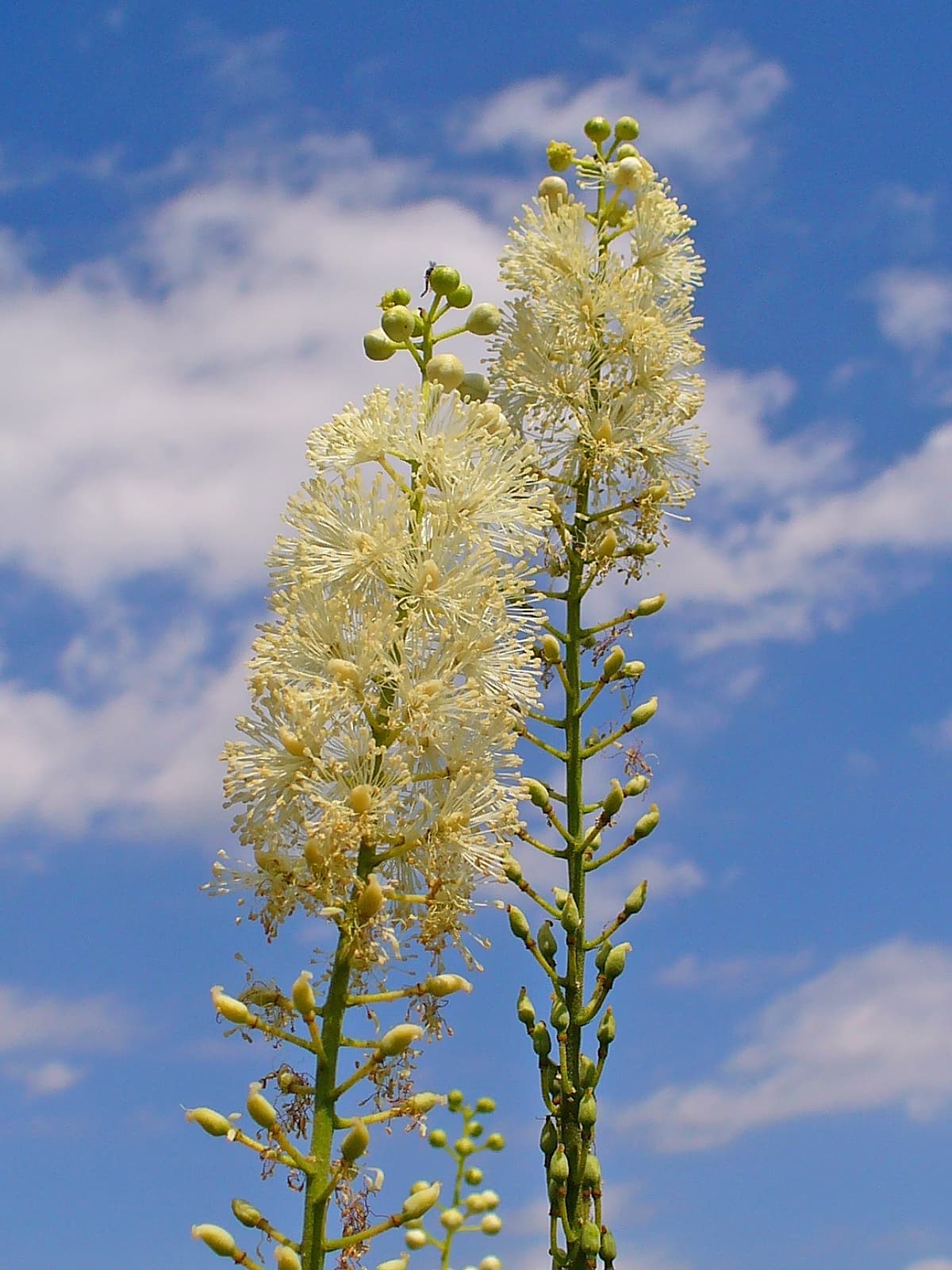
Tall white bottlebrush spikes lighting up shade in midsummer, on a plant that lives for decades. The flowers have a strong scent that not everyone enjoys close up.
Soil and care
- Soil pH
- 5.5 to 6.5
- Drainage
- Consistently moist
- Water
- Moderate
- Spacing
- 24 to 35 in apart
- Growth rate
- Slow
- Maintenance
- Low
Similar to Bugbane
Other perennials with the same deer rating.
- African LilyAgapanthus sp.Zones 8–11, genus rangeSeldom damaged
- AsparagusAsparagus officinalisZones 2–9Seldom damaged
- AsterAster sp.Zones 3–8, genus rangeSeldom damaged
- AstilbeAstilbe x arendsiiZones 3–8Seldom damaged
- Baby's BreathGypsophila sp.Zones 3–9, genus rangeSeldom damaged
- BastardsageEriogonum wrightiiZones 5–10Seldom damaged
Where Bugbane grows
Hardy across 50 states on zone range alone. Mountain and coastal areas sit outside the ranges used here, so check your own zone before ordering. Select any state, including one it will not grow in, for what is resistant there.
Choose a state from the listeasier on a phone
- Pennsylvania
- New Jersey
- New York
- Connecticut
- Massachusetts
- Virginia
- Maryland
- Michigan
- Wisconsin
- Ohio
- Indiana
- Illinois
- Minnesota
- Missouri
- North Carolina
- Tennessee
- Georgia
- Texas
- Colorado
- California
- Oregon
- Washington
- New Hampshire
- Vermont
- Maine
- Rhode Island
- Delaware
- West Virginia
- Kentucky
- South Carolina
- Florida
- Alabama
- Mississippi
- Louisiana
- Arkansas
- Oklahoma
- Kansas
- Nebraska
- Iowa
- North Dakota
- South Dakota
- Montana
- Wyoming
- Idaho
- Utah
- Nevada
- Arizona
- New Mexico
- Alaska
- District of Columbia
- Hawaii
Common questions about Bugbane
- Is Bugbane deer resistant?
- Bugbane (Cimicifuga sp.) is rated Seldom Severely Damaged, step 2 of 4 on the damage scale this site uses. Light browsing at worst; rarely ruined.
- What hardiness zones does Bugbane grow in?
- Bugbane is hardy in USDA zones 3 to 8. Outside that range it will either not survive winter or will struggle with summer heat. That is the range across the genus, so a named species or cultivar may be narrower.
- Does Bugbane grow in shade?
- Yes. Bugbane tolerates full shade to part shade, which makes it one of the options for a shaded bed where deer also browse.
- Is Bugbane toxic to dogs or cats?
- Yes. The ASPCA lists Bugbane as toxic to dogs, cats, and horses. Site it away from where animals graze, or choose something else if you have a dog that chews.
Browse from here
Every list Bugbane belongs to.
All perennials·Seldom damaged·Shade plants